Why Choose PVC WPC Wall Panels for Your Next Project?
When considering materials for your next construction project, the choice of wall panels can significantly impact both aesthetics and functionality. One option that has gained popularity is the PVC WPC wall panel. These panels combine durability and design flexibility, making them an appealing alternative to traditional materials. Their ability to resist moisture and wear makes them suitable for various environments, from residential to commercial spaces.
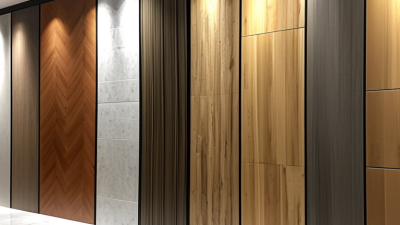
PVC WPC wall panels are not just practical; they also offer a wide range of colors and textures. This versatility allows designers to create unique interiors that reflect personal style. However, selecting the right wall panel needs careful thought. Not all panels provide the same level of quality or sustainability. It's crucial to evaluate the credentials of manufacturers to ensure your investment is reliable.
In the fast-evolving world of building materials, not every option will meet your needs. It's essential to research thoroughly. Balancing design, function, and environmental impact is vital. With the right information, choosing PVC WPC wall panels can lead to successful project outcomes that stand the test of time.
Advantages of PVC WPC Wall Panels over Traditional Materials
PVC WPC wall panels are increasingly popular in various construction projects due to their numerous advantages over traditional materials. These panels combine the best features of plastic and wood, offering durability and aesthetic appeal. Unlike wood, PVC WPC panels do not warp or rot when exposed to moisture, making them ideal for humid environments. They are also lighter, which simplifies installation and reduces labor costs.
Maintenance is a significant factor when choosing materials. PVC WPC wall panels require minimal upkeep. Unlike painted wood or non-treated surfaces, they resist fading and don’t need regular painting. You can simply wipe them clean. This offers a long-term cost advantage. However, you should consider the initial investment, which can be higher than basic wood options.
When planning your project, be mindful of the design flexibility that PVC WPC panels provide. They come in many styles and finishes, mimicking the look of natural wood without the drawbacks. Quotes from contractors highlight that many clients switch to these panels for their efficiency and visual appeal. Balancing aesthetics and function is crucial. Rethink traditional material choices for your upcoming projects; you might find that PVC WPC wall panels meet your needs better than expected.
Durability and Maintenance: Lifespan of PVC WPC Wall Panels Explained
When considering wall panels, durability and maintenance often top the list. PVC WPC wall panels shine in these areas. They boast a lifespan that can exceed 20 years with proper care. Unlike traditional materials, these panels resist moisture, making them ideal for kitchens and bathrooms. Their resilience against warping and fading means they remain appealing over time.
Routine maintenance is straightforward. A simple wipe-down with soap and water suffices for most clean-ups. However, residue can accumulate in crevices. Regular inspections are essential to catch any potential issues early on. Repairs, if necessary, are typically minor and do not require extensive resources or expertise.
In terms of design, explore various textures and colors. They can enhance both contemporary and classic spaces. Consider your project’s overall aesthetic. Aim for a cohesive look that aligns with your vision. Remember, even durable materials might show signs of wear. Embrace minor imperfections; they often tell a story and add character to spaces.
Cost-Effectiveness: Long-term Savings with PVC WPC Wall Panels
PVC WPC wall panels have gained popularity due to their cost-effectiveness. This material combines the best attributes of wood and plastic, offering durability and versatility. According to a report by MarketsandMarkets, the global WPC market is projected to reach $9 billion by 2027. This growth reflects the increasing awareness of WPC’s benefits, including long-term savings.
Investing in PVC WPC wall panels means lower maintenance costs. Unlike traditional materials, they resist moisture, mold, and pests. A study by the Vinyl Institute reported that PVC products have a lifespan of over 50 years. This durability results in fewer replacements and repairs, leading to significant savings over time.
Moreover, installation costs are often lower. PVC WPC panels are lighter than traditional materials, simplifying the installation process. This can reduce labor costs, benefiting project budgets. As more homeowners and builders recognize these advantages, the shift towards PVC WPC becomes evident. However, it’s important to weigh the initial investment against long-term benefits for comprehensive project planning.
Why Choose PVC WPC Wall Panels for Your Next Project? - Cost-Effectiveness: Long-term Savings with PVC WPC Wall Panels
| Feature |
PVC WPC Panels |
Traditional Materials |
| Initial Cost |
$15/sq ft |
$20/sq ft |
| Lifespan |
20-30 years |
10-15 years |
| Maintenance Costs |
Low |
High |
| Installation Time |
Short |
Long |
| Water Resistance |
Yes |
No |
| Environmental Impact |
Recyclable |
Limited recyclability |
Sustainability: Environmental Impact of Choosing PVC WPC Wall Panels
When selecting wall panels for your next construction project, consider the sustainability of PVC WPC panels. These materials often have a lower environmental footprint compared to traditional wood. Reports indicate that PVC WPC panels can reduce deforestation by using recycled materials, which is crucial for preserving global forests. According to the Environmental Protection Agency, the production of PVC can utilize up to 60% recycled content.
The production process of PVC WPC panels is also energy efficient. It consumes significantly less energy compared to that of natural wood. Research shows that this method reduces carbon emissions by nearly 30% during manufacturing. This aligns with growing concerns about climate change. Nevertheless, the sourcing of virgin plastic still raises questions, especially regarding petroleum extraction and its impact on the environment.
Moreover, using PVC WPC panels supports circular economy principles. They can last much longer than traditional materials, reducing the frequency of replacements. This longevity contributes to less waste in landfills over time. However, it’s essential to consider that improper disposal of these panels can lead to environmental concerns. Engaging in responsible recycling practices remains imperative for achieving true sustainability.
Aesthetics and Design Flexibility with PVC WPC Wall Panels
PVC WPC wall panels stand out in the realm of aesthetics and design flexibility. The combination of polyvinyl chloride and wood fibers creates a material that mimics traditional wood while offering durability and resistance to moisture. This versatility makes them ideal for a variety of settings, from modern homes to commercial spaces. Their range of colors and textures allows architects and designers to explore creative ideas.
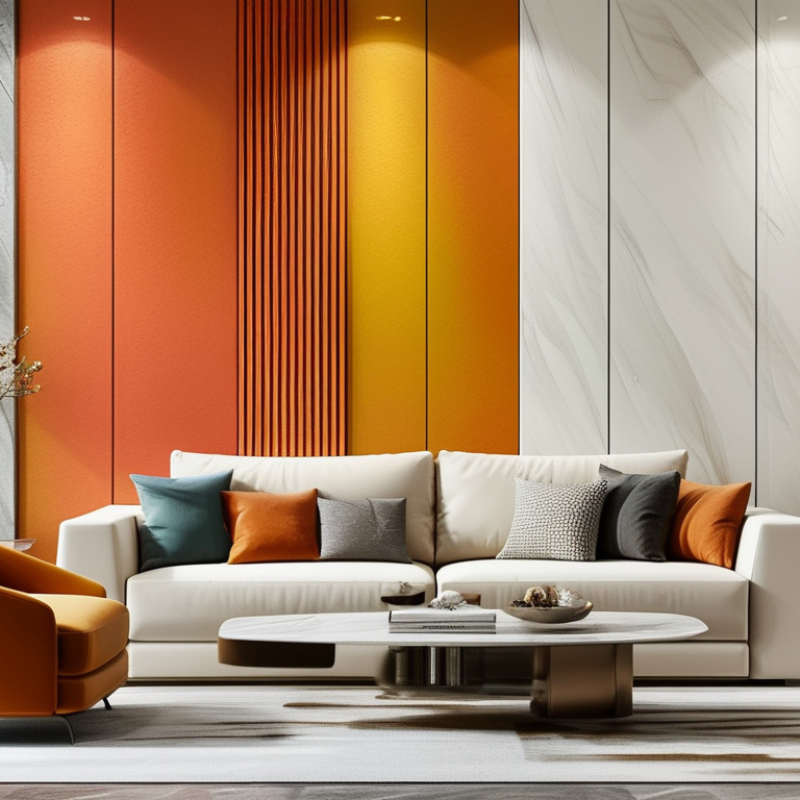
When planning your design, think about the ambiance. Light colors can brighten a space, while darker shades add warmth. You can also layer panels for added depth. However, consider the lighting in your area; too much contrast may overwhelm the senses.
One might think these panels are just for walls, but they can enhance ceilings and accents too. Play with geometric patterns or horizontal and vertical orientations. Remember, integrating these panels requires careful planning. Misaligned panels can disrupt the visual flow. It’s crucial to pay attention to details for a polished outcome.