Top Benefits of 3D WPC Exterior Wall Panels for Your Project?
In the world of construction and design, innovation plays a crucial role. One remarkable development is the 3D WPC exterior wall panel. This material combines wood and plastic, resulting in a sturdy and versatile option for exterior applications. The unique 3D texture not only enhances aesthetics but also provides durability.
Many builders and architects are discovering the advantages of using 3D WPC exterior wall panels. They offer weather resistance, contributing to longevity and maintenance savings. Aesthetic appeal can significantly elevate a building's design. However, not all panels are created equal. Choosing the right panel involves careful consideration of quality and performance.
Despite the numerous benefits, challenges exist. Installation may require specialized skills, which can increase initial costs. Care must be taken to understand local building codes and environmental impacts. Ultimately, the 3D WPC exterior wall panel represents a blend of innovation and practicality, making it a strong candidate for future projects.
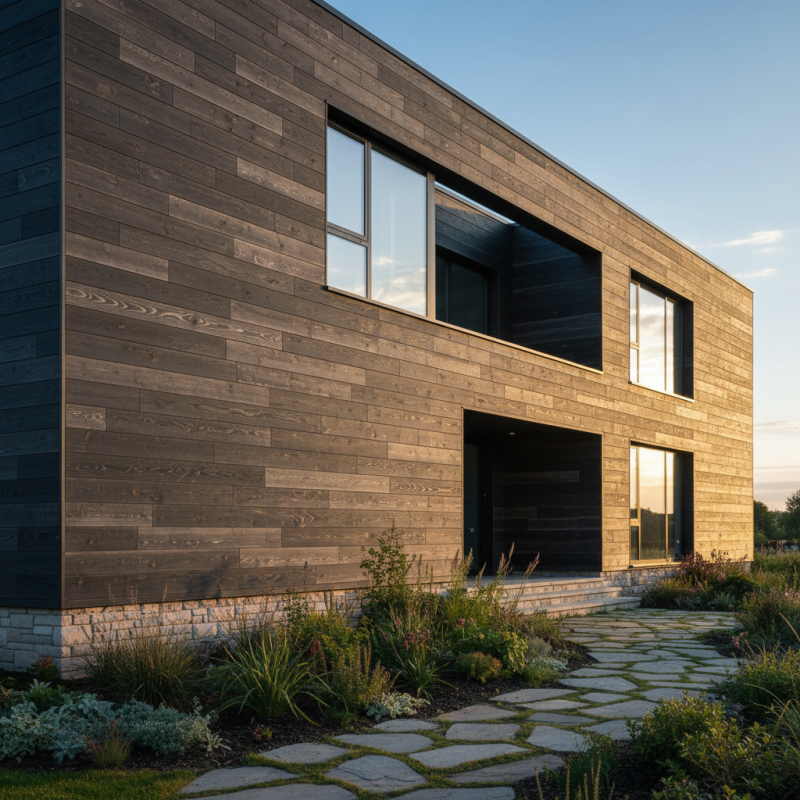
Understanding 3D WPC Exterior Wall Panels and Their Composition
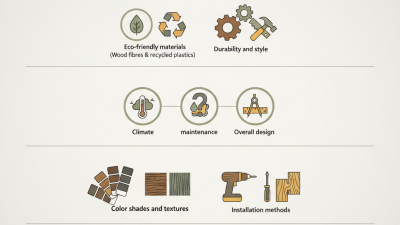
3D WPC (Wood Plastic Composite) exterior wall panels have gained popularity due to their unique composition and versatility. These panels combine wood fibers and recycled plastic, creating a strong and durable material. The blend of natural wood and synthetic materials offers the aesthetic appeal of wood with added resilience. This composition also makes the panels eco-friendly, appealing to environmentally conscious builders.
Installation of 3D WPC panels is generally straightforward. They can be cut and shaped to fit various design requirements. Their lightweight nature contributes to easier handling. However, the installation process may still require skilled labor to achieve optimal results. Some users might encounter challenges with expansion and contraction due to temperature changes. Thorough planning minimizes these potential issues.
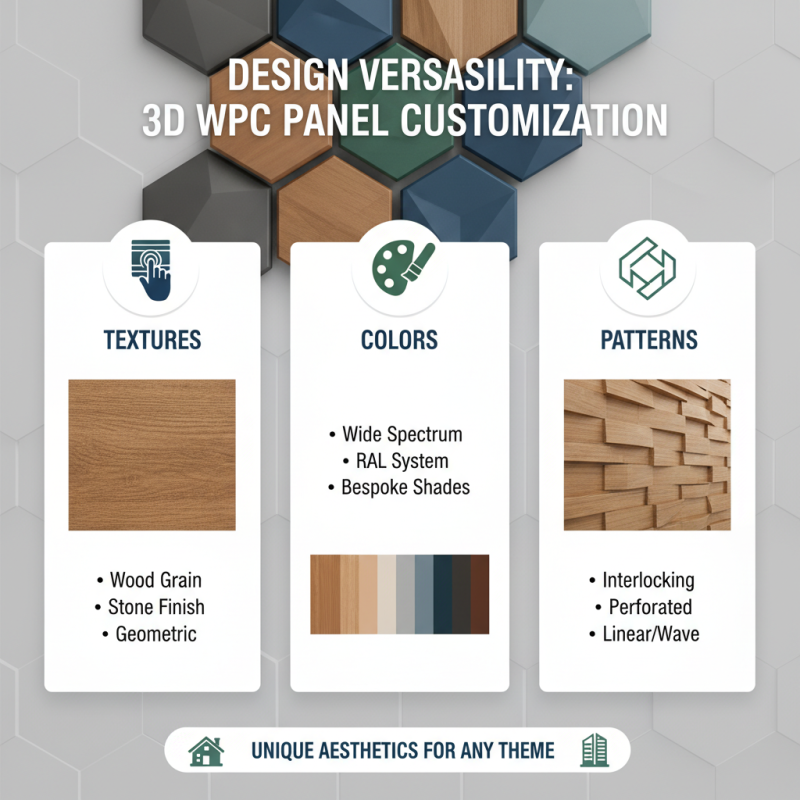
Architects and designers appreciate the diverse finishing options available with 3D WPC panels. They can be customized in various colors and textures, complementing different architectural styles. Yet, it’s crucial to conduct thorough research on the materials used to ensure longevity and avoid potential pitfalls. Careful consideration of local climate conditions can also influence performance outcomes, requiring thoughtful planning ahead.
Top Benefits of 3D WPC Exterior Wall Panels
Key Advantages of Using 3D WPC Panels in Construction Projects
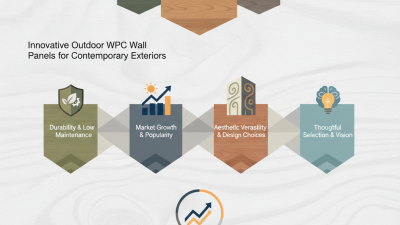
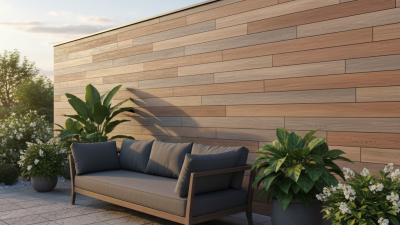
3D WPC panels are revolutionizing construction projects. They are not just trendy; they offer practical benefits. These panels are durable, resisting moisture and pest damage. Their unique texture adds depth to any exterior, enhancing visual appeal.
Tips: Always check the panel thickness. Thicker panels often provide better insulation.
One notable advantage is ease of installation. These panels can be cut and shaped easily, which saves time and labor costs. This flexibility is advantageous for unique architectural designs that stand out.
Consider using a variety of colors and patterns. This method can introduce a vibrant aesthetic while retaining structural integrity.
Challenges can arise when combining different materials. Ensure compatibility to prevent future maintenance issues. Different materials react differently over time.
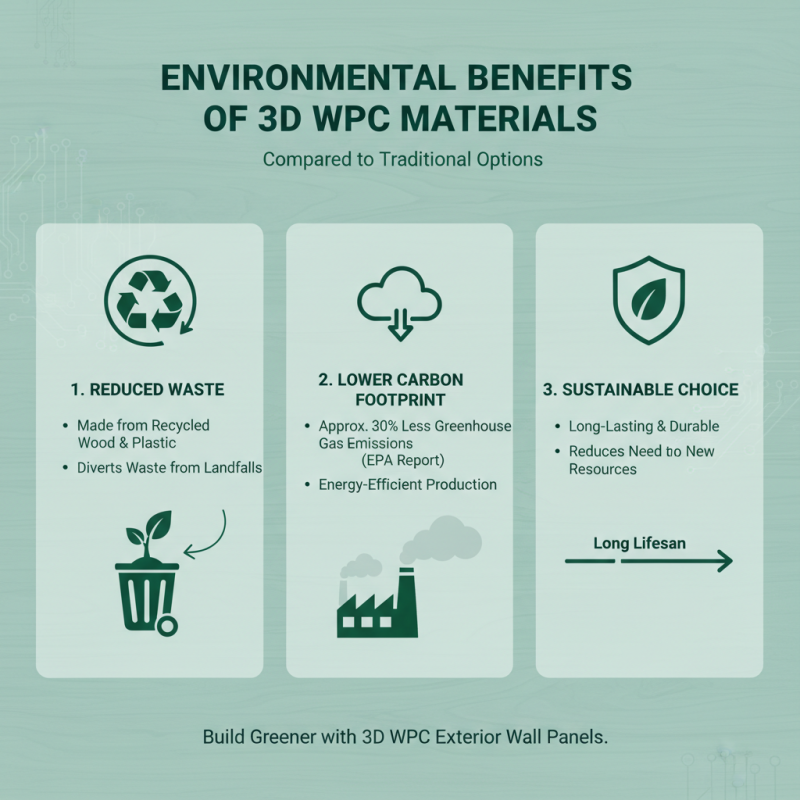
Environmental Benefits of 3D WPC Materials Compared to Traditional Options
3D WPC (Wood Plastic Composite) exterior wall panels bring numerous environmental benefits compared to traditional materials. These innovative panels are made from recycled wood and plastic, significantly reducing waste. According to a report by the U.S. Environmental Protection Agency, using recycled materials can lower greenhouse gas emissions by approximately 30%. This means a smaller carbon footprint for your construction projects.
Moreover, 3D WPC panels are durable and resistant to weather extremes. They do not rot, warp, or suffer from termite damage. This longevity minimizes the need for replacements, which can generate additional waste and consume resources. The National Association of Home Builders indicates that environmentally-friendly materials can enhance a building's energy efficiency. This can lead to lower energy costs over time.
Tip: When selecting materials, consider their entire life cycle. Evaluate how they will perform in various conditions and their end-of-life options.
Another aspect to consider is the maintenance. Traditional materials often require toxic chemical treatments to sustain them. In contrast, 3D WPC panels typically need less upkeep, which is better for the environment. However, not all WPC products are created equally. It's essential to research and select options that use sustainable practices in their production.
Tip: Look for certifications and labels that indicate sustainable manufacturing processes. This detail can guide you toward more eco-friendly choices.
Maintenance and Durability: Long-Term Performance of 3D WPC Walls
When considering the long-term performance of 3D WPC exterior wall panels, maintenance and durability are key factors. These wall panels are designed to resist various weather conditions, making them a reliable choice for exterior applications. Unlike traditional materials, WPC panels do not warp or swell when exposed to moisture. This results in fewer repairs over time, which can save you money and effort in the long run.
Keep in mind that while 3D WPC panels are low-maintenance, periodic cleaning is still essential. A simple wash with mild soap can prevent dirt accumulation. Also, inspect panels for any signs of wear annually. Addressing small issues early can extend the life of your walls.
A common oversight is neglecting the installation process. Proper installation ensures the panels perform as expected. This includes using suitable fasteners and ensuring adequate ventilation. A well-executed installation can enhance the durability you expect from WPC materials.
Top Benefits of 3D WPC Exterior Wall Panels for Your Project
| Benefit |
Description |
Long-Term Performance |
Maintenance Requirements |
| Durability |
Resistant to weathering, moisture, and pests. |
Maintains integrity for 20+ years. |
Low, occasional cleaning required. |
| Aesthetic Appeal |
Available in a variety of designs and colors. |
Color retention for years without fading. |
Clean with mild detergent as needed. |
| Energy Efficiency |
Provides insulation and reduces energy loss. |
Long-term energy savings observed. |
Periodic inspection for seal integrity. |
| Eco-Friendly |
Made from recycled materials and sustainable sources. |
Long-lasting and reduces landfill waste. |
Minimal impact; typical cleaning process. |
| Cost-Effective |
Reduces long-term maintenance costs. |
Cost-efficient over the lifecycle of the building. |
Simple care reduces unexpected expenses. |