China Top Wall Paneling Bamboo Charcoal Wood Veneer Benefits and Applications?
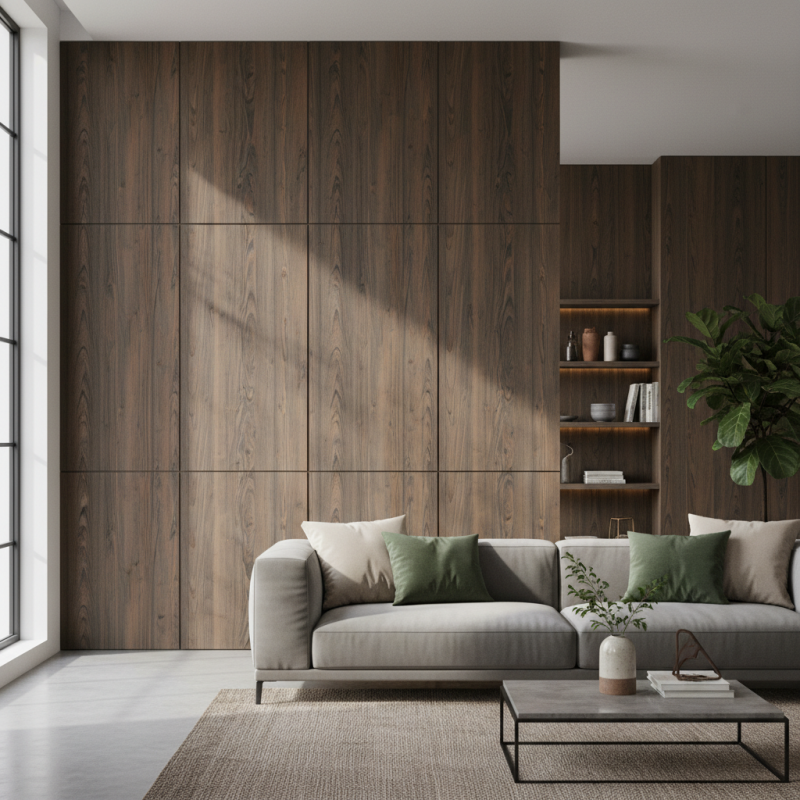
Wall Paneling Bamboo Charcoal Wood Veneer stands out in modern interior design. This innovative material combines aesthetics with functionality. Its appeal lies in sustainable sourcing and natural beauty.
Bamboo charcoal is known for its unique properties. It absorbs moisture and purifies air. These benefits contribute to creating a healthier indoor environment. Using Wall Paneling Bamboo Charcoal Wood Veneer, homeowners can enjoy both elegance and practicality.
However, not all bamboo veneers are created equal. Ensuring high quality is crucial. Some products may not live up to their claims. It's essential to research and choose reliable suppliers. With the right choice, this wall paneling can add warmth and sophistication to any space.
Benefits of Bamboo Charcoal Wood Veneer in Wall Paneling
Bamboo charcoal wood veneer offers numerous benefits for wall paneling. This material is not only aesthetically pleasing but also functional. It naturally absorbs moisture, reducing humidity levels in the room. This can lead to a healthier indoor environment. Additionally, bamboo charcoal boasts natural antibacterial properties, helping to keep the walls free from mold and mildew, promoting a cleaner living space.
One key aspect of bamboo charcoal veneer is its sustainability. Bamboo grows quickly, making it an eco-friendly choice. Using bamboo isn’t just stylish; it’s a responsible decision for our planet. Choosing sustainable materials can significantly lower your carbon footprint. However, one might ponder if the market is oversaturated with bamboo products. This could lead to potential quality issues. Always research suppliers to ensure you receive a reliable product.
When incorporating bamboo charcoal wood veneer into your wall design, consider the room's lighting. Different light conditions can enhance the natural beauty of the wood. Also, remember to maintain it well. Use gentle cleaners and avoid harsh chemicals. For those new to working with bamboo, learning proper installation techniques is crucial. Mistakes can be costly and lead to unsatisfactory results.
Key Characteristics of Bamboo Charcoal Wood Veneer
Bamboo charcoal wood veneer is gaining attention for its unique characteristics. Its lightweight nature makes it easy to handle in various applications. This material possesses natural antibacterial properties, which can reduce indoor air pollutants. Research indicates that bamboo charcoal can absorb harmful substances up to 80%, significantly improving air quality.
Moreover, the aesthetic appeal of bamboo charcoal wood veneer is noteworthy. It features a rich, textured appearance that adds elegance to any interior space. With a growing emphasis on sustainability, bamboo emerges as a renewable resource, making it environmentally friendly. Reports by industry experts highlight that bamboo can grow up to 91 cm in a single day, offering a rapid alternative to traditional hardwoods.
However, it is essential to consider potential downsides. Some consumers have reported that bamboo charcoal wood veneer may fade over time when exposed to direct sunlight. Additionally, while it can be more resistant to moisture than conventional wood, improper installation or maintenance can lead to issues. Careful planning and execution are necessary for optimal results.
Applications of Bamboo Charcoal Wood Veneer in Interior Design
Bamboo charcoal wood veneer has gained popularity in interior design due to its unique properties. This material boasts excellent humidity regulation, making indoor air healthier. According to a report by the International Journal of Environmental Research, bamboo charcoal can absorb over 30% of its weight in moisture. This characteristic helps maintain a balanced indoor climate.
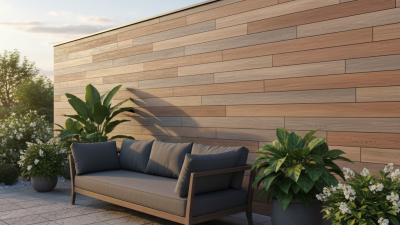
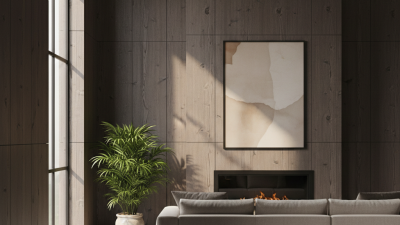
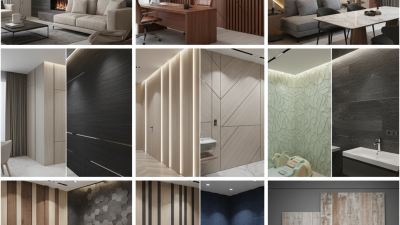
Incorporating bamboo charcoal wood veneer in homes can elevate aesthetics. Its natural texture and rich color options suit various design styles, from modern to traditional. Research shows that natural materials can enhance mood and well-being. They create a calming environment, which is essential in today’s fast-paced world. This veneer also offers fire resistance and durability, making it practical for long-term applications.
However, some concerns arise with sourcing and processing. Not all bamboo is sustainably harvested. It's vital to research the origins of the material before incorporating it into designs. Additionally, while the aesthetic appeal is significant, it's not without challenges. Proper maintenance is necessary to ensure the veneer retains its charm over time. Understanding these factors can help designers make informed choices that align with environmental considerations.
Applications of Bamboo Charcoal Wood Veneer in Interior Design
Sustainability of Bamboo Charcoal Wood Veneer as a Building Material
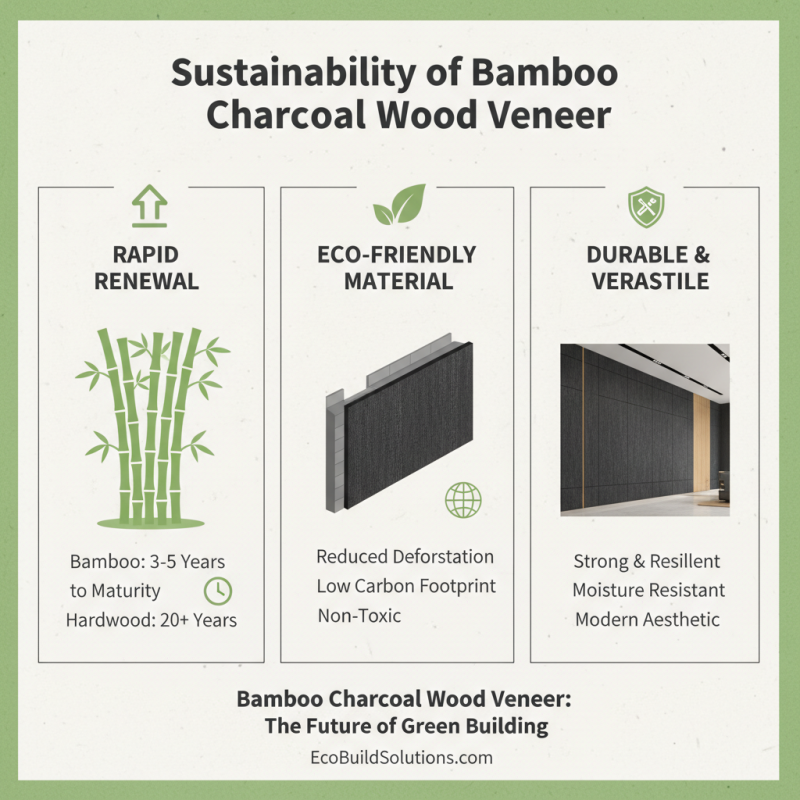
Bamboo charcoal wood veneer is gaining recognition in eco-friendly construction. Bamboo is a rapidly growing plant, reaching maturity in about 3 to 5 years. In comparison, hardwood trees can take decades to mature. This rapid renewability positions bamboo as a sustainable alternative in the building materials market.
Recent studies highlight that bamboo charcoal wood veneer has a lower carbon footprint than traditional wood products. A report by the International Bamboo and Rattan Organization indicates that bamboo can sequester up to 30% more carbon than timber. This characteristic makes it an attractive option for environmentally conscious architects and builders.
Durability is another commendable quality. Bamboo charcoal wood veneer is resistant to moisture, pests, and decay, giving it a lifespan comparable to, or even exceeding, many hardwoods. Nevertheless, some drawbacks exist. The manufacturing process can produce emissions if not managed properly. It's crucial for manufacturers to adopt green practices to mitigate any negative impacts. Balancing these factors is vital to advancing the use of bamboo charcoal wood veneer in sustainable architecture.
Comparison of Bamboo Charcoal Wood Veneer with Traditional Wall Finishes
When comparing bamboo charcoal wood veneer to traditional wall finishes, a few key aspects emerge. Bamboo charcoal veneer offers sustainable benefits. It is eco-friendly, tapping into renewable resources. In contrast, many traditional finishes use harmful chemicals and non-renewable materials. This makes bamboo a compelling choice for environmentally conscious consumers.
Aesthetic appeal is another area of differentiation. Bamboo charcoal veneer features a unique texture and rich color palette. It adds warmth and elegance to interiors. Traditional materials like vinyl or laminate may lack this organic touch. They often appear flat and synthetic, detracting from a home’s ambiance.
Durability is also crucial. Bamboo charcoal veneer boasts impressive resilience against wear and tear. Conventional wall finishes can warp or fade with time. This longevity is enticing for homeowners seeking lasting solutions. However, it’s important to note that maintenance can vary. Some might find bamboo veneer requires more careful handling compared to robust materials like ceramic tiles. Balancing these factors is essential when making a decision.
China Top Wall Paneling Bamboo Charcoal Wood Veneer Benefits and Applications
| Feature |
Bamboo Charcoal Wood Veneer |
Traditional Wall Finishes |
| Eco-friendliness |
Made from sustainable bamboo, reducing deforestation. |
Often uses materials that may harm the environment. |
| Aesthetic Appeal |
Natural wood look with unique textures. |
Variety of styles but can appear less authentic. |
| Durability |
Highly durable with resistance to moisture. |
Varies greatly; some can be less durable. |
| Maintenance |
Easy to clean and maintain. |
May require frequent repainting or sealing. |
| Cost-Effectiveness |
Competitive pricing for high quality. |
Can be expensive depending on materials used. |
| Health Benefits |
Purifies air and absorbs odors. |
May emit volatile organic compounds (VOCs). |