2026 How to Choose Wpc Wall Panel Outdoor for Your Needs?
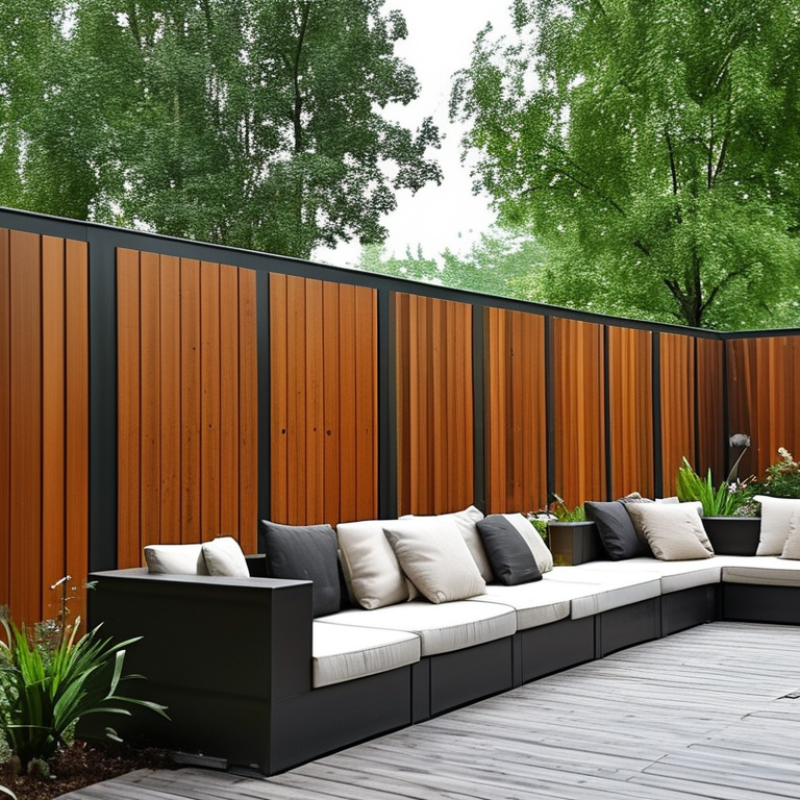
When considering outdoor aesthetics and functionality, Wpc Wall Panel Outdoor is a popular choice. These panels combine the beauty of wood with the durability of composite materials. They are resistant to moisture, insects, and fading, making them ideal for various outdoor settings.
Selecting the right Wpc Wall Panel Outdoor requires understanding your specific needs and preferences. Consider factors like climate, design style, and installation requirements. Are you aiming for a sleek modern look or a rustic charm? This choice influences not just the appearance but the panel's longevity as well.
Many options exist, but not all panels are created equal. Some may warp or fade over time, leading to frustration. Researching manufacturers and their warranties can offer insights into their reliability. Balancing aesthetics with practicality ensures your investment will last, enhancing your outdoor spaces effectively.
Factors to Consider When Choosing WPC Wall Panels for Outdoor Use
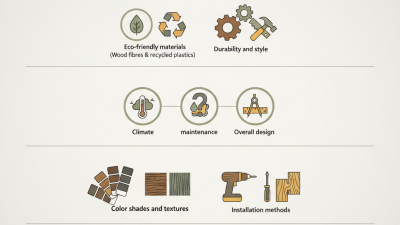
When selecting WPC wall panels for outdoor use, several critical factors come into play. The durability of the material is paramount. Look for panels that can withstand extreme weather conditions, including intense sunlight and heavy rain. This often requires detailed research into the composition of the WPC used, as some formulations perform better over time than others.
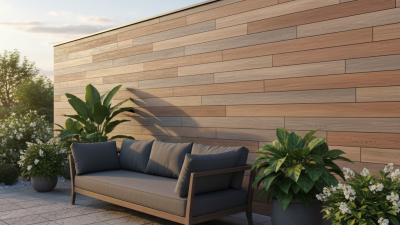
Aesthetics also matter. You might want a specific look that complements your outdoor space. Various textures and colors are available, allowing for creativity in design. However, be cautious; some finishes may fade after a few seasons. It’s wise to request samples before making a final choice.
Lastly, consider installation and maintenance requirements. Some WPC panels are easier to install than others. You want a straightforward process to save time and effort. Maintenance is another aspect that shouldn't be overlooked. Some products may demand regular upkeep, while others may be more forgiving. Reflect on how much time you are willing to invest in maintaining your panels.
Understanding the Composition and Benefits of WPC Wall Panels
WPC (Wood-Plastic Composite) wall panels are gaining popularity for outdoor spaces. Understanding their composition is crucial. WPC panels consist of wood fibers and plastic, offering durability and resistance to moisture. This combination makes them suitable for outdoor environments, preventing warping and decay.
Consider the benefits of WPC wall panels. They require minimal maintenance compared to traditional wood. The panels are easy to clean and do not need regular sealing or painting. This can save time and effort over the years. Additionally, WPC is more resistant to insects, ensuring a longer lifespan.
Tips: When selecting WPC panels, look for high-quality materials with a good warranty. Check for UV resistance to maintain color over time. Ensure that the panels fit your aesthetic preferences, as style matters even in outdoor settings. Reflect on your climate conditions, as extreme environments could impact performance. Don't overlook installation; proper guidelines should be followed for optimal results.
2026 How to Choose Wpc Wall Panel Outdoor for Your Needs? - Understanding the Composition and Benefits of WPC Wall Panels
| Dimension |
Material Composition |
Benefits |
Durability (Years) |
Maintenance Needs |
| 8 ft x 5.5 in |
60% Wood Fiber, 30% PVC, 10% Additives |
Water-resistant, UV-resistant, Eco-friendly |
15-25 |
Low, requires occasional cleaning |
| 10 ft x 6 in |
50% Recycled Plastic, 40% Wood Fiber, 10% Additives |
Highly durable, resistant to mold and insects |
20-30 |
Minimal, rain wash is often sufficient |
| 12 ft x 8 in |
70% Wood, 20% Plastic, 10% Chemicals |
Aesthetic appeal, sound insulation properties |
10-20 |
Periodic sealing recommended |
| 8 ft x 4 in |
80% Bamboo Fiber, 15% PVC, 5% Additives |
Sustainable, lightweight, easy to install |
15-20 |
Very low, just requires dusting |
Analyzing Climate Impact on WPC Wall Panel Durability and Performance
When selecting WPC wall panels for outdoor use, it is crucial to analyze the impact of climate on their durability and performance. Different climates can affect how these panels respond to various environmental factors. For instance, panels may expand or contract in extreme temperatures. This can lead to potential warping over time. Humidity levels are another concern. Elevated moisture can cause mold and decay, which shortens the lifespan of the panels.
Sun exposure plays a significant role as well. UV rays can cause color fading and loss of structural integrity. It's essential to choose WPC panels that have a good resistance to these elements. While some might assume that all panels can withstand weather variations, not all products are created equal. Understanding your local climate is vital. Testing the panels’ performance in similar conditions may reveal their true capabilities.
Additionally, regular maintenance is necessary. Without it, even the best panels can fall victim to environmental damage. This includes cleaning the surfaces periodically and inspecting for any signs of wear. Ultimately, a thoughtful approach will ensure that your chosen WPC wall panels serve their purpose effectively in various weather conditions. A thoughtful selection process can lead to more satisfactory outcomes over time.
Climate Impact on WPC Wall Panel Durability and Performance
Cost Comparison: WPC Wall Panels vs. Traditional Wood and Vinyl Options
WPC wall panels are gaining popularity in outdoor spaces. These panels combine wood and plastic, offering durability and aesthetic appeal. When comparing the cost of WPC wall panels to traditional wood and vinyl options, several factors arise.
On average, WPC panels are often more cost-effective in the long run. They require less maintenance than traditional wood, which can rot or warp. Vinyl is cheaper upfront, but it may not provide the same visual warmth as wood or composite materials. This makes WPC a balanced choice for many homeowners.
Tips: Look for panels with warranties. This can prevent unexpected costs later. Research local prices and installation costs carefully. Sometimes, the cheapest option initially can lead to higher expenses down the line.
It's essential to consider longevity. WPC panels can last decades with proper care, while wood may need more frequent replacement. Vinyl can fade and crack over time. Choosing WPC offers a blend of aesthetic appeal and lasting value, even when initial costs may differ.
Installation Tips for Maximizing the Lifespan of Your WPC Wall Panels
Choosing WPC wall panels for outdoor use requires careful consideration of installation methods to ensure longevity. Proper installation can significantly enhance the lifespan of these panels, which are typically made from wood-plastic composites. Research indicates that up to 60% of WPC panel failures can be traced back to improper installation techniques. Therefore, understanding the correct processes is crucial.
One essential tip is to ensure the panels are installed on a level surface. Uneven bases can cause stress points, leading to warping. Additionally, using appropriate fasteners is vital. Corrosion-resistant screws should be preferred, as they prevent rust and further damage. The spacing between the panels should also be taken into account, with a recommended gap of about 1/8 inch. This allows for expansion and contraction due to temperature changes.
Weather conditions can also affect installation. It's best to avoid extreme temperatures. Studies show that installing WPC panels in moderate conditions leads to better adhesion and reduced chances of movement. Regular maintenance checks can reinforce the integrity of the installation. Over time, dirt and debris can accumulate, affecting the panels' durability. Cleaning them regularly can help avoid moisture buildup and extend their life considerably.