Top 5 Benefits of Using 3D WPC Exterior Wall Panels?
In the realm of modern construction, the use of 3D WPC exterior wall panels has gained significant attention. Renowned industry expert John Smith states, "3D WPC exterior wall panels are revolutionizing the way we think about building materials." His insight underscores the innovative nature of these products.
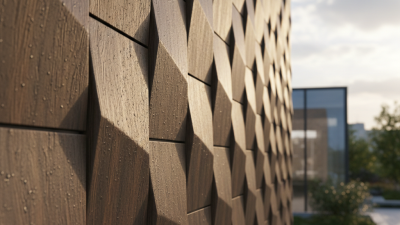
These panels offer numerous advantages, including durability, aesthetic appeal, and environmental friendliness. Unlike traditional materials, 3D WPC exterior wall panels combine wood plastic composite technology with striking 3D designs. This creates a stunning visual effect while maintaining structural integrity.
Moreover, a common challenge is finding materials that withstand harsh weather conditions. 3D WPC panels prove their worth in this regard, offering resilience against moisture and UV exposure. However, not every installation goes without criticism. Some users find the initial cost to be higher than conventional options. Understanding both sides can enhance decision-making regarding 3D WPC exterior wall panels.
Benefits of Enhanced Aesthetic Appeal with 3D WPC Wall Panels
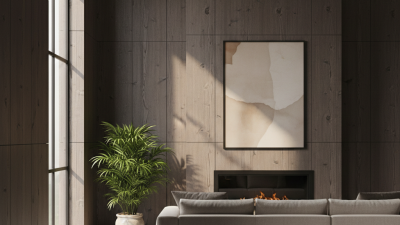
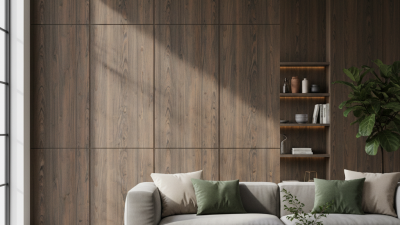
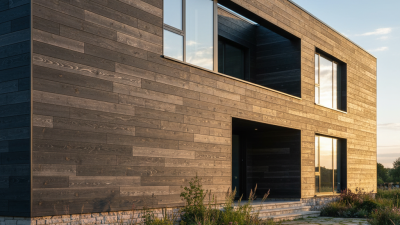
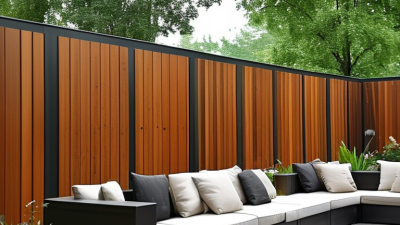
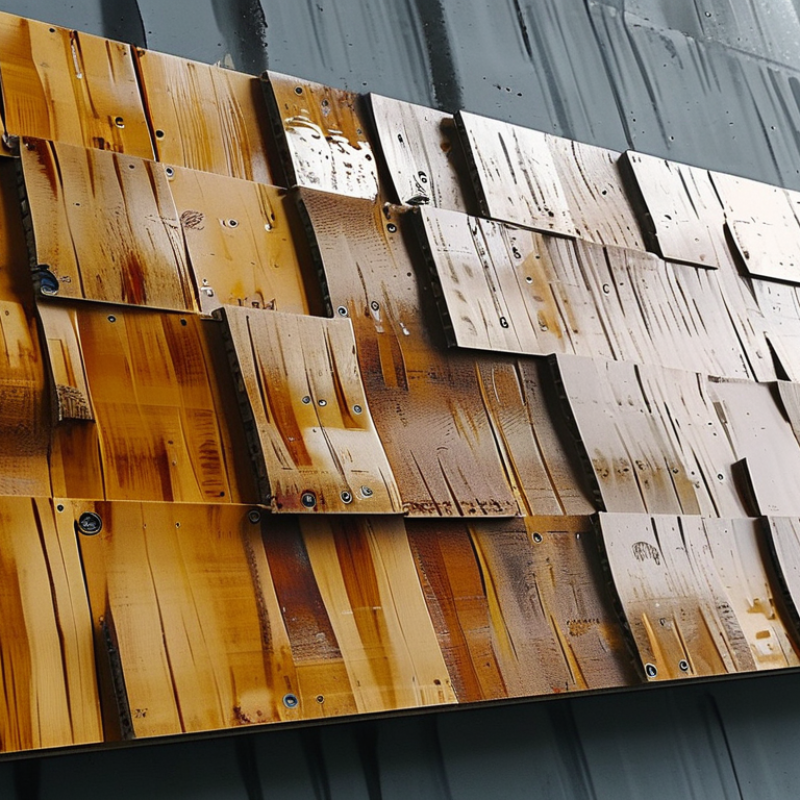
The use of 3D WPC (Wood Polymer Composite) exterior wall panels is rising. These panels enhance a building's aesthetic appeal significantly. They offer a unique and modern appearance, making structures stand out. Their texture brings depth to surfaces, captivating the eye and inviting closer inspection. Homeowners and builders appreciate the variety of designs available, which cater to different tastes.
Moreover, the vibrant colors and patterns of 3D WPC wall panels can transform ordinary facades into extraordinary displays of art. This material mimics natural wood, providing beauty without the drawbacks of real timber. There is an undeniable warmth associated with wood tones, creating inviting environments. However, perceptions vary; some may find the synthetic feel less authentic.
Users often notice how 3D panels play with light and shadow, enhancing spatial dynamics. The visual appeal can elevate property value and increase attractiveness to potential buyers. Yet, not all panels are created equal. Choosing the right quality and finish can be challenging. Potential users should consider long-term performance alongside beauty. With careful selection, the benefits of enhanced aesthetics can be fully realized.
Durability and Longevity of 3D WPC Exterior Wall Panels
When considering exterior wall panels, durability is a top concern. 3D WPC (Wood Plastic Composite) panels excel in this area. They combine wood fibers and recycled plastic, resulting in a robust material that withstands the elements. These panels resist moisture and termites, making them ideal for various climates.
Longevity is another significant advantage. 3D WPC exterior wall panels can last decades with minimal maintenance. They don’t warp or splinter like traditional wood. In harsh weather, they retain their strength. However, users must remember that regular checks are vital to ensure optimal performance.
In addition, the aesthetic appeal is undeniable. Available in various textures and colors, these panels enhance a building's look. The 3D design adds depth, creating an attractive facade. Still, some may find the installation process tricky. It requires skill to achieve a seamless finish. Reflecting on these details can help users make informed choices.
Energy Efficiency: Insulation Properties of 3D WPC Panels
3D WPC (Wood Plastic Composite) exterior wall panels offer significant benefits, particularly in energy efficiency. These panels are engineered with insulation properties that enhance thermal performance. According to a study by the National Renewable Energy Laboratory, proper insulation can reduce heating and cooling costs by up to 30%. This is crucial for homeowners aiming to lower energy bills and minimize environmental impact.
The unique composition of 3D WPC panels provides better insulation than traditional materials. They effectively reduce heat transfer, keeping interiors cooler in summer and warmer in winter. A report by the U.S. Department of Energy highlights that well-insulated homes can achieve an R-value of 20 or higher, which is beneficial for energy conservation. In regions with extreme temperatures, this insulation property stands out, drastically improving living comfort and sustainability.
Despite their advantages, not all installations provide optimal results. Installation quality and the specific environmental context can affect performance. Property owners must carefully consider their local climate when selecting insulation materials. Research suggests that while WPC panels can significantly improve energy efficiency, improper installation may lead to unexpected heat loss or gain. This indicates a need for professional evaluation before making decisions.
Low Maintenance Requirements for 3D WPC Wall Solutions
Low maintenance is a key advantage of 3D WPC exterior wall panels. These panels are designed to withstand harsh weather conditions. Unlike traditional materials, they don’t require frequent painting or sealing. Homeowners appreciate the reduction in upkeep costs and time. They focus on enjoying their spaces, not endless repairs.
Cleaning 3D WPC panels is straightforward. A simple wash with soap and water keeps them looking fresh. No need for special products or labor-intensive processes. This simplicity appeals to busy homeowners and property managers. It saves valuable time during weekends or busy workdays.
However, it's essential to consider the installation process. Proper installation can impact long-term performance. A lack of expertise might lead to issues later on. While the materials are low maintenance, poor workmanship could require additional care. Regular inspections remain a good practice to ensure longevity.
Environmental Benefits of Using Wood-Plastic Composite Wall Panels
Wood-Plastic Composite (WPC) wall panels represent a sustainable alternative in construction. Their composition, which blends wood fibers and plastic, minimizes the need for deforestation. The U.S. Forest Service reports that this process can save up to 100 million trees annually. This reduction in logging directly benefits the environment by preserving natural habitats, enhancing biodiversity, and mitigating climate change.
Additionally, WPC materials offer durability and require less maintenance than traditional wood. This longevity leads to less waste over time since homeowners do not frequently replace panels. Research from the Environmental Protection Agency shows that 75% of waste in landfills is due to construction materials. With WPC panels, the cycle is disrupted, contributing to a circular economy. There's a growing realization within the industry regarding the impact of construction waste, yet challenges remain. Not all WPC products are created equal; some may still have a substantial environmental footprint.
Despite the progress, more education is needed. Building professionals and consumers must understand the benefits of WPC vs. traditional materials. Proper disposal and recycling methods for WPC are also critical but often overlooked. This gap in knowledge can hinder potential environmental gains, making it imperative for continuous dialogue and improvement within the sector.
Top 5 Benefits of Using 3D WPC Exterior Wall Panels
This bar chart illustrates the top five environmental benefits of using 3D Wood-Plastic Composite (WPC) exterior wall panels. The data showcases not only the reduction in waste but also the energy efficiency and overall sustainability of using WPC panels compared to traditional building materials.