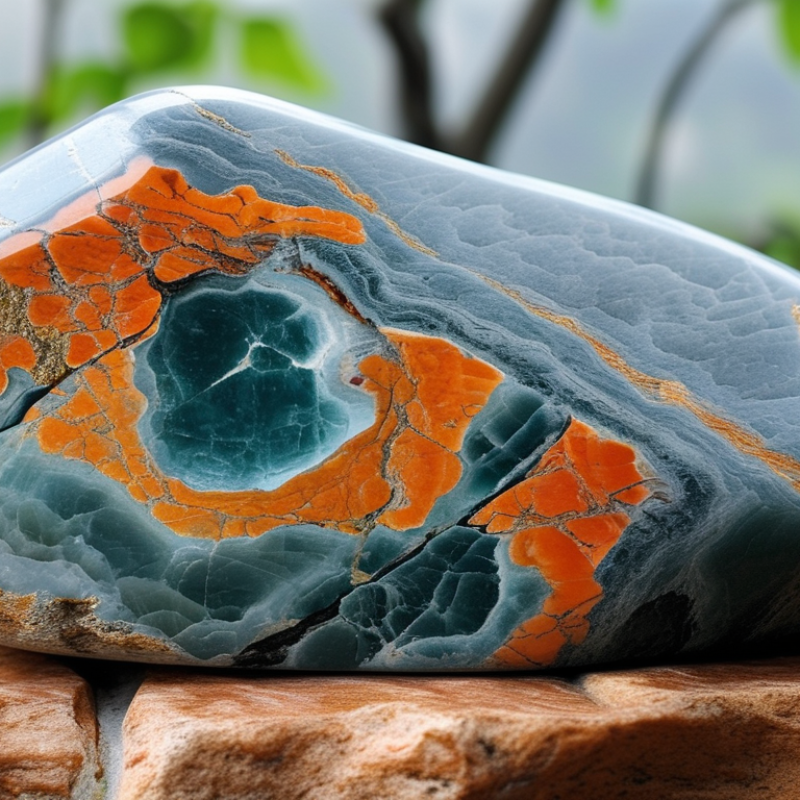
What is Pu Stone and How to Source It from China?
Pu Stone is a unique material increasingly popular in various applications. This stone is prized for its durability and aesthetic appeal. Originating from specific regions in China, Pu Stone is often used in construction and decorative arts.
Sourcing Pu Stone from China requires expertise and a reliable strategy. Understanding the qualities of this stone is essential for making informed decisions. Buyers need to ensure they partner with reputable suppliers. Conducting thorough research can help identify trustworthy sources.
While the landscape for sourcing Pu Stone can be complex, challenges like quality control must not be overlooked. Genuine suppliers provide detailed product information and transparency. Buyers should be ready to navigate issues such as pricing and consistency. Engaging directly with suppliers can offer insights that online searches cannot. This engagement fosters better relationships and ensures quality.
What is Pu Stone?
Pu Stone is a unique material that originates from natural volcanic rock. Its name comes from its source, as "Pu" refers to the material's rich geological formation. This stone is known for its striking aesthetic qualities. It often features vibrant colors and interesting textures. Many artisans and builders prefer it for its visual appeal and durability.
Pu Stone is commonly used in various applications. You can find it in landscaping, architectural designs, and home decor. Each piece has its unique characteristics, making it ideal for custom projects. However, sourcing Pu Stone can be challenging. Not all suppliers have access to quality reserves. It's essential to choose a reputable distributor to ensure authenticity.
Some potential buyers may face difficulties when inspecting the stone. Variations in color and texture can sometimes lead to dissatisfaction. It is crucial to request samples before committing. Trustworthy suppliers will provide detailed information about the stone's origin and treatment. This transparency helps buyers make informed decisions. By understanding the properties and sourcing methods of Pu Stone, you can appreciate its beauty and value more effectively.
Characteristics and Properties of Pu Stone
Pu Stone, often celebrated for its unique characteristics, possesses a blend of durability and aesthetic appeal. This natural stone, primarily sourced from China, exhibits an array of colors and patterns, making it a popular choice for various applications. Its resistance to weathering and scratching ensures longevity in outdoor settings. Additionally, Pu Stone remains relatively lightweight, making it easy to transport and install.
When sourcing Pu Stone, consider the following tips: focus on reputable suppliers known for their quality. Look for certification that validates the stone's authenticity. Inspect samples closely to understand the color variations and textures better. Always ask about the stone’s origin, as this can affect its properties and overall quality.
Understanding the environmental impact of sourcing is vital. Some quarries have questionable practices that can harm ecosystems. It’s essential to prioritize suppliers committed to sustainable methods. Exploring these options can lead to a more responsible decision when selecting Pu Stone for your project. Remember that not all stones are created equal; take your time to choose wisely.
What is Pu Stone and How to Source It from China? - Characteristics and Properties of Pu Stone
| Characteristics |
Properties |
Applications |
Sourcing Tips |
| Natural appearance |
Durable and weather resistant |
Architectural decoration |
Contact local suppliers |
| Variety of colors |
Low maintenance |
Landscaping |
Ensure quality certifications |
| Resistant to fading |
Thermal stability |
Indoor flooring |
Request samples before ordering |
| Textured surface |
Non-toxic |
Outdoor patios |
Negotiate prices |
Common Uses and Applications of Pu Stone
Pu Stone is a versatile material used in various applications, showcasing its significance in multiple sectors. This stone is lightweight yet durable, making it ideal for construction. Builders often use it for decorative facades and outdoor landscaping features. The stone can withstand weather changes, which adds to its appeal for exterior use.
In interior design, Pu Stone finds notable application as well. It can create attractive wall panels and artistic installations. Its smooth texture allows for easy maintenance and cleaning. Many artisans incorporate Pu Stone into sculptures or furniture. The material’s natural colors offer a unique aesthetic.
However, sourcing it requires careful consideration. Not all suppliers maintain high standards. Conducting thorough research is crucial. This encourages responsible and sustainable purchasing practices.
How to Source Pu Stone from China
Sourcing Pu Stone from China requires careful planning and research. First, identify reliable suppliers. Look for manufacturers who specialize in natural stones. Online platforms can help, but be cautious. Always check their reviews and ratings. A trustworthy supplier often has a solid online presence and customer testimonials.
Before placing an order, request samples. This allows you to assess the quality of the stone. Pay attention to color consistency and texture. Not all stones will meet your expectations, so be prepared for some variability. Communicate your specific needs clearly to avoid misunderstandings.
Shipping logistics can also present challenges. Ensure you understand the shipping options available and associated costs. Late deliveries can affect your projects. Establishing good relationships with suppliers may help in the long run. Frequent communication is key to a smooth sourcing process. While navigating the market, remember that patience is crucial for successful sourcing.
Tips for Quality Assurance when Purchasing Pu Stone
When sourcing Pu Stone from China, quality assurance is paramount. Recent reports indicate that the global market for artificial stones, including Pu Stone, is expected to reach $7.5 billion by 2026. This surge emphasizes the need for careful selection of suppliers and products.
To ensure quality, start with supplier evaluation. Look for manufacturers with extensive experience and verified certifications. Ask for samples before making bulk purchases. This can help you assess the material's durability and finish.
Understand the production processes used, as they significantly impact the end product.
Another important tip is to conduct factory visits. This allows you to check working conditions and equipment directly. If a visit isn’t possible, utilize third-party inspection services. They can identify issues before shipment.
Some products may appear flawless at first glance but have hidden defects. Trust but verify to avoid costly mistakes in your business.