Discover the Benefits of Using Pu Stone for Your Projects?
In recent years, the construction industry has seen a gradual shift towards innovative materials like Pu Stone. According to a report by Grand View Research, the market demand for synthetic stones is expected to grow significantly, emphasizing a move towards sustainability. Pu Stone, known for its durability and aesthetic appeal, is ideal for various applications, from flooring to countertops.
Industry expert Dr. Emily Paterson stated, "Pu Stone not only meets aesthetic needs but also offers environmental advantages." This material is lightweight and requires less energy for production, making it a greener choice. Moreover, its resistance to wear and tear ensures longevity, which is often a concern for builders and designers. Despite its many advantages, the transition to using Pu Stone is not without challenges.
Some professionals remain skeptical about its long-term performance compared to natural stones. Yet, the growing body of research indicates that with proper maintenance, Pu Stone holds its own against traditional materials. As the industry moves forward, embracing this innovative solution could redefine project standards.
Benefits of Pu Stone in Construction and Design Projects
Pu stone has gained attention in the construction and design industries due to its unique properties. This versatile material is composed of a mixture of polyurethane and stone elements. Its lightweight nature makes it easy to transport and install, which is a significant advantage for builders. Research shows that projects utilizing pu stone can reduce material costs by up to 20%.
In addition to being cost-effective, pu stone also offers durability and weather resistance. It can withstand harsh conditions, making it an excellent choice for outdoor applications. A study by the International Construction Materials Association highlights that structures with pu stone demonstrate 50% less wear over time compared to traditional materials. However, proper installation is crucial to maximize its lifespan.
Tips: Always ensure that the surface is adequately prepared before installing pu stone. This will help prevent issues such as water infiltration. It's also essential to consult with professionals to ensure compliance with local building codes. While pu stone is versatile, some may find its texture less appealing. It's worth considering this aspect during the design phase to avoid dissatisfaction later on.
Benefits of Using PU Stone in Construction and Design Projects
This chart illustrates the various benefits of using PU Stone in construction and design projects, highlighting its advantages in durability, cost-effectiveness, aesthetic appeal, and environmental impact.
Durability and Longevity: How Pu Stone Outperforms Traditional Materials
Pu stone has emerged as a superior alternative in many construction projects. Its durability is one of the most impressive aspects. Unlike traditional materials, pu stone can resist extreme weather conditions without deteriorating. This resilience means less frequent repairs and replacements, ultimately saving time and money. Projects that incorporate pu stone benefit from its long-lasting nature.
The longevity of pu stone makes it ideal for high-traffic areas. It withstands wear and tear better than common materials. For instance, in commercial settings, floors made of pu stone remain intact despite heavy foot traffic. This durability is not an accident; it stems from its unique composition. However, installation requires precision and expertise, which can sometimes be a challenge.
One must consider the initial investment. While pu stone may come with a higher price tag upfront, the benefits often outweigh costs in the long run. The challenge lies in recognizing this value. Many still favor cheaper alternatives without realizing the long-term implications. Thus, understanding the true advantages of pu stone is crucial.
Discover the Benefits of Using Pu Stone for Your Projects? - Durability and Longevity: How Pu Stone Outperforms Traditional Materials
| Feature |
PU Stone |
Traditional Materials |
| Durability |
High resistance to wear and weathering |
Moderate durability, prone to cracking |
| Longevity |
Over 50 years lifespan |
Typically 10-30 years lifespan |
| Maintenance |
Low maintenance required |
High maintenance for upkeep |
| Environmental Resistance |
Resistance to UV rays and moisture |
Susceptible to fading and water damage |
| Weight |
Lightweight, easy to handle |
Heavy, can be cumbersome |
| Cost Efficiency |
Lower long-term costs due to longevity |
Higher replacement costs due to shorter lifespan |
Environmental Impact: Sustainability of Pu Stone in Modern Architecture
Pu stone has gained attention in modern architecture for its sustainable characteristics. Composed of natural materials, it offers a lower carbon footprint than many alternatives. Using pu stone can minimize waste during the production process, promoting eco-friendliness. The durability of this stone means it lasts longer, reducing the need for frequent replacements. However, consider local sourcing to further cut transportation emissions.
Tips: When selecting materials, prioritize those that are locally available. This reduces environmental impact significantly. Always assess the lifecycle of the materials you choose. By understanding their environmental effects, you can make more informed decisions.
Despite its benefits, certain challenges exist. The extraction process can disrupt local ecosystems if not managed properly. It’s essential to choose suppliers who practice responsible sourcing. Take time to research and understand the regional implications of pu stone usage. Being informed allows for more sustainable choices in architecture.
Cost-Effectiveness: Analyzing the Financial Advantages of Using Pu Stone
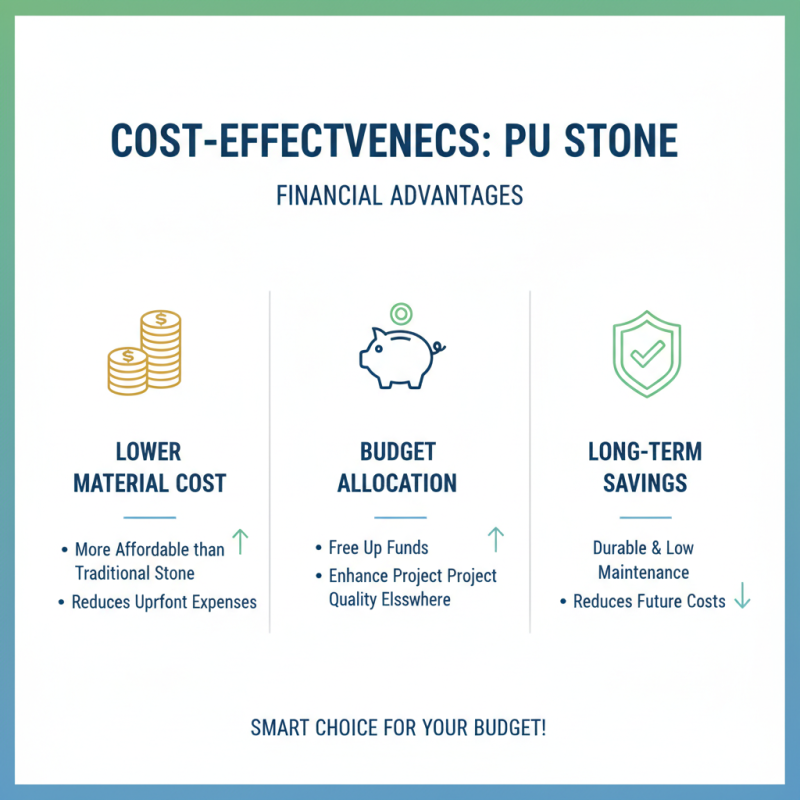
When considering materials for your projects, Pu stone stands out for its cost-effectiveness. This natural stone offers a wealth of benefits that can significantly impact your budget. It is often more affordable than many traditional building materials. This allows you to allocate funds elsewhere, enhancing your overall project quality.
Using Pu stone minimizes maintenance costs. Its durability and resistance to harsh weather conditions lead to fewer repairs over time. This means that, although the initial investment may seem high, over the life span of the material, the savings can accumulate.
Tips for maximizing your investment include comparing local suppliers for the best prices. Additionally, think about how the unique characteristics of Pu stone can elevate your design. Proper installation can enhance its longevity, making it a reliable choice. Choose experienced contractors to ensure that your project meets both aesthetic and functional goals. Less oversight can lead to costly mistakes down the line.
Versatility of Pu Stone: Applications Across Various Industries and Projects
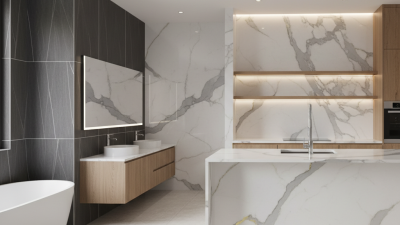
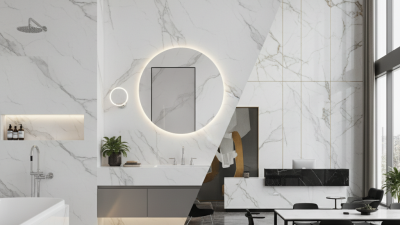
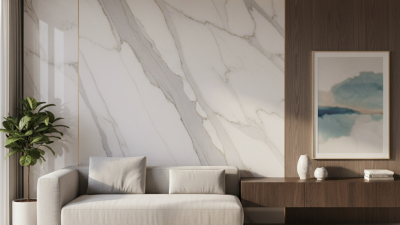
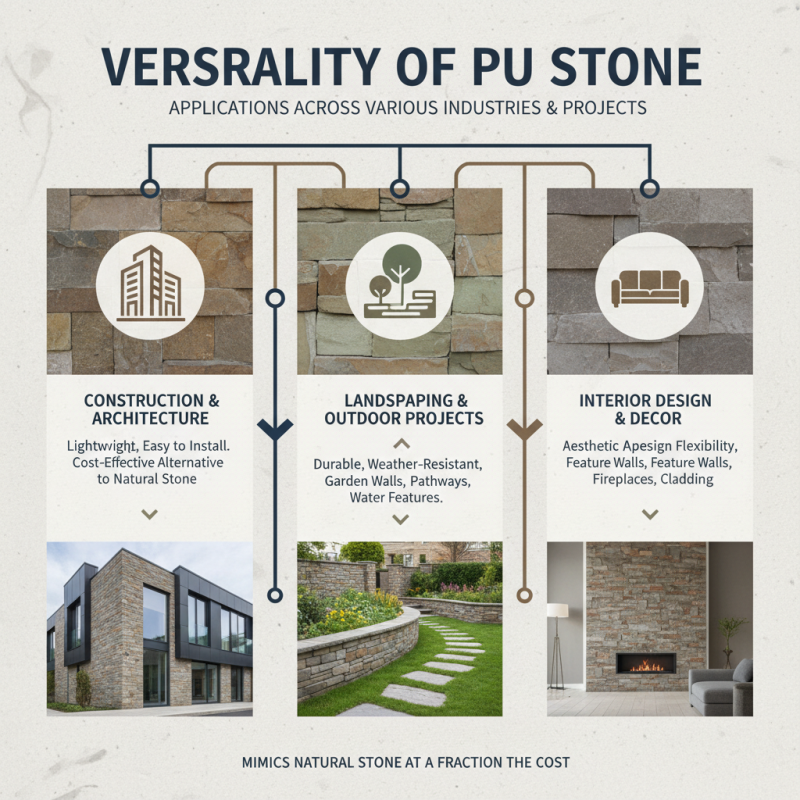
Pu stone has gained recognition for its versatility across various industries. It serves as a popular material in construction, landscaping, and even interior design. Its lightweight nature makes it easy to transport and handle, which is a significant advantage for many projects. Additionally, pu stone can mimic the appearance of natural stone at a fraction of the cost. This characteristic allows designers to create stunning surfaces without breaking the bank.
In construction, pu stone is often used for facades and decorative features. Its durability and weather resistance make it suitable for outdoor use. In landscaping, it can be used for garden paths, retaining walls, and decorative boulders. However, while pu stone is valuable, not all applications may benefit from its use. Some projects may require the authenticity of natural stone. It's essential to consider the specific needs of your project before selecting pu stone. A thoughtful evaluation can lead to more successful outcomes.