China Top Wood Acoustic Panel for Soundproofing Solutions?
In recent years, the demand for effective soundproofing solutions has surged. One standout option is the Wood Acoustic Panel, a product designed to absorb sound and enhance acoustics in various environments. Dr. Emily Chen, an expert in acoustics, emphasizes, "Wood Acoustic Panels not only improve sound quality but also elevate interior aesthetics."
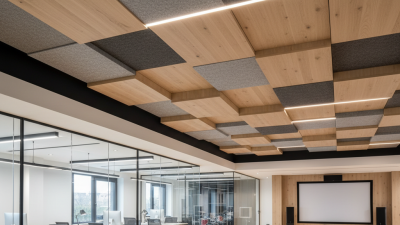
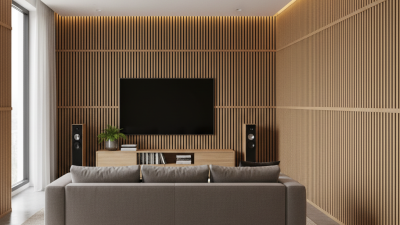
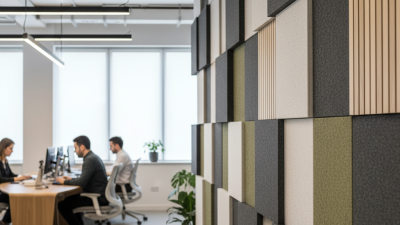
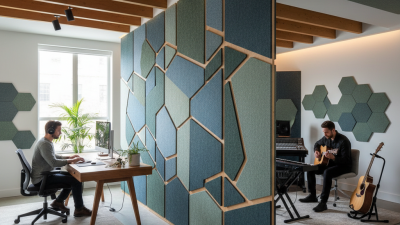
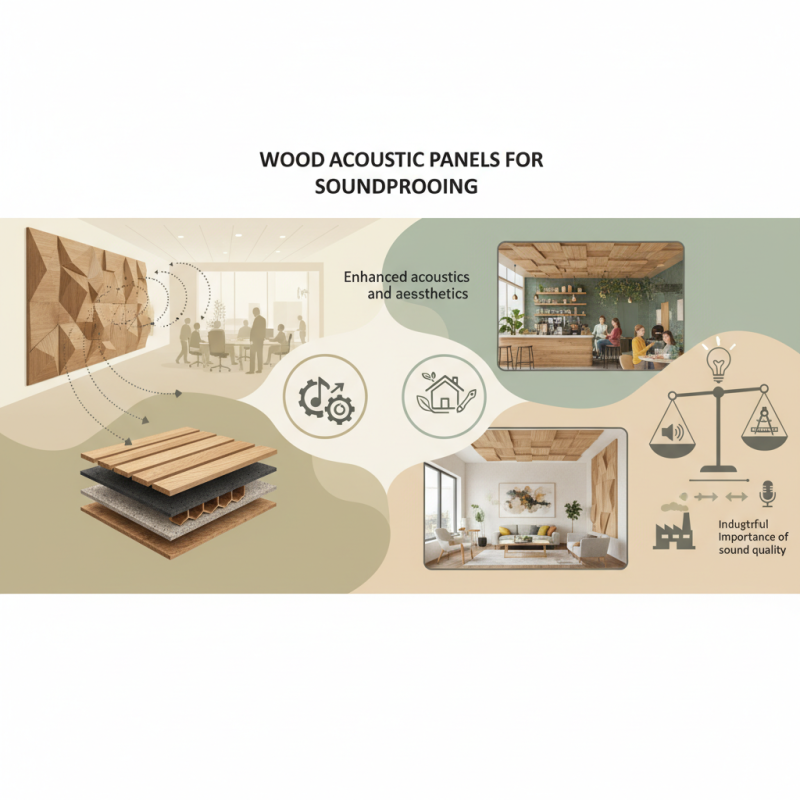
These panels are crafted from natural wood, offering both functional and visual benefits. They can be used in commercial settings like offices or cafes, as well as in residential spaces. The variety of finishes and textures allows for creative designs. Though effective, it’s essential to note that improper installation can lead to subpar performance.
Additionally, the balance between aesthetics and acoustics can be challenging. Achieving the ideal sound may require experimentation with panel placement. The Wood Acoustic Panel represents a blend of art and science, requiring thoughtful consideration to maximize its potential. As more industries recognize the importance of sound quality, the role of these panels will only grow.
Overview of Wood Acoustic Panels in China
Wood acoustic panels have gained significant attention in China for their effective soundproofing capabilities. According to recent industry reports, the demand for acoustic solutions has risen by 25% in the past year alone. This increasing trend stems from the rapid urbanization and growing need for quiet environments in residential and commercial spaces.
These panels not only help in noise reduction but also enhance the aesthetic appeal of interiors. The use of sustainable materials in manufacturing has become a key selling point. Data from the China Wood Industry Association indicates that 70% of consumers now prioritize eco-friendly products. However, the market still faces challenges. Many companies lack standardized testing for acoustic performance, leading to inconsistencies in product quality.
Additionally, while the production of wood acoustic panels is on the rise, environmental concerns are pressing. The industry must balance growth with sustainability. Developers and architects often struggle to find reliable sources that meet both their design needs and eco-friendly criteria. As the market matures, addressing these issues will be crucial for long-term success.
Benefits of Using Wood Acoustic Panels for Soundproofing
Wood acoustic panels are gaining popularity due to their impressive soundproofing capabilities. These panels are made from natural wood, which not only absorbs sound but also enhances the overall aesthetic of a space. In commercial environments, a report by the Acoustical Society of America notes that effective soundproofing can improve productivity by as much as 15%. This statistic underlines the importance of creating a conducive auditory atmosphere.
One key benefit of wood acoustic panels is their versatility. They can be used in a variety of settings, from recording studios to open office spaces. The porous nature of wood allows it to absorb sound effectively, reducing echo and noise pollution. According to the National Institute of Standards and Technology, wooden materials can reduce noise levels by up to 50% when installed correctly. Such data emphasize the material's reliability for those seeking effective sound solutions.
Tips: To maximize sound absorption, consider mixing different panel sizes and configurations. Experiment with placement on walls and ceilings. Additionally, maintaining the wood finish is crucial. Regular upkeep can prolong its lifespan and effectiveness in soundproofing.
Types of Wood Used in Acoustic Panels and Their Properties
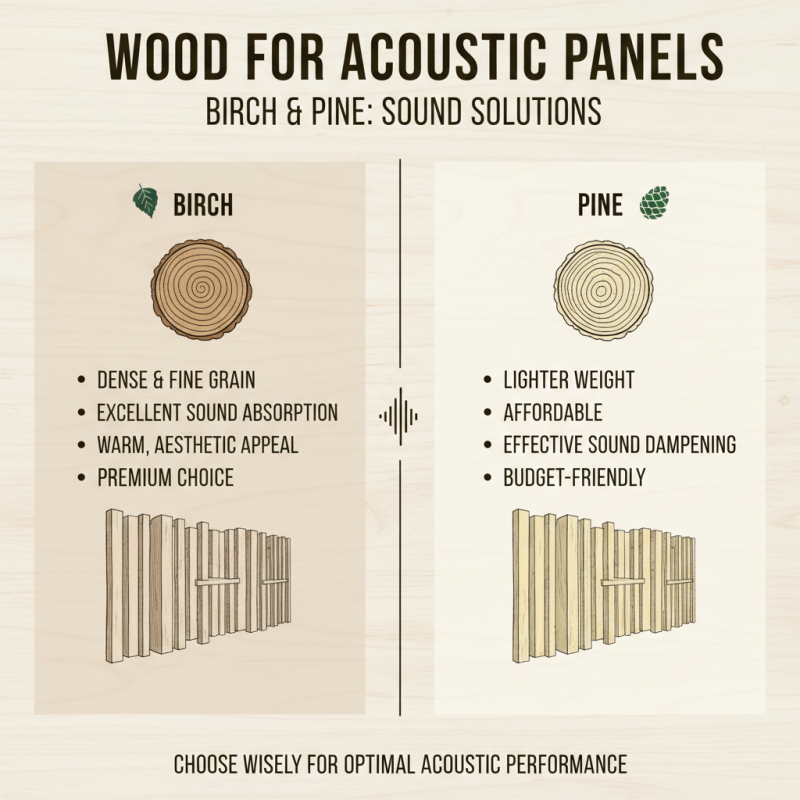
When selecting wood for acoustic panels, several types stand out due to their unique properties. Birch and pine are popular choices for soundproofing. Birch offers excellent sound absorption qualities thanks to its density and fine grain structure. It also adds a warm, aesthetic appeal to any space. Pine, being lighter, is more affordable and still effective in sound dampening.
Another noteworthy option is bamboo. Bamboo is both sustainable and effective. Its natural hardness allows it to absorb sound well while maintaining an eco-friendly profile. However, it can fluctuate in quality depending on the source. Mind the origin when considering bamboo panels.
**Tip:** Always test any wood sample to assess its acoustic properties. This can save time and resources in your soundproofing endeavors.
When choosing wood, consider the panel thickness. Thicker panels generally provide better sound absorption. Some may prefer aesthetic qualities over functionality, leading to choices that can compromise soundproofing effectiveness.
**Tip:** Don't sacrifice soundproofing for looks. A balance between the two is essential in creating a suitable environment.
Installation Techniques for Wood Acoustic Panels
Wood acoustic panels have gained traction as a favored soundproofing solution in both residential and commercial settings. Their effectiveness lies not only in aesthetics but also in their sound-absorbing properties. According to a report by the Acoustical Society of America, proper installation techniques significantly enhance their performance. Panels installed with careful spacing and alignment can reduce noise levels by up to 45%, making them a vital component in any sound management strategy.
Effective installation is crucial. Panels should be placed strategically to target specific sound frequencies. A widely accepted method involves mounting panels at ear level. This positioning enhances the absorption of mid-range frequencies. While many opt for DIY installation, hiring professionals can ensure precision. Minor alignment errors can diminish the panels' overall efficacy, leading to inadequate noise reduction.
Moreover, the selection of mounting hardware can influence the outcome. Using resilient channels instead of traditional fasteners allows for better sound isolation. It's essential to balance aesthetics with functionality. Improperly installed panels may not only detract from a room's design but also compromise its acoustic quality. Continuous reflection on installation practices is necessary for achieving optimal results.
Comparative Analysis of Wood Acoustic Panels and Other Soundproofing Solutions
When considering soundproofing solutions, wood acoustic panels stand out for their aesthetic appeal and effective noise reduction. They are not just visually pleasing; they absorb sound waves efficiently. These panels can enhance the acoustics of any space, making them ideal for studios, theaters, and even homes.
In contrast, traditional soundproofing solutions often rely on materials such as foam or heavy curtains. While they can also reduce noise, they may not provide the same warmth and character that wood panels offer. In many cases, these alternatives can be bulky and visually unappealing. It's essential to weigh aesthetics against performance when choosing your soundproofing method.
Tips: Ensure proper installation for maximum efficiency. Gaps in installation can reduce effectiveness. Experiment with different types of wood finishes. Different finishes can alter sound absorption qualities. Remember, the choice of materials can affect the overall ambiance of your space, combining functionality with design.
Comparative Analysis of Soundproofing Solutions