Leave Your Message
Get Instant Quote

How to Choose Acoustic Sound Panels in 2026?

Choosing Acoustic Sound Panels in 2026 requires more than matching colors to a studio wall. Room purpose, speech clarity, reverberation, safety, and installation conditions all influence the right decision. A home office needs different treatment from a podcast studio, classroom, restaurant, or open-plan workplace.

In practice, I start by listening to the room. Hard floors, glass surfaces, exposed concrete, and high ceilings often create sharp reflections and lingering echoes. A simple hand clap can reveal the problem, although it cannot replace professional measurement. Acoustic Sound Panels should target excessive reverberation, not promise complete soundproofing. That distinction matters. Panels absorb reflected sound inside a room; they rarely stop noise traveling through walls.

Reliable selection depends on measurable evidence. Check absorption data, testing methods, panel thickness, mounting distance, and coverage area. Manufacturer claims may look impressive, but results vary between laboratories and real rooms. Fire performance, low-emission materials, edge durability, and cleaning requirements also deserve attention. In busy spaces, a beautiful fabric panel may fail if it collects dust or suffers frequent contact.

The best design balances performance with appearance and budget. Consider ceiling clouds, corner treatment, wall panels, and movable screens together. Do not cover every surface automatically. Over-absorbing a room can make voices feel unnaturally dry and uncomfortable. I have seen attractive installations underperform because the panels were mounted too high or placed without considering reflection paths. That mistake is easy to make.

This 2026 guide examines practical specifications, room measurements, material choices, installation methods, and changing design priorities. It also questions popular assumptions, because acoustic improvement is rarely solved by one product alone.
How to Choose Acoustic Sound Panels in 2026?

Understanding the Purpose of Acoustic Sound Panels

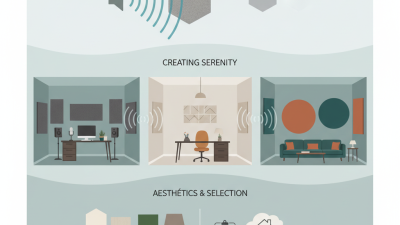
Acoustic sound panels are designed to control reflections inside a room, not to stop every sound from entering it. Hard walls, glass, and ceilings bounce speech, music, and machine noise. These repeated reflections create reverberation, making voices feel distant or muddy. The practical purpose is clearer communication and a more comfortable listening environment. Start with the room’s problem, not its appearance.

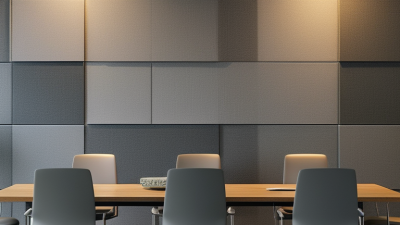
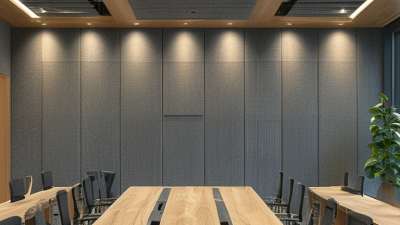
In a meeting room, panels can reduce echoes around a table and help remote voices sound less harsh. In a studio, they can moderate early reflections near microphones and listening positions. In a restaurant, they may soften overlapping conversations. Absorption ratings can guide comparisons, but they do not predict every real-world result. Panel thickness, air gaps, ceiling height, and room shape all matter. I have found that covering one wall rarely solves a lively room. That assumption is easy to make. It is often wrong.

Choose panels according to the frequencies and reflections causing trouble. Low-frequency buildup may require deeper treatment, while thin panels mainly address mid and high frequencies. Place treatment where sound returns strongly: opposite hard surfaces, ceiling zones, and first-reflection points. Consider fire safety, cleaning, durability, and installation conditions. A quiet room is not always a better room. Some natural liveliness should remain. Test with a short recording, hand claps, or measured reverberation before adding more material. Good choices come from evidence, not only attractive samples.

How to Choose Acoustic Sound Panels in 2026? – Understanding the Purpose of Acoustic Sound Panels

Panel Type Primary Purpose Typical Construction Common Thickness Typical Acoustic Performance Best Placement Suitable Applications Important Limitation
Fabric-Wrapped Absorber Reduce reverberation, echo, and speech reflections Porous fiberglass, mineral wool, or polyester core covered with acoustically transparent fabric 25–100 mm Typical NRC: approximately 0.60–1.05, depending on thickness, air gap, and test method First-reflection points on side walls, rear walls, and ceilings Offices, classrooms, conference rooms, restaurants, studios, and home theaters Controls reflected sound but does not block sound transmission through walls
Polyester Fiber Panel Improve speech intelligibility while providing lightweight wall treatment Porous PET or other polyester fiber formed into rigid boards or decorative shapes 9–50 mm Performance varies widely; thicker panels and an air gap generally improve absorption Walls, ceilings, partitions, and areas near speaking positions Open-plan offices, schools, call areas, libraries, and collaborative spaces Thin decorative panels may provide limited low-frequency absorption
Acoustic Foam Panel Reduce high- and mid-frequency reflections in compact rooms Open-cell polyurethane or melamine foam with a flat, wedge, or pyramid surface 25–100 mm Usually more effective at mid and high frequencies than at deep bass frequencies Side walls, ceiling areas, and reflection points around microphones or monitors Voice recording, podcasting, streaming, and small practice rooms It is not a substitute for tested fire-rated construction or sound isolation
Wood-Slatted Absorber Combine sound absorption with a visible architectural finish Wood or wood-look slats mounted over an acoustic felt or porous absorber layer Approximately 20–50 mm Absorption depends on slat spacing, backing material, panel thickness, and air gap Feature walls, rear walls, ceilings, and large reflective surfaces Reception areas, restaurants, boardrooms, auditoriums, and residential interiors The decorative face can reduce absorption compared with an exposed porous absorber
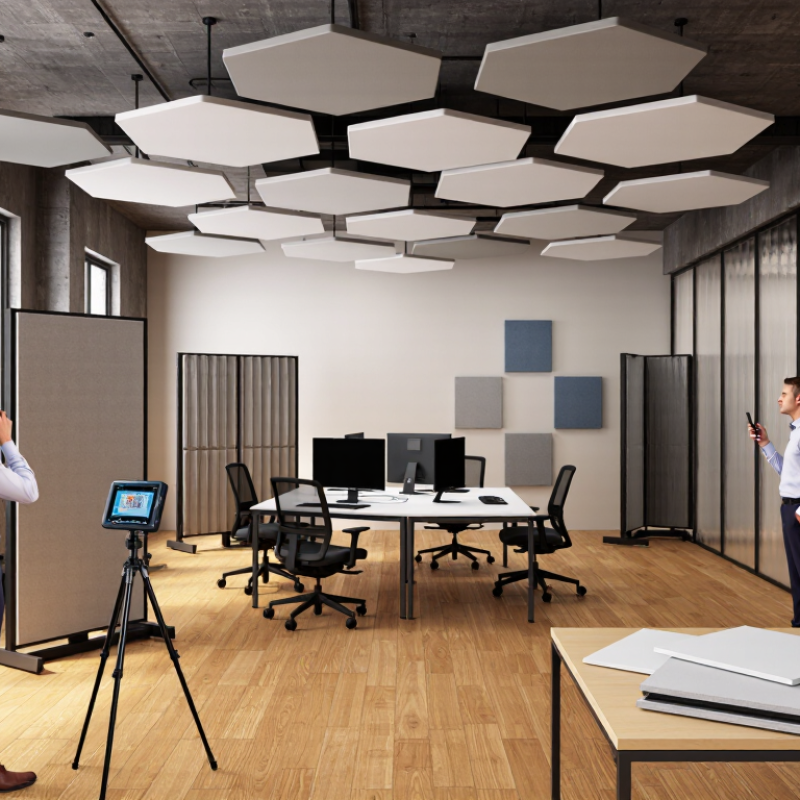
Ceiling Cloud or Baffle Absorb sound from above and shorten reverberation in tall or open rooms Vertically suspended baffles or horizontally suspended acoustic clouds made from porous material 25–100 mm or more Exposed edges and an air gap can increase the effective absorbing area Above seating, workstations, dining areas, and other primary noise zones Open offices, cafeterias, gyms, halls, and high-ceiling interiors Requires suitable ceiling structure, suspension hardware, and clearance planning
Bass Trap Control low-frequency buildup, room modes, and uneven bass response Large porous absorbers, broadband corner traps, or tuned resonant absorbers Typically 100–300 mm or deeper Low-frequency performance depends strongly on depth, placement, air gaps, and absorber design Vertical corners, wall-ceiling junctions, and rear-wall areas Recording studios, mixing rooms, home theaters, and music practice rooms Small thin panels generally cannot provide substantial deep-bass control
Diffuser Scatter reflected sound to reduce strong discrete echoes while retaining acoustic energy Rigid wood, plastic, or composite surface with geometric wells, slats, or irregular profiles Approximately 75–300 mm Diffusion is frequency-dependent and requires sufficient room distance to work effectively Rear walls and selected side-wall areas in larger listening rooms Studios, performance rooms, music rooms, and critical listening spaces A diffuser is not the same as an absorber and may be ineffective in very small rooms
Acoustic Partition or Screen Reduce direct speech spread and create quieter zones within open spaces Freestanding, movable, or desk-mounted porous panels with a rigid frame 25–100 mm Effectiveness depends on panel height, width, absorption, and gaps around the screen Between desks, around meeting areas, and near noise-producing equipment Open-plan offices, classrooms, libraries, and shared workspaces It does not create a fully soundproof enclosure or eliminate all background noise
Perforated or Slotted Resonant Panel Target selected low or mid frequencies where broadband panels are less efficient Perforated or slotted rigid face with an enclosed air cavity and porous backing Design-specific; often deeper than standard decorative panels Narrower frequency control; performance depends on hole size, spacing, cavity depth, and backing Rear walls, ceilings, or areas identified through acoustic measurement Performance venues, studios, lecture rooms, and acoustically demanding interiors Requires accurate frequency targeting and should not be selected by appearance alone

Selection Notes:

  • Choose sound absorption when the main problem is echo, excessive reverberation, or poor speech clarity.
  • Choose bass traps or resonant absorbers when low-frequency buildup and uneven bass response are the main concerns.
  • Use diffusers when the room needs controlled sound scattering rather than maximum absorption.
  • NRC is a laboratory rating based mainly on selected mid-frequency bands; it does not fully describe low-frequency performance.
  • Sound absorption improves the acoustics inside a room, while sound isolation requires construction measures such as mass, airtightness, decoupling, and damping.
  • Always verify the product-specific fire classification, moisture resistance, cleaning requirements, mounting method, and tested acoustic data before purchase.

Assessing Room Acoustics and Noise-Control Requirements

Choosing acoustic sound panels in 2026 should begin with the room, not a product catalogue. Walk through the space during its busiest period. Listen for ringing after a hand clap. Notice whether voices blur near hard walls, glass, or a bare ceiling. Record short examples from several positions. A phone recording is imperfect, but it can reveal uneven reflections. Measure the room’s length, width, height, and major surfaces. Note doors, windows, ventilation grilles, and furniture. These details affect panel placement and performance. Do not rely only on a panel’s absorption rating. It may describe laboratory behavior, not your actual room.

Define the noise problem before choosing treatment. Echo control differs from blocking traffic, machinery, or conversations from another room. Panels mainly reduce reflected sound inside a space. They do not replace sealed doors, wall construction, or mechanical noise treatment. For speech rooms, prioritize clear vocal range and controlled reverberation. For music spaces, preserve some liveliness rather than making the room unnaturally dry. In a small office, ceiling clouds and wall panels may help. Excessive coverage can create a dull atmosphere. I have seen layouts fail because installers treated every wall equally. Reflection points usually deserve attention first.

Tips: Place temporary blankets or thick curtains at suspected reflection points. Compare the room before and after each change. Keep panels spaced from walls when possible. The air gap can improve low-frequency absorption. Leave access to vents and electrical controls. Request tested acoustic data, installation guidance, and fire-performance documentation. Recheck the room after occupancy. People, desks, and equipment change the result. Some choices will need revision.

Comparing Panel Materials, Designs, and Acoustic Ratings

How to Choose Acoustic Sound Panels in 2026?

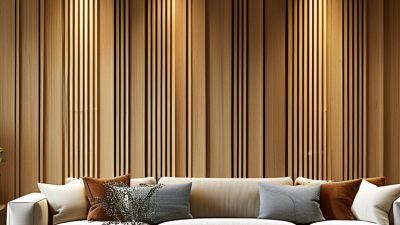
Material choice should follow the noise problem, not fashion. Fiberglass and mineral wool usually provide strong broadband absorption because their open structure slows air movement. PET felt is lighter, cleaner to handle, and useful for speech-frequency control. Wood slat panels can add warmth, but their backing layer does most of the acoustic work. A bare decorative surface may absorb very little. That is easy to miss.

Compare ratings carefully. NRC averages absorption at 250, 500, 1,000, and 2,000 Hz under ASTM C423. SAA extends the range to 200–2,500 Hz, so it can reveal slightly different performance. Neither rating fully predicts a busy room. ISO 354 laboratory testing also differs from real installation conditions. Gaps, corners, ceiling height, and panel spacing matter. A panel rated NRC 0.90 may perform less effectively when mounted directly against a hard wall. I have seen this mistake repeatedly.

Design should match the sound’s character. Thick porous panels help with voices and general reverberation. Clouds and corner absorbers improve coverage when reflections come from above or behind. Slatted systems can combine absorption with partial diffusion.

For comfort, consider the World Health Organization’s 2018 guideline of 40 dB Lnight outside bedrooms. That target is not a panel specification, but it shows why room planning matters. Choose documented test data, inspect mounting details, and question ratings presented without test standards. Sometimes, the best-looking panel is not the best-performing one.

Choosing the Right Panel Size, Placement, and Coverage

How to Choose Acoustic Sound Panels in 2026?

Panel size should match the room, not only the wall. In a small office, several 24-by-48-inch panels can control reflections without making the space feel sealed. Thicker panels usually absorb more lower-mid energy. Leave a small air gap behind them. It improves performance. I once installed thin panels directly against a wall and noticed little change in vocal clarity. That mistake was expensive and avoidable.

Placement matters more than decoration. Find the first-reflection points on both side walls using a mirror and a second person. Mark where you can see the speakers from the listening position. Place panels there at ear height. Add ceiling treatment above the main seating area if voices still sound sharp. A rear-wall panel can reduce slap echo, but it should not replace treatment at the side reflections. Keep doors, windows, and ventilation clear.

Coverage depends on the room’s purpose. A speech-focused room may need roughly 15 to 25 percent of its wall area treated. Music rooms often require more careful distribution, especially near corners and the rear wall. Do not cover every surface automatically. Excessive absorption can make a room feel unnaturally dry. Test changes with hand claps, recorded speech, and familiar music. If possible, compare reverberation measurements before and after installation. Small gaps in coverage may remain. That is acceptable when the room sounds balanced and speech stays intelligible.

How to Choose Acoustic Sound Panels in 2026?

Choosing the Right Panel Size, Placement, and Coverage

Panel Size

Use larger panels for broad wall coverage and fewer visual interruptions. Panels around 600 × 1200 mm are a practical general-purpose format, while smaller panels help fit columns, corners, and irregular walls.

Placement

Prioritize first-reflection points on side walls and ceilings, then treat the rear wall when speech clarity or listening accuracy is important. Leave some untreated surface to avoid an overly dead room.

Coverage

The chart shows practical planning ranges, not universal building-code requirements. Final coverage depends on room volume, surface materials, panel thickness, air gaps, and the desired reverberation time.

Planning reference: typical acoustic-treatment coverage ranges used for preliminary room design. Verify the final solution with room measurements and the panel manufacturer's independently tested absorption data.

Planning Installation, Maintenance, and Performance Evaluation

How to Choose Acoustic Sound Panels in 2026?

Planning Installation, Maintenance, and Performance Evaluation

Choose panels by room function, not appearance alone.

A meeting room needs speech clarity, while a music practice room may require balanced absorption. Measure the room’s length, width, ceiling height, and hard surfaces. Note windows, doors, lights, and ventilation paths. These details affect placement. Do not cover every wall automatically. Excessive absorption can make speech sound dull and unnatural.

Plan installation around safety and future access.

Use secure fixings suitable for the wall structure. Keep panels clear of electrical equipment, sprinklers, and ventilation outlets. Leave service gaps where technicians may need access. My first layouts were too optimistic. Furniture later blocked several panels. That mistake taught me to mark desks and chairs before drilling. Small drawings prevent expensive changes.

Maintenance should be simple.

Choose surfaces that tolerate gentle vacuuming and approved cleaning methods. Inspect edges, fasteners, and fabric every six months. Replace damaged panels rather than hiding them. Evaluate performance with recorded speech, short reverberation tests, and listener feedback from different seats. A phone recording can reveal problems, but it is not a laboratory measurement. Compare results before and after installation. If voices remain unclear, review panel coverage, room reflections, and background noise. The numbers may look acceptable. People may still disagree. That disagreement deserves investigation.