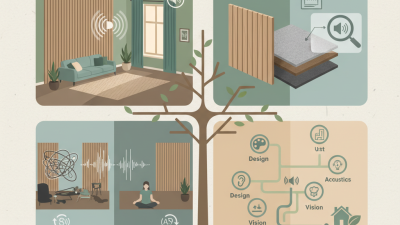
2026 Top Soundproofing Acoustic Panel Trends You Need to Know?
As we look to 2026, the landscape of soundproofing continues to evolve. Soundproofing acoustic panels play a crucial role in creating serene environments, both in homes and workplaces. Recent industry reports indicate a rising demand for these panels, forecasting a growth rate of 7.5% annually. This growth highlights the increasing awareness of sound pollution and its impact on productivity and well-being.
"Effective soundproofing is no longer optional; it’s essential," says Dr. Emily Carter, a leading acoustic consultant. Her expertise emphasizes the need for quality soundproofing acoustic panels in modern design. In urban areas, where noise levels are consistently high, these panels serve to mitigate distractions.
However, not all panels are created equal. Consumers often face challenges in differentiating between high-quality options and less effective solutions. The market is flooded with choices, making informed decisions daunting. As we anticipate trends for 2026, focusing on innovation and sustainability in soundproofing acoustic panels becomes vital. Understanding these elements can guide us toward smarter choices, ultimately fostering quieter, more productive spaces.
Emerging Innovations in Soundproofing Materials for 2026
As we look toward 2026, innovations in soundproofing materials are becoming increasingly dynamic. New technologies in acoustic panels are set to change how we think about sound absorption. Biomimicry is a key theme, where materials mimic natural structures to enhance performance. For example, panels designed based on owl feathers can significantly reduce noise. These innovative designs not only improve sound quality but also showcase sustainability.
Another emerging trend involves the use of recycled materials. Many manufacturers are experimenting with post-consumer waste to create effective soundproofing solutions. Acoustic panels made from recycled textiles or plastics are gaining traction. This approach not only helps the environment but also offers a unique aesthetic. Users often express concern about the durability of these products. Continuous research aims to address these long-term reliability issues.
Advancements in smart technology also influence acoustic panel design. Integrating sensors within panels allows real-time monitoring of sound levels. This technology can adjust the panel's properties based on the environment. Yet, skepticism remains about the practicality of such innovations. Many wonder if these advancements will be accessible to the average consumer. Balancing cutting-edge technology with affordability will be essential for wider adoption.
Sustainable Acoustic Panels: Eco-Friendly Trends in Soundproofing
The demand for sustainable acoustic panels is rising. Industry reports indicate that eco-friendly materials are becoming increasingly popular in soundproofing. In 2023, nearly 45% of architects prioritized sustainability in their designs. This shift reflects a growing awareness about the environmental impact of construction materials.
Modern acoustic panels are made using recycled or renewable materials. For example, some panels incorporate natural fibers like hemp or bamboo. Research shows that these materials not only provide effective sound absorption but also reduce carbon footprints. However, there is still room for improvement in manufacturing processes. Not all eco-friendly options perform equally well in soundproofing.
While advancements are evident, challenges remain. The market still offers many traditional options that use non-sustainable components. Consumers may struggle to find high-quality eco-friendly products. Additionally, the performance of new materials often needs more extensive testing. Innovations in fabric technology could address this, ensuring both aesthetics and functionality. The evolution of the acoustic panel market is still a work in progress, balancing environmental needs and performance expectations.
Aesthetic Design Trends in Acoustic Panels for Modern Interiors
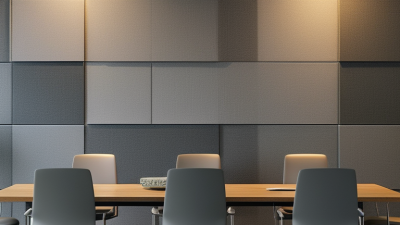
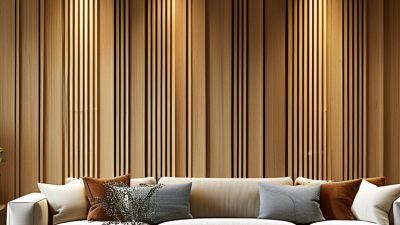
Acoustic panels have evolved significantly, blending functionality with aesthetic design. The modern interior design landscape embraces these elements. They now come in various materials, colors, and shapes, allowing homeowners to express their unique style while improving sound quality.
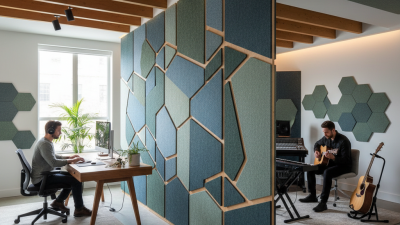
Textures play a crucial role in the current trends. From soft fabrics to sleek wood finishes, the choice can greatly impact the overall ambiance. Patterns are also gaining popularity, with geometric shapes or organic forms appealing to various tastes. These details contribute to a space that is visually appealing and acoustically functional.
Integrating acoustic panels into existing designs can be challenging. Achieving a cohesive look without overwhelming the space takes careful planning. The right balance between design and sound absorption is essential. A well-placed panel can enhance the aesthetic, but too many can clutter the visual space. This balance is a vital aspect of modern design that deserves reflection.
2026 Top Soundproofing Acoustic Panel Trends You Need to Know
| Trend |
Description |
Material Used |
Aesthetic Appeal |
Application Area |
| Natural Textures |
Panels designed to mimic natural elements like wood and stone. |
Wood fiber, stone veneer. |
Organic and warm feel. |
Residential and hospitality spaces. |
| Geometric Patterns |
Panels with bold geometric designs to create visual interest. |
Acoustic foam, fabric. |
Modern and chic look. |
Offices and creative spaces. |
| Colored Panels |
Brightly colored panels that add a pop of color to interiors. |
Acoustic fabric, recycled materials. |
Vibrant and playful. |
Children’s rooms and playful environments. |
| 3D Panels |
Panels with three-dimensional designs for depth and texture. |
Polyester, wood composites. |
Sculptural and immersive. |
Art galleries and exhibition spaces. |
| Eco-Friendly Panels |
Sustainable materials used in panel production. |
Recycled textiles, low-emission materials. |
Green and responsible. |
Corporate offices and eco-conscious spaces. |
Technological Advancements in Sound Absorption and Noise Reduction
The landscape of soundproofing and acoustic panels is evolving rapidly. Innovations in materials and technology are reshaping how we approach noise reduction. Recent advancements focus on enhancing sound absorption capabilities. New composite materials are being developed to improve acoustic performance while remaining lightweight and aesthetically pleasing.
Effective soundproofing is not just about cutting noise; it’s about enhancing the environment. For instance, foam panels can reduce echo in large spaces. They make a noticeable difference in sound quality. Sound-absorbing materials are being integrated into everyday designs, such as furniture and wall art. This creates a dual purpose: beauty and functionality.
To enhance your space with soundproofing solutions, consider these ideas. Use acoustic paneling creatively to enhance decor. Select colors that complement your interior design. Make a focal point out of a sound-absorbing wall. Experimentation can yield surprising results. Always assess the specific acoustic needs of your environment. Identifying noise issues helps in choosing effective solutions.
2026 Top Soundproofing Acoustic Panel Trends
This bar chart showcases the predicted popularity of various soundproofing acoustic panel trends in 2026. The data indicates a strong focus on environmental sustainability and advanced sound absorption, reflecting consumer priorities in the coming years.
Top Applications for Acoustic Panels: Residential vs. Commercial Spaces
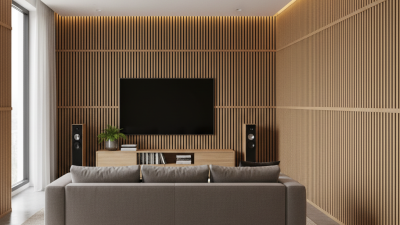
Acoustic panels have found diverse applications in both residential and commercial spaces. In homes, these panels can significantly reduce noise levels, enhancing comfort. They are often placed in home theaters, music rooms, and living areas to improve sound clarity. The right placement and design can transform a noisy environment into a peaceful retreat. Homeowners can choose from various materials and styles to fit their interior aesthetics and functional needs.
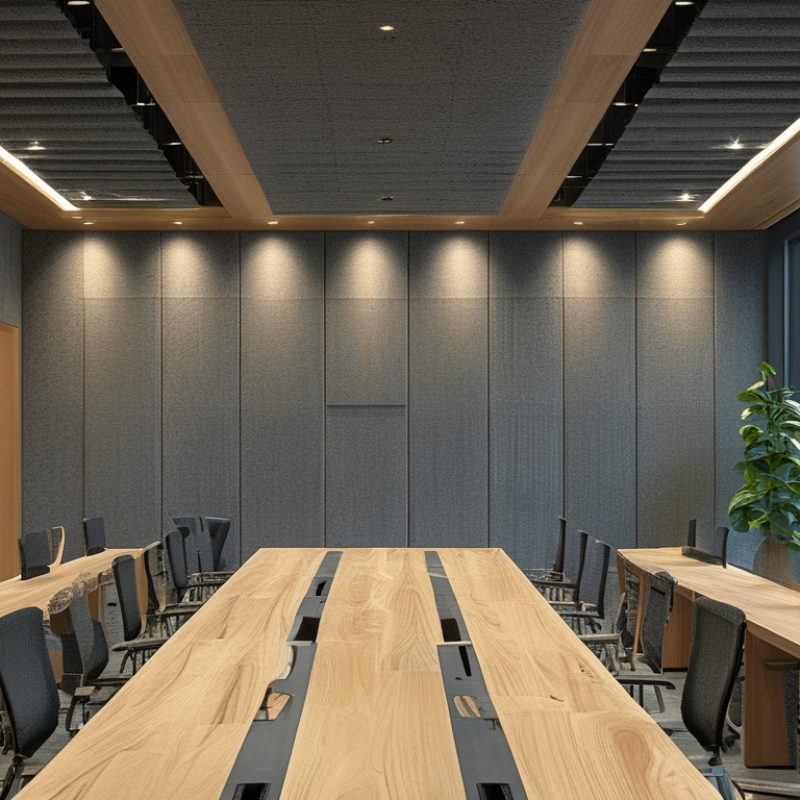
In commercial settings, acoustic panels serve a different purpose. Open office layouts benefit from soundproofing solutions that promote focus and collaboration. Restaurants and cafes often utilize these panels to create pleasant dining experiences. However, not all installations are perfect. Some businesses may underestimate the importance of treating walls, ceilings, or even floors for optimal sound absorption. An effective layout requires careful planning and consideration of the interior design. Soundproofing is not just an afterthought; it should integrate seamlessly into the building's overall architecture.