Why Choose Acoustic Slat Wood Wall Panels for Your Space?
Acoustic Slat Wood Wall Panels have emerged as a popular choice for both residential and commercial spaces. According to a recent report by the Acoustic Solutions Institute, well-designed acoustic panels can reduce noise levels by up to 30%. This improvement enhances comfort and productivity, especially in busy environments. Industry expert Dr. Emily Harper notes, "The choice of materials and design directly impacts sound quality and aesthetics in any room."
These panels not only manage acoustics but also elevate the space's visual appeal. The natural wood finish brings warmth, creating an inviting atmosphere. Various wood species and finishes allow for flexibility in design. However, selecting the wrong panel thickness can lead to insufficient sound absorption.
Investing in high-quality Acoustic Slat Wood Wall Panels can significantly benefit your environment. Thoughtful placement and design are crucial. Consider hiring an acoustic consultant to help optimize your choices. Balancing aesthetics with functionality requires careful planning and reflection. Make informed decisions to achieve the best outcome for your space.

Benefits of Acoustic Slat Wood Wall Panels in Interior Design
Acoustic slat wood wall panels have gained attention in modern interior design due to their ability to enhance sound quality in various spaces. They combine aesthetics with functionality, creating a visually pleasing environment while reducing noise levels. A study from the National Institute of Building Sciences highlights that sound absorption can be improved by up to 40% when using acoustic treatments, such as these wood panels.
These panels contribute to a serene atmosphere, essential for both residential and commercial settings. According to a recent report by the Architectural Acoustics Research Group, well-designed acoustics can enhance productivity by up to 30% in office spaces. Companies are increasingly realizing that the right acoustics support employee well-being and focus. The warm texture of wood also adds a cozy touch, contrasting with colder materials often used in contemporary design.
While the benefits are clear, it's important to consider installation challenges. Achieving the desired acoustic performance requires careful planning and design. Room shapes and existing furnishings can impact sound dynamics. Reflection and absorption must be balanced. Improper installation may lead to dissatisfaction with the acoustic environment. Reflecting on these aspects can help designers make informed choices, ensuring that aesthetics and functionality work hand in hand.
Why Choose Acoustic Slat Wood Wall Panels for Your Space? - Benefits of Acoustic Slat Wood Wall Panels in Interior Design
| Feature |
Description |
Benefits |
| Sound Absorption |
Effectively reduces noise levels in various environments. |
Creates a quieter, more comfortable space. |
| Aesthetic Appeal |
Add a natural, sophisticated look to interiors. |
Enhances overall design and ambiance of the space. |
| Versatility |
Suitable for various settings, including homes, offices, and public spaces. |
Flexible design options for different applications. |
| Sustainability |
Made from renewable wood materials. |
Eco-friendly choice for environmentally conscious design. |
| Easy Installation |
Can be installed with minimal effort and disruption. |
Saves time and reduces labor costs. |
How Acoustic Slat Wood Wall Panels Improve Sound Quality
Acoustic slat wood wall panels are designed to enhance sound quality in various environments. Studies indicate that utilizing wooden paneling can reduce noise levels by up to 30%. These panels absorb sound waves more effectively, preventing echoes and creating a serene atmosphere. In offices, reduced noise can lead to a 20% increase in employee productivity.
The design of these panels plays a crucial role. With slats spaced correctly, they allow sound to scatter instead of bounce back directly. A report from the Acoustics Society of America highlights that well-placed wooden panels improve speech clarity. This is vital in settings like conference rooms and classrooms. However, achieving optimal sound absorption requires thoughtful installation and layout.
Some may find that not every space responds perfectly to acoustic treatments. Variations in room size and furnishings can affect results. Additionally, while wood provides warmth and aesthetic appeal, it can be more costly than alternative materials. Assessing the specific needs of a space is essential to maximize the benefits of acoustic slat wood wall panels.
The Aesthetic Appeal of Acoustic Slat Wood Wall Panels
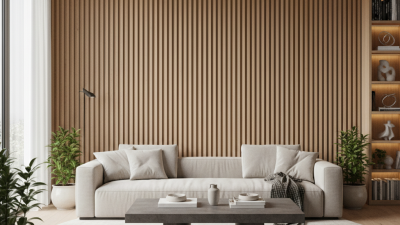
Acoustic slat wood wall panels are gaining popularity in modern interior design. Their aesthetic appeal is undeniable. The warm tones of wood create a cozy ambiance that resonates with many. Every panel showcases unique grain patterns, offering a beautiful visual texture. This distinctiveness makes them an excellent choice for residential and commercial spaces.
In addition to their beauty, these panels contribute to sound absorption. The slat design allows for airflow while minimizing noise. This is particularly useful in open-concept areas or bustling environments. By incorporating these panels, you create both a visually stunning and acoustically comfortable setting. However, maintaining their aesthetic appeal requires attention. Wood surfaces can scratch or fade over time. Regular upkeep is essential to ensure they retain their charm.
Choosing acoustic slat wood wall panels is a blend of functionality and design. They provide an artistic element while serving practical needs. Yet, it's vital to remain aware of their upkeep. Every choice in design comes with its trade-offs, inviting reflection on what best suits your space.
Material and Environmental Considerations for Acoustic Panels
Acoustic slat wood wall panels are an excellent choice for enhancing both aesthetics and sound quality in various spaces. These panels are made from sustainable wood, often sourced from responsibly managed forests. According to the Forest Stewardship Council, over 15% of global forests are certified. This ensures that the materials are not only stylish but also environmentally friendly.
The Absorption Coefficient of acoustic panels varies widely based on the material used. Research shows that wood products can absorb sound frequencies effectively. In a controlled study, wood panels demonstrated a sound absorption rate of 0.85, making them superior to some synthetic alternatives. While these numbers are impressive, one must consider the balance between design and functionality.
Environmental factors are crucial when choosing materials. While wood is renewable, energy-intensive manufacturing processes can offset its benefits. The Carbon Trust highlights that the production of certain wood products can emit significant CO2. This emphasizes the importance of selecting panels with low environmental footprints, even if it means sacrificing some aesthetic preferences. Thoughtful choices lead to spaces that are both visually appealing and acoustically effective.
Installation and Maintenance of Acoustic Slat Wood Wall Panels
Acoustic slat wood wall panels not only enhance aesthetic appeal but also provide excellent sound absorption.
Installing these panels can be straightforward, yet attention to detail is crucial. Ensure the surface is clean and
smooth. Uneven surfaces can cause issues during installation. Measure carefully before cutting. Accurate cuts prevent
gaps that could reduce effectiveness.
Tips: Use a level to mark your installation points. This step helps avoid misalignment. Don’t rush the adhesive
application; let it set as directed. Checking for proper adhesion is essential.
Maintenance of acoustic panels involves simple cleaning. Regular dusting keeps them looking fresh. For deeper
cleaning, use a damp cloth. Avoid harsh chemicals, as they can damage the wood finish. Inspect periodically for
signs of wear or damage. Repair any issues promptly to maintain performance. Minor scuffs can sometimes be fixed
with a little sanding.
Tips: Consider applying a wood conditioner periodically. This practice helps maintain the panel's natural beauty.
Keep wood away from excessive moisture to prevent warping. Each space is unique, so take the time to adapt your
approach as needed.