China Top 10 Wall Paneling Bamboo Charcoal Wood Veneer Styles?
In recent years, the trend of using Wall Paneling Bamboo Charcoal Wood Veneer has gained remarkable popularity in interior design. Homeowners and designers alike appreciate its unique aesthetic and eco-friendly nature. This innovative material embodies a harmonious balance of natural beauty and modern elegance.
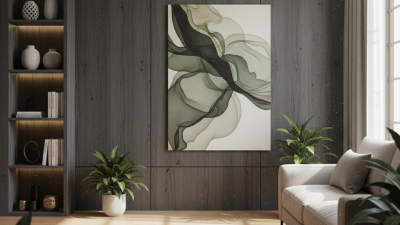
Wall paneling with bamboo charcoal wood veneer offers a distinctive texture and warmth. Its rich tones can elevate any space, from cozy living rooms to sophisticated offices. Additionally, the natural properties of bamboo charcoal contribute to better air quality, making it a health-conscious choice.
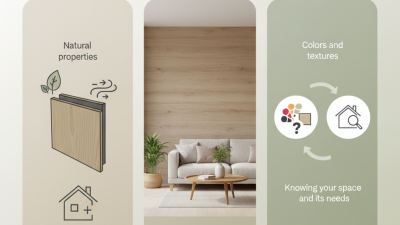
However, selecting the right style can be overwhelming. Market saturation with various designs may confuse consumers. It is crucial to consider personal taste and functionality. Reflecting on one’s needs can guide the selection process for ideal wall paneling options that truly enhance a home.
Top 10 Bamboo Charcoal Wood Veneer Styles for Wall Paneling in China
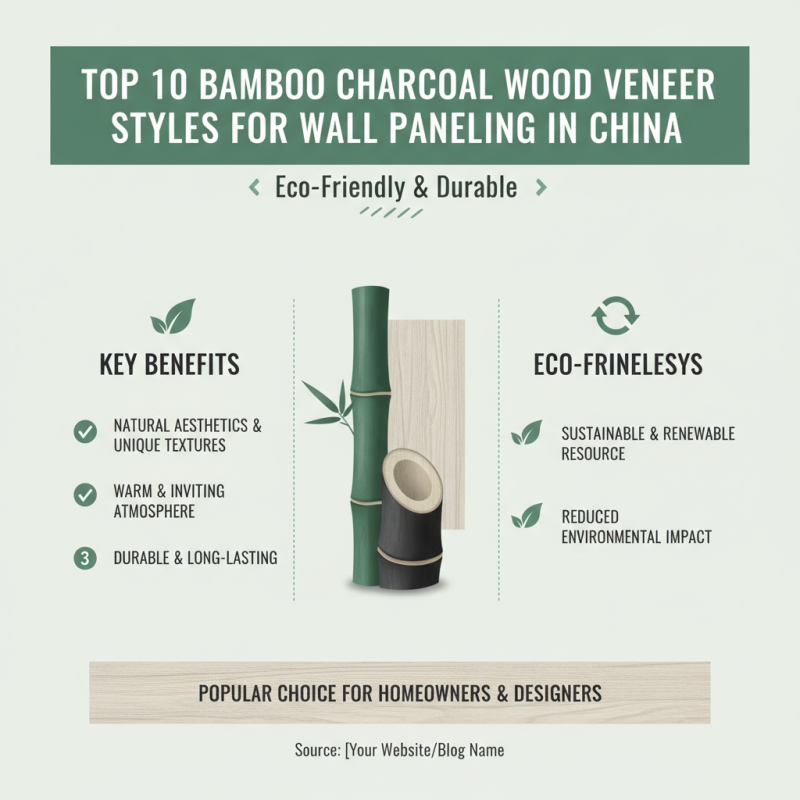
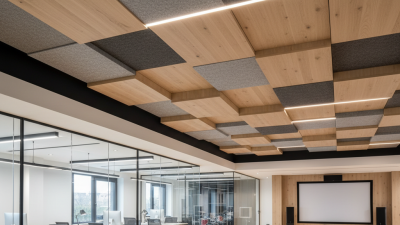
Bamboo charcoal wood veneers have surged in popularity for wall paneling in China. These materials combine natural aesthetics with durability. Their unique textures create a warm and inviting atmosphere in any space. Homeowners and designers appreciate the eco-friendliness of bamboo. It’s sustainable and a renewable resource.
When selecting bamboo charcoal wood veneers, consider the finish. Matte and gloss options can dramatically change the look of your space. Different styles offer various degrees of grain visibility. Some veins are bold, while others are subtle. Choosing the right style impacts your interior design significantly.
Tips: Pay attention to the light in your room. Natural light can enhance the bamboo's natural tones. Samples can help visualize your chosen style. Always consider how the paneling will complement your existing decor. Be open to experimenting with placement and combinations. Each choice can result in a unique aesthetic you may not anticipate initially. Don't hesitate to adjust your selections until they truly resonate with your vision.
Benefits of Using Bamboo Charcoal in Wall Paneling Designs
Bamboo charcoal has gained popularity in wall paneling designs due to its unique benefits. As an eco-friendly material, it captures carbon effectively. Reports indicate that using sustainable materials can reduce carbon emissions by over 30%. This is significant in today's environmentally conscious market.
One of the standout features of bamboo charcoal is its natural odor absorption. Studies show that bamboo charcoal can absorb around 70% of harmful indoor pollutants, enhancing air quality. This property makes it ideal for residential and commercial spaces alike.
Additionally, bamboo charcoal offers excellent thermal regulation. It helps in keeping spaces cooler in summer and warmer in winter. However, not all bamboo charcoal products showcase these benefits equally. Some may lack proper processing, reducing effectiveness. It's essential to choose quality materials for optimal results. When considering wall paneling, understanding these details can make a difference.
China Top 10 Wall Paneling Bamboo Charcoal Wood Veneer Styles - Benefits of Using Bamboo Charcoal in Wall Paneling Designs
| Style |
Color |
Texture |
Thickness (mm) |
Benefits |
| Natural Bamboo Charcoal |
Dark Brown |
Smooth |
12 |
Air purification |
| Light Bamboo Charcoal |
Beige |
Textured |
10 |
Moisture control |
| Carbonized Bamboo |
Dark Brown |
Wavy |
15 |
Durability |
| Grain Pattern Bamboo |
Golden |
Patterned |
8 |
Aesthetic appeal |
| Herringbone Bamboo |
Light Brown |
Smooth |
12 |
Sustainable |
| Vertical Bamboo Strips |
Natural |
Textured |
10 |
Eco-friendly |
| Bamboo Panels with Charcoal Coating |
Charcoal Black |
Smooth |
15 |
Odor absorption |
| Bamboo Fiber Panels |
Cream |
Natural |
9 |
Insulation properties |
| Recycled Bamboo Composites |
Mixed Tones |
Smooth |
14 |
Waste reduction |
| Bamboo Veneer with Finish |
Various |
Glossy |
11 |
Versatile design |
Popular Aesthetics and Finishes of Bamboo Charcoal Wood Veneers
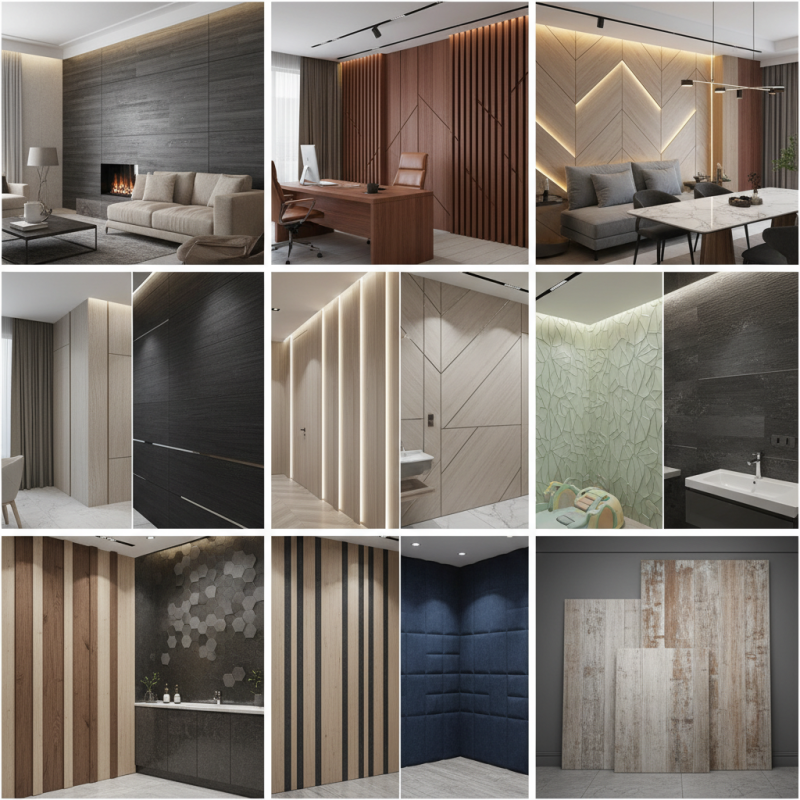
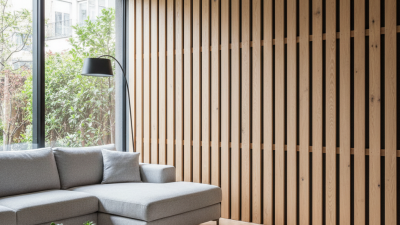
Bamboo charcoal wood veneers have gained popularity in interior design. These materials not only enhance aesthetics but also provide a range of finishes. From deep, rich hues to lighter, natural tones, the choices are vast. Designers appreciate the warmth these veneers bring to spaces. They create a cozy atmosphere while remaining modern and stylish.
One popular finish is the matte look. It offers a soft touch, smoothing the contrast of wood grains. Glossy finishes, on the other hand, catch light beautifully. This creates a dynamic effect, highlighting the texture of the bamboo. Some may find glossy finishes require more upkeep. However, the visual payoff often outweighs the maintenance concerns.
In terms of aesthetics, organic patterns stand out. These designs mimic nature, providing a serene backdrop. Textured surfaces add depth, creating visual intrigue. Choosing the right style can be a challenge. Aesthetic preference varies greatly among individuals. Yet, experimenting with different combinations often leads to unique results. This journey highlights the importance of personal expression in design.
Sustainable Aspects of Bamboo Charcoal Wall Paneling Materials
Bamboo charcoal wall paneling offers a sustainable alternative to traditional materials. Bamboo is a fast-growing grass, maturing within three to five years. This rapid growth reduces deforestation pressures, making it an eco-friendly choice. Reports indicate that bamboo can absorb carbon dioxide at a higher rate than many tree species. This characteristic helps mitigate climate change impacts.
Additionally, bamboo charcoal enhances indoor air quality. It acts as a natural air purifier by absorbing odors and harmful substances. Studies show that bamboo charcoal paneling significantly reduces volatile organic compounds (VOCs) in enclosed spaces. Keeping indoor environments healthier is crucial for overall well-being. However, the long-term durability of bamboo charcoal products can vary. Regular maintenance might be necessary to preserve their appearance.
While bamboo charcoal wall paneling has eco-benefits, there are challenges. Sourcing practices can affect sustainability claims. Ensuring ethical harvesting is essential for true sustainability. Greater transparency in the supply chain is needed. It's important to reflect on these aspects when choosing bamboo charcoal products for your space. Understanding the broader environmental impact can guide informed decisions.
Installation Techniques and Maintenance Tips for Bamboo Charcoal Panels
Bamboo charcoal wall panels offer a unique aesthetic while being eco-friendly. Installing them requires precision. It’s essential to start with clean, dry walls. Ensure the surface is free from dust and moisture. Using a level is crucial for perfect alignment. Many overlook this step, leading to uneven panels. If the wall isn’t flat, consider applying a backing board for better support.
For maintenance, bamboo charcoal panels are relatively low-maintenance. Regular dusting is important to keep them looking fresh. A damp cloth can help remove stubborn stains. However, avoid harsh chemicals that can damage the veneer. Some users find that moisture can warp the panels. They should be sealed properly to prevent this. Over time, color fading can occur in sunlight, a point often neglected. Regular assessments can help maintain their beauty.