
A Complete Guide to the Raw Materials Used in Modern WPC Wall Panels
Table of Contents
- Introduction: What Determines the Quality of WPC Wall Panels?
- Core Components of WPC Wall Panels
- Formulation Variations for Different Product Types
- Material Quality Control in Manufacturing
- How Buyers Can Evaluate a Supplier’s Materials
- Conclusion
1. Introduction: What Determines the Quality of WPC Wall Panels?
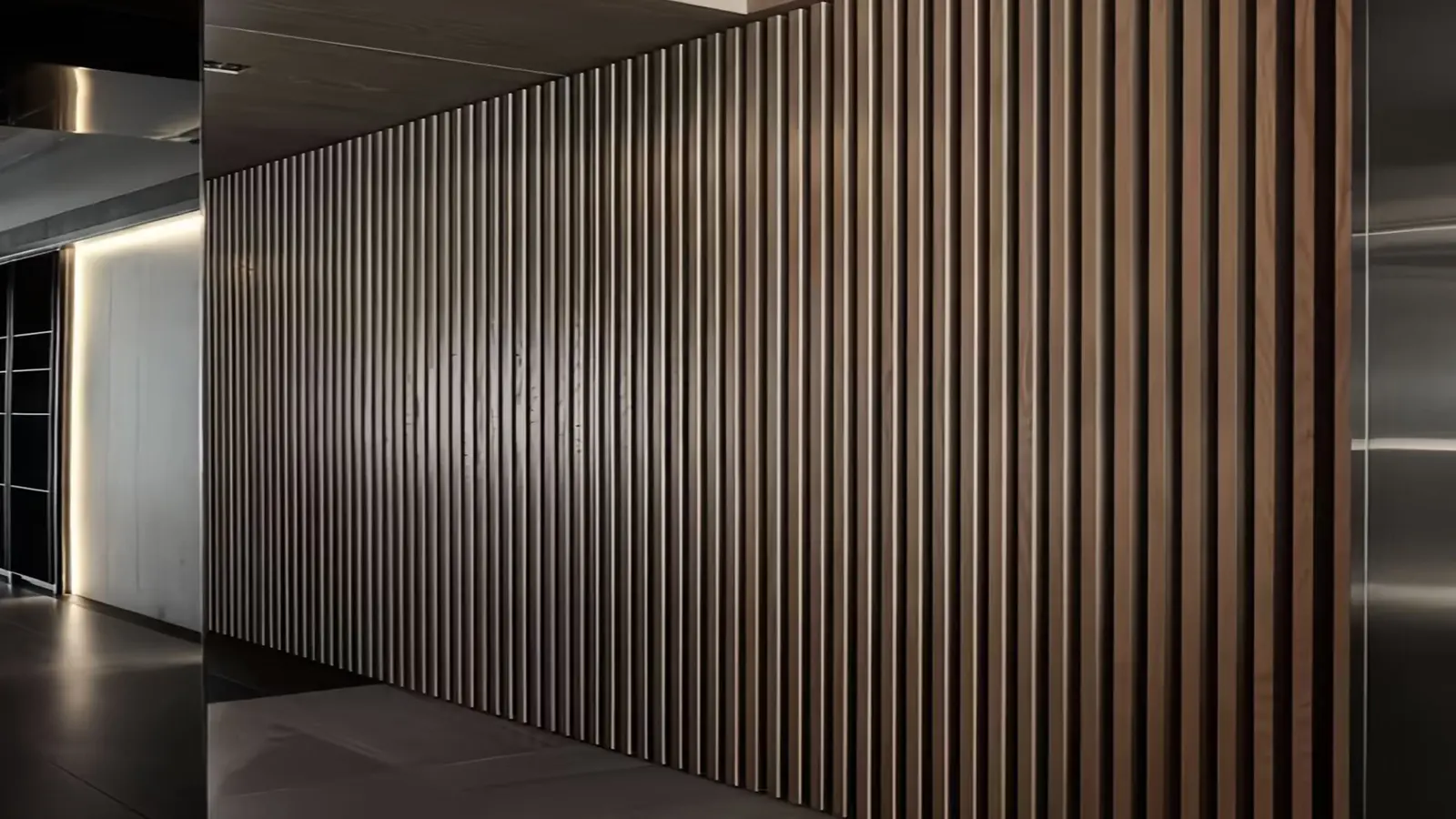
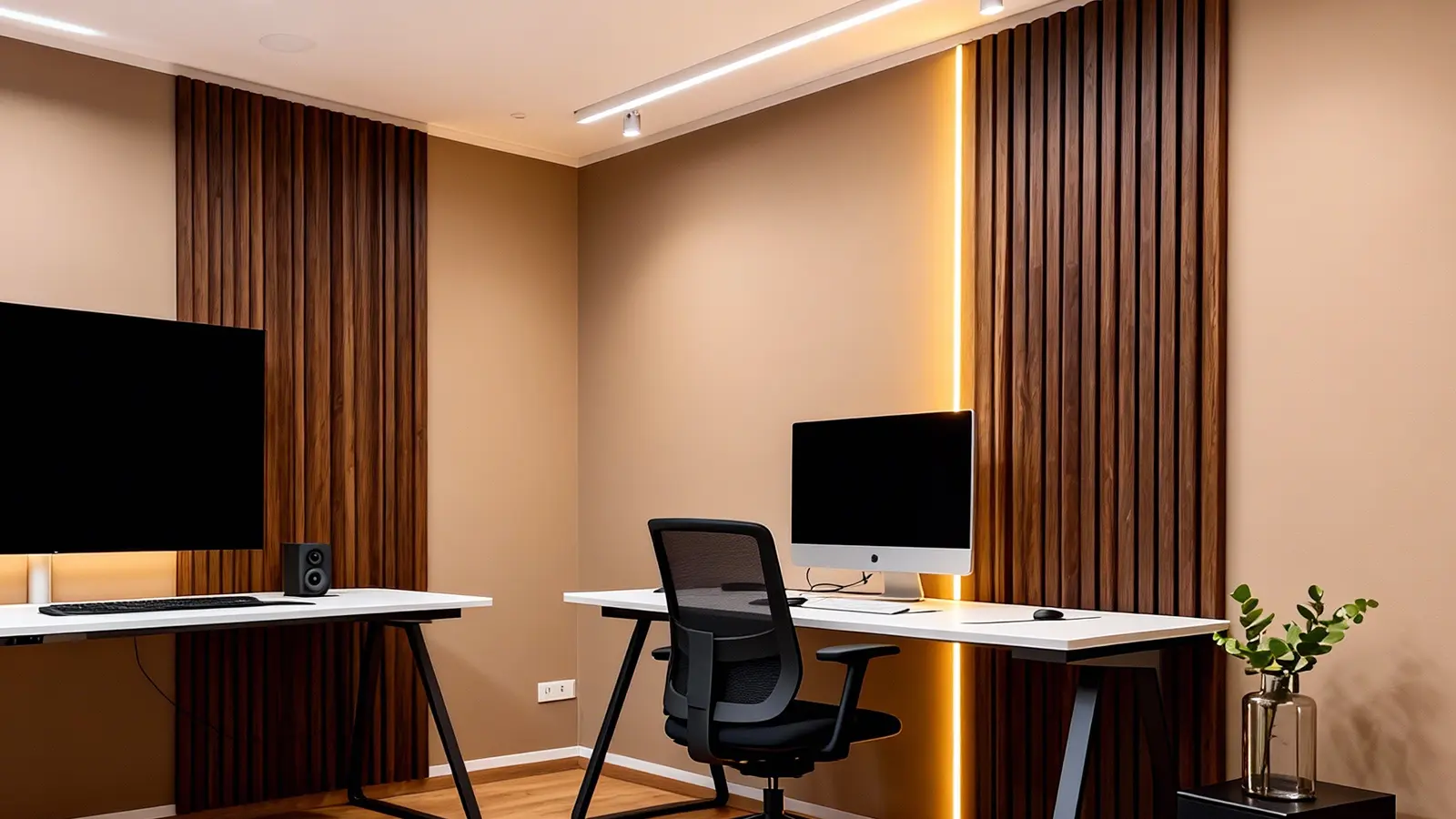
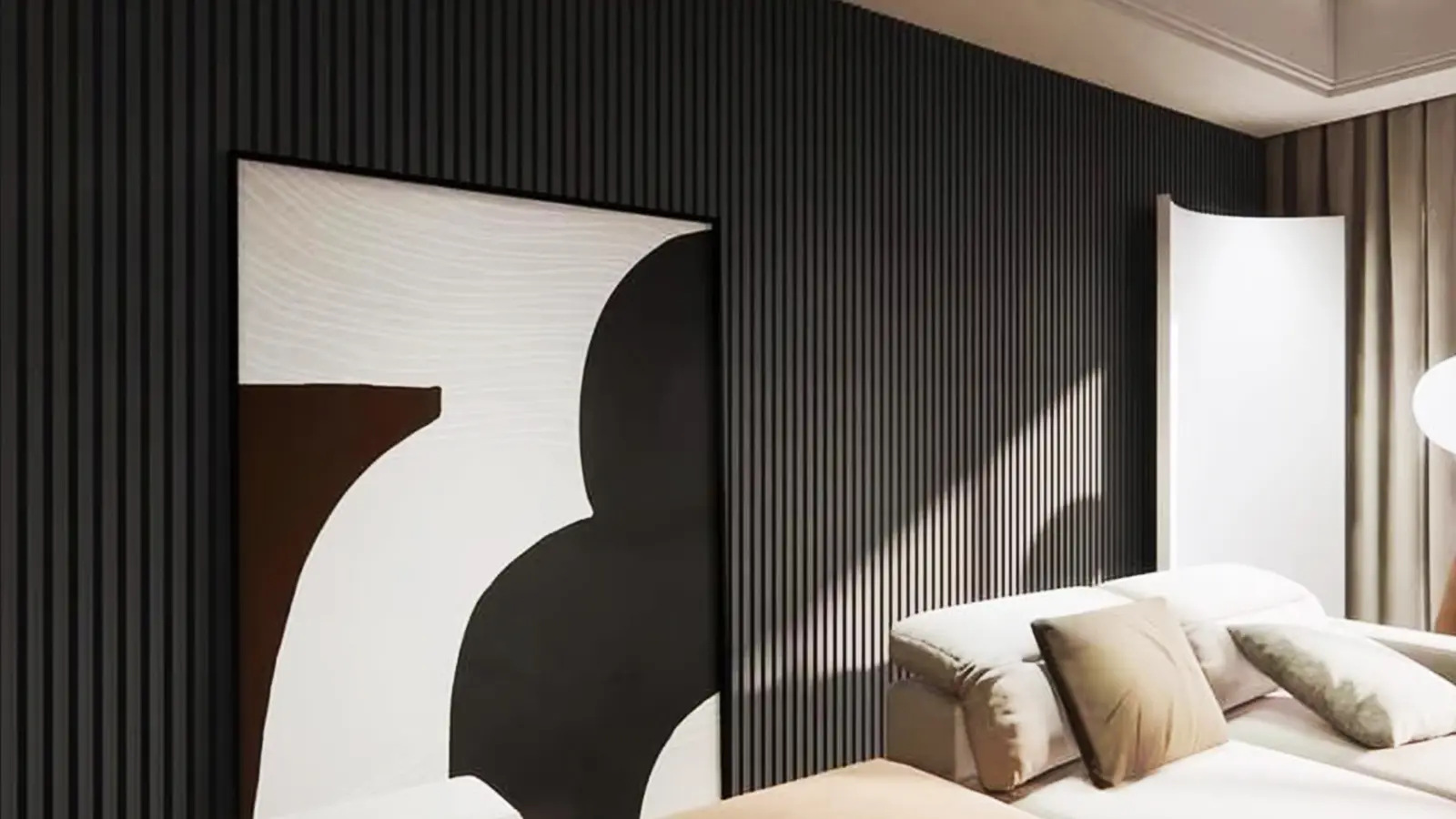
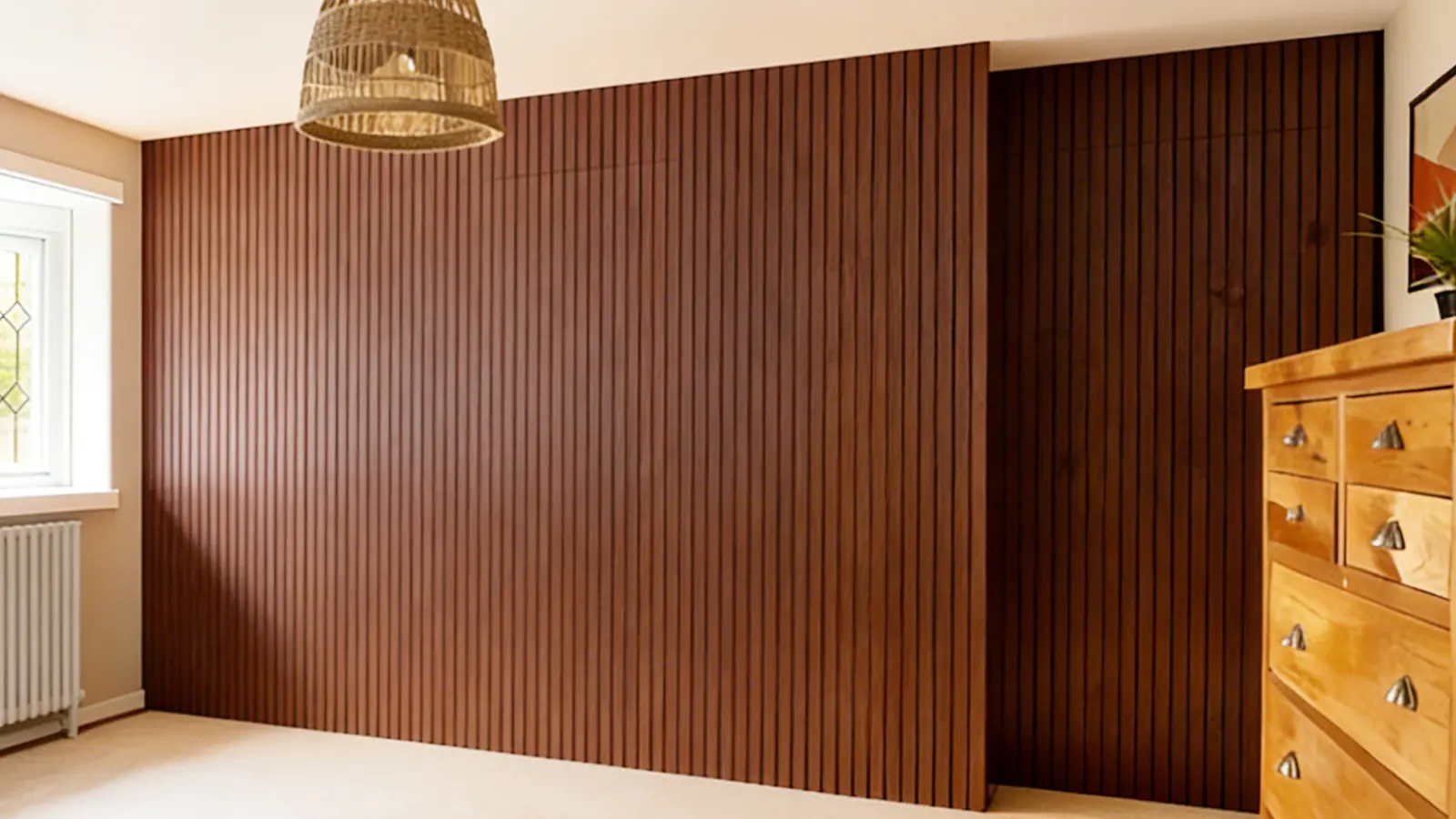
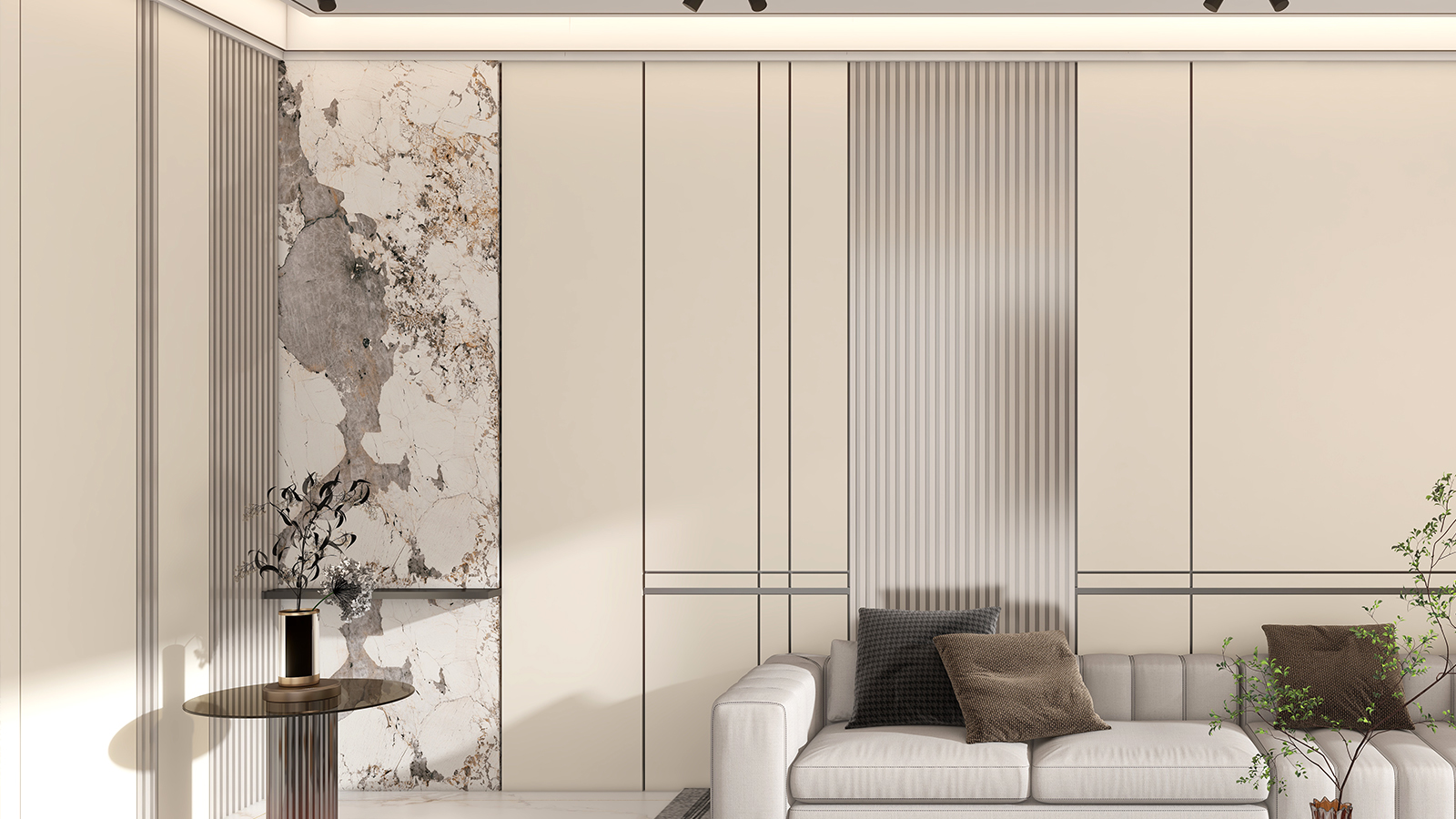
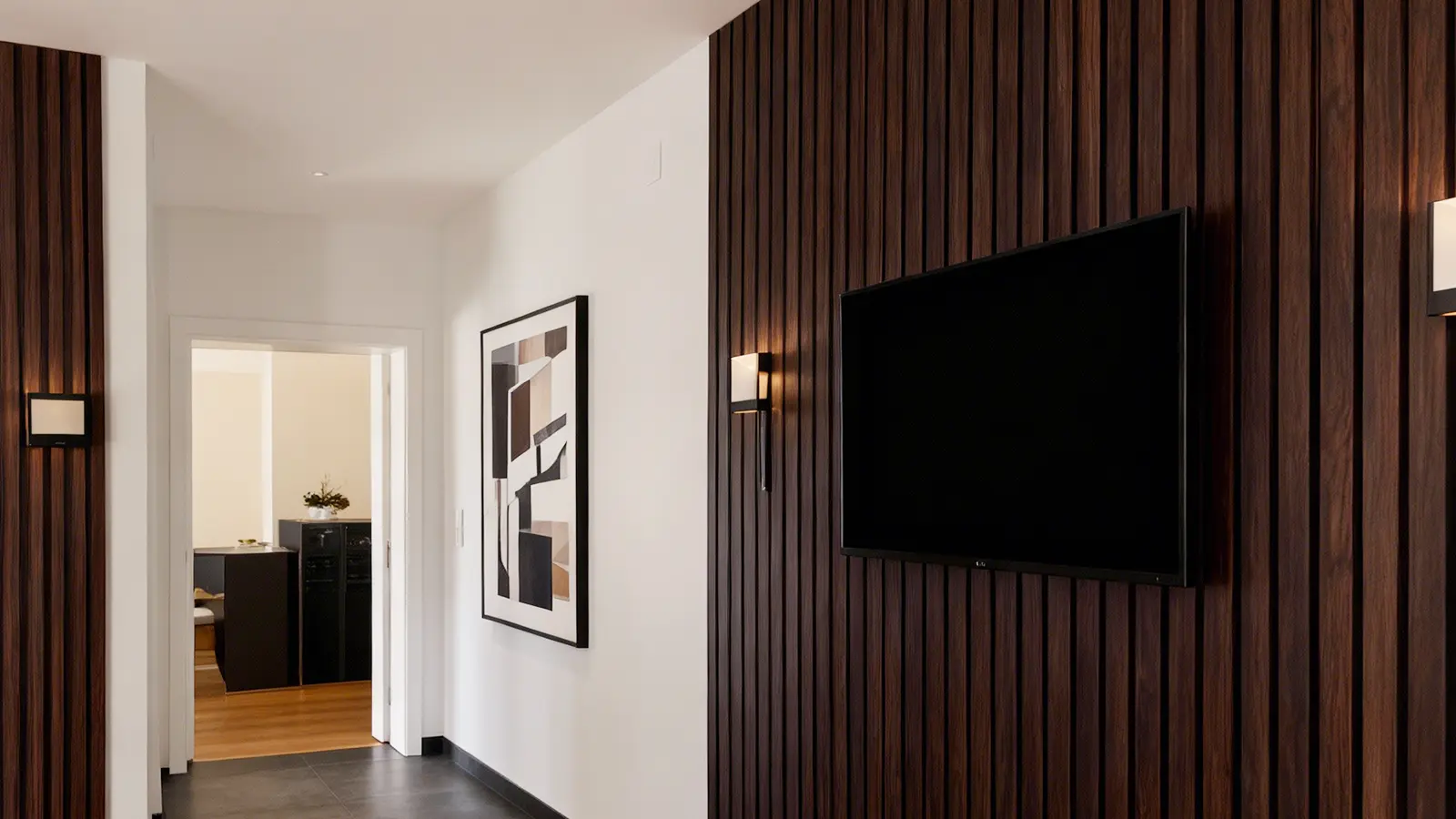
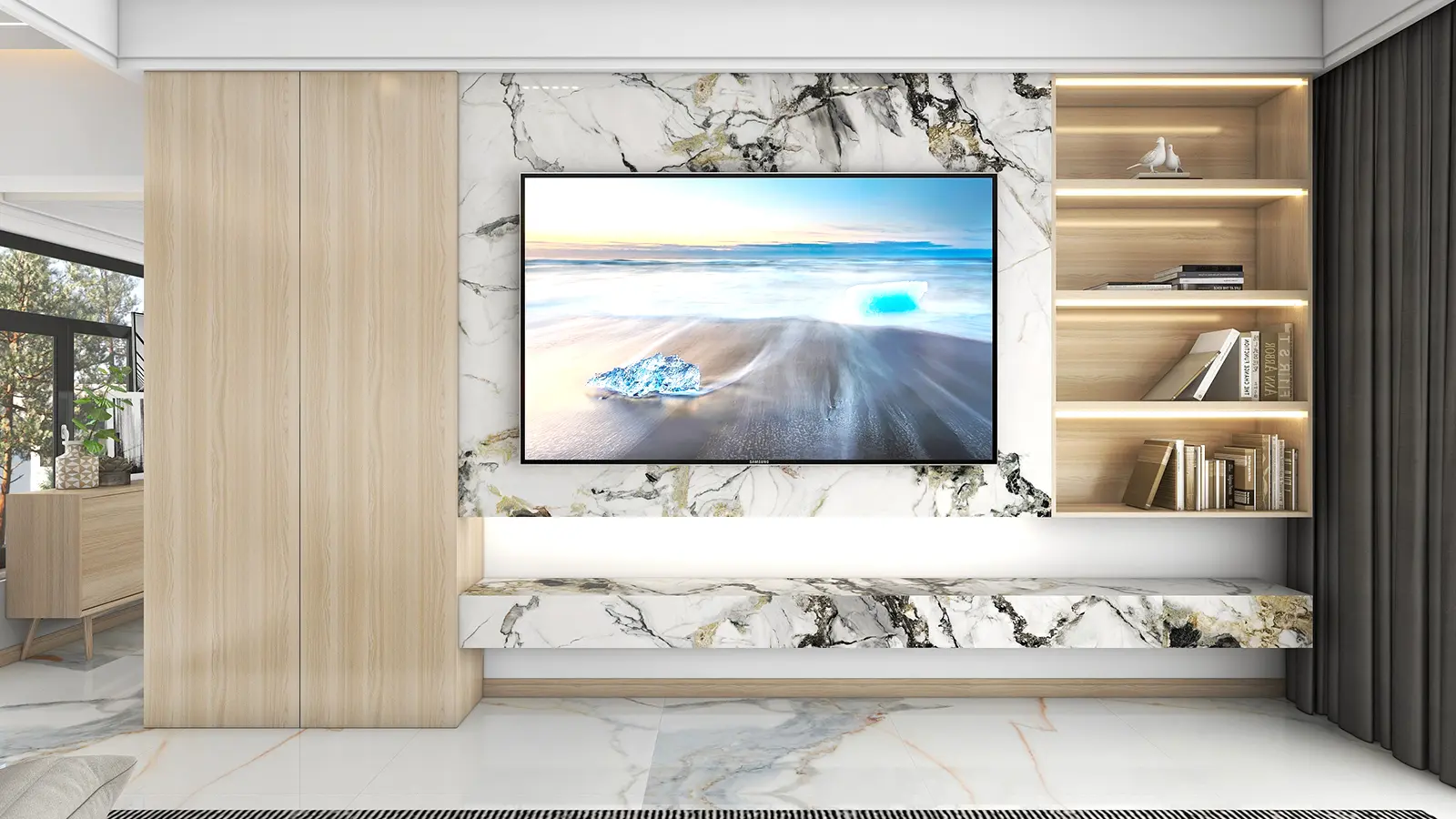
Wood–plastic composite (WPC) wall panelsare widely recognized for their durability, waterproof capabilities, and natural aesthetics. They have become a standard material in hotels, apartments, restaurants, offices, and large-scale development projects. But what many buyers do not realize is that not all Wpc Panels are made equally.
The composition of raw materials varies significantly from one factory to another. Two panels may look identical on the outside but have completely different internal structures. This difference directly affects:
- Strength and rigidity
- Service life
- Fading resistance
- Fire-safety performance
- Environmental compliance
- Installation reliability
For buyers sourcing from overseas manufacturers—especially in China—understanding how WPC is formulated can help avoid low-quality products, unexpected breakage, and costly after-sales claims.
This guide examines every major raw material used in WPC Wall Panels and explains how each ingredient contributes to the final product.
2. Core Components of WPC Wall Panels
Regardless of production method, the core ingredients of WPC wall panels include:
- Wood or bamboo fiber
- Polyvinyl chloride (PVC) or other thermoplastics
- Calcium carbonate (CaCO₃)
- Stabilizers
- Lubricants
- Pigments and strengthening additives
Each component must be balanced precisely to create a stable composite.
2.1 Wood or Bamboo Fiber: The Foundation of Composite Strength
Role of Wood Fiber
The wood component gives WPC panels their structural properties:
- Enhances stiffness
- Reduces thermal expansion
- Provides natural texture
- Improves screw retention
- Reduces deformation
Wood powder derived from sawdust, bamboo chips, and related biomass is ground into fine particles for use in extrusion.
Quality Differentiation
Three common grades exist:
- Premium fiber: purified, dried, fine mesh, consistent color
- Mixed-grade fiber: includes minor impurities
- Recycled fiber: composed of mixed wood waste and dust
Premium fiber significantly improves the internal structure of the panel.
Why Moisture Matters
If moisture exceeds 2%, extrusion becomes unstable, producing:
- Air bubbles
- Burn marks
- Cracks
- Weakened structure
Top manufacturers use drying systems to maintain a stable moisture level.
2.2 PVC Resin: The Waterproofing and Structural Matrix
Why PVC Is Preferred
In interior wall decoration, PVC offers advantages such as:
- Superior waterproofing
- Dimensional stability
- Higher fire resistance than PE or PP
- Good adhesion with wood fiber
- Easy thermoforming
PE-based WPC is excellent for outdoor decking, but PVC is unmatched for indoor applications.
PVC Resin Grades
PVC can be produced in different purity levels:
- Virgin PVC: clean, odor-free, ideal for high-grade panels
- Flexible PVC mixes: cheaper but unstable
- Recycled PVC: significantly reduces cost but compromises durability
Panels made from inferior resins tend to warp or discolor after installation.
Resin-to-Fiber Proportion
A typical interior WPC wall panel contains 25–35% PVC, which ensures both strength and elasticity.
2.3 Calcium Carbonate: Essential but Often Misused
Calcium carbonate is used to adjust panel density and improve processability.
Advantages
CaCO₃ contributes to:
- Hardness
- Cost reduction
- UV resistance
- Surface smoothness
Different Grades of CaCO₃
- Ultra-white 1500 mesh: best for smooth decorative finishes
- 900–1000 mesh: mid-level, widely used
- 300–400 mesh: used in low-price markets
High-mesh CaCO₃ offers better dispersion and improved mechanical performance.
Warning: Too Much CaCO₃ Is Problematic
Overloading CaCO₃ results in:
- Brittle structure
- Low impact toughness
- Reduced lifespan
- Easy breakage during transportation
High-end panels maintain CaCO₃ content below 25% for optimal strength.
2.4 Stabilizers: Protecting the Composite During Production
Thermal stabilizers prevent PVC from burning or turning yellow when exposed to heat during extrusion.
Types of Stabilizers
- Ca-Zn stabilizers: widely accepted worldwide because of environmental compliance
- Organic stabilizers: premium level
- Metal-salt stabilizers: used in certain price-sensitive markets
The stabilizer system also affects long-term discoloration resistance.
2.5 Lubricants: Ensuring a Smooth Extrusion Flow
Lubricants reduce friction between components and help produce panels with consistent density.
Key Functions
- Stable melt flow
- Smooth surface
- Reduced machine wear
- Prevented material build-up in extruder
Top factories use composite lubricants that balance internal and external lubrication.
2.6 Pigments and Advanced Additives
Color Masterbatch
Color consistency is crucial for modern interior WPC wall panels. High-quality masterbatch must withstand:
- High extrusion temperatures
- UV exposure
- Cleaning chemicals
Performance Enhancing Additives
Manufacturers may include:
- Fire retardants
- UV stabilizers
- Anti-microbial agents
- Impact modifiers
- Anti-oxidants
These additives increase the long-term value of the panel.
3. Formulation Variations for Different Product Types
Here is a typical formulation comparison:
| Panel Type | Wood Fiber | PVC | CaCO₃ | Additives |
| Standard Wall Panels | 50% | 30% | 15% | 5% |
| Premium Fluted Panels | 55–60% | 25–30% | 10% | 5% |
| Outdoor Composite | 60–70% | 15–20% | 5% | 10% |
| Low-Cost Panels | 30–35% | 15–20% | 40–50% | 5% |
Low-end panels may appear identical in photos but fail quickly in real-world use.
4. Material Quality Control in Manufacturing
Top manufacturers conduct strict quality control in each phase:
4.1 Raw Material Sourcing
- Fiber from stable suppliers
- Verified PVC resin batches
- High-mesh CaCO₃
- Certified additives
4.2 Formula Stability
Professionally managed factories use fixed formulations instead of frequently adjusting materials to reduce costs.
4.3 Production Monitoring
Quality checks include:
- Density analysis
- Dimension accuracy tests
- Thermal expansion tests
- Color consistency comparison
- Impact performance evaluation
Consistent production ensures consistent performance.
5. How Buyers Can Evaluate a Supplier’s Materials
When reviewing a potential supplier, ask:
- What percentage of wood fiber is used?
- Which PVC grade is applied?
- What is the CaCO₃ mesh size?
- Are stabilizers eco-friendly?
- Do you provide batch-to-batch samples?
- Can you share third-party test reports?
A reliable supplier will answer transparently.
6. Conclusion
WPC wall panels deliver excellent performance only when manufactured with high-quality raw materials and balanced formulations. Buyers should understand the roles of:
- Wood fiber
- PVC resin
- Calcium carbonate
- Stabilizers
- Lubricants
- Functional additives
By learning how these materials influence structural strength, durability, and environmental safety, distributors and project developers can avoid low-quality products and work confidently with trusted suppliers.