2026 Top Wood Acoustic Panel for Soundproofing Solutions?
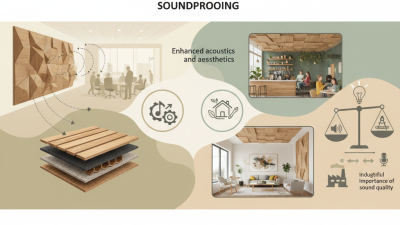
In the quest for soundproofing solutions, Wood Acoustic Panels emerge as a leading choice for residential and commercial spaces alike. According to a report by the Acoustical Society of America, these panels can reduce noise levels by as much as 30% when installed correctly. Expert in acoustics, Dr. Emily Carter states, “Wood Acoustic Panels not only enhance sound quality but also add aesthetic value.”
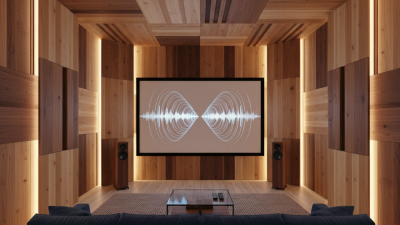
The market for Wood Acoustic Panels has seen substantial growth, projected to reach $1.2 billion by 2026. This growth is driven by the increasing demand for better acoustics in various environments, from home theaters to open office spaces. However, not all panels are created equal. Consumers must choose wisely to ensure effectiveness.
The challenge lies in balancing style and functionality. Many Wood Acoustic Panels offer beautiful finishes, yet not all provide adequate sound absorption. As the industry evolves, continuous improvements in material technology are needed. The focus should remain on achieving optimal performance while maintaining visual appeal.

Understanding Wood Acoustic Panels and Their Benefits for Soundproofing
Wood acoustic panels are becoming popular choices for soundproofing. Their natural aesthetics can enhance any space, from homes to offices. Beyond looks, these panels effectively reduce noise and improve sound quality. They absorb sound waves, preventing echoes and creating a more pleasant atmosphere.
Understanding the benefits of wood acoustic panels is essential. They help mitigate sound reflection, making conversations clearer. In open spaces, they create a more intimate feel. The panels are also eco-friendly, often made from sustainable materials. This option attracts environmentally conscious consumers.
Installation is another factor to consider. While some may find it straightforward, achieving optimal soundproofing can be tricky. The placement must be strategic to maximize sound absorption. People often overlook this aspect, leading to suboptimal results. It’s crucial to plan carefully and test configurations for the best outcome.
Types of Wood Acoustic Panels Available in 2026
As soundproofing becomes increasingly important, wood acoustic panels have gained popularity in 2026. These panels are designed to absorb sound, improving the acoustics of any space. Among the various types available, you'll find options like solid wood panels, engineered wood panels, and composite wood solutions. Each type serves unique acoustic needs while providing aesthetic appeal.
Solid wood panels are known for their durability and rich sound absorption properties. They retain their look over time but can be expensive. Engineered wood panels offer a more cost-effective solution, combining natural wood with other materials. This type allows for creative designs, making them versatile for modern interiors. Composite wood panels, on the other hand, utilize recycled materials, promoting sustainability while still delivering performance.
Nonetheless, choosing the right panel can be tricky. Not all products perform equally in diverse environments. Some may underperform in specific frequencies, causing unwanted echoes. It's essential to consider your project requirements carefully. Engaging with an expert can help navigate these complexities. Sound absorption is multifaceted; even a slight change in panel thickness can impact overall performance.
2026 Top Wood Acoustic Panels for Soundproofing Solutions
Key Features to Consider When Choosing Acoustic Panels
When selecting acoustic panels for soundproofing, several key features stand out. The material of the panels plays a crucial role. Wood is a popular choice due to its natural aesthetic and effective sound absorption. Different wood types offer varied acoustic properties, impacting the sound environment. Hardwoods may provide better noise reduction than softwoods.
Panel thickness is another important aspect. Thicker panels tend to absorb lower frequencies better. This can make a significant difference in spaces with bass-heavy audio. It is essential to assess your specific needs before making a decision. Additionally, panel density affects performance and should not be overlooked.
Consider the panel's design and aesthetic too. Acoustic panels can significantly influence a room's look. Aesthetic choices may seem secondary, but they matter. An unattractive panel can change the mood of a space. Test various options to find the right balance between function and style. Ultimately, personal preference should guide your choice while keeping soundproofing goals in mind.
2026 Top Wood Acoustic Panel for Soundproofing Solutions
| Panel Type |
Material |
Thickness (inches) |
NRC Rating |
Dimensions (inches) |
Color Options |
| Wall Panel |
Recycled Wood |
1 |
0.85 |
48 x 24 |
Natural, Walnut, White |
| Ceiling Panel |
Oak |
2 |
0.90 |
48 x 48 |
Beige, Gray, Black |
| Baffle Panel |
Bamboo |
1.5 |
0.95 |
36 x 6 |
Light Brown, Dark Brown |
| Custom Panel |
Maple |
1 |
0.88 |
60 x 30 |
Custom Colors Available |
Installation Techniques for Optimal Soundproofing Results
When considering wood acoustic panels for soundproofing, installation techniques play a crucial role. Proper alignment is essential for maximizing their sound-absorbing capabilities. Measure your walls carefully before installation. Ensure that panels are evenly spaced and securely attached. Even a slight misalignment can affect overall performance.
Additionally, consider the location of the panels. Installing them in corners can quell low-frequency sounds effectively. A flat wall may not offer the same benefits. Acoustic panels should ideally be placed at ear level for the best sound reduction. This layout can transform the acoustics of any space, but it requires thoughtful planning.
Don't overlook the importance of materials used in the installation process. Standard adhesives may not hold up in humidity-rich environments. Explore different mounting options to enhance durability. Reflecting on your approach can lead to better outcomes. Remember, the journey to optimal soundproofing is often iterative. Mistakes can offer valuable lessons for future projects.
Maintenance and Care for Wood Acoustic Panels
Wood acoustic panels are popular for soundproofing, but maintenance often goes overlooked. Proper care extends the life of these panels and enhances their effectiveness. Industry studies show that untreated wood can absorb moisture, leading to warping and damaging sound-absorbing properties.
Regular dusting and cleaning with a damp cloth can prevent buildup. It's important not to saturate the panels. A mixture of mild soap and water can be used, but thorough drying is crucial. Humidity levels should also be monitored. The optimal range is between 30% and 50%. Too much moisture can cause mold growth; too little can dry the wood, making it brittle.
While natural wood finishes are aesthetically pleasing, they may require periodic refinishing. This should ideally be done every few years or as necessary, based on the environment. Remember, not all wood panels are created equal; some might need more frequent care than others. Be attentive and proactive. Regular maintenance can improve acoustics and prolong the lifespan of your panels significantly.