2026 Top Outdoor Foam Wall Panels for Your Projects?
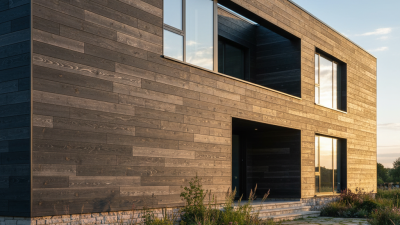
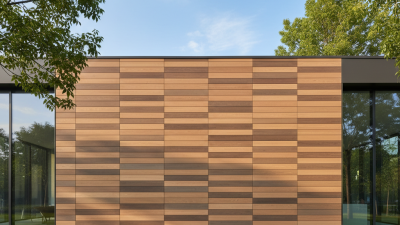
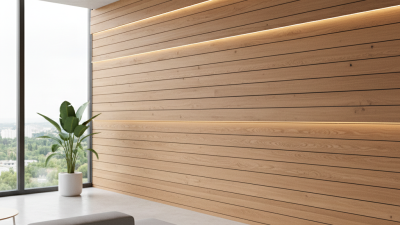
The world of outdoor design is evolving rapidly, and outdoor foam wall panels have become a popular choice for many projects. These panels offer versatility and aesthetic appeal, enhancing various spaces from patios to garden walls. They are lightweight, yet durable, making installation easier for both professionals and DIY enthusiasts.
When selecting outdoor foam wall panels, it’s essential to consider materials and finishes. Quality varies widely, and not all panels can withstand harsh weather. Some may fade or crack over time, which can lead to unnecessary expenses. Choosing panels with UV resistance can prevent early deterioration.
Understanding potential drawbacks is also vital. While outdoor foam wall panels can elevate the look of any setting, they require proper maintenance. This includes regular cleaning and inspections to ensure longevity. Investing in the right panels is not just about immediate visual impact; it’s about planning for the future and sustainability of your outdoor spaces.
2026 Market Trends in Outdoor Foam Wall Panels and Their Applications
The outdoor foam wall panel market is witnessing significant growth in 2026. Recent industry reports indicate a projected CAGR of 8% over the next five years. This growth is driven by increasing demand for lightweight, energy-efficient building materials. Consumers are becoming more aware of sustainability, pushing businesses to adapt their offerings.
Foam wall panels provide excellent insulation, which reduces energy costs. Data shows that buildings made with these panels can save up to 30% on energy bills. Additionally, their versatility allows for various applications, from residential to commercial spaces. Architects appreciate the aesthetic value foam panels add, but installation can be tricky. Poorly executed installations can lead to subpar performance, making professional assistance vital.
Market trends also reveal a shift towards custom designs. Homeowners crave unique looks that traditional materials can't provide. However, the availability of high-quality panels at competitive prices can be inconsistent. Not all suppliers meet industry standards. Therefore, careful sourcing and sampling are crucial for project success. The growing market for outdoor foam wall panels reflects both opportunities and challenges ahead.
2026 Top Outdoor Foam Wall Panels for Your Projects
| Panel Type |
Thickness (inches) |
R-Value |
Application Area |
Expected Price ($/sq ft) |
| Standard Foam Panel |
2 |
10 |
Residential Exteriors |
3.00 |
| Insulated Foam Panel |
3 |
15 |
Commercial Buildings |
4.50 |
| Soundproof Foam Panel |
4 |
8 |
Recording Studios |
5.00 |
| Vented Foam Panel |
2.5 |
12 |
Outdoor Patios |
3.50 |
| Moisture Resistant Panel |
3 |
10 |
Bathrooms & Kitchens |
4.00 |
Material Composition and Durability Evaluations of Foam Wall Panels
When evaluating foam wall panels for outdoor use, material composition plays a vital role. Commonly, these panels consist of expanded polystyrene or polyurethane foam. Both materials offer lightweight solutions and good insulation. However, the durability of these panels can vary significantly based on their specific formulation and treatment. Additionally, UV resistance is crucial for outdoor applications, as prolonged sun exposure can degrade some foams.
Not all foam wall panels withstand harsh weather conditions. Some may crack or fade over time, especially in extreme climates. Aesthetic value is also at stake; attractive, durable panels enhance a space. When choosing, consider both the physical properties and potential long-term performance. Manufacturers often provide test results, which can guide informed decisions. Ensure these panels are backed by reliable warranties, highlighting their expected lifespan.
Choosing the right foam wall panel for your project requires careful consideration. It’s easy to overlook minor details, like thickness or density, which can impact performance. Evaluating the environment where the panels will be installed is also critical. Reflections on durability, maintenance needs, and environmental impact can lead to better choices. Ultimately, understanding both material composition and durability will help achieve lasting results.
Environmental Impact Assessments of Outdoor Foam Wall Panels
The environmental impact of outdoor foam wall panels is significant. These materials are often chosen for their insulation properties. However, their production can lead to substantial carbon emissions. According to a recent study by the U.S. Department of Energy, insulation materials contribute to approximately 20% of energy consumption in building lifecycles. This statistic calls into question the overall sustainability of foam panels.
Recycling options for foam wall panels are limited. Many foams are not accepted in local recycling programs, leading to increased landfill waste. Reports suggest that about 3 million tons of construction waste comes from unwanted panel materials each year. While some manufacturers are exploring bio-based foams, the market still largely relies on synthetic options.
Moreover, the durability of foam wall panels raises concerns. They can degrade over time, releasing volatile organic compounds (VOCs) into the environment. Research indicates that around 10% of installed foam panels struggle to meet longevity standards. This highlights a need for better materials and practices in the industry. Addressing these issues is crucial for improving the environmental footprint of outdoor foam wall panels.
Cost-Effectiveness Analysis of Foam Wall Panels for Various Projects
Foam wall panels have gained popularity in outdoor projects due to their versatility and cost-effectiveness. A recent industry report indicated that the installation of foam wall panels can reduce costs by up to 40% compared to traditional materials. This significant saving appeals to many contractors looking to optimize budgets without compromising on quality.
These panels are lightweight and easy to install, reducing both labor costs and project time. However, it is important to consider their longevity and durability in varying weather conditions. Some studies suggest foam panels may degrade faster than other materials if not properly maintained. A thoughtful analysis of long-term costs versus initial investment is crucial.
Choosing the right foam wall panels involves evaluating insulation properties, maintenance requirements, and aesthetic preferences. While these panels provide a modern look, they may not suit every project type. Understanding the specific needs of your project can help you make informed decisions and maximize the advantages of foam wall panels.
Innovative Design Ideas Utilizing Foam Wall Panels in Outdoor Spaces
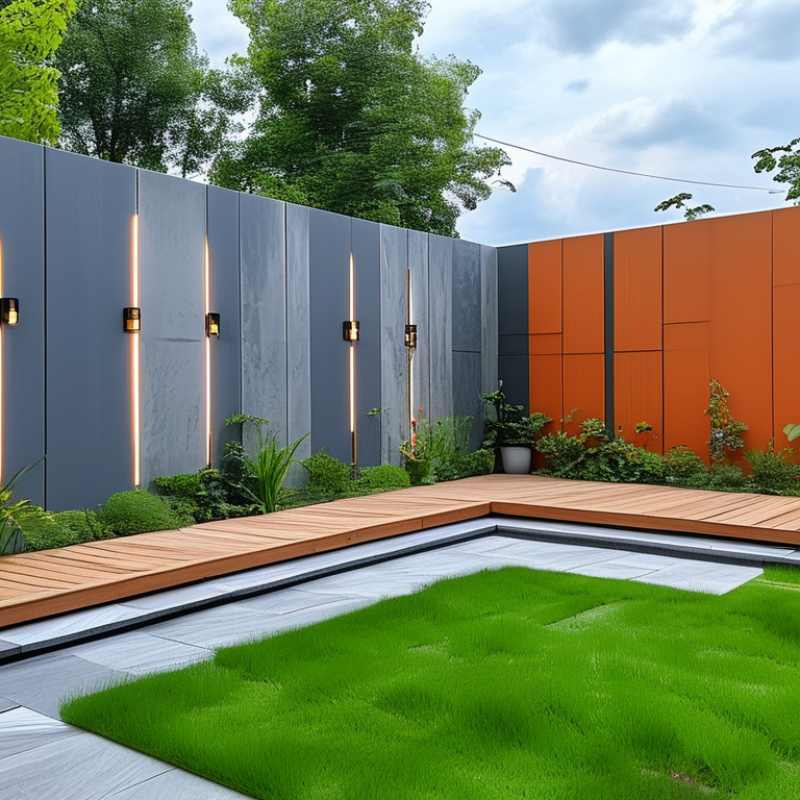
Foam wall panels are becoming a game changer for outdoor spaces. They are lightweight yet durable, making them ideal for both residential and commercial projects. You can use these panels to transform your patio, garden, or even a swimming pool area. Their versatility allows for endless design possibilities, perfect for creative individuals or professional designers alike.
Consider using brightly colored foam panels to create a striking feature wall. This will instantly elevate the aesthetic of any outdoor area. Patterns can add depth and interest as well. Remember, texture is important; rough surfaces can provide contrast against smooth finishes.
Tips: When choosing foam wall panels, consider local weather conditions. Panels need to endure rain, sun, and varying temperatures. Installation must be precise to ensure longevity. Another tip is to design with function in mind, ensuring the space remains user-friendly while being visually stunning. Test how the panels interact with outdoor lighting to enhance their appearance at night.