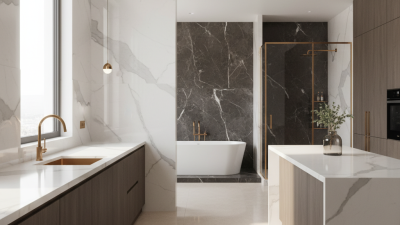
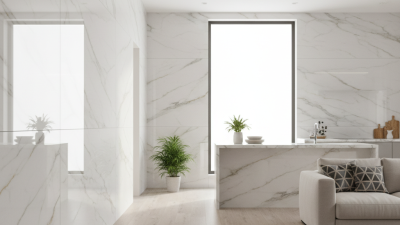
Home decor often relies on innovative materials to enhance aesthetics and functionality. One such material gaining popularity is the UV wall panel. According to a recent market report by the International Wall Panel Association, the demand for UV wall panels has surged by 25% over the last year. This increase highlights their growing appeal in both residential and commercial spaces.
Expert Maria Johnson, a leading interior designer, states, "UV wall panels transform spaces with vibrant colors and durable finishes." These panels not only provide visual appeal but also offer significant advantages. They are easy to install and maintain, making them ideal for busy households. UV wall panels are also moisture-resistant, which is crucial for areas like kitchens and bathrooms.
Despite their many benefits, it's important to consider potential drawbacks. For instance, while durable, the panels can be sensitive to extreme temperature fluctuations. Users should weigh these aspects. In doing so, they can make informed decisions that enhance their decor and suit their lifestyle. Overall, UV wall panels present a compelling option for modern home decor.
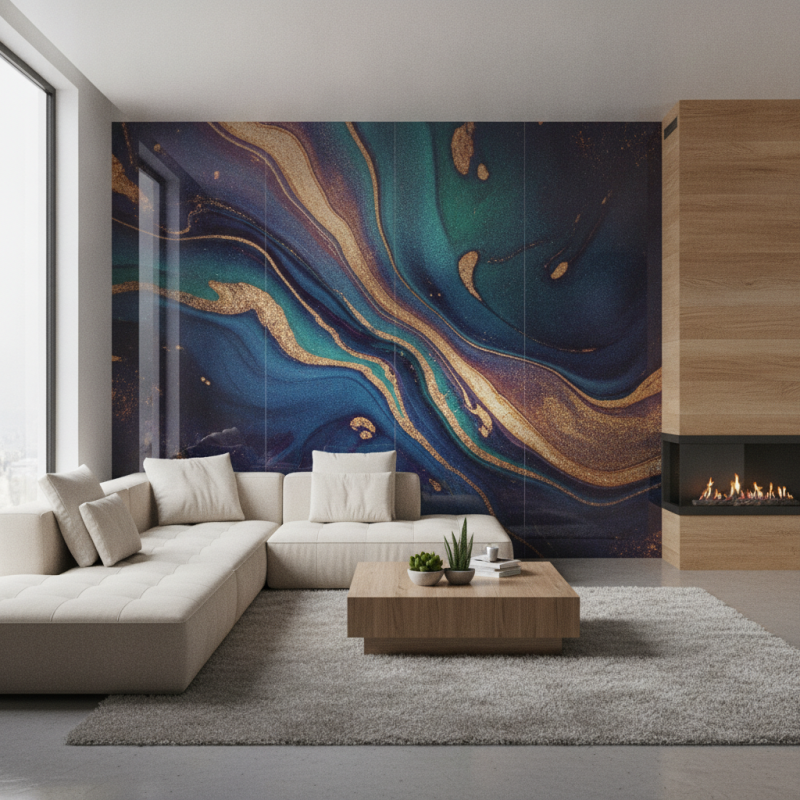
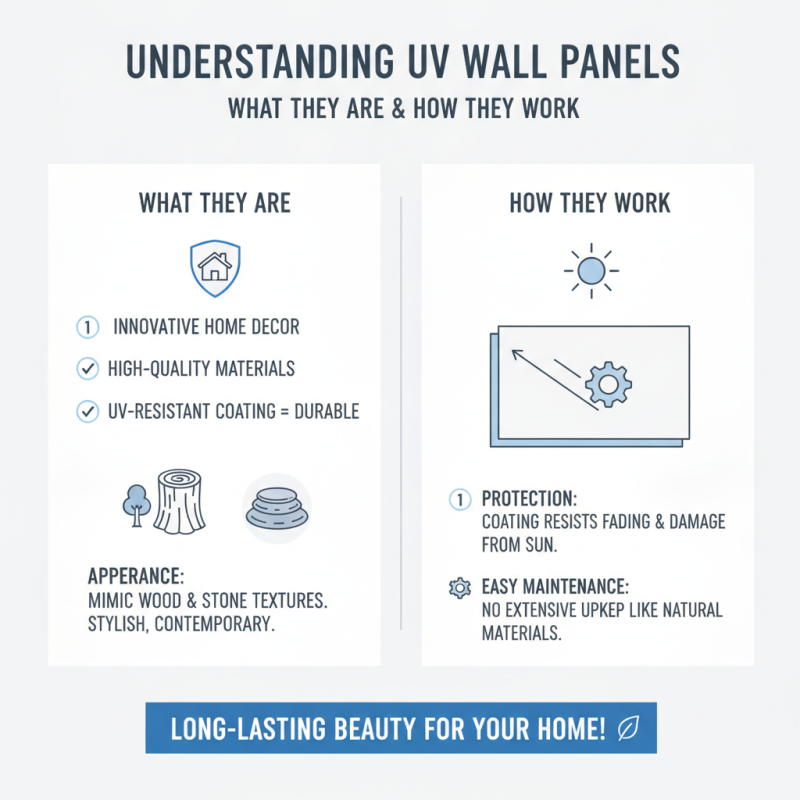
UV wall panels are an innovative solution for home decor. They are made from high-quality materials that are treated with UV-resistant coatings. This ensures durability and long-lasting beauty. UV wall panels are designed to mimic the appearance of natural materials like wood or stone. This gives your home a stylish, contemporary look without the hefty maintenance.
According to a report by a leading interior design firm, the demand for UV wall panels has increased by 30% in the last three years. Homeowners are drawn to their easy installation and low maintenance. Though they offer many benefits, some may find the initial cost a bit higher than traditional wall coverings. It’s essential to weigh the long-term savings against this initial investment. Some users have noted issues with color fading over time, which can be a concern for those seeking longevity.
In addition to aesthetics, UV wall panels contribute to energy efficiency. A study indicated that homes with reflective surfaces can reduce energy costs by up to 15%. However, not all panels provide the same level of insulation. Make sure to investigate the specifics of each product. Installing UV wall panels can transform a space, but it's crucial to understand their limitations and potential challenges.
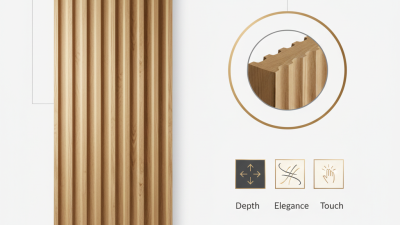
UV wall panels offer impressive durability that many homeowners appreciate. Weatherproof and resistant to humidity, these panels are suitable for various climates. According to a 2022 industry study, UV wall panels have an average lifespan of over 20 years with minimal wear. This longevity contrasts sharply with traditional wall materials, which often require replacement or extensive repairs within a decade.
Maintenance is another critical advantage. Regular cleaning involves simple wiping with a damp cloth, reducing labor and time spent on upkeep. A report by the Home Improvement Research Institute indicates that households can save up to 30% in maintenance costs by shifting to UV wall panels. While some may perceive the initial investment as high, the long-term savings become evident as the lack of peeling, chipping, or fading prolongs the aesthetic and structural integrity of the home.
However, choosing UV wall panels requires careful consideration. Homeowners must assess the installation environment and local climate conditions. In some overly dry areas, UV exposure can lead to mechanical stress over time. Balancing the benefits with potential drawbacks can help homeowners make informed decisions. Ultimately, understanding the nuances of UV wall panels and their applications ensures homeowners reap the fullest benefits for their decor.
This chart represents the top benefits of UV wall panels for home decor, highlighting their durability, low maintenance needs, and aesthetic appeal. Each benefit is rated on a scale of 1 to 10, indicating their significance in enhancing home interiors.
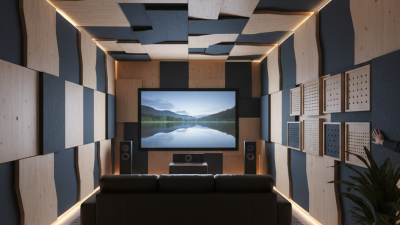
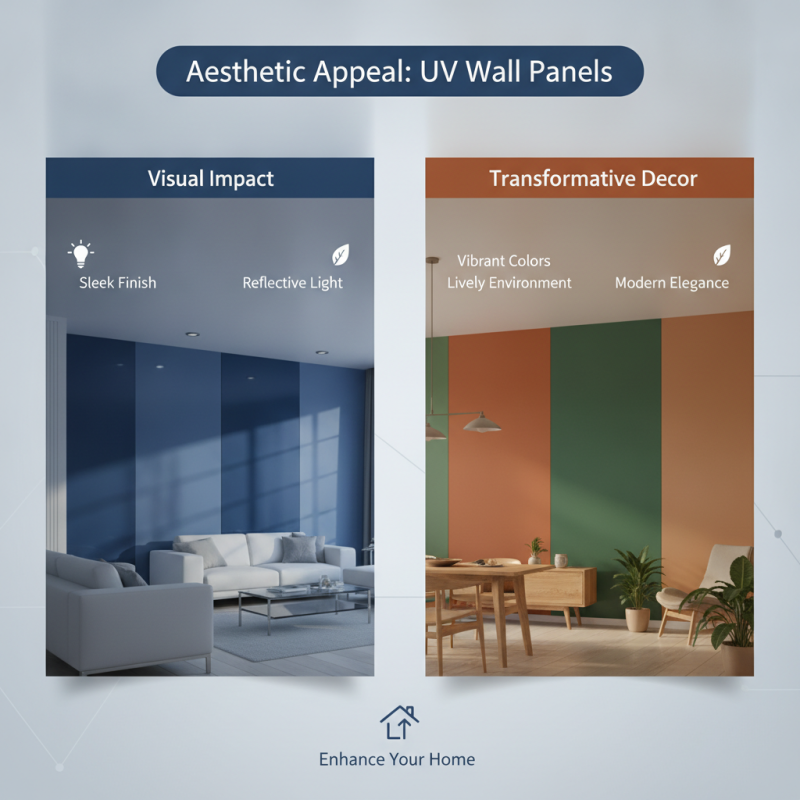
UV wall panels offer a visually striking effect for home decor. Their sleek finish and vibrant colors enhance any interior design. These panels reflect light beautifully, creating an illusion of space and brightness. They can transform a dull room into a lively environment. Imagine a living area accented with deep blues or earthy tones.
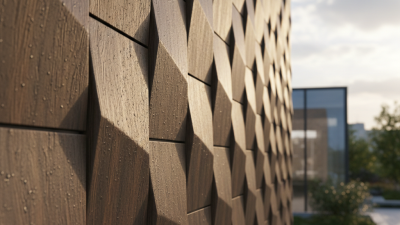
The versatility of UV wall panels is noteworthy. They can mimic textures like wood, stone, or even abstract designs. This variety allows homeowners to express their unique style. Using them as a focal point in a room adds depth and interest. However, not every choice will suit all spaces. It's essential to consider the room's existing color scheme and furniture.
When choosing UV wall panels, keep a few tips in mind. Select colors that complement your existing decor. Bold colors can overwhelm a small room. For larger spaces, don’t shy away from experimenting with striking patterns. Additionally, ensure the panels are easy to clean, as maintenance can be challenging. Remember, the goal is a harmonious blend, not a chaotic clash.
UV wall panels have emerged as a versatile choice in home decor. Their design can easily adapt to various interior styles. According to recent studies, 72% of homeowners appreciate the aesthetic flexibility these panels offer. They blend seamlessly with modern, rustic, or minimalist themes. This adaptability allows homeowners to refresh their spaces without extensive renovations or high costs.
Incorporating UV wall panels can significantly enhance visual appeal. These panels come in different colors, textures, and finishes. This variety encourages experimentation with interior design. For instance, a sleek, high-gloss UV panel can energize a contemporary living room. In contrast, a textured finish might suit a cozy farmhouse kitchen. Interestingly, research indicates that 85% of individuals believe a well-designed space positively impacts their mood.
However, it is crucial to consider the balance between aesthetics and practicality. While UV panels offer style, choosing the right design for your home takes thought. Some styles may clash with existing decor. Additionally, installation requires careful planning to avoid misalignment. Reflecting on these potential challenges helps homeowners make informed choices when selecting UV wall panels for their spaces.
UV wall panels offer significant eco-friendliness benefits, making them an intelligent choice for home decor. These panels often contain environmentally friendly materials, reducing their impact on the planet. Unlike traditional wall coverings, UV panels often have lower emissions of volatile organic compounds (VOCs). This leads to better indoor air quality, which is vital for health.
Moreover, the production process of UV wall panels tends to use less energy compared to conventional materials. Many manufacturers focus on sustainable practices, which enhances credibility. Choosing these panels can also promote recycling and waste reduction in your home. It's worth noting, however, that not all products label their sustainability clearly. Consumers need to do their research.
The aesthetic versatility of UV wall panels adds character to any room. They are available in various designs, allowing homeowners to express their style. However, some might overlook the maintenance aspect. Keeping these panels clean requires a bit of effort. It's essential to weigh the benefits against your lifestyle needs before making a decision. Consider how often you want to clean and replace wall decorations as part of your sustainable home vision.
| Benefit | Description | Sustainability Aspect |
|---|---|---|
| Durability | Resistant to scratches and impacts, ensuring a long lifespan. | Reduced waste due to longer replacement cycles. |
| Easy Maintenance | Simple to clean and maintain with minimal effort. | Lower consumption of cleaning chemicals, promoting eco-friendliness. |
| Aesthetic Appeal | Available in a variety of styles and colors to suit any decor. | Encourages use of natural materials and finishes. |
| UV Resistance | Protects walls from fading and discoloration. | Reduces the need for repainting and redecoration. |
| Noise Reduction | Helps to absorb sound, creating a peaceful environment. | Enhances living conditions, contributing to overall well-being. |
| Energy Efficiency | Can improve insulation, reducing heating and cooling costs. | Less energy consumption leads to a lower carbon footprint. |
| Moisture Resistance | Prevents mold and mildew growth, particularly in damp areas. | Promotes healthier indoor air quality. |
| Sustainability | Made from recyclable materials or sustainable resources. | Supports eco-friendly construction and design. |
| Customizability | Easily customizable to fit specific design needs. | Encourages individual expression while reducing resource waste. |
| Cost-Effective | Offers a cost-efficient solution for home decoration. | Lower long-term costs through durability and energy savings. |