Leave Your Message
Get Instant Quote

How to Choose Acoustic Panel MDF for Your Soundproofing Needs?

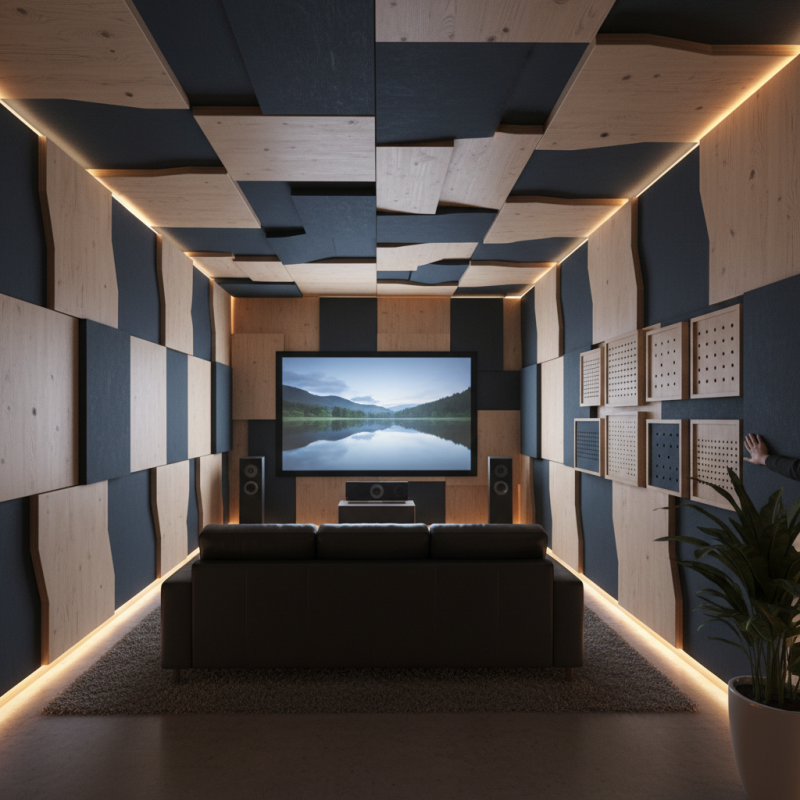
Choosing the right Acoustic Panel MDF is crucial for effective soundproofing. Sound quality impacts various environments, from recording studios to home theaters. Quality panels absorb sound waves, reduce echo, and create a more pleasant auditory experience.

Understanding your specific needs is essential. Acoustic Panel MDF comes in various thicknesses and densities. Heavier panels typically offer better sound absorption. However, the best choice depends on your space and goals. You may feel overwhelmed by the options available.

Consider exploring customer reviews and expert opinions. These perspectives add credibility to your choice. Acoustic Panel MDF can be an effective solution if selected mindfully. Experimentation may lead to reflections on what works best for your unique situation. Adjusting your selection based on feedback can improve your soundproofing efforts.
How to Choose Acoustic Panel MDF for Your Soundproofing Needs?

Understanding Acoustic Panels and Their Purpose

How to Choose Acoustic Panel MDF for Your Soundproofing Needs?

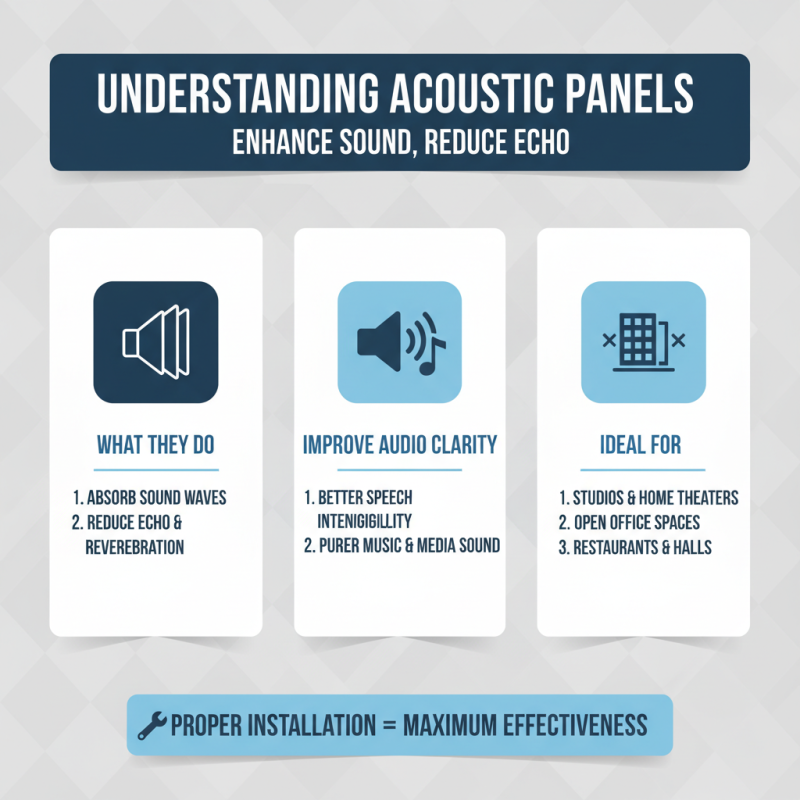
Understanding acoustic panels is essential for effective soundproofing. These panels are designed to absorb sound waves, reducing echo and improving audio clarity. They are vital in studios, home theaters, and open office spaces. Proper installation enhances their effectiveness.

Acoustic panels come in various materials, sizes, and densities. MDF panels are popular due to their durability and acoustic properties. They can reduce high-frequency noise well, making them suitable for different environments. Some users may find it challenging to choose the right thickness or density for their needs.

Evaluating the space is crucial. Consider factors like room size, existing furniture, and wall construction. It's common for some to underestimate the amount of soundproofing needed. Testing different panel types can help find the perfect fit. Always strive for balance between aesthetics and functionality.

Types of MDF Used in Acoustic Panel Manufacturing

How to Choose Acoustic Panel MDF for Your Soundproofing Needs?

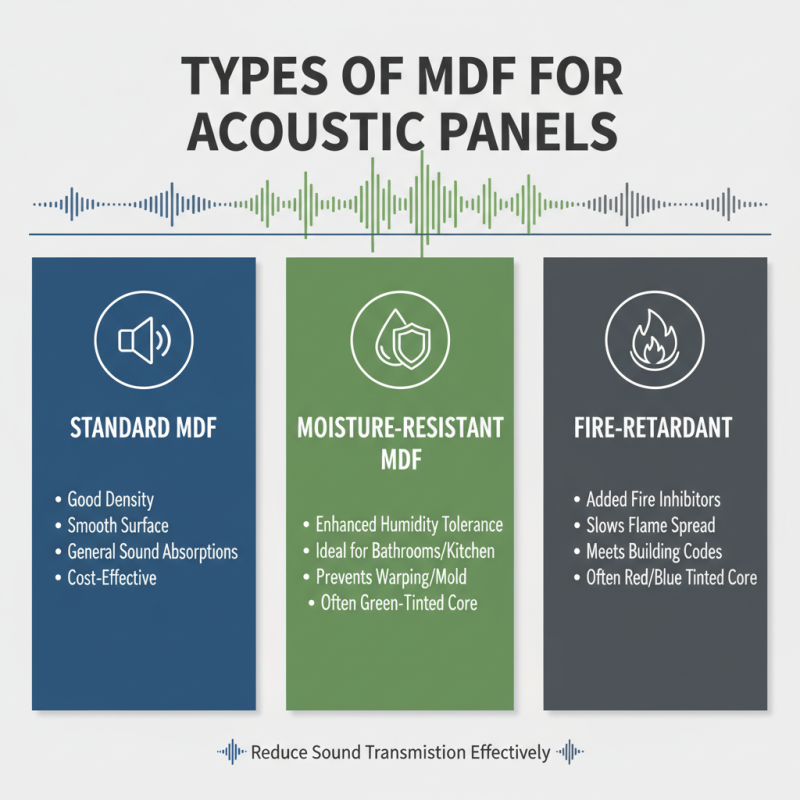
When selecting MDF for acoustic panels, understanding the types available is crucial. MDF, or Medium Density Fiberboard, is a popular choice due to its density and smooth surface. This helps reduce sound transmission effectively. There are generally three types of MDF used in manufacturing acoustic panels: standard MDF, moisture-resistant MDF, and fire-retardant MDF.

Standard MDF is ideal for most applications. It is affordable and easy to work with. However, it may not be suitable for high-moisture environments like bathrooms. In contrast, moisture-resistant MDF is treated to withstand dampness. It is preferable for spaces with humidity, ensuring longevity and performance. Fire-retardant MDF offers added safety in commercial settings. It helps prevent the spread of fire, providing a layer of protection.

When planning your soundproofing project, consider the specific environment. Each type of MDF has its advantages and limitations. Balancing cost, performance, and safety is essential. Sometimes, the choice may not be clear-cut. Choosing the right MDF often requires reflecting on the unique needs of your space.

Key Factors to Consider When Choosing Acoustic Panels

When choosing acoustic panels, several key factors can significantly impact your soundproofing success. Firstly, consider material density. MDF, or medium-density fiberboard, provides excellent sound absorption. A denser panel generally performs better at dampening noise, which is vital in any soundproofing project. Look for panels that have the right thickness to achieve desired outcomes. Thicker panels often trap sound waves more effectively.

Additionally, the panel's size and shape matter. Larger panels cover more surface area, which can contribute to better sound control in a room. Shapes such as rectangular or triangular can aid in scattering sound more efficiently. However, not all spaces can accommodate large shapes. You might need to experiment with placement to enhance sound quality.

Finally, consider aesthetics. Acoustic panels come in various designs. While performance is crucial, the visual appeal of your panels can affect your environment. Reflect on how they will blend into your space. It’s a balance between functionality and look. Remember, a poorly chosen panel can lead to unexpected acoustic challenges, making it essential to evaluate your options thoughtfully.

Evaluating Sound Absorption and Transmission Ratings

When selecting MDF acoustic panels, sound absorption and transmission ratings are crucial. These ratings indicate how well a panel can absorb sound waves and prevent sound from passing through. Typically, panels with higher absorption ratings will reduce echo and reverberation in a room. If your goal is to create a quiet space, look for panels with an NRC (Noise Reduction Coefficient) rating above 0.8. This signifies effective sound absorption.

Transmission loss is another key factor. It measures how much sound can pass through a panel. A higher STC (Sound Transmission Class) rating means better sound isolation. However, a balance between absorption and transmission is important. Too much absorption can lead to a dull atmosphere. Reflective surfaces can also be beneficial in some scenarios. It's essential to find what suits your environment—the ideal blend varies by space and purpose.

Consider your specific needs when making a choice. Assess whether a space demands sound isolation or sound absorption. Test samples in your environment if possible. Each room will react differently to sound treatment. What works well for one area may not suit another. Be adaptable in your approach and open to refining your choices based on the results you observe.

Installation Tips for Optimal Soundproofing Performance

Installing acoustic panels made of MDF can greatly enhance your soundproofing efforts. Proper installation is key to achieving optimal performance. Start by assessing your space. Identify areas where sound reflection occurs. This often includes walls opposite large windows or flat surfaces.

When placing the panels, ensure they are evenly spaced. Use a measuring tape for accuracy. It helps to create a harmonious aesthetic. Also, remember to allow for airflow. This can reduce resonance and enhance the overall sound quality.

Don’t rush the installation process. Take your time to adjust panel placement if needed. This might feel frustrating initially, but small changes can make a big difference. Test the sound in your space as you go. Sometimes, an unexpected configuration performs better than anticipated. Experimentation is part of the process for great results.

How to Choose Acoustic Panel MDF for Your Soundproofing Needs? - Installation Tips for Optimal Soundproofing Performance

Dimension Description Recommended Thickness (inches) Installation Type
1.2m x 0.6m Standard wall panel, suitable for small to medium rooms. 1" Direct mount, adhesive
2.4m x 1.2m Large panel designed for bigger spaces or studios. 2" Suspended ceiling, wall mount
0.6m x 0.6m Square panel ideal for corner placement. 1.5" Corner mount, adhesive
1.2m x 1.2m Versatile panel for various applications including home theaters. 1" Wall mount, freestanding
1.2m x 0.3m Narrow strip panel for targeted sound absorption. 0.75" Adhesive, wall mount