Top Tips for Choosing Acoustic Wall Panels for Your Space?
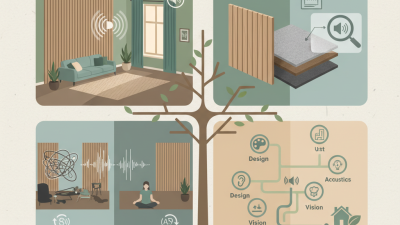
Selecting the right Acoustic Wall Panels can significantly impact the acoustics and aesthetics of a space. According to a recent report from the American Society of Interior Designers (ASID), nearly 70% of professionals emphasize sound management as a key design consideration. Acoustic Wall Panels help to absorb sound, reducing noise levels and enhancing clarity in various environments.
Different spaces have unique acoustic needs. For example, open offices typically require more soundproofing than residential living areas. Unwanted noise can lead to distraction and reduced productivity. Research shows that sound distractions can decrease performance by up to 66%. Choosing the right panels is not just about aesthetics; it’s about functionality.
Consider not just the look, but also the environment where these panels will be installed. Will they be effective in reducing echoes? Are they suitable for high-traffic areas? Many people overlook such details and later realize the panels don't meet their needs. It’s vital to connect with experienced professionals who can guide you to the best solutions. The right Acoustic Wall Panels can transform a space into a peaceful and inviting environment.
Understanding the Importance of Acoustic Wall Panels in Interior Design
Acoustic wall panels play a crucial role in enhancing interior design. They dramatically improve
sound quality in a space. According to the National Institute of Health, poor acoustics can
lead to decreased productivity and increased stress. A well-designed environment can mitigate these effects.
This is especially true in open office layouts and public spaces where noise levels can hinder communication.
In a study conducted by the Architectural Association, 75% of respondents reported that sound distractions adversely affect their work. Implementing acoustic wall panels can lower sound transmission, thus fostering a more conducive working environment.
High-frequency sounds often reflect off hard surfaces, creating echoes. Acoustic panels help absorb these sounds, providing a quiet sanctuary in bustling environments.
While selecting panels, consider the material, thickness, and design. Not all panels are equally effective. Some may blend seamlessly into your décor while others might be purely functional. It's essential to prioritize both aesthetics and acoustic performance.
Reflect on your specific needs. Are you looking to reduce general noise or focus on specific frequencies? Experimentation may be necessary to find the right fit for your space.
Identifying the Right Materials for Effective Sound Absorption
When selecting acoustic wall panels, understanding the materials is crucial. Different materials offer varying degrees of sound absorption. For instance, fiberglass panels can absorb up to 90% of sound waves. They are lightweight and easy to install. However, they may not provide the aesthetic appeal some spaces require. Wood fiber panels are an alternative, combining sound absorption with natural beauty. They generally absorb sound efficiently, making them suitable for offices and home theaters.
Research from the Acoustical Society of America highlights that choosing the right thickness can significantly impact performance. Thicker panels often provide better sound control. A panel that is two inches thick typically absorbs lower frequencies more effectively than thinner options. Yet, not all materials perform equally across the spectrum. Foam panels may offer a lower absorption rate in specific frequency ranges, making them less reliable for some applications.
While numerous options exist, some materials can be misleading in their effectiveness. It’s essential to confirm product specifications before purchasing. Also, consider the panel's finished appearance. An ideal balance between functionality and aesthetics is crucial for successful integration into your space. Selecting the right materials involves thoughtful consideration to achieve optimal sound absorption while maintaining visual appeal.
Top Tips for Choosing Acoustic Wall Panels for Your Space
| Material Type |
Sound Absorption Coefficient |
Thickness (inches) |
Best Use Case |
| Fiberglass |
0.85 |
2 |
Studios, Theaters |
| Polyester |
0.75 |
1.5 |
Offices, Homes |
| Foam |
0.65 |
1 |
Practice Rooms, Gyms |
| Wood |
0.60 |
0.75 |
Restaurants, Lounges |
| Mineral Wool |
0.90 |
2.5 |
Industrial, Commercial |
Assessing the Aesthetic Integration of Panels with Your Space
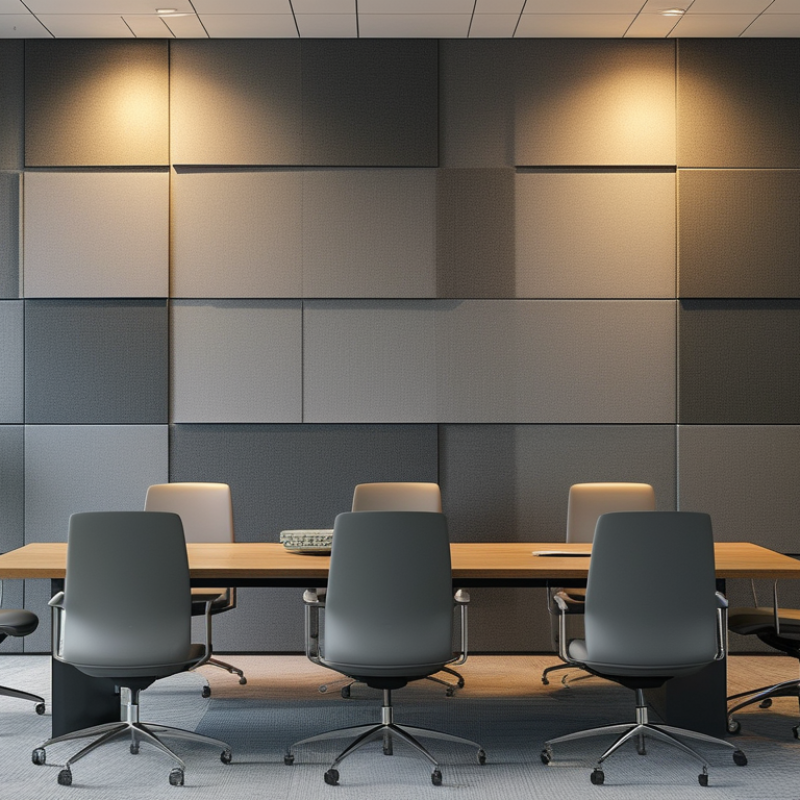
When selecting acoustic wall panels, aesthetics play a crucial role. The choice of colors and textures can enhance the overall ambiance of a space. According to a report by the American Institute of Architects, 78% of interior designers emphasize the importance of visual appeal in their projects. Panels that blend seamlessly with existing decor can improve mood and productivity.
Consider how the panels align with your design theme. For instance, modern, minimalist spaces often benefit from sleek, understated designs. Conversely, more traditional settings may call for textured or patterned panels. A study published in the Journal of Environmental Psychology indicates that cohesive design elements can significantly impact user comfort.
Reflecting on how panel placement affects the overall aesthetic is essential. Panels placed randomly may disrupt visual flow. Instead, strategically positioning them can create balance. The right choice can ease noise pollution while enhancing visual harmony. Always ask for samples before making a commitment. This allows you to visualize their impact in real-life settings.
Evaluating Panel Size, Shape, and Placement for Optimal Performance
Choosing the right acoustic wall panels involves careful consideration of size, shape, and placement. The dimensions of your panels significantly affect sound absorption. Larger panels can cover more area, reducing sound reflections effectively. However, smaller panels are useful in tight spaces. Think about how sound travels in your room.
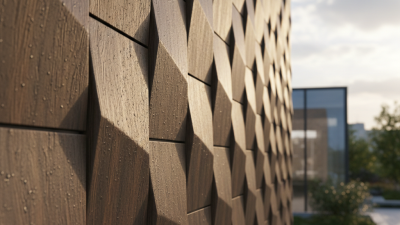
When it comes to shape, unique designs can enhance both aesthetics and performance. Rectangular panels are common, but hexagonal shapes can diffuse sound in interesting ways. Place panels strategically at reflection points, like opposite walls and corners, to optimize their impact.
Tip: Test different configurations. You might discover that moving panels slightly changes the overall sound quality. It’s crucial to experiment before finalizing the setup. Each space reacts uniquely to sound treatment. Collect feedback from others about acoustics after reconfiguring the panels. A fresh perspective can reveal areas needing improvement or adjustment.
Top Tips for Choosing Acoustic Wall Panels for Your Space
Budget Considerations: Cost vs. Quality in Acoustic Solutions
When choosing acoustic wall panels, budget considerations play a crucial role. The decision often lies between cost-effective options and high-quality materials. Research indicates that investing in quality panels can lead to better sound absorption, enhancing overall acoustic performance in a space. For instance, panels with a Noise Reduction Coefficient (NRC) rating of 0.85 or higher significantly outperform cheaper alternatives. This factor becomes essential when designing spaces like offices or recording studios.
Tips for balancing cost and quality include evaluating the material used in the panels. Wood fiber, mineral wool, and foam each have varying levels of sound absorption and durability. Cheap panels may save initial costs, but they often require replacement sooner, leading to higher long-term expenses.
It’s also wise to consider installation costs. Some panels may have lower purchase prices but can incur higher installation fees. A study estimates that improper installation can lead to a 30% drop in performance. Thus, reflecting on the total cost of ownership is vital for making a wise investment. Always ask for samples before committing to a purchase. This practical approach allows you to assess both aesthetics and sound quality effectively.