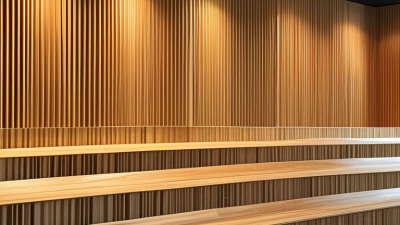
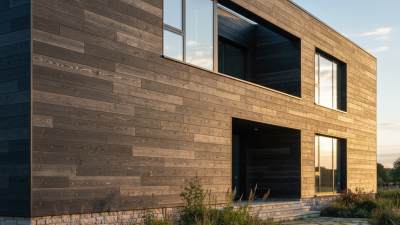
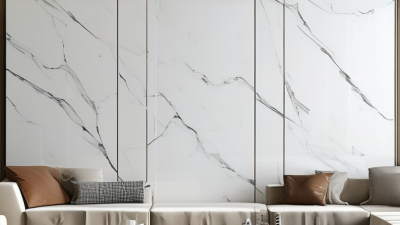
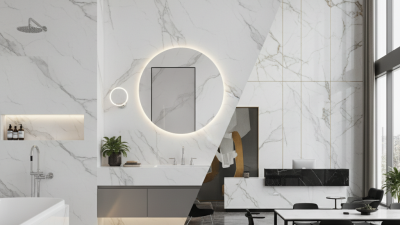
Pu Stone is a decorative polyurethane material designed to imitate natural stone, brick, or aged masonry. It is molded with surface details such as uneven edges, shallow cracks, and varied grain patterns. Unlike traditional stone, it is lightweight and easier to carry, cut, and install. A single panel may cover a large wall area without requiring heavy structural support. That practical difference explains its popularity in feature walls, fireplaces, exterior façades, garden rooms, restaurants, and commercial interiors.
The material is usually attached over a suitable, clean surface with approved adhesive and mechanical fasteners. Installers must follow the product manual carefully. Exterior use depends on the panel’s weather, moisture, fire, and ultraviolet ratings. Not every Pu Stone product is suitable for every climate. Check local building requirements, especially around fireplaces and other heat sources. A realistic installation may include corner pieces, trim, paintable seams, and color blending between panels. Small variations can make the finish look more natural. Poor alignment can do the opposite.
It is not real stone.
Pu Stone can reduce labor, transportation effort, and wall loading, but it still needs thoughtful selection. Some patterns may appear repetitive when viewed across a large surface. Dark colors can also fade if the coating lacks adequate UV protection. A sample board should be inspected in daylight and under indoor lighting before purchase. Reliable suppliers provide technical data, cleaning guidance, installation limits, and warranty terms. Professional advice remains valuable when moisture, heat, structural movement, or unusual substrates are involved. Its advantages are clear, though its limitations deserve equal attention.
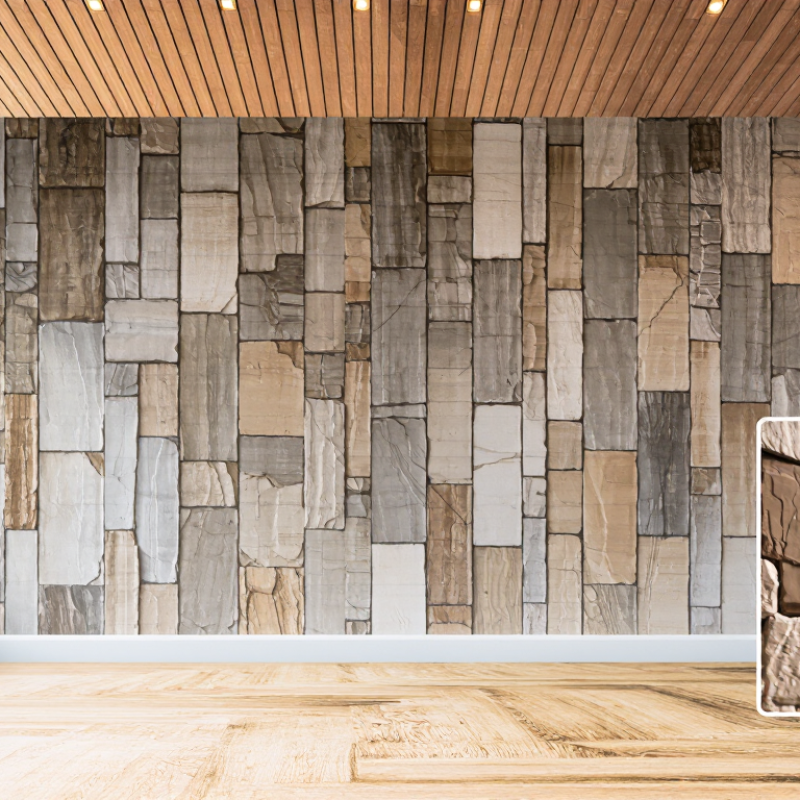
PU stone is a molded decorative panel made mainly from polyurethane, not quarried rock. It begins with two reactive components: polyol and isocyanate. When mixed, they expand and cure through a controlled chemical reaction. The result is a lightweight polymer with a cellular structure. Mineral fillers, pigments, catalysts, and stabilizers may also be added. These ingredients create the panel’s color, density, texture, and resistance to moisture. It is not stone. The surface deceives.
According to Grand View Research’s 2024 polyurethane market assessment, the global polyurethane market exceeded US$70 billion in 2023, showing the material’s broad industrial use. PU stone uses that same polymer family in a more architectural form. Manufacturers pour the mixture into molds shaped like brick, slate, or stacked stone. Heat and pressure can improve dimensional stability, but production quality still varies. A poorly balanced formula may warp, fade, or dent more easily. That weakness deserves attention. During installation, cutting can release dust, so ventilation, eye protection, and a suitable mask are sensible controls. The U.S. Occupational Safety and Health Administration identifies airborne dust and chemical exposure as hazards requiring workplace controls. After full curing, PU stone is generally stable for interior and selected exterior applications, but its exact performance depends on density, coating, drainage, and sunlight exposure. Polyurethane is not automatically fireproof, waterproof, or maintenance-free. Check the product’s test documentation rather than trusting appearance alone.

PU stone is a lightweight decorative material made from rigid polyurethane and mineral fillers. Its realistic surface imitates carved stone, brick, or concrete. Manufacturing begins with a detailed silicone or metal mold. Technicians clean it, apply a controlled release agent, and check every texture line. Polyol, isocyanate, pigments, and mineral powder are then measured by weight. The ratio matters. A small error can cause weak edges, uneven color, or excessive expansion. The mixture is poured into the mold and covered with a backing layer. It expands and fills the texture. Heat and humidity must remain stable during curing. Too much heat may distort thin areas.
According to Grand View Research’s 2024 market analysis, the global polyurethane market reached approximately US$78 billion in 2023. Construction remains a major application area.
After curing, workers remove the panel and trim flash from its edges. Each piece is checked for bubbles, warping, surface continuity, and dimensional accuracy. Some factories add a protective coating for color stability and moisture resistance. Others use hand-applied shading, which creates more natural variation but reduces uniformity. Fortune Business Insights has forecast annual polyurethane market growth above 6% through 2030, although estimates vary between reports.
That difference deserves attention. Market growth does not automatically prove product quality. Reliable producers should test density, adhesion, water absorption, and fire behavior under recognized standards. A practical weakness remains: complex molds can hide internal voids. Visual inspection alone is not enough. Small samples should be cut and examined before large-scale production.
What Is PU Stone and How Is It Used?
PU stone is a lightweight decorative material made from polyurethane, molded to resemble brick, slate, or carved stone. Its detailed surface can imitate uneven edges, shallow cracks, and natural color variation. Unlike solid masonry, PU stone is easier to carry and cut. This makes it practical for feature walls, ceilings, columns, fireplaces, and commercial interiors.
Its key benefit is reduced structural load. A typical panel can be handled by one person, which may shorten installation time. PU stone also resists moisture better than many untreated natural materials. However, performance depends on product quality, surface preparation, and local conditions. It is not perfect. Strong sunlight may affect color, and heat exposure requires careful checking of fire ratings. Experienced installers usually inspect the wall, measure ventilation, and test adhesive compatibility before covering a large area.
Tips: Keep panels indoors and dry before installation. Clean dust from the wall, then check that it is firm and level. Use suitable fasteners or adhesive recommended for the substrate. Seal visible joints carefully, especially in humid rooms. A small sample panel helps reveal color differences before full installation. Do not assume every PU stone product suits outdoor use. Review its technical sheet, temperature limits, cleaning instructions, and fire classification. Routine cleaning with a soft brush is usually safer than abrasive tools, which can flatten the molded texture.
What Is PU Stone and How Is It Used?
Common Uses of PU Stone in Design and Construction
PU stone is a lightweight decorative panel made from polyurethane foam and a textured outer coating. It imitates brick, slate, timber, or carved stone without the weight of mineral masonry. A 600-by-1,200-millimeter panel can often be carried by one installer. That matters in renovation projects with narrow stairs or limited structural capacity.
Designers use PU stone for feature walls, reception desks, restaurant interiors, retail displays, and residential fireplaces. Exterior applications may include protected façades, garden walls, and soffits. Grand View Research valued the global polyurethane market at about USD 78.1 billion in 2022. It also projected a 7.4% compound annual growth rate from 2023 to 2030. This broader market data indicates strong material demand, but it does not prove every PU stone product performs equally.
Installation usually requires a clean, dry, stable substrate. Adhesive, mechanical fasteners, and sealed joints may be specified together. In damp rooms, installers should check water resistance rather than assume it. Around a fireplace, only products with suitable fire-test documentation should be considered. I would not use PU stone as a structural material. It is decorative cladding, not load-bearing masonry. That distinction is easy to miss. ASTM or EN test reports can confirm flame spread, smoke development, impact resistance, and weathering performance. Color may also fade under strong ultraviolet exposure, especially on dark panels. A sample left outdoors for several months can reveal problems that a showroom cannot.
PU stone is a lightweight decorative material made from polyurethane and molded to resemble natural stone, brick, or rock. Selecting the right panel starts with the project environment. Check the panel’s thickness, surface texture, moisture resistance, and documented fire-performance rating. Indoor walls may need different specifications from exterior façades. Confirm local building requirements before ordering. Color samples help, but they can look different under warm and cool lighting.
Installation quality depends on preparation. Let the panels acclimate in the installation area, then inspect each piece for warping or damage. The wall should be clean, dry, stable, and reasonably flat. Create a small layout first. This reveals awkward joints before adhesive is applied. Use the compatible adhesive and fasteners recommended for the specific panel system. Cut with a fine-tooth saw, wear eye protection, and keep edges tight without forcing them. Corner pieces deserve extra attention. A poorly aligned corner can make an otherwise convincing wall look artificial.
Maintenance is simple, but not careless. Remove dust with a soft brush or vacuum attachment. Wash the surface with mild soap and a damp cloth, then rinse lightly. Avoid harsh solvents, abrasive pads, and aggressive pressure washing. Inspect seams, fasteners, and exterior edges after severe weather. Small gaps should be repaired early. I would not trust appearance alone; a perfect-looking panel can hide loose backing or trapped moisture. In practice, installation guides are useful, but site conditions still require judgment. That is where mistakes happen.
| Category | Practical Information | Typical Data or Requirement | Recommended Application |
|---|---|---|---|
| Material definition | PU stone is a decorative cladding product made from rigid polyurethane foam molded and finished to resemble natural stone, brick, or masonry. | Lightweight, molded, and available in stone-like textures and colors. | Interior feature walls, ceilings, columns, fireplaces, retail displays, and selected exterior façades. |
| Weight advantage | Rigid polyurethane is substantially lighter than solid natural stone or concrete cladding. | Exact weight varies by profile and thickness; confirm the product technical sheet before structural planning. | Useful where reduced wall loading, easier handling, and faster installation are important. |
| Panel thickness | Choose thickness according to the required relief, visual depth, impact exposure, and installation surface. | Common decorative panels are often approximately 20–50 mm thick, but available sizes differ by product. | Use shallower profiles for indoor walls and deeper profiles when a stronger masonry effect is required. |
| Thermal performance | Polyurethane foam has low thermal conductivity and can provide some insulating value. | Performance depends on density, thickness, joints, and the complete wall assembly; it should not automatically be treated as a standalone insulation system. | Suitable for decorative finishes with supplementary thermal benefit when supported by tested assembly data. |
| Moisture suitability | The foam core is moisture resistant, but joints, coatings, penetrations, and the substrate still require proper protection. | Exterior use requires a product specifically rated for outdoor exposure and installed according to its instructions. | Bathrooms and damp areas require sealed joints, adequate ventilation, and confirmation of product suitability. |
| Fire performance | Polyurethane is combustible unless the complete product and assembly achieve a tested fire classification. | Check the applicable fire-rating, smoke-development, and installation requirements for the project location. | Do not install near heat sources, chimneys, or escape routes without suitable fire-tested protection. |
| Substrate preparation | The wall should be clean, dry, sound, and free from dust, grease, loose paint, and active moisture problems. | Repair cracks and weak areas; remove high spots and prime or seal only when compatible with the adhesive system. | Works best on stable drywall, cement board, masonry, concrete, and other approved surfaces. |
| Layout and measuring | Dry-fit panels before applying adhesive to plan the pattern, corners, openings, and visible joints. | Measure the surface area, subtract major openings, and add approximately 5–10% for cutting and fitting waste. | Begin from a level reference line and stagger joints to create a more natural masonry appearance. |
| Cutting tools | PU panels can generally be cut with common woodworking or fine-toothed tools. | Use a sharp utility knife for thin sections and a fine-toothed saw for thicker panels; follow the product instructions. | Wear eye protection and a suitable dust mask when cutting or sanding. |
| Adhesive selection | Use an adhesive approved for polyurethane and the specific substrate. | Compatibility, open time, curing time, temperature limits, and moisture exposure must match the installation conditions. | Avoid untested solvent-based products that may attack the foam or coating. |
| Installation temperature | Adhesives and coatings need suitable temperature and humidity conditions to cure correctly. | Follow the adhesive technical data sheet; avoid installation on wet, frozen, or excessively hot surfaces. | Maintain stable indoor conditions and protect outdoor work from rain during curing. |
| Mechanical fixing | Some installations may require screws, anchors, or other mechanical support in addition to adhesive. | Use mechanical fixing when specified for height, wind exposure, substrate condition, panel size, or local code. | Particularly important for exterior, overhead, high-impact, or heavy-profile applications. |
| Joint treatment | Joints can be concealed, textured, or filled depending on the design and panel system. | Use a compatible sealant or filler and allow it to cure before painting or exposing the surface to moisture. | Match the joint color and texture to surrounding panels for a continuous stone effect. |
| Cleaning routine | Regular dust removal helps preserve the texture and finish. | Use a soft brush, microfiber cloth, or mild soap solution with clean water; test any cleaner first. | Avoid abrasive pads, strong solvents, and high-pressure washing unless specifically approved. |
| Inspection and repair | Inspect for loose edges, open joints, impact damage, fading, or water entry. | Inspect at least annually outdoors and after severe weather or impact; repair damaged sealant promptly. | Small scratches may be touched up with compatible coatings; replace severely damaged panels. |