How to Choose Wood Veneer Wall Panels for Your Home?
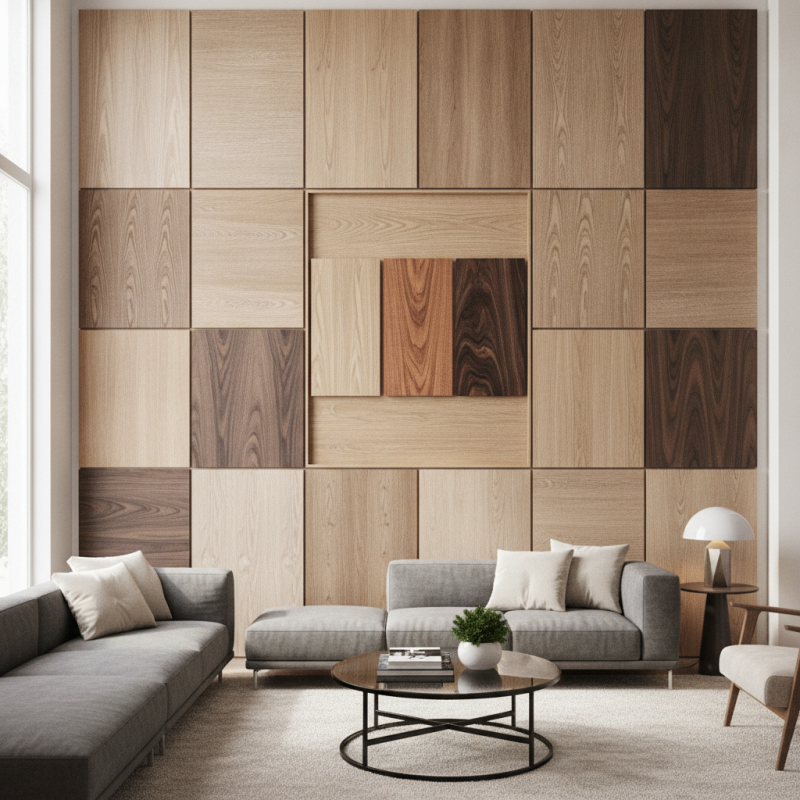
Choosing the right Wood Veneer Wall Panels for your home involves more than mere aesthetics. These panels offer an elegant touch and functional benefits. Their natural beauty can add warmth and character to any room. However, not all wood veneers are created equal. Factors like grain pattern, color variation, and texture play a significant role in the overall look.
Understanding your space is crucial. The paneling should complement existing furniture and decor. Consider the room's lighting and dimensions. A darker veneer can make a room feel cozy, while lighter tones may create a more spacious atmosphere. It's easy to overlook these details, but they greatly affect your choice.
Additionally, think about durability and maintenance. Some wood veneers require more care than others. Reflect on your lifestyle and how the panels will hold up over time. This thoughtful approach ensures that your investment in Wood Veneer Wall Panels remains worthwhile and satisfying for years to come.
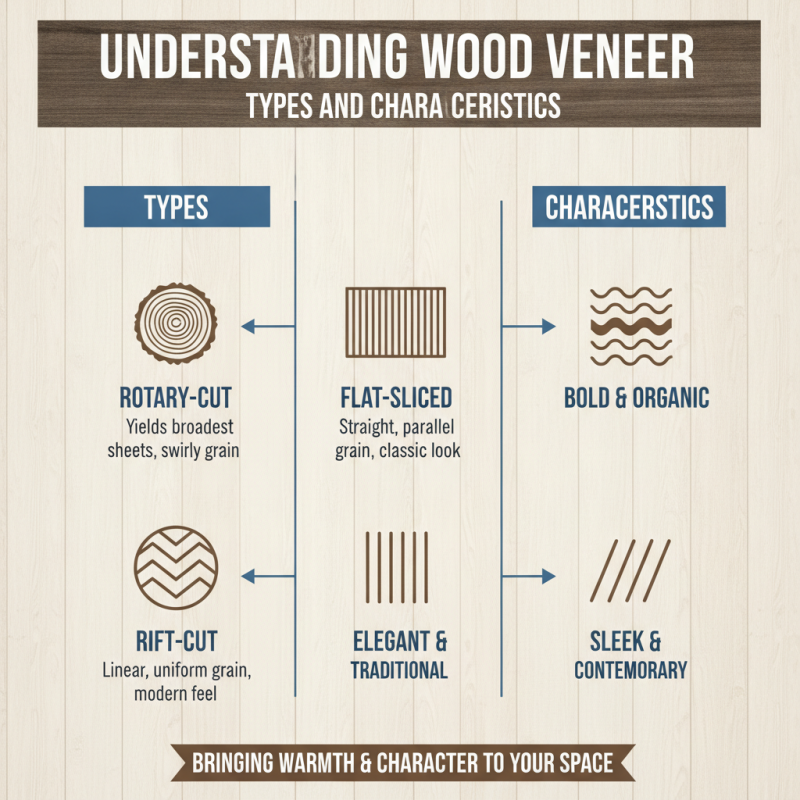
Understanding Wood Veneer: Types and Characteristics
Wood veneer wall panels bring warmth and character to any space. Understanding the types of wood veneer can greatly influence your choice. Each type has unique characteristics that cater to different design preferences.
Natural wood veneers are prized for their authenticity. They showcase the grain patterns and colors of the tree from which they were sliced. For example, oak veneers are known for their strength and durability, making them suitable for high-traffic areas. Meanwhile, maple veneers offer a lighter color and finer grain, adding brightness to a room. However, natural veneers require careful maintenance to preserve their beauty.
Reconstituted veneers are engineered for consistency. They mimic the look of natural wood but are more predictable in terms of color and grain. This can be beneficial for large projects where uniformity is key. However, some people may feel they lack the warmth of natural wood. Regardless of the type you choose, it's important to consider your space and personal style. Think about how the wood veneer will interact with your other design elements, as this can influence the overall feel of your home.
Assessing Aesthetic Preferences for Your Home Decor
When considering wood veneer wall panels for your home, aesthetics play a crucial role. Reflect on your decor style. Do you lean towards modern minimalism or classic elegance? Each decision impacts the warmth and character of your space.
Wood veneer offers various finishes and natural grains. Consider the colors that resonate with you. Light hues can create an airy feel while dark tones add depth. Textures matter as well. Smooth surfaces bring polish, while rougher finishes evoke a rustic vibe. The choice should echo your personal taste.
Don’t rush the decision. Take time to visualize how different veneers will harmonize. Use samples to see how they interact with your existing decor. Sometimes, what looks appealing in a store may not fit your home’s ambiance. Explore options and trust your instinct. Your home reflects you; make sure it tells your story authentically.
How to Choose Wood Veneer Wall Panels for Your Home? - Assessing Aesthetic Preferences for Your Home Decor
| Aspect |
Description |
Recommended Wood Types |
Color Variations |
| Aesthetic Preference |
Choose a style that complements your home decor, whether modern, rustic, or traditional. |
Oak, Maple |
Natural, Light Brown |
| Finish Type |
Select between matte, satin, or glossy finishes based on desired appearance. |
Walnut, Cherry |
Dark Brown, Red |
| Panel Thickness |
Consider the thickness for durability and aesthetic appeal. |
Birch, Ash |
Cream, Light Gray |
| Pattern or Grain |
Choose between straight, wavy, or spiral grain patterns. |
Teak, Sycamore |
Warm Brown, Honey |
| Installation Method |
Determine if you prefer adhesive, nailed, or interlocking panels. |
Poplar, Beech |
Soft White, Light Beige |
Evaluating Durability and Maintenance Requirements
When considering wood veneer wall panels, durability is crucial. A 2021 report by the National Wood Coatings Association highlighted that wood veneers can be as durable as solid wood under certain conditions. Properly treated veneers resist scratches and dents, making them suitable for high-traffic areas. The surface finish plays a vital role in this. Some finishes protect against UV rays and moisture, extending the lifespan of the panels.
Maintenance requirements vary greatly among wood veneers. According to a study from the Wood Products Council, regular cleaning and occasional refinishing can significantly enhance the appearance and durability of these panels. It's vital to select a veneer with a finish that suits your lifestyle. For instance, kitchens may need a more robust finish than a bedroom. Homeowners often overlook upkeep, leading to premature wear. Assessing the specific environment of installation is essential to ensure longevity. Regular maintenance may seem tedious, but it can prevent costly replacements down the line.
Choosing the Right Thickness and Size for Your Space
When choosing wood veneer wall panels, thickness and size play crucial roles. The ideal thickness typically ranges from 0.5 mm to 2 mm. Panels thicker than 1 mm offer better durability but may be less flexible. If you aim for a more upscale look, consider panels around 1.5 mm thick. According to industry reports, 54% of homeowners prefer thicker materials for their aesthetic appeal and resilience.
Size is equally important. Standard panels come in dimensions of 4x8 feet, but custom sizes are available. Larger panels can create a seamless appearance, while smaller ones allow for creative patterns. A survey revealed that 67% of designers recommend larger panels for spacious rooms. However, in smaller spaces, smaller panels can help avoid visual clutter, maintaining a balanced look.
Finding the right balance is essential. Too thick can overwhelm a small area, while too thin may lack presence in a larger space. Reflecting on your space's specific needs is vital. Measure and visualize how different sizes and thicknesses will coexist with existing decor. This decision impacts both functionality and overall aesthetic harmony in your home.
Installation Methods and Professional vs. DIY Options
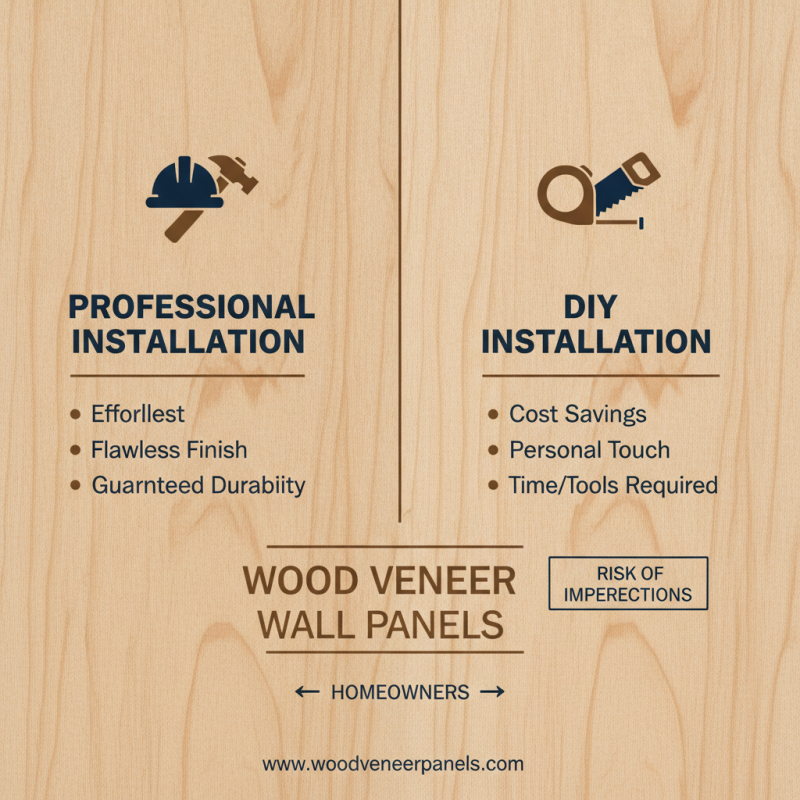
When selecting wood veneer wall panels for your home, consider the installation method carefully. DIY options can be rewarding. They provide creativity and cost savings. However, they require time and precise tools. If you are not comfortable with power tools, it might be a challenge. Mistakes made in DIY installation can lead to visible imperfections.
Alternatively, hiring a professional can ensure a polished finish. Experts have the experience to avoid common pitfalls. Their familiarity with various materials aids in achieving a seamless look. However, this option is typically more expensive. It also means giving up some creative control. Consider your budget and skills when deciding. Balancing cost with quality is crucial for a satisfying project.
Lastly, always measure your space carefully before beginning. Incorrect measurements can lead to wasted materials. Testing samples of wood veneer in your home can provide valuable insights. Observing how they interact with lighting and other elements is invaluable. Ultimately, the choice between DIY and professional installation hinges on personal preference and capability. Each path has its rewards and challenges.