How to Choose Slat Wood Acoustic Panels for Your Space?
When considering sound treatment solutions, choosing the right Slat Wood Acoustic Panel is crucial. These panels not only enhance the acoustic quality of a space but also add a stylish element to interior design. According to the Acoustic Society of America, improper acoustic treatment can lead to echo and distortion, affecting overall sound clarity.
Expert John Smith, a leading acoustic consultant, once stated, “The right slat wood panels can transform any space into a harmonious environment.” This highlights their importance in achieving optimal sound balance. Slat Wood Acoustic Panels are available in various finishes and sizes, allowing customization to fit diverse spaces.
However, the market is filled with options, and not all panels deliver the same performance. Some may prioritize aesthetics over functionality, which can compromise sound quality. When choosing panels, consider the material, spacing, and thickness. Ensuring that these factors align with your acoustic goals is essential. A well-informed choice can mitigate potential regrets later on. Proper research and expert advice can guide you in making a decision that enhances both sound quality and aesthetics.
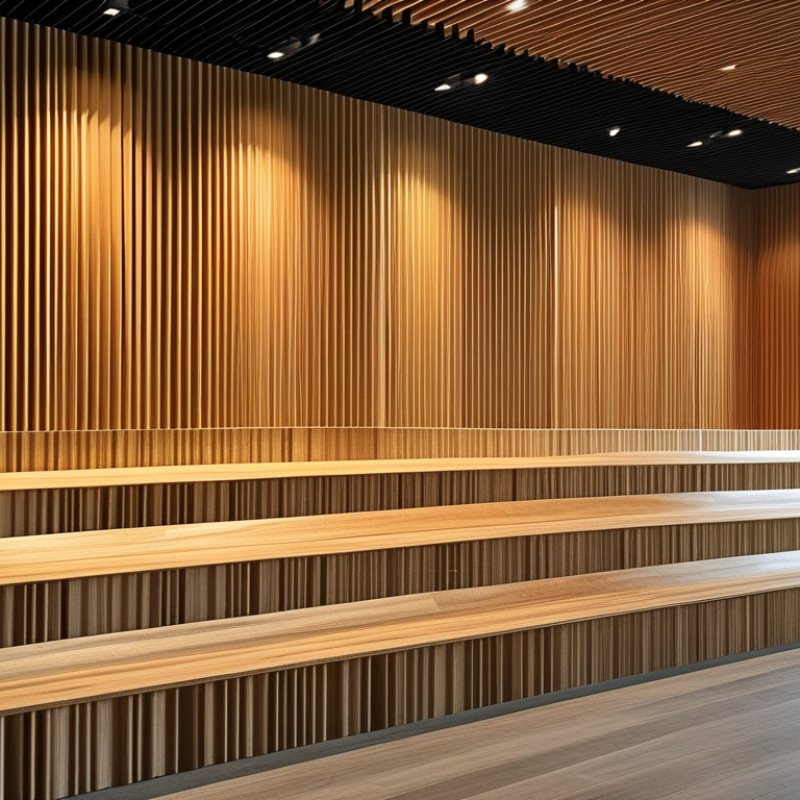
Factors to Consider When Choosing Slat Wood Acoustic Panels
When selecting slat wood acoustic panels, several factors impact effectiveness and aesthetics. Acoustic performance is crucial. According to the Journal of Architectural Acoustics, proper panel installation can reduce noise levels by up to 50%. Opt for panels with varying depths to enhance sound absorption. Shallow panels may not absorb lower frequencies well. Aim for a balanced mix to cover a range of sound types.
Consider the wood type. Hardwoods like oak provide durability and rich sounds, whereas softwoods like pine may offer lower costs but variable performance. Experts suggest evaluating the room's existing acoustics before making a choice. The right panel can enhance your space's ambiance significantly, while a poor choice may lead to unsatisfactory results.
Tips: Measure your room's dimensions. A well-sized panel will perform better. Aesthetic appeal is also essential. Choose finishes that blend with your decor. Remember, it's not just about function; the visual impact matters. Regular maintenance of wood panels is vital. Dust accumulation can affect performance. Think about your needs carefully before diving in.
Understanding Acoustic Performance Metrics Relevant to Slat Wood Panels
When selecting slat wood acoustic panels, understanding acoustic performance metrics is crucial. These metrics include sound absorption coefficients and NRC ratings. Sound absorption coefficients indicate how well a material can absorb sound at various frequencies. A higher coefficient means better performance in controlling echoes and reducing noise. Ideally, you want panels that perform well across a range of frequencies.
Another key metric is the Noise Reduction Coefficient (NRC). This rating helps you compare different materials' performances. An NRC of 0.85 or higher is often recommended for effective sound absorption in residential or commercial settings. However, the placement of panels also plays a significant role. Proper positioning can enhance their effectiveness. Testing different panel arrangements may reveal surprising results.
Consider your specific space. Rooms with hard surfaces reflect sound, creating unwanted noise. Conversely, slat wood panels can transform these spaces, helping to create a more comfortable environment. Experimenting with various designs and configurations can lead to unexpected challenges. You may find zones where sound control needs more attention. Regular assessment of your acoustic setup is essential to achieving optimal results.
Sound Absorption Coefficients of Slat Wood Acoustic Panels
Material Quality and Sustainability in Slat Wood Panel Selection
When selecting slat wood acoustic panels, the material quality plays a crucial role. High-quality wood, such as sustainably sourced plywood or hardwood, provides better sound absorption. A report by the Acoustical Society of America indicates that materials with higher density are generally more effective at minimizing sound reflections. This can significantly enhance the acoustic environment of spaces, like offices or studios.
Sustainability in production is also essential. According to the U.S. Green Building Council, eco-friendly materials can reduce carbon footprints by up to 30%. Choosing panels that are made from reclaimed or responsibly sourced wood not only benefits the environment but also adds a unique aesthetic to your space. Although some panels may look perfect on the surface, it’s crucial to investigate their sourcing and manufacturing processes. Ensuring that the wood is sourced from certified forests can promote responsible forestry practices.
Furthermore, reflect on the finish applied to the panels. Many finishes contain volatile organic compounds (VOCs) that can affect indoor air quality. Opting for low-VOC or no-VOC finishes can improve health and comfort. It’s easy to overlook these details, yet they significantly impact overall performance and sustainability. Balancing aesthetics, sustainability, and functionality is key when selecting these acoustic panels.
Design Aesthetics: Matching Slat Wood Panels with Your Space
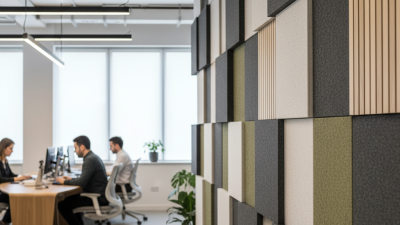
When selecting slat wood acoustic panels, design aesthetics play a crucial role. These panels not only enhance sound quality but also can significantly impact the overall look of a space. Research indicates that well-designed acoustic treatments can improve room acoustics by up to 35%, creating a harmonious environment. Choosing the right wood finish is essential. Light woods can make a room feel airy, while darker tones often add warmth and intimacy.
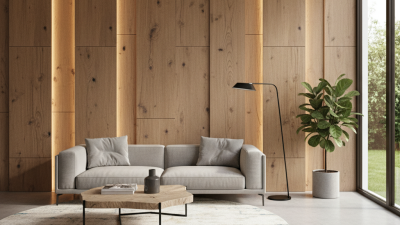
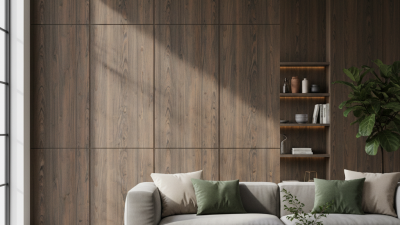
Consider the existing decor and color palette of your space. A mismatch between the slat wood panels and surrounding furnishings can disrupt visual coherence. For instance, pairing natural wood tones with muted colors creates a balanced atmosphere. Using accents like plants can further enhance this aesthetic. However, installing panels that are too dark or light could overshadow the intended design.
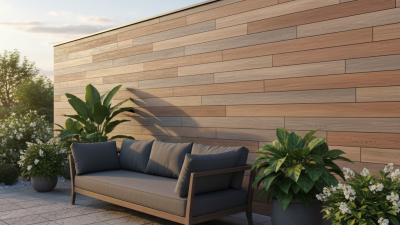
The texture of the wood also matters. Smooth finishes can appear sleek and modern, while rougher surfaces bring a rustic charm. Industry experts suggest that combining different finishes can add depth and interest. Nevertheless, achieving a cohesive look requires thoughtful consideration. Each choice should resonate with the space's purpose and emotional tone. Striking this balance can be challenging, but it is vital for a well-designed environment.
How to Choose Slat Wood Acoustic Panels for Your Space?
| Dimension |
Material Type |
Color Options |
Thickness |
Acoustic Rating |
Suitable Spaces |
| 24"x48" |
Real Wood |
Natural, Stained, Painted |
1" or 2" |
NRC 0.75 |
Home Theaters, Offices |
| 48"x48" |
MDF |
White, Black, Grey |
1.5" |
NRC 0.85 |
Recording Studios, Classrooms |
| 24"x96" |
Plywood |
Birch, Oak, Walnut |
1" |
NRC 0.70 |
Restaurants, Cafes |
Installation Techniques and Maintenance for Optimal Acoustic Performance
When installing slat wood acoustic panels, proper techniques can greatly enhance their performance. First, ensure the panels are mounted at the right height. According to a study from the Acoustical Society of America, optimal placement can enhance sound absorption by up to 30%. Panels positioned at ear level effectively minimize echo and enhance clarity.
Regular maintenance is crucial in retaining their acoustic efficiency. Dust and debris can obstruct soundwaves. Cleaning panels using a soft cloth or a vacuum with a brush attachment is recommended. Reports from the National Institute of Standards and Technology suggest that cleaner panels maintain their performance for a longer time. Additionally, monitor for any warping or discoloration, as these may indicate moisture damage.
Considering the room’s design also impacts how sound behaves. The panel's finish can affect its acoustic characteristics. Research shows that matte finishes tend to absorb more sound, while glossy surfaces can reflect it. It is important to balance aesthetics with functionality. Making informed decisions will ensure your space is acoustically balanced and aesthetically pleasing.