Why Choose Wood Veneer Wall Panels for Your Next Project?
Wood Veneer Wall Panels have become increasingly popular in recent years, and for good reason. According to a report by Freedonia Group, the demand for wall paneling is expected to grow by 3.7% annually through 2026, driven by advancements in design and sustainability. These panels offer a unique blend of aesthetics and functionality, making them suitable for various applications, from residential homes to commercial spaces.
One primary reason for selecting Wood Veneer Wall Panels is their eco-friendliness. The Natural Resources Defense Council states that using wood products can reduce carbon emissions significantly. Moreover, these panels are crafted from renewable resources, making them a responsible choice for environmentally-conscious projects. The visually appealing grain patterns of wood veneer add warmth and elegance to interior designs, enhancing the overall ambiance.
Despite their advantages, choosing Wood Veneer Wall Panels requires careful consideration. Quality can vary greatly among manufacturers, and some products may not offer the durability expected. Ensuring a reliable source is essential. As with any design element, reflecting on the specific needs of a space and the long-term performance of the materials will lead to better project outcomes.
Benefits of Wood Veneer Wall Panels in Interior Design
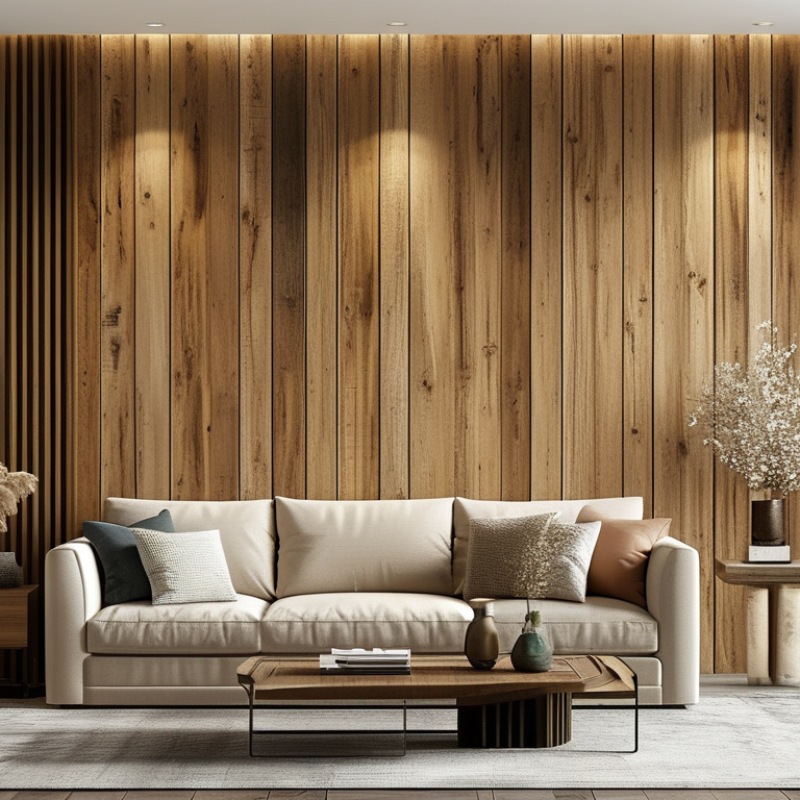
Wood veneer wall panels have gained recognition in modern interior design. They offer a natural aesthetic that enhances any space. The warmth of wood creates a cozy environment. Moreover, these panels are environmentally friendly and use less wood than solid lumber. This makes them a sustainable choice.
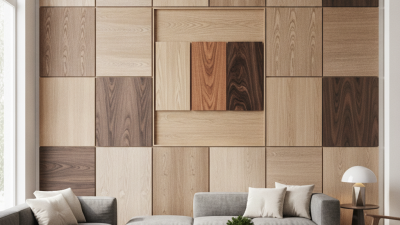
When selecting wood veneer wall panels, consider the texture and grain patterns. Different types of wood provide unique looks. You can create a focal point in your room using contrasting wood tones. This technique adds depth and character to your walls.
Tip: Mix different wood veneers to achieve an eclectic look. This can make your space feel more dynamic. Remember to consider the scale of the room. Large panels may overwhelm a small area, while smaller pieces can complement it beautifully. Avoid bland designs; instead, embrace imperfections in the wood's natural beauty. These unique characteristics tell a story and can spark conversation. Integrating these elements will elevate your interior design projects.
Sustainability and Eco-Friendliness of Wood Veneer Materials
Wood veneer wall panels are gaining traction for their
sustainability and eco-friendliness. Using thin slices of real wood, these panels maximize natural beauty while minimizing
waste. They allow designers to create stunning interiors without harming forests significantly. This approach respects nature
and promotes responsible sourcing.
These materials come from managed forests, ensuring that wood is harvested sustainably. For every tree cut down, several are
often planted in its place. This creates a cycle of renewal, benefiting both the environment and local economies. However,
challenges remain. Not all wood veneer is created equal, as quality
can vary widely. It's crucial to verify the sourcing and environmental practices behind your materials.
Incorporating wood veneer can enhance energy efficiency in buildings. Wood naturally regulates humidity and can improve
insulation. But not every project embraces these benefits fully. Some might choose cheaper alternatives that lack the
same environmental edge. It's worth reflecting on the long-term impacts of such choices. Opting for wood veneer could be a step toward a greener future.
Design Versatility: Styles and Finishes of Wood Veneer Panels
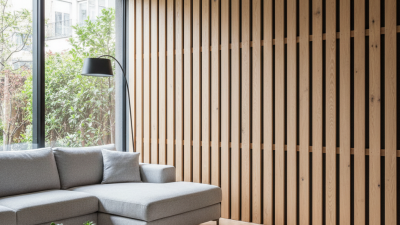
Wood veneer wall panels offer a stunning array of styles and finishes. They can enhance any space with natural beauty. Designers love the variety available. From rustic oak to sleek walnut, there’s something for every taste. The surface can be stained, varnished, or left raw for unique effects. This versatility makes wood veneer panels a cherished choice in modern interiors.
Using wood veneer can create visual interest and warmth. However, it’s essential to balance aesthetics with functionality. Some finishes may not stand up to humidity or wear. It’s wise to assess your environment before making a final decision. Additionally, selecting the right grain pattern can make a small room feel larger or a large room more intimate. Keep this in mind when designing.
While wood veneer offers many advantages, there are challenges, too. Not all veneers are created equal. Some can warp or crack over time. Research is key to finding reliable materials. Consider the overall context of the project. With careful thought, wood veneer can revolutionize your space. Design choices should reflect personal taste and practical needs.
Cost-Effectiveness Compared to Solid Wood Panels
When considering materials for wall panels, wood veneer offers a compelling alternative to solid wood. The cost-effectiveness of wood veneer stems from several factors. According to a report by the Wood Products Council, veneer can be up to 50% less expensive than solid wood. This price difference makes it an attractive option for budget-conscious projects without compromising on aesthetic appeal.
Further, wood veneer panels often require less material due to their thin nature. One square foot of veneer can cover a more extensive area than thick solid wood. This efficiency not only reduces costs but also decreases waste. A study from the National Wood Flooring Association found that using veneer can lead to savings in production costs and installation time.
However, the perceived value of veneer might lead to hesitations. Some might question its durability compared to solid wood. While solid wood can offer longevity, well-crafted veneer does not compromise on resilience. It’s essential to assess the specific project requirements and the expected wear and tear before making a decision. Balancing cost, aesthetics, and practical use is crucial in selecting the right material.
Installation and Maintenance Tips for Wood Veneer Wall Panels
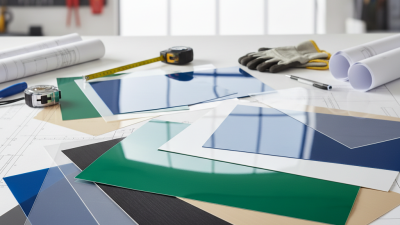
Wood veneer wall panels are increasingly popular for their aesthetic appeal and versatility. When it comes to installation, preparation is key. Ensure that the wall surface is clean, dry, and free of imperfections. As per the National Wood Veneer Association, properly prepped surfaces can enhance the longevity of your panels. Applying an adhesive suited for wood can significantly improve the bond and stability.
Maintenance of wood veneer panels doesn't require extensive effort. Regular dusting with a soft cloth is essential. For deeper cleaning, a damp cloth with mild soap can be used. An annual application of wood conditioner helps maintain the panels' sheen. According to a study by the American Institute of Architects, regular upkeep can extend the lifespan of wood veneer panels by 20-30%. However, minor scratches can occur, and addressing them promptly with touch-up kits is advised.
Considering environmental impact is also vital. High-quality wood veneer is often sourced sustainably. This contributes to reducing deforestation. Yet, some products may not disclose their sources clearly, causing potential risks for consumers. Always verify the sourcing profile before making a purchase to ensure you support sustainable practices.