How to Choose the Best Wood Acoustic Panel for Your Needs?
When choosing the best Wood Acoustic Panel for your needs, understanding acoustic performance is crucial. Reports indicate that the acoustic treatment market is projected to grow significantly. A recent study by Acoustic Research Institute notes that effective sound management can improve productivity by up to 30% in office environments.
Industry expert Dr. Emily Carter states, "Choosing the right Wood Acoustic Panel can transform your space's acoustics." Her insights highlight the need for careful selection based on room size, panel density, and finish. Many users overlook the importance of design and installation, affecting overall performance.
Choosing a Wood Acoustic Panel isn't a straightforward task. Each type has varying absorption coefficients, influencing sound quality. It's essential to consider not just aesthetics, but also functionality. Reflect on your specific needs and space dynamics before making a decision.
Understanding Acoustic Panels: What Makes Wood Panels Unique?
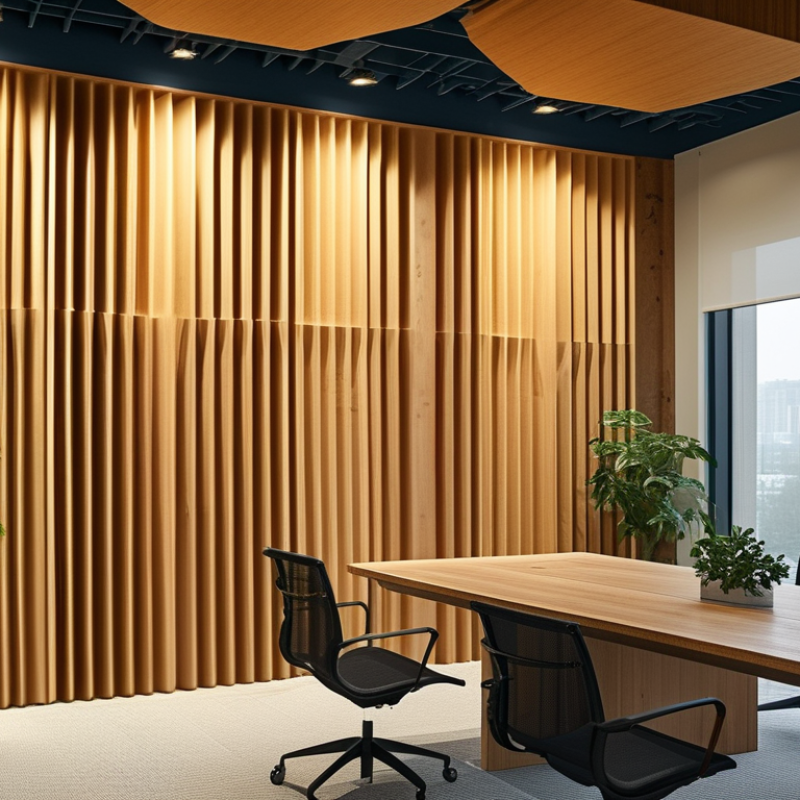
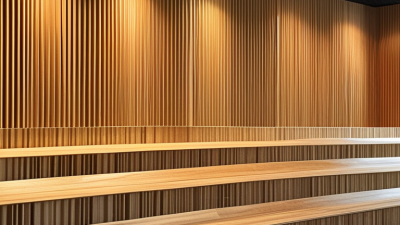
Acoustic panels play a vital role in controlling sound within a space. Wood acoustic panels stand out for their natural aesthetic and sound-absorbing qualities. These panels can enhance the warmth of a room. They not only reduce noise but also add an organic touch to interiors. Unlike synthetic options, wood offers unique textures and patterns, making each panel one-of-a-kind.
When choosing wood acoustic panels, consider the type of wood used. Different woods, like different trees, have unique sound properties. Denser woods can absorb sound better than lighter options. The finish of the wood also influences acoustics and aesthetics. Each choice should reflect not just style but function.
Installation is another factor. Some panels are easier to mount than others. Ensuring they are placed in optimal locations for sound absorption can be tricky. It requires careful planning and sometimes, trial and error. Evaluating how a panel fits into your space involves considering light, color, and existing decor. Every decision impacts the overall environment, shaping the intimacy of conversations or clarity of music.
Key Benefits of Wood Acoustic Panels for Sound Management
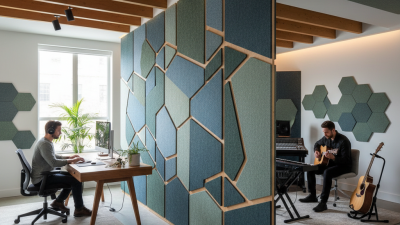
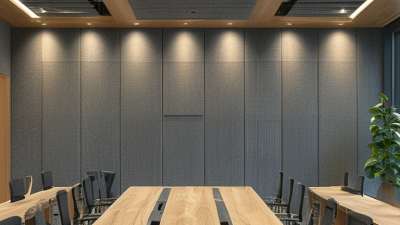
Wood acoustic panels offer numerous benefits for sound management in various environments. These panels effectively absorb sound waves, reducing echoes and improving clarity. In spaces like offices, studios, and home theaters, they create a more pleasant auditory experience. The natural properties of wood allow for better sound diffusion, enhancing the overall quality of sound.
Choosing wood panels also brings aesthetic appeal. Their varied textures and finishes can complement any décor style. However, it's essential to consider the type of wood and its acoustic properties. Not all woods perform equally; some are denser and absorb sound better than others. Additionally, the installation process can influence effectiveness. Incorrect placement may lead to uneven sound absorption.
While wood acoustic panels provide various advantages, challenges exist. They require proper maintenance to prevent warping or discoloration. Environmental factors may affect their performance over time. It's essential to reflect on these aspects when choosing the right panels to ensure they meet your sound management needs effectively.
Factors to Consider When Choosing Wood Acoustic Panels
Choosing the right wood acoustic panel requires careful consideration of several factors.
First, think about the space where the panels will be installed. Different environments have different acoustic needs. For example, a recording studio might need specific sound absorption properties. A home theater, on the other hand, may prioritize aesthetics along with sound control.
You should also consider the size and shape of the panels. Larger panels may provide better coverage, while smaller ones offer more flexibility in placement. The material type is another crucial factor. Solid wood responds differently than engineered wood. Each type has its own unique sound absorption capabilities.
Lastly, pay attention to the panel finish. Aesthetic appeal is essential, especially in visible areas. Look for finishes that match your decor while still offering functional benefits. Don’t forget to think about installation needs. Will you need professional help, or can you install them yourself? Addressing these considerations can lead to better choices. Reflect on your specific needs to find the best solution.
Measuring Acoustic Performance: STC and NRC Ratings Explained
When selecting wood acoustic panels, understanding their acoustic performance is crucial. Two key ratings to consider are Sound Transmission Class (STC) and Noise Reduction Coefficient (NRC). STC measures how well a material can block sound. Higher STC ratings indicate better soundproofing. A rating of 50 or more is often considered effective for residential spaces.
On the other hand, NRC evaluates how well materials absorb sound within a space. This rating ranges from 0 to 1, where 1 indicates total absorption. Research shows that panels with an NRC of 0.7 or above are effective in reducing echo and improving sound quality. It's essential to analyze room dimensions and activities when choosing panels. A well-designed room should balance STC and NRC to achieve the best acoustic environment.
When evaluating potential panels, it may be tempting to focus solely on these ratings. However, other factors can impact performance. The panel's thickness, material density, and installation method also play significant roles. Professionals often recommend a combination of acoustic strategies tailored to specific needs. A reflective surface may suit some spaces, while absorption is crucial in others.
How to Choose the Best Wood Acoustic Panel for Your Needs?
| Panel Type |
Dimensions (inches) |
STC Rating |
NRC Rating |
Material |
| Wood Fiber Panel |
24 x 48 |
35 |
0.85 |
Recycled Wood |
| Plywood Panel |
48 x 48 |
30 |
0.70 |
Birch Wood |
| Solid Wood Panel |
36 x 72 |
40 |
0.95 |
Oak |
| Bamboo Panel |
60 x 24 |
33 |
0.80 |
Bamboo |
Installation Tips for Optimal Acoustic Performance of Wood Panels
Installation of wood acoustic panels can influence their performance significantly. Carefully considering the placement is essential. Panels should be positioned at key reflection points in the room. These spots include walls, ceilings, and corners. Not all surfaces need treatment. Finding the right balance is crucial for achieving the desired sound quality.
When mounting the panels, ensure they are secured firmly. Use appropriate adhesives or fasteners to avoid any sagging over time. Improperly installed panels may degrade their effectiveness. Regularly check the panels after installation. Wear and tear or inadequate sealants can impact their performance. It’s important to assess their condition periodically.
Don't forget about the aesthetic aspect. Wood panels come in a variety of finishes and designs. Choose styles that complement your space while enhancing acoustics. A mismatched design may cause visual distractions. Observing this balance can lead to a harmonious environment that adjusts sound effectively. Prioritize both function and form to achieve optimal results.