

Products News
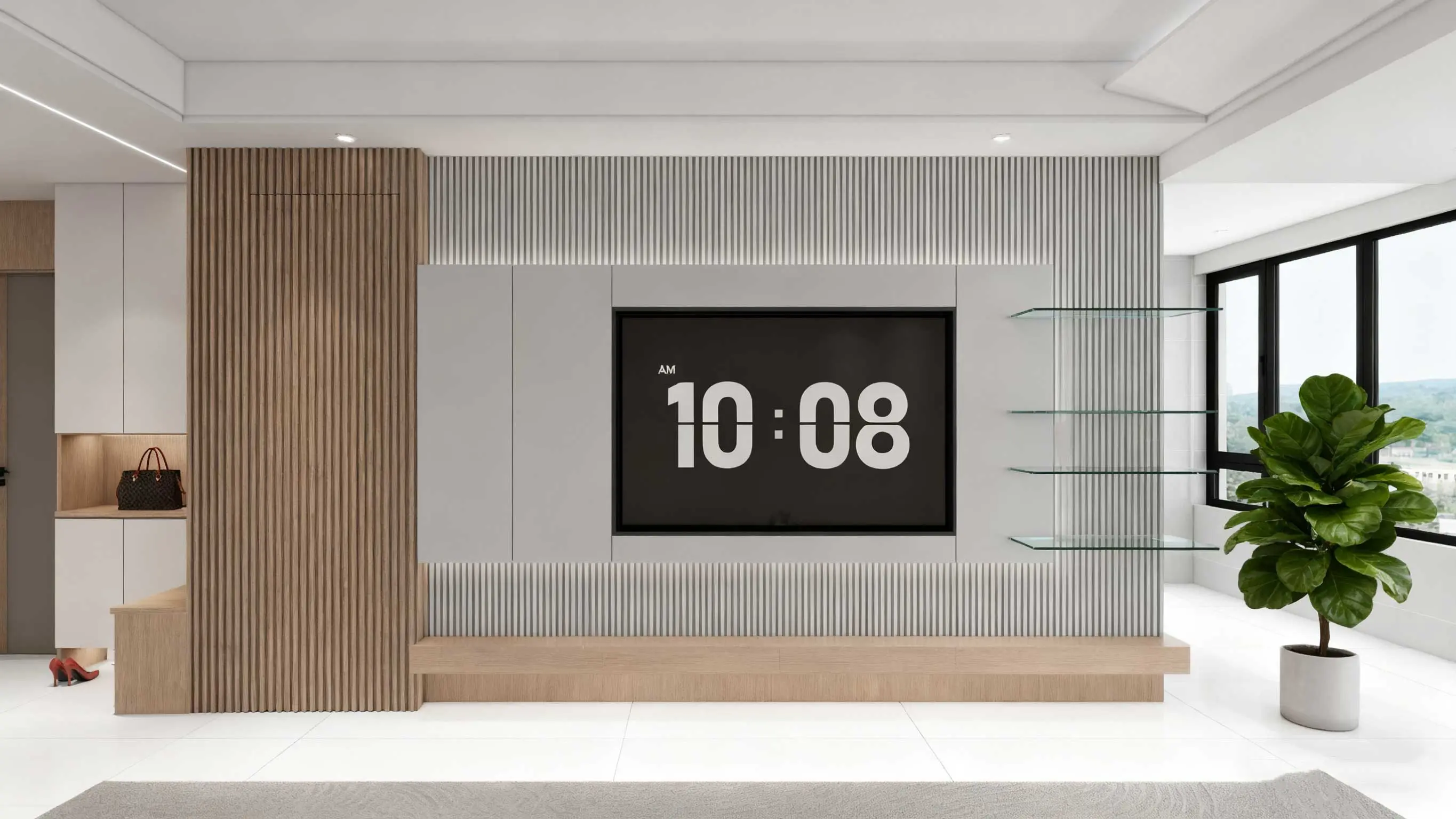
Performance & Durability: How Indoor WPC Wall Panels Outlast Traditional Wall Materials
When it comes to interior wall coverings, property owners, designers, and builders all want materials that look beautiful but also endure daily use. Traditional options like natural wood, gypsum board, or even stone have long been trusted, yet they all present certain limitations—warping, mold growth, scratches, high maintenance, or cost. This is where Indoor WPC (Wood-Plastic Composite) wall panelsshine. Designed through advanced material engineering, WPC panels are built to balance aesthetics with long-term strength. This article explores the durability features of Indoor WPC Wall Panels, comparing them to traditional alternatives, and explains why they are quickly becoming the preferred choice for modern interiors.

PVC Marble Sheets: Production Process, Benefits, Drawbacks, and Applications Explained
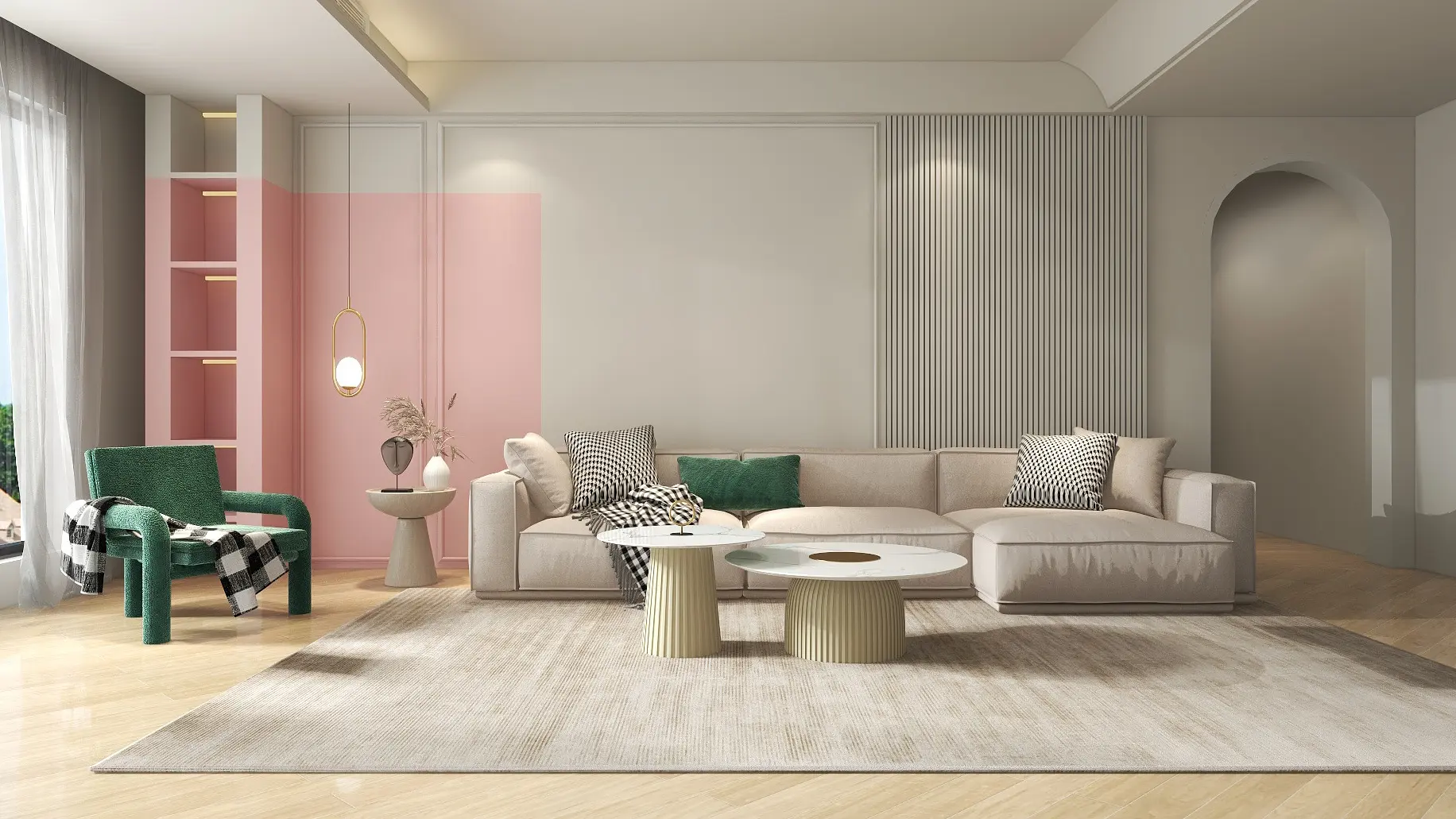
Indoor WPC Wall Panels: Smart Procurement, Easy Maintenance, and Long-Term Cost Benefits
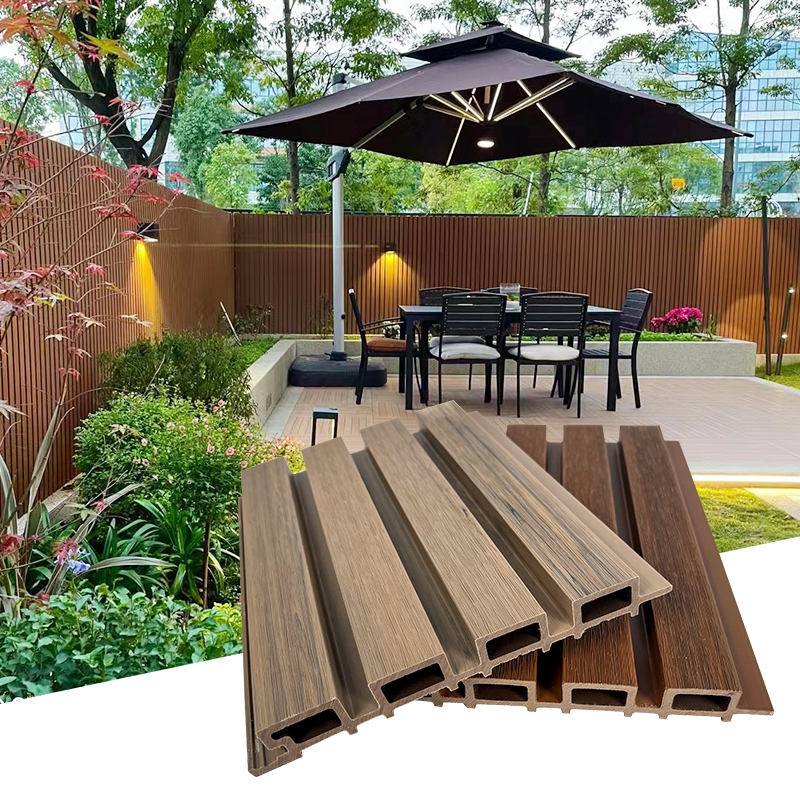
Choosing Outdoor Wall Panels: Wood vs. PVC vs. Composite — What You Need to Know
In modern construction and design, choosing the right outdoor wall cladding material has become critical—not just in terms of look, but durability, environmental impact, life‐cycle cost, and performance under harsh weather. Traditional wood, PVC, and composites each have strengths and limitations. This article breaks down the major differences, shows what to look for in high‐quality composite panels, and offers a guide for procurement.
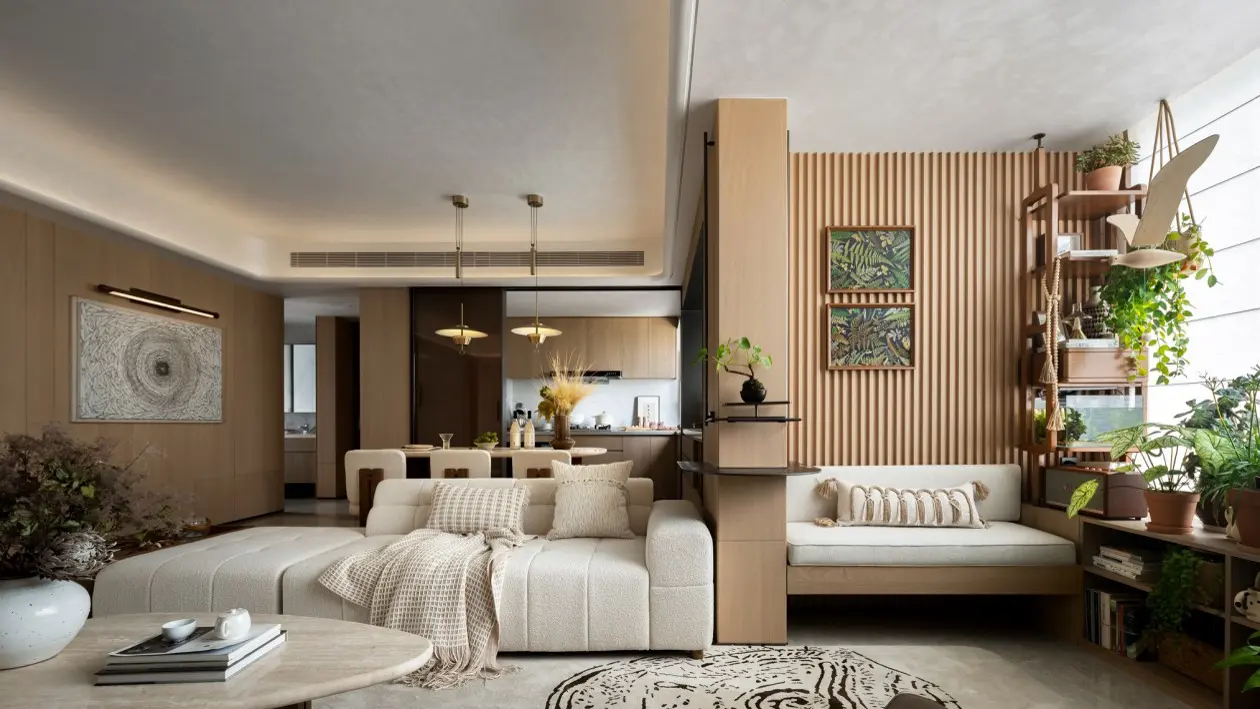
Aesthetic Possibilities and Design Trends with Indoor WPC Wall Panels
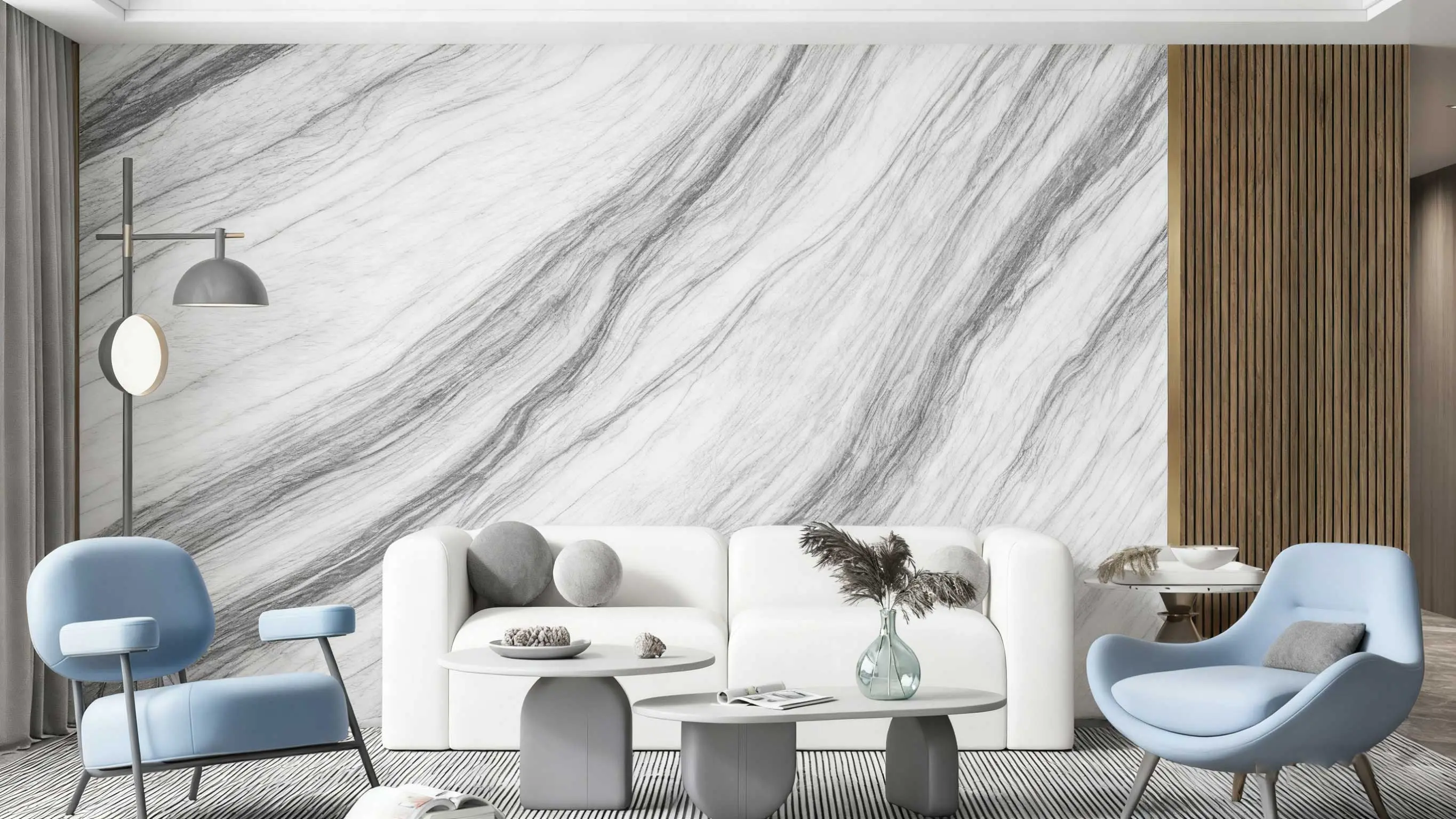
From Subtle Neutrals to Bold Color Statements — What’s Trending in PVC Marble Sheets in 2025
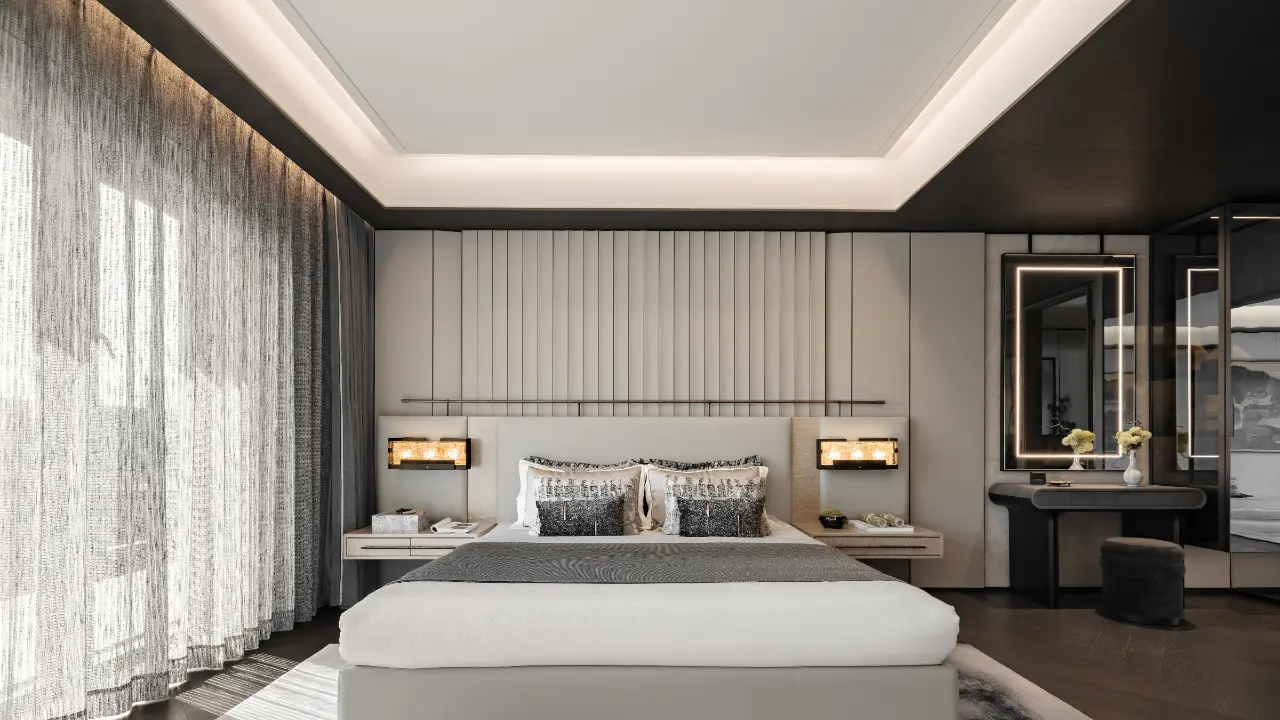
Indoor WPC Wall Panels: Material Science & Manufacturing That Makes Them Excel
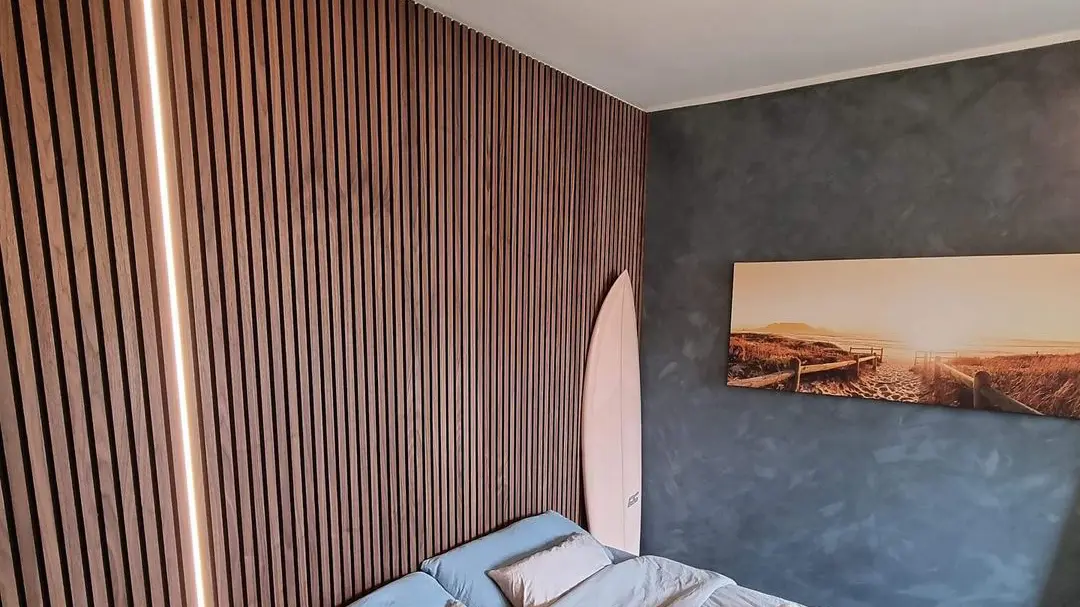
Why Flexible Wood Slat Acoustic Panels Are the Future of Interior Building