
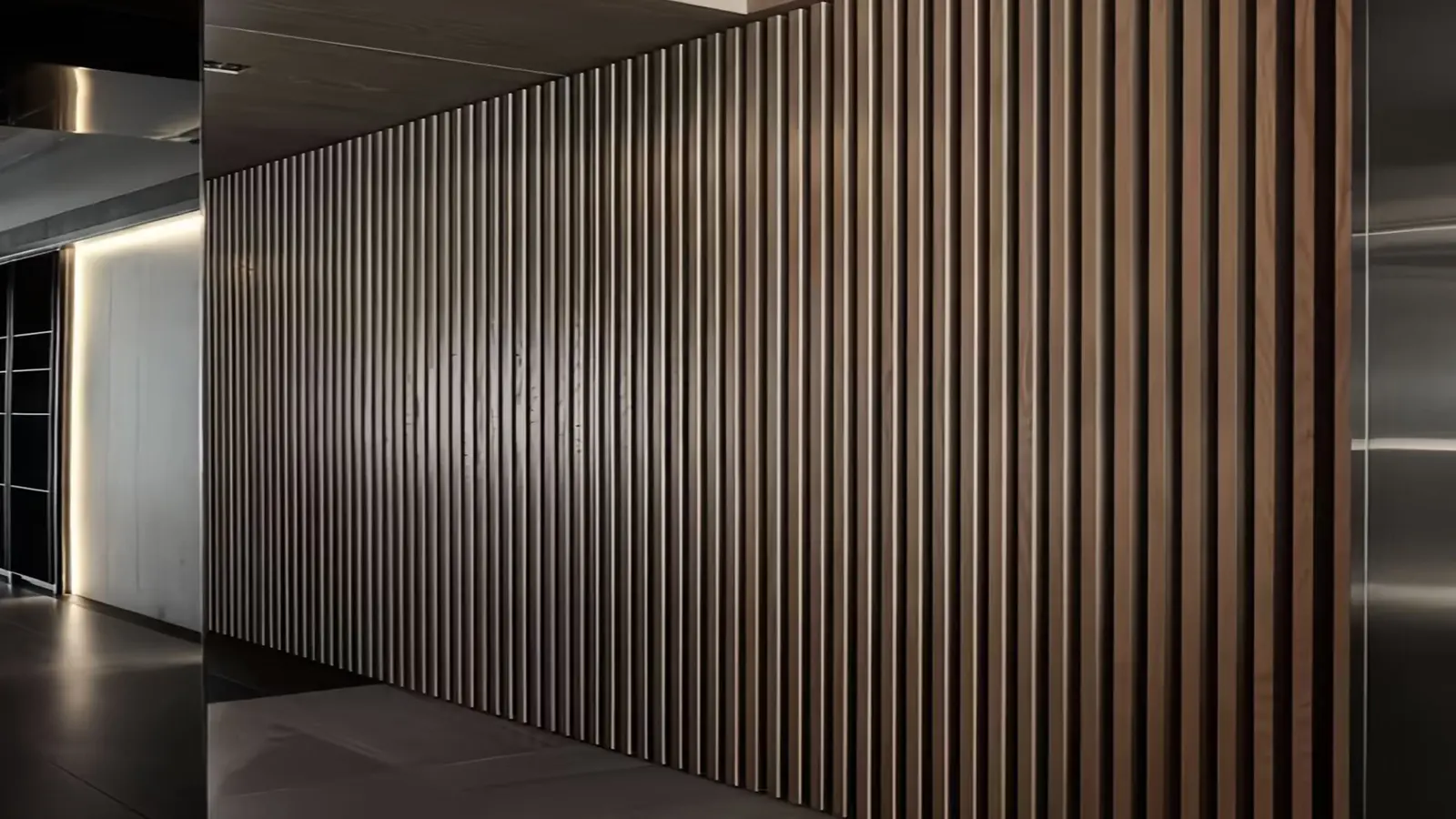
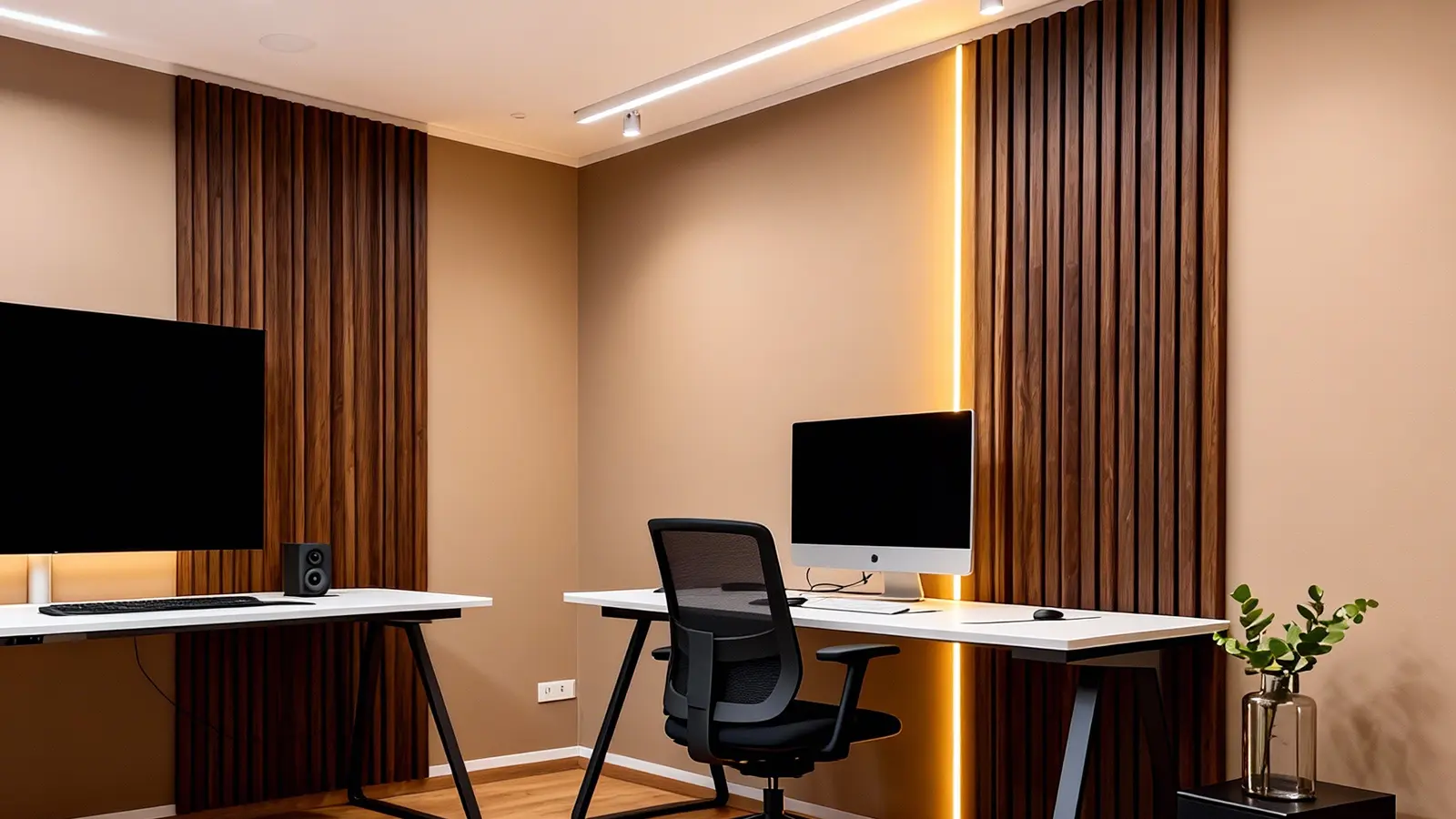
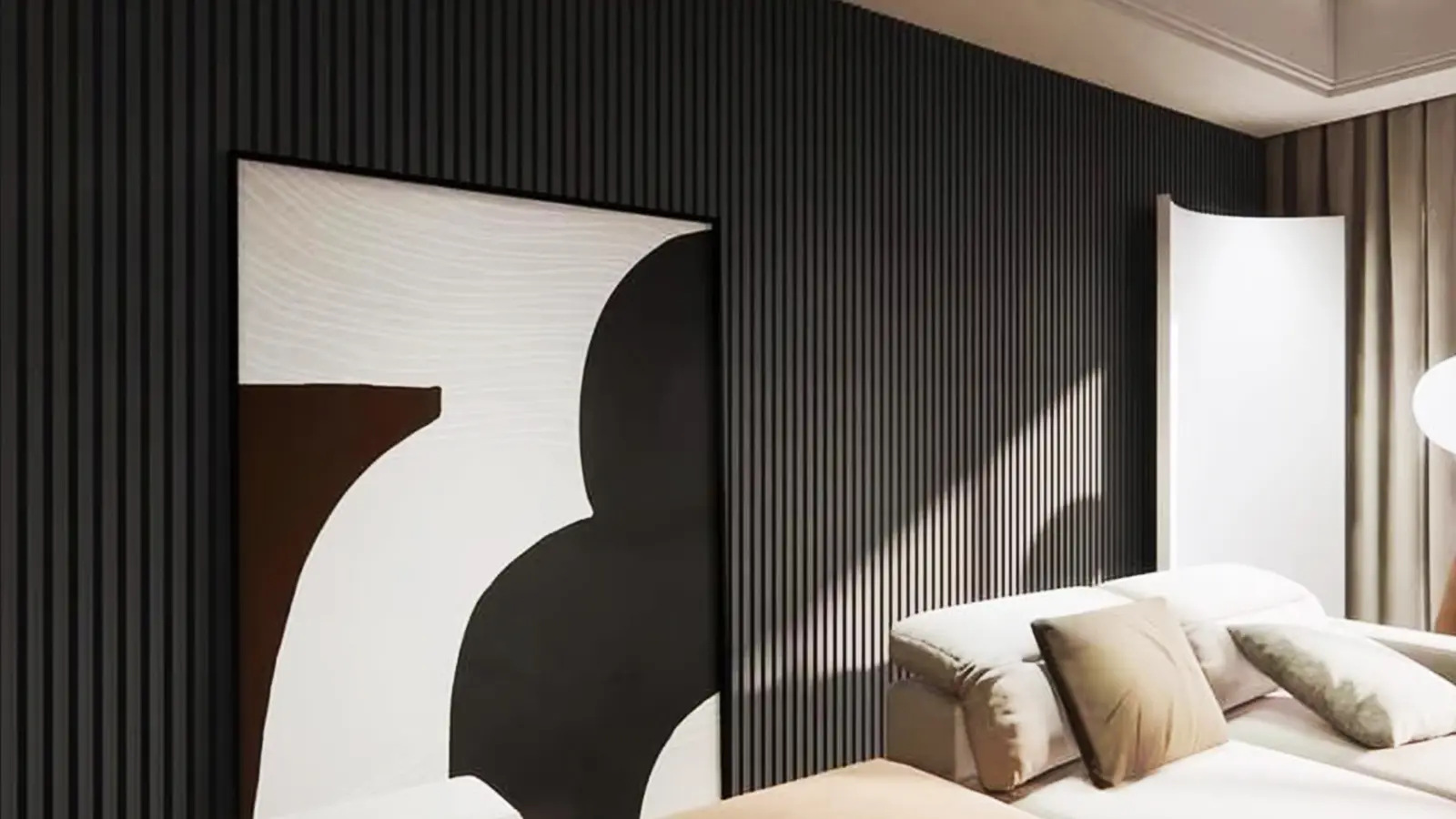
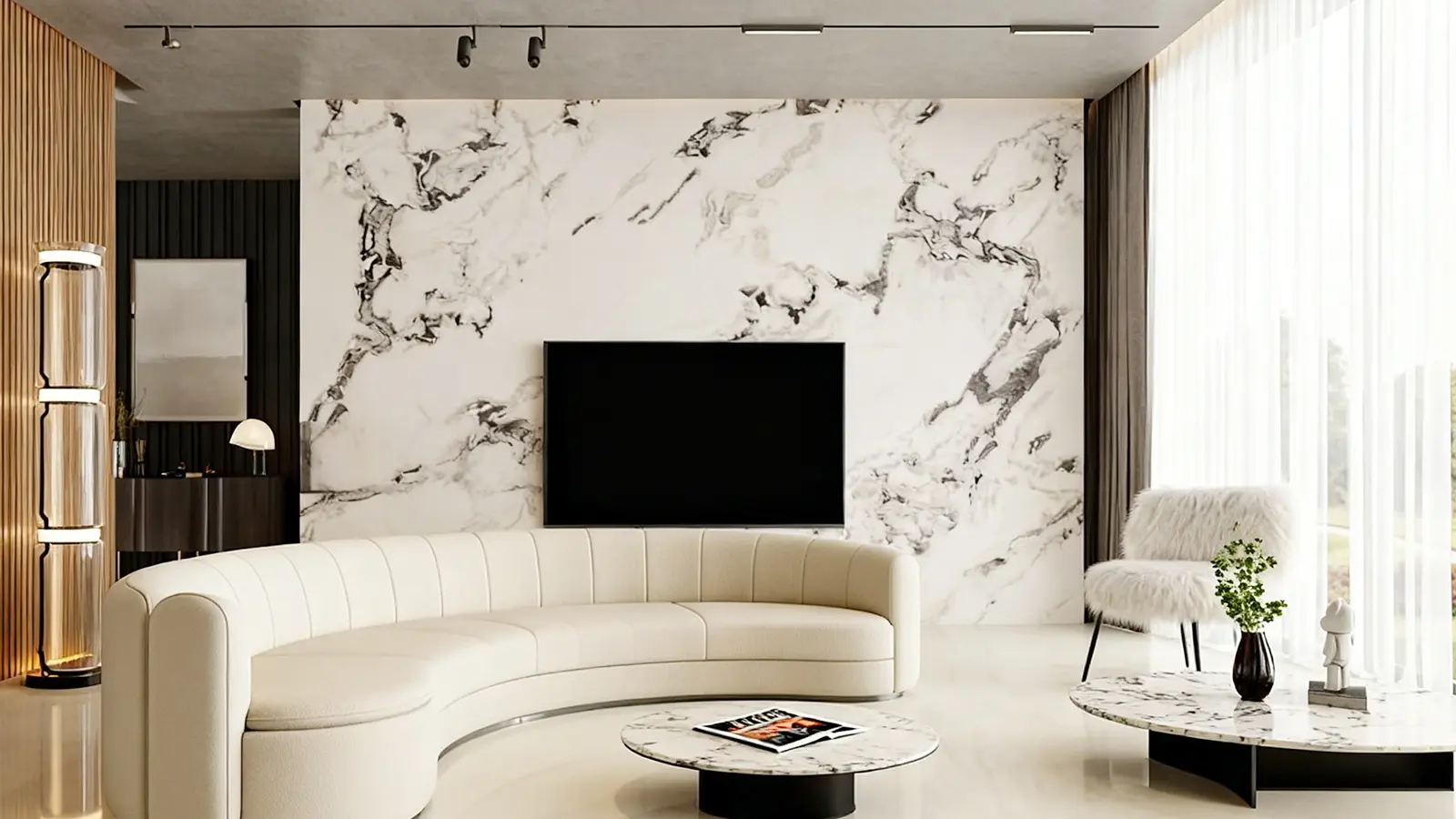
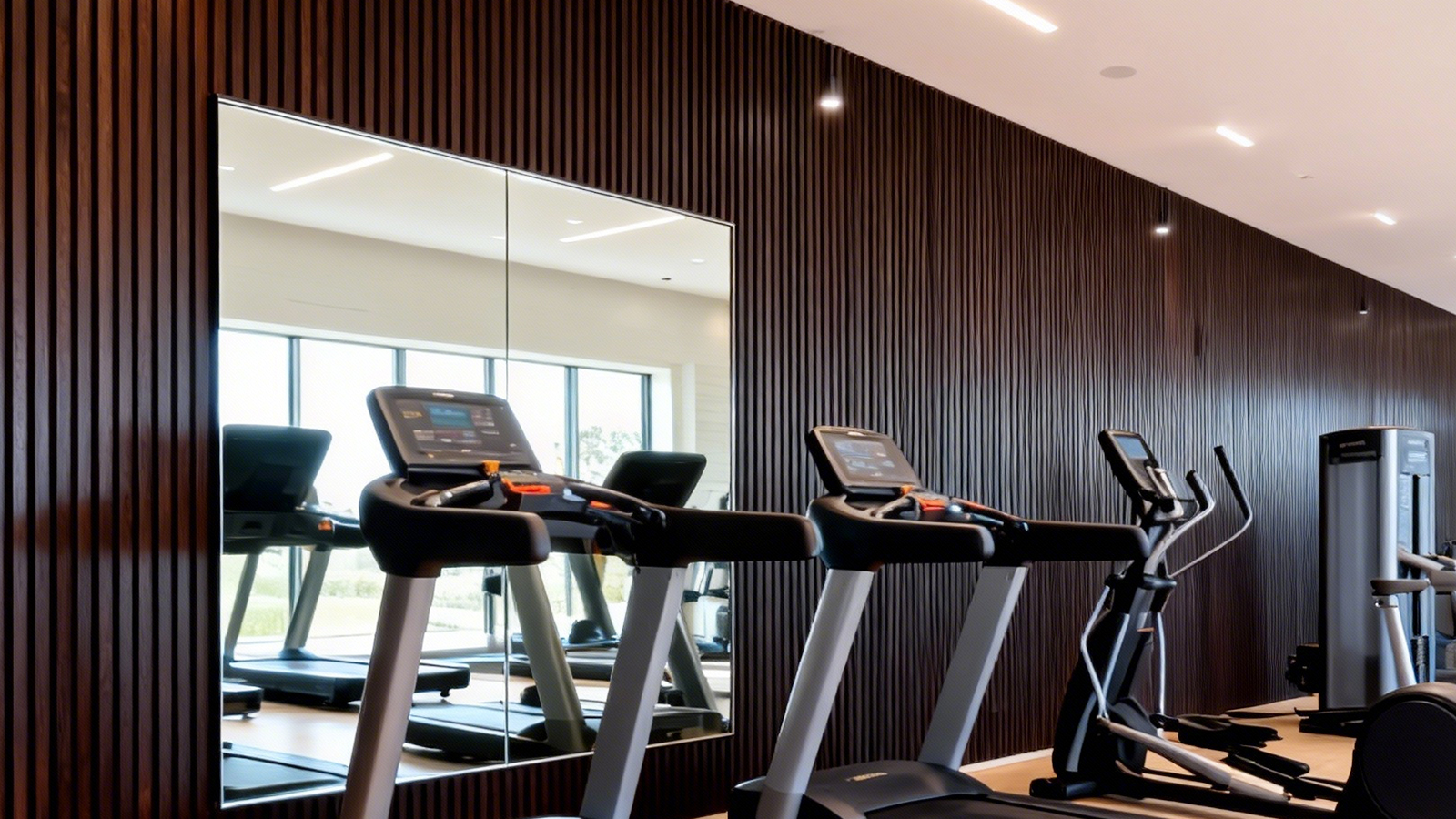
WPC Wall Panels vs. Traditional Materials: Which Is Better?
WPC Wall Panels vs. Traditional Materials: Which Is Better?
Introduction
All WPC (Wood-Plastic Composite) Wall Panels consist of wood and plastic, with a standard composition of 60% wood powder, 30% high-density polyethylene (HDPE), and 10% additives. This guide comparesWPC wall panels—an innovative building material—against traditional alternatives, focusing on critical factors like durability, aesthetics, installation, maintenance, and performance. By the end, you’ll understand why Wpc Panels are a superior choice for modern homes and commercial spaces.
What Are WPC Wall Panels?
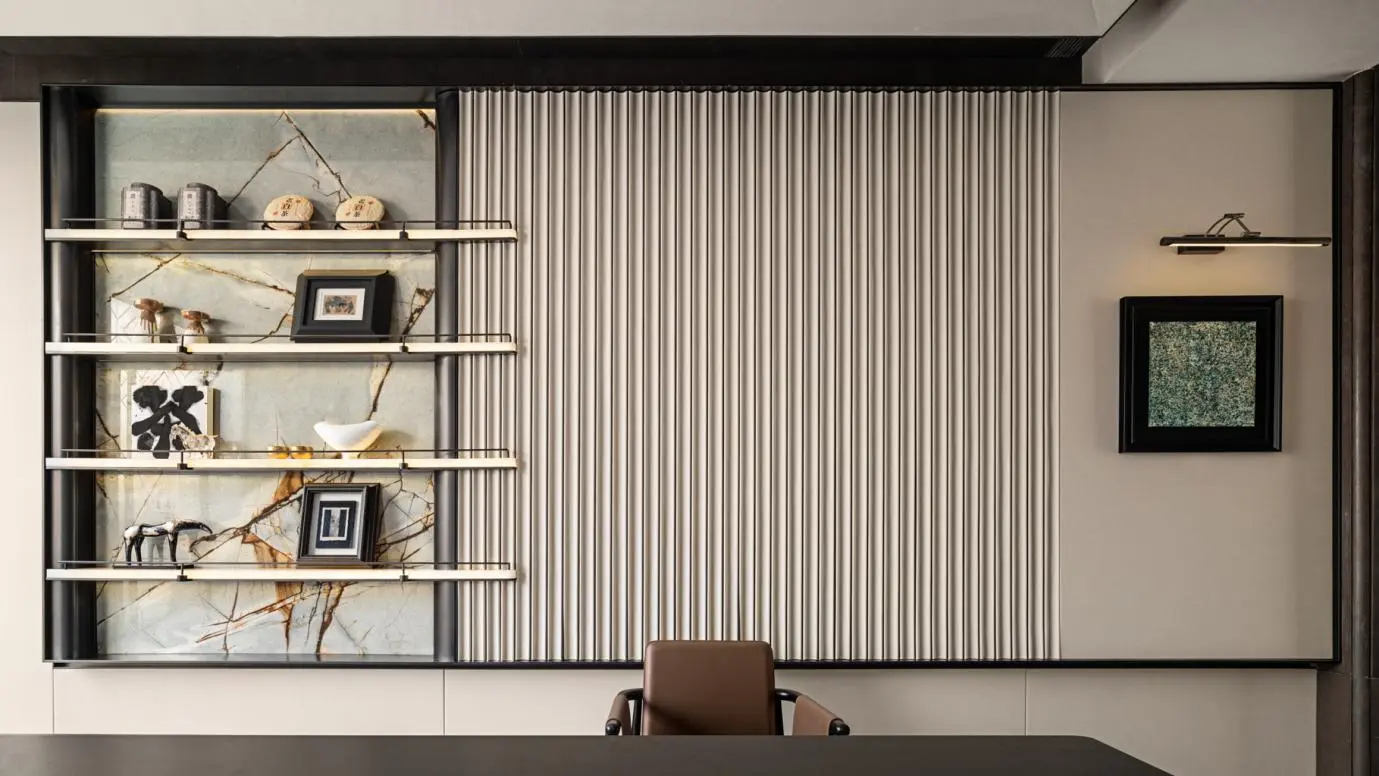
WPC wall panels blend wood fibers, HDPE, and specialized additives to create a versatile, high-performance material. Key characteristics include:
- Physical Specifications: Typically 10mm thick, with standard dimensions of 2m × 1m and a density of 0.55 g/cm³ (lightweight yet rigid).
- Core Advantages: 100% waterproof, UV-resistant, and soundproof, ensuring quiet, comfortable interiors.
- Installation-Friendly Design: Features a click-lock system for easy assembly, eliminating the need for complex tools or adhesives.
- Eco-Conscious & Safe: Non-toxic, eco-friendly, and free from harmful chemicals, with a smooth, tactile surface that adds warmth to any space.
How Durable Are WPC Wall Panels Compared to Traditional Materials?
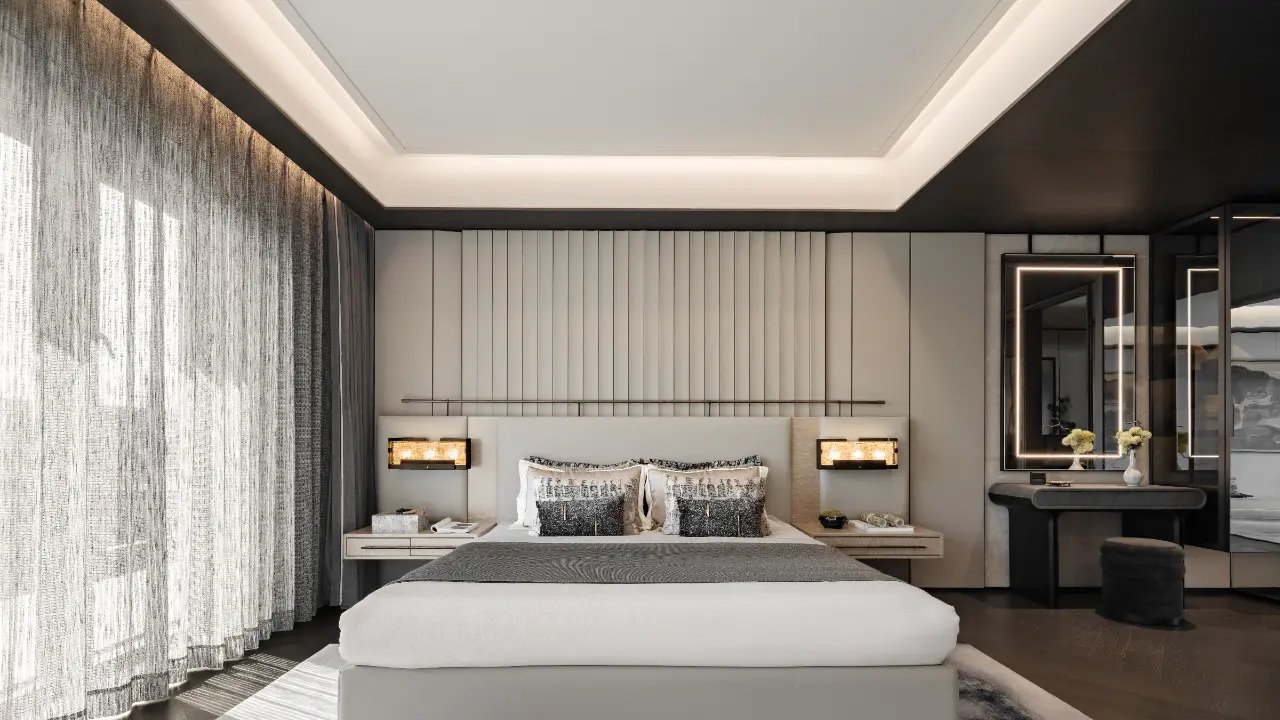
WPC panels outperform traditional materials (e.g., wood, drywall, tile) in durability, thanks to their composite structure. Below is a breakdown of their key durable properties:
1. Weather Resistance
- Withstands extreme temperatures ranging from -20°C to 60°C and resists damage from rain, snow, and sunlight.
- Boasts a density of 1.2 g/cm³ and UV inhibitors that preserve color vibrancy. Most manufacturers (including RUIDE) offer a 10-year warranty, and panels remain warp-free and crack-resistant long-term.
2. Scratch & Impact Resistance
- Made with HDPE and wood fibers, panels have a surface hardness of 80 Shore D and a special protective coating, keeping them scratch-free for years.
- Impact strength of 20 kJ/m² (validated by the ASTM D256 test), making them ideal for high-traffic areas (e.g., hallways, playrooms) where dents are common with traditional materials.
3. UV & Fade Stability
- UV stability rating of 4.5, with UV-resistant polymers integrated into the material. Panels retain their color for up to 15 years indoors and 25 years outdoors—far longer than traditional wood or painted surfaces, which fade within 3–5 years.
4. Rot & Mold Resistance
- Moisture content of just 0.5% (ASTM D1413 test-certified), preventing rot, fungi growth, and termite damage. Unlike traditional wood, which requires regular treatment to resist pests and decay, WPC panels remain intact without extra care.
What Are the Aesthetic Benefits of WPC Wall Panels vs. Traditional Materials?
WPC panels offer unmatched design flexibility, making them suitable for both modern and classic interiors. Their aesthetic advantages include:
1. Extensive Color Options
- Over 50 shades available, using UV-resistant pigments that stay bright long-term. Colors align with RAL and Pantone standards, ensuring easy coordination with existing decor—unlike traditional materials, which often have limited color choices.
2. Diverse Textures & Grain Patterns
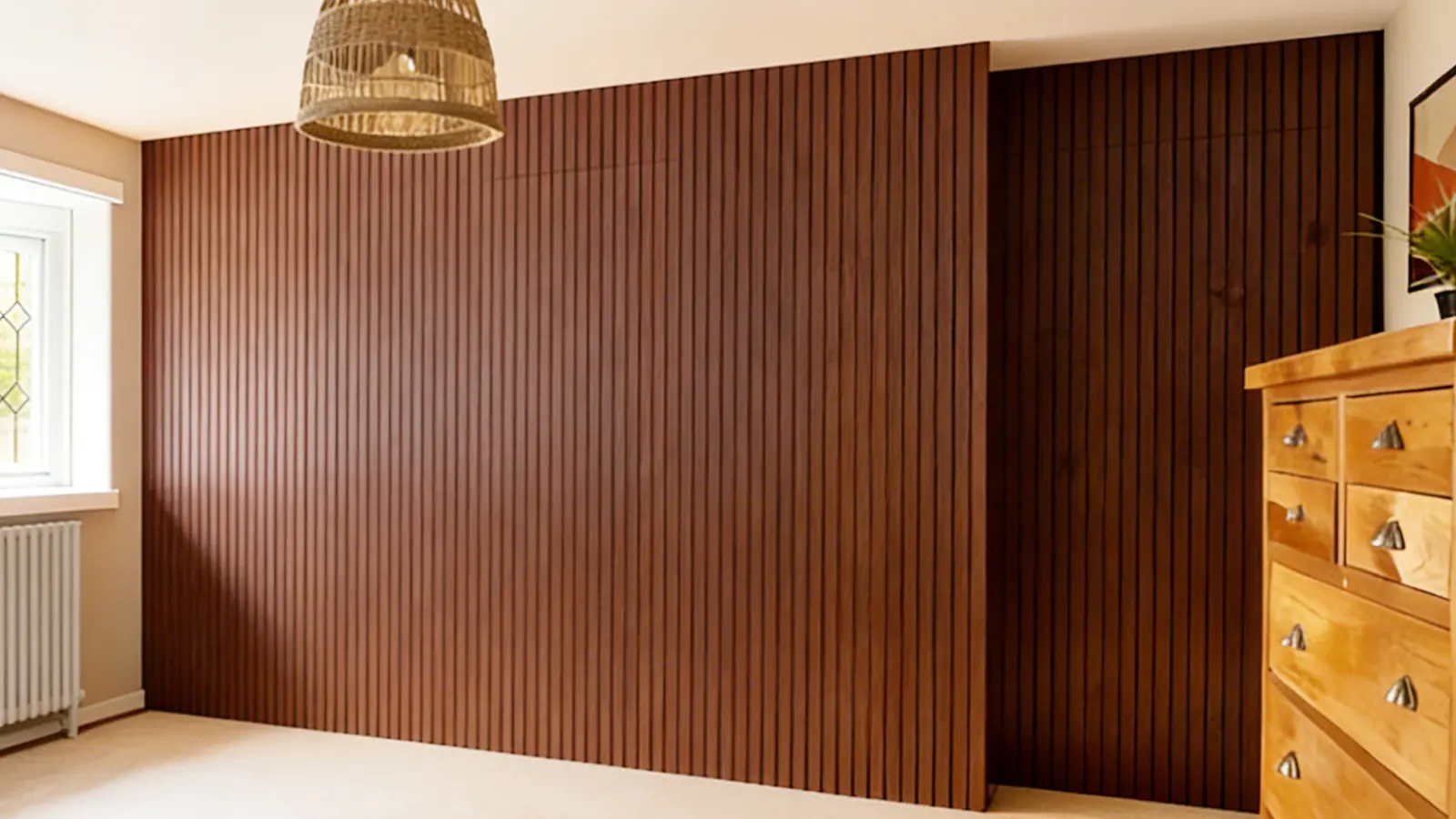
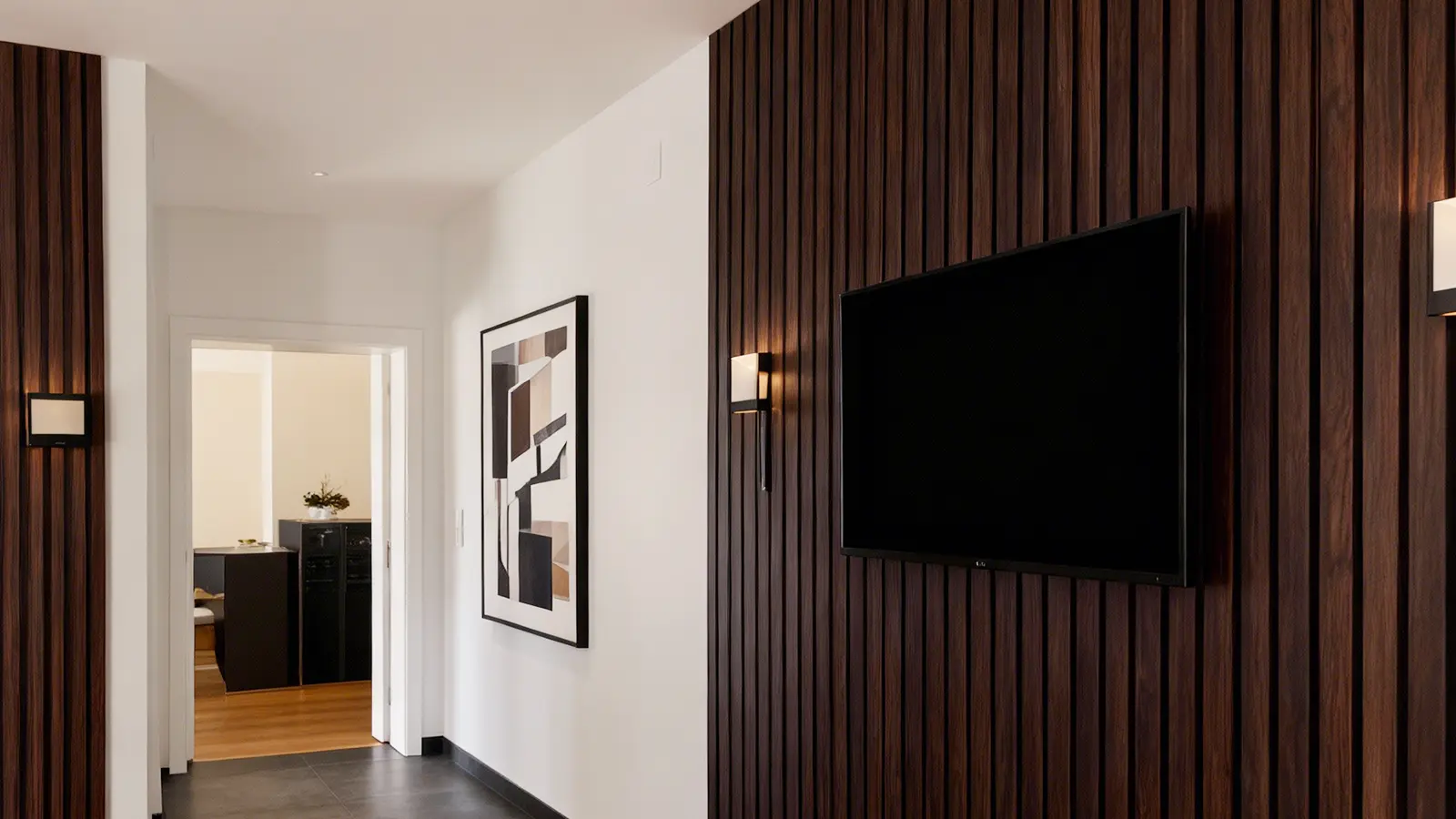
- Textures range from smooth to rough, with 3D embossing for a tactile, natural feel. Grain patterns mimic real wood (e.g., oak, maple, pine) via advanced printing technology, providing the warmth of wood without its maintenance drawbacks.
3. Modern & Versatile Designs
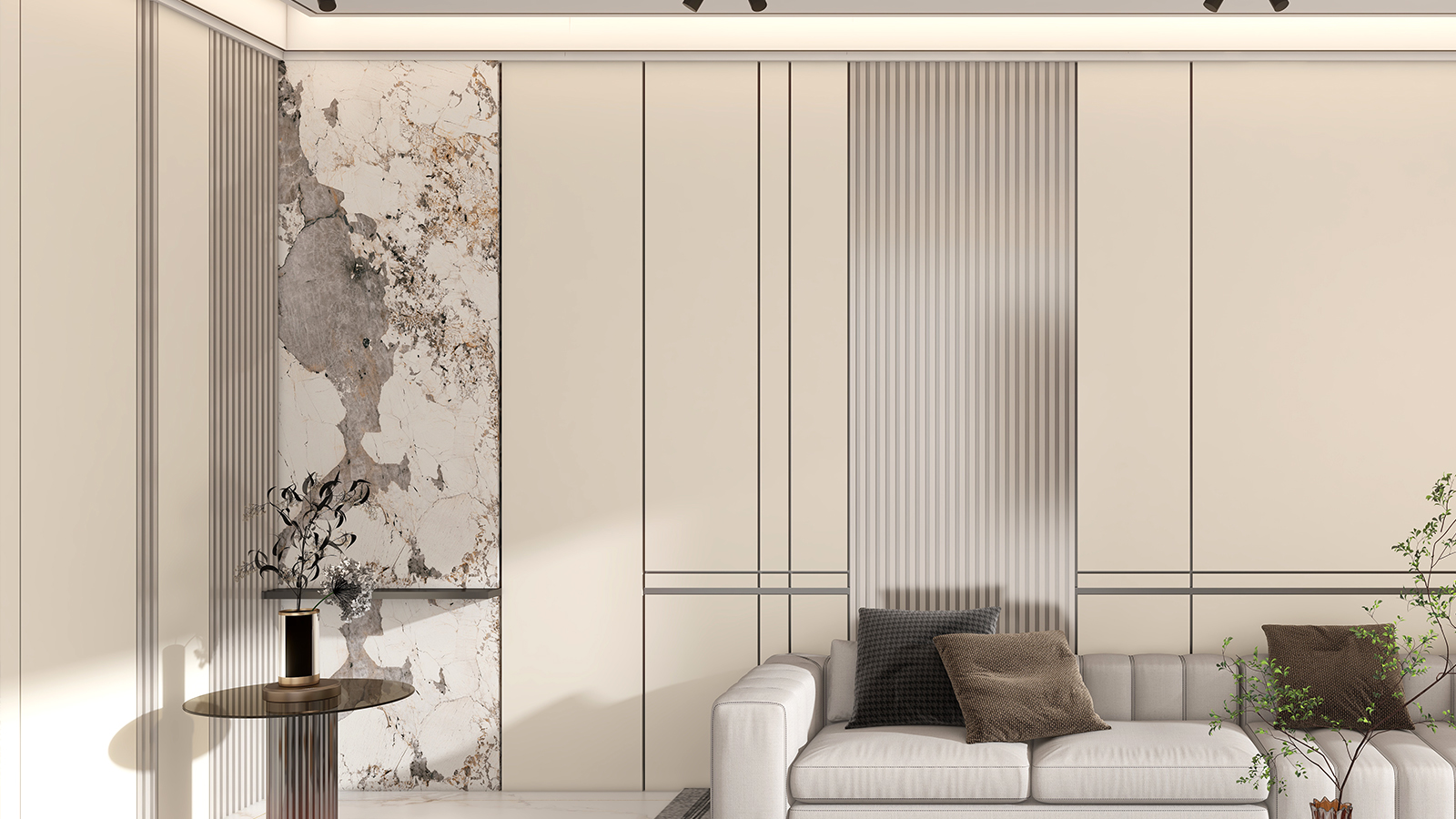
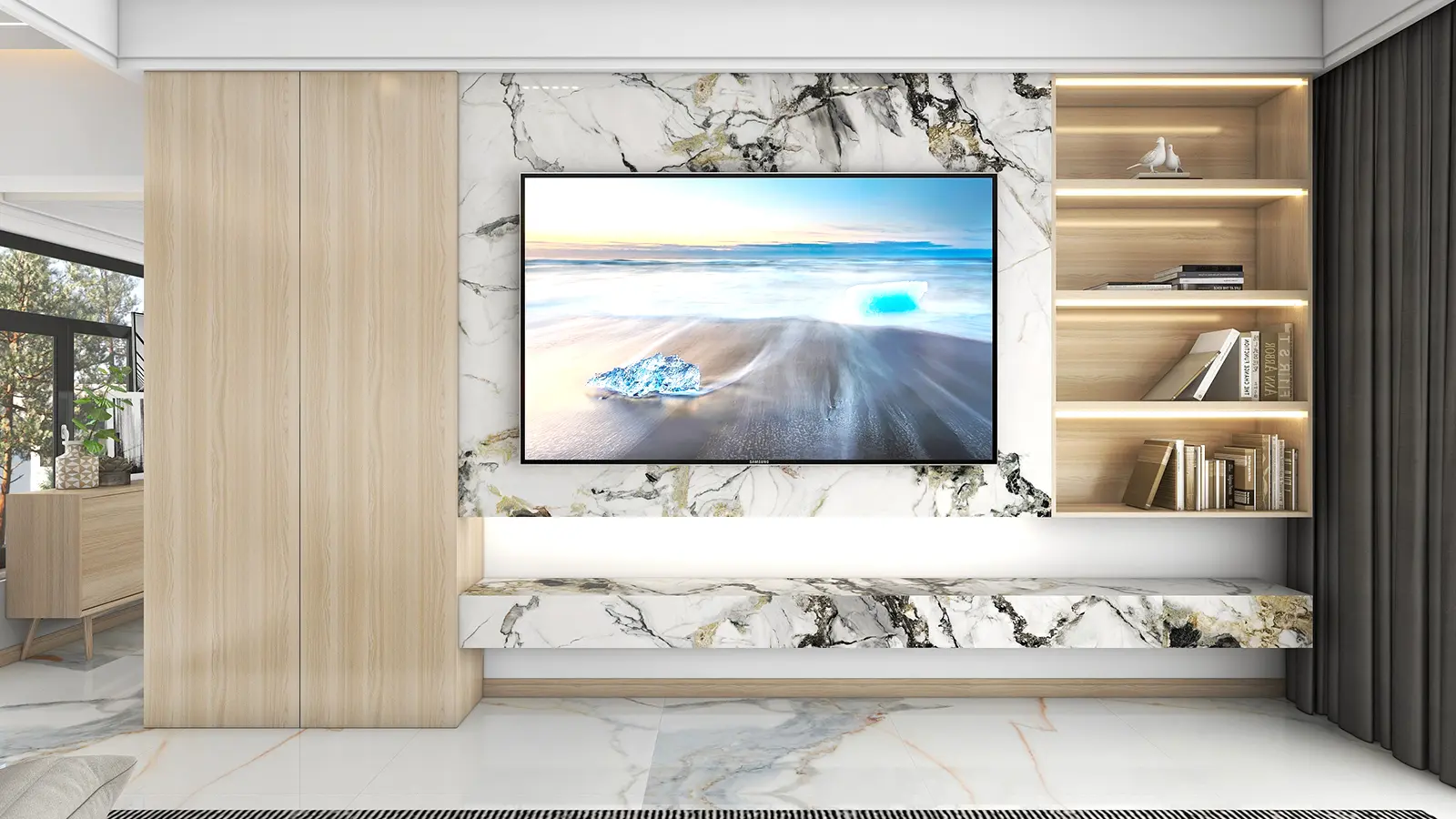
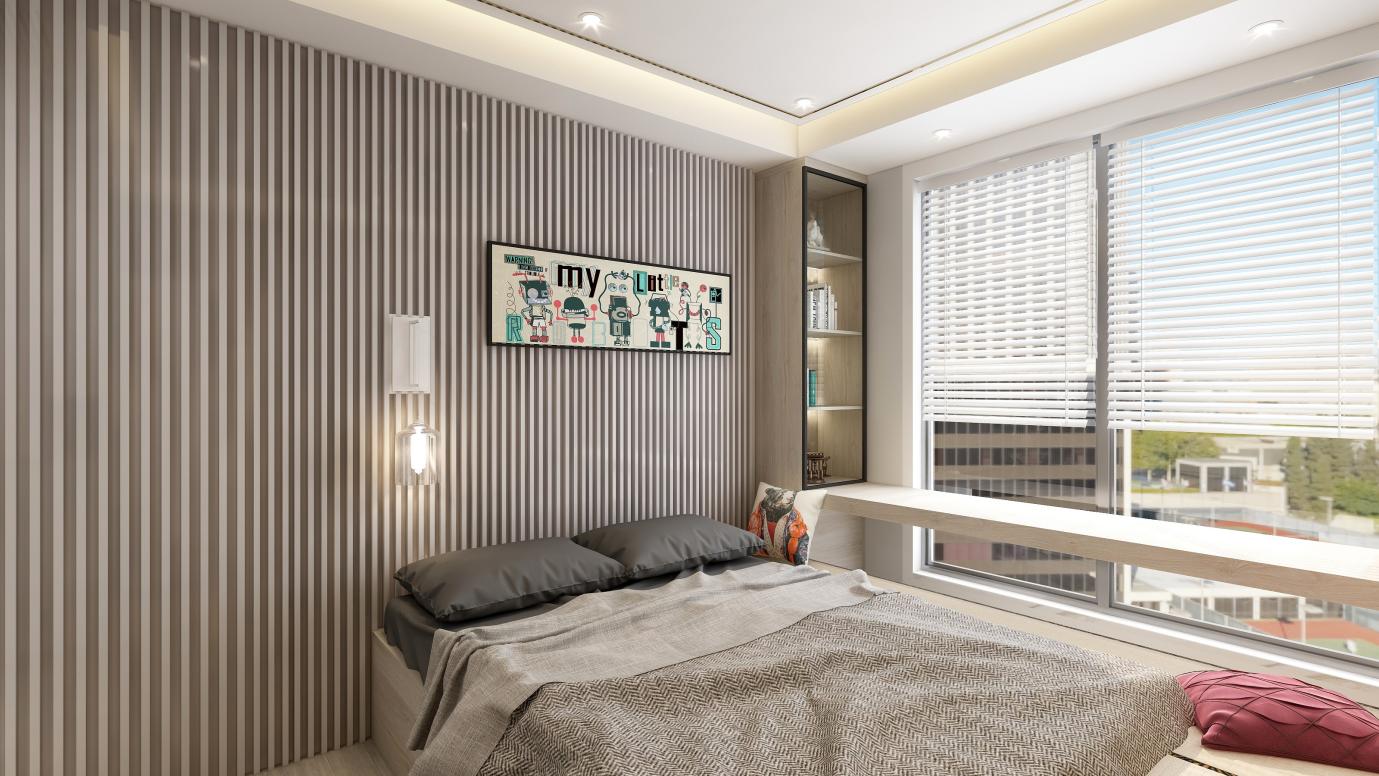
- Sleek lines and precision engineering (via CAD) create modern, trendy shapes that fit contemporary spaces. Panels also offer a natural look with authentic finishes, blending seamlessly with eco-friendly decor.
4. Gloss Finish Option
- High-gloss coatings enhance reflectivity, bouncing light to brighten rooms. The gloss finish remains intact thanks to UV protection, keeping panels looking polished and clean—unlike traditional gloss paints, which chip and dull over time.
How Do WPC Wall Panels Perform in Different Environments?
WPC panels are adaptable to diverse conditions, outperforming traditional materials in humidity, temperature, and exposure to elements:
1. Humidity Resistance
- Withstands up to 80% humidity (Humidity Resistance rating: 9/10) due to a special protective coating and high polyethylene density (PED). Prevents moisture penetration and swelling, making them ideal for bathrooms, kitchens, and basements—areas where traditional drywall or wood often deteriorates.
2. Thermal Stability
- Remains rigid at temperatures up to 120°C, with a low thermal expansion (TE) rate of 0.001 and thermal conductivity (K-factor) of 0.05 W/mK. Maintains structure in both hot and cold climates, ensuring year-round usability.
3. UV Protection
- Blocks 99% of harmful sunlight (high ASTM UV rating) and includes 20 years of UV protection. Perfect for outdoor spaces (e.g., patios, sunrooms) where traditional materials fade or crack under prolonged sun exposure.
4. Low Maintenance & Pest Resistance
- Cleaned easily with soap and water (no special cleaners needed) and requires only annual maintenance.
- Chemical treatments in the material repel pests (bugs, termites) with a high pest-resistance rating. RUIDE offers a 15-year warranty against pest damage—traditional wood often needs quarterly pest control.
5. Fire Retardancy
- Low flame spread index and material burn rate (MBR), with a UL safety rating that meets global fire codes. Slows fire spread, enhancing building safety compared to traditional materials like uncoated wood.
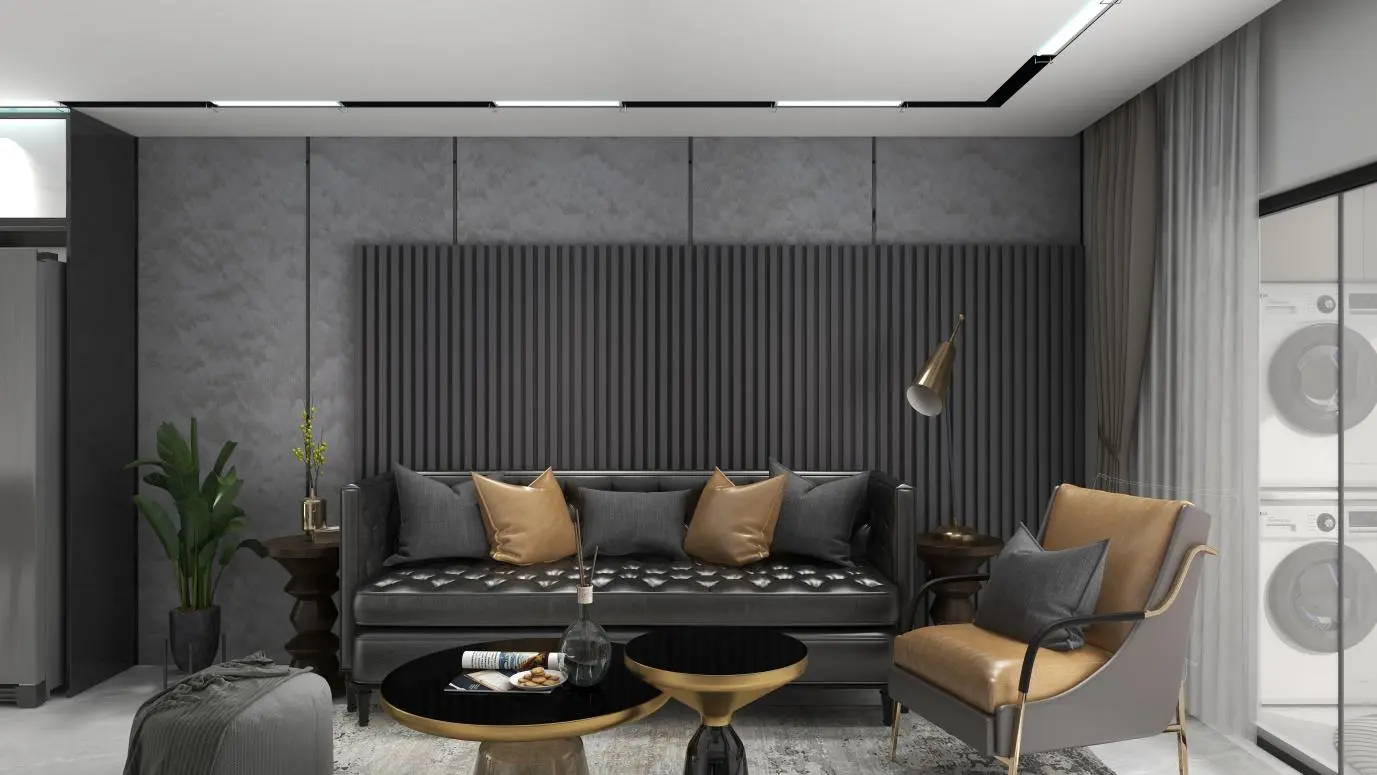
What Is the Installation Process for WPC Wall Panels vs. Traditional Materials?
WPC panels are designed for simplicity, making them accessible to both professionals and DIY enthusiasts. Their installation process offers clear advantages:
1. Easy Handling
- Each panel weighs just 7kg, making transport and maneuvering simple—even in constrained spaces. Requires fewer workers than traditional materials (e.g., tile, which is heavy and fragile).
2. Basic Tools Only
- No specialized equipment needed; a screwdriver, drill, and liquid measure are sufficient. Traditional materials (e.g., stone, drywall) often require power tools or professional cutting.
3. Quick Assembly
- Click-lock and interlocking systems enable panels to snap together quickly, reducing installation time. No drying time (unlike adhesives for traditional materials) and seamless joints for a polished look.
4. No Adhesives & Secure Clip System
- Uses stainless steel clips (instead of glue) to lock panels in place, preventing movement and ensuring durability. Clips create a neat finish and eliminate mess—traditional adhesives often leave residue and require time to set.
5. Seamless Fit
- Designed to fit without gaps, with hidden joints that enhance aesthetics. Panels line up perfectly, creating a professional look that’s hard to achieve with traditional materials (e.g., wood planks, which often have visible gaps).
How Do WPC Wall Panels Compare to Traditional Materials in Terms of Maintenance?
WPC panels reduce long-term upkeep significantly, saving time and money compared to traditional options:
1. Minimal Upkeep
- Lasts 20+ years without repainting, sanding, or sealing—traditional wood requires repainting every 2–3 years, and drywall needs patching for cracks.
2. Easy Cleaning
- Stains (e.g., juice, paint) wipe off with water and a cloth in 5 minutes. Smooth surfaces prevent dust buildup, unlike textured traditional materials (e.g., stucco) that trap dirt.
3. Stain, Mold, & Warp Resistance
- Non-porous surface repels stains; no mold growth (moisture can’t penetrate); and panels stay flat (no bending or twisting in weather). Traditional materials often warp in heat/cold or develop mold in humidity.
Are WPC Wall Panels Safe & Non-Toxic?
WPC panels prioritize safety, making them ideal for homes with children and pets:
1. Non-Toxic & Chemical-Free
- Contains 0% formaldehyde and complies with ASTM standards. Made with safe materials (45% wood fiber, calcium carbonate, PVC resin) and emits no hazardous fumes—traditional materials (e.g., pressed wood) often contain formaldehyde.
2. Indoor Safety
- UL 94 fire rating (fire-retardant) and anti-slip surface (0.5cm thin but rigid). No sharp edges, reducing household risks—traditional materials (e.g., tile) can be slippery or have sharp corners.
3. Child-Friendly & VOC-Free
- Free from BPA and phthalates, meeting CPSIA standards. Easy to clean (safe for kids to touch) and GREENGUARD-certified (no VOC emissions). Some variants use bamboo powder for a natural, odorless finish—traditional materials often have chemical smells.
How Do WPC Wall Panels Hold Up Against Moisture & Mold?
WPC panels are superior to traditional materials in wet conditions, as shown in the table below:
| Feature | Traditional Materials | |
| Waterproof | 100% Waterproof | Partially Waterproof |
| Mold Resistance | Highly Mold-Resistant | Low Mold Resistance |
| Mildew Resistance | Completely Mildew-Proof | Mildew-Prone |
| Moisture Barrier | Strong Moisture Barrier | Weak Moisture Barrier |
| Hygiene | Highly Hygienic (anti-bacterial) | Less Hygienic (traps bacteria) |
| Surface Dryness | Maintains Dry Surface | Often Wet Surface |
| Maintenance Needs | Low Maintenance | High Maintenance |
Conclusion
WPC wall panels are a durable, sustainable, and user-friendly alternative to traditional building materials. They offer superior weather resistance, aesthetic flexibility, easy installation, low maintenance, and eco-friendly benefits—all while ensuring safety and long-term cost savings. RUIDE provides high-quality WPC panels that meet global standards, making them an excellent choice for enhancing homes or commercial spaces. Learn more at RUIDE, and upgrade your space with WPC wall panels today.
