
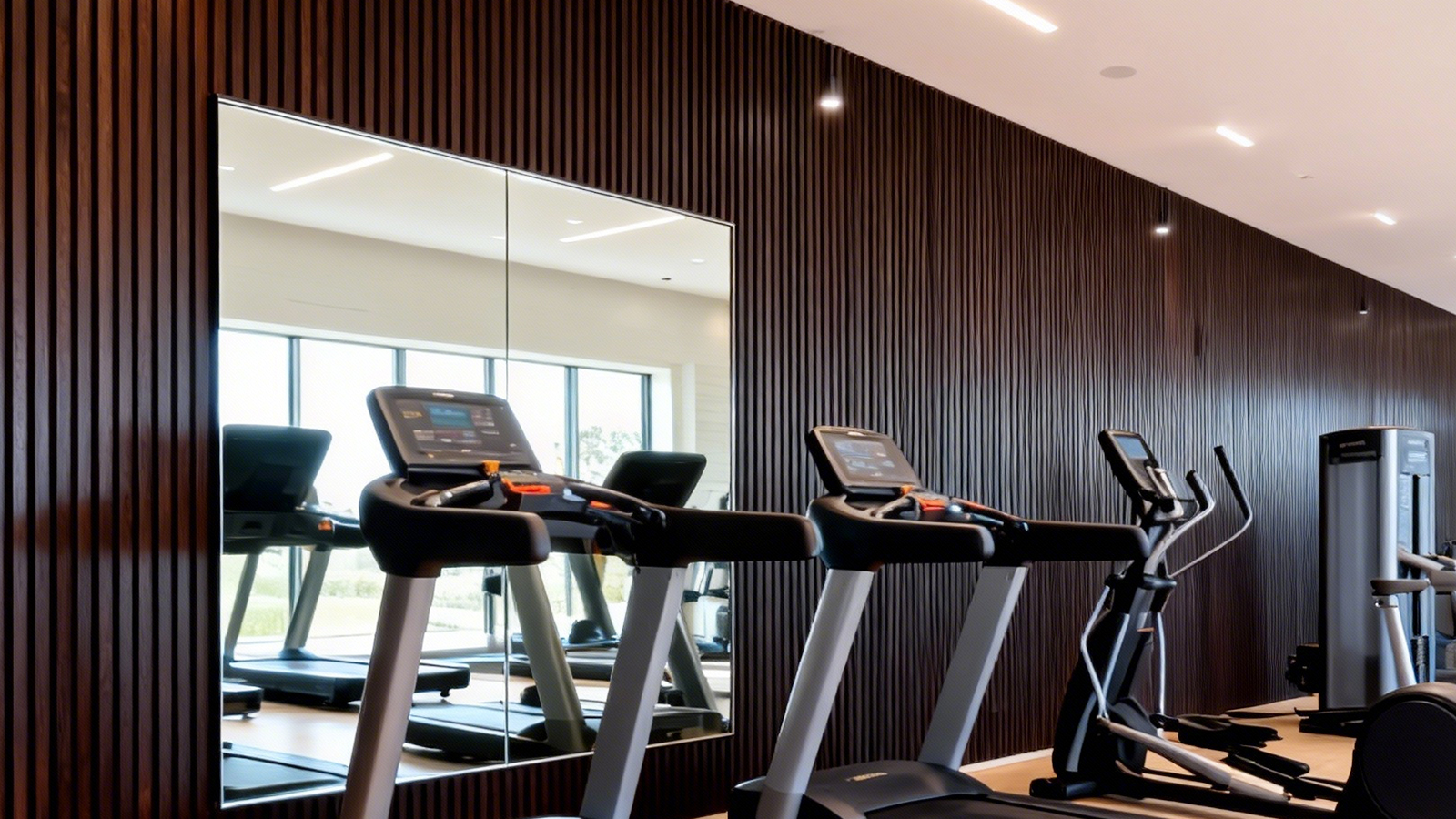
Why WPC Wall Panels Are Redefining Modern Wall Cladding Solutions
Table of Contents
- Understanding WPC Wall Panel Technology
- Structural Stability and Resistance to Deformation
- Strong Performance in Humid and Wet Environments
- Minimal Maintenance Requirements
- Environmentally Responsible Material Choice
- Aesthetic Flexibility for Diverse Design Styles
- Efficient Installation and Reduced Labor Costs
- Improved Safety and Fire Performance
- Long-Term Cost Efficiency
- Broad Range of Applications
- Final Thoughts: The Practical Advantage of WPC Wall Panels
As architecture and interior design continue to evolve, wall materials are no longer selected based solely on appearance. Durability, environmental impact, installation efficiency, and long-term value now play a critical role in material selection. In this context, WPC wall panels have emerged as a highly competitive alternative to traditional wall finishes.
Used widely in residential, commercial, and outdoor projects, WPC Wall Panels offer a balanced combination of visual appeal and structural performance. Their growing adoption across global markets reflects a clear shift toward smarter, more sustainable construction materials.
Understanding WPC Wall Panel Technology
WPC wall panels are produced using a carefully formulated blend of wood fibers and thermoplastic polymers. Through advanced extrusion and molding processes, these materials are fused into a stable composite that overcomes many weaknesses associated with natural wood or conventional plastic panels.
The resulting panels maintain a wood-like texture while benefiting from improved resistance to moisture, insects, and deformation. This engineered structure allows WPC wall panels to perform consistently in environments where traditional materials often fail.
Structural Stability and Resistance to Deformation
One of the most notable advantages of WPC wall panelis their dimensional stability. Solid wood tends to expand and contract in response to humidity and temperature changes, leading to warping or cracking over time. Wpc Panels are designed to minimize these issues.
The plastic component enhances rigidity and reduces internal stress, enabling the panels to maintain their shape even in challenging climates. This stability makes WPC wall panels particularly suitable for long wall spans, exterior applications, and areas with fluctuating environmental conditions.
Strong Performance in Humid and Wet Environments
Humidity poses a serious challenge for many wall materials. Mold growth, surface damage, and structural weakening are common problems in damp spaces. WPC wall panels offer an effective solution thanks to their low water absorption rate.
Unlike traditional wood panels or MDF boards, WPC panels do not easily absorb moisture. This makes them ideal for:
- Bathrooms and restrooms
- Kitchens and food preparation areas
- Coastal buildings
- Outdoor walls and semi-covered spaces
Their resistance to moisture significantly reduces the risk of decay and extends overall service life.
Minimal Maintenance Requirements
Maintenance costs are often overlooked during material selection, yet they significantly impact long-term budgets. WPC wall panels are designed to be low-maintenance, offering a clear advantage over painted walls or natural wood cladding.
The surface of WPC panels resists stains and does not require sealing, varnishing, or repainting. Regular cleaning can be done using simple household tools without specialized products. This makes WPC wall panels especially attractive for commercial environments where efficiency and cleanliness are priorities.
Environmentally Responsible Material Choice
Sustainability has become a core principle in modern construction. WPC wall panels align well with green building standards due to their resource-efficient production process. Many manufacturers incorporate recycled plastics and reclaimed wood fibers, reducing waste and dependence on virgin materials.
In addition, the long lifespan of WPC panels contributes to environmental protection by minimizing material replacement and construction waste. For projects aiming to reduce their carbon footprint, WPC wall panels offer a practical and responsible solution.
Aesthetic Flexibility for Diverse Design Styles
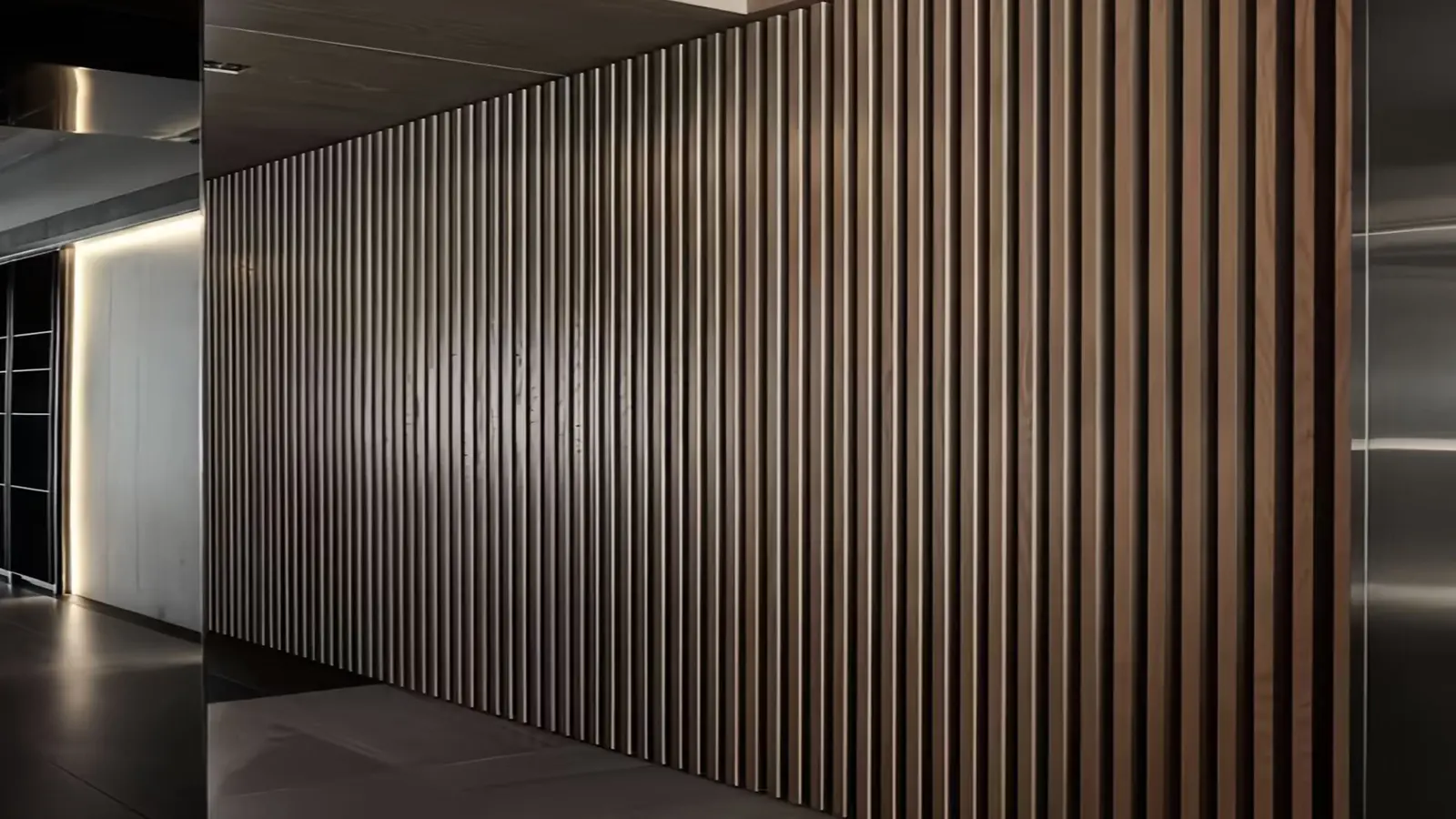
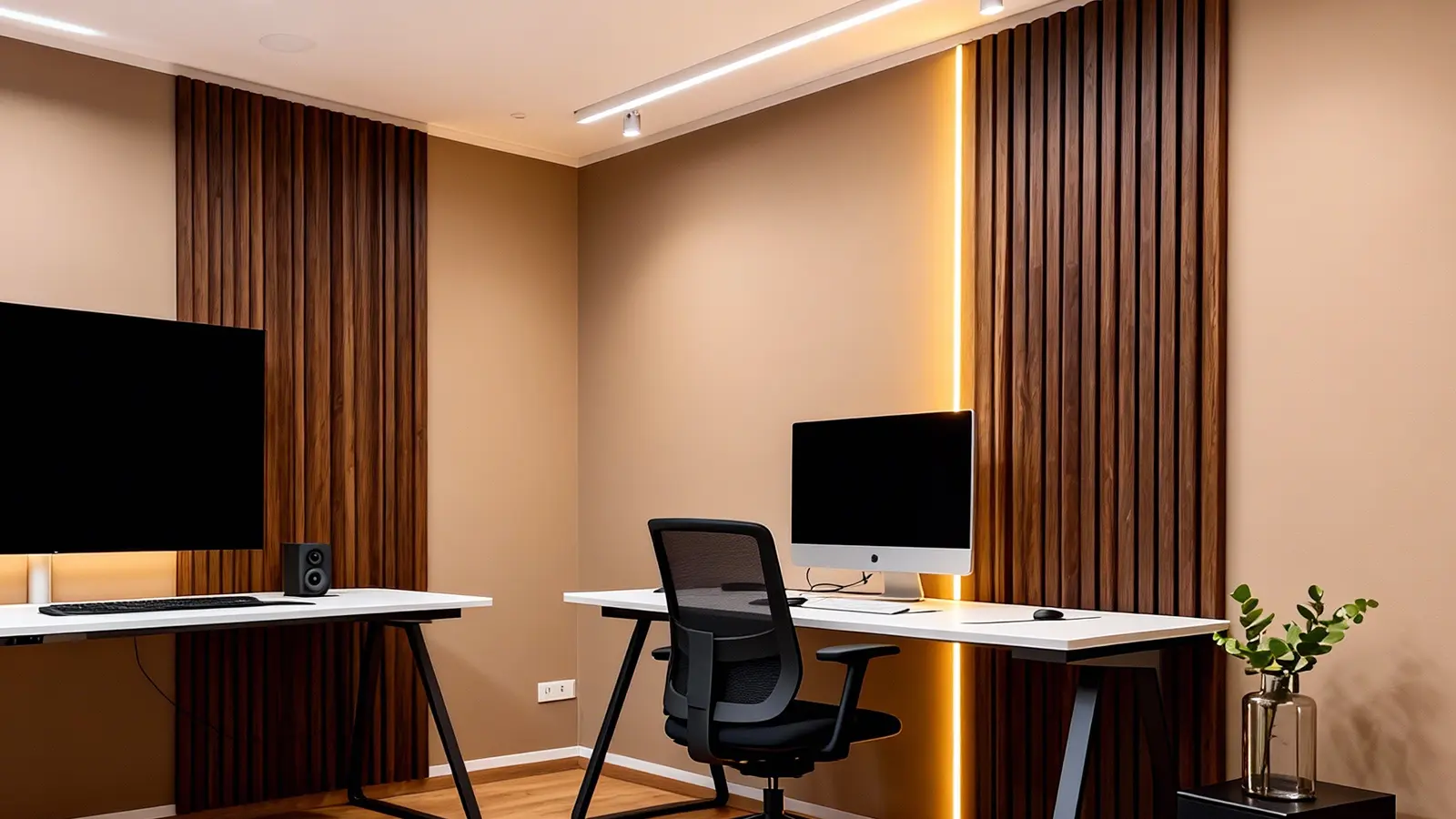
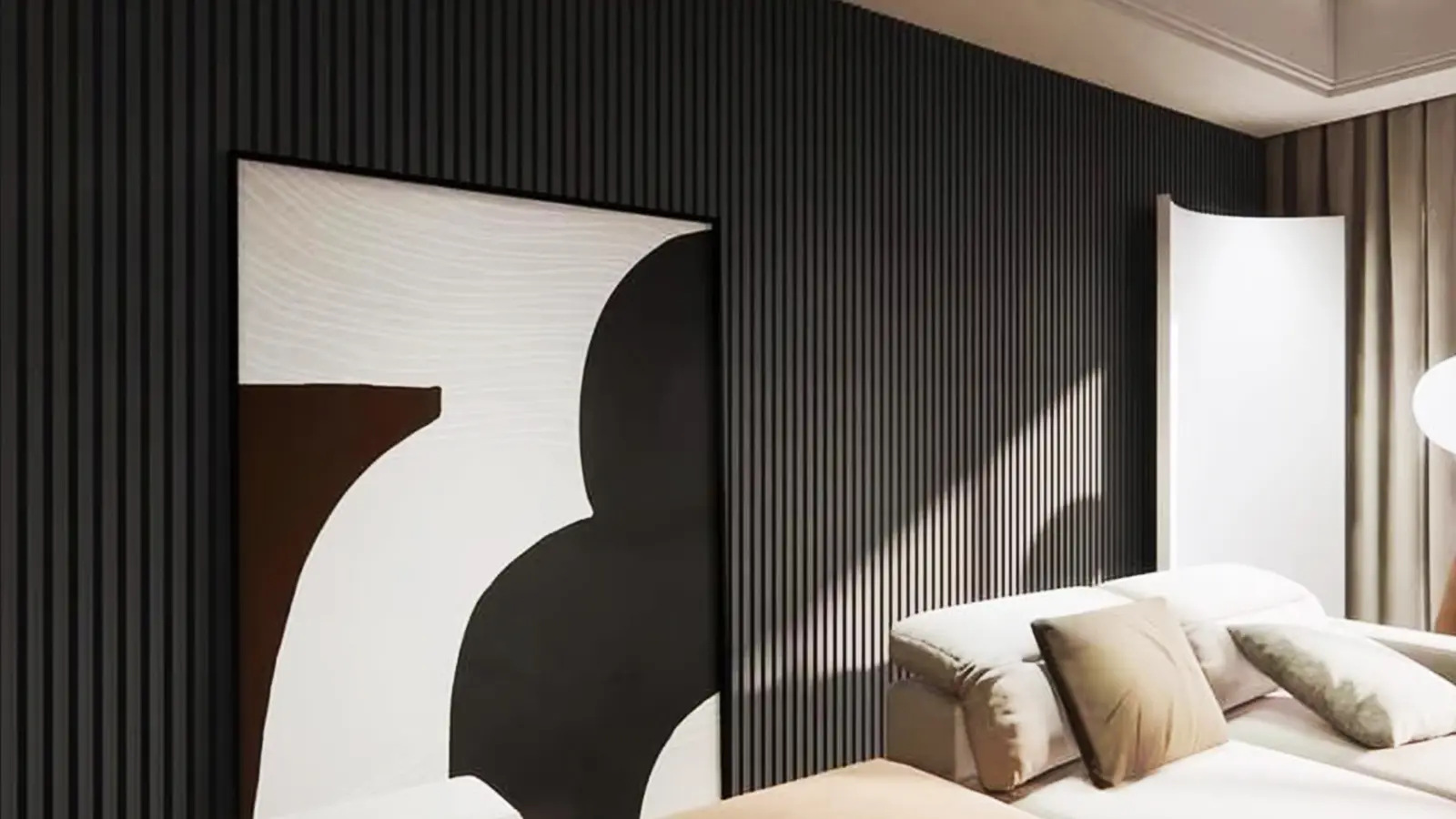
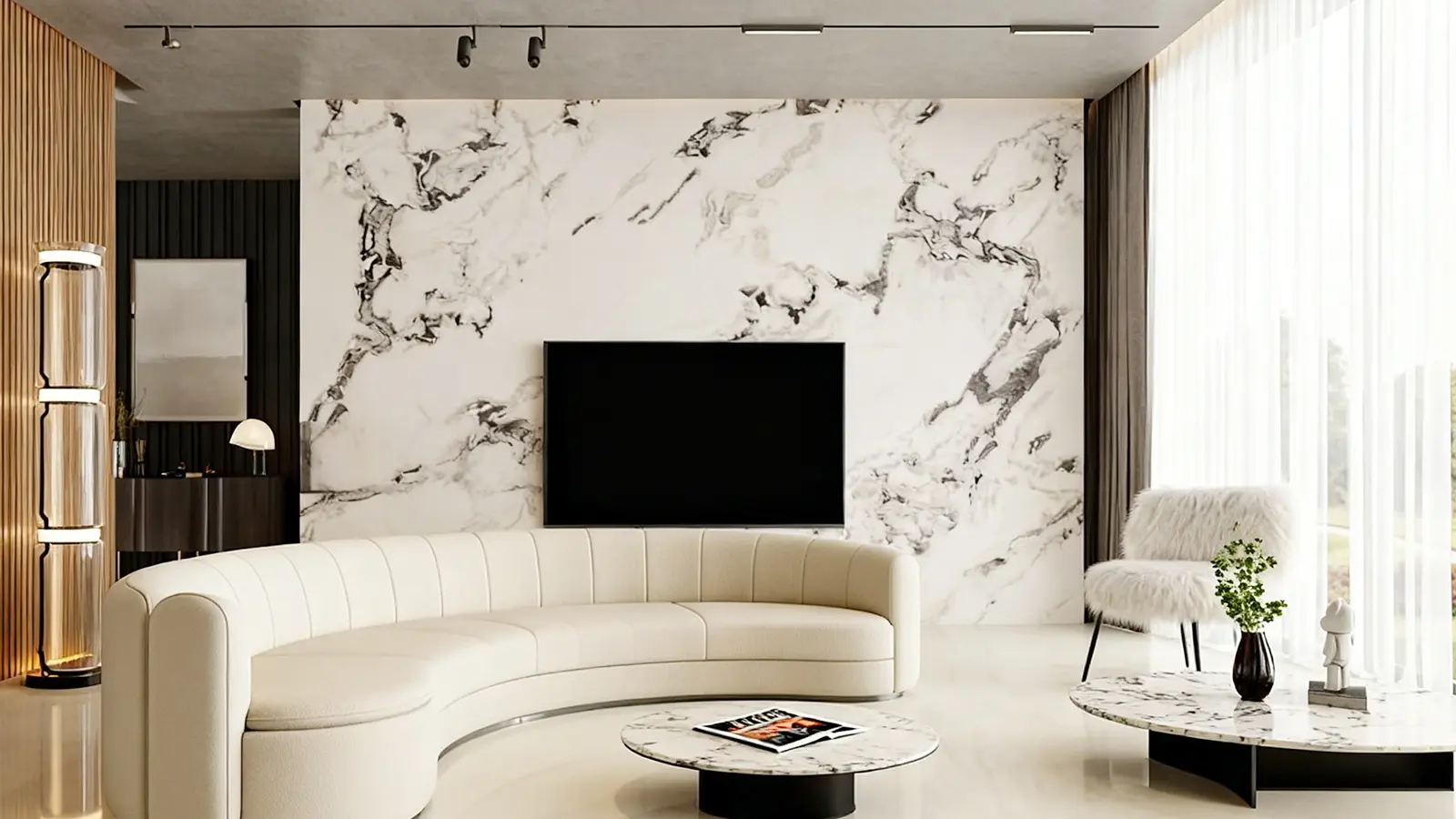
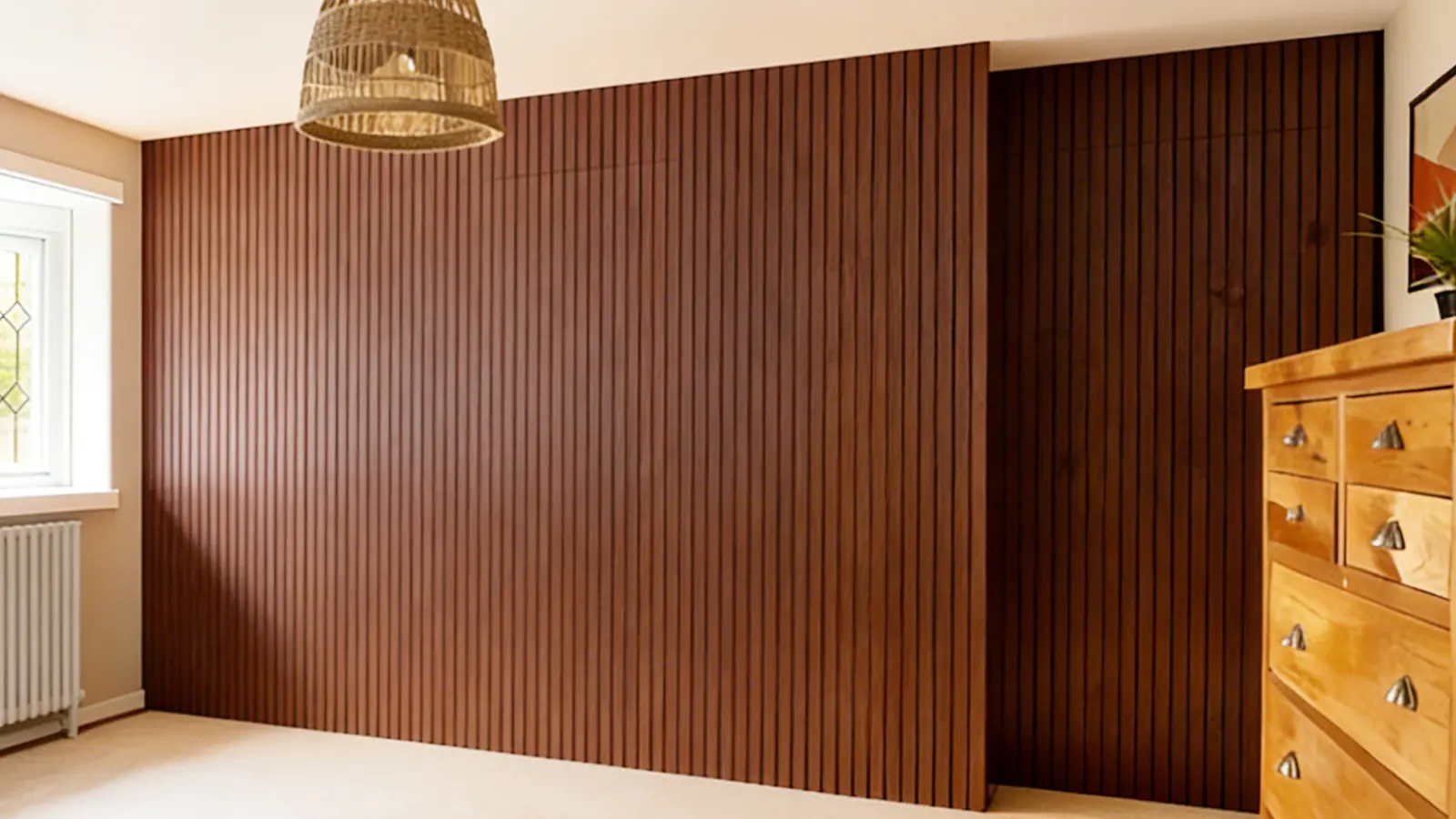
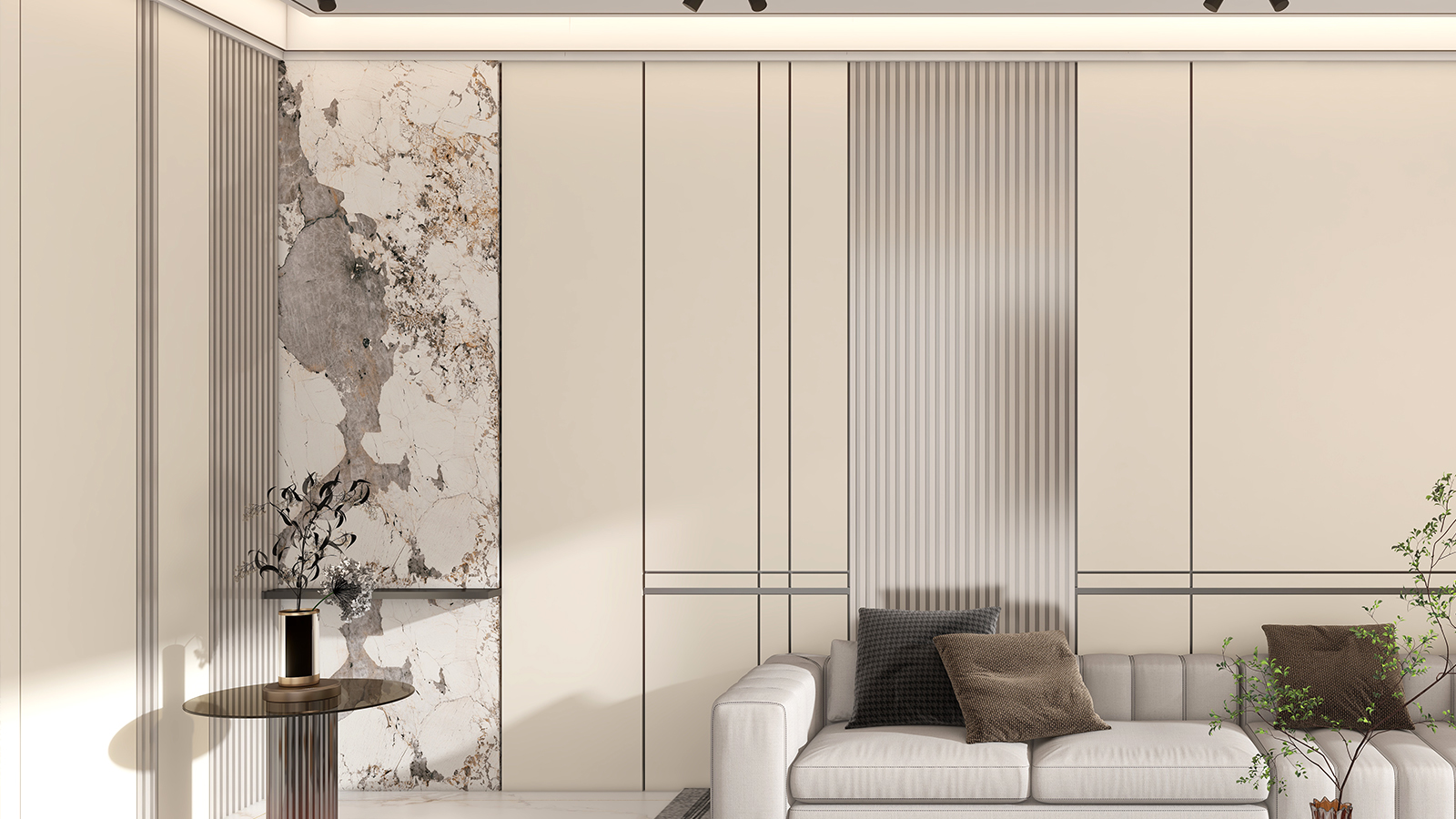
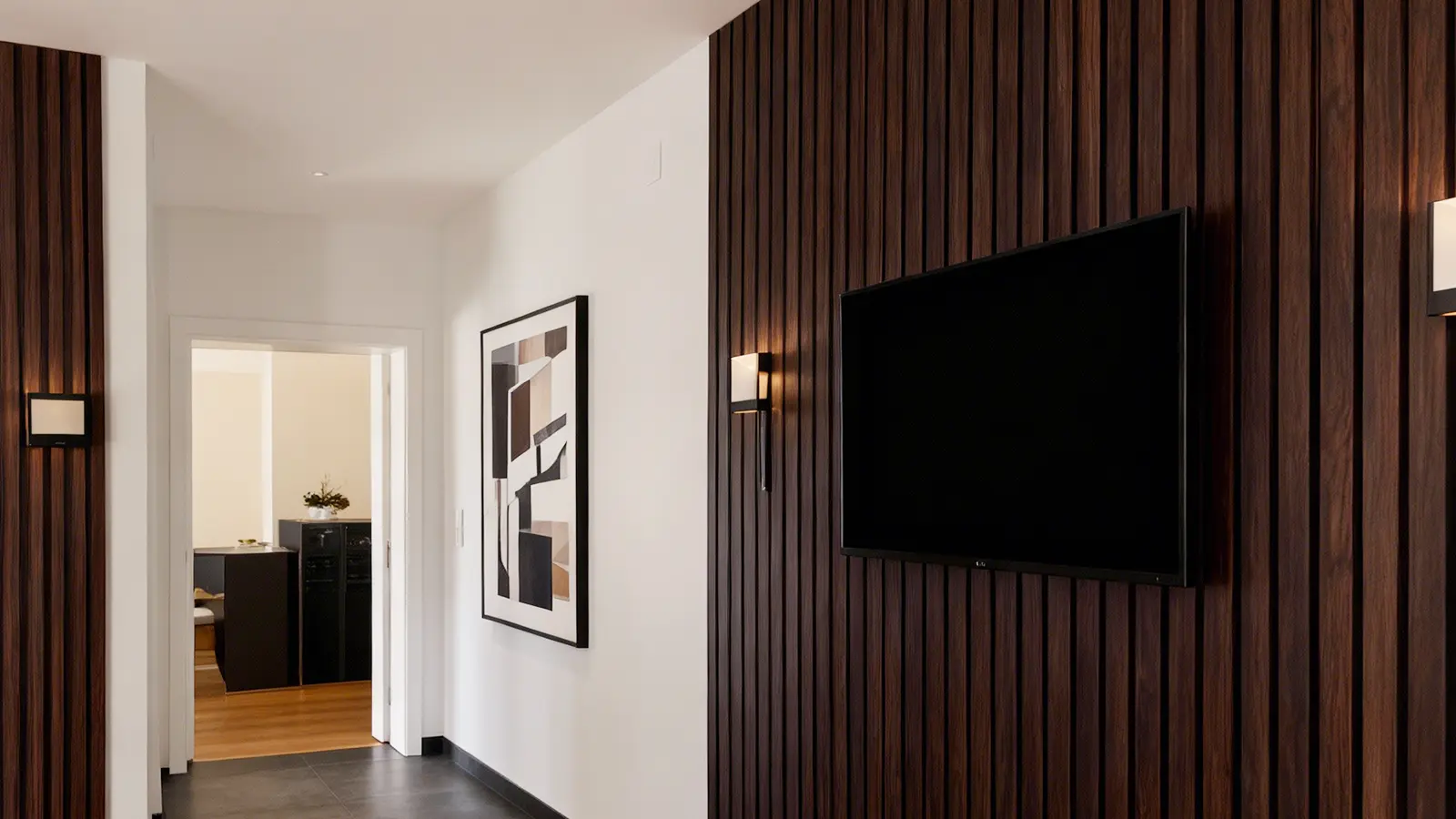
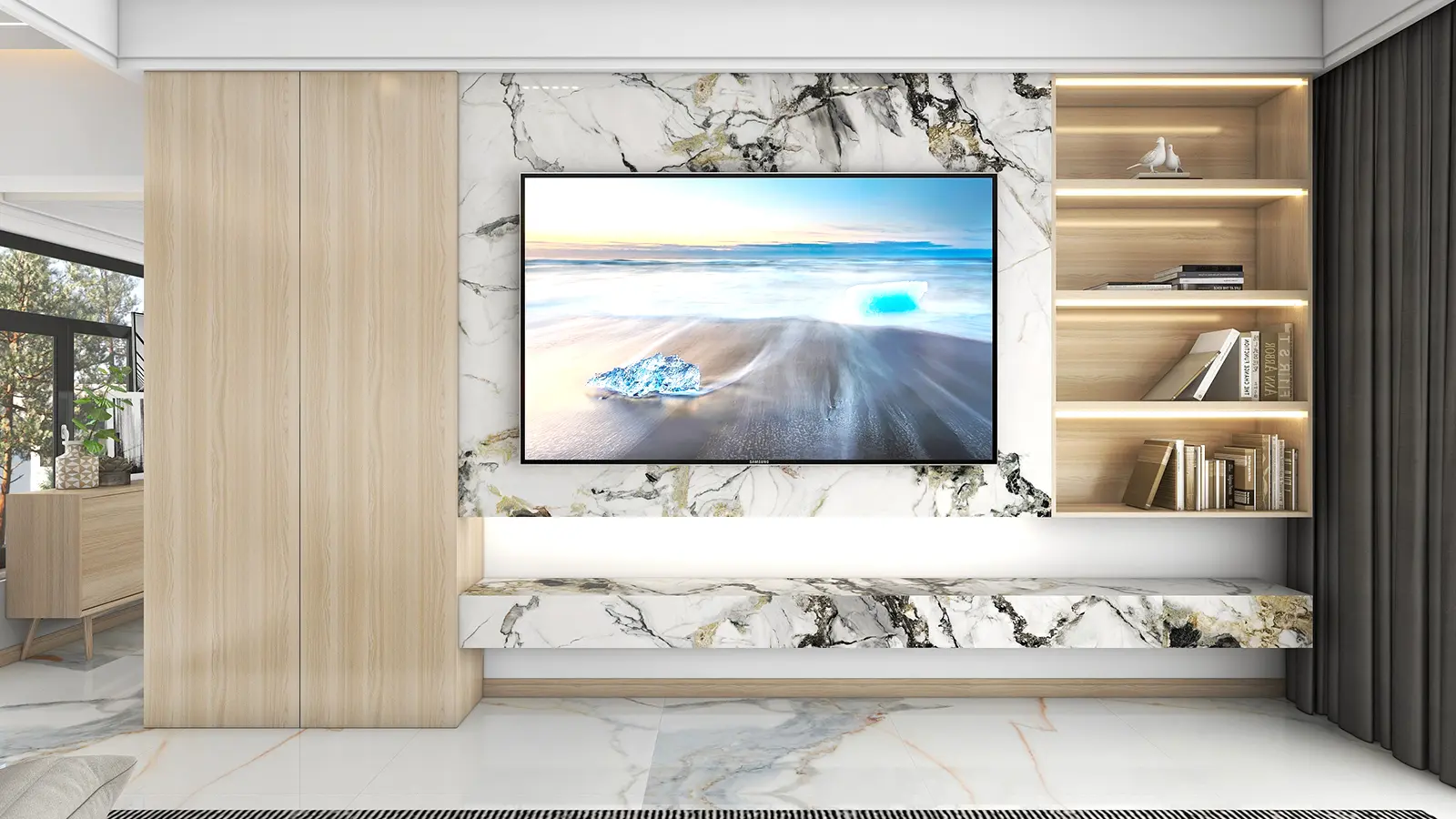
From classic interiors to contemporary architecture, WPC wall panels offer exceptional design versatility. They are available in a wide range of colors, textures, and surface treatments that mimic natural wood grain, stone finishes, or modern linear patterns.
Designers can use WPC panels to create:
- Feature walls that add depth and character
- Clean, uniform surfaces for minimalist interiors
- Decorative exterior facades
- Accent elements in commercial branding spaces
This flexibility allows WPC wall panels to adapt to various aesthetic preferences without compromising performance.
Efficient Installation and Reduced Labor Costs
Construction efficiency is another area where WPC wall panels excel. Most panels are designed with user-friendly installation systems, enabling faster assembly compared to traditional wall materials.
Panels can often be installed on metal or wooden frameworks, and in some cases directly over existing surfaces. This reduces preparation time, labor costs, and overall project duration. For renovation projects or tight schedules, WPC wall panels provide a clear operational advantage.
Improved Safety and Fire Performance
Safety considerations are increasingly important in building design. Many WPC wall panels are produced with fire-retardant formulations that enhance resistance to flame spread. While fire ratings vary by product specification, WPC panels generally perform better than untreated wood materials.
This added safety feature makes them suitable for commercial spaces, public buildings, and high-occupancy areas where compliance with building standards is essential.
While initial material costs are always a factor, long-term value often tells a different story. WPC wall panels offer cost efficiency over time due to their durability, low maintenance needs, and resistance to environmental damage.
When compared to materials that require frequent repainting, repairs, or replacement, WPC panels reduce ongoing expenses and deliver reliable performance throughout their lifecycle. This makes them a sound investment for both residential homeowners and commercial developers.
Thanks to their adaptability, WPC wall panels are used across a wide spectrum of projects, including:
- Residential houses and apartments
- Office buildings and corporate spaces
- Hotels, cafes, and restaurants
- Retail stores and exhibition halls
- Educational and public facilities
Their ability to perform well indoors and outdoors gives architects and builders greater freedom in material planning.
Final Thoughts: The Practical Advantage of WPC Wall Panels
WPC wall panels represent a modern response to the limitations of traditional wall materials. By combining visual appeal with structural reliability, they meet the evolving demands of today’s construction and design industries.
Their resistance to moisture, environmental sustainability, ease of installation, and long-term durability make them a forward-looking solution for modern spaces. As global markets continue to prioritize efficiency and responsible building practices, WPC wall panels are set to remain a key material choice for years to come.