
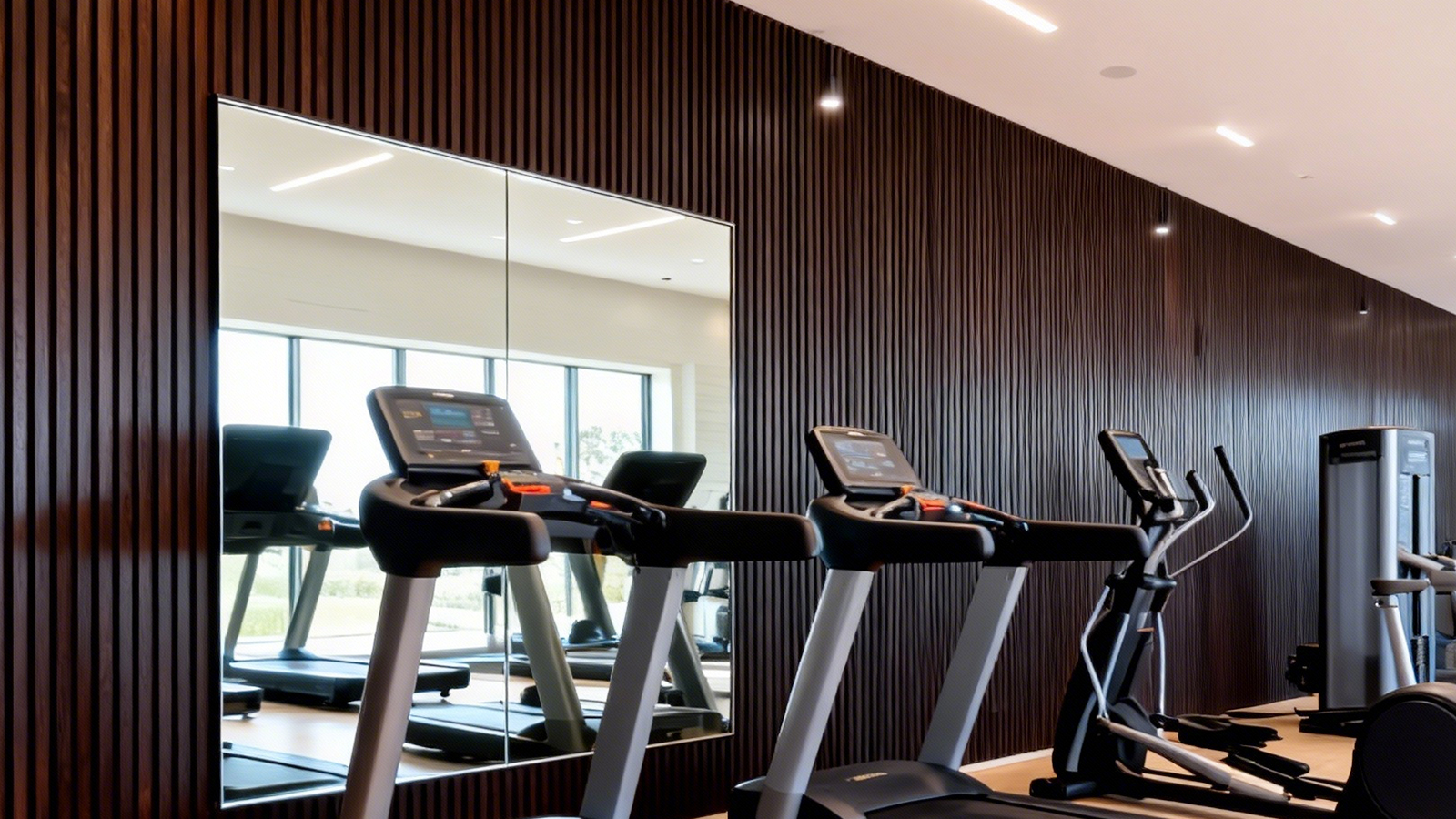
Why RUIDE’s WPC Wall Panels Are Built to Last
Why RUIDE’s WPC Wall Panels Are Built to Last
Table of Contents
Maintenance Best Practices for Longer Life
Comparison with Other Wall Materials
Where RUIDE’s WPC Panels Shines Most
Frequently Asked Questions (FAQ)
1. Introduction
In modern building and interior decor, one material gaining serious attention is WPC (Wood Plastic Composite). Thanks to its hybrid nature, combining wood fibers with plastics like PE, PP or PVC, WPC offers a blend of natural beauty and superior durability. RUIDE’s WPC wall panels, in particular, are engineered to endure—and look good doing it. Below, we explore how long these panels last, why they perform so well, and what you can do to stretch their service life even further.
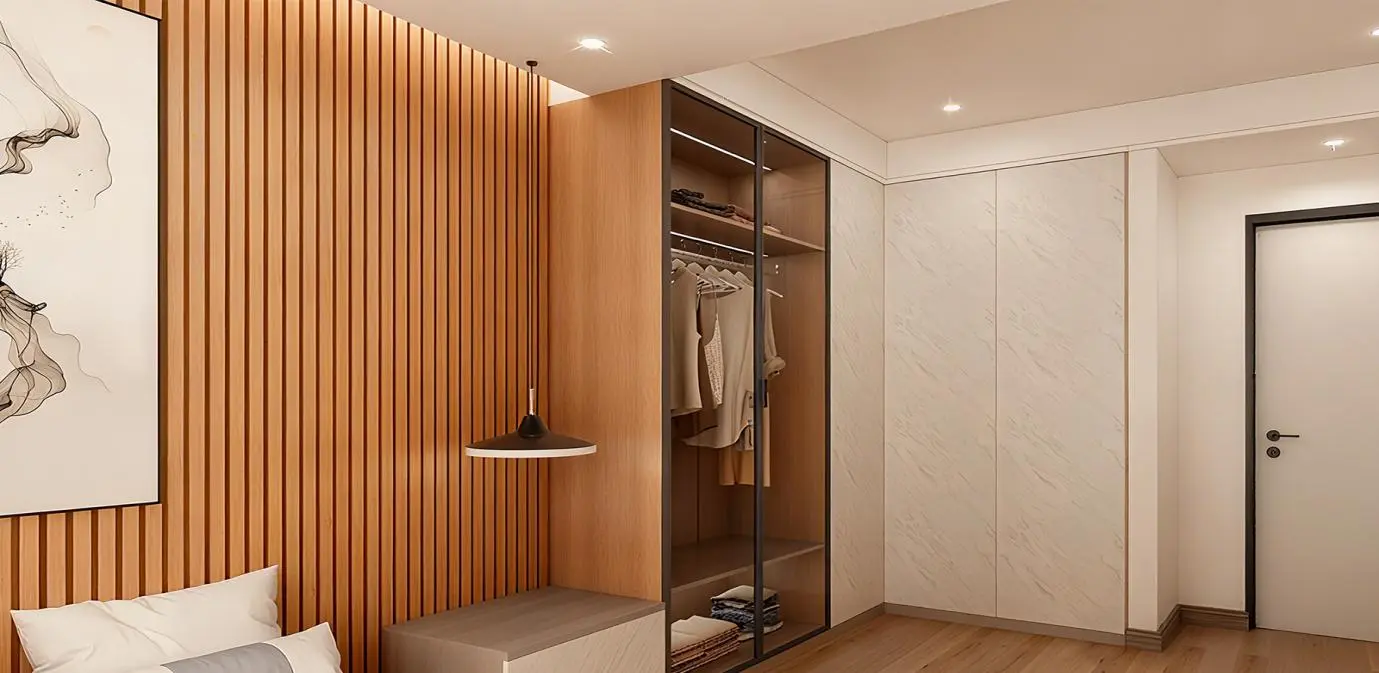
2. What Are WPC Wall Panels?
Composition:
Wood fibers (or sometimes bamboo or sawdust), thermoplastics (such as PVC, HDPE, or PP), and often a set of stabilizers/additives (for UV resistance, moisture protection, color retention).
Purpose:
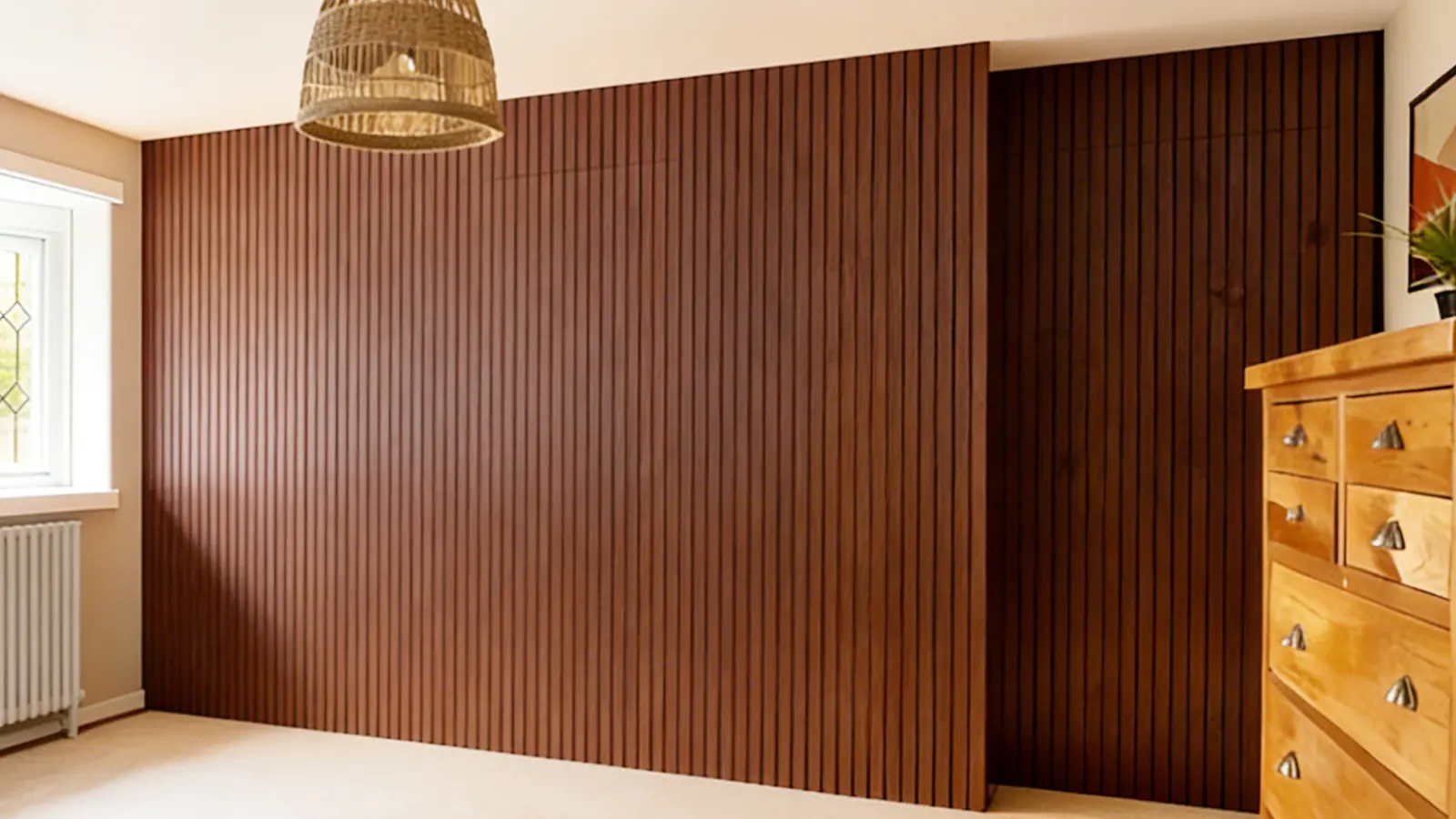
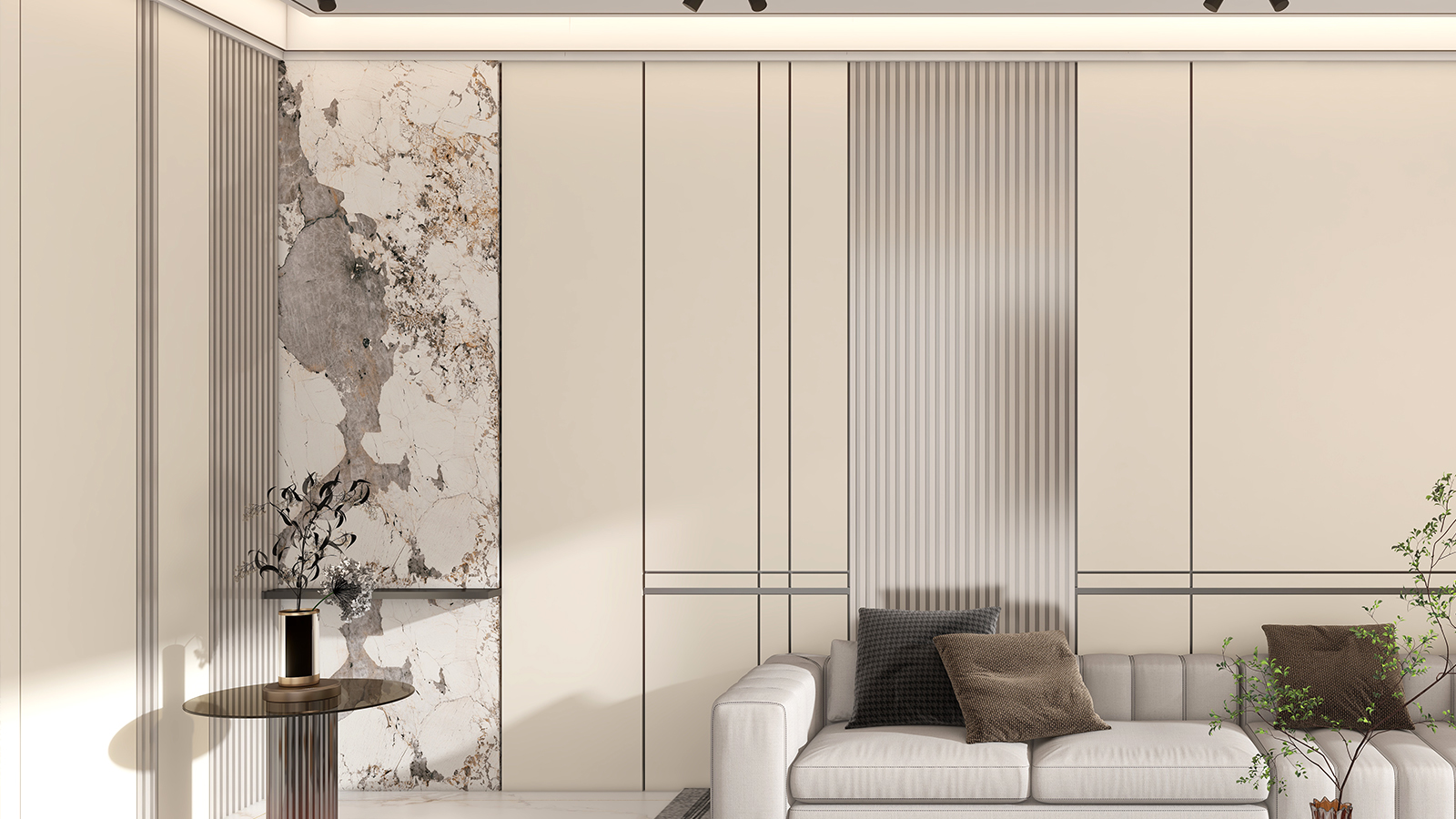
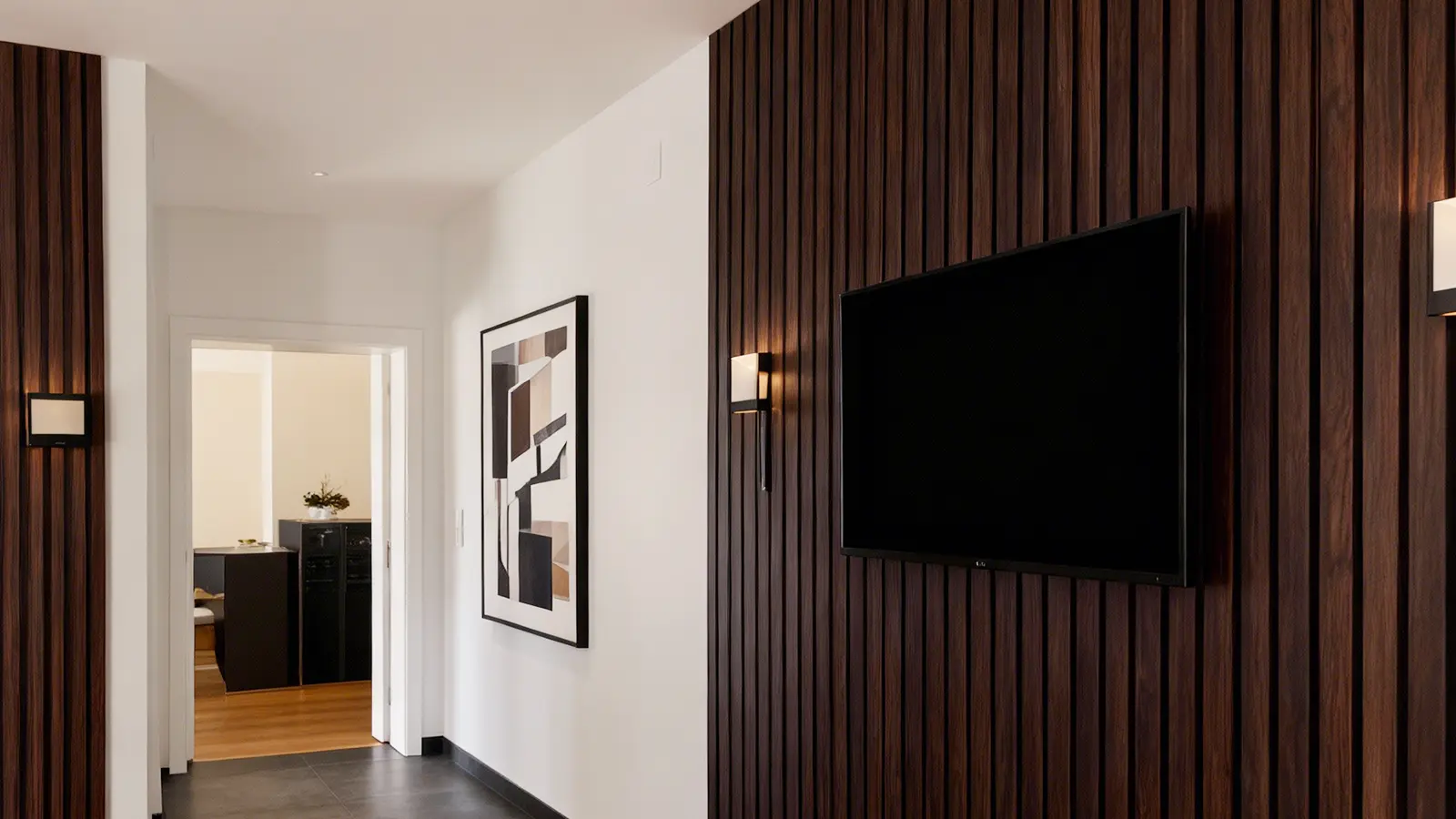
Used for both Interior Wall Cladding and exterior facades, in bathrooms, kitchens, commercial spaces, and more. Provides a wood-look without many of the drawbacks of traditional wood.
3. Typical Lifespan
- Indoor Use: When installed indoors—away from direct sun, major moisture, or drastic temperature swings—RUIDE WPC panels often last 25-30 years or more.
- Outdoor / Harsh Environments: For external applications, lifespan tends to be 15-25 years, depending heavily on installation quality, exposure, climate, and maintenance.
Thus, under favorable conditions and with proper care, RUIDE’s panels can often approach or exceed the higher end of these ranges.
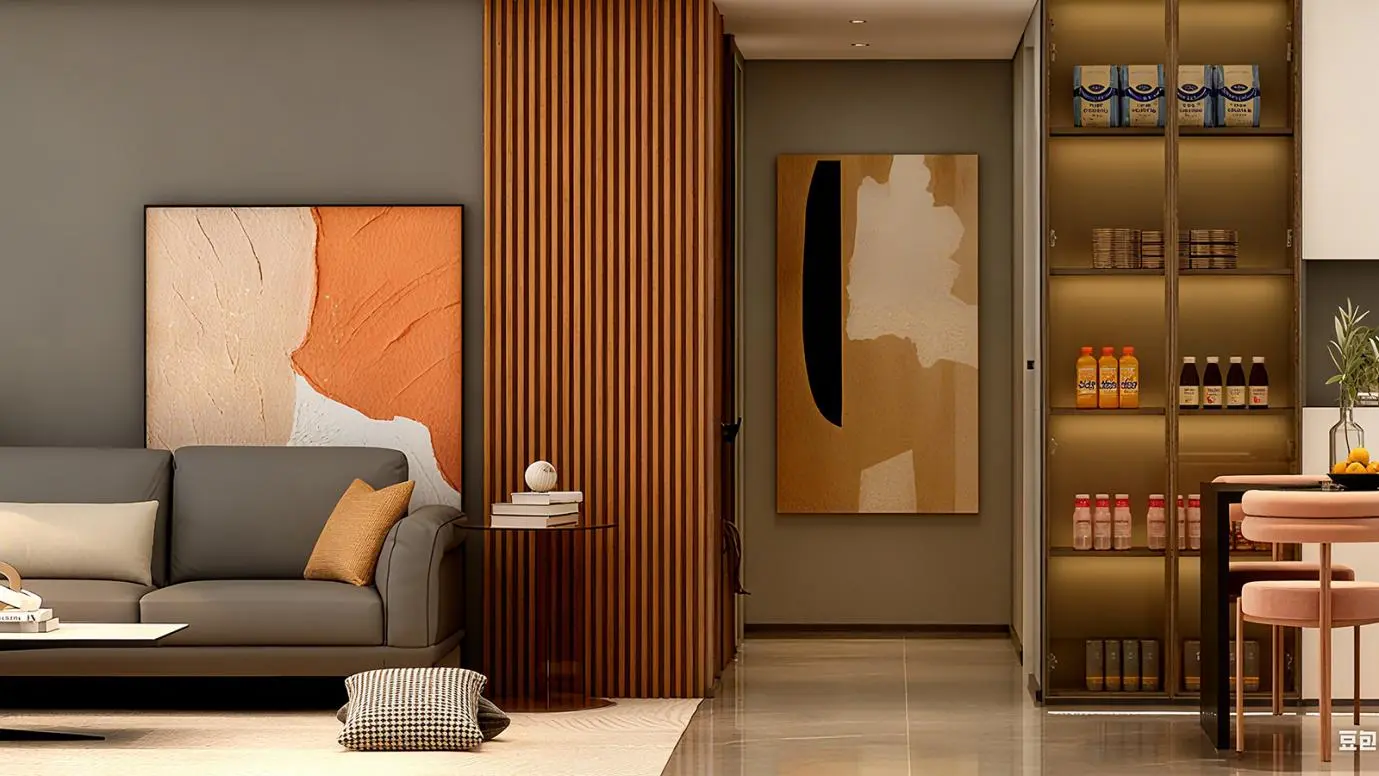
4. What Makes Them Durable
Here are the features that give RUIDE’s WPC wall panels their staying power:
Low Water Absorption
Wpc Panels resist warping, rot, and swelling because they absorb very little moisture. Moisture-resistant additives and thoughtful material composition help here.
UV Resistance
UV-stabilizers or coatings are included so that panels resist fading, discoloration, or degradation under sun exposure. For outdoors, especially, this is crucial.
Resistance to Pests and Molds
Because the material is composite and often includes agents that resist mold and mildew, plus it’s less palatable to insects (termites, etc.), there’s far less risk of damage from biological sources.
Mechanical Strength & Impact Resistance
Panels with proper density, good surface hardness, and well-manufactured core hold up well in high traffic, or in places where bumps or impacts are likely.
Environmental Resistance
They handle temperature changes, humidity, mildew, even some chemical exposure better than traditional wood or plain PVC panels.
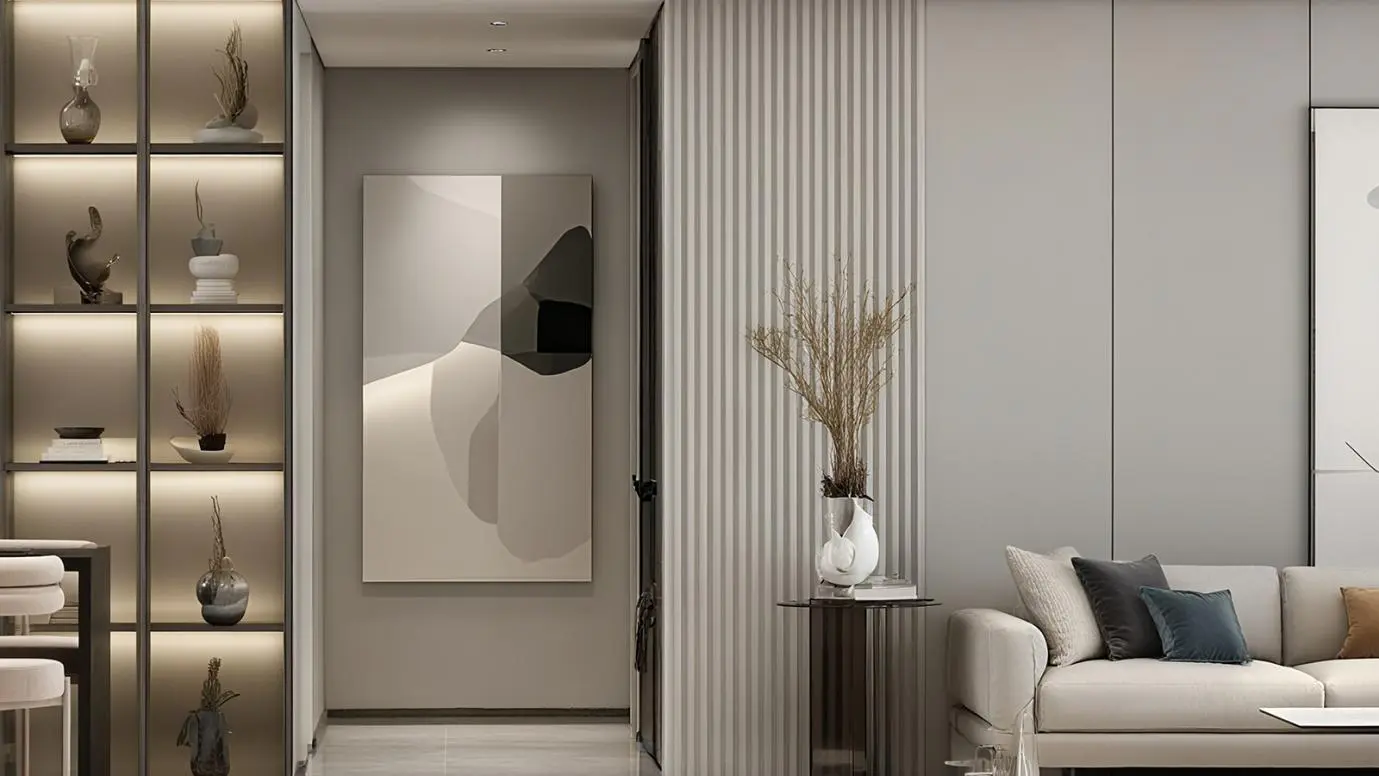
5. What Can Shorten Their Life
Even good WPC panels like RUIDE’s can degrade prematurely if certain factors aren’t managed:
- Poor quality materials: impure plastics, low quality wood fiber, or missing additives make panels more vulnerable.
- Inadequate UV protection: weak or missing UV inhibitors lead to faster fading, chalking, and surface breakdown.
- Improper installation: insufficient ventilation, lack of expansion gaps, or poor edge sealing can allow moisture ingress, warping, or separation at joints.
- Harsh exposure: constant direct sunlight, salt air (coastal locations), extreme heat/cold cycles increase stress on materials.
- Physical damage / chemical exposure: scratches, contact with strong acids or alkalis, abrasive cleaning agents—these can degrade the surface layer, letting damage penetrate deeper.
6. Maintenance Best Practices for Longer Life
To maximize the lifespan of RUIDE WPC wall panels, follow these guidelines:
| Action | Why It Helps |
| Clean regularly with mild soap & soft cloth / non-abrasive brush | Prevents buildup of dirt, mildew; avoids scratching or damaging surfaces. |
| Avoid harsh chemicals and abrasive tools | Surface damage is often where degradation begins. |
| Use sealants on edges, proper joints & fasteners | Prevents water from getting in at vulnerable points. |
| Leave expansion gaps where panels meet | Allows for thermal expansion/contraction without buckling. |
| Inspect periodically | Catch small issues early: loose panels, small cracks, fading etc. |
| Choose outdoor-grade panels & coatings if used externally | These have better UV, moisture, and environmental resistance. |
7. RUIDE’s Promise & Warranty
- RUIDE uses high grade composites, UV stabilizers, and protective outer layers to improve performance outdoors.
- Often offers warranties (varies by region) that reflect confidence in durability. (Check specifics with your RUIDE distributor.)
- Emphasizes quality control in the manufacturing process: density, finish, moisture resistance, and precision in dimensions.
8. Comparison with Other Wall Materials
| Material | Typical Lifespan | Key Vulnerabilities |
| Natural wood panels | ~10-15 years (indoors); outdoors often less | Rot, termites, maintenance needed (painting/staining) |
| Gypsum / drywall | ~7-12 years in high-traffic or moist areas | Water damage, mold, cracking |
| PVC wall panels | ~10-20 years depending on UV exposure | Fading, less strength under impact, may warp with heat |
| WPC panels (RUIDE) | ~15-30+ years depending on environment and care | Same as above if poorly made or badly installed |
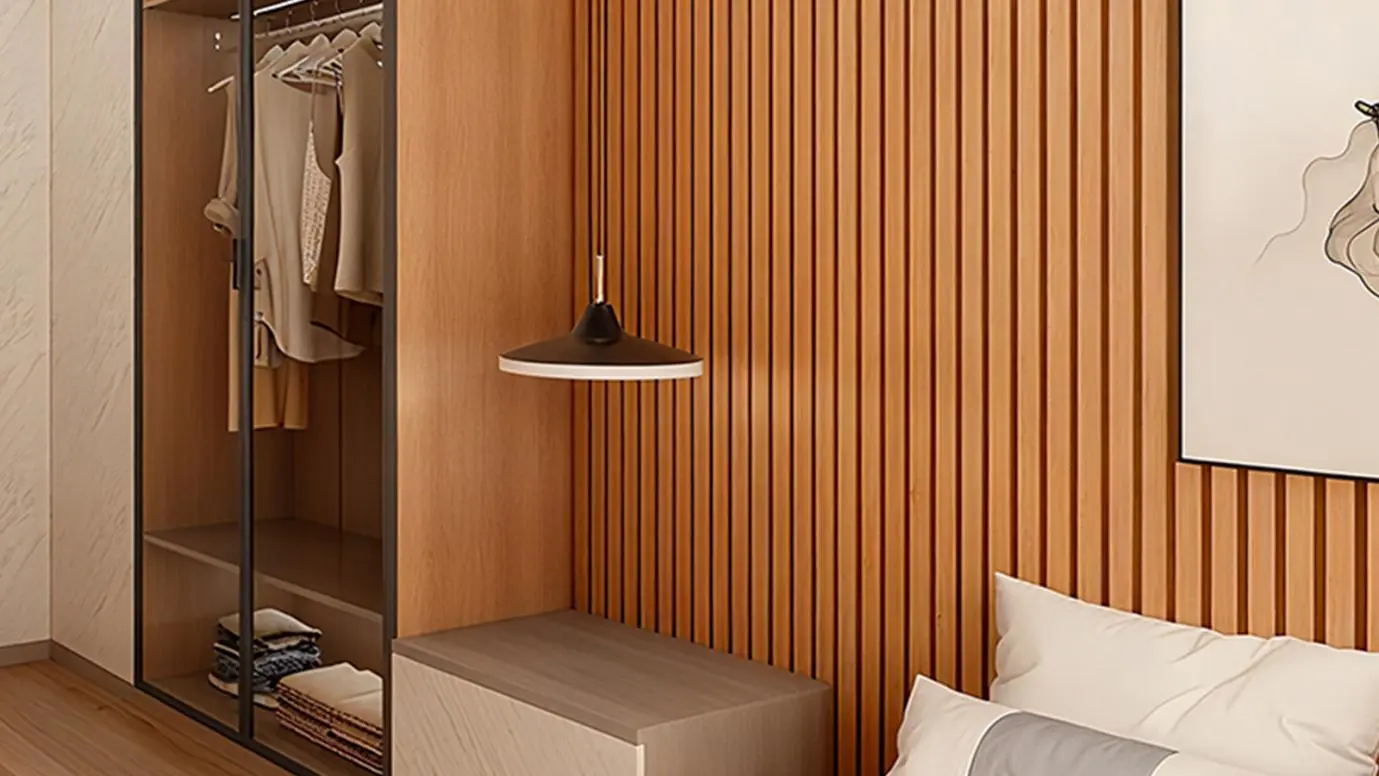
9. Where RUIDE’s WPC Panels Shines Most
- Bathrooms and kitchens: built-in moisture resistance, no rotting.
- Outdoor façades or patios: with proper UV protection and installation.
- Commercial interiors and high-traffic zones: impact and scratch resistant.
- Humid or coastal climates: especially when using panels formulated for moisture and salt air.
10. Verdict
Yes—RUIDE’s WPC wall panels are long-lasting. If selected properly, installed correctly, and maintained moderately, they reliably deliver 20 to 30 years of service, often more. For many situations, they represent a significantly better lifetime value than wood, drywall, or less robust plastic paneling.
11. Frequently Asked Questions (FAQ)
Q: Will they fade over time?
A: Some fading can occur, especially outdoors. But panels with good UV stabilizers or treated surfaces resist fading far longer. Proper maintenance helps too.
Q: Can I use them in wet/maritime environments?
A: Yes, but choose panels designed for those conditions and ensure good sealing and ventilation. Co-extruded or thick protective surface layers help.
Q: Do panels need repainting or sealing?
A: No regular repainting needed. Sealing is mostly needed at edges and joints to prevent water penetration or damage.
Q: Are they environmentally friendly?
A: Compared to traditional wood (which may require frequent replacement) and chemical treatments, WPC tends to generate less waste and maintenance. But environmental impact depends on plastic type, recycling, and sourcing.
Q: Price vs payoff?
A: Higher upfront cost compared to plain wood or drywall is often offset by longer life, lower maintenance, and fewer replacements.
12. Conclusion
If you're considering a wall panel material that combines wood-look aesthetics with toughness, less upkeep, and a long service life, RUIDE’s WPC wall panels are an excellent pick. Their composite design gives them strength, resistance (moisture, UV, pests), and durability. And with reasonable care and professional installation, you’re likely to get decades of use from them—making them a smart investment for homes, commercial spaces, or outdoor applications.
