
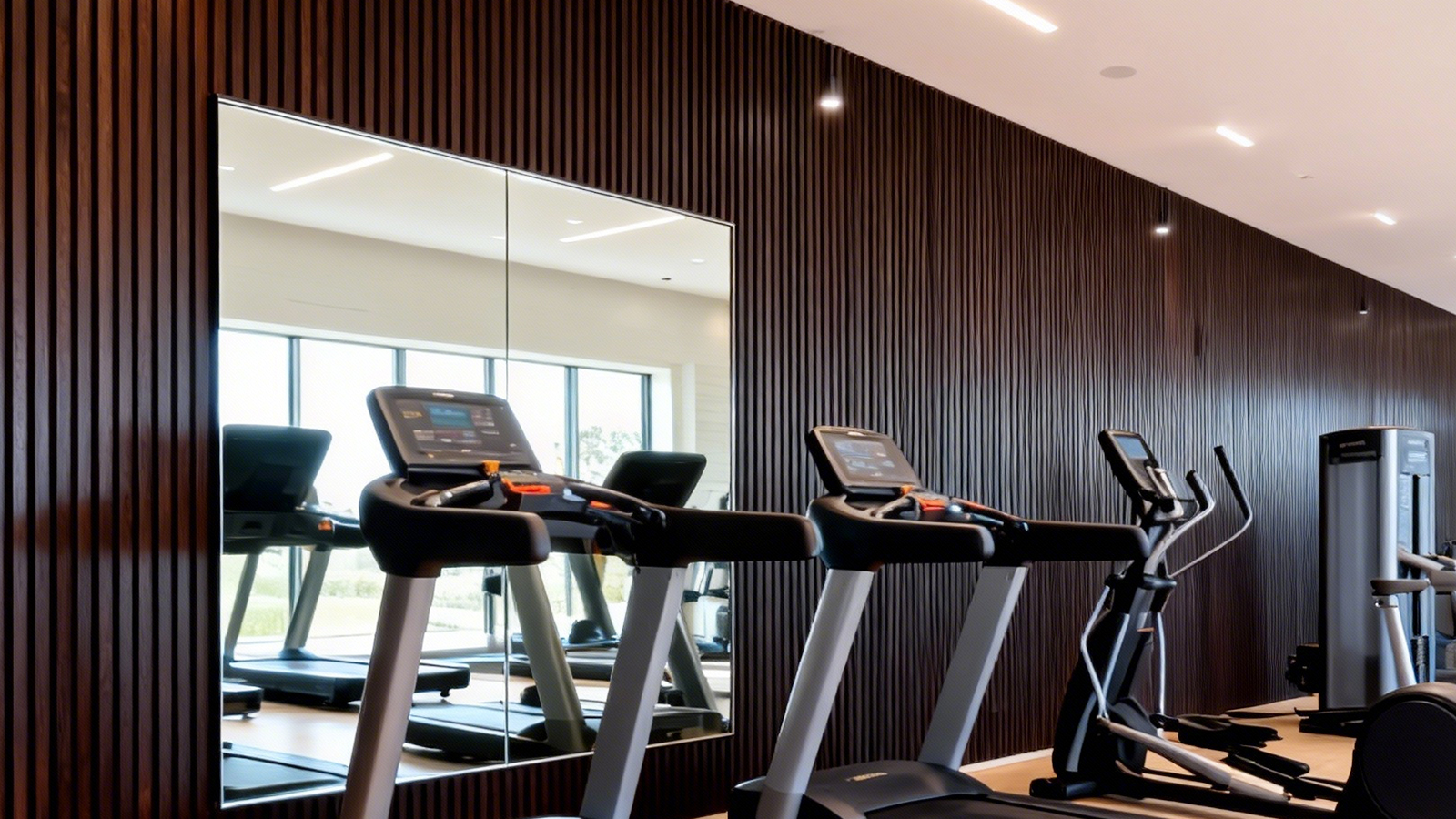
Why Modern Offices Are Turning to Acoustic Panels for Better Performance and Better Design
Table of Contents
- A New Priority: Creating Acoustically Balanced Workplaces
- Supporting Employee Wellness, Focus, and Output
- A Design Element in Their Own Right
- Installation Flexibility and Practical Advantages
- A High-Value, Cost-Effective Upgrade
- Conclusion
Walk into any modern office today—whether it’s a tech hub in Austin, a finance headquarters in Singapore, or a co-working loft in London—and you’ll probably notice the same issue: noise. Open workspaces may look clean and contemporary, but the constant chatter, device alerts, and background hum can quickly turn into a productivity drain.
As expectations for workplace comfort and efficiency rise, companies are increasingly investing in acoustic treatment. Among the many solutions available, Acoustic Panels stand out for their balance of performance, affordability, and aesthetic potential.
This article explores why more architects, contractors, and corporate planners are making acoustic panels a core component of their office design strategy.
A New Priority: Creating Acoustically Balanced Workplaces
Hard Surfaces, Higher Noise
Contemporary office design leans heavily on glass walls, exposed ceilings, and polished flooring. While visually appealing, they reflect sound aggressively. This leads to flutter echo, muddled speech, and a feeling of constant busyness—even when the space isn’t full.
Acoustic panels counter this by absorbing sound energy, reducing reverberation, and creating a calmer acoustic environment. Instead of redesigning a space or adding heavy partitions, companies can mount panels onto existing surfaces and see immediate improvements.
Better Communication Across Space
Meetings, presentations, and video conferences are routine in hybrid workplaces. Unfortunately, poor acoustics make even simple conversations harder than necessary. Acoustic panels help clarify speech, allowing teams to communicate without raising their voices.
Employees report fewer misunderstandings, easier brainstorming sessions, and more natural group discussions when the room doesn’t “fight against” their voices.
Zone-Based Sound Management
Workspaces today combine:
- collaborative project areas
- private focus rooms
- semi-open meeting niches
- reception and visitor zones
- hot-desking clusters
Each area has different acoustic needs. High-absorption panels help keep conversations contained, prevent noise overflow, and bring structure to open floor plans—without sacrificing visual openness.
Supporting Employee Wellness, Focus, and Output
Noise as a Hidden Productivity Killer
The average knowledge worker is interrupted dozens of times per day, and research consistently shows noise as the top distraction. Even moderate background noise increases cognitive load, making tasks feel more difficult than they are.
Acoustic panels reduce these distractions, allowing workers to reach deeper levels of concentration and remain focused for longer stretches.
Mental Well-Being Matters
Noise doesn’t just affect work; it affects health. Continuous exposure to chatter, footsteps, and machinery contributes to:
- mental fatigue
- elevated stress
- irritability
- sleep disruption
- reduced job satisfaction
A well-treated office creates a calmer emotional environment where employees feel more in control of their workspace.
Improved Experience for Hybrid Teams
Video calls are now as common as face-to-face meetings. Panels help minimize echo and feedback, ensuring voices sound natural on both ends of the call. Conference rooms equipped with acoustic treatment dramatically outperform untreated spaces in clarity and comfort.
A Design Element in Their Own Right
Acoustic panels have evolved far beyond dull, fabric-covered rectangles. Today’s products play a major role in shaping an office’s brand identity.
Materials and Styles for Every Vision
Popular options include:
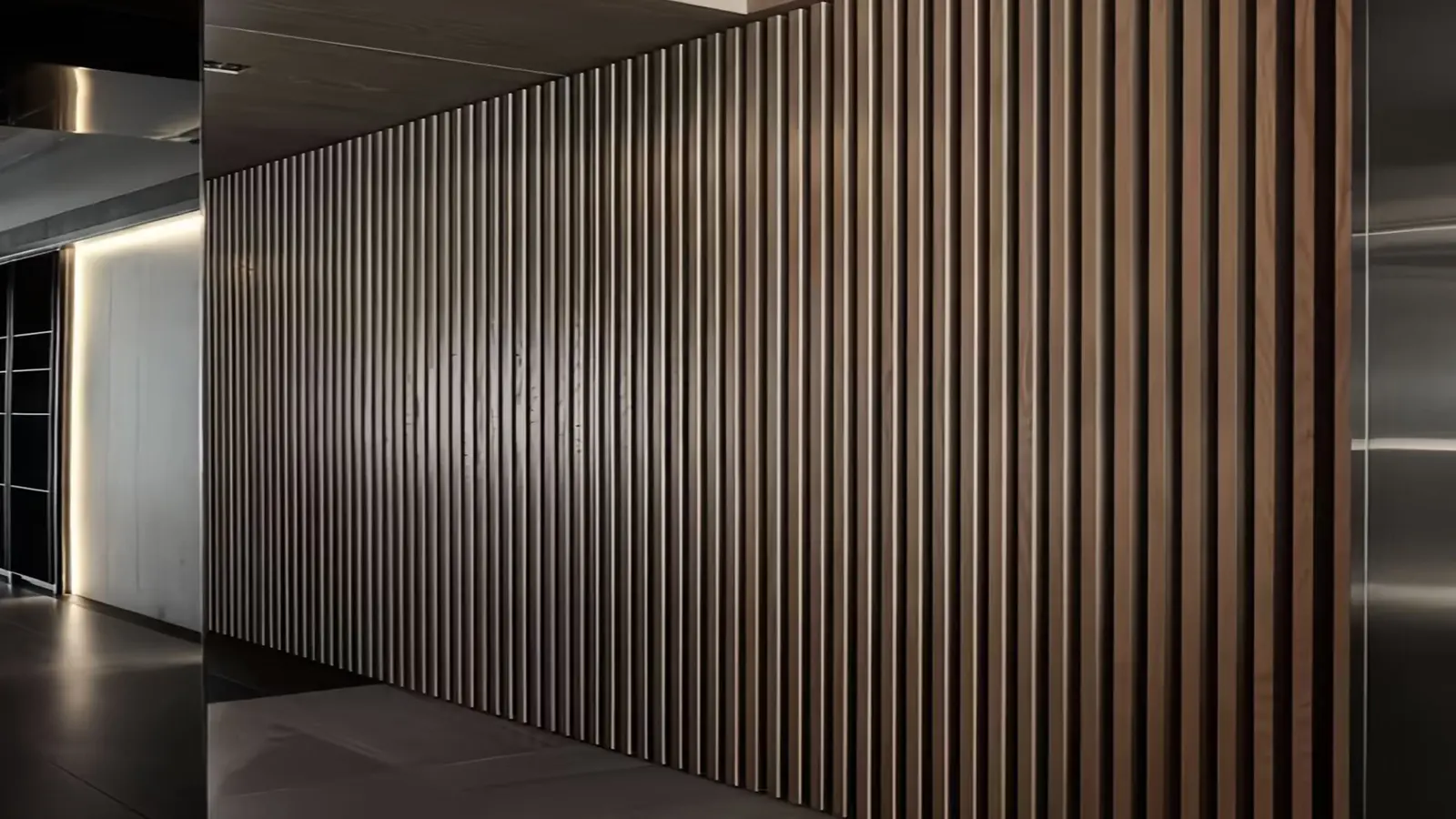
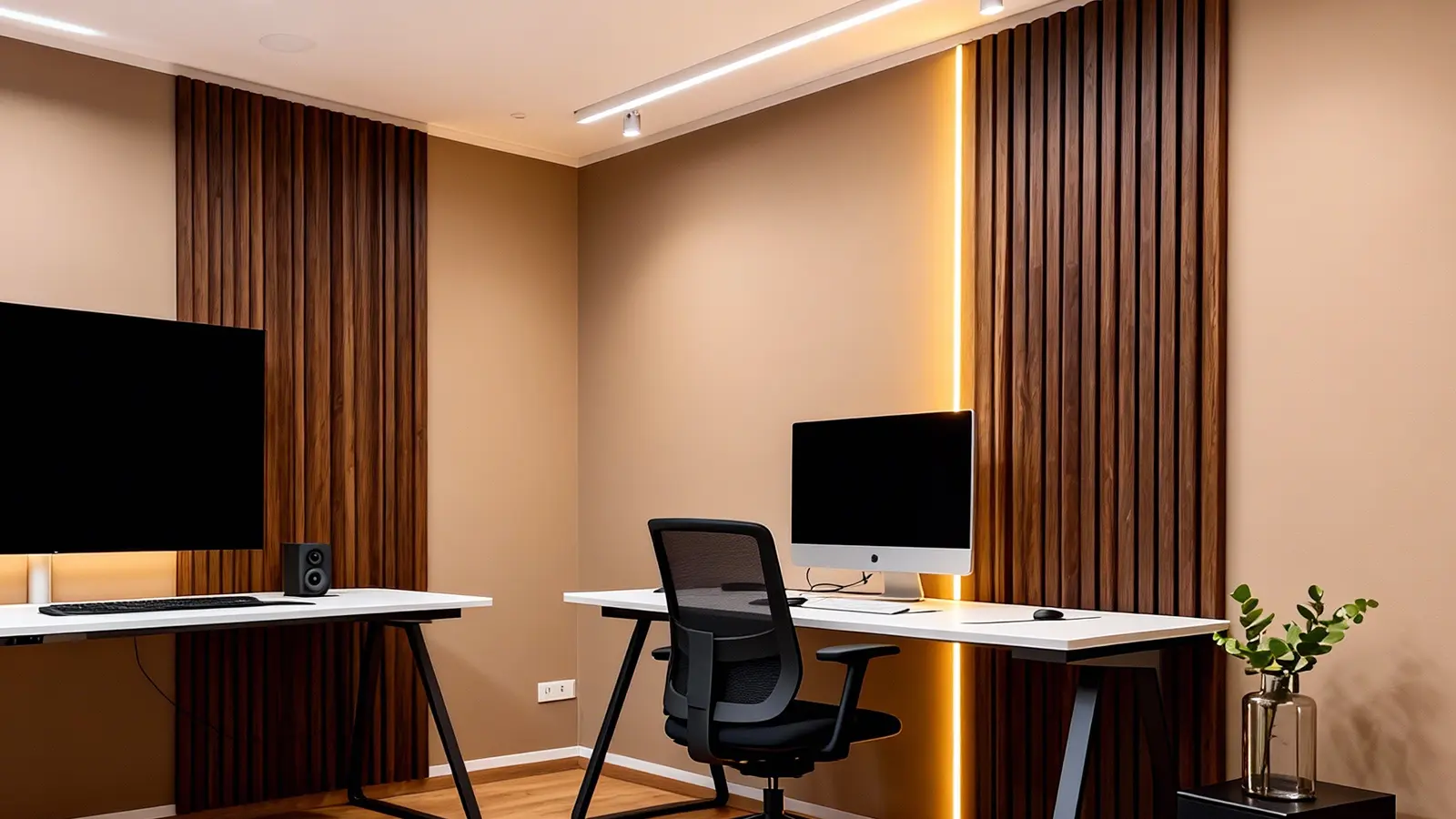
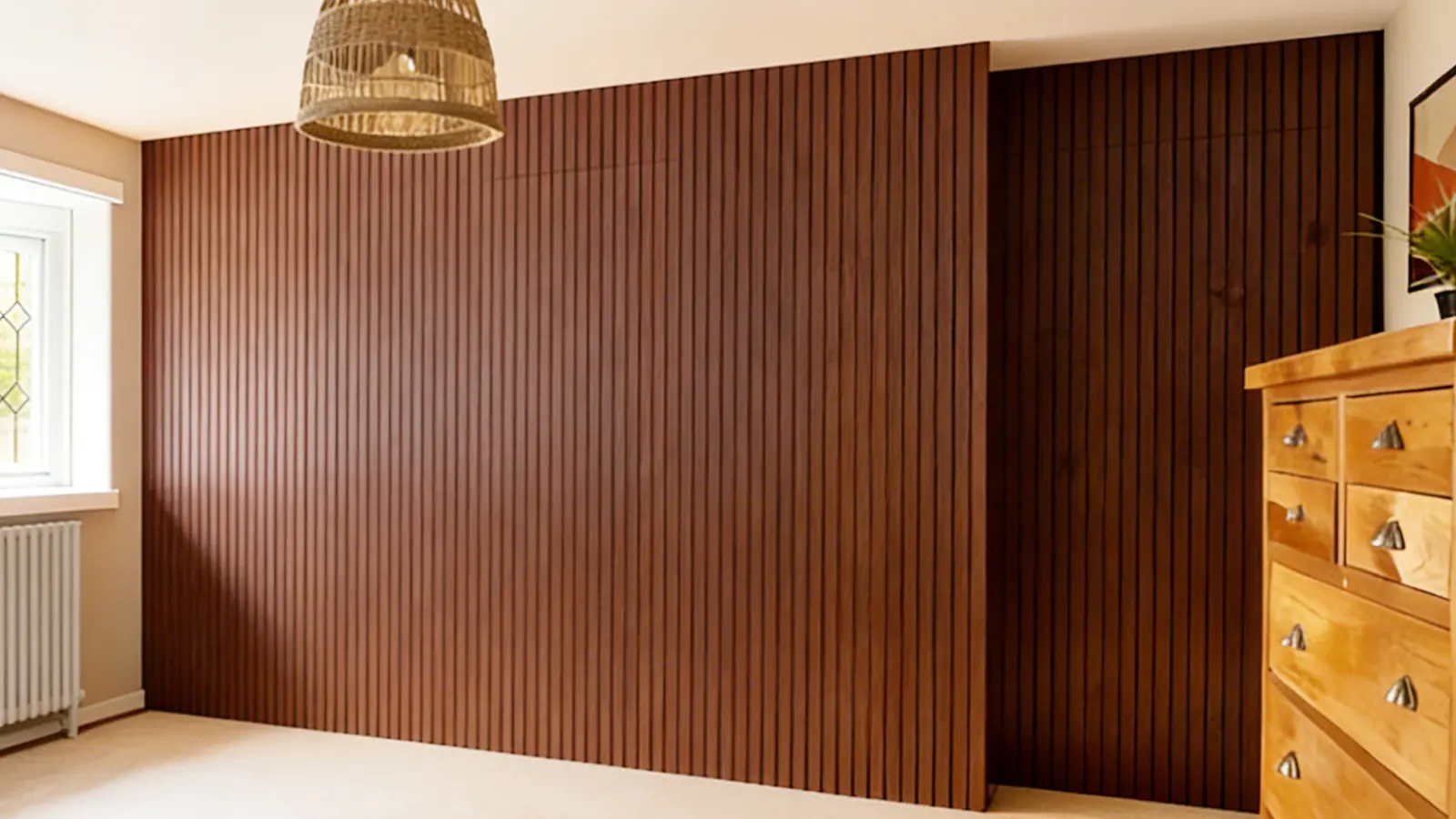
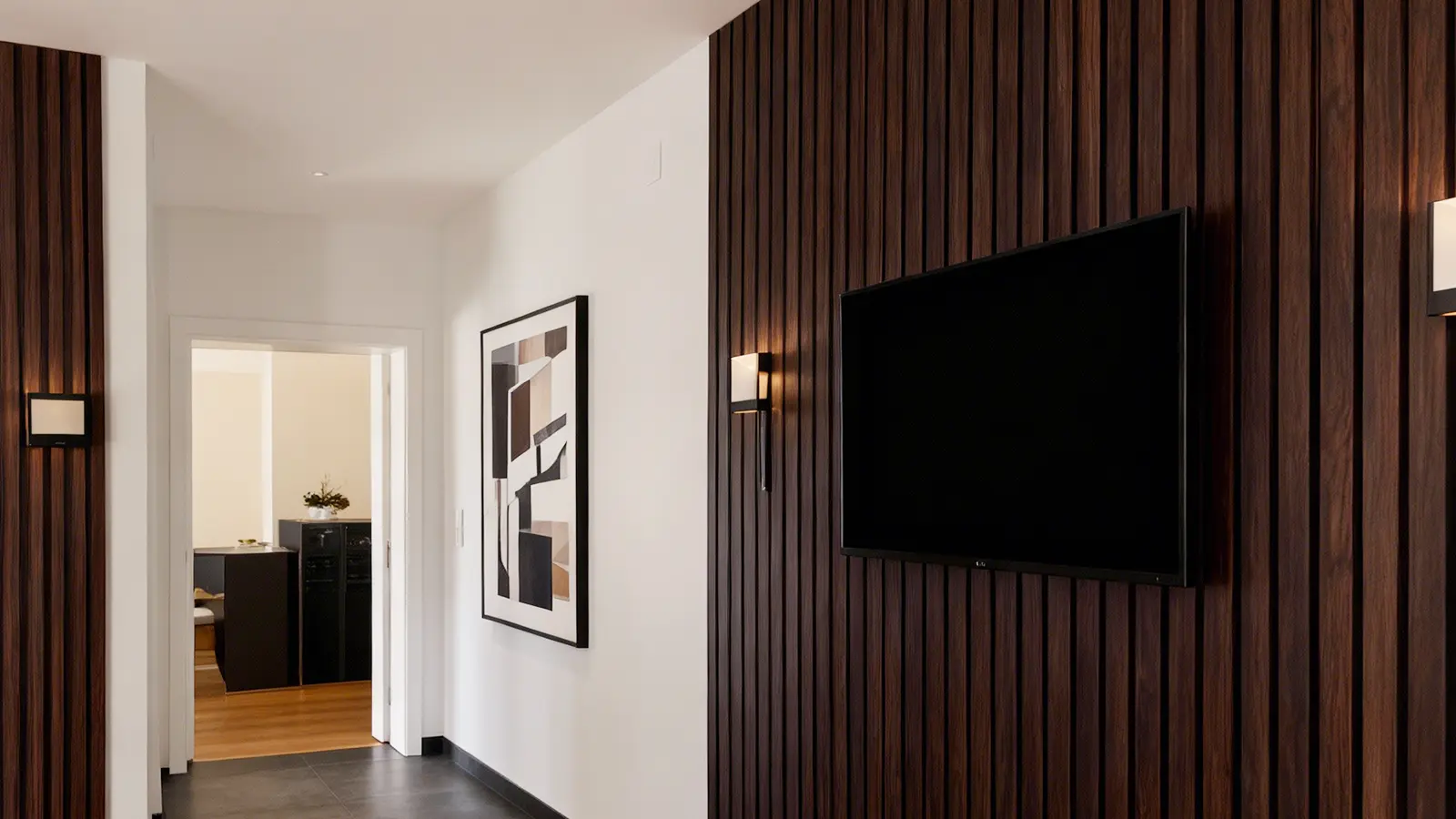
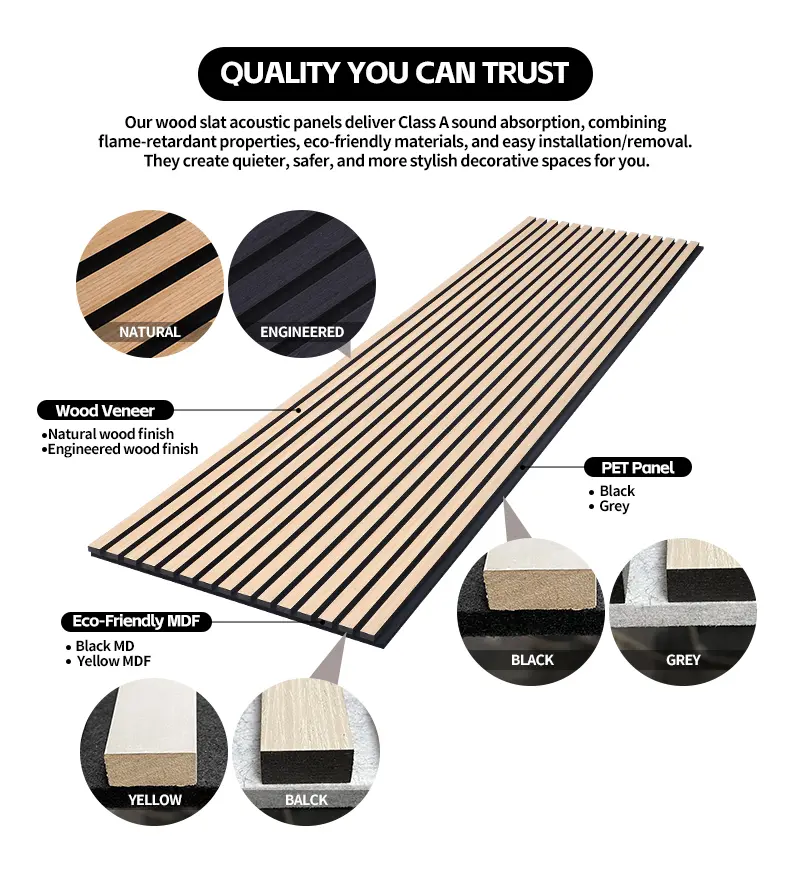
- wood slat Wall Panels, ideal for upscale and modern interiors
- PET acoustic boards, offered in dozens of colors for creative branding
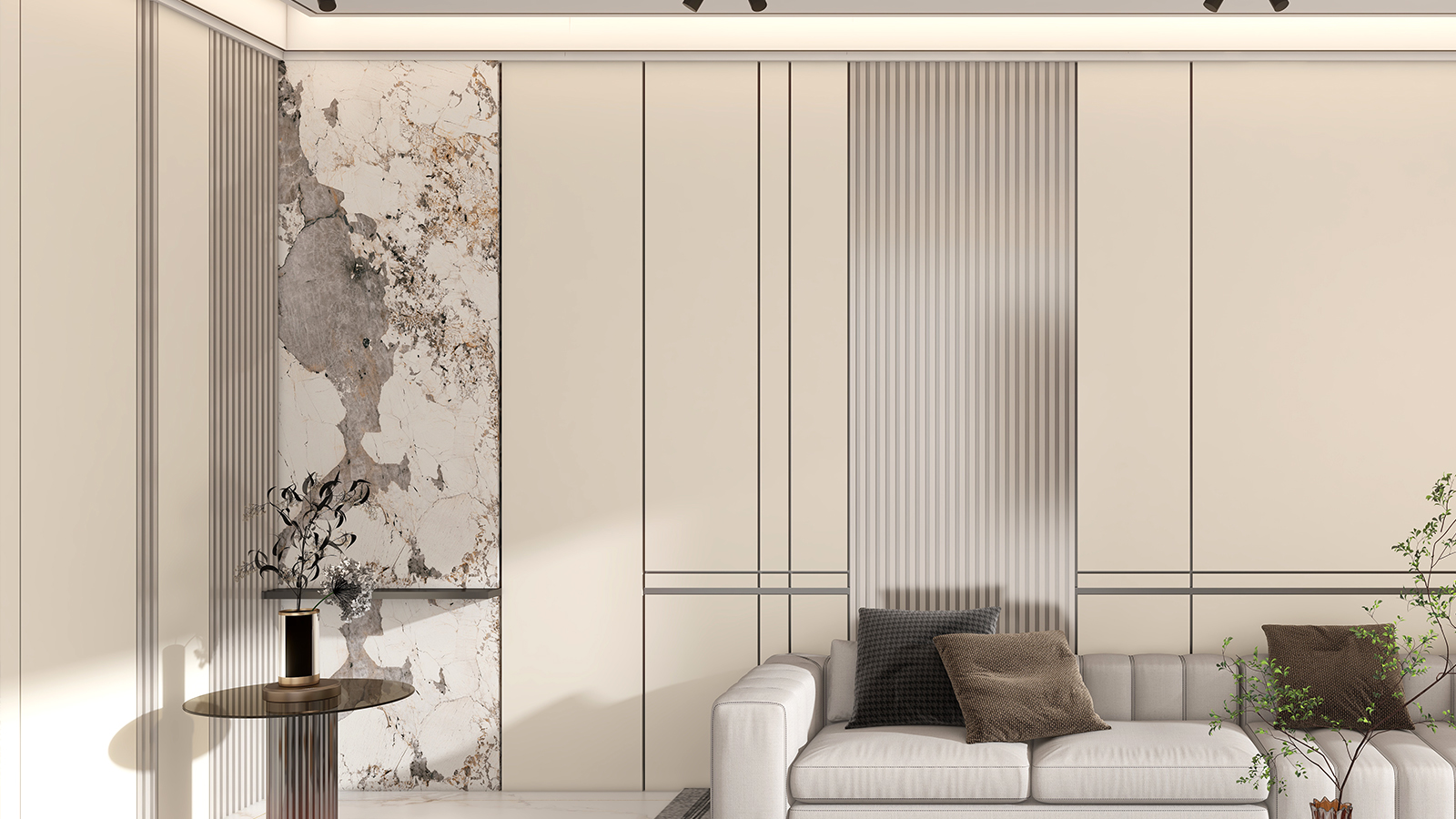
- 3D sculpted fiber panels that function like artwork
- fabric-wrapped panels that add softness and warmth
- perforated MDF systems for high-performance acoustics
These designs allow architects to integrate function and aesthetics seamlessly.
Color, Shape, and Texture Customization
Modern panels can be tailored to match company branding—from neutral executive tones to energetic startup color palettes. Some manufacturers even offer custom patterns, engraved logos, and mixed-material panel sets for feature walls.
Blending with Existing Architecture
Acoustic products can be installed on:
- ceilings
- partitions
- corridor walls
- cubicle dividers
- meeting rooms
- reception backdrops
Because they’re lightweight, they blend with existing materials without altering the architectural layout.
Installation Flexibility and Practical Advantages
Fast Setup, Minimal Disruption
Most panels can be installed with adhesive, screws, clips, or lightweight suspension systems. Offices undergoing partial renovation often choose acoustic treatment because it can be added during off-hours without impacting daily operations.
Adaptable to Any Office Type
From start-ups in small lofts to multinational corporations upgrading large campuses, acoustic panels scale easily. They’re used in:
- call centers
- coworking spaces
- podcast rooms
- project collaboration hubs
- executive suites
- open desk areas
Eco-Friendly and Safe
Many acoustic materials—including PET panels—are made from recycled fibers, offer low VOC emissions, and meet international fire safety requirements. This helps companies maintain compliance with green building standards.
A High-Value, Cost-Effective Upgrade
Better than Structural Soundproofing for Most Offices
Traditional soundproofing requires heavy construction—double walls, insulation layers, and costly retrofits. Acoustic panels deliver significant noise reduction without altering the building’s structure.
Low Maintenance, Long Lifespan
High-quality panels typically last over a decade and require little upkeep beyond the occasional dusting. They’re resistant to color fading, warping, and light impact, making them ideal for busy corporate environments.
Direct Impact on Operational Efficiency
Better acoustics lead to:
- fewer communication mistakes
- reduced employee burnout
- more productive meetings
- improved client-facing experience
The return on investment extends well beyond visual appeal.
Conclusion
Acoustic panels have become a critical tool for creating modern, productive, and visually engaging workplaces. By improving sound quality, enhancing employee well-being, and supporting flexible hybrid workflows, they offer an affordable upgrade with tangible long-term benefits.
