

Why Flexible Wood Slat Acoustic Panels Are the Future of Interior Building
Why Flexible Wood Slat Acoustic Panels Are the Future of Interior Building
Table of Contents
- Introduction: The Dual Challenge of Design and Acoustics
- The Science Behind the Panels
- Key Benefits
- Expanding Aesthetic Horizons
- Applications Across Industries
- Sustainability at the Core
- Strategic Design and Placement Tips
- Resilience Against Challenges
- The Cost Perspective: Looking Beyond the Price Tag
- The Future of Interior Acoustics
- Why They Are the Future
- Conclusion: Beauty with Purpose
Introduction: The Dual Challenge of Design and Acoustics
Interior spaces today are expected to do more. Offices must be collaborative yet quiet. Restaurants must be lively but not overwhelming. Homes must be comfortable sanctuaries with media-ready rooms. Meeting these diverse needs requires materials that combine performance with beauty.
Flexible wood slat acoustic panels rise to the challenge. They don’t force a compromise between appearance and sound—they provide both. This article explores why these systems are rapidly gaining traction worldwide and how they’re shaping the interiors of tomorrow.
1. The Science Behind the Panels
Each panel works on two acoustic principles:
- Diffusion: Wood slats break sound waves into smaller reflections, scattering them across surfaces.
- Absorption: Acoustic cores behind the slats absorb lingering noise energy, reducing reverberation.
The balance means spaces stay lively but controlled—voices carry clearly without the harshness of echo.
2. Key Benefits
(A) Acoustic Clarity
The most obvious benefit is noise control, but the real value lies in sound shaping. Instead of “dead” rooms, you get balanced acoustics where speech and music sound natural.
(B) Visual Identity
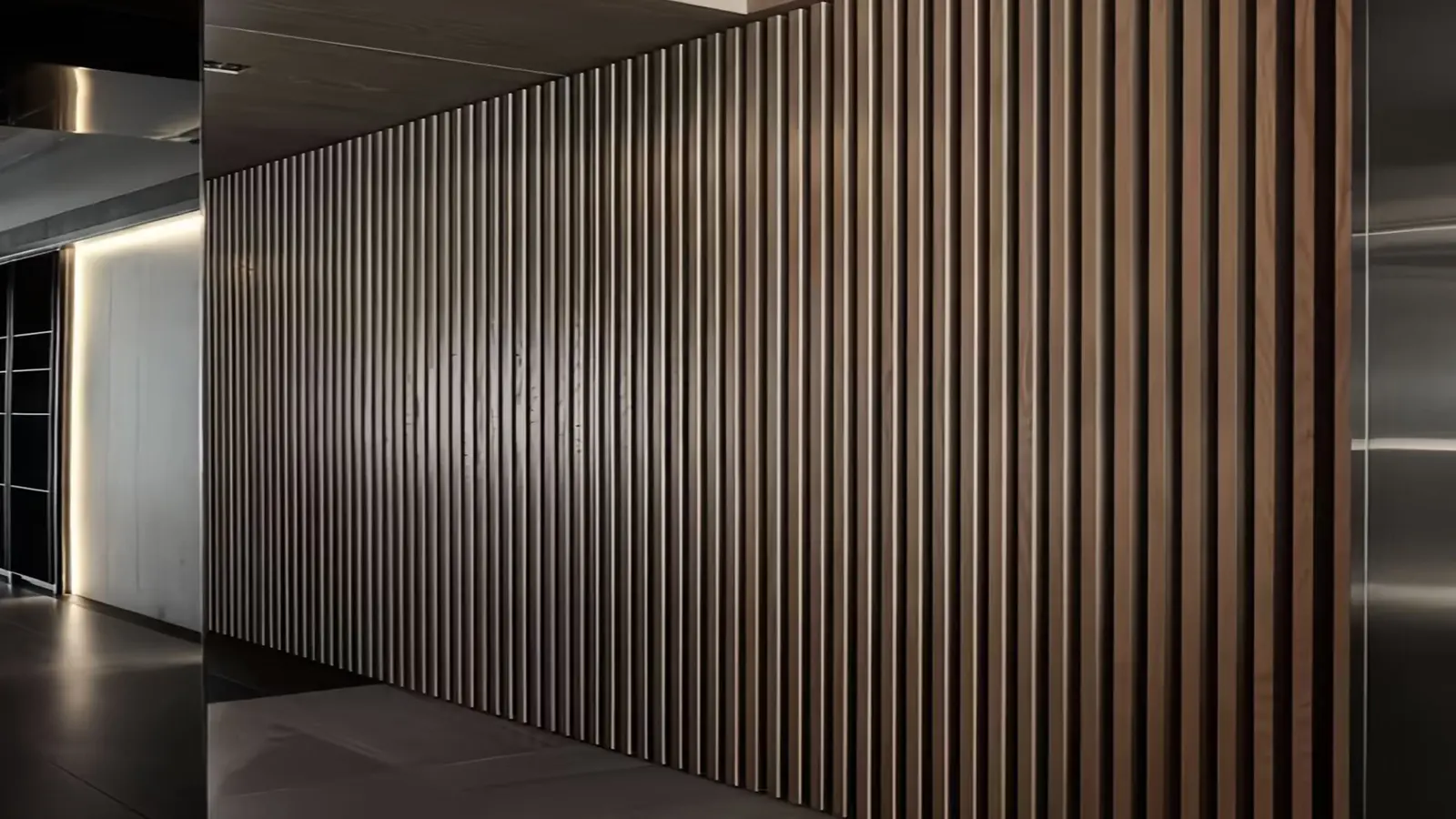
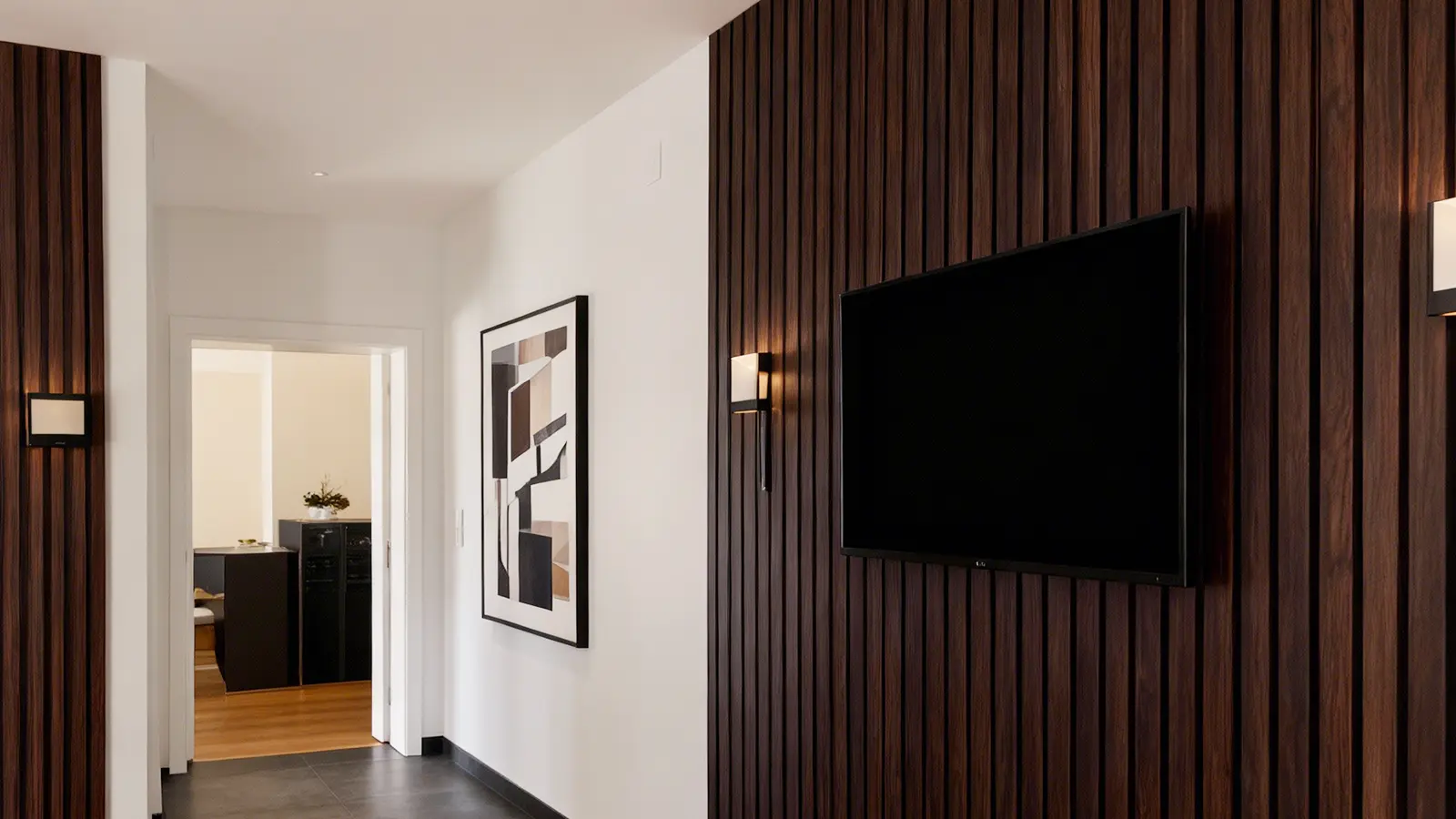
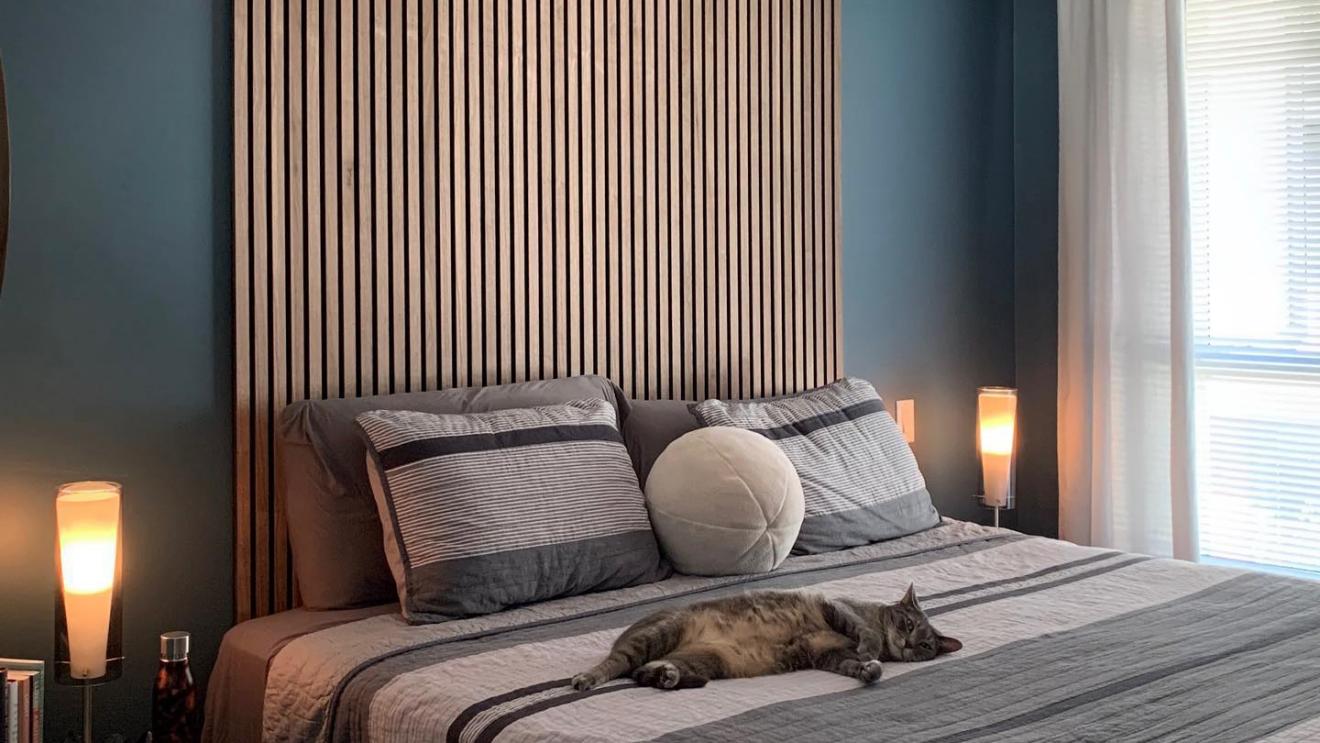
Designers can tailor everything: wood type, finish, spacing, orientation, and integration with light. From rustic oak to sleek black-stained slats, the panels become brand statements.
(C) Adaptability to Shape
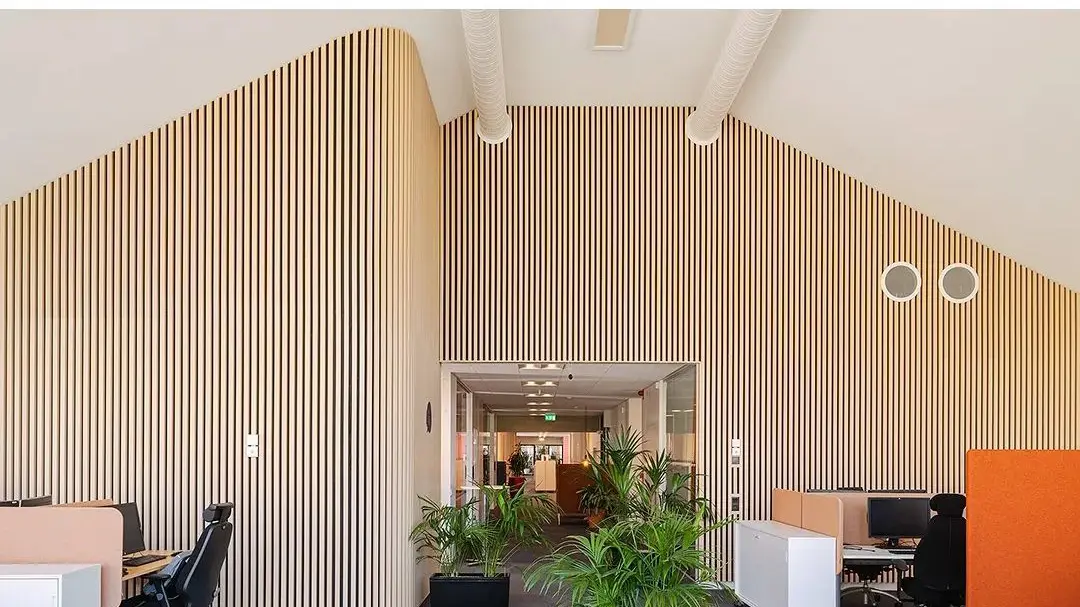
Curved walls, columns, vaulted ceilings—these used to be acoustic nightmares. Flexible panels bend gracefully, wrapping surfaces without costly customization.
(D) Durability and Maintenance
Wood’s natural resilience, combined with flexible backers, prevents warping. Cleaning requires little more than dusting. Unlike fabric absorbers that stain or sag, wood slats retain their character for years.
(E) Simplified Installation
Contractors love the modular design: lightweight, pre-cut, easy to align. Clip systems allow non-invasive installation, and adhesive solutions minimize wall damage.
(F) Cost-Efficient Over Time
Though upfront cost is higher, lifecycle costs are lower: fewer replacements, dual-purpose value (aesthetic + function), and even reduced energy bills thanks to insulation.

3. Expanding Aesthetic Horizons
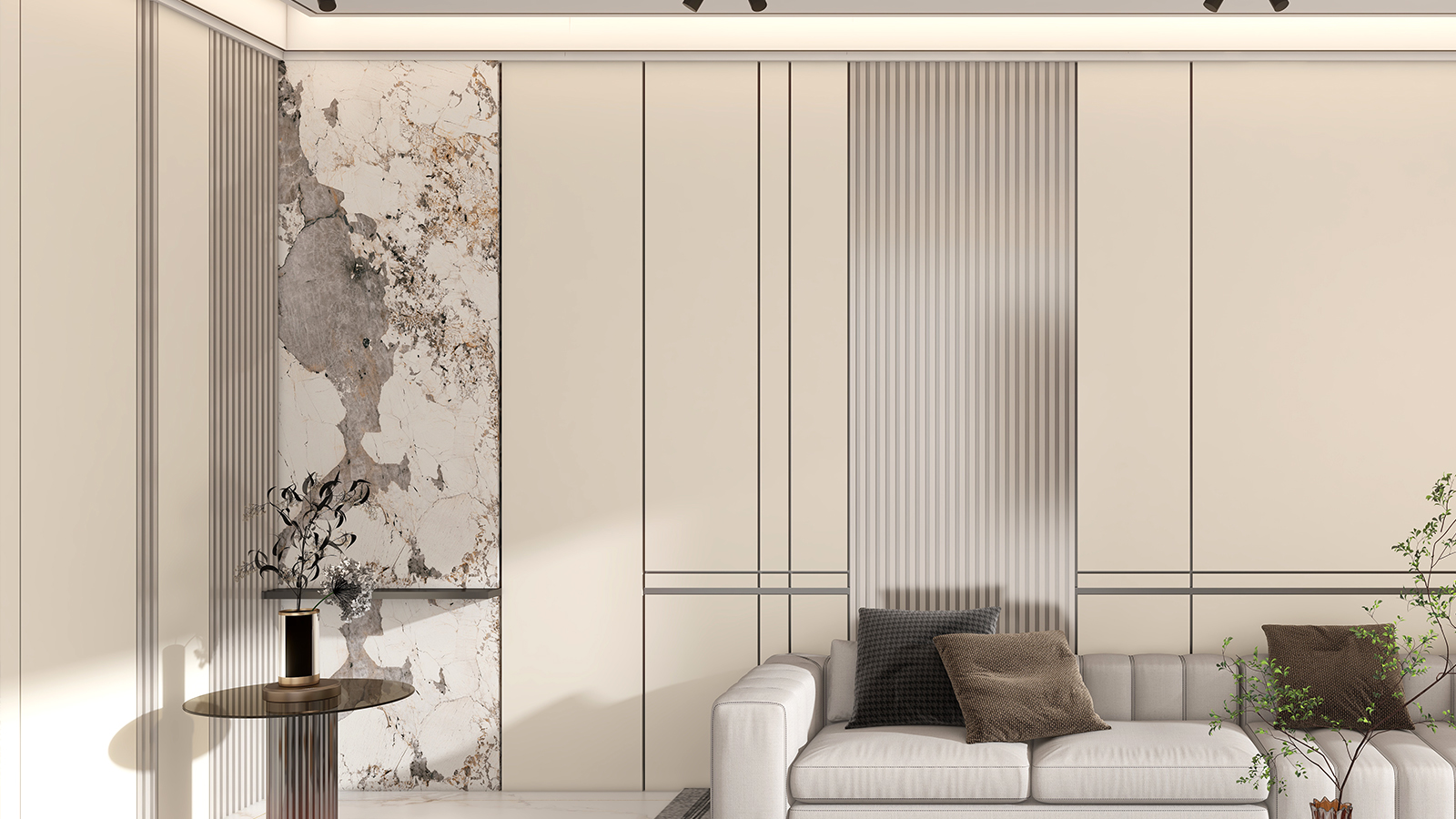
These panels are as much about design as they are about sound. Options include:
- Species: Walnut, oak, birch, pine, bamboo.
- Finishes: Clear varnish, oil, stain, or bold paint.
- Patterns: Vertical, horizontal, diagonal, or staggered layouts.
- Mixing materials: Metal trims, glass partitions, fabric inserts.
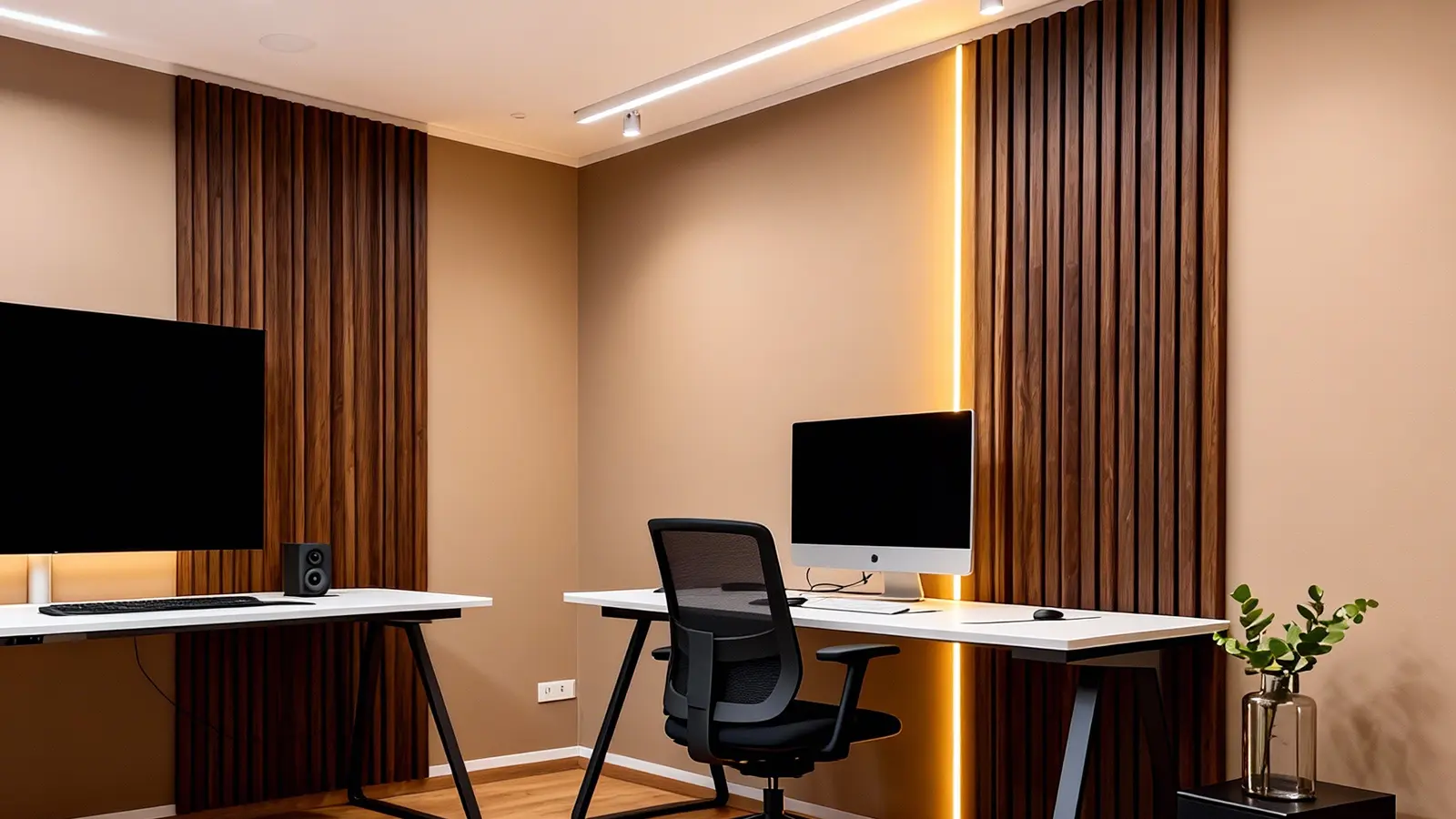
- Lighting integration: LEDs tucked between slats enhance atmosphere.
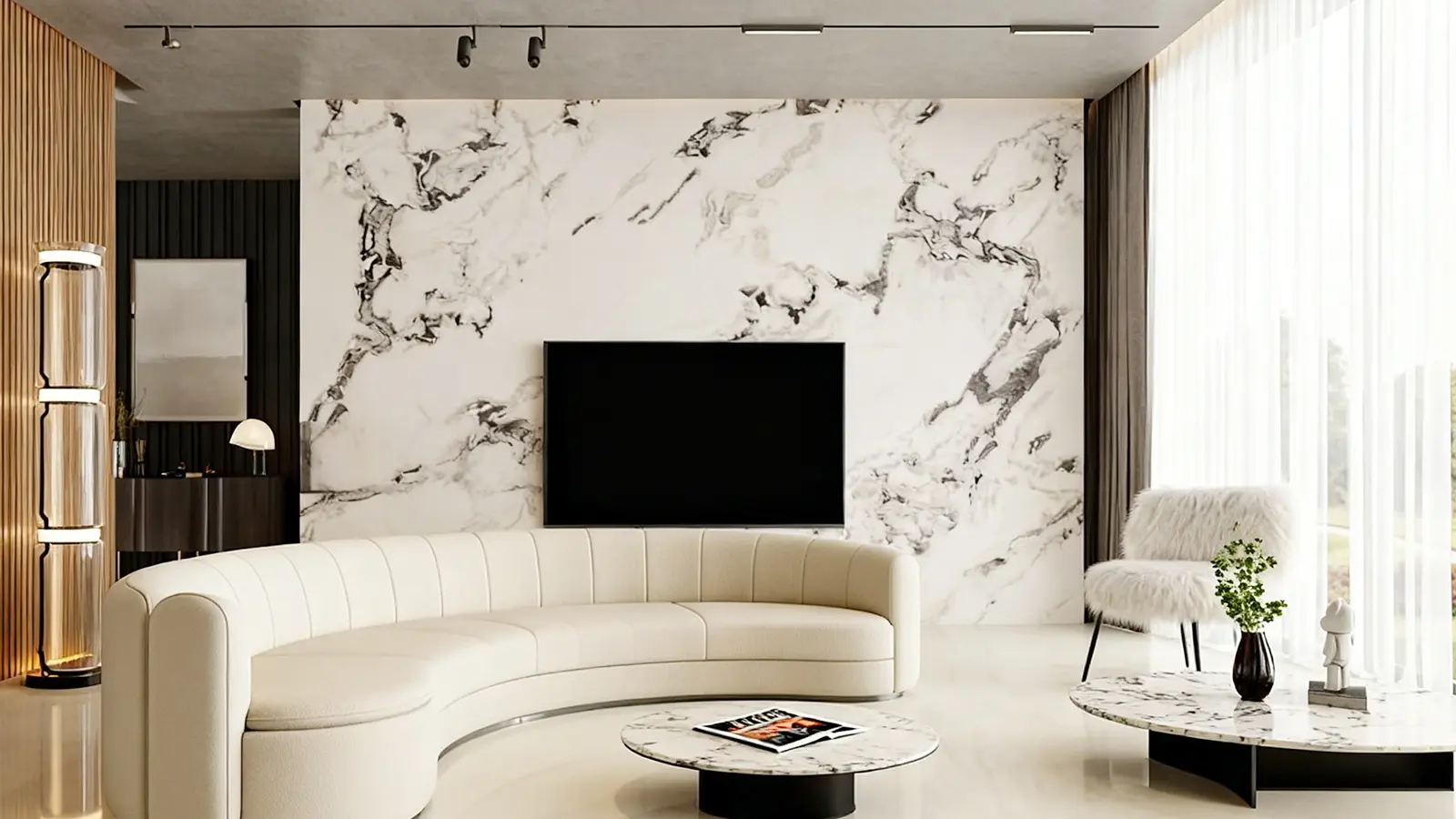
The visual flexibility makes panels suitable for modern minimalism, industrial chic, or luxury hospitality interiors.
4. Applications Across Industries
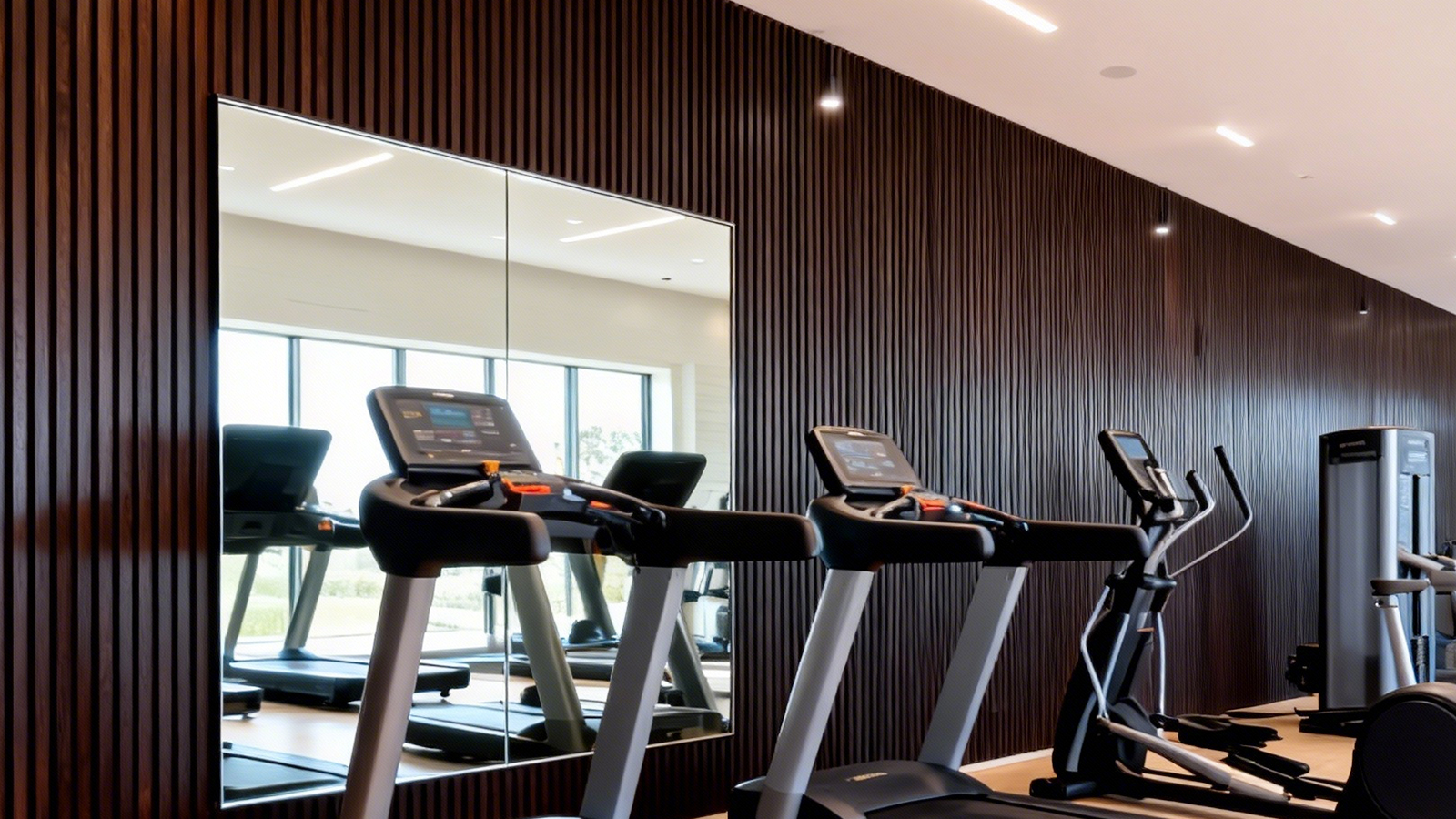
- Corporate Spaces: In open offices, panels absorb chatter and reduce distractions. In conference rooms, they boost clarity for hybrid calls.
- Hospitality & Dining: Restaurants and bars use them to reduce clamor while elevating décor. Guests enjoy their meals without shouting.
- Education: Classrooms and lecture halls require intelligibility for effective teaching. Panels create learning-friendly environments.
- Healthcare: Quiet reduces stress for patients and staff alike.
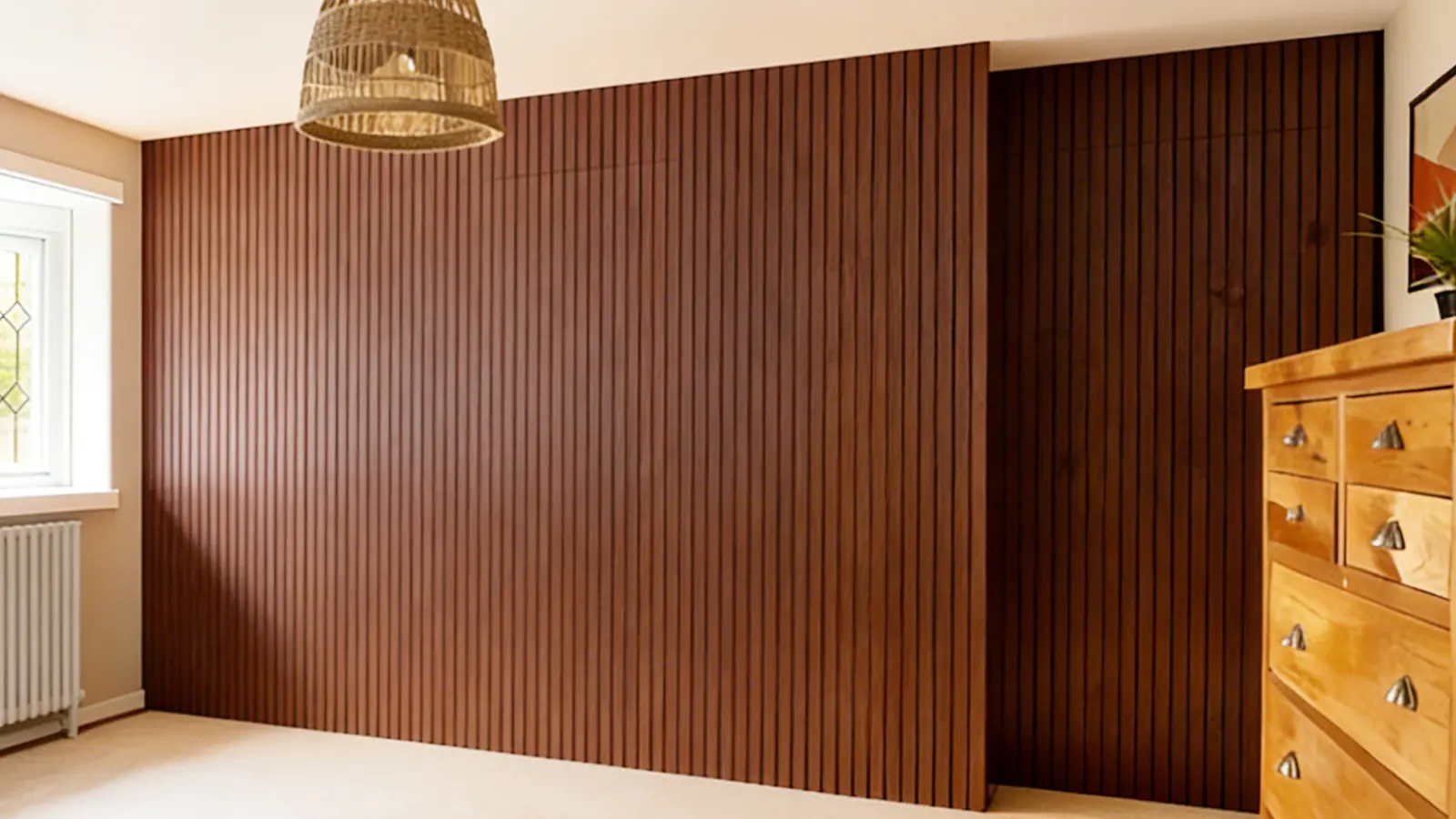
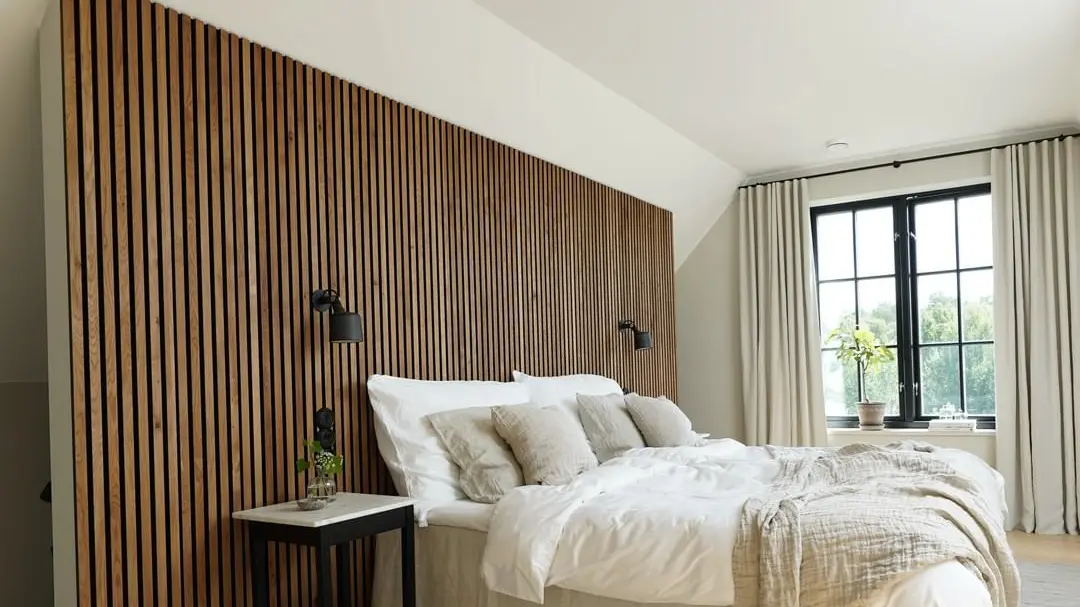
- Residential: Living rooms, bedrooms, and home theaters gain coziness and clarity.
- Retail & Galleries: Better acoustics improve shopper focus and visitor engagement.
5. Sustainability at the Core
Modern design is inseparable from environmental responsibility. These panels deliver:
- Sustainably harvested wood: Many options come from certified forests.
- Biodegradable and recyclable components: Panels can be disassembled and reused.
- Energy efficiency: Wood aids insulation, contributing to reduced heating/cooling loads.
- Support for certifications: LEED, WELL, and BREEAM credits are easier to achieve.
By choosing slat panels, designers show commitment to the planet while delivering beautiful interio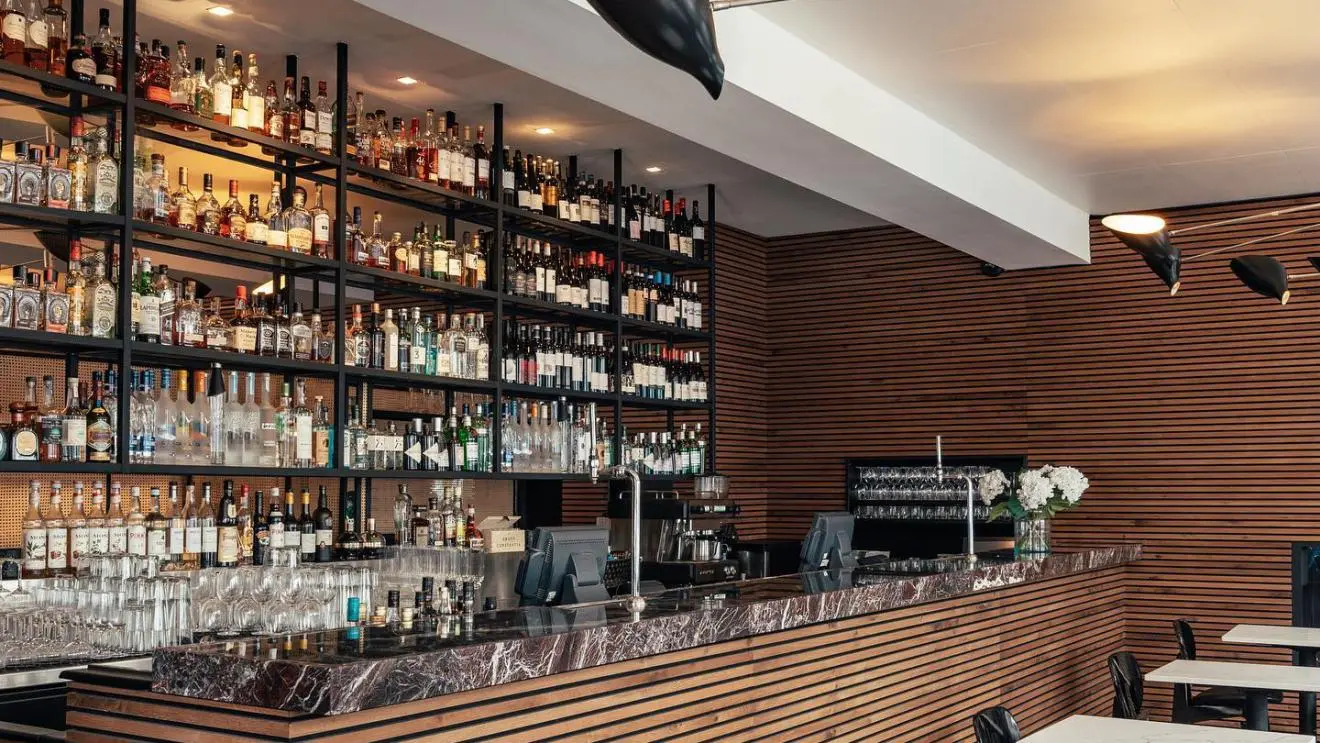 rs.
rs.
6. Strategic Design and Placement Tips
- Target problem zones: Focus on walls opposite speakers or near reflective glass.
- Partial coverage: Use panels on sections instead of entire walls for efficiency.
- Vary dimensions: Mix slat widths and gaps for better diffusion.
- Play with alignment: Stagger seams or change direction to avoid monotony.
- Layer with other treatments: Combine with carpets, curtains, or upholstered furniture.
- Add light: Integrating lighting makes acoustic panels architectural features.
7. Resilience Against Challenges
Not all spaces are climate-controlled. Flexible slat systems adapt better to:
- Humidity: Sealed wood resists moisture changes.
- Temperature shifts: Flexible backers prevent cracks.
- Impact: More resistant to bumps than fragile plaster or fabric panels.
This resilience means they thrive in varied environments, from tropical resorts to high-traffic offices.
8. The Cost Perspective: Looking Beyond the Price Tag
Upfront, wood slat acoustic walls may seem like a luxury. But consider:
- Reduced maintenance: No frequent replacement or cleaning bills.
- Improved user experience: Happier employees, calmer diners, more productive students.
- Brand value: A refined environment elevates how clients and guests perceive a business.
- Energy savings: Lower bills in heating and cooling.
When calculated across years, these panels often prove more affordable than cheaper alternatives.
9. The Future of Interior Acoustics
As trends lean toward open-plan living and working, demand for acoustic comfort is growing. Add to that the rise of biophilic design, which emphasizes natural materials, and wood slat acoustic systems fit perfectly.
In the near future, expect:
- Greater material diversity: bamboo, reclaimed woods, composite eco-panels.
- Smarter integration: Panels doubling as HVAC diffusers or lighting systems.
- Wider adoption: From luxury projects into mainstream housing and offices.
10. Why They Are the Future
The combination of functionality, adaptability, durability, and sustainability makes flexible wood slat acoustic panels more than a trend—they’re an evolution. They replace the idea of acoustics as hidden, purely technical elements and transform them into celebrated design features.
Conclusion: Beauty with Purpose
Flexible wood slat acoustic panels show how far interior solutions have come. They prove that you don’t need to sacrifice design for acoustics or vice versa. With unmatched adaptability, natural appeal, and eco-friendly credentials, they are paving the way for interiors that sound as good as they look.
For businesses, they mean higher customer satisfaction. For homes, they bring serenity. For architects, they’re versatile tools. Simply put: they’re the future of building interiors—quiet, stylish, and sustainable.
