
Why Bamboo Charcoal Wood Veneer Is Quietly Revolutionizing Interior Design
Why Bamboo-Charcoal Wood Veneer Is Quietly Revolutionizing Interior Design
Table of Contents
- Opening Scene
- What Exactly Is Bamboo Charcoal Wood Veneer?
- Current Market Penetration & Usage Breakdown
- Why Designers & Clients Embrace It
- Real-World Use Cases
- Comparing with Alternative Decorative Materials
- Market Trends & Future Outlook
- Challenges Ahead
- Conclusion
Opening Scene
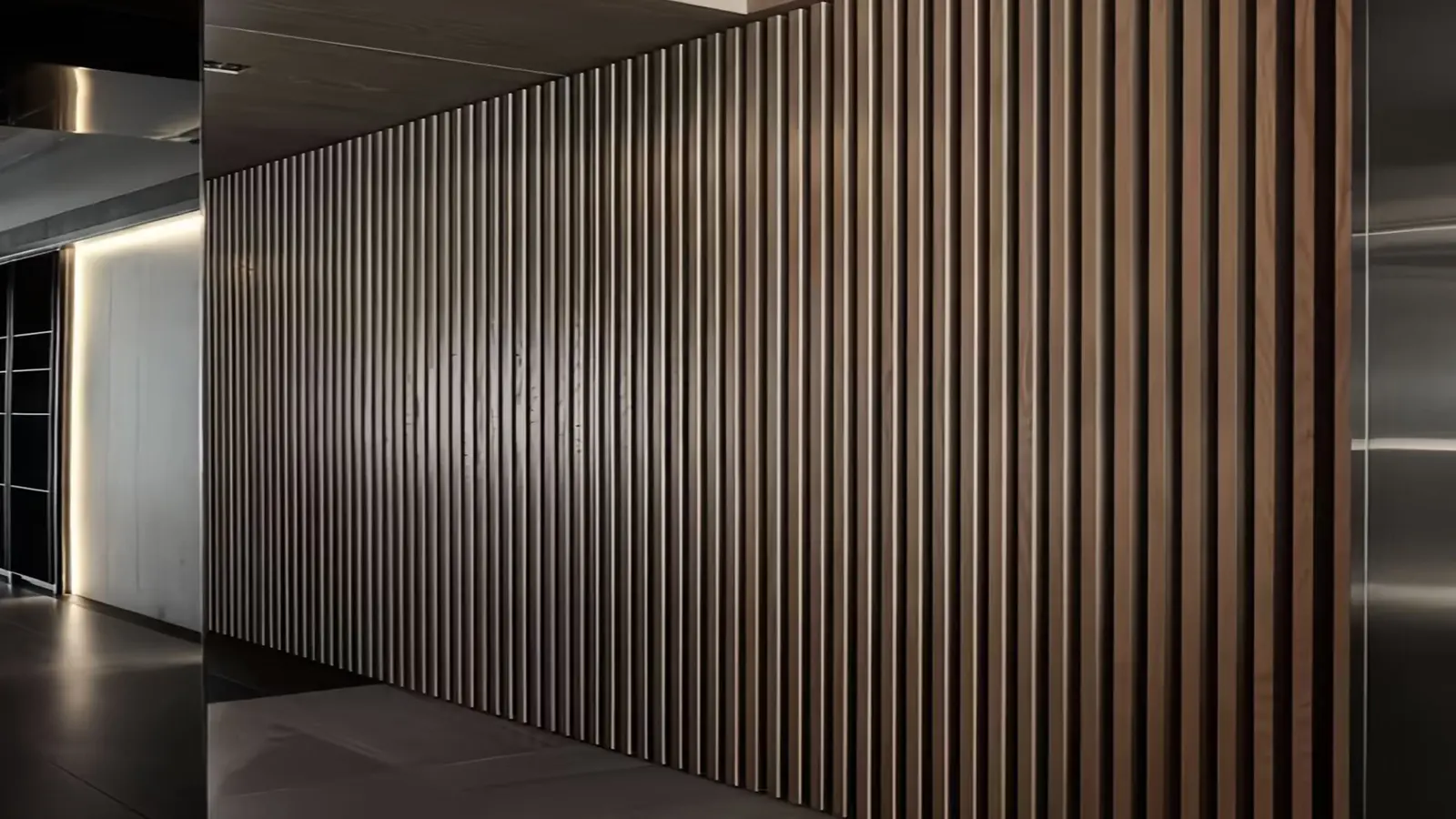
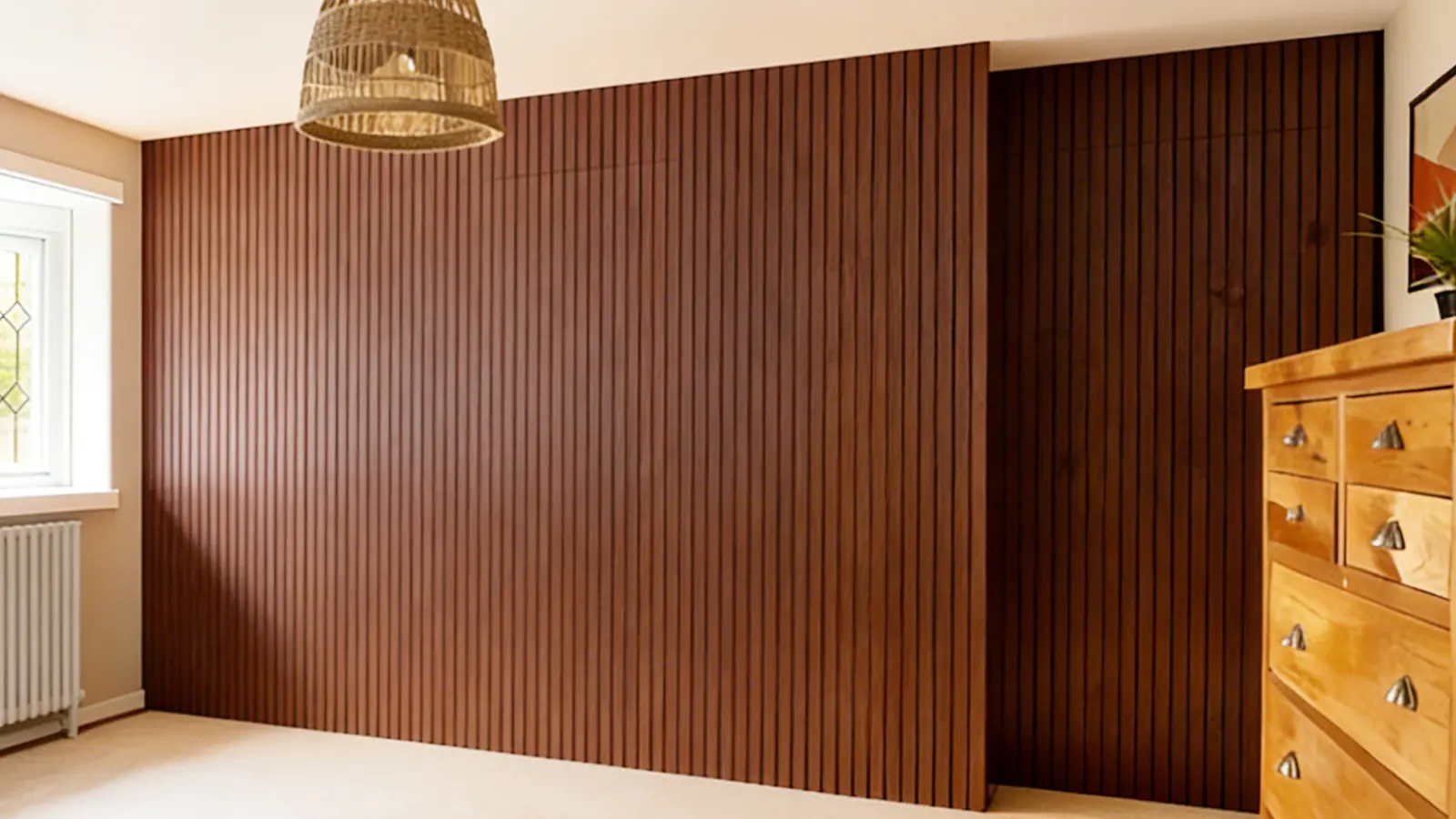
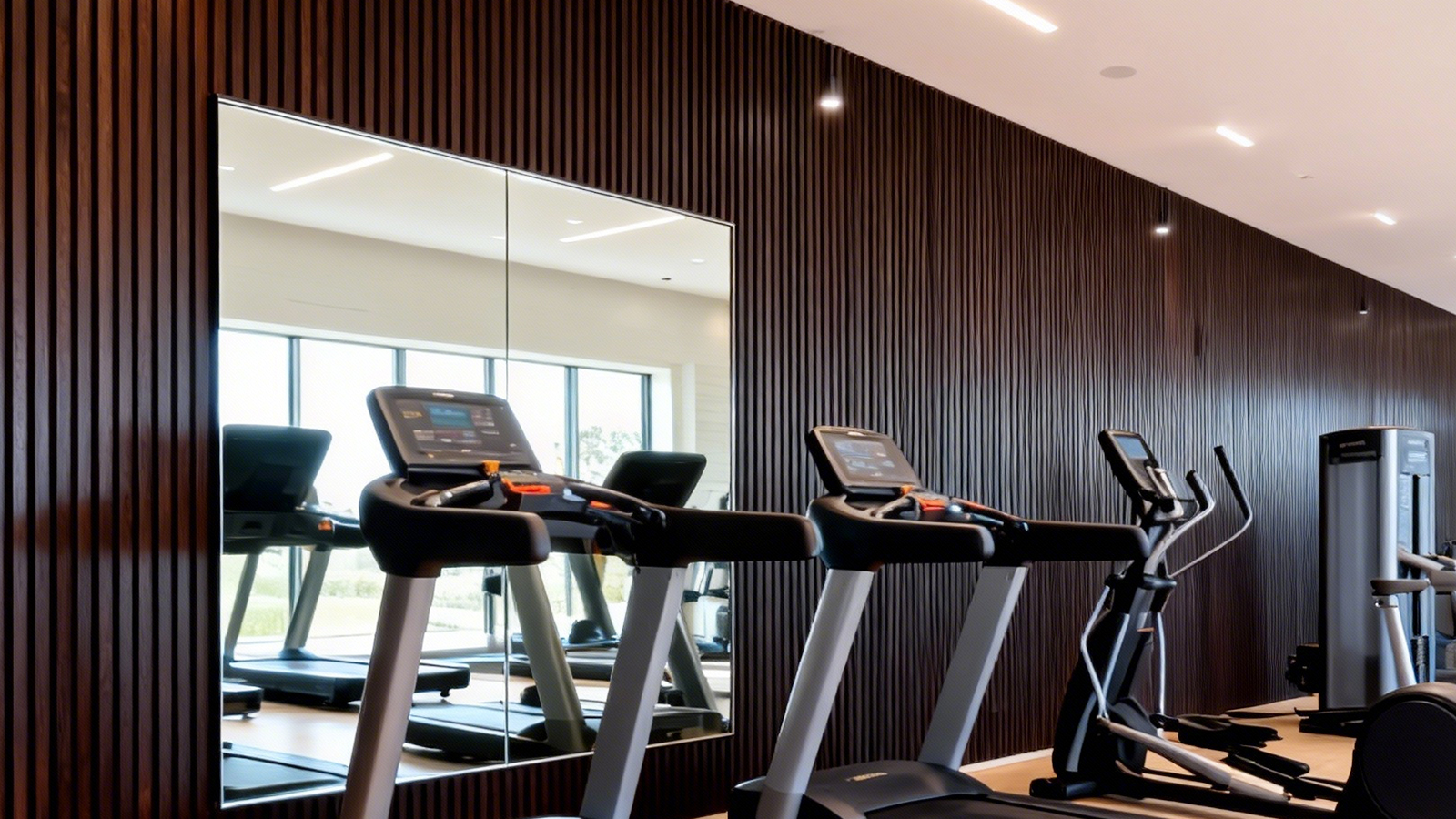
Picture walking into a modern lobby at dusk: the walls emit a soft warmth, the air feels subtly fresher, and there’s a quiet dampening of ambient noise. You glance at the panels lining the walls — they look like fine wood, yet something about their texture and tone feels calming in a way you haven’t quite experienced before. This is the new aesthetic frontier: bamboo charcoal wood veneer — a decorative surface that blends natural beauty, functionality, and sustainability.
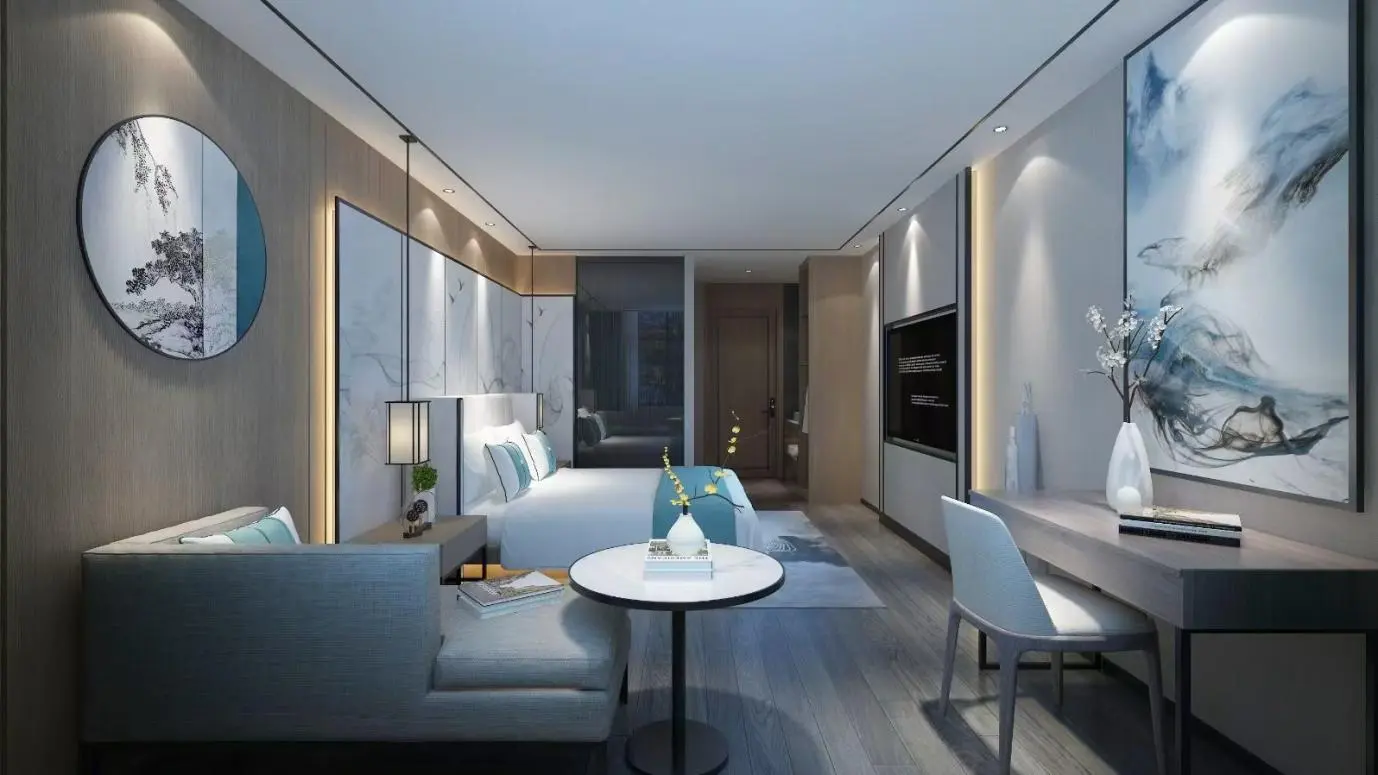
In an era where wellness, green building, and aesthetic sensibility converge, bamboo charcoal wood veneer is quietly emerging as a go-to material for forward-thinking architects, designers, and developers. Below, we unpack its rise, its current footprint in the market, driving forces, real-world applications, comparisons to competing materials, future potential, and obstacles to watch.
What Exactly Is Bamboo Charcoal Wood Veneer?
At its essence, bamboo charcoal wood veneer is a hybrid decorative panel: the base substrate is typically wood-based (or wood composite), into which finely ground bamboo charcoal is incorporated or bonded, then surfaced with a decorative layer or finish (wood grain, stone pattern, or other textures).
Because of this construction, it inherits both the visual warmth of wood and the functional traits of charcoal:
- Humidity modulation and moisture buffering
- Adsorption of formaldehyde, VOCs, and odors
- Some antimicrobial or odor-mitigating effects
- Lightweight and easier to handle than thick solid wood
- A range of finishes (matte, textured, high gloss) to suit various design styles
RUIDE, one of the innovators in this field, has been pioneering bamboo charcoal wood veneer solutions tailored for residential, commercial, and wellness environments. Their panels combine advanced processing with modern aesthetics, setting new benchmarks in durability and environmental responsibility.
Current Market Penetration & Usage Breakdown
While it's still an emerging material, bamboo charcoal wood veneer is no longer fringe — its usage has crept into multiple sectors.
| Application Segment | Approximate Share* |
| Commercial (offices, hotels, retail) | ~ 30–35 % |
| Residential interiors (walls, cabinetry) | ~ 25–30 % |
| Public/institutional (schools, clinics, community) | ~ 15–25 % |
| Specialty (wellness centers, spas, acoustics) | ~ 10–15 % |
| Other / niche | < 5 % |
*These numbers are estimates.
Commercial spaces and high-end residences are driving the fastest adoption, especially in Asia-Pacific and Europe.
Why Designers & Clients Embrace It
- Health & Indoor Quality
One of the strongest selling points is its potential to improve indoor air. Bamboo charcoal has micropores that can adsorb formaldehyde, benzene, and VOCs.
- Sustainability & Fast Renewal
Bamboo is famously fast-growing, making it more sustainable than many hardwoods. RUIDE emphasizes eco-friendly sourcing and low-emission production.
- Design Versatility
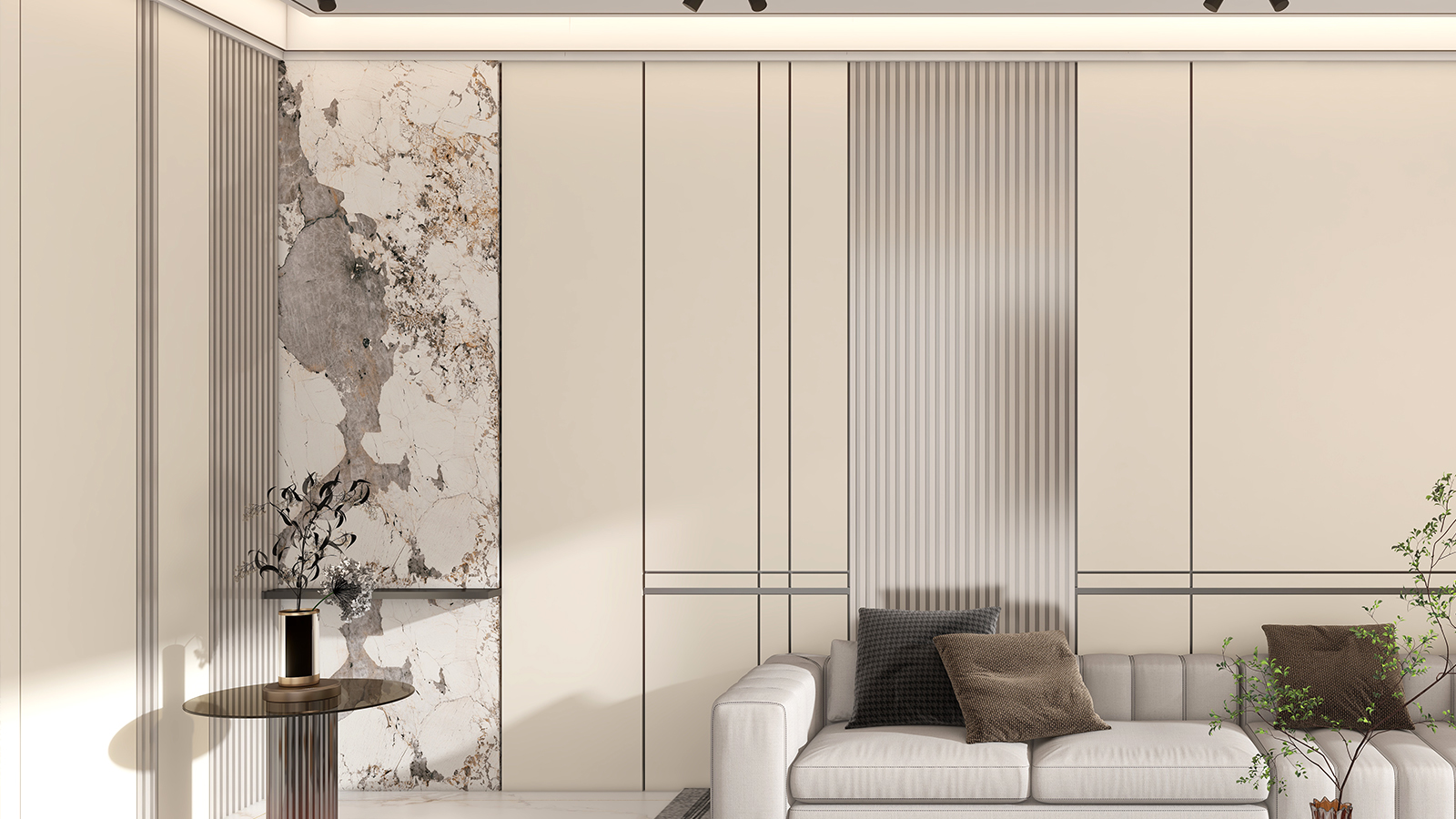
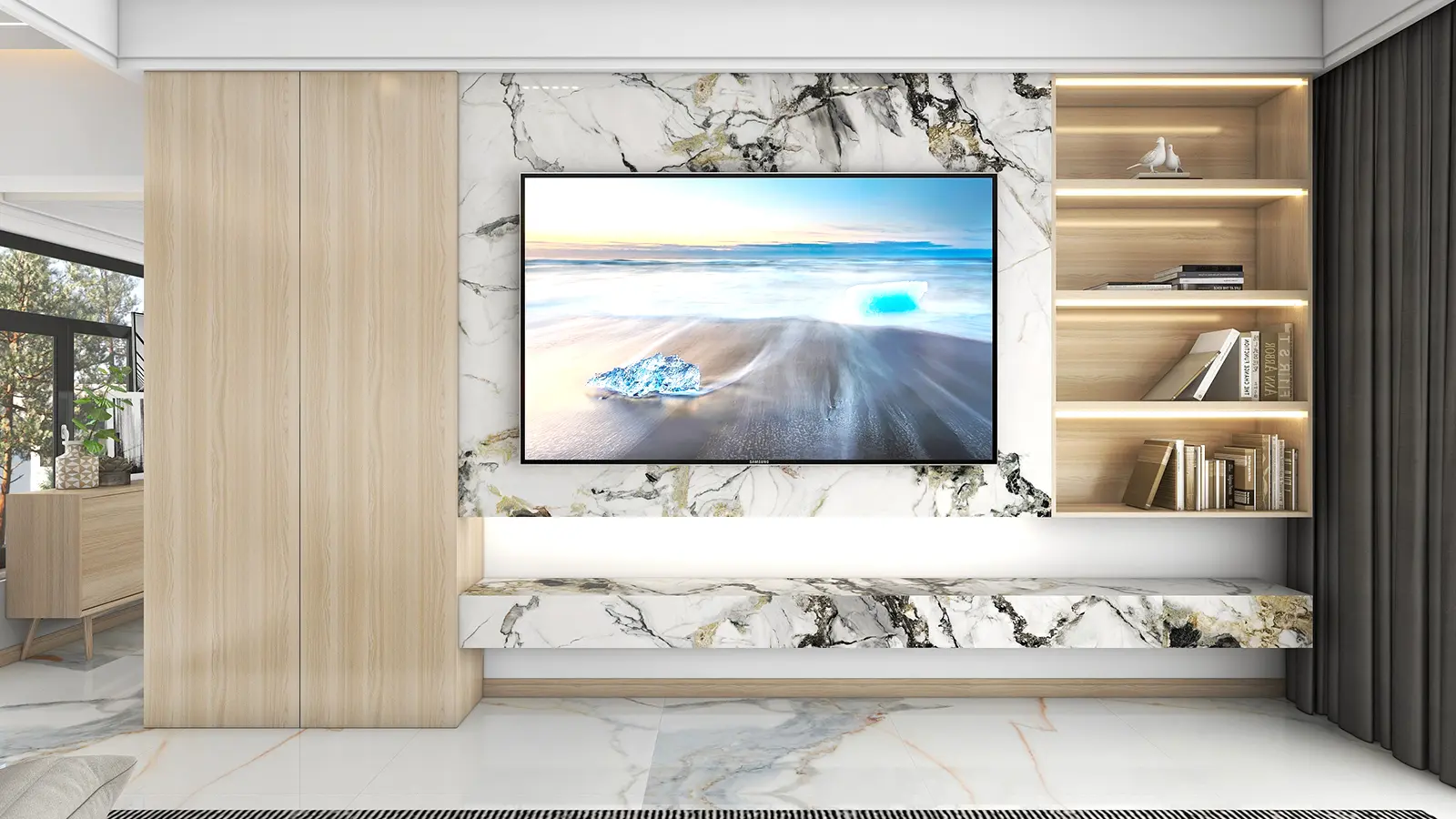
Available in wood grain, stone textures, or sleek modern finishes, RUIDE bamboo-charcoal veneer adapts to both minimalism and luxury interiors.
- Acoustic & Comfort Benefits
The porous nature dampens sound, ideal for RUIDE’s paneling systems in offices, hotels, and wellness centers.
Real-World Use Cases
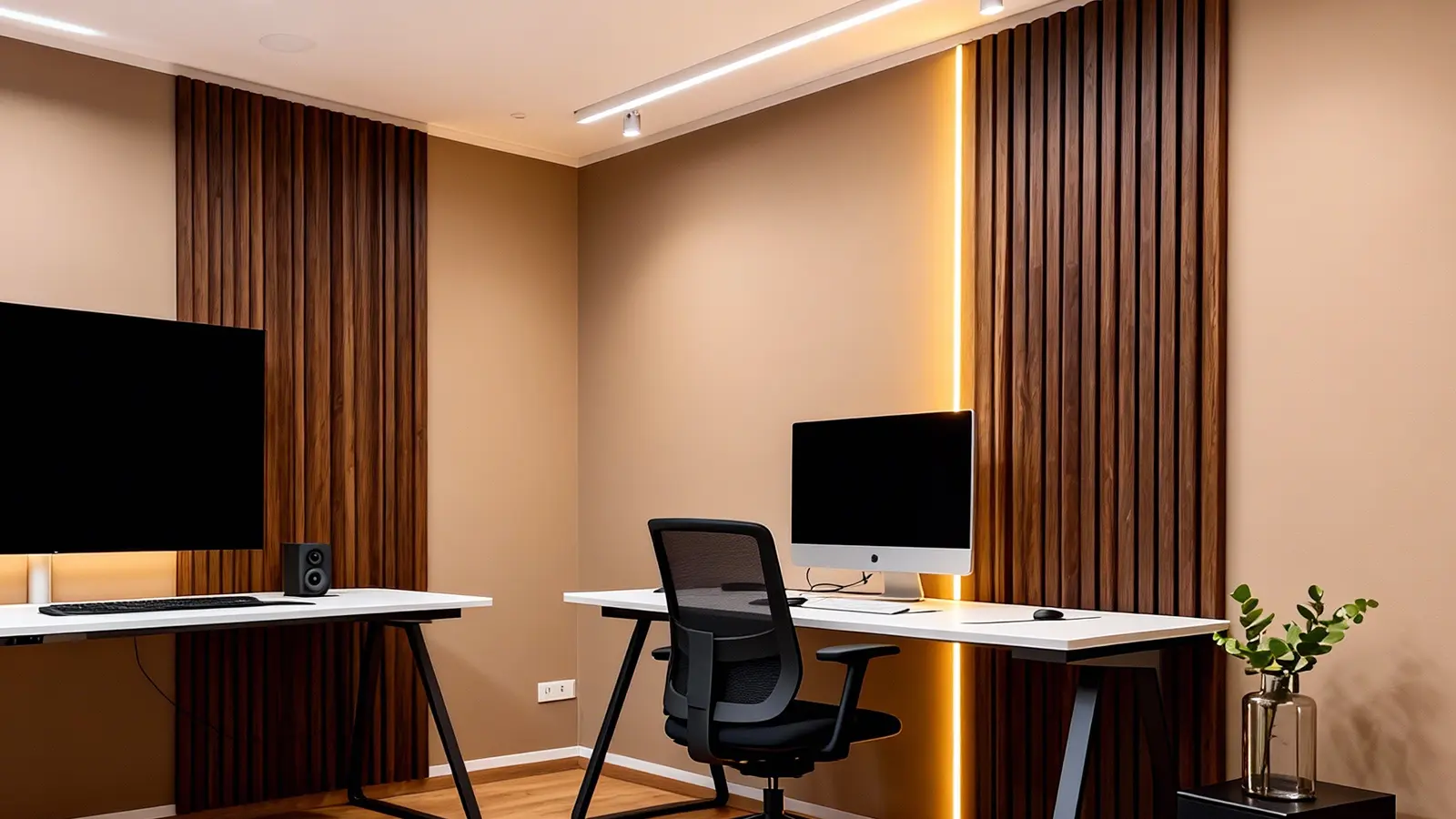
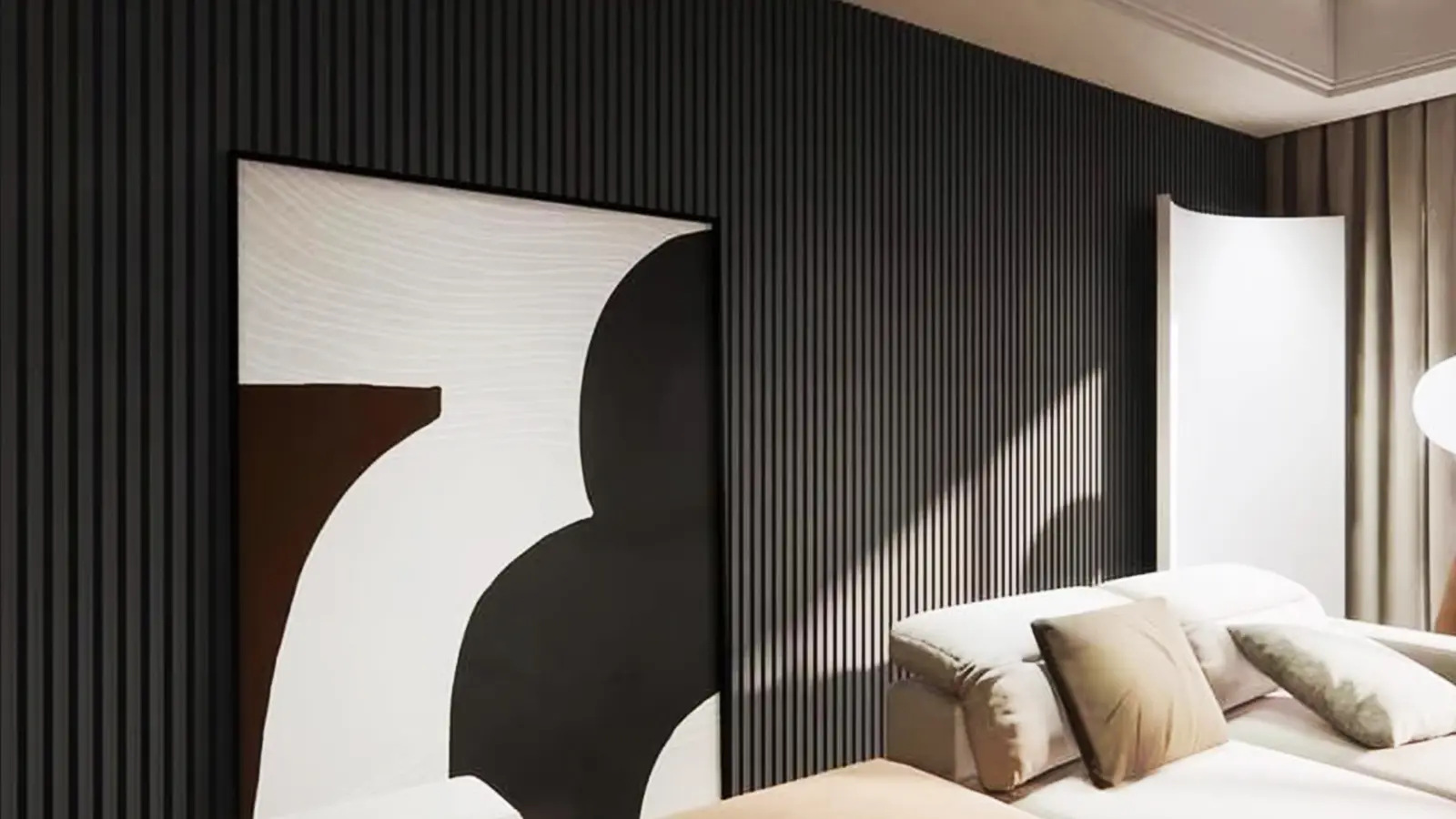
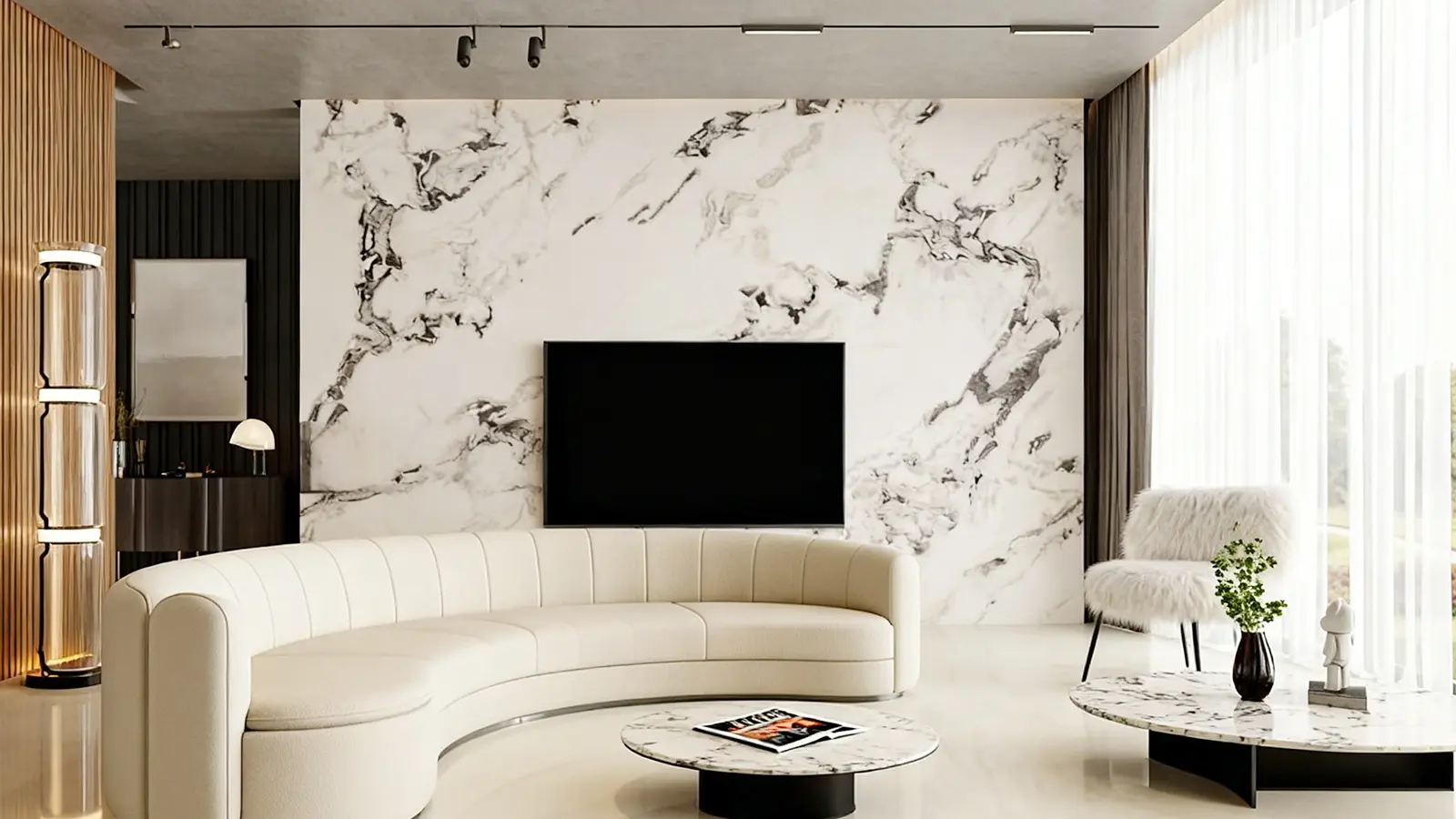
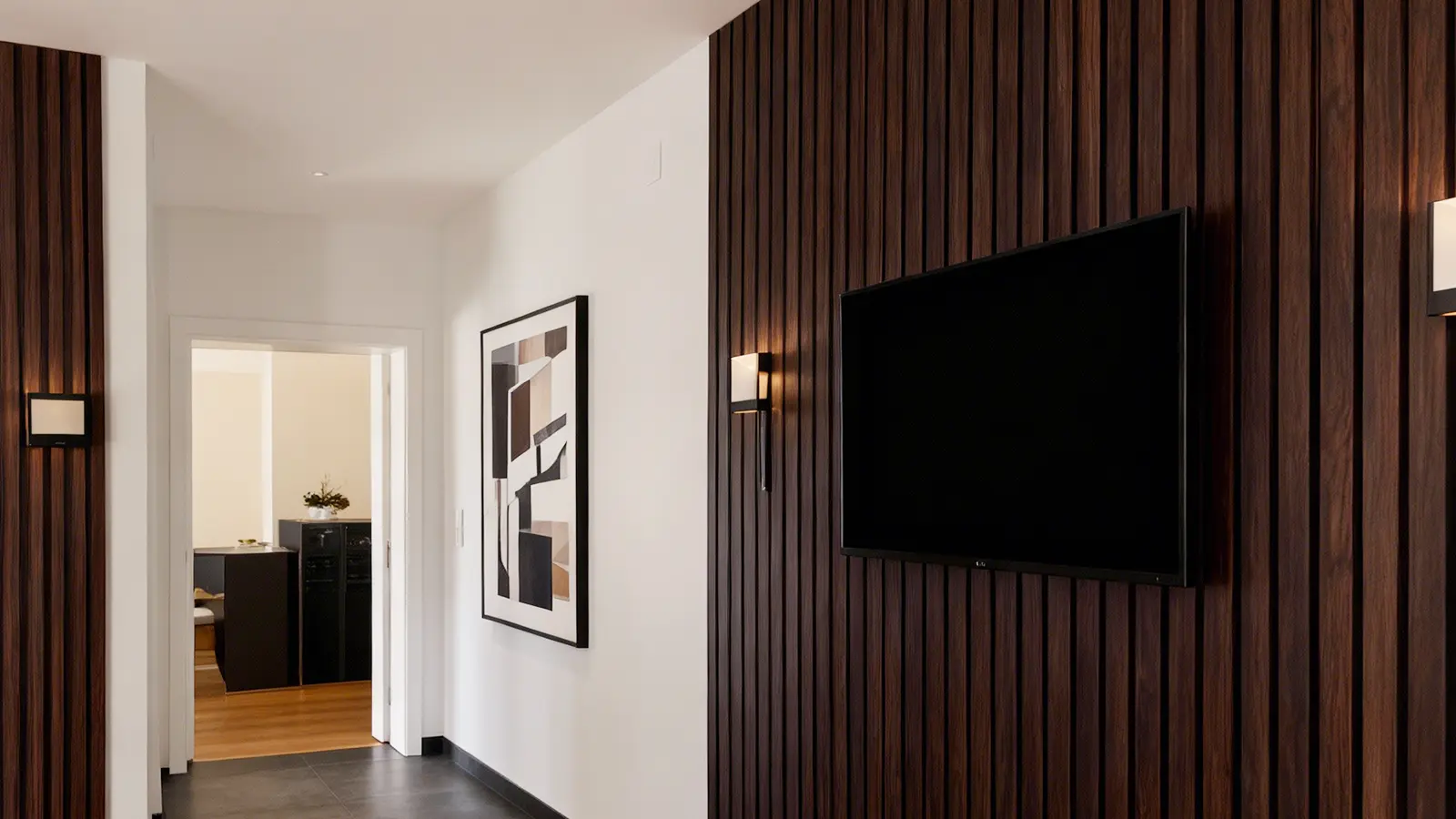
- Residential: RUIDE has supplied panels for luxury condominiums in Shanghai and Dubai, creating elegant living rooms and calming bedrooms.
- Hospitality: Eco-hotels in Europe use RUIDE bamboo charcoal wood veneer for lobby walls, spa zones, and guest rooms.
- Commercial: Several technology firms in Silicon Valley have adopted RUIDE panels to improve air quality and acoustics in open-plan offices.
Comparing with Alternative Decorative Materials
| Feature | Bamboo-Charcoal Veneer (RUIDE) | PVC / Plastic Panels | MDF with Laminate | Natural Wood |
| Eco / Renewability | ✅ High | ❌ Low | ⚠️ Medium | ✅ High |
| Indoor Air Impact | ✅ VOC absorption | ❌ None | ⚠️ Limited | ❌ Neutral |
| Moisture Resistance | ✅ Good | ✅ Good | ❌ Poor | ⚠️ Variable |
| Design Options | ✅ High | ✅ High | ✅ Medium | ⚠️ Limited |
| Lifespan | ✅ 10–15 yrs | ⚠️ 5–8 yrs | ⚠️ 6–10 yrs | ✅ 10–20 yrs |
Here, RUIDE positions bamboo charcoal wood veneer as a balanced choice between cost, performance, and sustainability.
Market Trends & Future Outlook
- Strong export demand in Europe, North America, and the Middle East
- Increasing integration with smart wall systems
- Government incentives for green building adoption
- Rising premium tier branding, with RUIDE panels entering boutique hotels and luxury residences
Challenges Ahead
- Higher cost compared to MDF or PVC
- Awareness gap in some markets
- Installation training requirements
RUIDE is actively addressing these challenges through scale production, global distributor partnerships, and installer education programs.
Conclusion
Bamboo charcoal wood veneer is no longer a novelty; it’s becoming a strategic material for the future of decoration. With its ability to combine health benefits, sustainable sourcing, and versatile aesthetics, it’s poised to reshape how we think about surfaces in both private and public spaces.
RUIDE stands at the forefront of this shift, delivering high-performance bamboo-charcoal veneer solutions to architects, designers, and project developers worldwide.
👉 Ready to explore how RUIDE bamboo charcoal wood veneer can transform your next project?
Contact our team today for samples, technical consultation, or a tailored quotation:
