
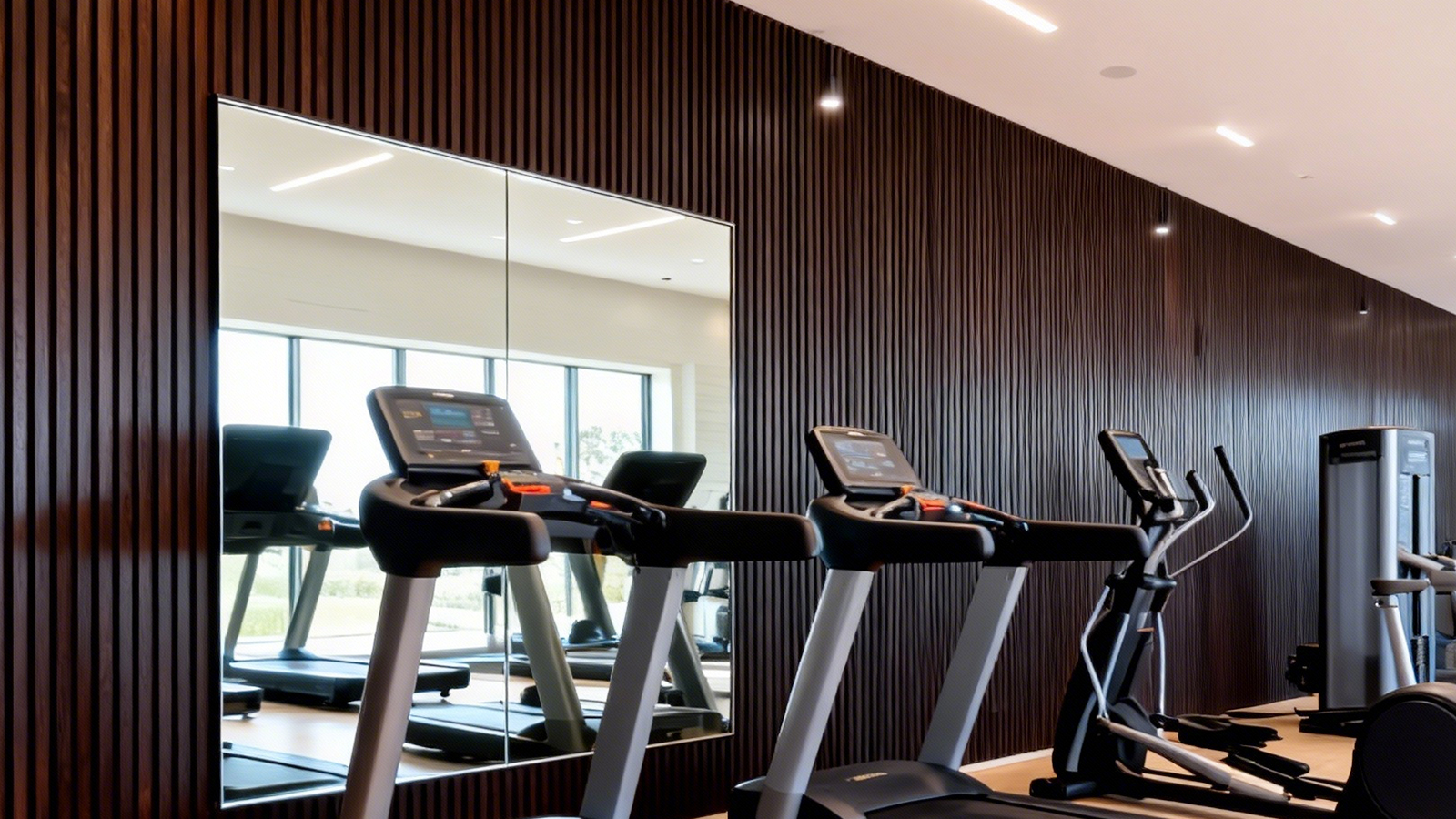
Why Acoustic Wood Panels Are Becoming an Essential Element in Modern Interior Spaces Worldwide
Table of Contents
- Modern Interior Design Trends Favor Natural and Warm Elements
- Increasing Global Awareness of Acoustic Comfort
- Sustainability and Eco-Friendly Materials Influence Purchasing Decisions
- Broad Applications Across Residential, Commercial, and Public Spaces
- Ease of Installation and Practical Performance
- Global Supply Chain and Manufacturing Innovation
- Future Market Trends and Continued Global Growth
- Conclusion
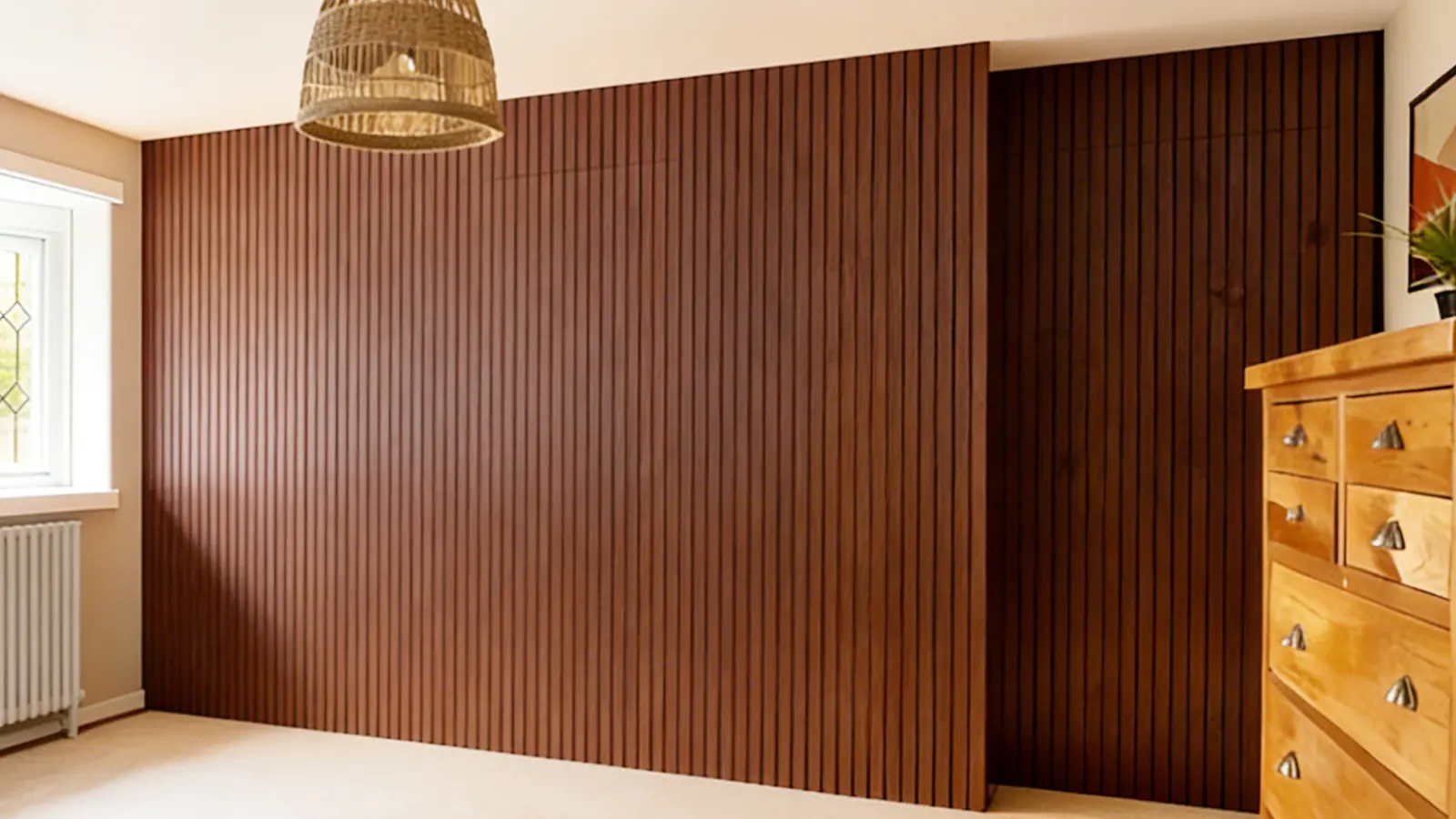
Acoustic Wood Panels have quickly risen from a niche architectural feature to one of the most widely adopted interior materials across the global design industry. Their ability to improve sound performance while enhancing visual warmth makes them a preferred choice for homes, workplaces, hospitality venues, educational institutions, and public buildings. As modern architecture moves toward open layouts, natural materials, and better indoor comfort,acoustic wood panels offer the perfect balance of practicality and aesthetics.
Below, we explore why this material has gained such strong attention in markets around the world and why its growth is expected to continue in the coming years.
1. Modern Interior Design Trends Favor Natural and Warm Elements
1.1 The return of natural textures
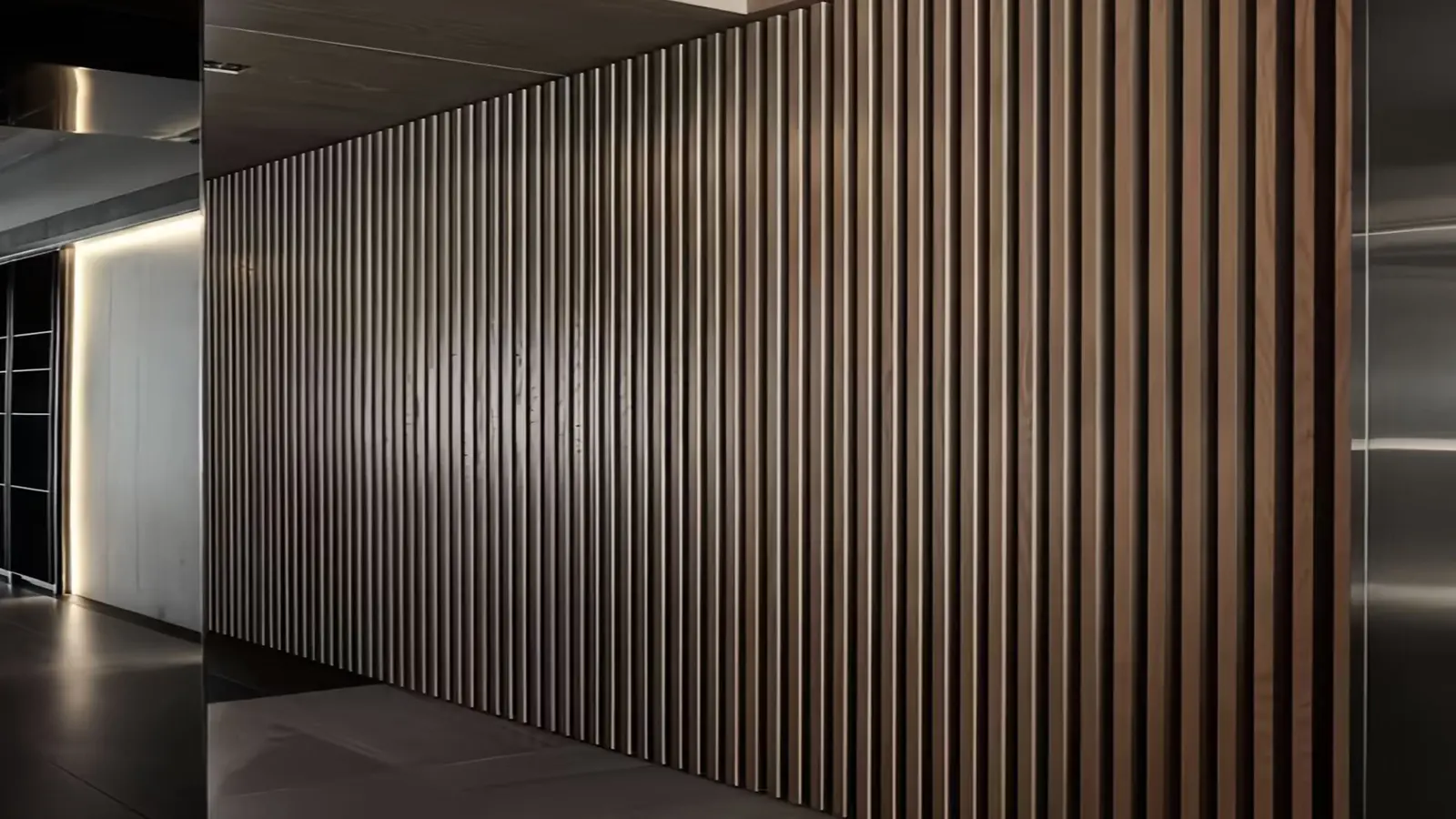
Interior design in many countries has undergone a noticeable shift toward natural surfaces, earthy tones, and organic patterns. Light-toned woods, clean vertical lines, and soft textures dominate the aesthetic of modern homes, hotels, and offices. Acoustic wood panels fit seamlessly into these trends, offering:
- Realistic wood finishes
- Subtle slatted geometry
- Warm, welcoming tones
- The ability to soften sharp, modern interiors
For spaces where hard concrete and glass surfaces create a cold impression, wood panels introduce warmth and balance.
1.2 A perfect match for minimalist and contemporary spaces
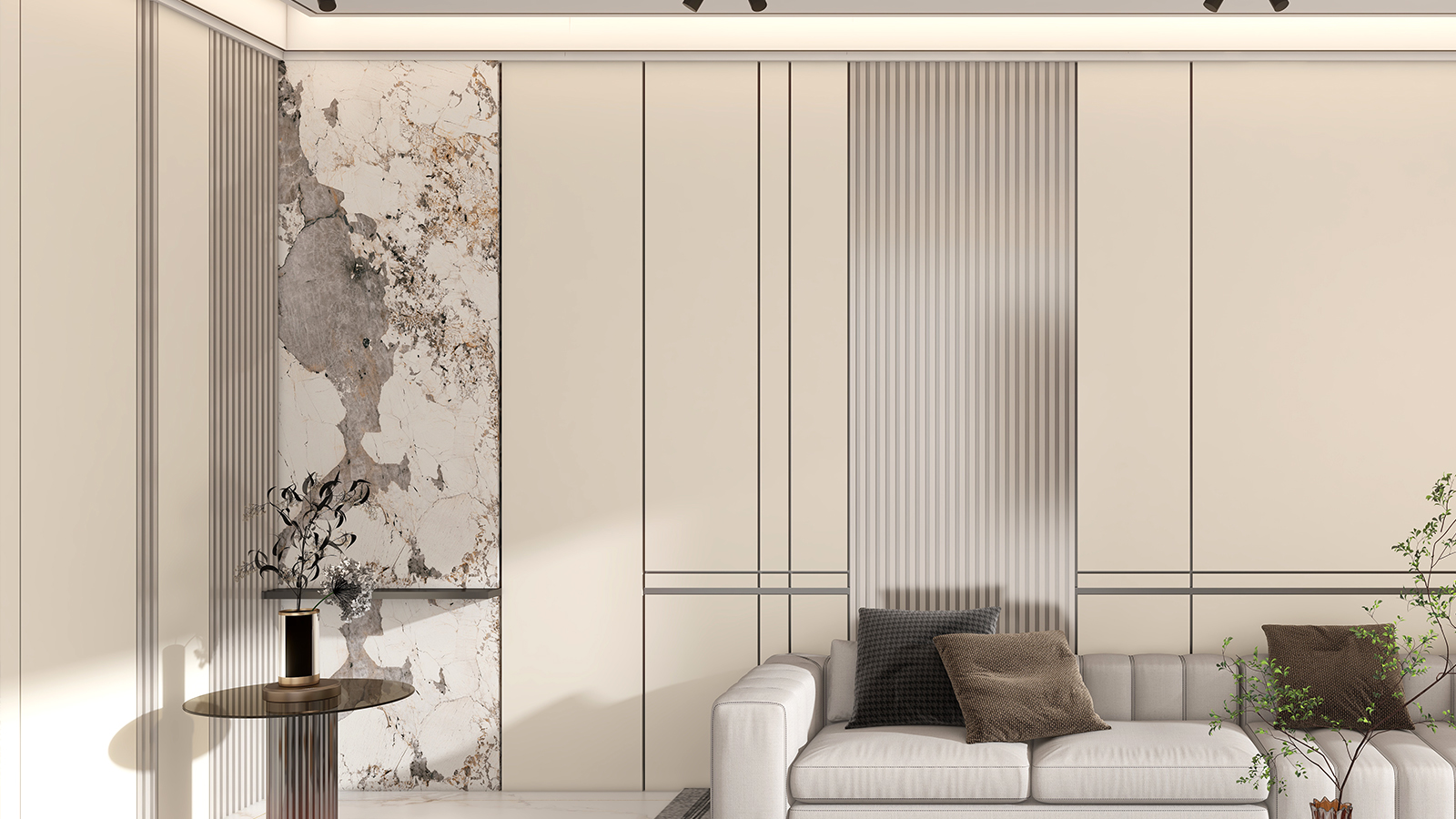
Popular styles such as Scandinavian minimalism, Japandi, warm modernism, and organic contemporary design rely heavily on materials that create visual calmness. Acoustic wood panels complement these styles with:
- Clean lines
- Neutral color palettes
- Soft shadows created by slat structures
- Gentle, textured depth
Their elegance makes them suitable for feature walls, headboards, office backdrops, and restaurant interiors.
1.3 Biophilic design continues to influence global architecture
The global rise of biophilic design—which promotes wellness through natural elements—has made acoustic wood panels a popular choice. Their wood textures mimic natural forest environments, helping:
- Reduce stress
- Improve mood
- Create visually soothing spaces
This is especially valued in workplaces, wellness centers, educational buildings, and hospitality environments.
2. Increasing Global Awareness of Acoustic Comfort
2.1 Noisy modern lifestyles require better sound management
As people live and work in busier cities, noise has become a growing concern. Poor acoustics can affect productivity, communication, and overall comfort. Acoustic wood panels help address:
- Excessive reverberation
- Echo caused by hard surfaces
- Noise transfer in open spaces
- Speech clarity issues
This makes them useful in homes, offices, meeting rooms, and commercial facilities.
2.2 Open-plan architecture creates acoustic challenges
Open layouts remain one of the most requested features in modern projects, yet they often lead to unwanted sound reflections. Acoustic wood panels solve this problem without sacrificing openness. They help refine the acoustic profile of spaces with:
- High ceilings
- Minimal partitions
- Hard flooring
- Large glass windows
Their ability to enhance clarity while maintaining visual appeal is one of the main reasons they are widely adopted.
3. Sustainability and Eco-Friendly Materials Influence Purchasing Decisions
3.1 Global focus on environmentally responsible materials
Consumers and professionals across the world now prioritize materials that support sustainability. Acoustic wood panels often incorporate:
- Recycled PET felt
- Low-emission MDF boards
- FSC-certified veneers
- Eco-friendly manufacturing
Their sustainable nature makes them suitable for projects aiming for environmental certifications.
3.2 Fits within global green building standards
As more building projects pursue certifications such as LEED, WELL, BREEAM, and regional sustainability programs, acoustic wood panels have become a valuable material. They help gain points in categories related to:
- Indoor air quality
- Acoustic performance
- Use of sustainable materials
- Occupant wellbeing
Their combination of low emissions and recycled content aligns well with global green trends.
4. Broad Applications Across Residential, Commercial, and Public Spaces
4.1 A popular upgrade in residential interior design
Acoustic wood panels are no longer limited to luxury homes. They are now common in everyday residential projects, used in:
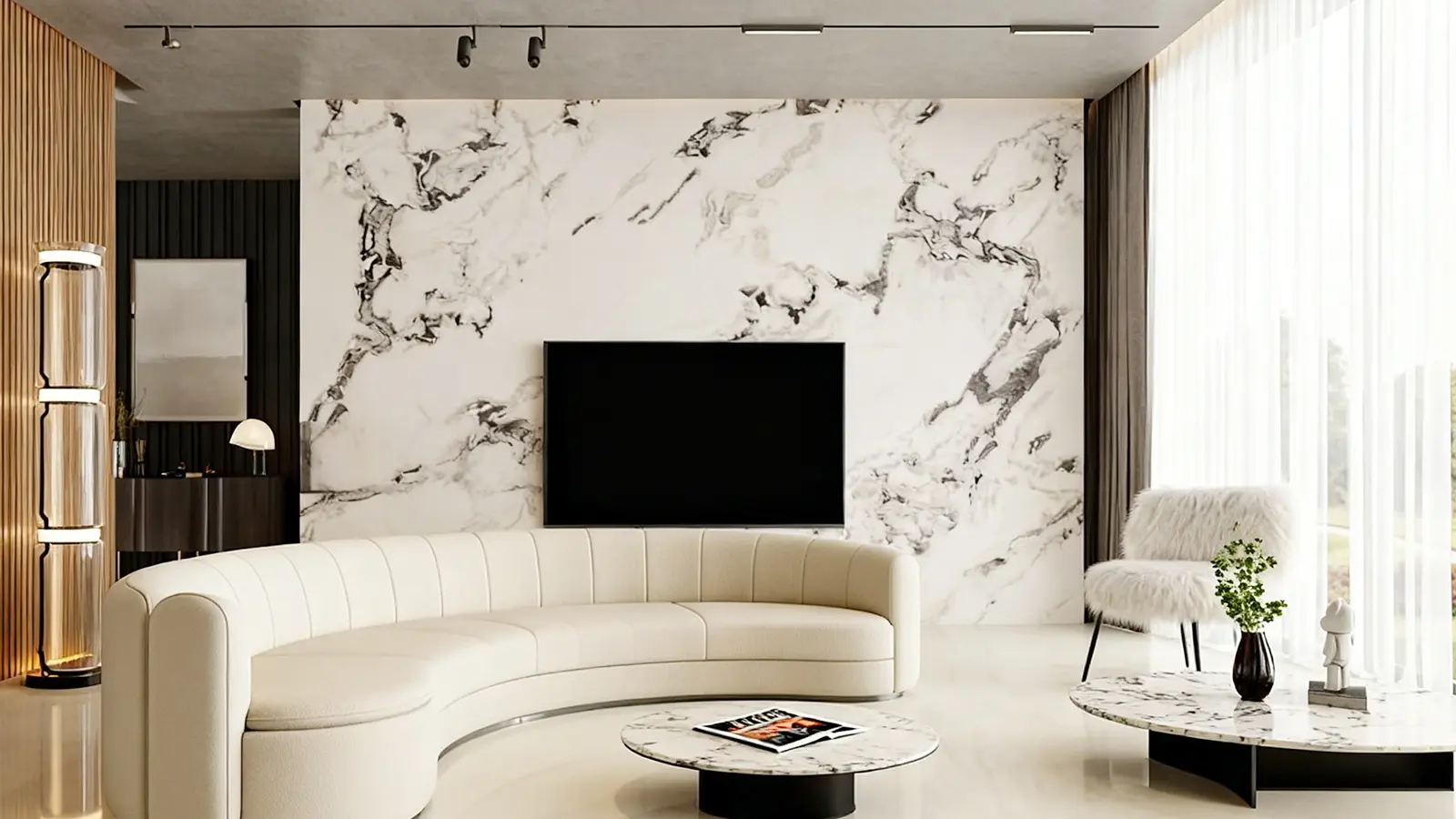
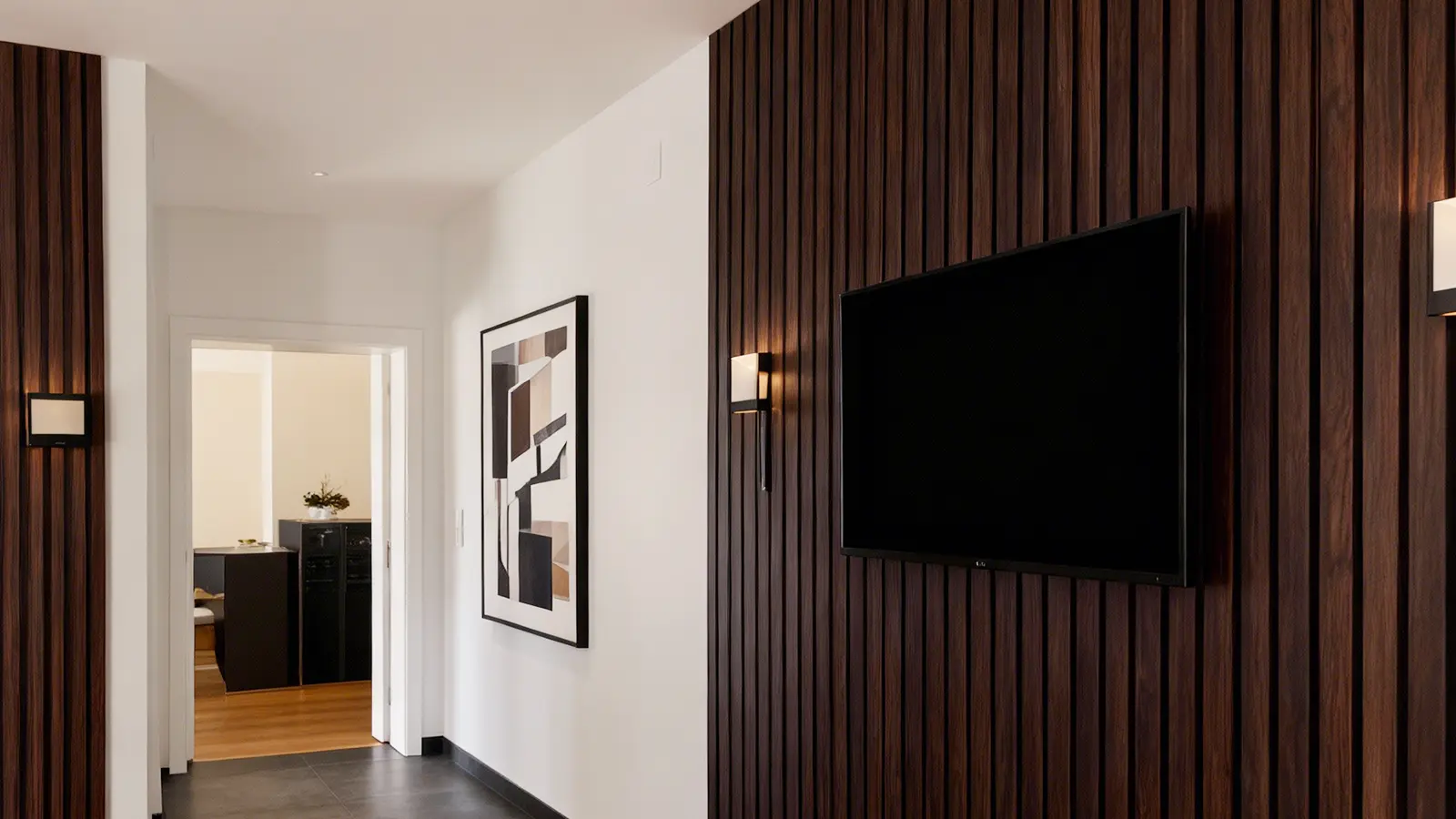
- Living room feature walls
- Bedrooms and headboards
- Hallways and entryways
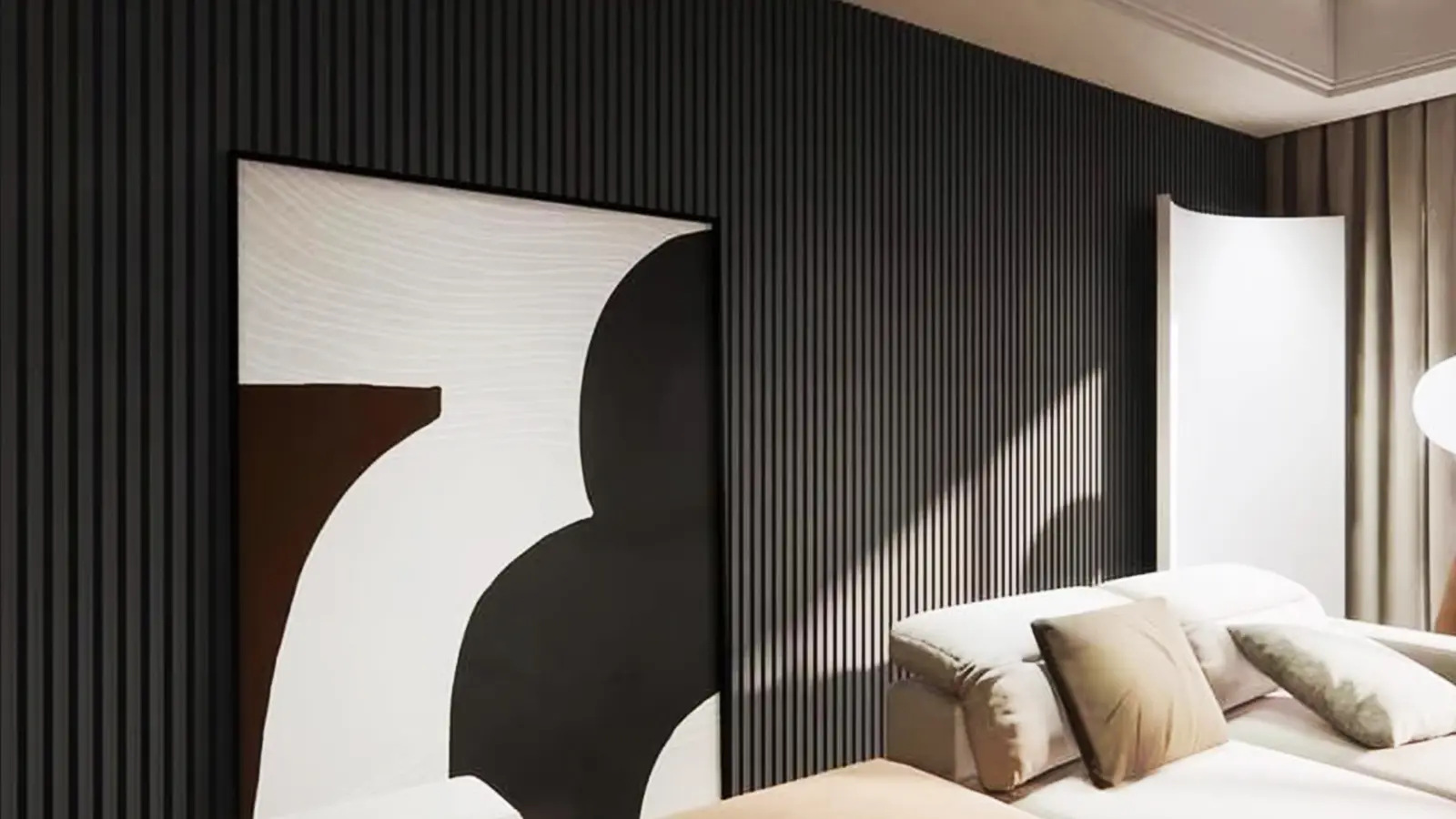
- Home cinemas
- Multi-purpose study and work areas
They elevate the atmosphere of a space without requiring major renovations.
4.2 A practical solution for offices and corporate interiors
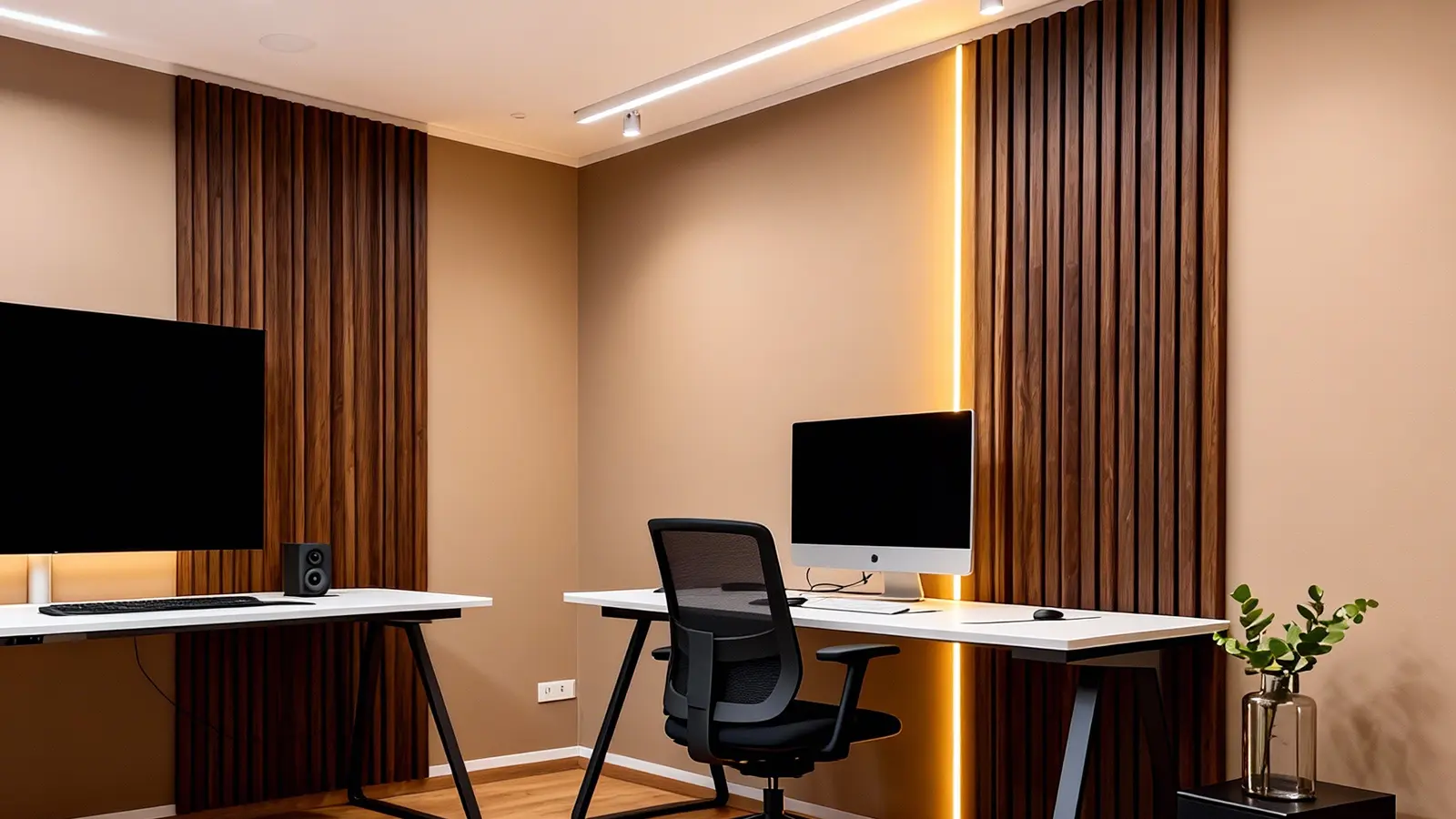
Modern workplaces value both aesthetics and acoustic performance. Many companies use acoustic wood panels to:
- Improve meeting room clarity
- Reduce workplace distractions
- Enhance brand identity through custom finishes
- Create comfortable collaborative zones
Their professional look makes them suitable for lobbies, conference rooms, co-working hubs, and executive offices.
5. Ease of Installation and Practical Performance
5.1 Designed for fast and efficient installation
One of the reasons acoustic panels are popular among contractors is their straightforward installation. They are:
- Easy to cut and shape
- Mountable with screws, nails, or adhesive
- Suitable for both walls and ceilings
- Compatible with various surfaces including drywall, concrete, and brick
This efficiency helps reduce project timelines and labor costs.
5.2 Low maintenance and long-term durability
Unlike raw wood, acoustic wood panels usually include a protective finish that provides:
- Scratch resistance
- Stain resistance
- Color stability
- Moisture protection
Their resilience makes them ideal for commercial spaces and busy residential environments.
5.3 Customizable to meet diverse project needs
Manufacturers now offer a wide range of options, allowing designers to select panels based on:
- Wood color and tone
- Slat spacing
- Acoustic rating
- Fire-resistance level
- Size and thickness
This adaptability allows acoustic wood panels to be used in almost any type of project.
6. Global Supply Chain and Manufacturing Innovation
6.1 Modern production technology ensures consistency
Advanced CNC machinery and automated systems allow factories to produce:
- Consistent slat patterns
- Smooth veneer finishes
- High-quality acoustic felt
- Fire-rated and moisture-resistant cores
This helps ensure the panels meet international architectural standards.
7. Future Market Trends and Continued Global Growth
Several global trends indicate that the popularity of acoustic wood panels will continue growing, including:
- Rising awareness of acoustics in everyday environments
- Global migration toward natural and calming interiors
- Expansion of renovation and remodeling activities
- Continued shift to hybrid work models
- Strong demand from hospitality and commercial sectors
- Advancements in panel manufacturing and customization
Acoustic wood panels are no longer just an aesthetic choice—they are becoming a core design component in modern architecture.
Conclusion
Acoustic wood panels have earned their place as a leading solution for improving the look, feel, and sound of interior spaces around the world. Their combination of natural beauty, acoustic performance, sustainability, and versatility makes them suitable for nearly any type of environment—from homes and offices to restaurants and public buildings. As global design continues valuing comfort and natural materials, the use of acoustic wood panels is expected to grow even further.