

Why Acoustic Wood Panels Are Becoming a Global Favorite in Modern Interior Design
Table of Contents
- Interior Architecture Trends Favor Warm, Natural Materials
- Demand for Better Sound Quality in Modern Living Spaces
- Sustainability and Eco-Friendly Building Materials Are in High Demand
- Extensive Practical Applications Across Global Markets
- Simple Installation, Easy Maintenance, and Long Durability
- The Role of Global Manufacturing and Supply Chain Growth
- Future Trends: Continued Global Growth
- Conclusion
Acoustic wood panelshave quickly moved from niche architectural products to mainstream design essentials across residential, commercial, and public spaces in many countries around the world. Interior designers, builders, and renovation professionals are increasingly choosing them as a practical upgrade that enhances both sound quality and visual appeal. Whether used in homes, offices, hospitality venues, educational facilities, or creative studios, acoustic Wood Panels offer a refined blend of noise control, warm aesthetics, and contemporary style that aligns with global design trends.
This rising popularity is driven by lifestyle changes, new architectural preferences, increased awareness of sound comfort, and the global shift toward sustainable Building Materials. Below, we explore the key reasons acoustic wood panels have become a preferred solution worldwide.
1. Interior Architecture Trends Favor Warm, Natural Materials
A global shift toward warm, minimalist interiors
Across many regions, interior design has shifted toward natural, calming environments. Light woods, clean lines, and soft textures dominate contemporary décor styles such as:
- Scandinavian minimalism
- Modern organic
- Japandi
- Nordic-Japanese fusion
- Urban contemporary
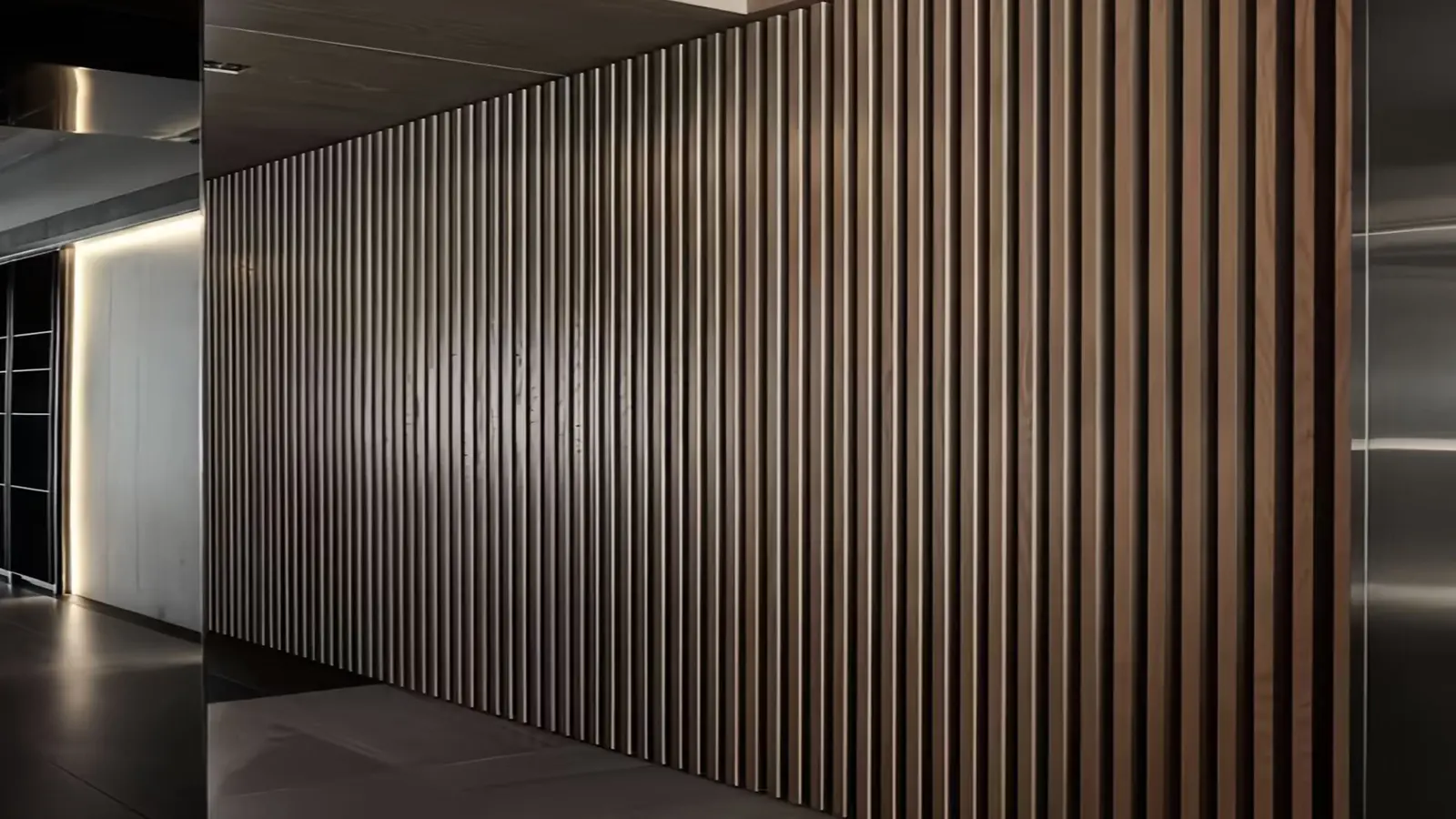
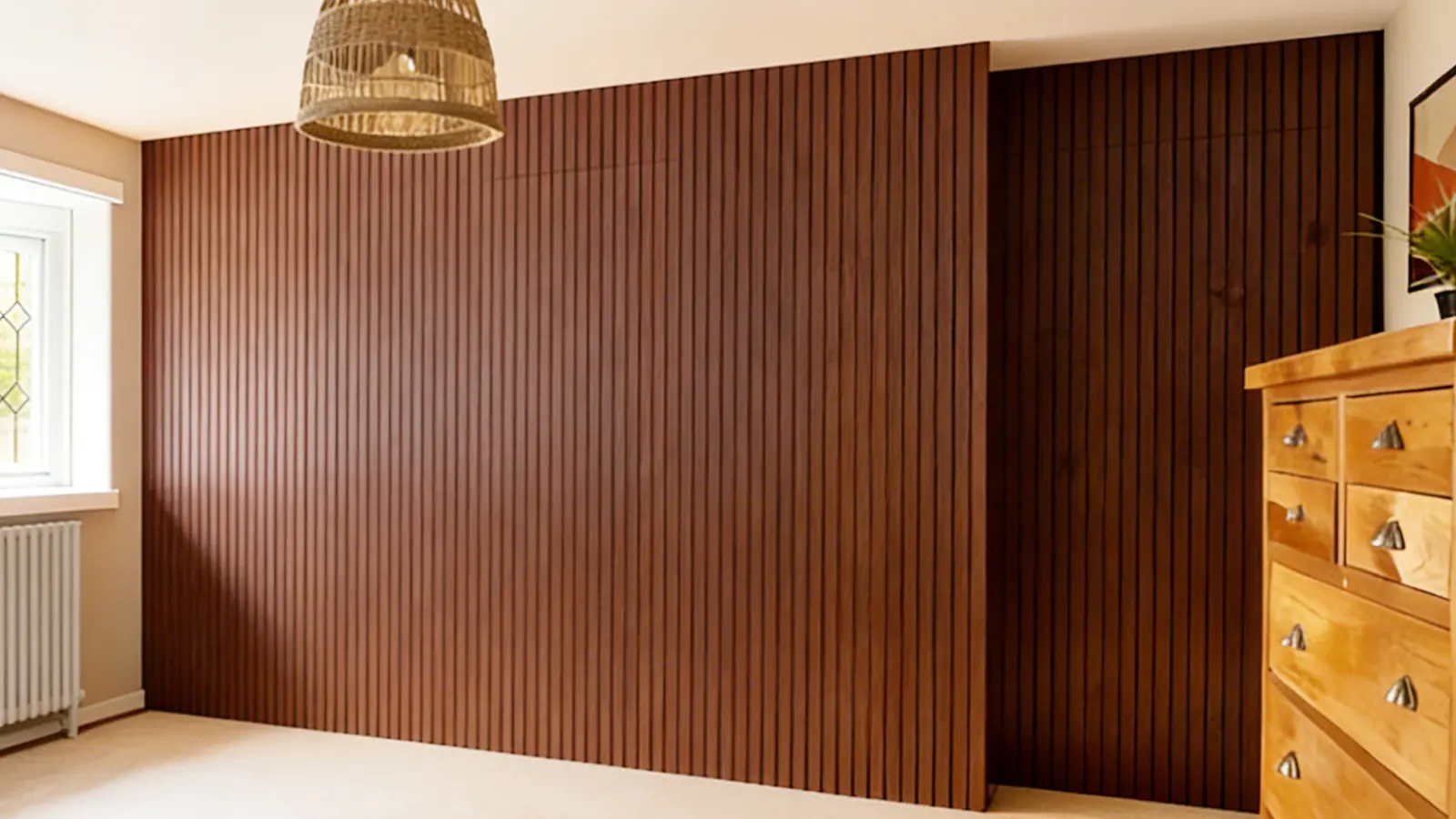
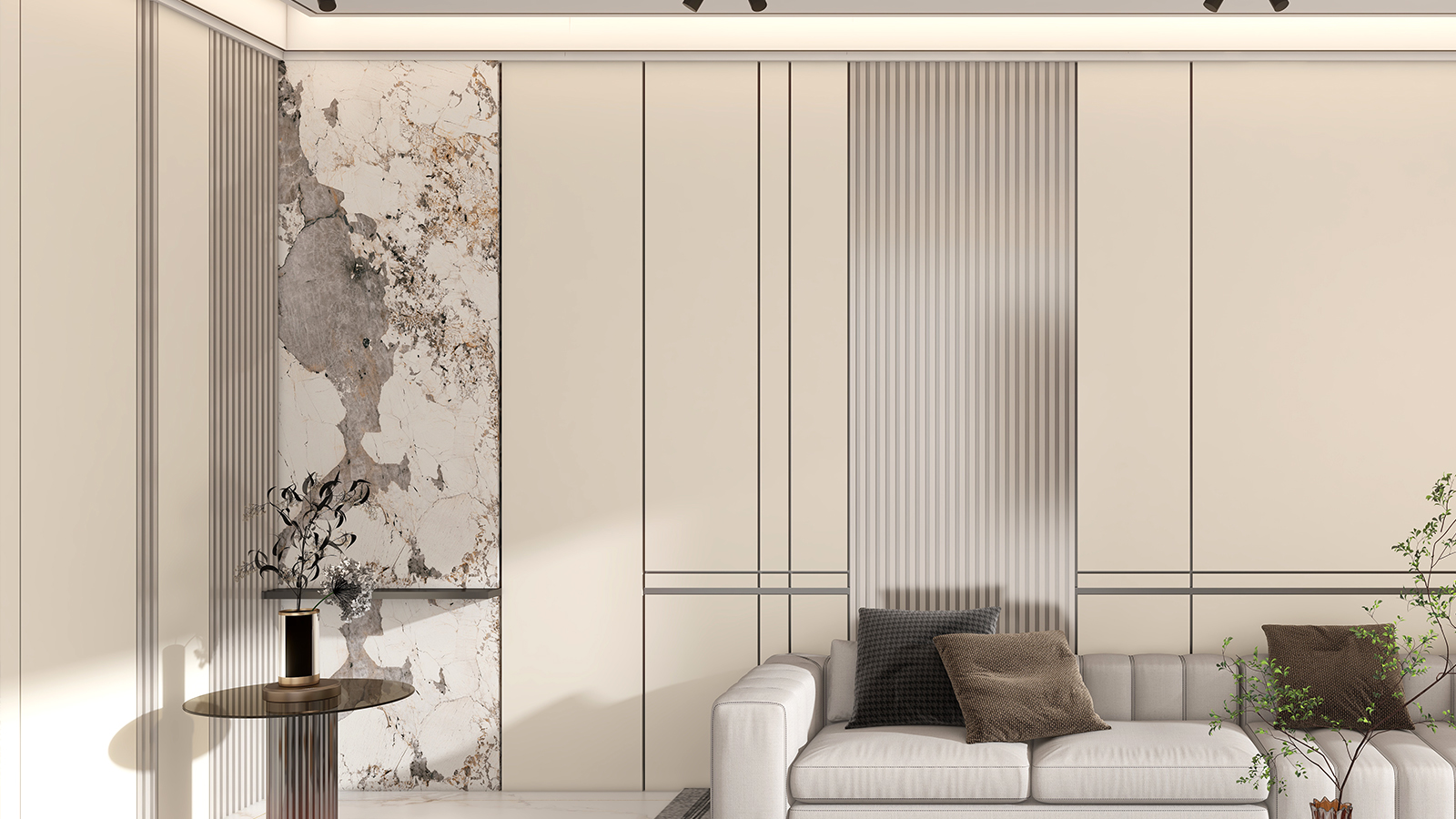
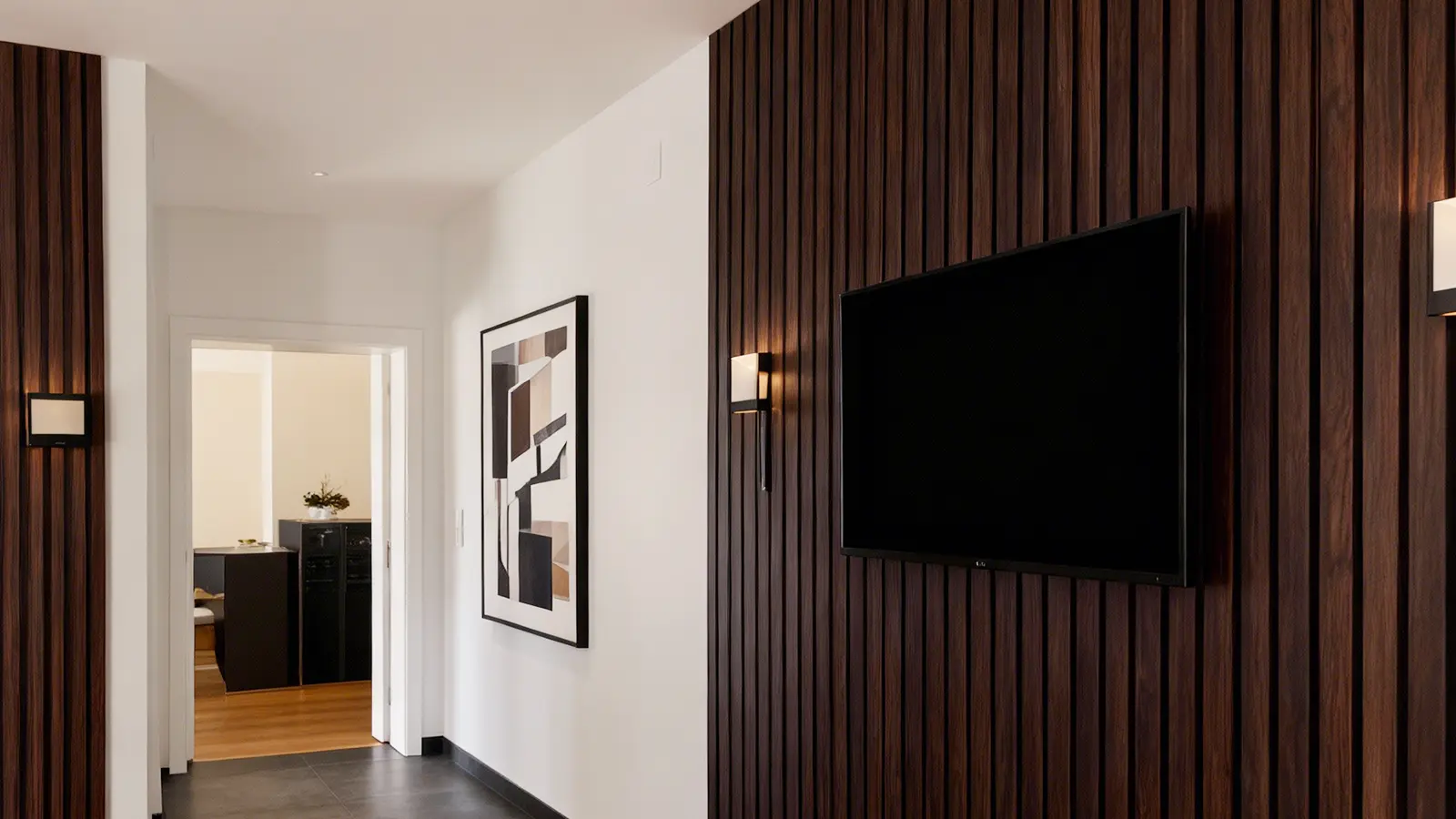
Acoustic wood panels fit effortlessly into these aesthetics. Their slatted profiles introduce subtle patterns, while wood tones add warmth and depth.
These panels are now widely used in:
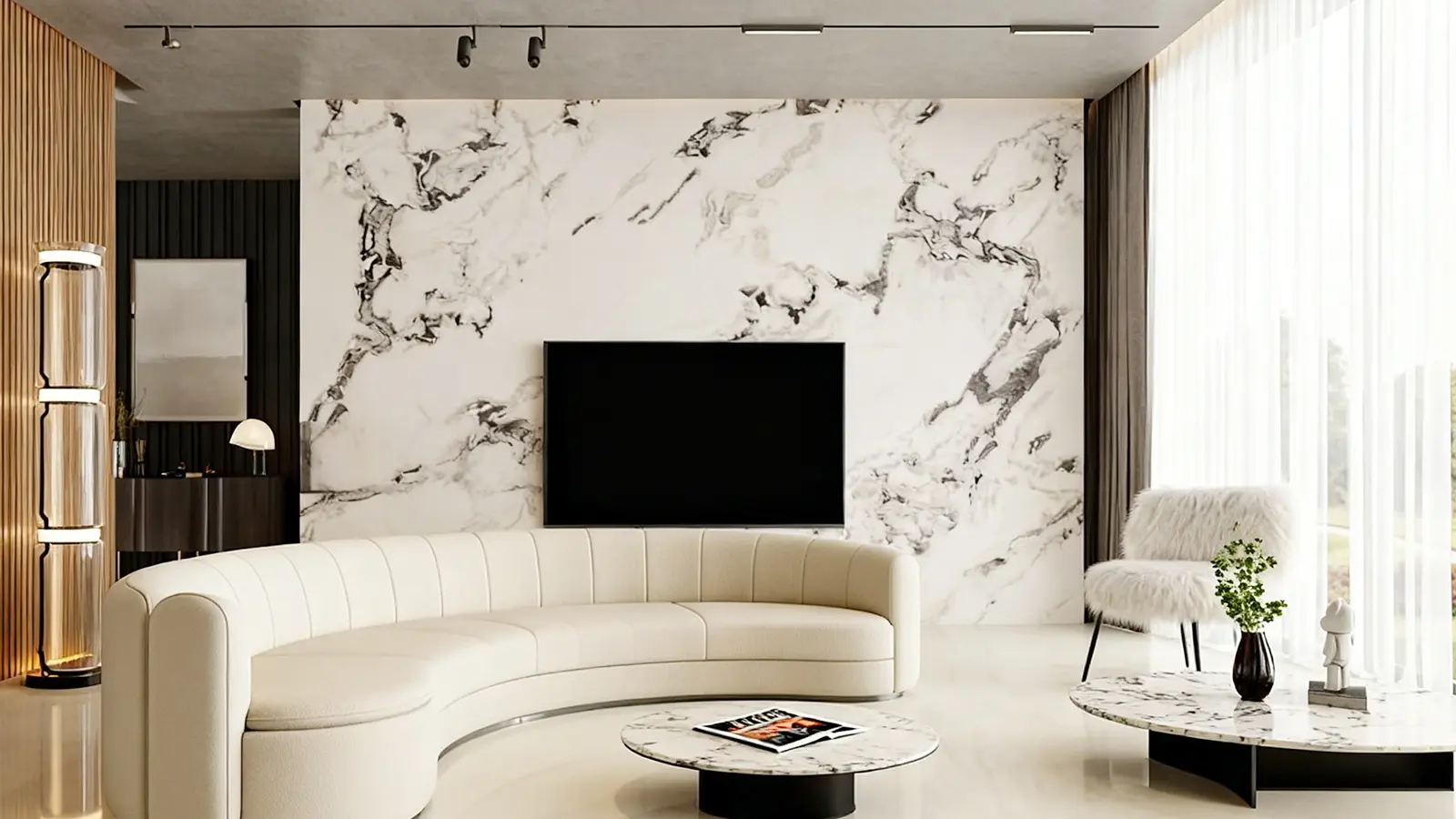
- Living rooms
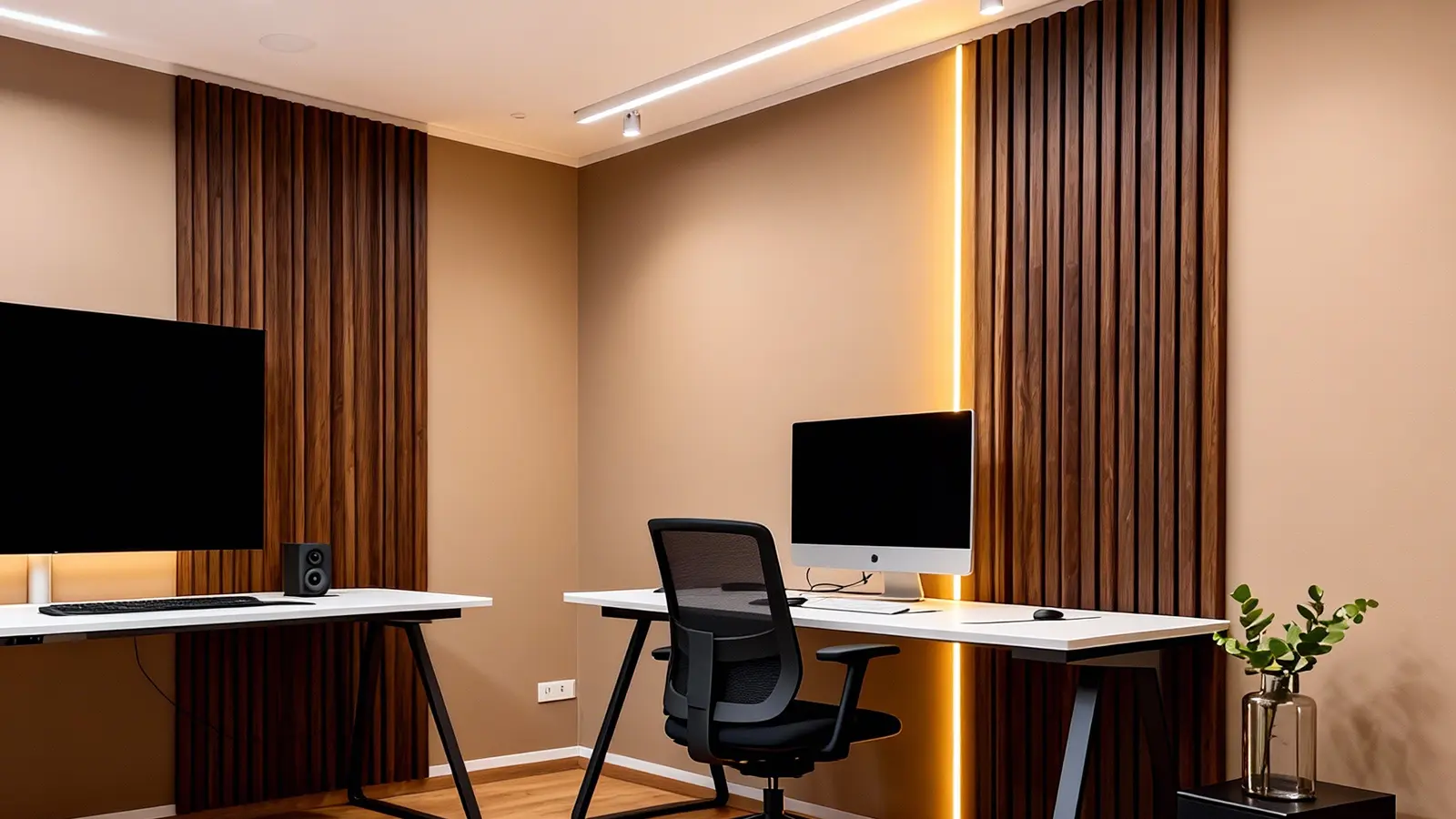
- Home offices
- Co-working spaces
- Cafes and boutique restaurants
- Retail showrooms
- Lounge areas and lobbies
Their ability to instantly elevate the visual tone of a room has made them a top choice for designers seeking both function and beauty.
Growing preference for natural, biophilic environments
Biophilic design—an approach that incorporates natural elements to improve wellbeing—is now mainstream in architecture worldwide.
Acoustic wood panels support this trend by providing:
- Organic textures
- Natural grain patterns
- Soft, inviting color tones
- A sense of calm and warmth
Many homeowners and developers use slatted wood panels to soften modern buildings dominated by glass, concrete, and metal, creating more balanced and comfortable interiors.
2. Demand for Better Sound Quality in Modern Living Spaces
Rising need for acoustic comfort
With global urbanization, people are living and working closer together, creating more situations where sound control is essential. Acoustic wood panels help reduce:
- Echo and reverb in open rooms
- Noise transfer in large spaces
- Sound reflections caused by hard surfaces
- Distractions in office environments
This makes them ideal for:
- Home theatres
- Meeting rooms
- Study areas
- Hospitality venues
- Open-plan offices
As noise pollution becomes a growing concern, demand for effective acoustic solutions continues to rise.
Open-concept layouts require improved acoustics
Open-concept designs remain popular worldwide because they create spacious and interconnected environments. However, these layouts often come with acoustic challenges due to:
- High ceilings
- Bare walls
- Hard flooring
- Minimal partitions
Acoustic wood panels are one of the simplest ways to improve sound behavior in such spaces without compromising visual openness.
Remote work and digital communication increase sound requirements
Over the past few years, remote and hybrid working models have become standard for millions of people. This shift has created a global need for better acoustic control at home.
Acoustic wood panels are now commonly installed in:
- Home offices
- Video conference backgrounds
- Podcast and recording spaces
- Study rooms
- Hybrid workspaces
They reduce echo during video calls and improve the overall working environment.
3. Sustainability and Eco-Friendly Building Materials Are in High Demand
Global environmental awareness influences material choices
More countries are promoting green building practices and eco-certified materials. Acoustic panels often meet these expectations by offering:
- Low-VOC finishes
- Recyclable PET felt backing
- FSC-certified wood options
- Environmentally conscious manufacturing
Consumers and developers are increasingly choosing products that align with both performance and environmental responsibility.
Government and commercial projects emphasize sustainability
Green construction standards—such as LEED, WELL, BREEAM, and other regional eco-certification systems—are now widely implemented across the world.
Acoustic wood panels support green building goals by contributing to:
- Acoustic comfort credits
- Low-emission material requirements
- Recyclable content
- Energy-efficient interior design
As sustainability regulations expand, architects are specifying acoustic wood panels more frequently in public projects.
4. Extensive Practical Applications Across Global Markets
Residential use continues to grow
Homeowners increasingly view acoustic upgrades as essential, not optional. Acoustic panels are commonly installed in:
- Living rooms and feature walls
- Bedrooms
- Home cinemas
- Entryways
- Work-from-home spaces
They deliver both aesthetic value and practical performance.
Strong adoption in offices and commercial spaces
Modern workplaces prioritize employee comfort, productivity, and a polished corporate image. Acoustic wood panels support this by offering:
- Reduced noise and distractions
- Stylish branding opportunities
- Improved speech clarity
- Enhanced atmosphere in meeting spaces
They are widely used in:
- Corporate offices
- Conference areas
- Shared workspaces
- Reception zones
Popular in hospitality, retail, and entertainment venues
Businesses in the service and entertainment industries often rely on ambiance to create memorable customer experiences.
Acoustic wood panels are ideal for:
- Restaurants and cafés
- Bars and lounges
- Hotel lobbies
- Retail boutiques
- Wellness studios
Their combination of acoustic comfort and stylish appearance makes them a go-to material in hospitality design.
5. Simple Installation, Easy Maintenance, and Long Durability
Straightforward installation appeals to renovation professionals
Many installers and contractors appreciate that acoustic wood panels are:
- Easy to cut with standard tools
- Compatible with screws, nails, or adhesive
- Suitable for drywall, brick, or concrete
- Lightweight and manageable
This simplicity accelerates project timelines and reduces labor costs.
Low maintenance and long-lasting
Acoustic wood panels usually feature:
- Scratch-resistant surfaces
- Stable color performance
- Moisture-resistant substrates
- Durable veneers or laminates
Most panels can last a decade or more with minimal upkeep, making them a smart long-term investment for both homeowners and commercial developers.
6. The Role of Global Manufacturing and Supply Chain Growth
Competitive pricing expands worldwide adoption
Many acoustic wood panels are manufactured in regions with advanced production capabilities and cost-effective materials. This allows distributors to offer premium designs at accessible prices, fueling global adoption.
Customization options support diverse markets
Manufacturers today offer high levels of customization, such as:
- Different wood tones
- Varied slat sizes
- Fire-rated cores
- High-performance acoustic options
- Custom dimensions and colors
This flexibility helps suppliers meet the needs of designers around the world.
7. Future Trends: Continued Global Growth
The worldwide market for acoustic wood panels is expected to grow steadily due to:
- Increasing demand for noise reduction
- Expansion of the renovation sector
- Rising popularity of natural interior materials
- Growth in hybrid workplaces
- Simplified installation systems
- Broader availability through global suppliers
Acoustic wood panels have proven to be more than a design trend—they are now a core component of modern architecture.
8. Conclusion
Acoustic panels have earned a prominent place in global interior design thanks to their rare combination of beauty, sound control, sustainability, and practicality. As living and working environments continue to evolve, their role is expected to become even more essential. For designers, homeowners, and commercial builders seeking a versatile and timeless material, acoustic wood panels remain one of the most reliable and stylish solutions available today.