
When Sound & Style Meet: Leveraging Acoustic Panels to Elevate Your Space
Table of Contents
- The Role of Acoustic Panels in Your Environment
- Key Advantages You’ll Gain
- Where They Make the Most Impact
- Material Choices, Performance & Budget Considerations
- Looking Ahead: Emerging Innovations in 2025
- Practical Guidelines Before You Move Forward
- Final Thoughts: Making Sound work for You
In today’s built-environment, noise is often the unseen challenge: bouncing voices in an open office, chatter in a café, echoes in a home cinema. Fortunately, you don’t always need a full-scale rebuild to tame that sound chaos. A thoughtfully chosen array of acoustic panels offers a smart, stylish route to better acoustics—and better experiences.
The Role of Acoustic Panels in Your Environment
Acoustic Panels are designed to absorb reflected sound energy (rather than fully block sound transmission) and thus help regulate reverberation and clarity in a room. They typically consist of a resilient core (fibre glass, mineral wool, foam or recycled PET) wrapped in fabric or finished with decorative surfaces.
When applied correctly, they reduce the “echo chamber” effect of hard surfaces and improve how sound behaves in a given space.
Key Advantages You’ll Gain
Here are some core benefits you’ll unlock with well-selected acoustic panels:
- Reduction in Echoes & Reverberation
Hard, reflective materials cause sound waves to bounce repeatedly—making rooms feel noisy and unclear. Acoustic panels help absorb those waves and shorten the time it takes for sound to decay.
In practice, this means speech doesn’t smear or get lost in the space.
- Better Speech & Listening Clarity
Clear communication is vital in meeting rooms, educational spaces, theatres and conference areas. Panels help reduce ambient “noise floor” and reflection clutter, making spoken words easier to hear and understand.
- Aesthetic Integration and Visual Appeal
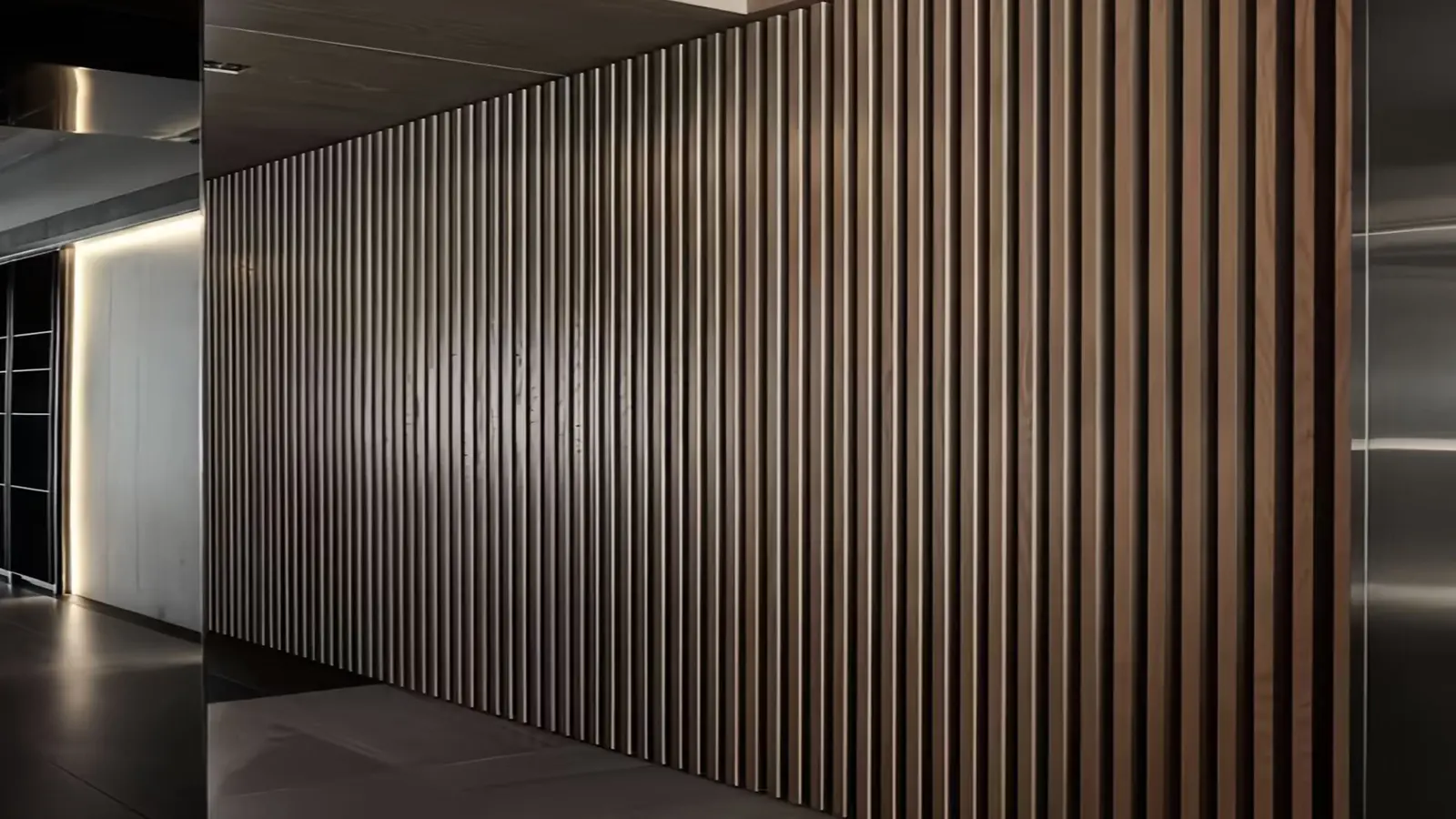
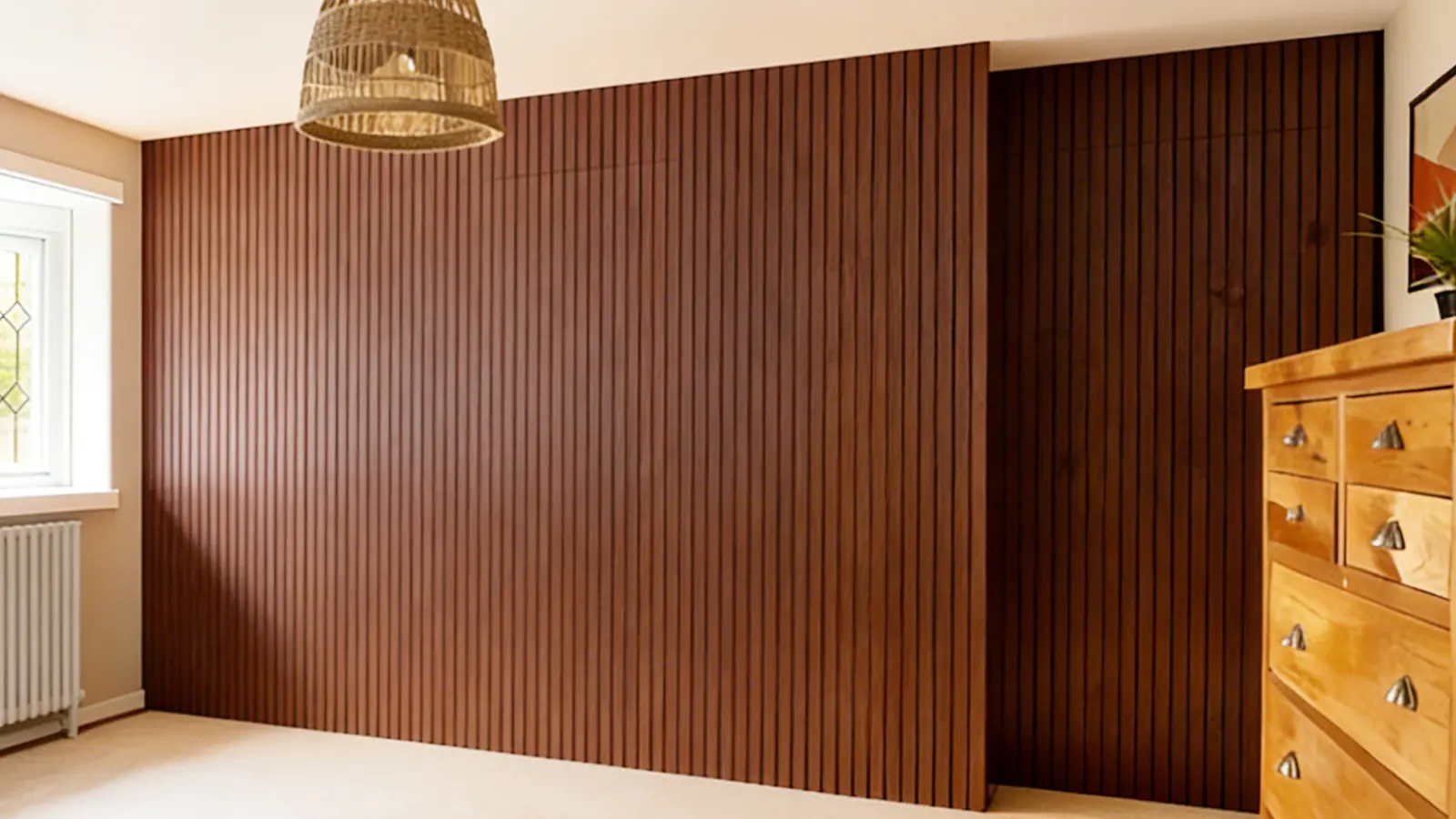
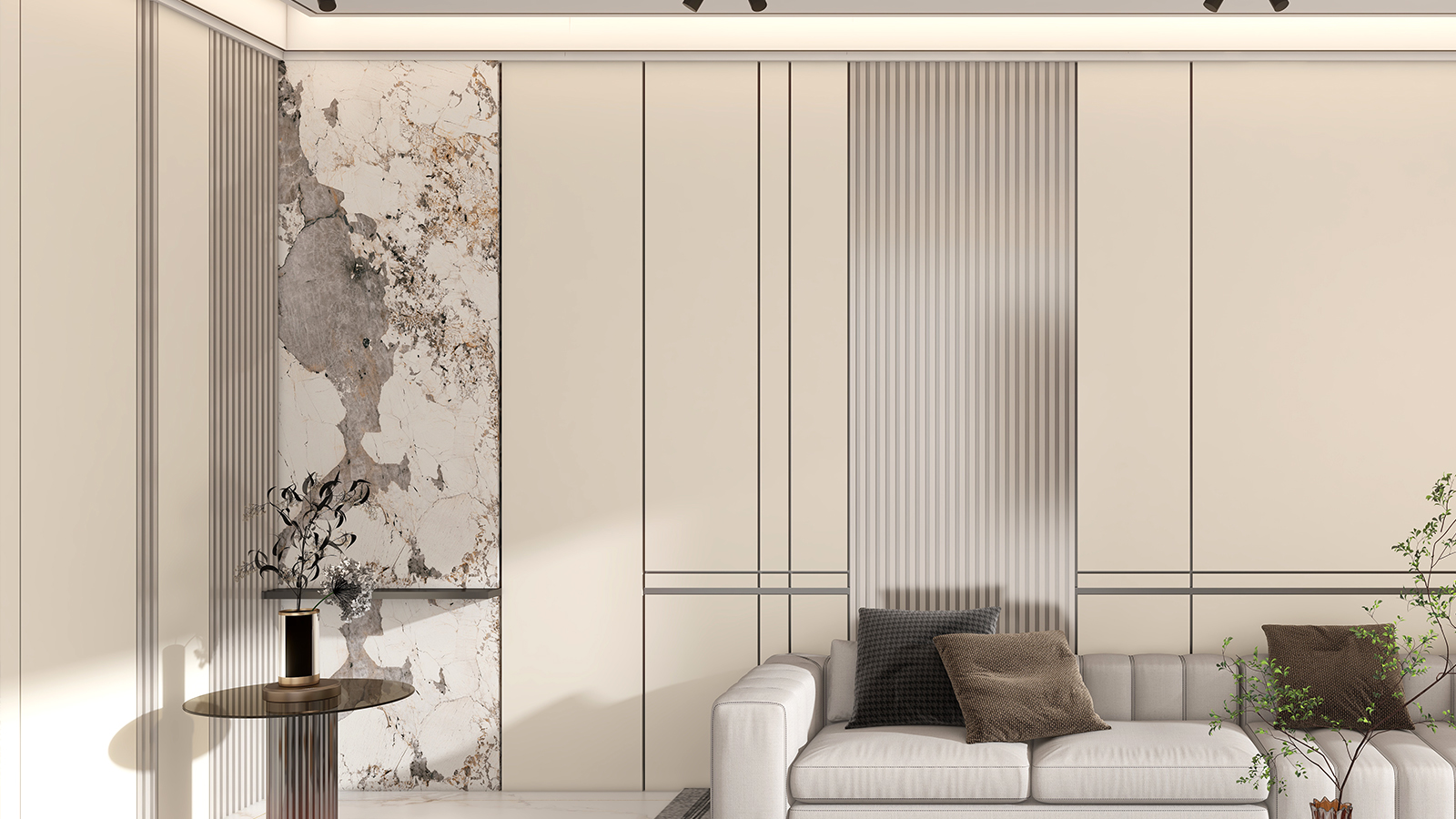
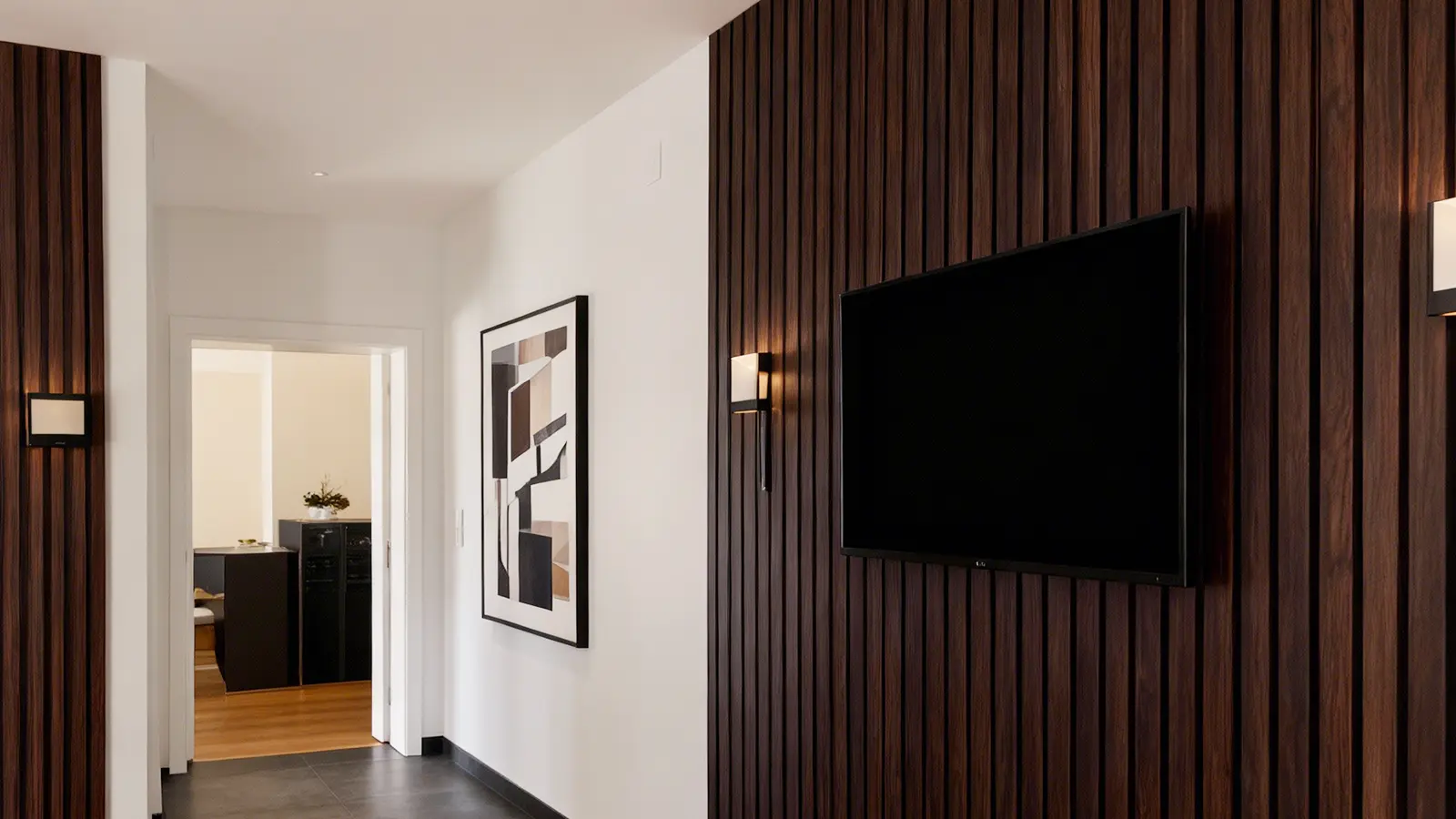
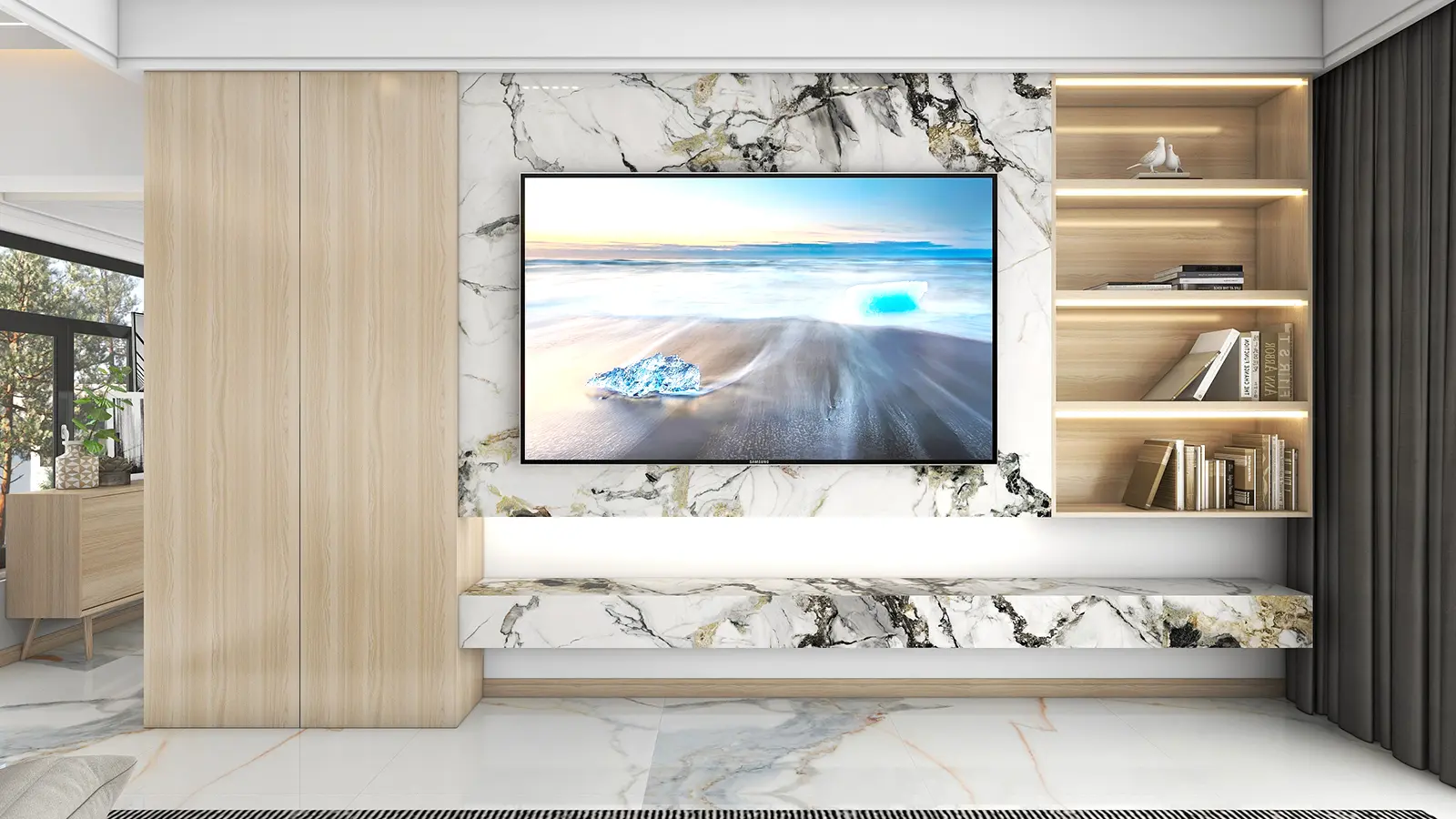
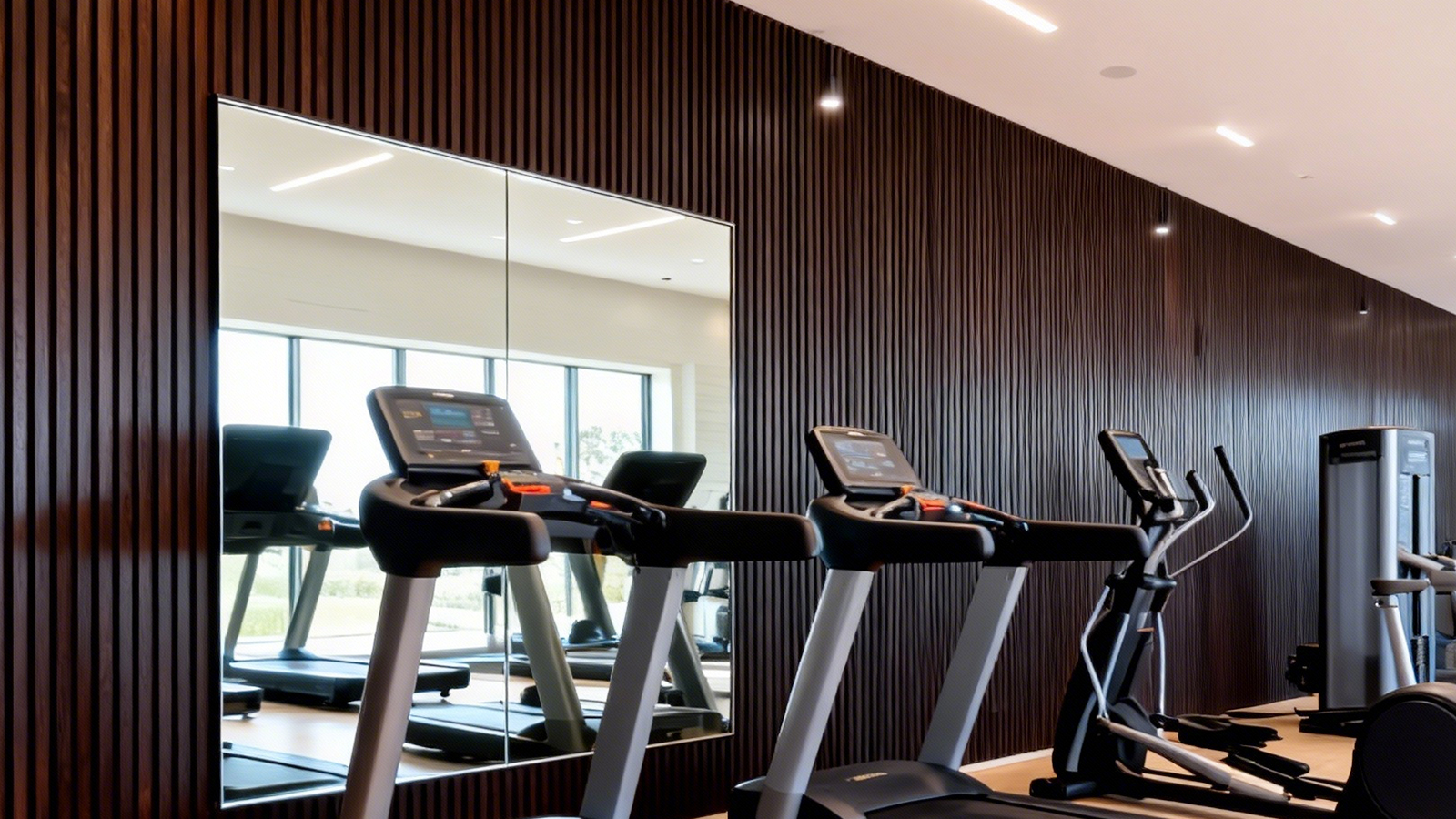
Modern acoustic panels have come a long way from bland sound-treatment pieces. They can be customised in colours, textures, printed designs or wood finishes—integrating seamlessly with interior design.
- Cost-Effective Upgrading Option
Rather than reconstructing walls, installing heavy isolation or altering structure, acoustic panels provide a comparatively economical route to better room acoustics. Since they modify internal reflections rather than full soundproofing, they’re generally less invasive.
- Improved Comfort, Focus and Well-being
Excess noise and constant reflections can fatigue listeners and erode concentration. Acoustic panels create more moderated sound fields and quieter backgrounds, helping improve comfort and attention span.
- Enhanced Privacy & Controlled Sound Spread
In spaces where conversations should not carry (open offices, clinics, call-centres), panels help contain sound and reduce how far it travels or how loudly people have to speak.
Where They Make the Most Impact
Below are common use-cases where acoustic panels shine:
- Open-Plan Office Areas
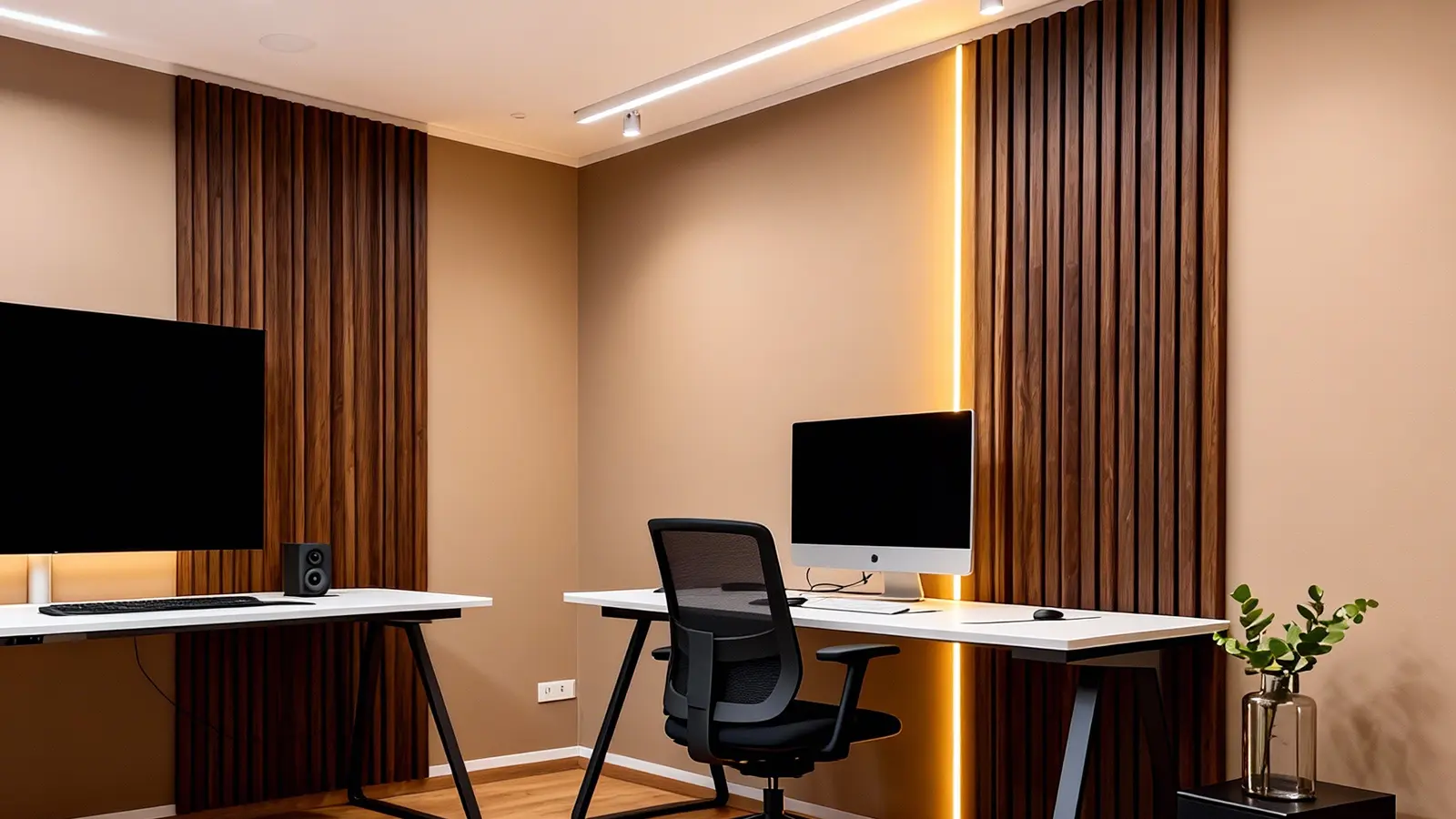
A major challenge in open workspaces is overlapping chatter, phone calls, hard surfaces. Fabric-wrapped panels, ceiling clouds or wall-mounted baffles help reduce reflected sound and improve acoustic comfort.
- Media Rooms & Home Theatres
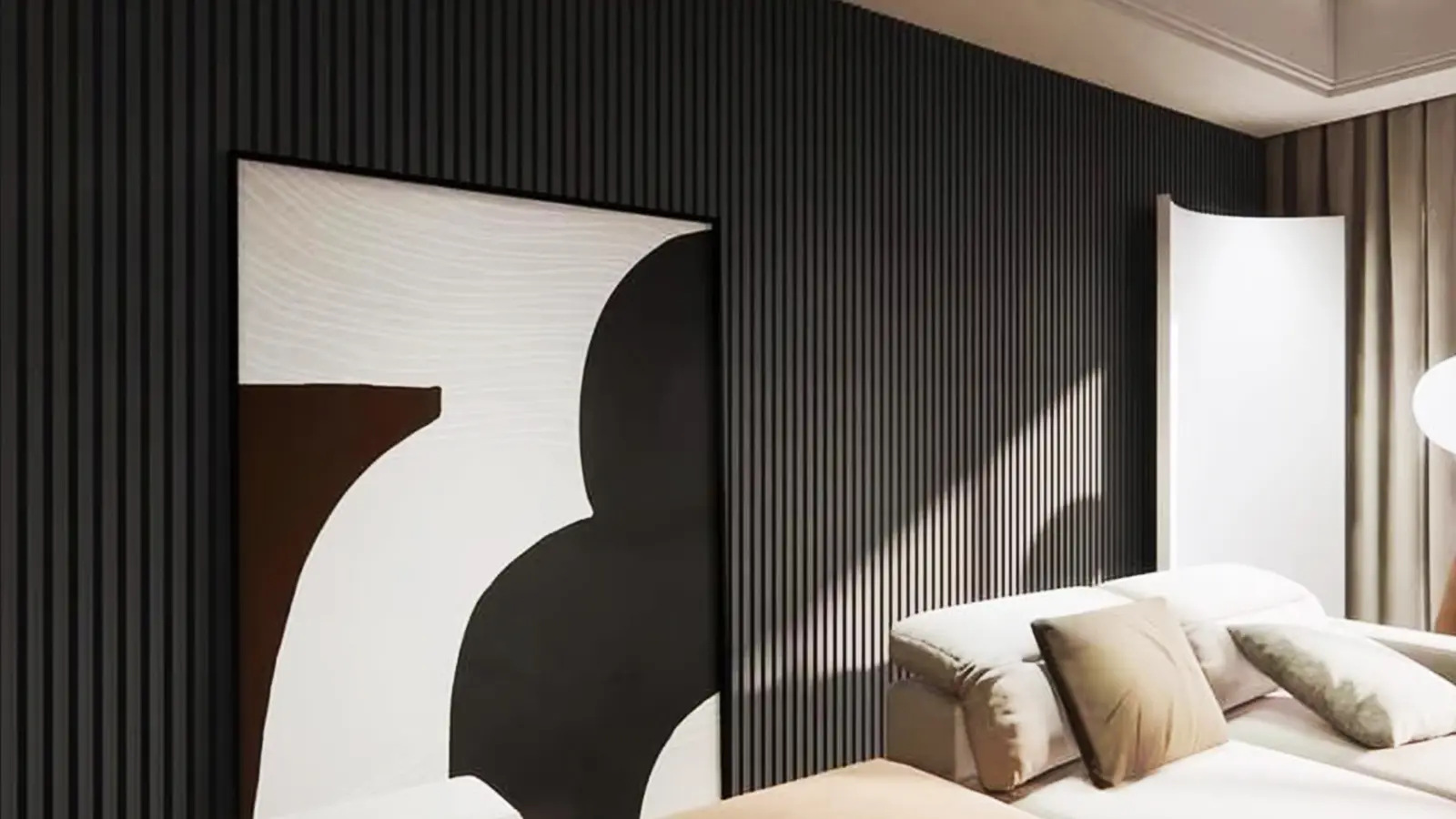
When you care about sound quality—music, movies, podcasts—installing acoustic panels on walls/ceilings helps control reflections and increases the fidelity of what you hear.
- Educational & Institutional Spaces
Classrooms, lecture halls, libraries: here clear speech intelligibility and low background noise are key. Panels and ceiling elements improve the listening environment.
- Restaurants, Bars & Hospitality
Busy dining areas often suffer from noise that makes conversation difficult. Acoustic treatments can absorb reflections, lower ambient noise and let guests converse more easily while supporting stylish decor.
- Recording, Podcast & Production Studios
Here the need is high: to control reflections, intervene at first-reflection points, and achieve sound neutrality. Panels are a standard part of the acoustic tool-kit.
- Healthcare, Waiting Rooms & Wellness Facilities
Quieter, more controlled acoustic settings contribute to comfort, recovery and reduced stress. Acoustic panels help manage ambient noise in corridors, waiting spaces or open wards.
- Residential & Multi-Use Rooms
From a home gym to a loft living space, installing acoustic treatment can turn a noisy, hard-surface room into one that sounds and feels more refined.
Material Choices, Performance & Budget Considerations
When selecting acoustic panels, you’ll want to pay attention to both their aesthetic impact and acoustic performance. Here’s a summary:
| Material Type | Typical Absorption (NRC)¹ | Approx. Cost Tier | Best Fit Applications |
| Budget foam or slim core panels | ~0.5–0.7 | Entry-level | Bedrooms, home studios |
| Fabric-wrapped fibre panels | ~0.8–1.0 | Mid-range | Offices, meeting rooms, theatres |
| Decorative PET felt / printed designs | ~0.7–0.9 | Mid-to-mid/high | Restaurants, lobbies, branded spaces |
| Wood-slat absorptive panels | ~0.4–0.6 | Upper-mid to high | High-end interiors, conference suites |
¹ NRC = Noise Reduction Coefficient: higher values indicate more absorption.
When choosing, also consider fire-rating, durability, installation method and cleaning/maintenance requirements.
Looking Ahead: Emerging Innovations in 2025
The acoustic panel market continues to evolve—here are some of the innovations gaining traction:
- Sustainable & Recycled Materials: Many new panels use recycled PET, natural fibres or reclaimed wood, helping reduce ecological footprint.
- Modular & Reconfigurable Systems: Panels designed for rental spaces or evolving layouts—plug-and-play acoustic walls or mobile baffle systems.
- Smart Acoustics: Embedded sensors, adaptive absorption surfaces or panels that can shift acoustic behaviour depending on input.
- Graphic & Branding Integration: Acoustic panels that serve as visual art, company-branding surfaces, or even interactive elements while providing acoustic function.
- Hybrid Performance Panels: Combining both absorption and insulation, or also providing light-diffusion, thermal properties or other multi-functional attributes.
Practical Guidelines Before You Move Forward
Here are some useful tips to ensure your acoustic panel project succeeds:
- Assess the room and target the reflections: Identify the surfaces where sound bounces and key areas of echo/clarity issues. Panels are most effective when placed at ‘first reflection’ points and ceiling zones.
- Be clear on goals: Are you reducing echoes, improving clarity, controlling speech privacy, or blocking external noise? Treatment differs accordingly—panels focus on internal acoustics not full soundproofing.
- Choose the right thickness & material: Thicker and denser panels typically absorb lower frequencies better; for full-spectrum control, choose higher NRC materials or combine with bass traps in audio-sensitive spaces.
- Match aesthetics and function: Since the panels will be visible, allow them to reflect your design style rather than hide them. Colours, printing, textures should align with décor.
- Consider installation and maintenance: Check mounting requirements, wall/ceiling substrate, accessibility, fire-rating (especially in commercial settings) and cleaning/maintenance needs.
- Budget realistically: While panels are cost-effective compared to full structural acoustic treatment, quality and correct installation still matter. Choose trusted suppliers and specify performance metrics.
- Test & validate: After installation, check how the room sounds—reverberation time, clarity, unwanted noise. Adjust placement if needed.
Final Thoughts: Making Sound work for You
Sound is part of the user-experience in architecture or interiors—but often overlooked until it becomes a problem. Using the right acoustic panels allows you to shape how a room sounds, not just how it looks. When you combine clarity, comfort and design, you create spaces that work and feel better—from boardrooms where ideas flow to cafés where conversation thrives, to homes where media immersion is possible.
We’re happy to provide materials, mock-ups and a project-roadmap to bring acoustic transformation to your space.