
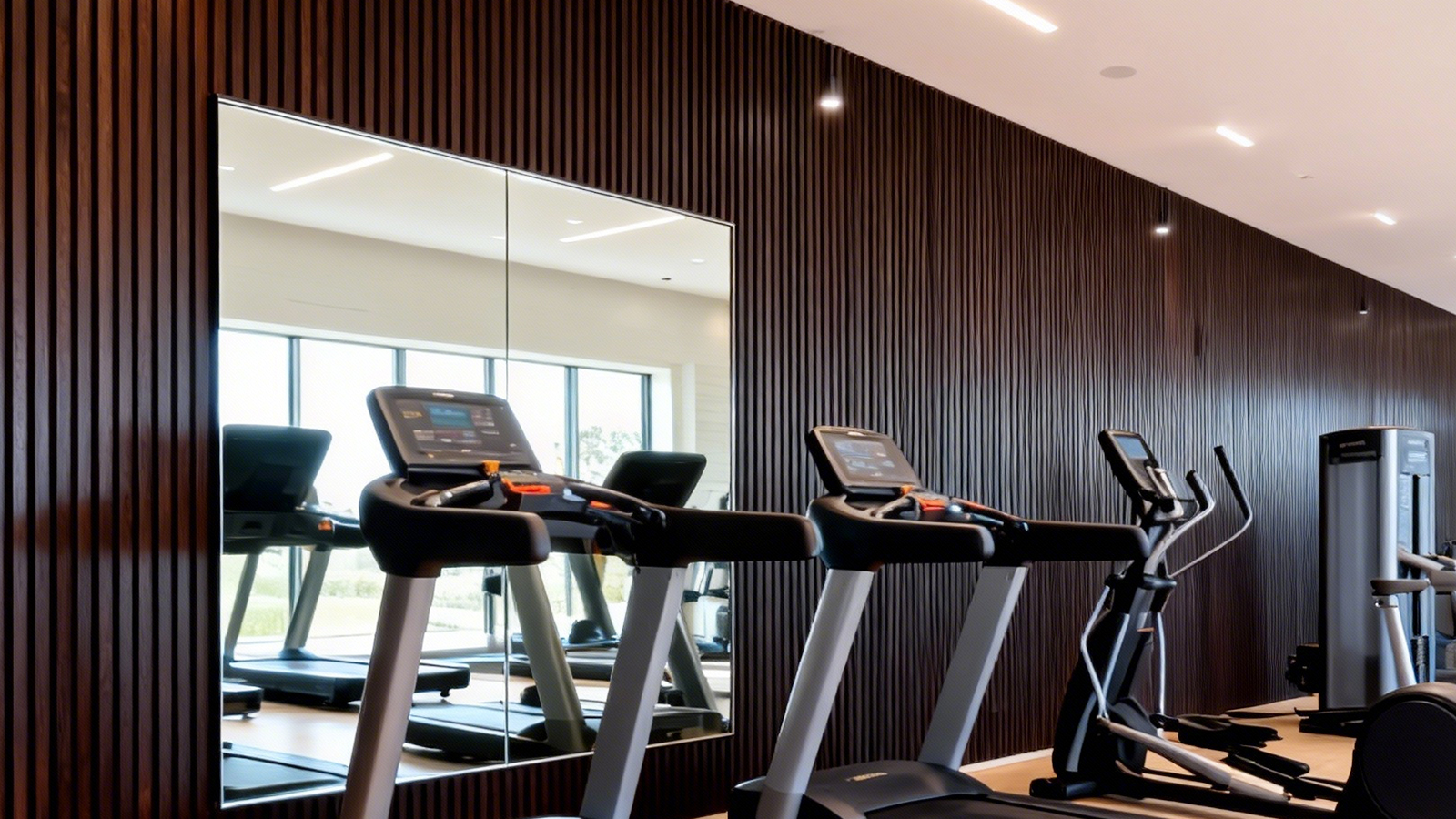
What to Consider When Choosing Acoustic Panels for Hotel Conference Rooms & Corridors
What to Consider When Choosing Acoustic Panels for Hotel Conference Rooms & Corridors
Table of Contents
- The Sound Dimension of Hospitality
- What Criteria to Use When Specifying Panels
- Recommended Types of Panels for Meeting Rooms
- Panel Choices for Corridors & Transitional Zones
- Material Comparison Summary
- Pitfalls & Missteps to Avoid
- Sample Acoustic Strategies by Room Scale
- Fire Safety, Sustainability & Regulatory Aspects
- Final Thoughts: Where Comfort Meets Elegance
1. The Sound Dimension of Hospitality
In luxury hotels, the architectural finishes, lighting, and furniture create a visual impression—but the acoustic environment often goes unnoticed until it fails. When corridors echo with rolling luggage and voices travel between walls, or a boardroom becomes unintelligible, those are the moments guests feel discomfort. By contrast, spaces designed with proper sound treatment deliver a sense of calm, professionalism, and subtle luxury.
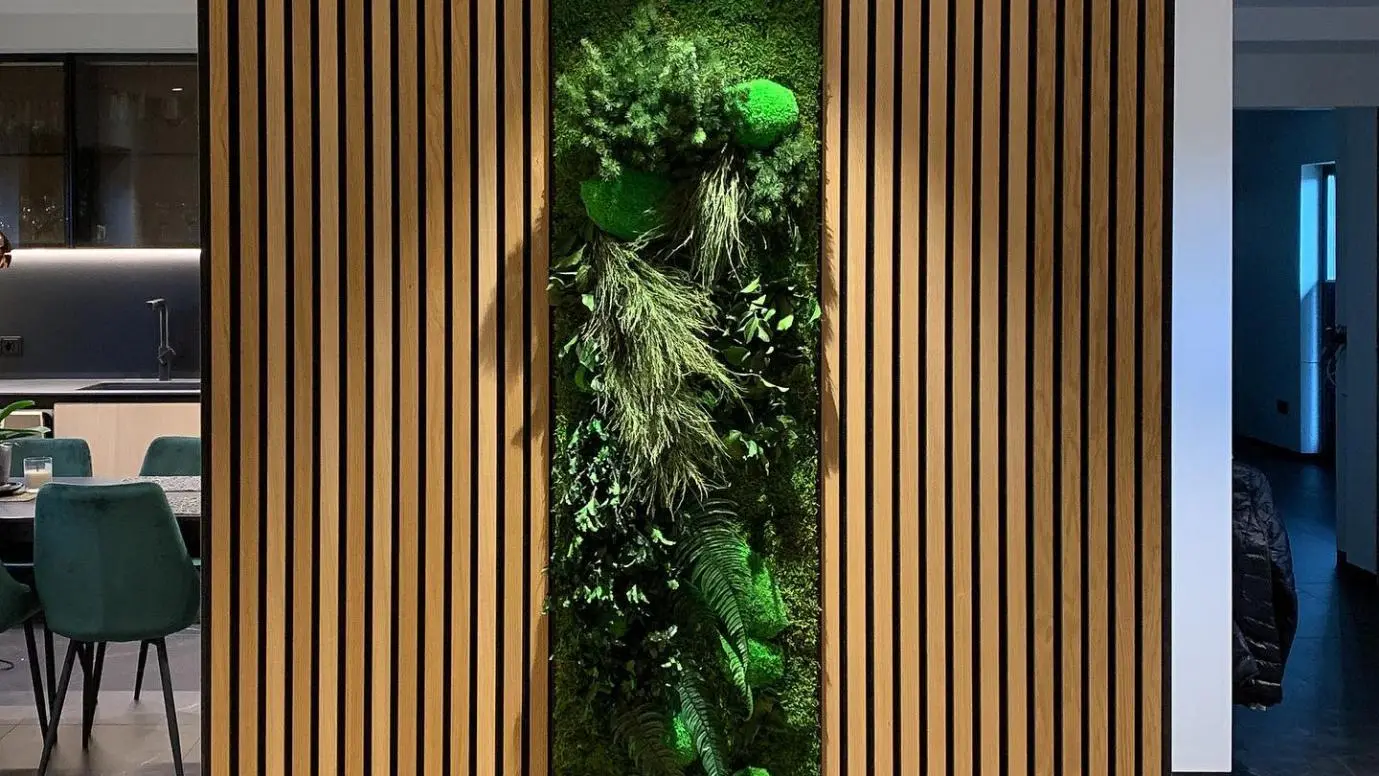
Meeting rooms in hotels host everything from high-stakes negotiations to creative workshops. They demand speech clarity, low reverberation, and acoustic privacy. Corridors, though seemingly transitional, play a vital role in spatial comfort: controlling footfall noise, cushioning HVAC hum, and preventing sound bleed into guest rooms. Thus, selecting acoustic panels is not purely a technical exercise — it’s an integral part of experiential design.
2. What Criteria to Use When Specifying Panels
When you evaluate acoustic panel options, consider:
2.1 Functional Role: Absorption vs. Insulation
- Absorptive panels (e.g. fabric, perforated wood, PET felt) help reduce reverberation within the space.
- Barrier or mass-loaded panels (e.g. high-density boards, composite acoustic gypsum, MLV layers) resist sound passing through walls.
- In rooms like meeting halls, a layered approach combining both absorption and blocking is often ideal.
2.2 Durability, Cleanability & Maintenance
Hotels are high-traffic environments. Panels must stand up to:
- Cleaning agents, wipe-downs, dusting
- Occasional impact (e.g. trolleys, chairs)
- Humidity or temperature variations (especially in corridors and near HVAC zones)
- Fire safety regulations (e.g. compliance with ASTM E84, NFPA 701, local building codes)
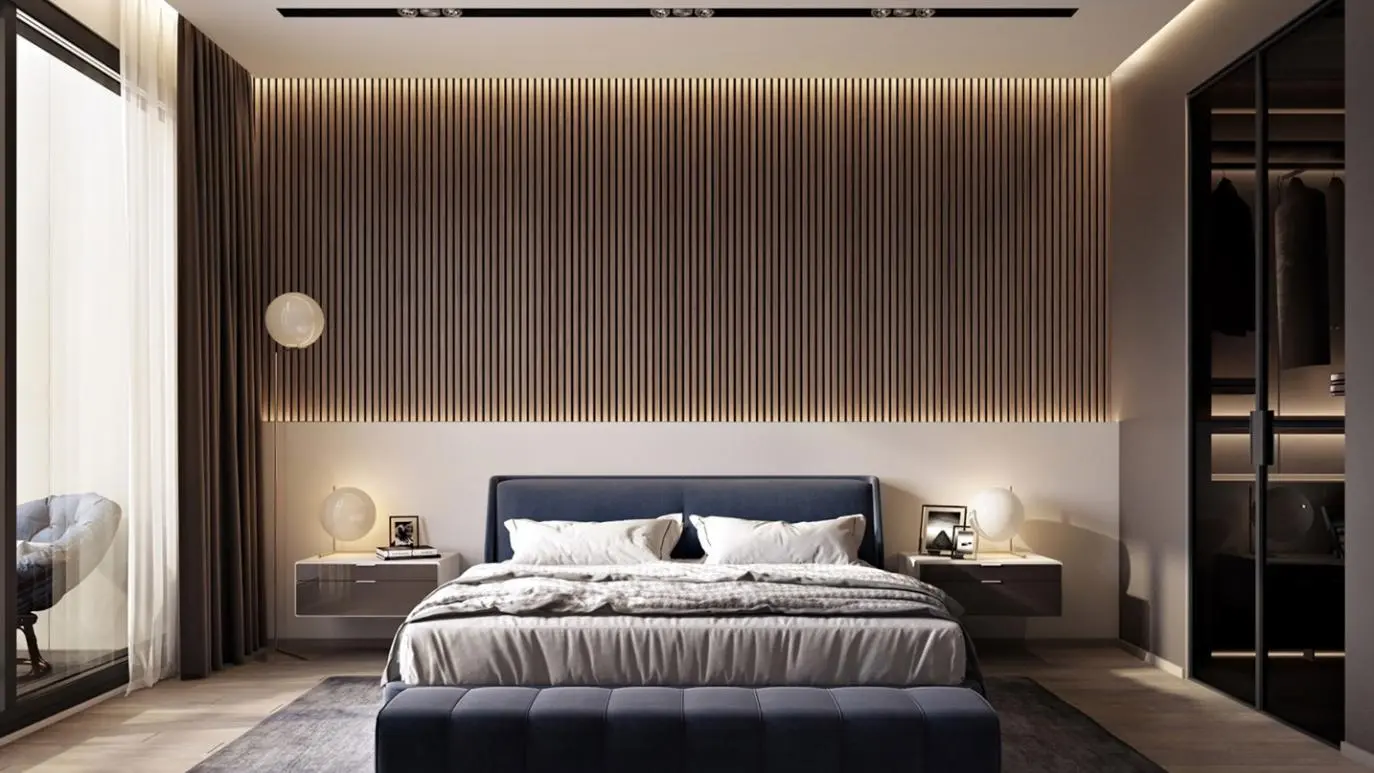
2.3 Visual & Branding Integration
Acoustic Panels should be part of the design narrative, not an afterthought. Ways to integrate them:
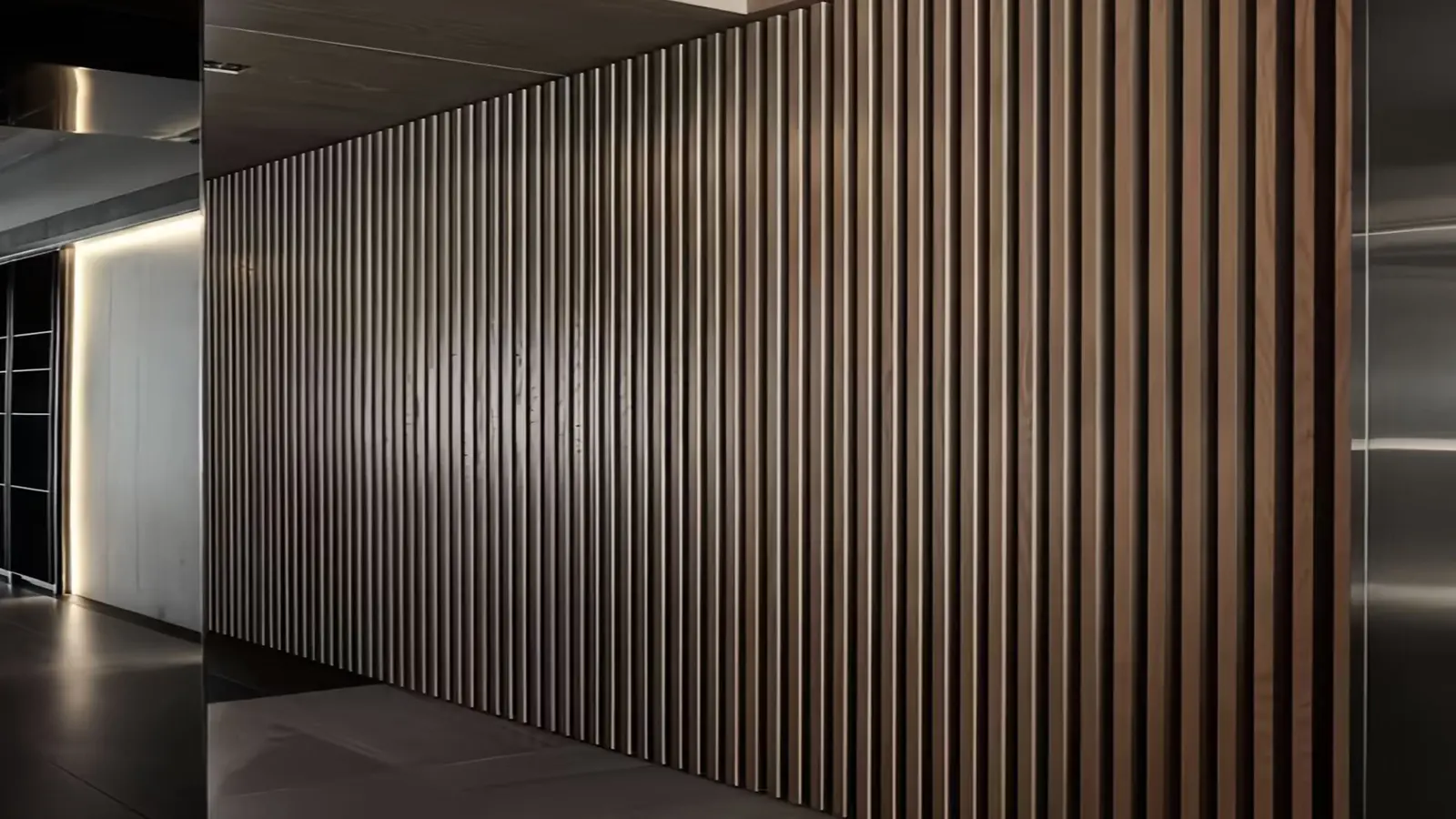
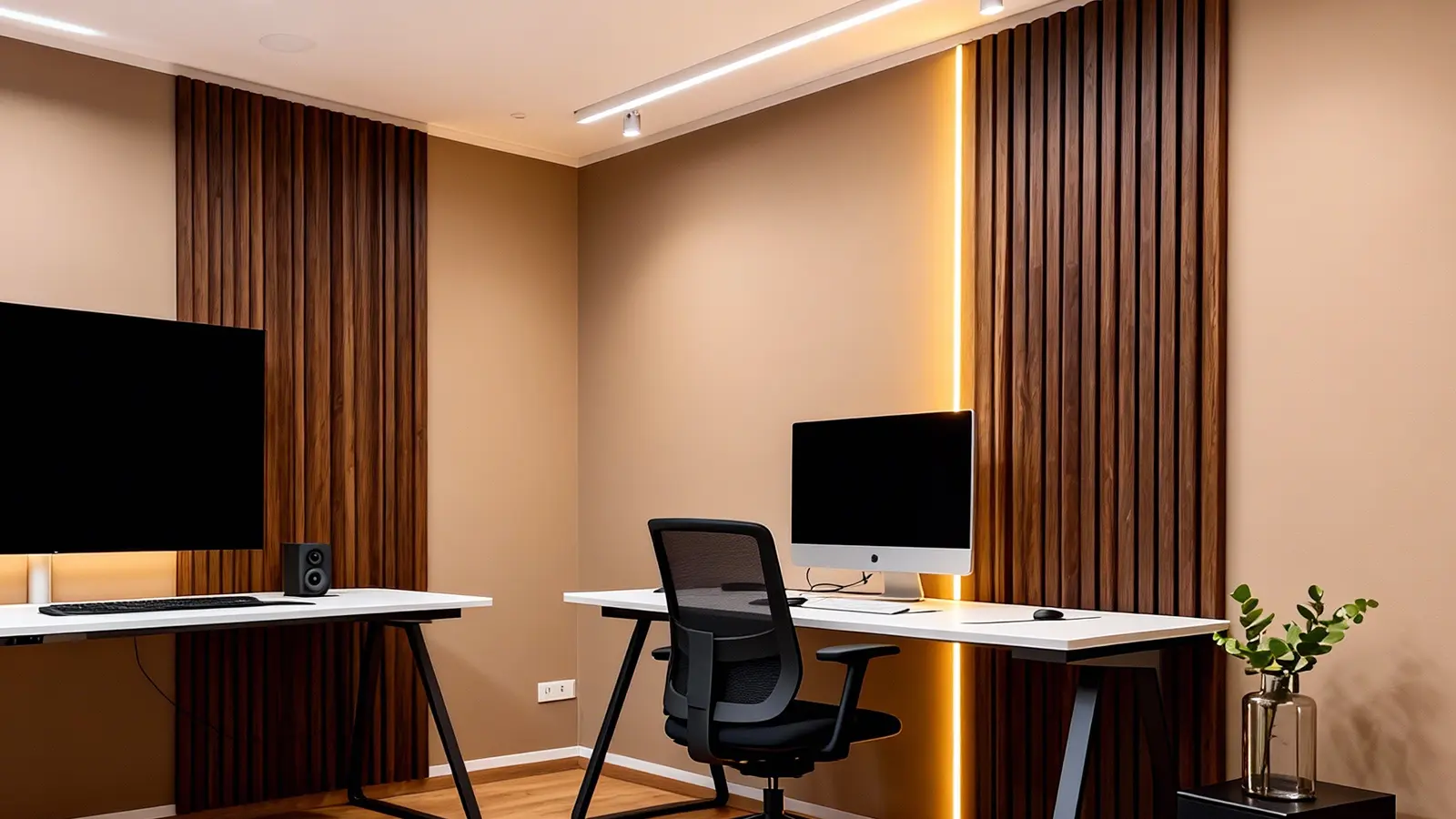
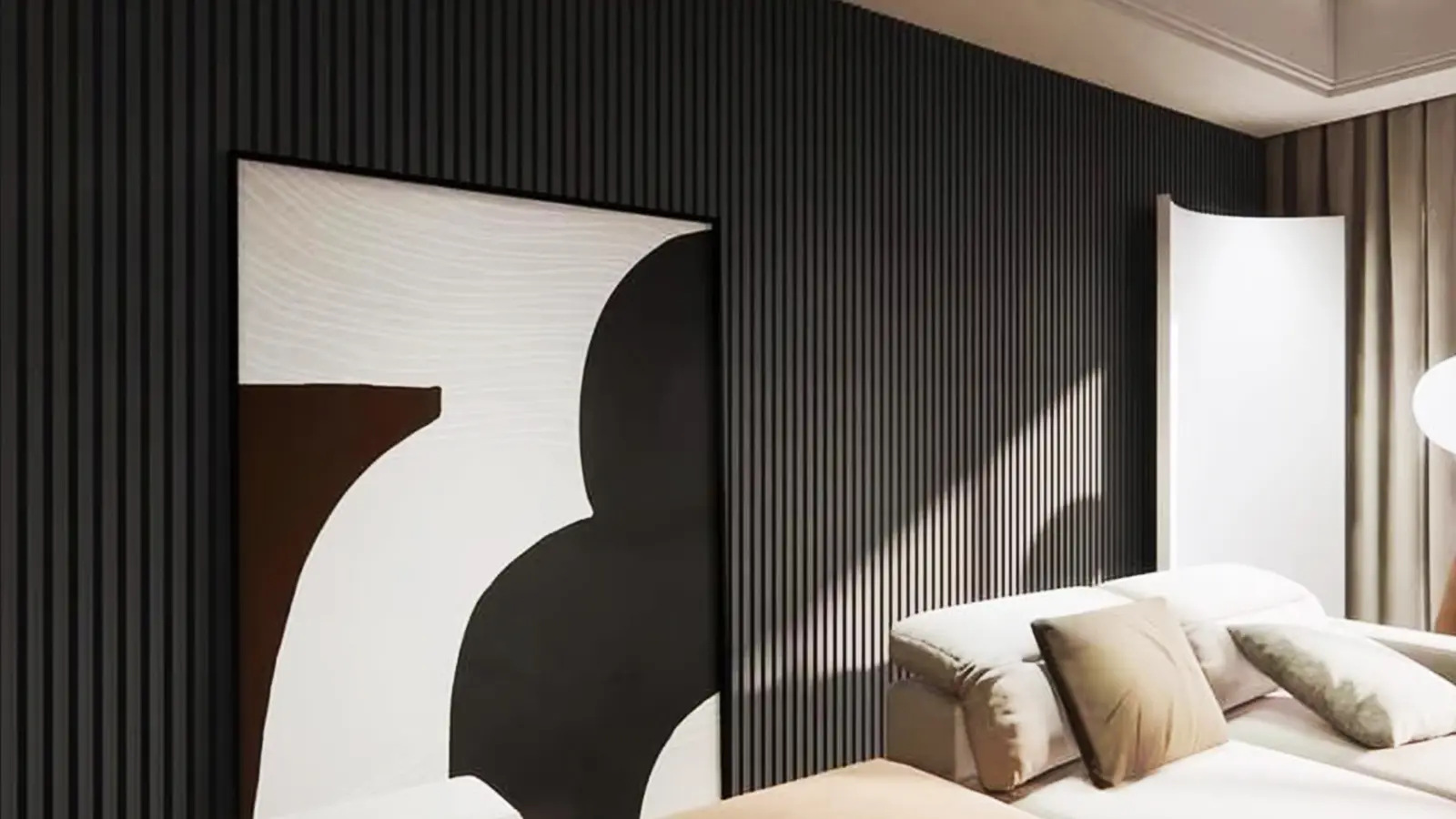
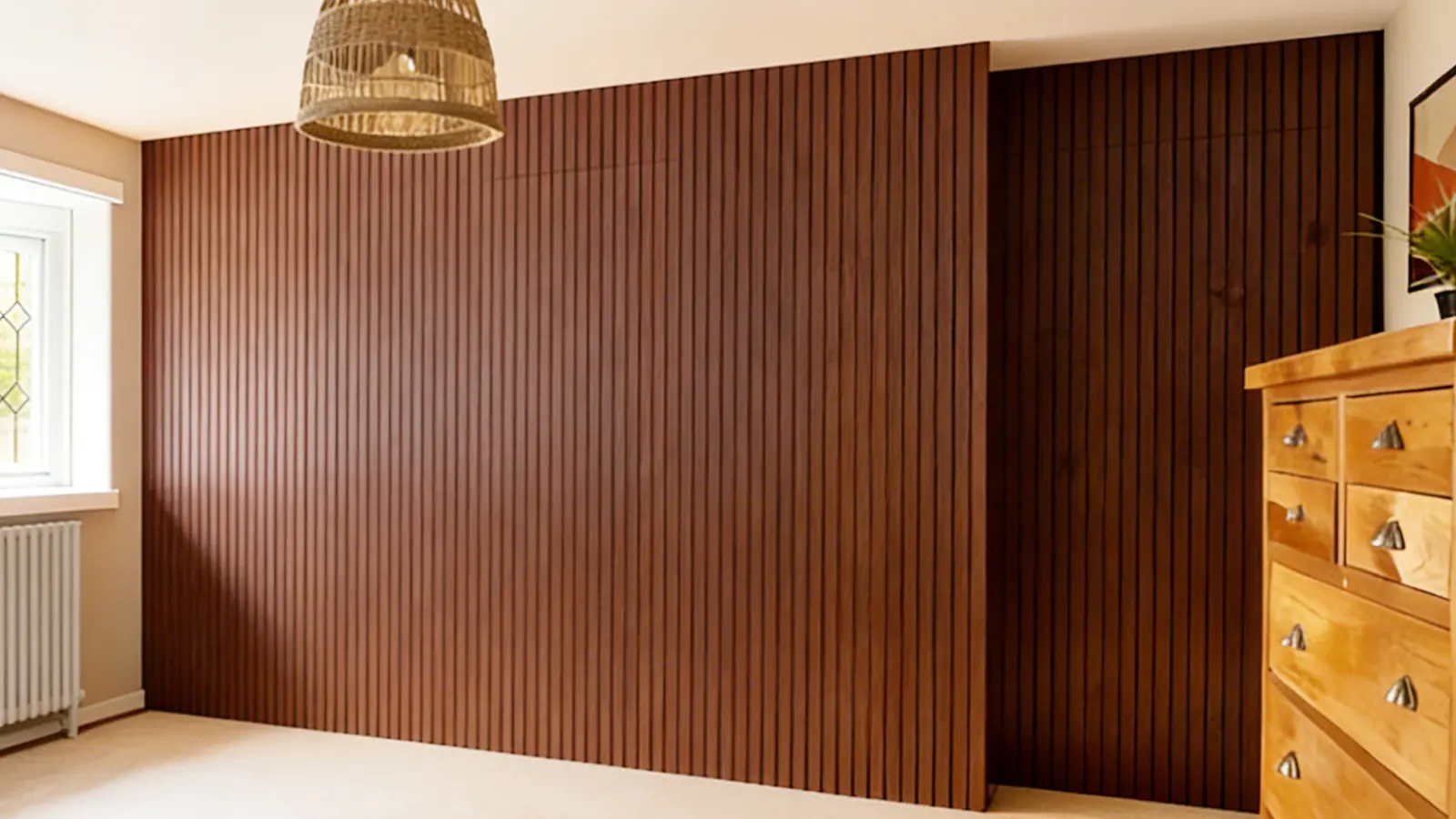
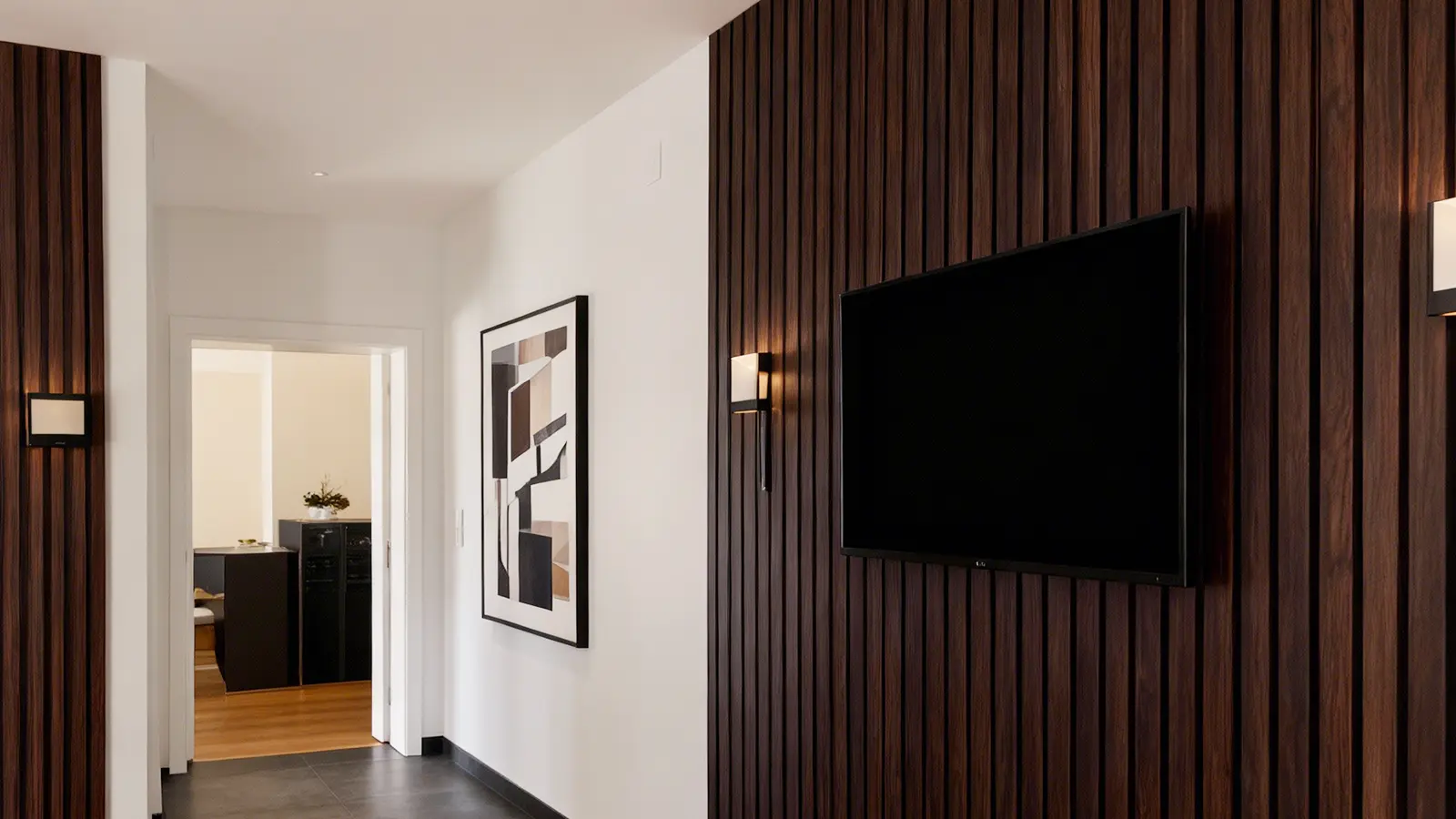
- Wood slat panels for warm, architectural surfaces
- Fabric-wrapped panels in colors that tie into branding
- Custom-printed acoustic art panels or logo motifs
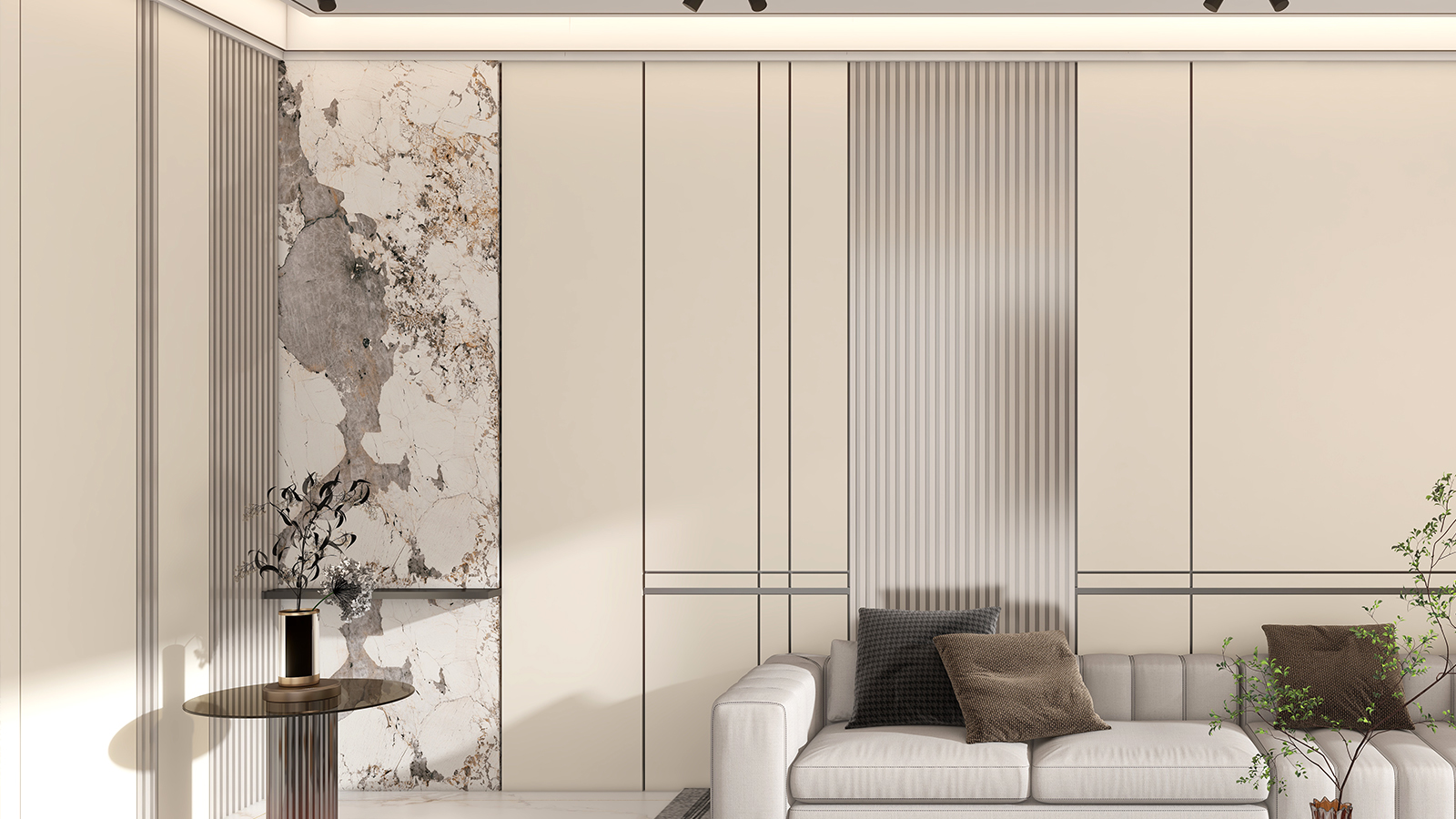
- 3D or sculptural panels that add depth and interest
2.4 Ease of Installation & Modularity
Consider:
- Are panels wall-mounted, ceiling-hung, or as free-standing dividers?
- Can you demount panels easily for servicing (e.g. HVAC access, wiring)?
- Will the design require field cutting or custom shapes?
- Channel support, clip systems, and integration with drywall or ceiling grids
3. Recommended Types of Panels for Meeting Rooms
Here are several high-performing, design-friendly options especially suited to meeting spaces:
3.1 Slotted or Slat Wood Panels with Acoustic Backing
- You get the clean lines of wood plus sound absorption behind the slots
- With an appropriate backing (e.g. mineral wool or PET felt), you can achieve NRC ~0.75–0.9
- Can be used on walls and ceilings as coffered or linear patterns
- Many systems support Class A or Class B fire ratings
3.2 Fabric-Wrapped Absorptive Panels
- Core materials (e.g. fiberglass, rigid mineral wool, melamine) give flexibility in thickness
- High NRC (0.8–1.0) is possible depending on core and surface
- Very configurable in size, shape, color, and edge treatments
- Ideal for sidewalls, rear walls, or focal zones where you want both form and function
3.3 PET / Recycled Polyester Felt Panels
- Lightweight, eco-friendly
- NRC in the range 0.65–0.9 depending on thickness
- Good for ceiling clouds or cloud clusters above seating
- Low cost and easy to cut/shape
3.4 Perforated Plaster, Gypsum or Metal Panels
- A rigid aesthetic, can match architectural style
- Sound absorption comes via perforations + backing cavity
- Useful in high-ceiling zones or as seamless treatment
- But you must ensure the backing and cavity depth are well designed
3.5 Hybrid Absorber / Diffuser Panels
- Some panels combine absorption membranes and diffusion surfaces
- This avoids over-deadening the space—some reflections remain to keep a natural acoustic balance
- Especially useful in mid-to-large conference halls
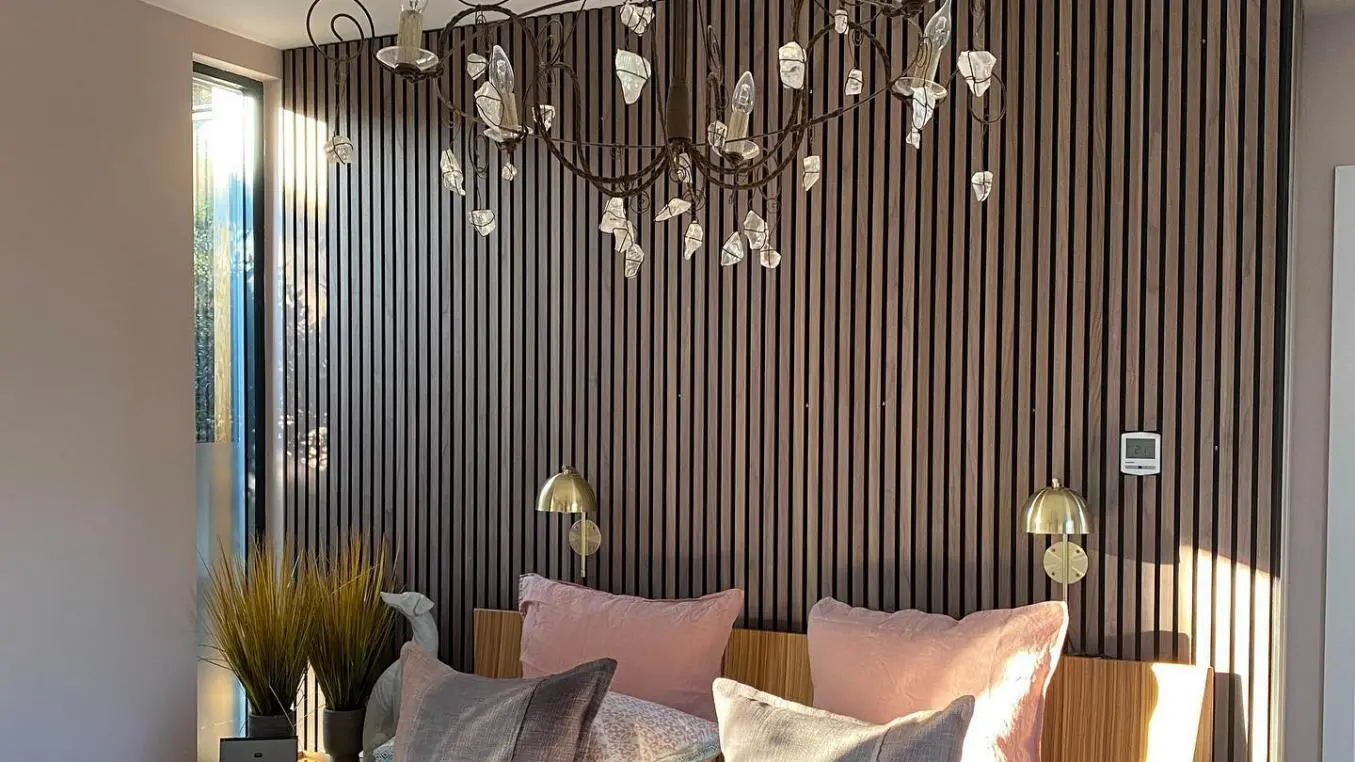
4. Panel Choices for Corridors & Transitional Zones
Corridors require a different mindset: they are transitional, subject to impact, and often need to visually “flow” through the property.
4.1 Sculptural 3D Acoustic Panels
- Expressive geometric or wave forms that hide acoustic cores
- NRC typically 0.5-0.8
- Excellent to break up monotony and mask footstep noise
4.2 Vinyl or PU-Coated Acoustic Panels
- Coated surfaces that are wipeable and stain-resistant
- Core may be fiberglass, foam, or PET
- Can be used at lower wall heights (wainscot zone) where impact is more likely
4.3 Ceiling Baffles & Hanging Absorbers
- In narrow corridors, sidewalls are limited; suspended panels help capture vertical reflections
- Helps reduce corridor tunnel effect echoes
4.4 Perforated Metal + Acoustic Liners
- For more industrial or modern aesthetics
- Use a liner or felt behind metal perforation for absorption
- Durable, vandal-resistant surfaces
4.5 Integrated Lighting + Acoustic Panels
- Combine LED lighting or indirect cove lighting with acoustic panels
- Achieve dual purpose: aesthetics + performance
5. Material Comparison Summary
Below is a comparative summary (not exhaustive) of representative materials:
| Material / System | Typical NRC Range | Fire Rating / Notes | Aesthetic Character | Best Use Zones |
| Wood slat + backing | 0.75–0.90 | Class A / B, depending on core | Elegant, linear | Meeting room walls & ceilings |
| Fabric-wrapped panels | 0.8–1.0 | Class A/B (depends on fabric & core) | Soft, versatile | All meeting-room surfaces |
| PET felt / recycled | 0.65–0.9 | Usually Class B/A, check spec | Minimal / modern | Ceilings, walls, corridors |
| 0.5–0.8 | Many can meet Class A | Sculptural, textured | Corridor feature walls | |
| Vinyl / PU coated | 0.6–0.85 | Usually Class A | Clean, durable | High-traffic zones, lower walls |
| Perforated metal / gypsum | 0.6–0.8 (with backing) | Needs proper fire spec | Rigid, architectural | Ceilings, bulkheads |
6. Pitfalls & Missteps to Avoid
- Deferring acoustics to the end: Too often, acoustic treatments are squeezed in at the final stages, limiting options.
- Relying solely on appearance: A pretty panel with poor absorption is worse than none. Always check acoustic ratings.
- Over-absorbing: A room with too much absorption can feel “dead” and unnatural. Some controlled reflection/diffusion is healthy.
- Ignoring low frequencies: Many panels perform well in mid–high bands but neglect under 250 Hz, where human speech and HVAC noise reside.
- Poor integration with HVAC, lighting, audiovisual systems: Panels must coordinate with lighting mounts, ductwork, and AV grills.
- Inadequate fire certification or local code compliance: Especially in hotels, regulatory compliance is non-negotiable.
7. Sample Acoustic Strategies by Room Scale
Here are some directional suggestions (these are starting points, not absolute rules):
| Room Type / Volume | Ceiling Height | Recommended NRC / Approach | Suggested Placement Strategy |
| Small meeting room (up to ~50 m²) | 2.7–3.2 m | 0.85–1.0 | Full rear wall, side walls, partial ceiling cloud |
| Medium conference (50–120 m²) | 3–4 m | 0.8–0.95 | Ceiling panels, front/back walls, hybrid diffusers |
| Large banquet / ballroom | 4–6 m | 0.7–0.9 | Full-height absorbers, curtains, suspended elements |
| Narrow corridor | 2.4–3 m | 0.6–0.8 | Wall Panels at mid-height, ceiling-hung baffles, corner absorbers |
Each design should be verified with acoustic modeling (e.g. using ray-tracing or finite-element acoustics) or by commissioning a mock-up.
8. Fire Safety, Sustainability & Regulatory Aspects
When describing your panel specification in hotels, keep these points in mind:
- Comply with local fire/smoke test standards (e.g. ASTM E84, NFPA 701, EN 13501)
- Use low-VOC, formaldehyde-free adhesives and substrates
- Choose recycled-content or certified sustainable materials (e.g. PET boards, FSC wood, bamboo)
- Provide documentation for building rating systems (LEED, WELL, BREEAM)
- Supply maintenance instructions (cleaning, repair, replacement)
9. Final Thoughts: Where Comfort Meets Elegance
In hotel design, acoustics should never be an afterthought. Elegant finishes, beautiful lighting, and grand furniture speak to the eye—but sound shapes how guests feel. When you specify acoustic panels that are technically sound, visually integrated, and robust enough for daily wear, you’re investing not just in noise control—but in an elevated guest experience.
When chosen well, acoustic panels enable crisp speech in meeting rooms and hushed tranquility in corridors. They silence intrusive noise yet let the design sing. If you’d like, I can tailor this guidance to your hotel’s market (luxury, boutique, business) or share specific product examples. Just let me know.
