


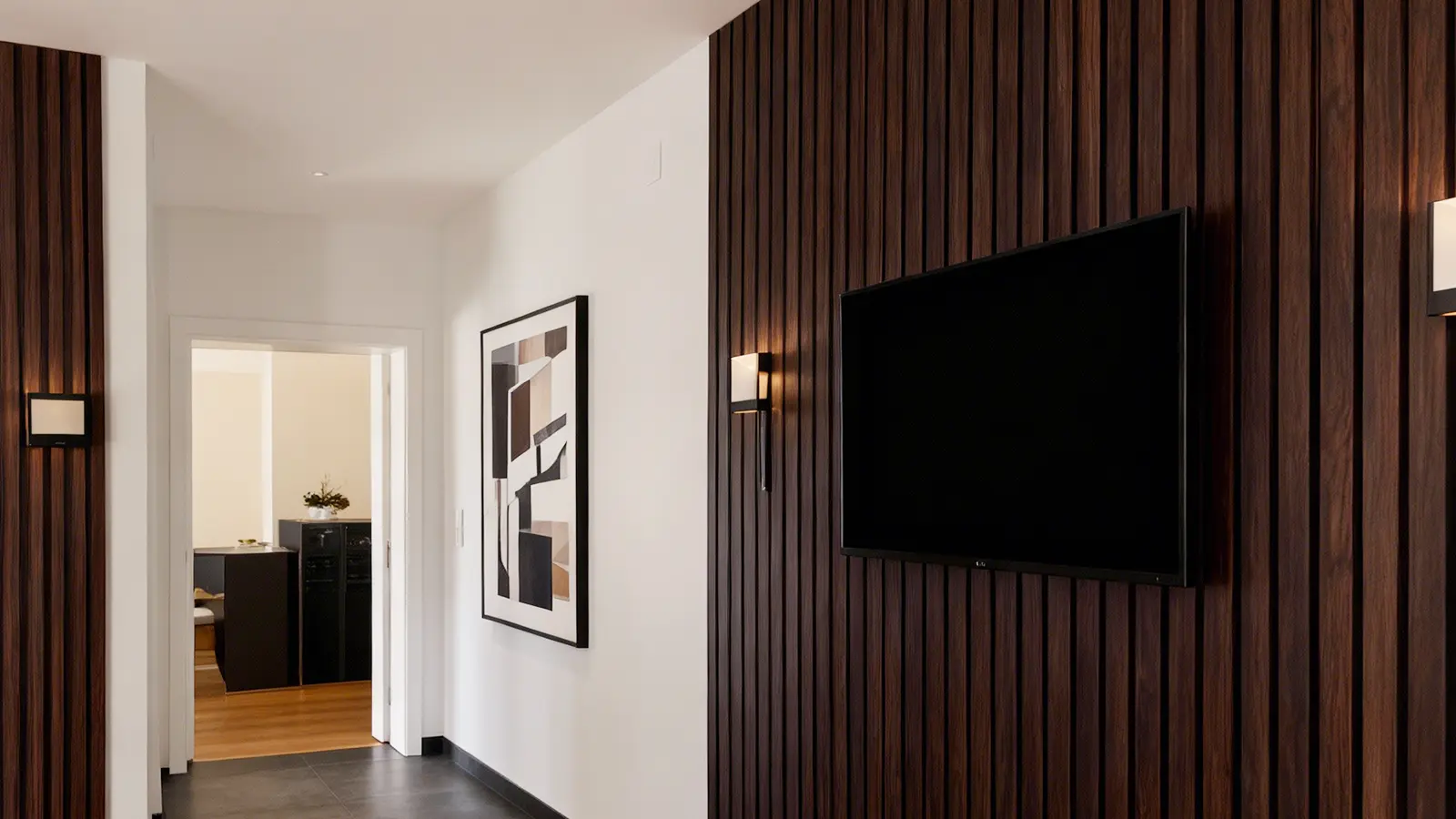


Understanding the Raw Materials Behind High-Performance WPC Wall Panels
Table of Contents
- Introduction: Why Material Technology Matters in WPC Wall Panels
- Primary Raw Materials in WPC Wall Panels
- How Different Material Ratios Influence Performance
- How Manufacturers Control Raw Material Quality
- How to Evaluate a Supplier’s Raw Material Quality
- Conclusion
Introduction: Why Material Technology Matters in WPC Wall Panels
Wood–plastic composite (WPC) wall panels have rapidly grown in popularity across residential and commercial construction markets. Their ability to combine the warm visual appeal of natural wood with the stability of engineered polymers makes them a preferred alternative to traditional cladding materials. However, the true performance of any WPC product is determined not by its appearance, but by the raw materials and formulation used during production.
For importers, interior-design contractors, project developers, and wholesale distributors, understanding the composition of WPC Wall Panels is essential. The selection and quality of raw materials influence:
- Dimensional stability
- Resistance to moisture and mold
- Structural strength
- Fire-safety performance
- Color durability
- Environmental safety
- Longevity and return on investment
Because WPC is a composite system, each component—wood fibers, plastic resin, mineral fillers, stabilizers, lubricants, and functional additives—plays a specific role that affects the final quality. Factories that cut corners typically reduce the lifespan of panels by increasing filler content or using low-quality recycled plastics.
This article details the major raw materials used in modern WPC wall panels, how they function, what quality indicators to look for, and how material choices shape the performance of the finished panel.
Primary Raw Materials in WPC Wall Panels
Most interior Wpc Panels are composed of six fundamental components:
- Wood fiber or bamboo fiber
- Plastic polymer (typically PVC for indoor applications)
- Mineral fillers such as ground calcium carbonate
- Thermal stabilizers
- Lubricants
- Color masterbatch and performance additives
Below is an in-depth explanation of each category.
1. Wood Fiber: The Reinforcing Backbone of WPC Panels
What Wood Fiber Is Used For
Wood fiber, also referred to as wood powder, bamboo fiber, or biomass flour, is the primary reinforcing element in WPC. It gives the composite its rigidity, improves dimensional stability, and allows the material to be cut, drilled, and fastened similarly to natural wood.
Wood powder is available in various mesh sizes:
- 20–40 mesh: coarse, cost-effective
- 60–80 mesh: balanced performance
- 100+ mesh: fine, smooth appearance
A finer mesh typically enhances surface finish and reduces extrusion marks on the panel.
How Wood Quality Affects the Panel
High-quality wood fiber should be:
- Clean and free of impurities
- Low in moisture (below 2%)
- Uniform in particle size
- Free from agricultural waste or recycled mixed wood
Poor-quality fiber containing bark, sand, or moisture leads to:
- Surface bubbles
- Lower mechanical strength
- Uneven density
- Higher risk of deformation
Typical Wood Content Ratios
The wood content varies based on application:
- Interior wall panels: 45–60%
- High-density fluted panels: 55–65%
- Outdoor WPC cladding: 60–70%
Higher fiber content improves stiffness but requires proper resin quality and additives to maintain durability.
2. Polymer Resin: The Element Responsible for Waterproofing and Durability
PVC as the Preferred Resin
Polyvinyl chloride (PVC) is the most widely used polymer in indoor WPC wall systems because of its:
- Excellent resistance to moisture
- Flame retardancy
- Low thermal expansion
- Ease of processing
- Good compatibility with wood fiber
Unlike PE or PP composites used outdoors, PVC-based WPC offers superior dimensional stability—critical for indoor environments where panels must remain flush and straight.
Virgin vs Recycled PVC
PVC resin comes in several grades:
- Virgin PVC: high-purity, stable, recommended for premium wall panels
- Recycled PVC: cheaper, recycled from cable insulation or old materials
- Semi-virgin mixes: a blend of both
Factories relying heavily on recycled PVC often face issues such as:
- Brittleness
- Warping
- Chemical odor
- Inconsistent color
Recommended Resin Ratio
Most interior WPC panels contain 25–35% PVC resin depending on density requirements.
3. Calcium Carbonate (CaCO₃): The Structural Filler
Purpose of CaCO₃
Ground calcium carbonate is used to adjust density, strengthen the panel, improve weatherability, and stabilize the extrusion process. It also helps reduce overall production cost.
Grades of CaCO₃
The main characteristics include mesh size and color:
- 1250+ mesh (ultra-fine): For high-end products requiring smooth texture
- 800–1000 mesh: Suitable for most mid-range WPC panels
- Below 400 mesh: Economical but prone to yellowing and brittleness
Impact of Excessive CaCO₃
Overuse leads to:
- Low impact resistance
- Fragile surfaces
- Poor fastening strength
- Easy breakage during transportation or installation
For high-quality interior panels, CaCO₃ content should remain below 25%.
4. Stabilizers: Protecting PVC During Processing
PVC undergoes thermal degradation during extrusion, and stabilizers prevent discoloration and breakdown.
Common Stabilizer Types:
- Calcium-zinc stabilizers: Eco-friendly, widely used for export
- Organic stabilizers: High-performance, premium option
- Lead stabilizers: Cheap but not allowed in many markets
Ca-Zn stabilizers ensure that panels stay color-consistent and do not degrade under heat.
5. Lubricants: Ensuring Smooth Extrusion
Lubricants reduce friction between wood, PVC, and machinery, helping achieve a uniform surface.
Two main types exist:
- Internal lubricants: Improve internal melt flow
- External lubricants: Prevent sticking inside the extruder
Good lubrication produces panels with fewer weld lines and a cleaner finish.
6. Color Masterbatch and Performance Additives
Pigments and Masterbatch
Color consistency is vital for interior projects, especially when mixing batches. Masterbatch must be heat-resistant and UV-stable.
Functional Additives
Depending on application, manufacturers may enhance performance using:
- UV absorbers
- Fire-retardant agents
- Impact-resistance modifiers
- Anti-fungal agents
- Waterproofing enhancers
These additives may form 3–8% of the total formulation.
How Different Material Ratios Influence Performance
Here is a typical comparison among various WPC formulations:
| Product Type | Wood Fiber | PVC Resin | CaCO₃ | Additives |
| Interior WPC Panels | 50% | 30% | 15% | 5% |
| Premium Decorative Panels | 60% | 25% | 10% | 5% |
| Exterior Cladding | 65% | 20% | 5% | 10% |
| Budget WPC Boards | 35% | 15% | 45% | 5% |
Low-cost panels often increase fillers and reduce resin content. They may look similar initially, but their durability is significantly lower.
How Manufacturers Control Raw Material Quality
Leading factories typically enforce strict control systems, including:
- Pre-screening Wood Fiber
- Moisture control
- Mesh size selection
- Filtration to remove impurities
- Resin Selection
- Virgin PVC for premium orders
- Compliance with environmental regulations
- Strict Testing for Every Batch
Manufacturers test:
-
- Mechanical strength
- Dimensional stability
- Density
- Surface hardness
- Water absorption
- Color uniformity
- Consistent Formulation
Reliable suppliers maintain fixed recipes rather than adjusting materials randomly to cut costs.
How to Evaluate a Supplier’s Raw Material Quality
Before placing a bulk order, ask the supplier:
- What type of PVC is used?
- What is the percentage of wood fiber?
- What mesh size is the CaCO₃?
- What stabilizers are added?
- Do you provide batch test reports?
- Can samples from different production cycles be compared?
These questions quickly reveal whether a supplier maintains genuine quality control.
Conclusion
Understanding raw materials is essential for selecting durable, environmentally safe, and reliable WPC wall panels. High-performance panels depend on:
- Clean, fine wood fiber
- High-purity PVC
- Ultra-fine CaCO₃
- Eco-friendly stabilizers
- Thoughtfully chosen additives
Importers and project buyers that prioritize material quality will significantly reduce after-sales problems and increase customer satisfaction.
