

Transforming Work Environments: How Acoustic Panels Are Redefining the Modern Office
Table of Contents
- A Shift in How We Understand Workplace Comfort
- Why Acoustic Panels Offer a Smart, Scalable Solution
- Communication That Actually Works
- Supporting Employee Wellness Through Better Acoustic Design
- Aesthetic Impact: When Acoustic Elements Become Design Assets
- Versatility and Practical Advantages in Daily Use
- Eco-Conscious and Safety-Focused Materials
- Long-Term Value: Why Acoustic Panels Pay Off
- Conclusion: Acoustic Panels as a Cornerstone of Future-Ready Offices
For many years, conversations about workplace improvement revolved around ergonomics, lighting, or interior layout. Yet one of the most important elements of employee comfort—sound—was rarely given proper attention. As organizations rethink how offices should function in a post-pandemic world, acoustics has quickly become a priority in workspace design strategies.
The modern office is no longer just a place where people gather to complete tasks; it is a complex ecosystem where communication, creativity, and digital collaboration coexist. In such environments, sound quality directly influences performance. This is why acoustic panels have emerged as a fundamental component of contemporary office interiors.
This comprehensive article explores the growing significance of Acoustic Panels, how they improve workplace well-being, and why more companies across the globe are investing in them.
A Shift in How We Understand Workplace Comfort
Noise: An Invisible Productivity Barrier
Despite their sleek design, open-plan offices come with a hidden cost—an elevated noise floor. Without walls to block sound, even small noises can carry far across the room.
Typical distractions include:
- coworkers speaking on phone calls
- impromptu discussions between colleagues
- footsteps in corridors
- office machines operating intermittently
- video meetings on laptops
- HVAC systems humming throughout the day
While individually minor, these sounds create an environment that constantly pulls attention away from tasks.
The Cognitive Effects of Noise
Noise doesn’t simply annoy workers; it reshapes the way they think. When concentration is broken, the brain requires time to reorient, making tasks feel more complicated than they are. This phenomenon, multiplied throughout the day, contributes to:
- reduced accuracy
- slower internal communication
- increased stress levels
- decision fatigue
- shorter attention spans
For knowledge-based industries, these effects can directly influence business outcomes.
Why Acoustic Panels Offer a Smart, Scalable Solution
A Practical Alternative to Heavy Soundproofing
Traditional soundproofing methods involve architectural modifications—thicker walls, specialized insulation, or floating ceilings. While effective, such approaches require extensive time, labor, and budget.
Acoustic panels provide an alternative that:
- requires no heavy construction
- can be installed rapidly
- adapts to any office type
- delivers immediate improvements
Their ability to be retrofitted into existing spaces makes them particularly attractive for companies planning partial upgrades or phased renovations.
How Acoustic Panels Work
Acoustic panels absorb sound waves using porous or fiber-based materials. Instead of letting sound bounce around the room, they capture and dissipate it. This yields noticeable improvements in:
- reverberation control
- speech clarity
- ambient sound balance
- perceived quietness
- acoustic comfort
Even strategic placement—such as behind desks, on meeting-room walls, or across ceilings—can transform the auditory atmosphere.
Communication That Actually Works
Clearer Meetings and Presentations
When rooms are untreated, voices echo, making it difficult for listeners to understand what’s being said. This becomes especially problematic during presentations or conversations involving multiple speakers.
Acoustic panels reduce echo and enhance articulation, ensuring that:
- speakers don’t need to raise their voices
- listeners can understand complex information easily
- group discussions feel more natural
- meetings run more efficiently
Challenging acoustic environments—like glass-walled meeting rooms—can be dramatically improved with the right panel system.
Better Sound for Hybrid and Remote Collaboration
Video conferencing has become a central part of the modern workday. Yet poor room acoustics translate directly into poor audio quality on virtual calls. Echo, distortion, and feedback are not only frustrating but also unprofessional.
Acoustic panels support hybrid collaboration by:
- improving microphone performance
- reducing echo picked up by speakers
- creating a more consistent voice tone
- minimizing auditory fatigue for remote participants
In many organizations, upgrading conference room acoustics provides a more noticeable improvement than upgrading hardware.
Supporting Employee Wellness Through Better Acoustic Design
A Healthy Sound Environment Reduces Stress
Sound influences mood just as much as lighting or temperature. Exposure to continuous noise elevates stress levels, triggering restlessness and irritability. Over time, this impacts mental well-being.
Acoustic panels help create a calmer atmosphere where workers feel more at ease. The psychological benefits include:
- increased sense of control
- more predictable work rhythm
- reduced tension and fatigue
- improved comfort in shared spaces
Creating Balanced Zones for Different Workstyles
Today’s offices aren’t linear—they include focus areas, collaboration hubs, social lounges, and dedicated innovation rooms. Each zone requires a different acoustic strategy.
Acoustic panels help:
- maintain quiet in concentration zones
- reduce spillover from collaborative areas
- soften noise in common spaces
- isolate confidential conversations in private rooms
Such zoning allows employees to choose the environment that best matches the task at hand.
Aesthetic Impact: When Acoustic Elements Become Design Assets
A New Era of Visually Appealing Acoustic Solutions
Gone are the days when acoustic panels looked dull and purely functional. Today’s options can significantly enhance interior design. Choices range from minimalist to high-end, including:
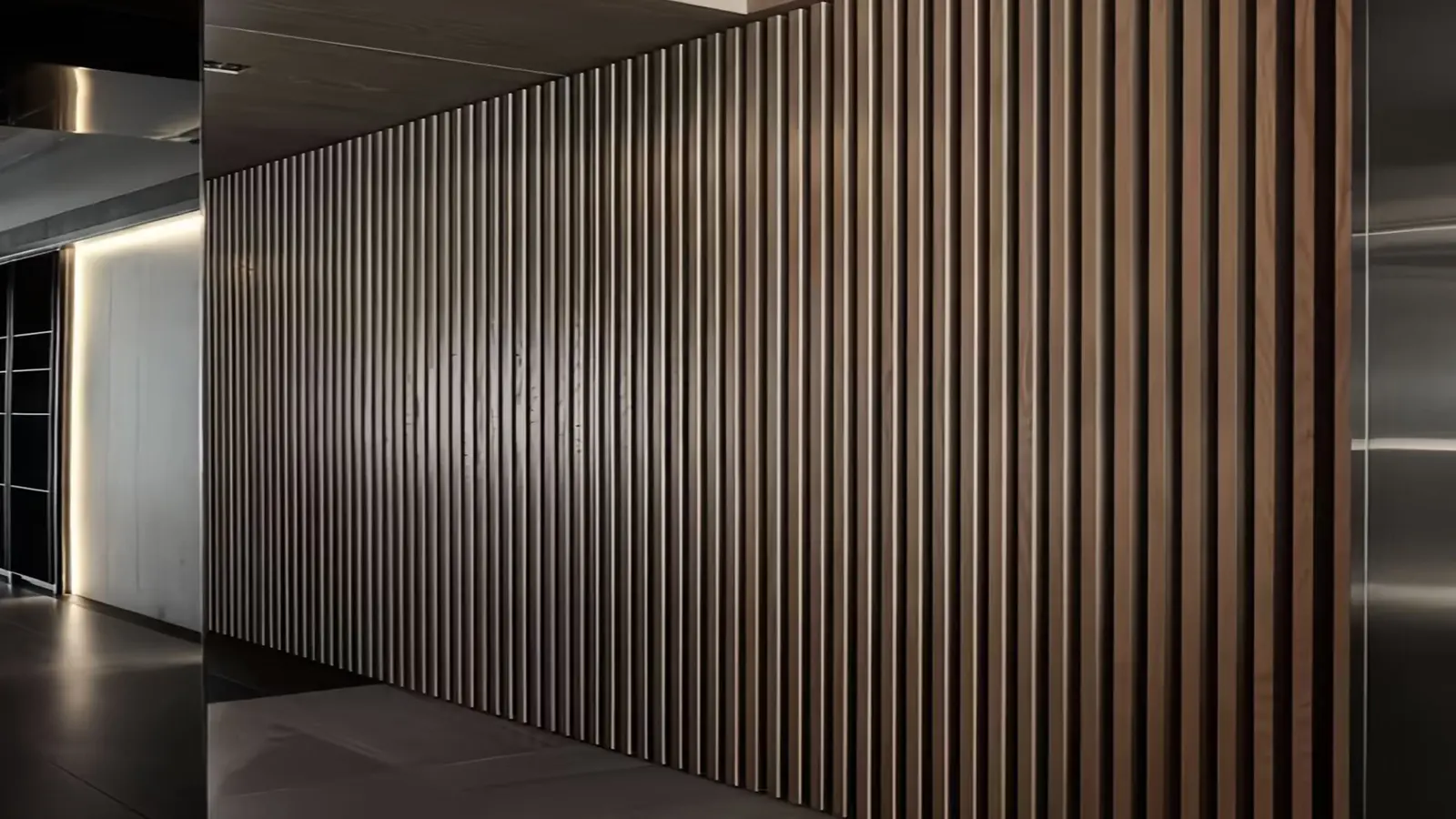
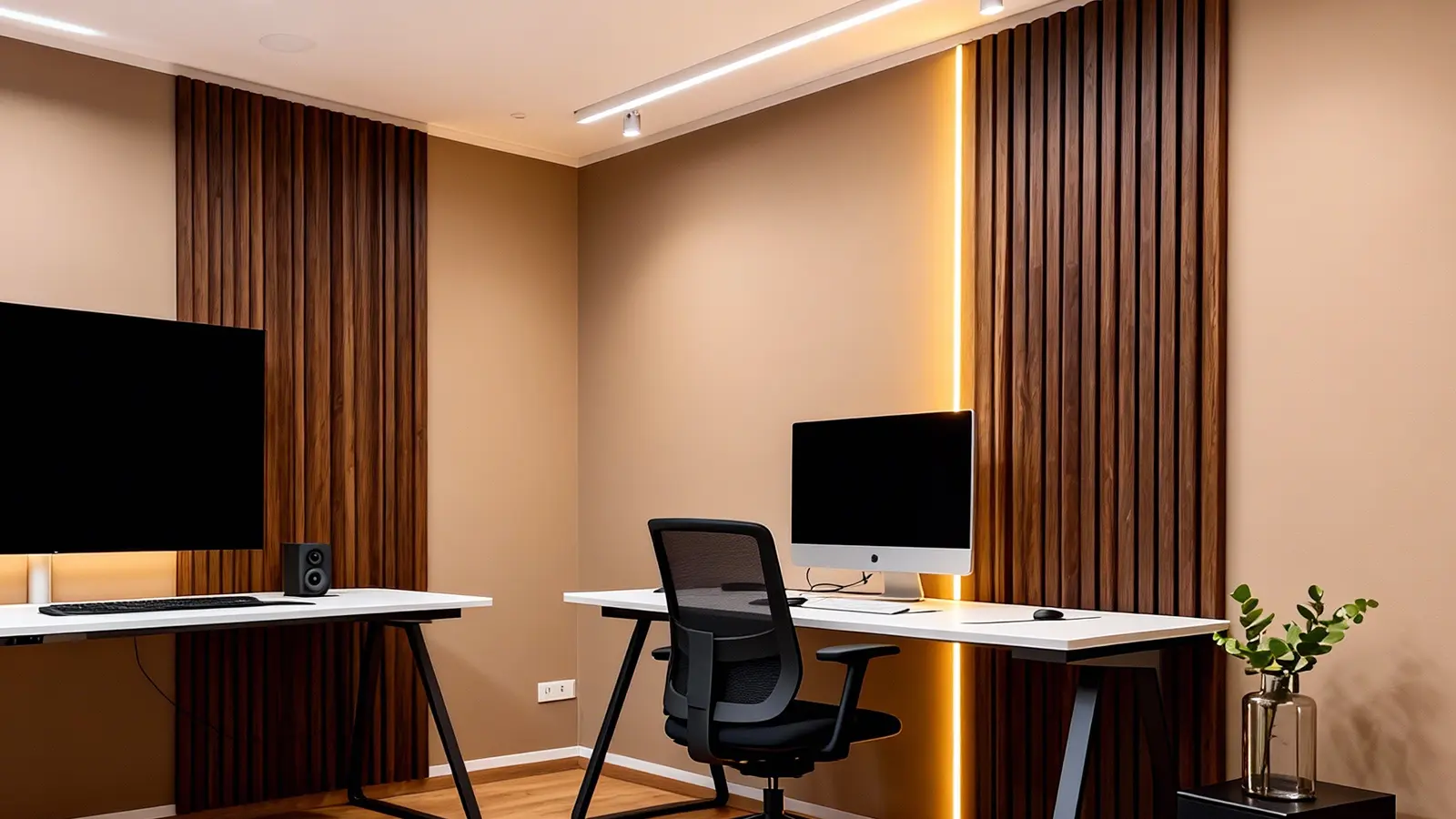
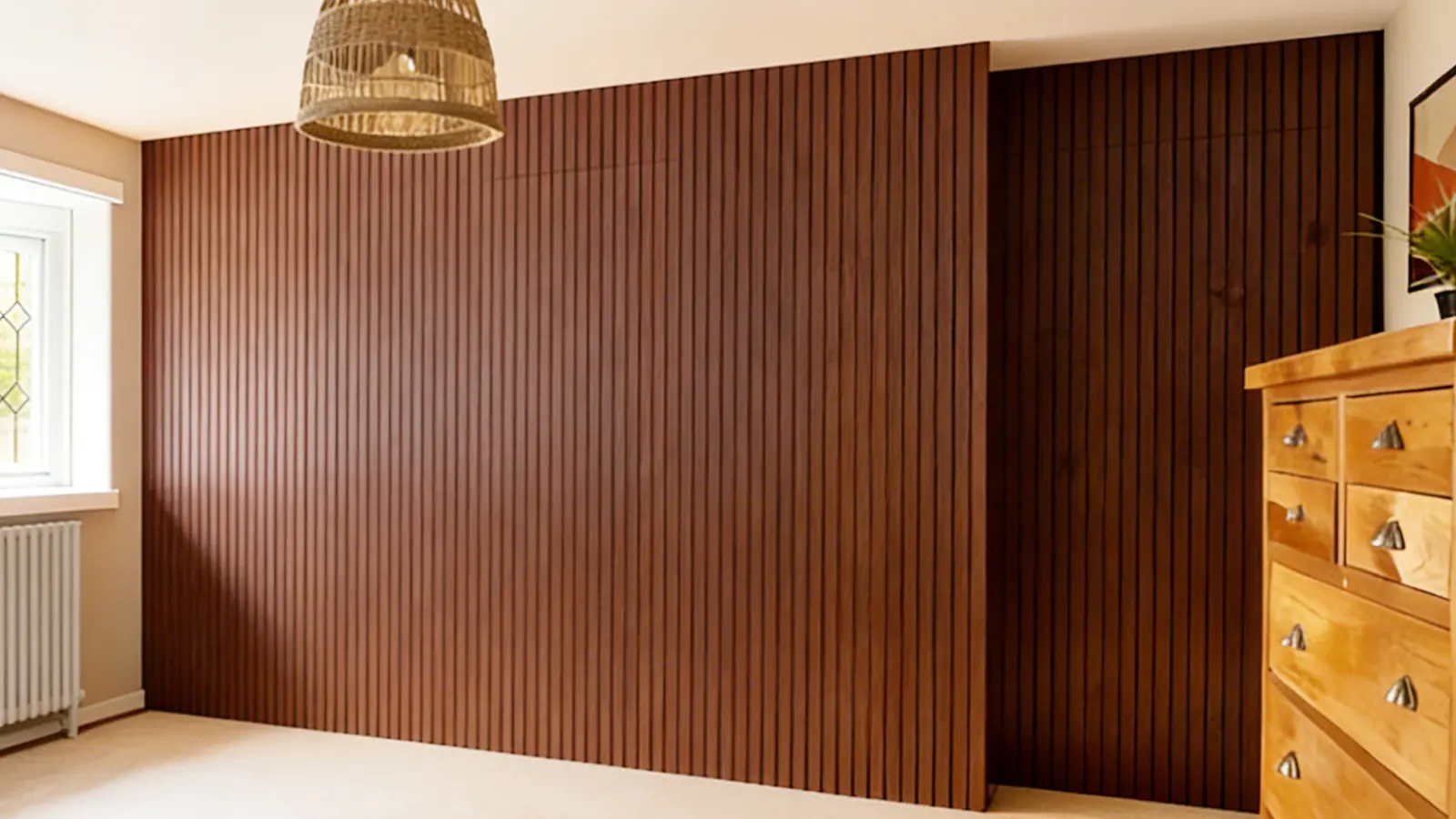
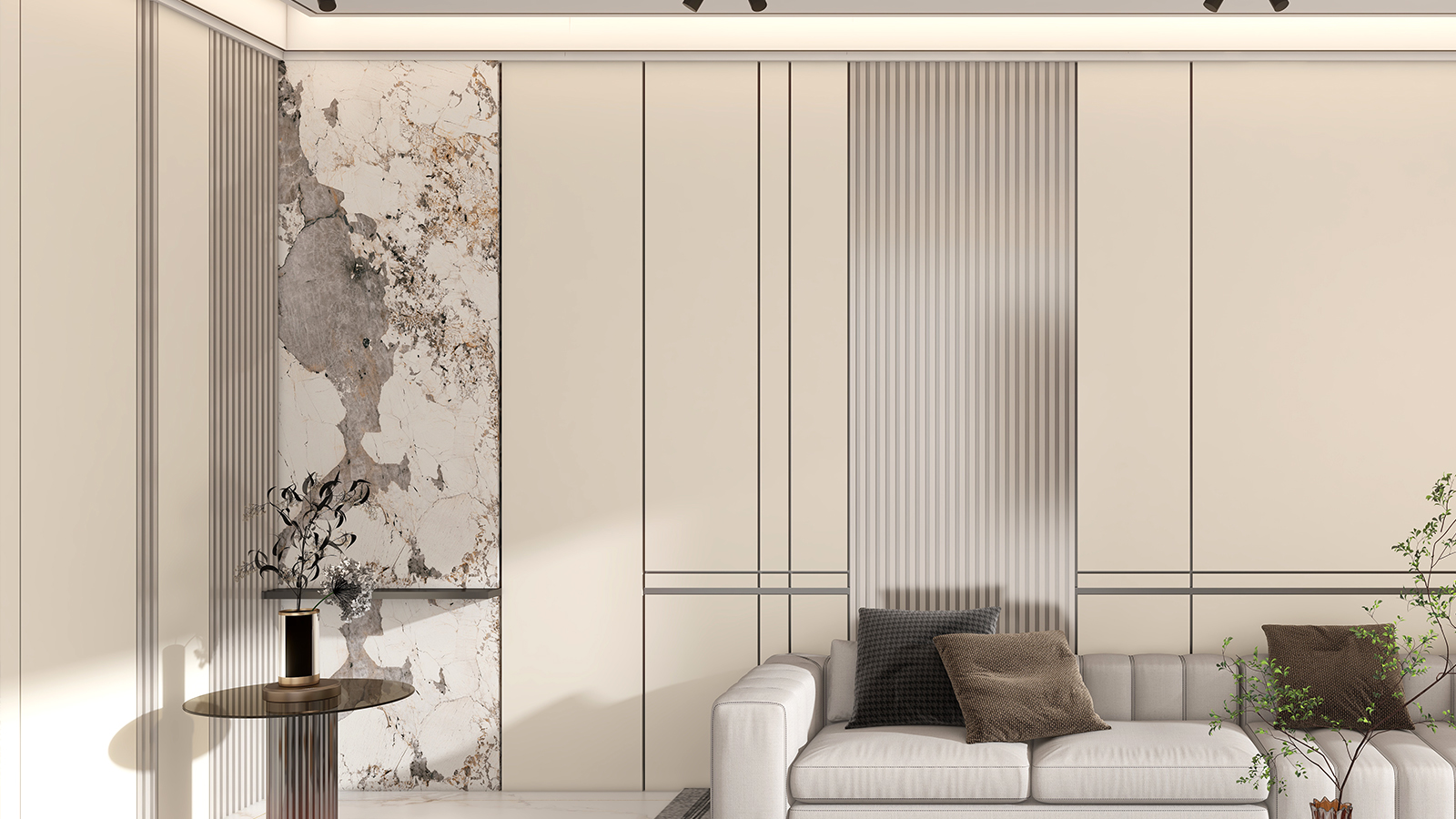
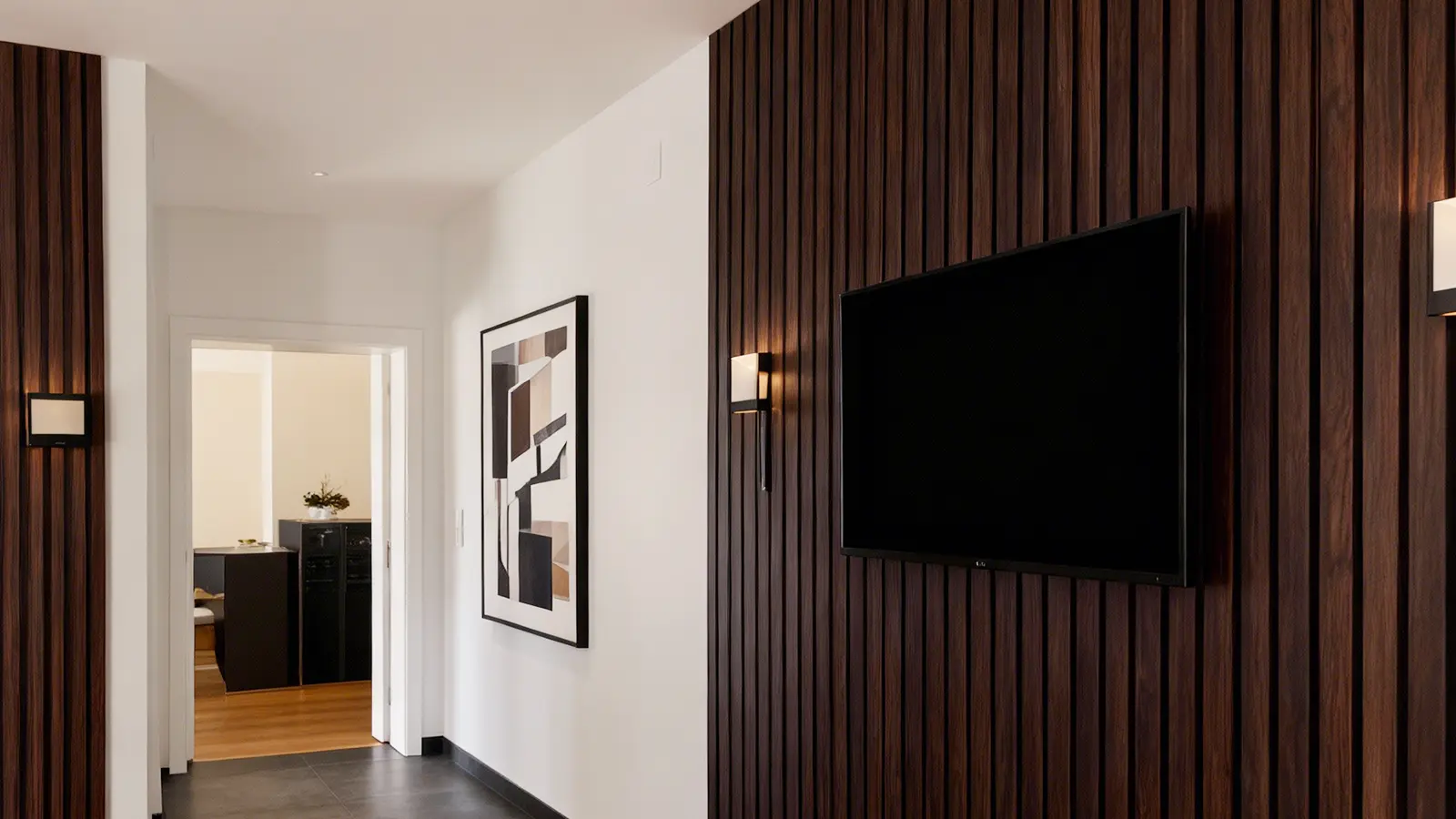
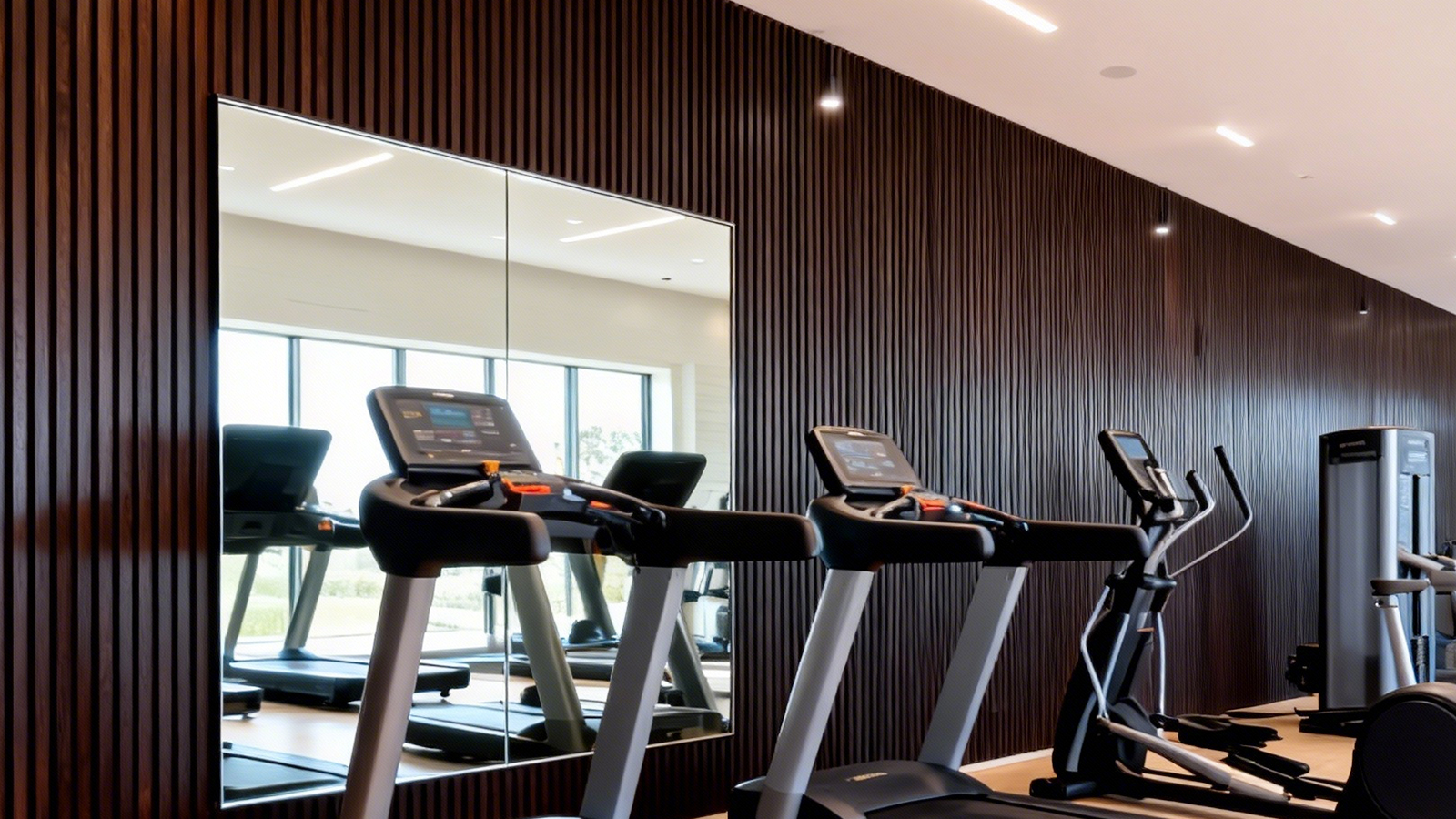
- wood slat panels with elegant linear profiles
- colored PET boards suited for creative atmospheres
- fabric-covered tiles that contribute warmth
- 3D sculpted panels that add depth and artistic character
This design diversity empowers architects to integrate acoustics from the earliest stages of planning.
Adapting to Any Design Language
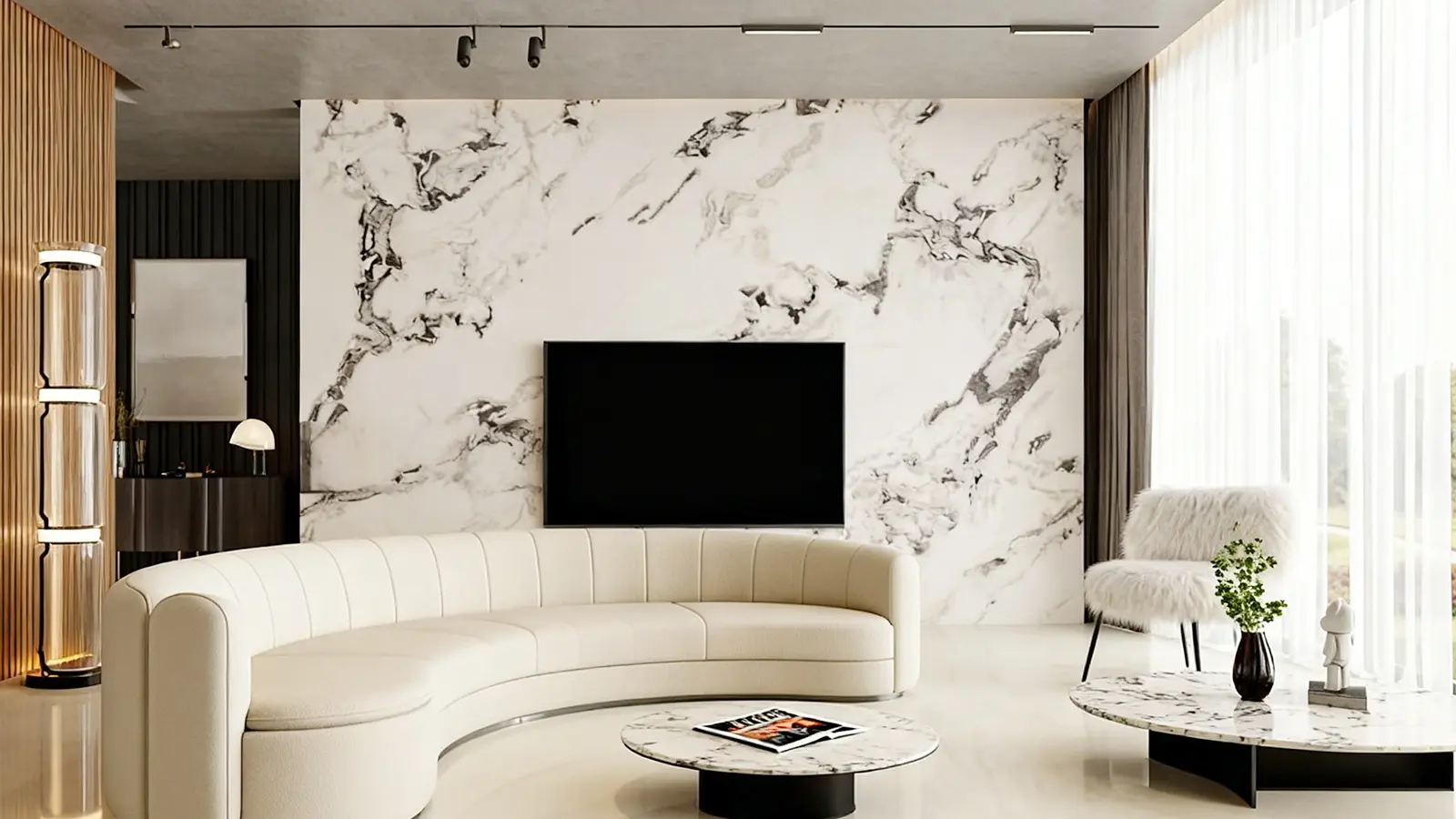
Whether a workspace embraces industrial ceilings, Nordic minimalism, corporate chic, or eco-inspired aesthetics, there are panels that complement the architectural style. They can blend in or stand out depending on how they are arranged.
Branding Opportunities
Acoustic materials can also function as branding tools. They can carry company colors, feature logo highlights, or serve as statement elements in reception areas. This turns acoustic treatment into a dual-purpose design investment.
Versatility and Practical Advantages in Daily Use
Fast Installation and Minimal Disruption
Most panel systems are designed for quick mounting—often requiring only a few hours of installation time. This minimizes downtime and avoids interrupting normal business activities.
Applicable Across a Variety of Workspaces
Acoustic panels aren’t limited to open offices or meeting rooms. They are widely used in:
- HR interview suites
- training academies
- call centers
- breakout spaces
- recording or media rooms
- team project zones
- retail offices
- hospitality back-of-house operations
Their adaptability makes them suitable for almost any business sector.
Low Maintenance and Long Lifespan
Panels generally require minimal cleaning, resist humidity, and maintain their color over time. Their durability makes them ideal for high-footfall environments such as coworking facilities.
Eco-Conscious and Safety-Focused Materials
Environmental responsibility is no longer just a buzzword—it’s a priority for modern companies. Acoustic panel manufacturers have adapted by offering:
- recycled-fiber PET solutions
- formaldehyde-free MDF boards
- low-VOC adhesives
- fire-resistant materials meeting international standards
These features support both sustainability and regulatory compliance, especially for global firms with corporate ESG targets.
Long-Term Value: Why Acoustic Panels Pay Off
Enhanced Performance Equals Higher Productivity
When conversation becomes easier and distractions decrease, teams can perform at higher levels. The resulting improvements are often reflected in:
- faster project completion
- fewer miscommunications
- more productive meetings
- stronger collaboration
- better employee
engagement
A Cost-Effective Upgrade With Measurable Benefits
Compared with architectural soundproofing, acoustic panels provide exceptional value. They improve day-to-day operations and employee comfort without requiring major capital investment.
Creating a Stronger Corporate Image
Visitors, clients, and partners experience the sound environment of an office the moment they enter it. A space that feels calm and professional communicates organizational competence and attention to detail.
Conclusion: Acoustic Panels as a Cornerstone of Future-Ready Offices
As work environments evolve, companies must create spaces that support concentration, communication, and well-being. Acoustic panels are no longer optional—they are essential components of a productive office ecosystem.
By improving sound quality, enhancing interior design, supporting hybrid communication, and promoting employee wellness, acoustic panels offer a multifaceted upgrade that benefits organizations of all sizes. In the journey toward healthier, more efficient workplaces, acoustic treatment stands out as one of the most impactful investments companies can make.
