
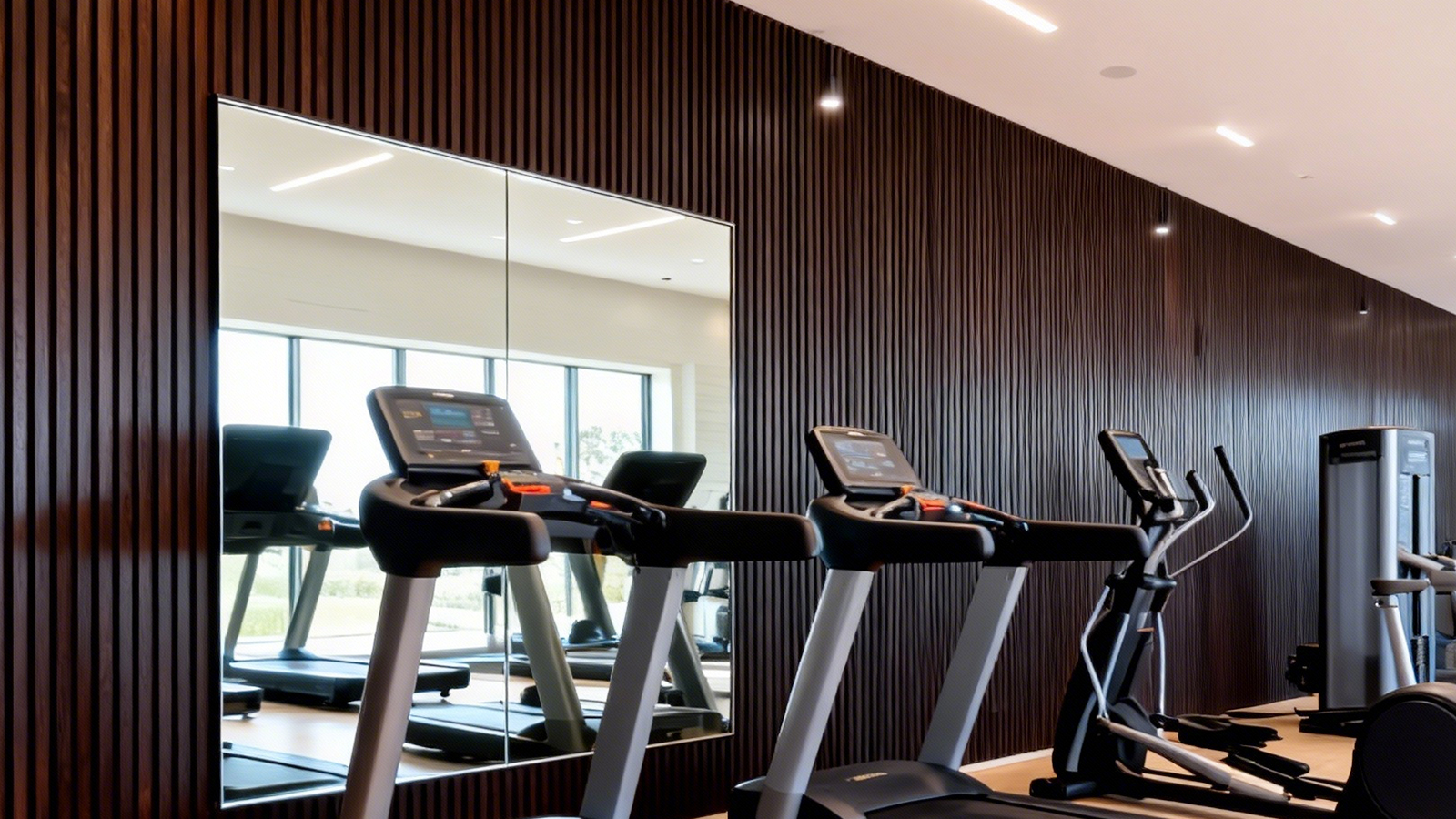
Transforming Architectural Surfaces with WPC Wall Panels: A Guide for Forward-Thinking Designers
Table of Contents
- The Evolution of WPC: From Utility to Architectural Art
- Aesthetic Versatility: Expanding the Creative Palette
- Durability That Surpasses Traditional Materials
- Applications That Demonstrate WPC’s Multidimensional Strength
- WPC Panel Types for Every Architectural Approach
- How WPC Compares to Conventional Materials
- Sustainability Benefits: Designing Responsibly
- Conclusion: The Future of Architectural Surface Design
Design and construction are experiencing a renaissance, with architects and designers seeking materials that are both visually rich and technically reliable. In this shift, Wood–Plastic Composite (WPC) wall panels have become one of the most influential materials redefining how we approach interior and exterior surfaces. Their rise is driven not just by their durability, but by their striking ability to enhance the character of every environment they enter.
The Evolution of WPC: From Utility to Architectural Art
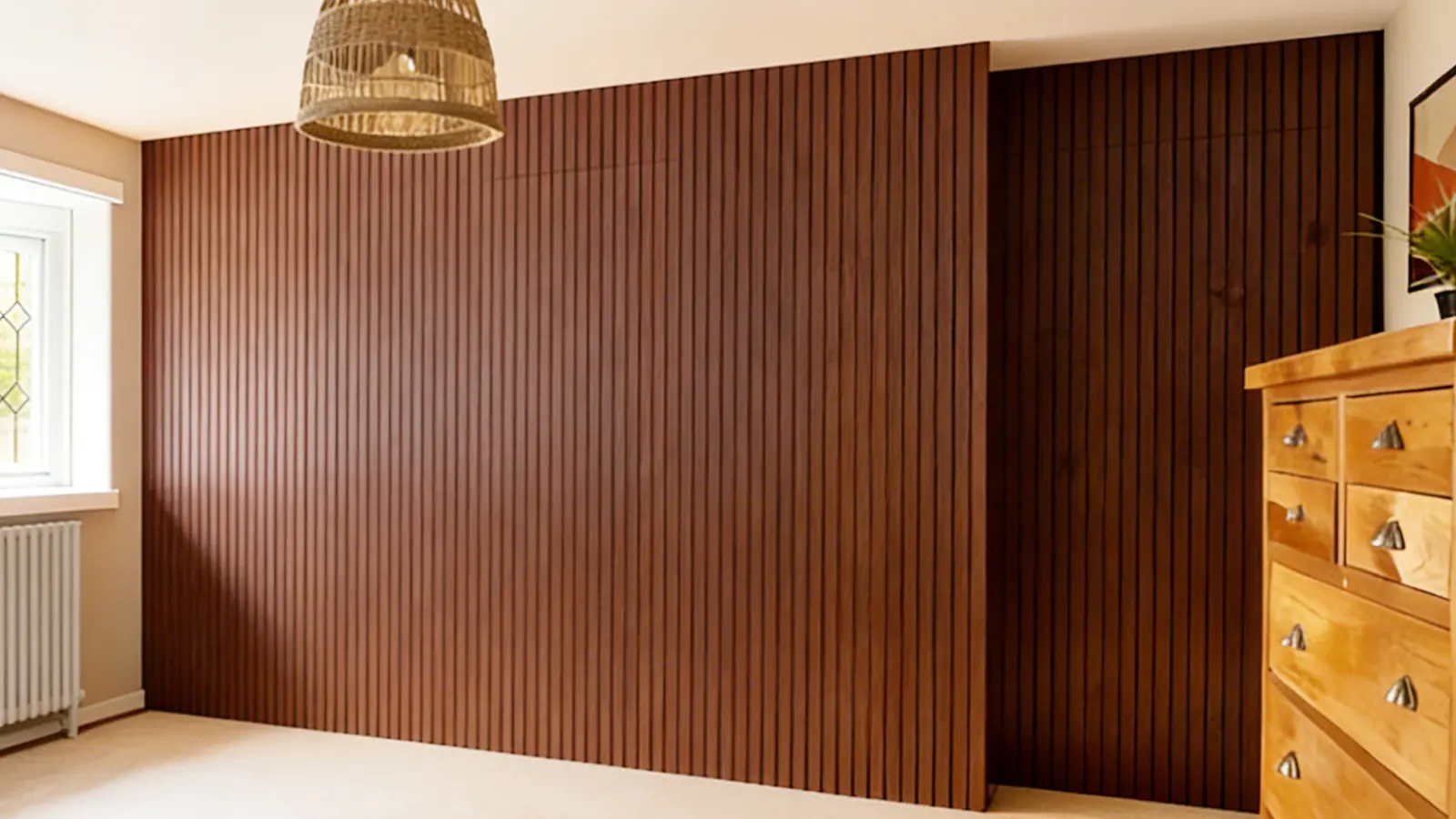
WPC was initially engineered as a sustainable replacement for wood in outdoor applications. Early versions were practical yet plain. However, as material science advanced, manufacturers began creating Wpc Panels that better matched the warmth, depth, and texture of natural hardwood while offering far superior longevity.
Today, WPC wall panels are no longer an “alternative”—they are a preferred choice in both high-end residential and commercial projects. Their sophisticated grain embossing, stable structure, and resistance to moisture and UV rays make them ideally suited to the design demands of modern architecture.
Aesthetic Versatility: Expanding the Creative Palette
What truly sets WPC apart is its ability to support diverse design languages—from Scandinavian calm and Japanese minimalism to bold industrial and resort-style themes.
Rich Textures That Bring Surfaces Alive
Advanced production techniques allow WPC panels to feature:
- Deep and natural wood grain patterns
- Smooth matte finishes
- Geometric cuts for a contemporary feel
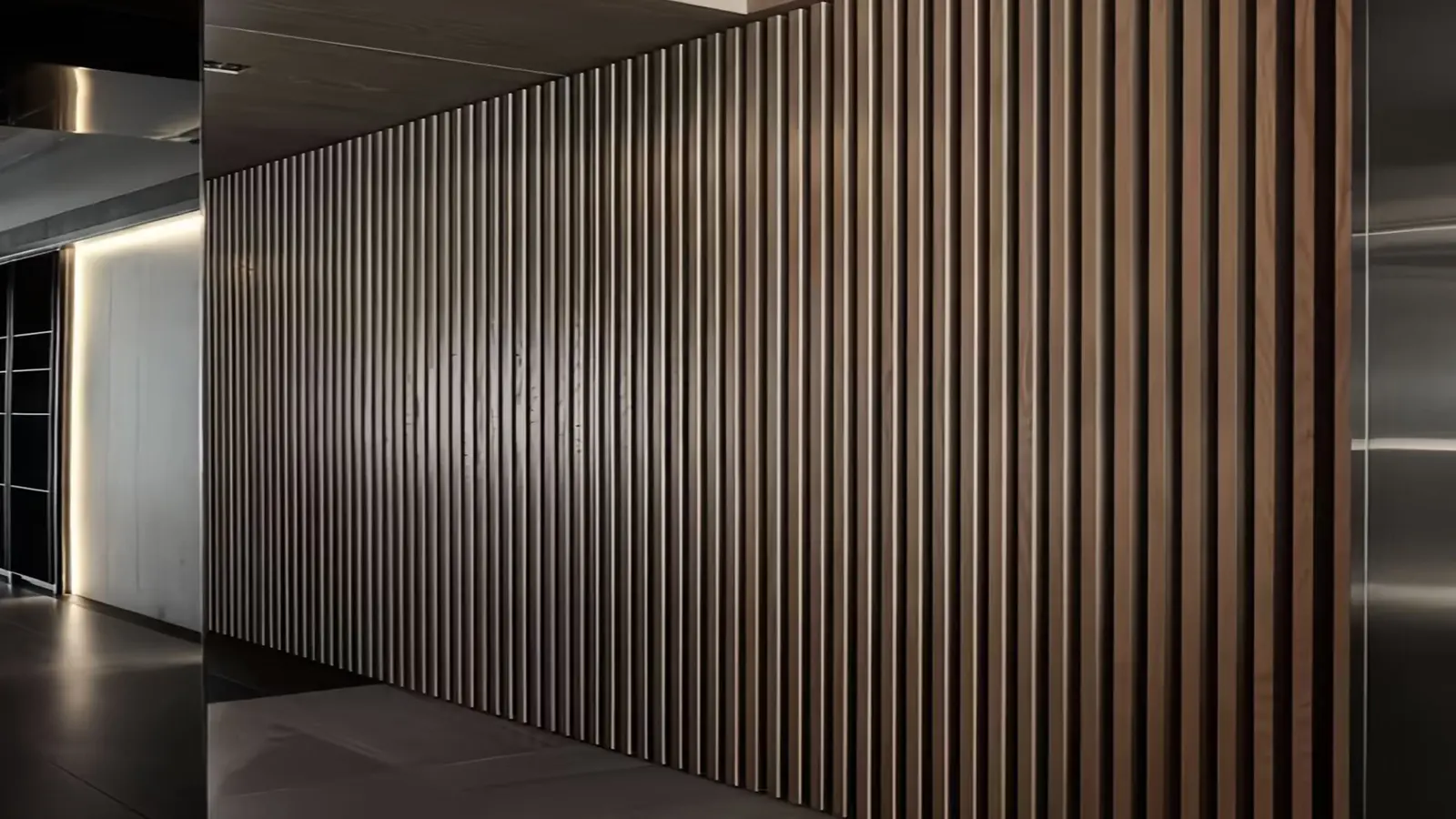
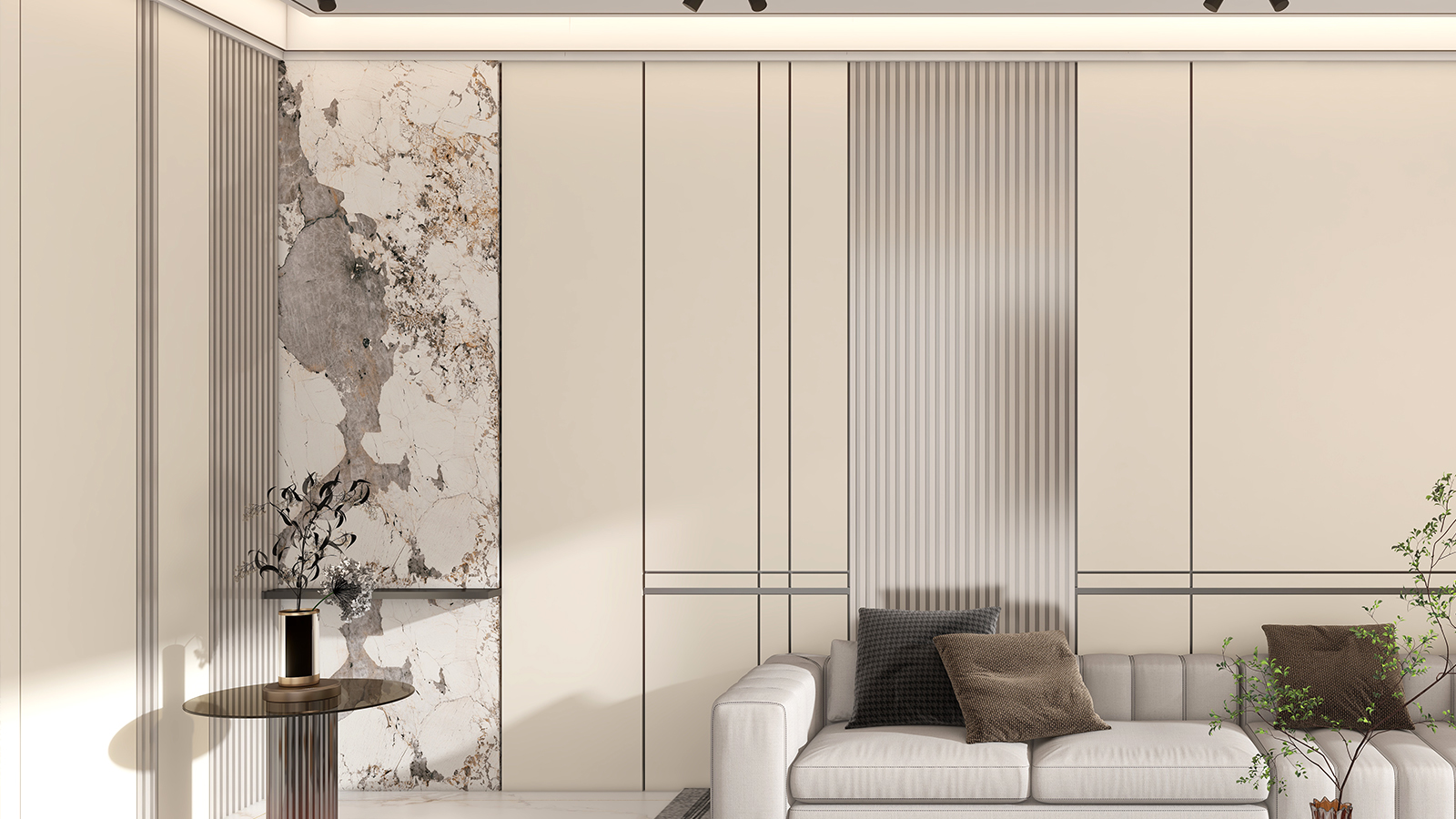
- 3D sculptural styles that add drama
These textures interact beautifully with natural and artificial lighting, creating subtle plays of shadow that change throughout the day.
A Wide Range of Colors
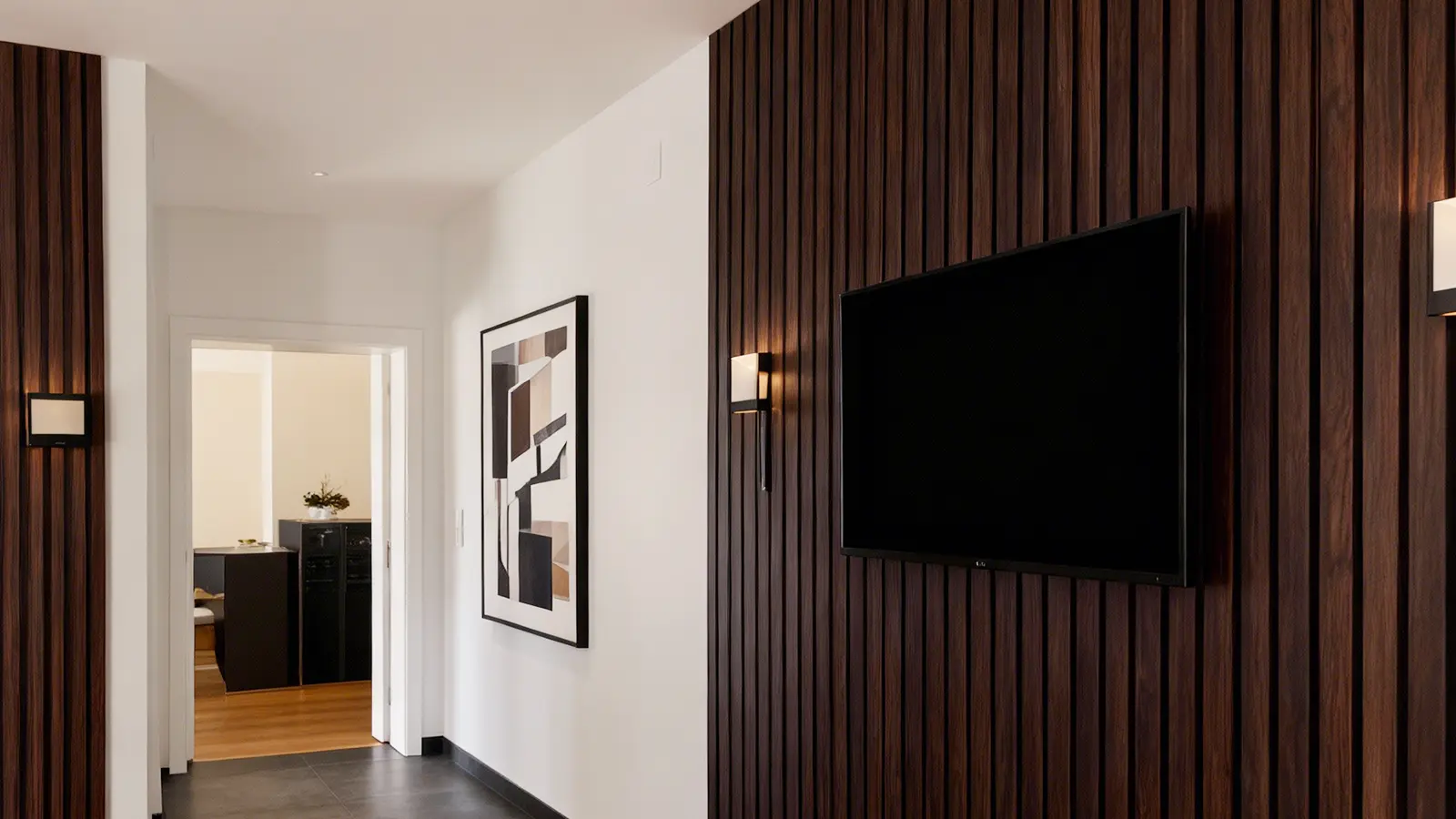
- Walnut, oak, and teak tones for warmth
- Cool greys for modern urban sophistication
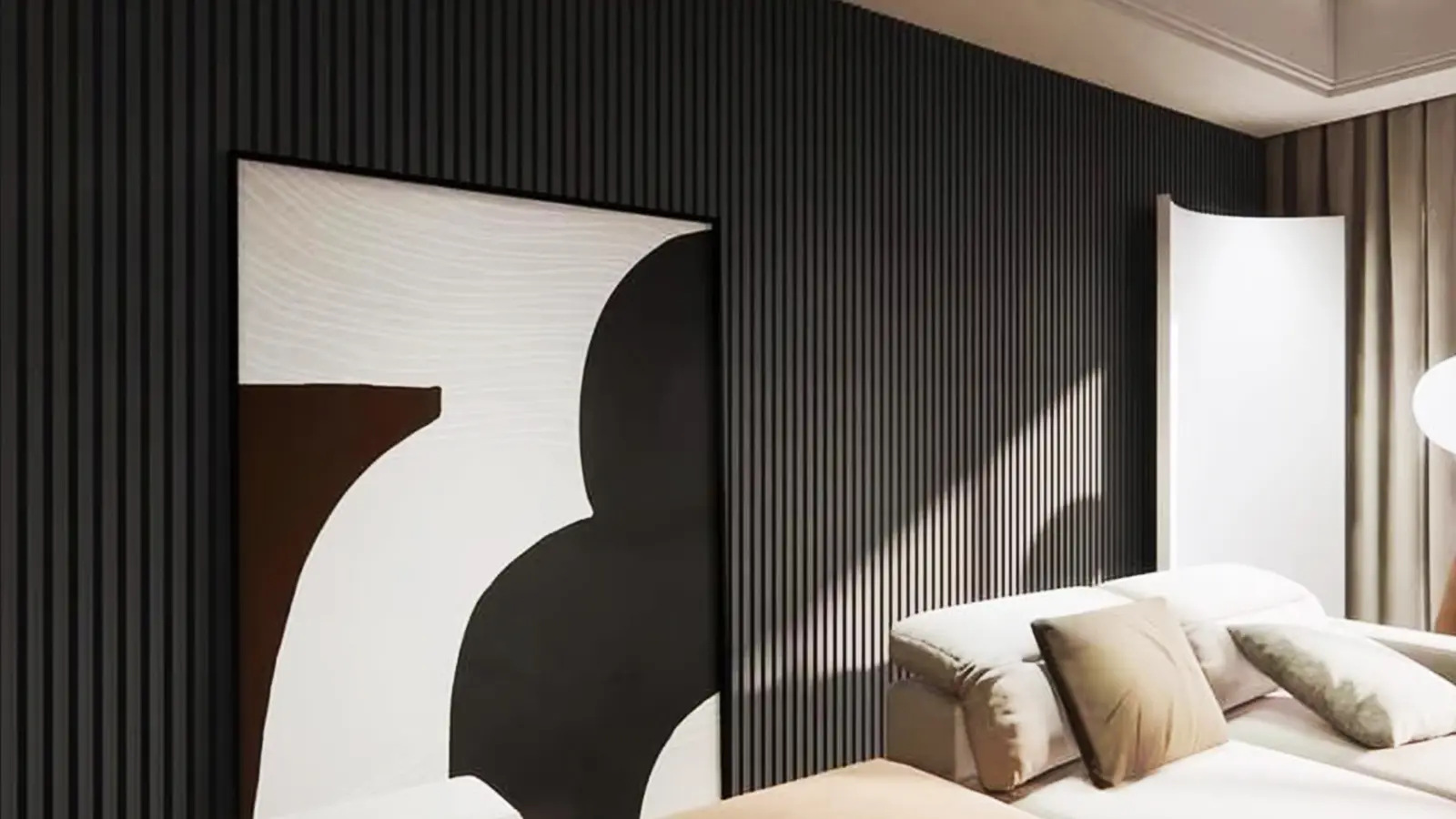
- Dark charcoal hues for luxury retail or lounge spaces
- Soft beige and cream shades for minimalist interiors
This extensive palette allows designers to craft memorable spaces without relying on decorative clutter.
Durability That Surpasses Traditional Materials
The success of WPC wall panels lies not only in their beauty but also in their ability to withstand environmental stress that breaks down natural wood, fiberboard, and metal.
Moisture Resistance
WPC does not absorb water like wood does. This prevents:
- Swelling
- Rot
- Mold growth
It’s the perfect solution for humid climates, coastal areas, and indoor environments like kitchens and basements.
Sunlight and Heat Resistance
UV stabilization prevents fading, yellowing, or cracking. Panels stay true to their original appearance even under prolonged exposure.
Impact Resistance
Unlike MDF or Pvc Panels that easily dent or scratch, WPC offers excellent structural toughness—critical for public spaces, shopping centers, and hospitality environments.
Low Maintenance
A simple rinse or wipe is enough to maintain the panels. No painting, polishing, or sealing is required throughout their lifespan.
Applications That Demonstrate WPC’s Multidimensional Strength
- Hospitality and Retail
Restaurants, resorts, coffee shops, and boutique stores increasingly adopt WPC Wall Panels to craft branded environments. Their textures create a sense of intimacy, while their durability withstands the heavy activity typical in customer-facing spaces.
- Residential Spaces
WPC is used to elevate:
- Living room feature walls
- Bedroom accents
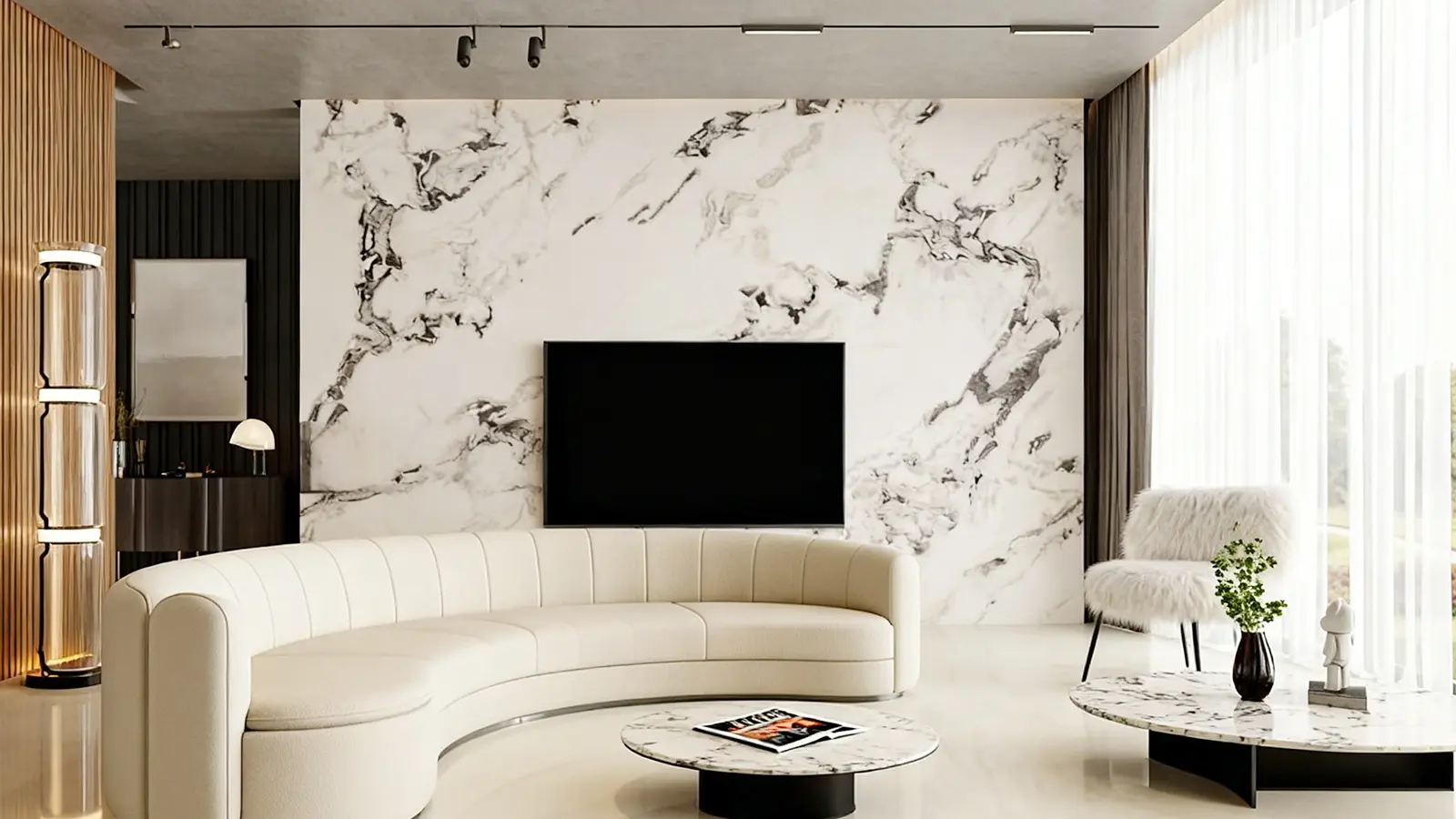
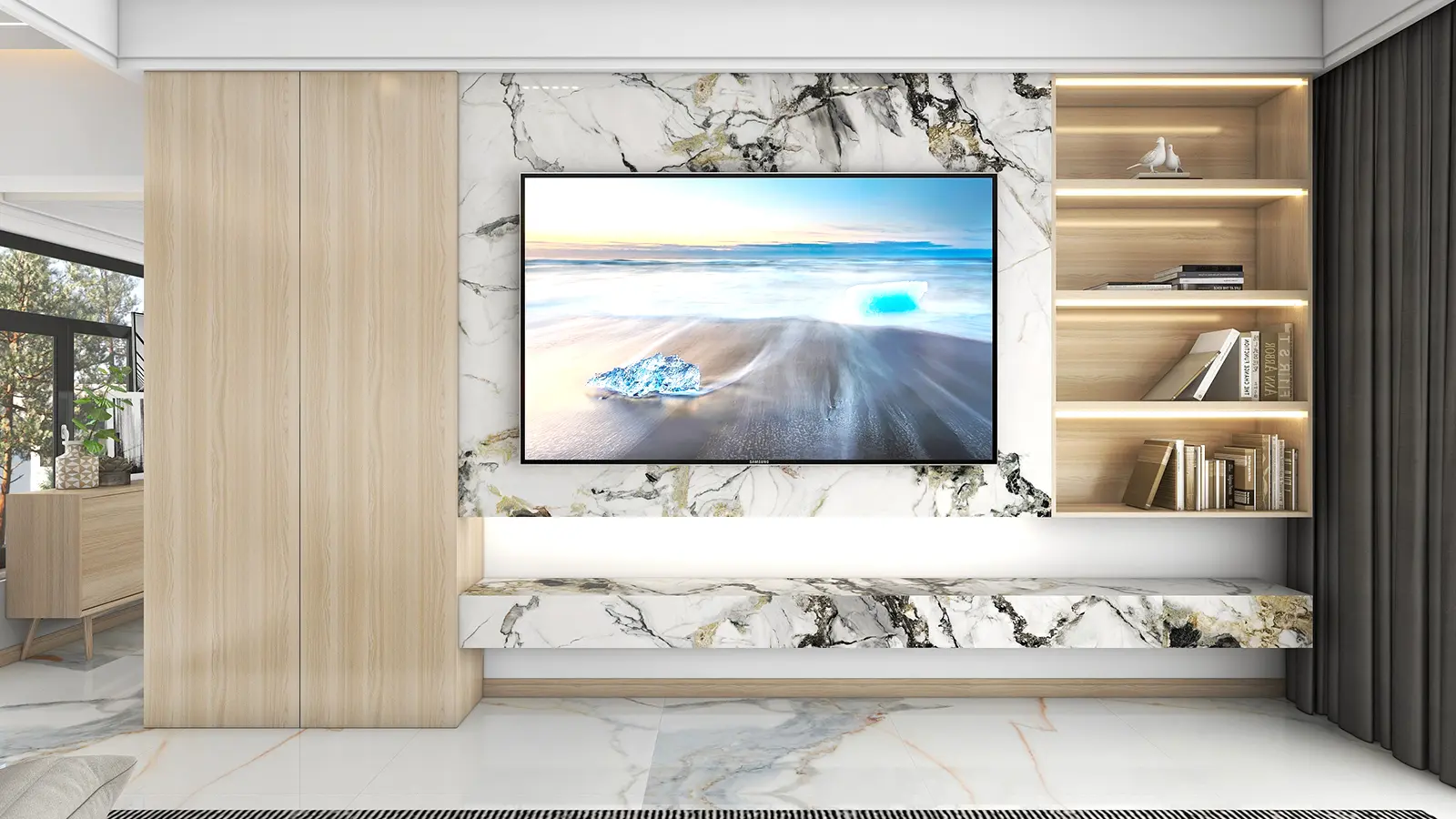
- TV backdrops
- Staircase walls
- Dining room partitions
Its natural look blends seamlessly with modern décor while requiring little upkeep.
- Outdoor Architectural Features
Outdoor durability is where WPC excels:
- Façade cladding
- Gazebo walls
- Poolside structures
- Privacy fences
- Garden feature walls
Even in coastal areas with salt exposure, WPC remains stable and visually appealing.
- Corporate and Industrial Environments
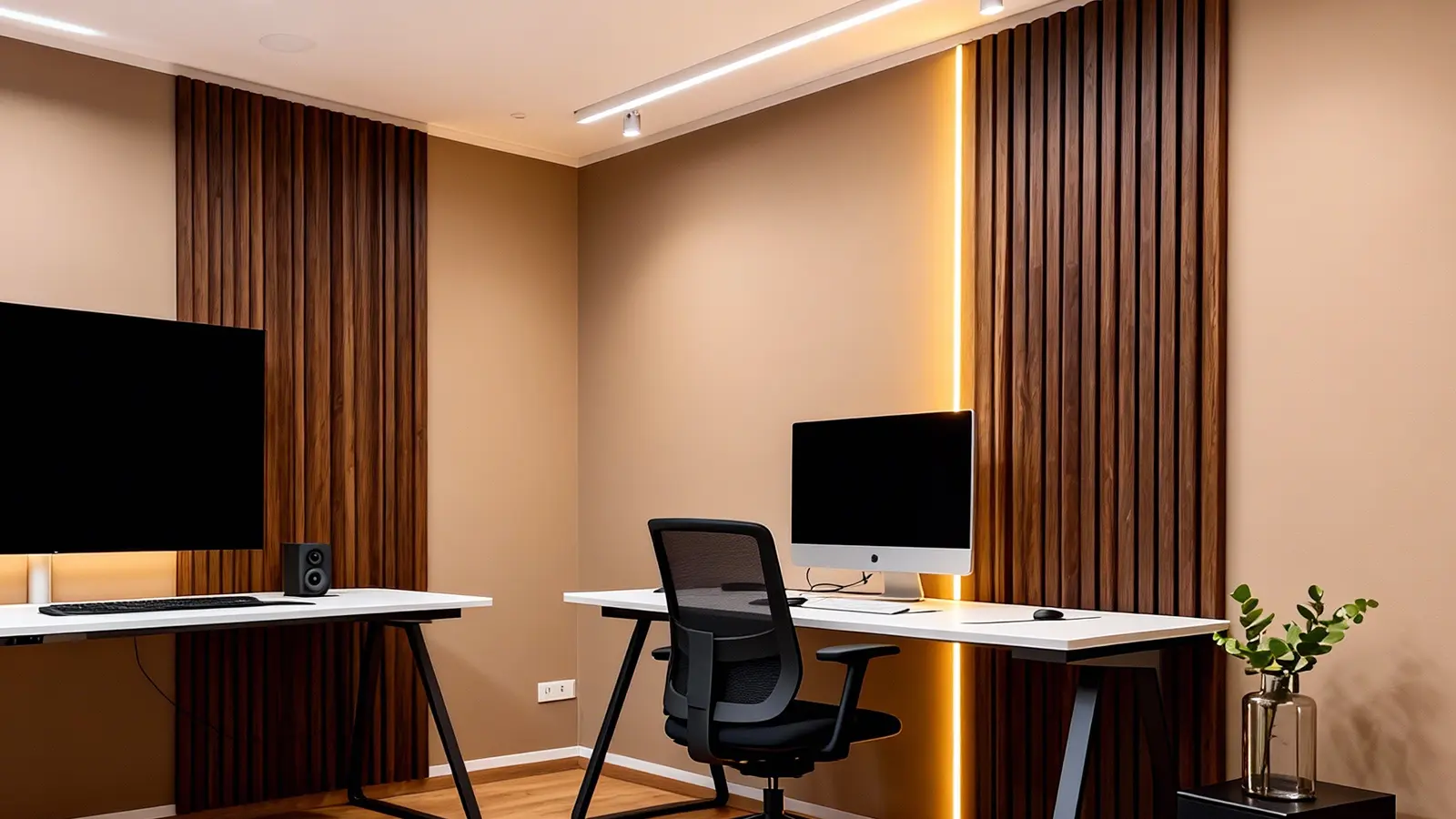
In modern offices, WPC creates inviting and productive spaces. It helps soften industrial architecture, providing warmth to meeting rooms, lounges, and collaboration zones.
WPC Panel Types for Every Architectural Approach
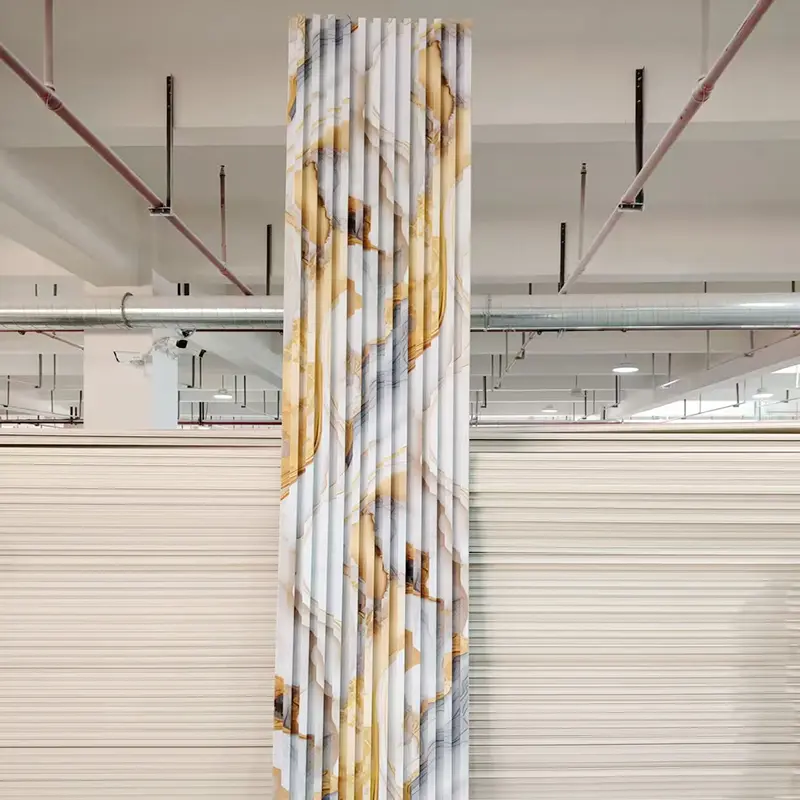
- Louver Panels: Enhance ventilation and create visual rhythm.
- Solid Co-Extruded Panels: Offer superior UV resistance and weather protection for exteriors.
- Decorative Sculpted Panels: Add theatrical depth to hotel lobbies, museums, and luxury homes.
- Acoustic WPC Panels: Integrate sound absorption technology—ideal for studios, conference rooms, and open-plan offices.
How WPC Compares to Conventional Materials
Vs. Natural Wood
Wood is natural and beautiful, but high maintenance. WPC offers the same aesthetic with no need for yearly sealing, and it resists termites, moisture, and decay.
Vs. PVC
PVC is lightweight but lacks the premium feel and long-term durability. WPC delivers richness and strength while maintaining environmental responsibility.
Vs. Metal
Metal creates a sleek, industrial aesthetic but can feel cold. WPC provides warmth while resisting rust and corrosion.
Sustainability Benefits: Designing Responsibly
WPC uses recycled materials, reduces the demand for natural timber, and lasts significantly longer than traditional wood. Long lifespans mean fewer replacements, minimizing waste generation and ensuring long-term sustainability.
For eco-conscious projects or clients seeking Green Building credits, WPC offers a material choice that aligns beauty, performance, and environmental responsibility.
Conclusion: The Future of Architectural Surface Design
In a design world that values both aesthetics and environmental responsibility, WPC wall panels represent the ideal balance. Their versatility, resilience, low-maintenance nature, and visual richness place them at the forefront of next-generation building materials. Whether enhancing a modern villa, transforming a retail flagship, or elevating a resort pavilion, WPC wall panels help designers build spaces that are immersive, enduring, and undeniably contemporary.