


The Rising Trend of Faux Marble Interiors: Why PVC Marble Sheets Are Gaining Popularity
The Rising Trend of Faux Marble Interiors: Why PVC Marble Sheets Are Gaining Popularity
Table of Contents
- The Building Blocks: Material Composition
- How It’s Made: From Powder to Polished Sheet
- Why Designers & Homeowners Love PVC Marble Sheets
- The Trade-Offs: What You Must Watch Out For
- Best Use Cases & Design Tips
- Final Thoughts
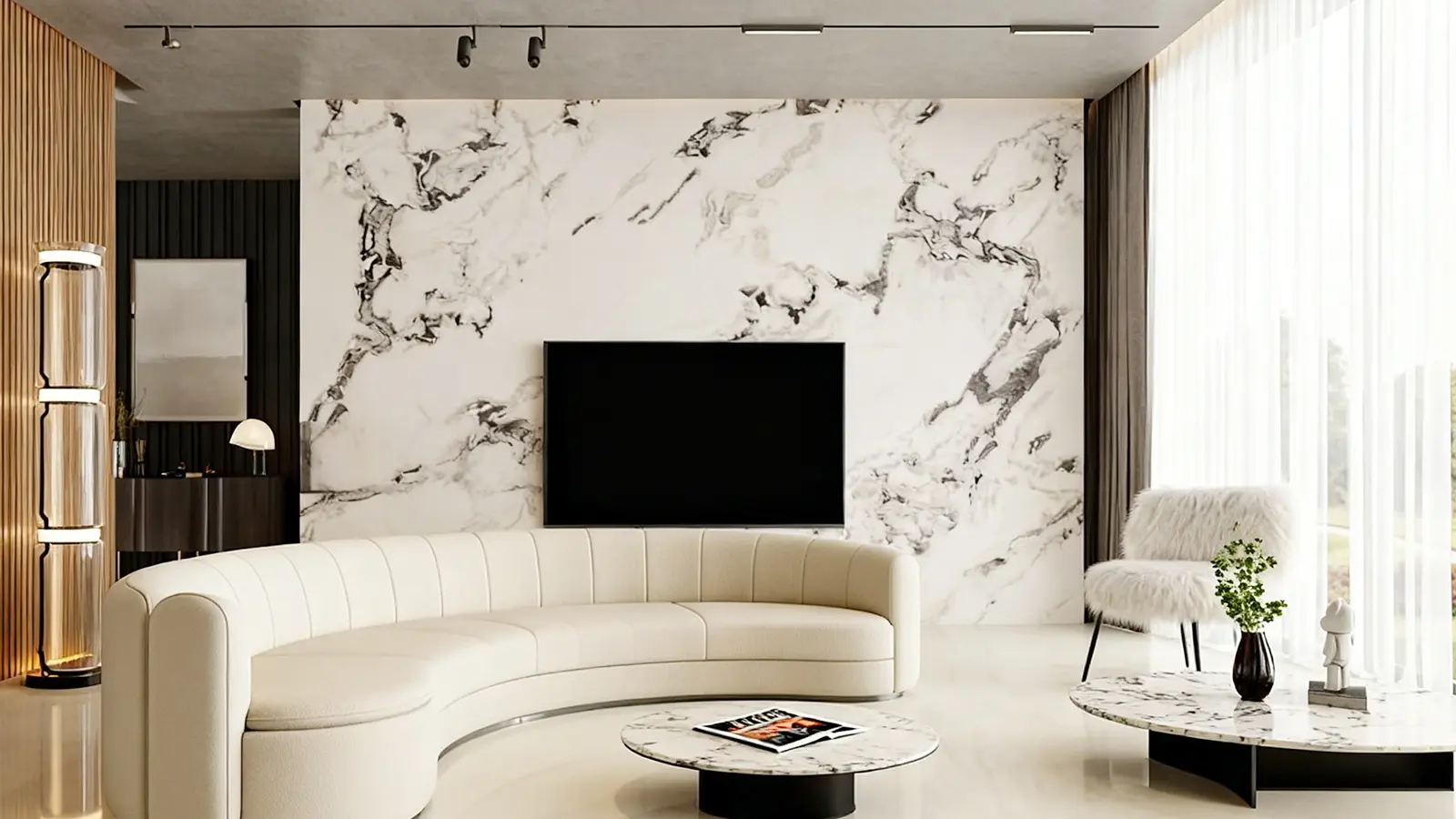
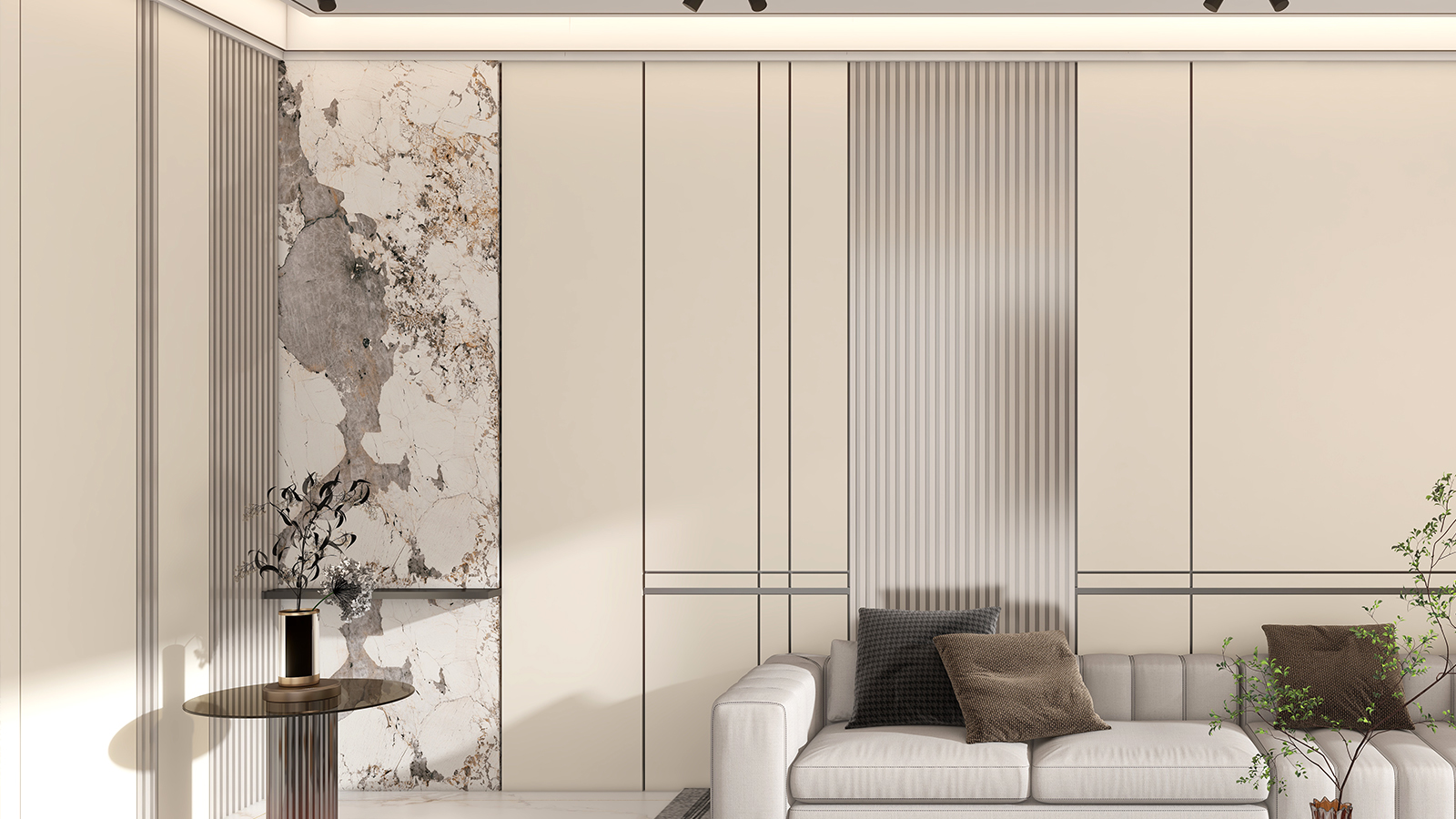
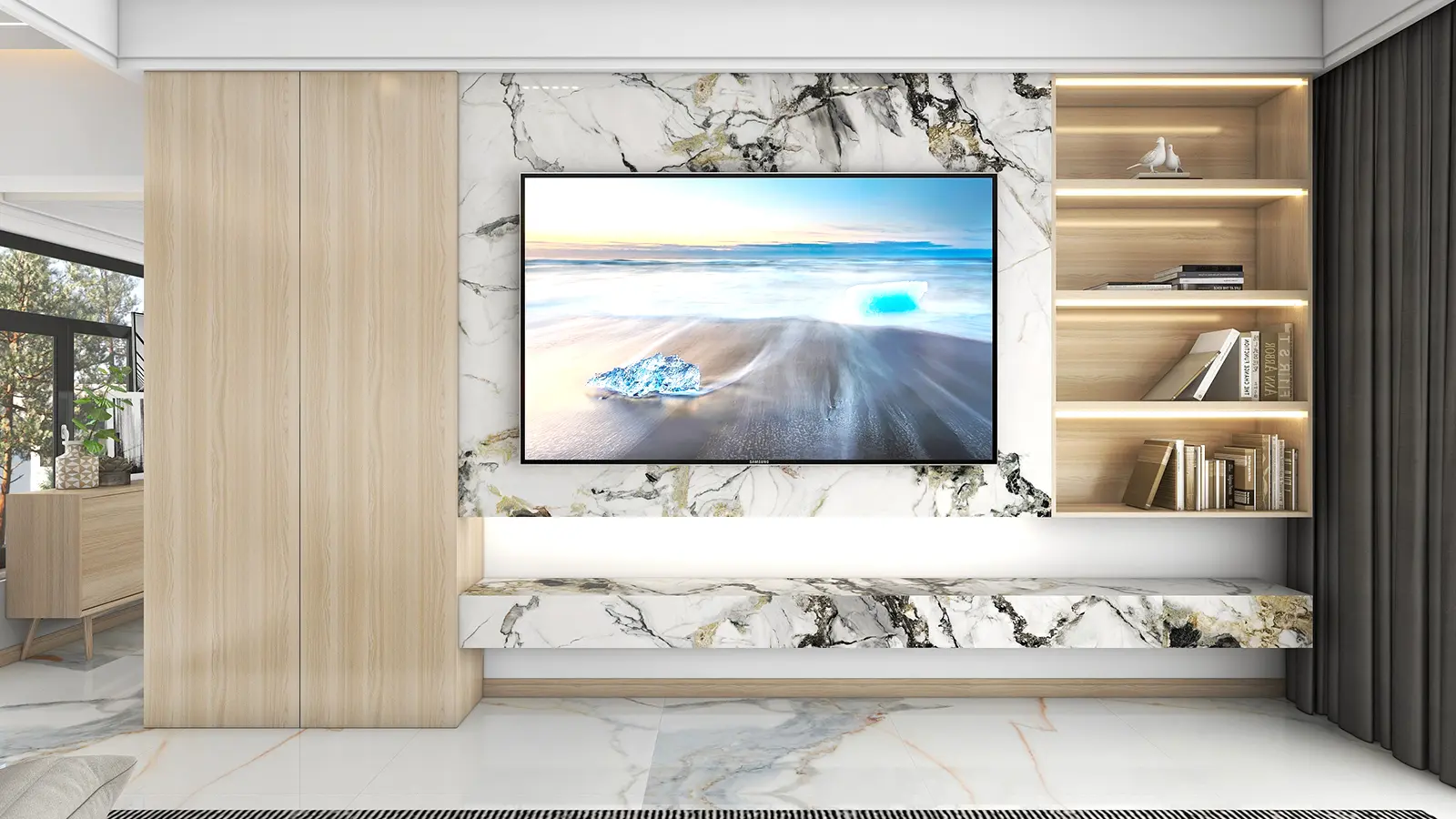
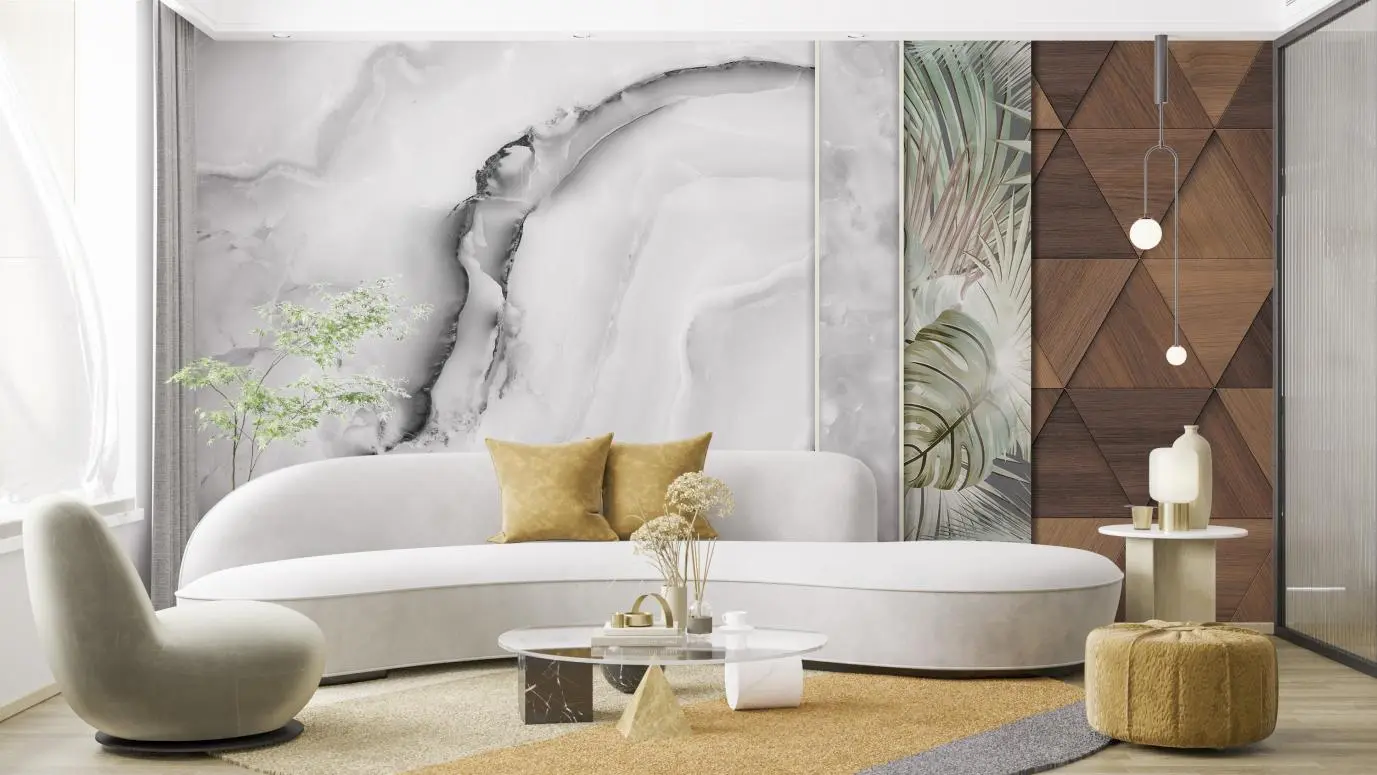
In recent years, interior design has increasingly embraced materials that balance style, cost, and practicality. One standout in this shift is the PVC marble sheet—a high-tech composite panel that convincingly mimics natural stone at a fraction of the cost. For architects, contractors, and homeowners alike, it offers a modern path to achieving luxurious aesthetics without the drawbacks of real marble. In this post, we unravel how PVC marble panels are made, explore their strengths and weaknesses, and offer guidance on where and how to best employ them.
The Building Blocks: Material Composition
At the core of every PVC marble panel is a carefully engineered blend of raw ingredients:
- High-grade PVC Resin: Chosen for purity, melt-flow control, and stability.
- Plasticizers / Process Aids: These soften the resin and ease extrusion.
- Thermal Stabilizers: Prevent degradation during high-temperature processing.
- Fillers: Calcium carbonate, talc, or similar materials to adjust modulus, reduce cost, and control shrinkage.
- Colorants & Vein Printing Inks: Advanced inkjet or gravure printing is used to simulate marble veins, backed by pigment dispersions.
- Additives / Modifiers: UV absorbers, scratch-resistant agents, impact modifiers, flame retardants, and adhesion promoters.
Innovation is ongoing in additive chemistry—e.g. low-VOC plasticizers, nano-fillers, or improved UV coatings—to push performance boundaries.
How It’s Made: From Powder to Polished Sheet
Let me walk you through the processing chain:
- Raw Material Blending
The starting batches of PVC resin, plasticizers, stabilizers, fillers, and pigments are metered and mixed in a high-speed mixer or preliminary compounding extruder. Uniform dispersion is critical, else defects like streaks, unmixed spots, or weak zones may appear.
- Extrusion & Melt Processing
The blended compound is fed into a twin- or single-screw extruder with zoned heating. The melt is pressurized and shaped through a slotted die to form a continuous flat sheet.
- In-line Printing / Veneering
Just downstream of the die, a printed film or image layer (with marble vein designs) may be laminated onto the surface. In advanced lines, direct surface printing onto the molten sheet is also possible.
- Embossing / Texture Rolling
Heated embossing rollers impart surface textures—size, gloss, stone feel—to emulate the tactile sense of real marble.
- Cooling / Stabilization
The textured sheet is passed through cooling stages (air or water) to solidify. Controlled cooling avoids warping or residual stress.
- Edge Finishing & Sizing
Trim stations cut the sheet to width; cross-cutters segment continuous rolls or boards. Edge quality and dimensional accuracy are monitored.
- Inspection, Testing & Sorting
Finished panels undergo inspection for visual defects, pattern alignment, thickness uniformity, mechanical strength, and adhesion test (if laminated). Rejects are recycled or downgraded.
- Final Packaging & Logistics
Each panel is protected with film, foam separators, and strong packaging to guard against shipping damage.
Some modern factories feature real-time machine-vision inspection to detect flaws during operation, improving yield and drastically reducing scrap.
Why Designers & Homeowners Love PVC Marble Sheets
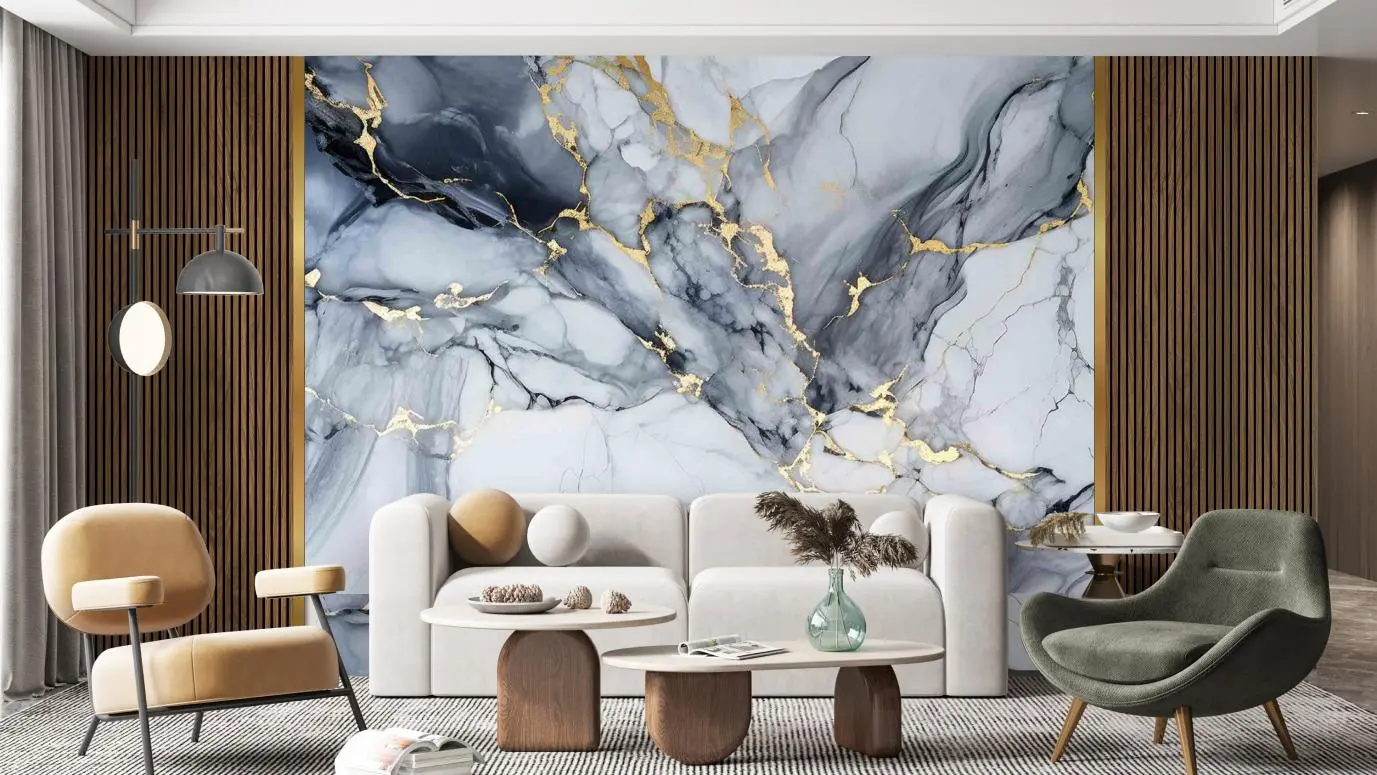
Let’s highlight the key selling points that are driving adoption:
- Affordability
Raw material and processing costs are much lower compared to quarried stone. Combined with lower labor and transport cost, PVC marble becomes an economically attractive option.
- Lightweight Advantage
Because it weighs a fraction of real marble, installation is faster, easier, and safer. Especially in renovations or high-rise settings, weight reduction is a boon.
- Moisture & Stain Resistance
Being non-porous, the surface resists water, preventing mold or moisture infiltration—a major plus in wet zones.
- Simple Cleanup & Low Upkeep
A damp cloth and mild cleaner generally suffice. No sealing, acid etching, or polishing is needed.
- Aesthetic Flexibility
You can choose from numerous colors, vein patterns, surface textures, or finishes — ideal for matching various design schemes without the constraints of stone stock limits.
- Minor Impact Tolerance
While not invincible, many PVC marble panels absorb small knocks better than brittle stone, reducing the risk of chips or cracks.
- Faster Turnaround & Easy Retrofit
Panels can often be installed over existing surfaces, minimizing demolition and preparation time.
- Potential Sustainability Claims
Some manufacturers highlight recyclability and eco-grade additives, though in practice these claims depend heavily on regional recycling infrastructure and quality control.
The Trade-Offs: What You Must Watch Out For
Of course, nothing is perfect. Here are the trade-offs and caveats:
- Poor High-Temperature Performance
PVC softens under heat. Avoid proximity to heating appliances, fireplaces, or areas with intense sunlight.
- Scratching & Surface Degradation
Sharp tools, abrasive cleaners, or moving heavy objects can scratch the surface, especially on lower-grade sheets. Over time, the surface finish may dull.
- UV / Fading Issues
Panels constantly exposed to sunlight may fade or discolor. High-end products include UV stabilizers, but performance depends on quality.
- Perception / Luxury Value Gap
Savvy clients or high-end projects may value real stone’s authenticity and resale appeal more than synthetic alternatives.
- Limited Repair Options
Unlike stone that can be re-polished or repaired, PVC surface damage often means replacing the panel entirely.
- Environmental & Health Concerns
- PVC production involves chlorine chemistry and may generate harmful byproducts.
- Some plasticizers or additives may pose VOC or health risks if not properly formulated.
- Waste PVC is not easily biodegradable, and recycling is not always available.
- Building Code & Fire Safety
In many jurisdictions, synthetic materials must meet specific flame retardant standards. Using noncompliant panels can be a regulatory risk.
Best Use Cases & Design Tips
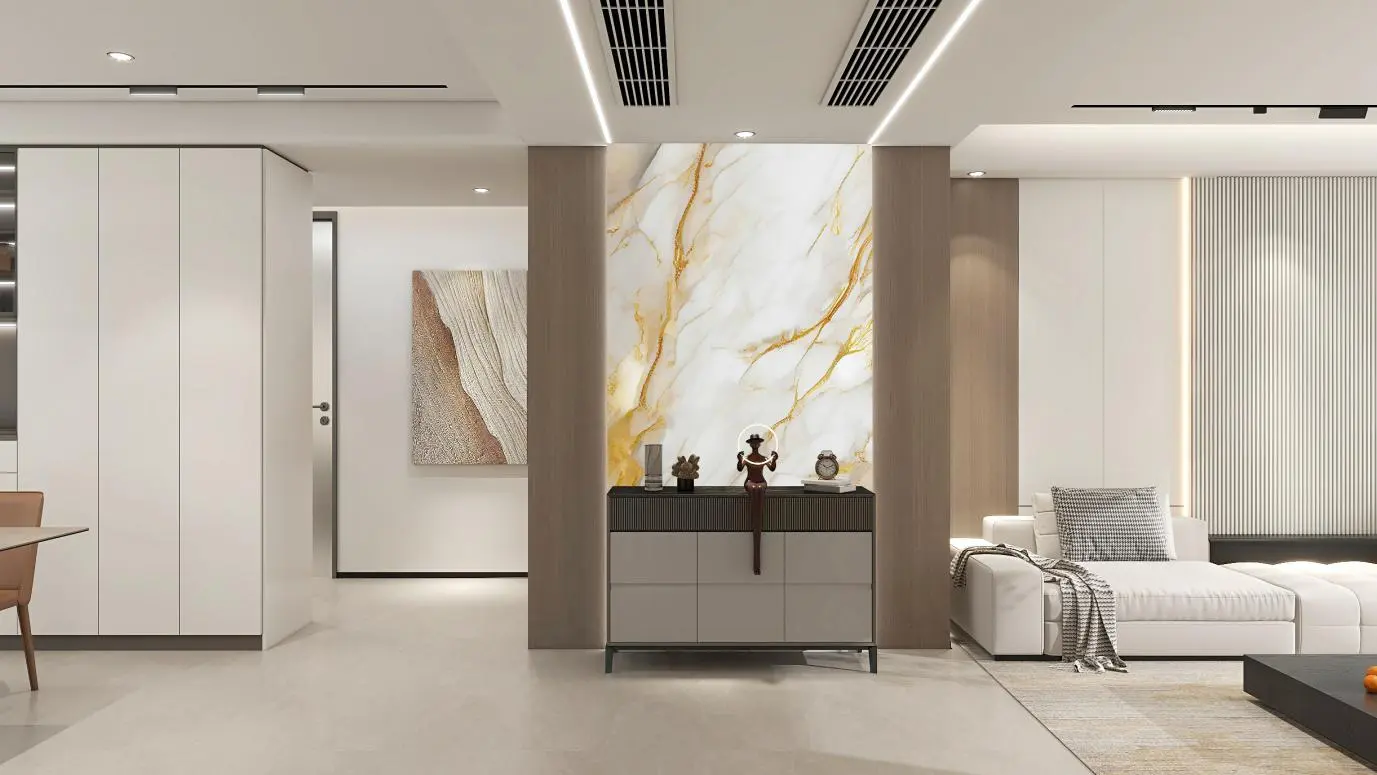
To maximize benefits and avoid pitfalls, here are suggestions:
- Best choice for interior zones: Use in bathrooms, corridors, living areas, lobbies—especially where humidity is a concern.
- Avoid near heat: Do not use behind ovens, stoves, fireplaces, or in direct sun exposure.
- Choose premium grades: Invest in UV-stabilized, scratch-resistant panels for longevity.
- Mind the seams: Use careful alignment and minimal grout or joint lines to maintain the illusion of continuous stone.
- Allow expansion joints: PVC expands/contracts with temperature; plan for spacing or movement tolerance.
- Substrate preparation is key: A flat, clean, stable substrate ensures good adhesion and good visual outcome.
- Don’t forget trim/edge details: Use matching profiles or trims to conceal panel edges, corners, and transitions.
Final Thoughts
PVC marble sheets are not a perfect substitute for natural stone—but they offer a compelling alternative in many interior projects, bridging aesthetics and practicality. For homeowners, designers, or contractors looking for a marble-inspired finish without the cost and weight burden of real stone, a well-specified PVC solution can deliver excellent value. As with any material, success lies in selecting high-quality products, installing them properly, and staying mindful of their limitations.
