

The Rising Importance of Acoustic Panels in Workplace Design: A Comprehensive Guide
Table of Contents
- The Modern Noise Challenge: Why Offices Need Acoustic Solutions
- Acoustic Panels: A Practical, Non-Disruptive Solution
- Sharper Speech Clarity and Better Communication
- Hybrid Workplaces Need Acoustic Support
- Supporting Cognitive Comfort and Employee Well-Being
- Aesthetic Flexibility: When Acoustics Enhance Design
- Practical Benefits That Make Acoustic Panels Workplace-Friendly
- Sustainable and Safe Choices for Responsible Offices
- Cost Advantages and Long-Term Value
- Conclusion
Office design has gone through dramatic changes over the past two decades. Once dominated by cubicles and enclosed rooms, workplaces have transformed into open, flexible, and collaborative spaces. Companies want their offices to feel welcoming, modern, and energetic. Employees seek environments that support creativity, communication, and well-being. But amid this architectural evolution, one critical element has consistently been overlooked—acoustics.
Noise management is now recognized as an essential part of workplace planning. As organizations adapt to hybrid work, digital collaboration, and rising expectations for comfort, acoustic panels have emerged as one of the most effective and versatile solutions. While originally used in recording studios and performance venues, today they are a standard feature in forward-thinking office environments.
This expanded guide explores why Acoustic Panels matter, how they transform employee experience, and what makes them indispensable in today’s workplaces.
The Modern Noise Challenge: Why Offices Need Acoustic Solutions
Open Offices Amplify Sound
The open-plan trend revolutionized corporate layouts by eliminating many physical barriers. But fewer walls also means more sound travel. A single conversation can ripple across an entire floor, distracting dozens of employees at once.
Typical noise sources include:
casual chats between colleagues
footsteps on hard flooring
typing and mouse clicks
teleconferences on speaker mode
HVAC systems
office equipment such as printers or scanners
Individually, these noises seem minor. But in an open space, they create a constant background layer that workers cannot “switch off.”
Why Noise Affects Productivity More Than We Realize
When we hear sudden or repetitive noise, our brain instinctively shifts attention—even if only for a split second. Over the course of a workday, those micro-distractions accumulate and can result in:
slower task completion
reduced memory recall
more frequent errors
mental fatigue
Numerous workplace studies show that employees in noisy offices lose over an hour of productive time per day, often without realizing why.
Acoustic Panels: A Practical, Non-Disruptive Solution
Unlike structural soundproofing, which requires heavy renovation, acoustic panels can be installed in finished spaces with minimal disruption. They absorb sound instead of reflecting it, improving the acoustic balance almost immediately.
For companies searching for a cost-effective way to enhance focus, comfort, and communication, panels offer an ideal middle ground.
Sharper Speech Clarity and Better Communication
Why Reverberation Matters
When sound waves bounce repeatedly off hard surfaces, speech becomes difficult to understand. This issue is especially common in conference rooms, where glass walls and sleek finishes are popular design choices.
Acoustic panels shorten reverberation time, making words clearer and more distinct. This is crucial for:
team meetings
client presentations
interviews
brainstorming sessions
training seminars
Better clarity leads to more efficient communication, fewer misunderstandings, and smoother decision-making.
Hybrid Workplaces Need Acoustic Support
Remote collaboration tools are now deeply integrated into daily workflows. But video calls expose acoustic flaws immediately—echo, voice distortion, and “hollow-sounding” rooms affect both in-person and remote participants.
By improving sound absorption, panels help:
microphones capture speech more accurately
reduce feedback or echo
create a professional sound environment
minimize listener fatigue during long meetings
A well-treated conference room significantly enhances the company’s image during international calls.
Supporting Cognitive Comfort and Employee Well-Being
Noise as a Stress Factor
Noise doesn’t just disrupt focus—it affects the human nervous system. Persistent sound exposure can trigger stress responses, such as elevated heart rate or tension. Employees may feel tired earlier in the day or experience irritability without knowing the cause.
Acoustic panels help maintain sound levels within comfortable ranges, promoting a calm and balanced environment.
Improving Focus in Multi-Zone Offices
Modern work environments often include a mix of collaboration spaces and quiet zones. Acoustic panels help define these zones by controlling how sound moves between them. Workers who need deep focus benefit significantly from stable, predictable noise conditions.
The Impact on Long-Term Job Satisfaction
Employees consistently rate “a quiet place to work” as a top priority. Companies that invest in acoustic comfort send a clear message: employee well-being matters. This contributes to better retention, stronger morale, and a healthier workplace culture.
Aesthetic Flexibility: When Acoustics Enhance Design
Acoustic Panels Have Become Design Features
The aesthetic possibilities of acoustic panels have expanded dramatically. Architects now use them to add character and visual depth to interiors. Modern options include:
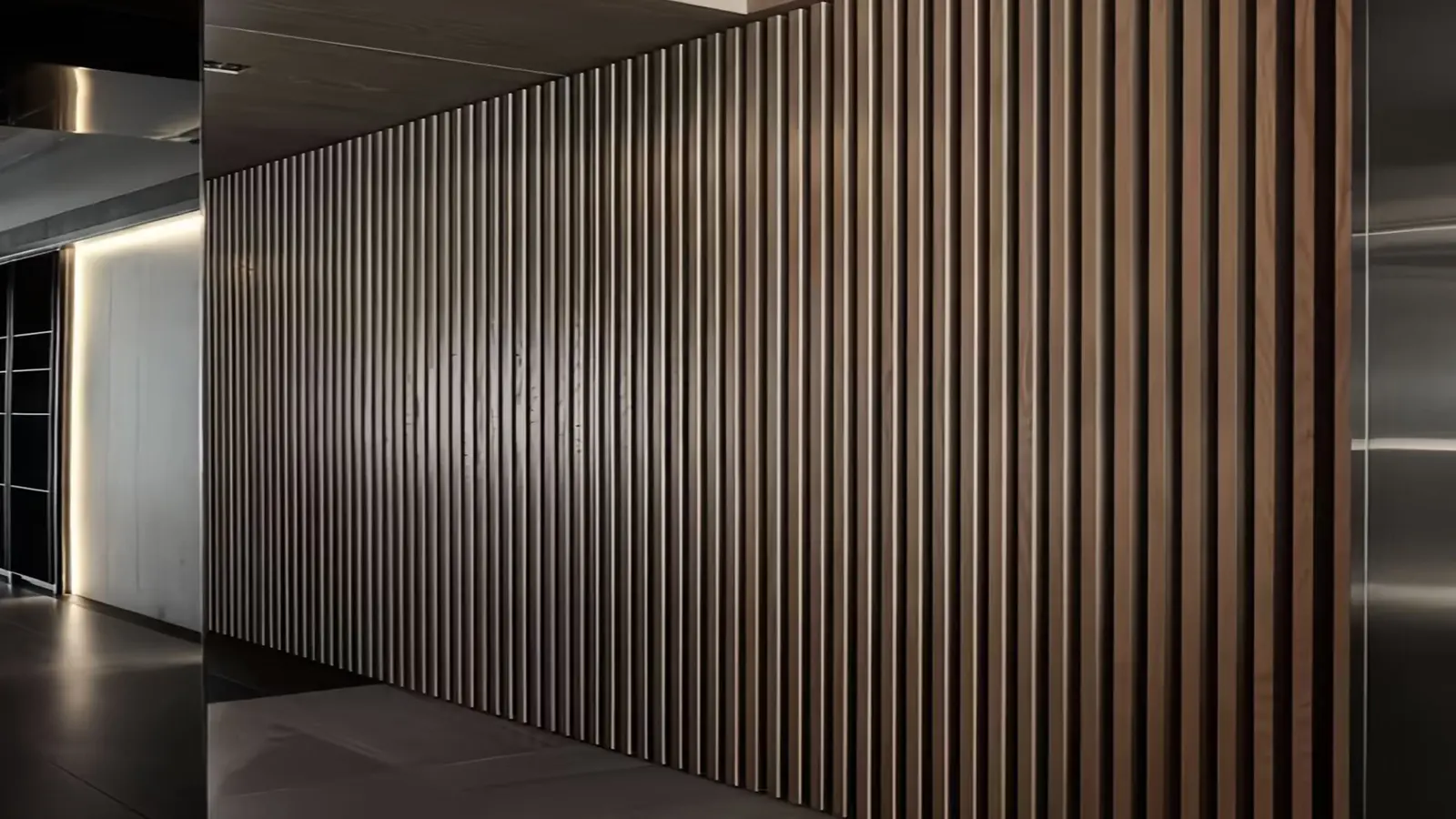
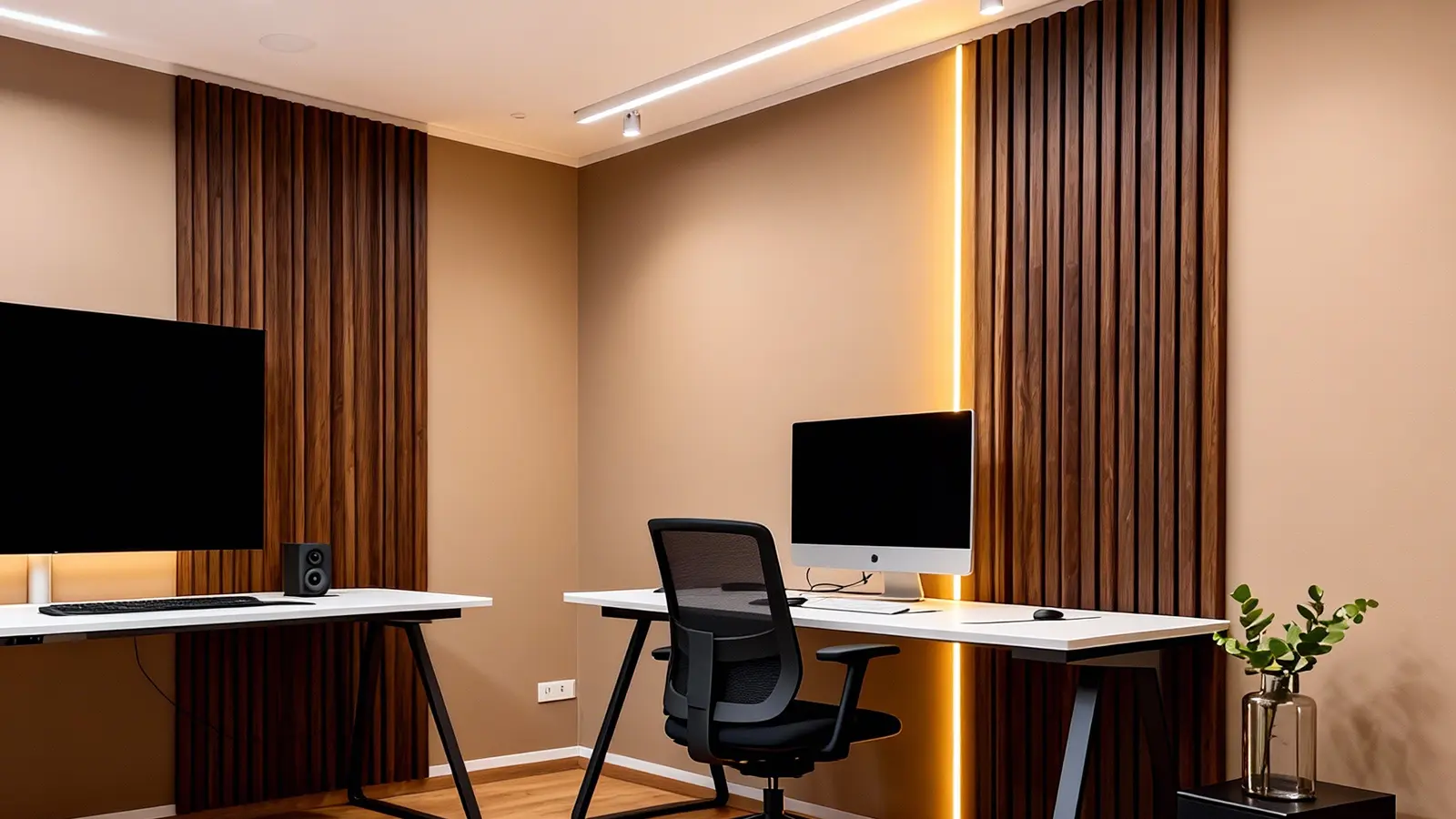
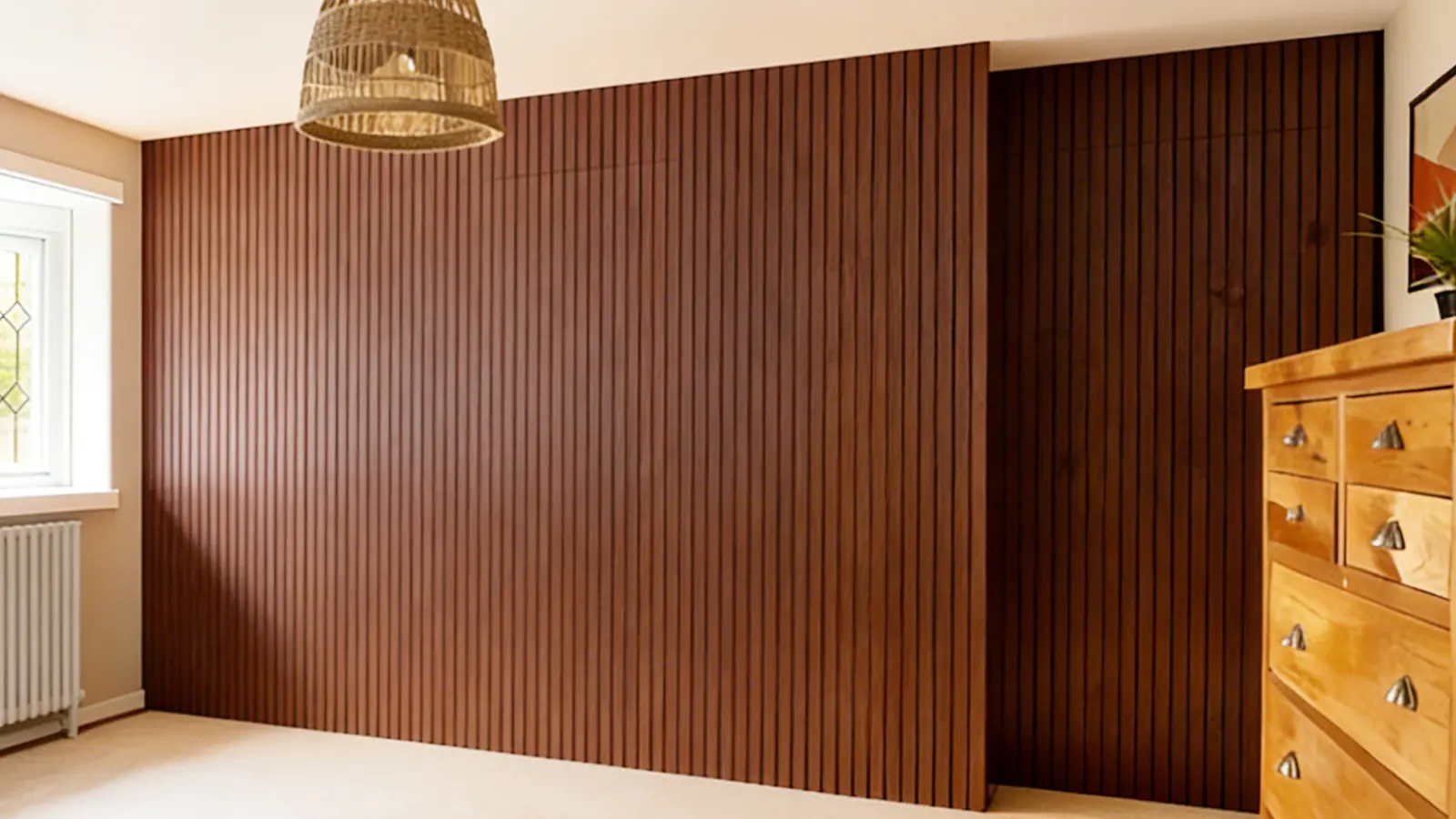
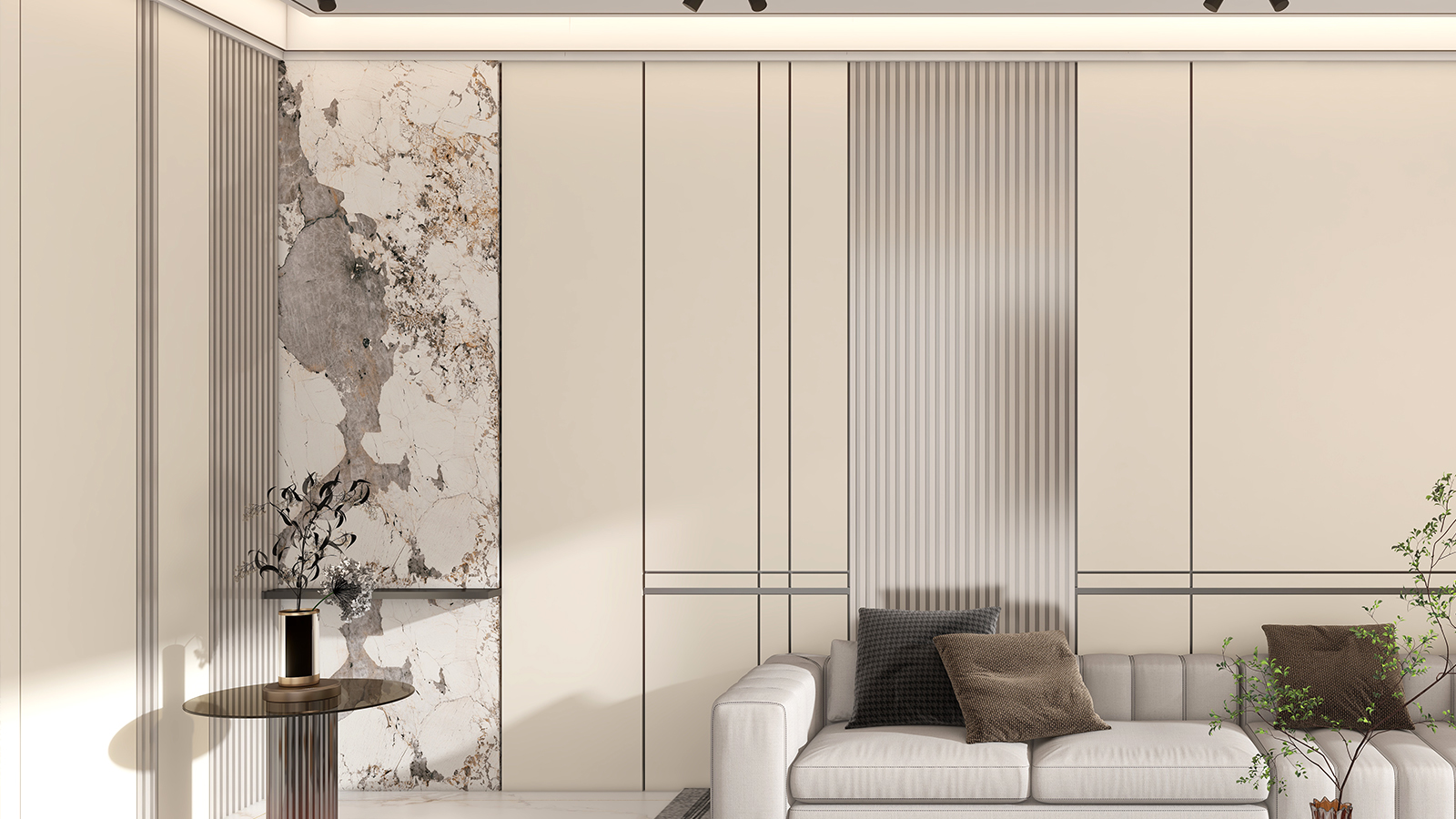
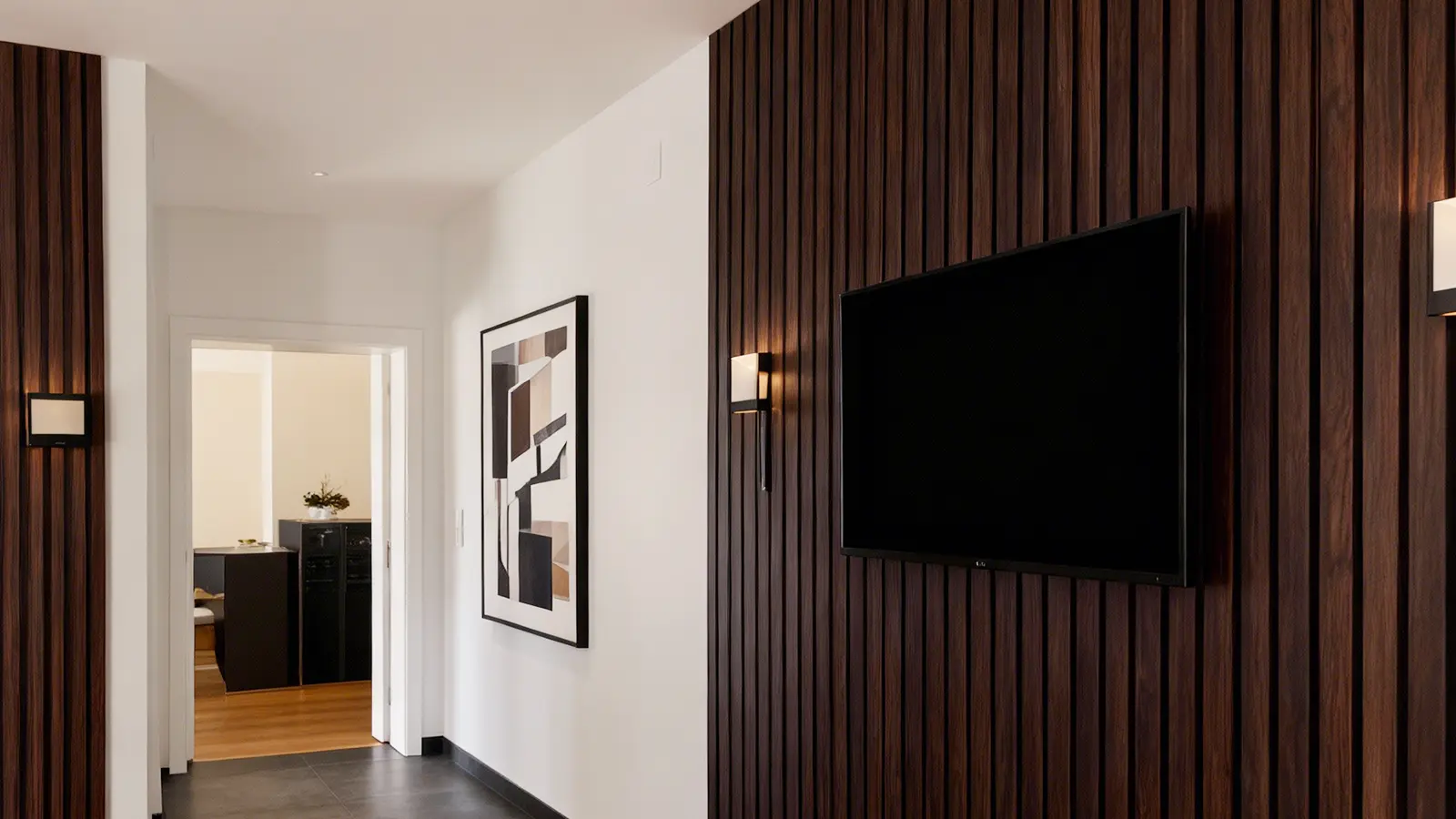
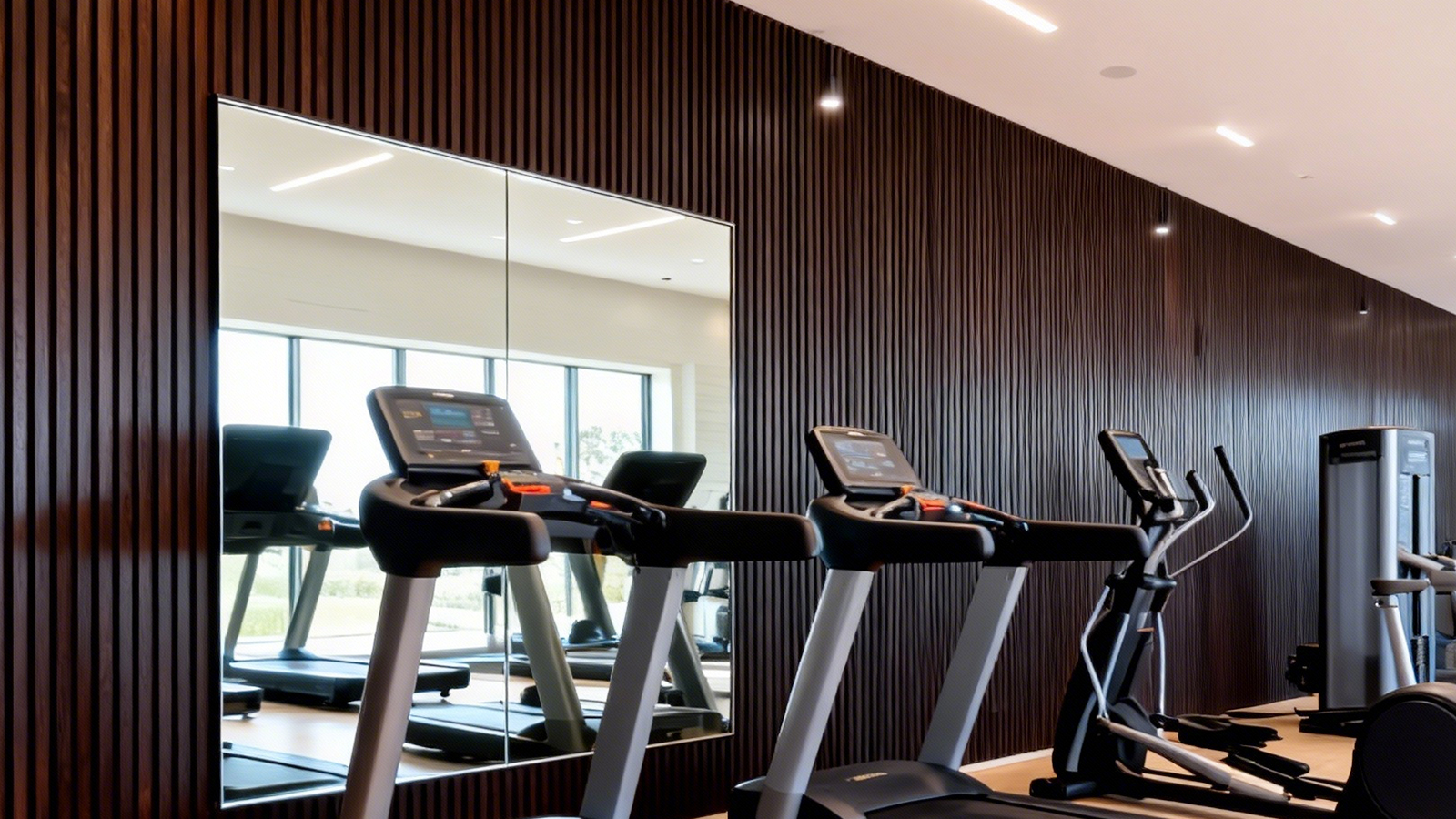
wood slat wall systems for warm, elegant environments
colorful PET boards for creative zones or branding areas
fabric-wrapped tiles that soften the visual palette
3D molded panels that double as decorative art
These materials give designers far more freedom—they can prioritize both sound quality and visual appeal.
Color Psychology and Branding Potential
Panel manufacturers offer extensive color libraries, allowing companies to match panels with logo colors, furniture tones, or department-specific themes. Panels can blend seamlessly into walls or act as expressive focal points depending on the design objective.
Easy Integration Into Any Architecture
Whether the office features exposed ceilings, metal beams, glass frontages, or rustic wood elements, there is an acoustic solution suited to the space. Panels can be mounted on ceilings, applied to partitions, or arranged in modular patterns without altering the building layout.
Practical Benefits That Make Acoustic Panels Workplace-Friendly
Simple Installation Without Heavy Renovation
Companies often avoid acoustical improvements because they assume the process will be complicated or disruptive. In reality, most panels can be installed in hours, not weeks.
Common installation methods include:
direct adhesive application
screw-on mounting
hidden bracket systems
suspended ceiling baffles
modular wall grids
This flexibility makes upgrades feasible even during normal business operations.
Versatility Across Different Work Areas
Acoustic panels are used in:
open work areas
private offices
training and workshop rooms
call centers
content creation rooms
collaborative lounges
cafeterias and break zones
Because panels come in various thicknesses and densities, designers can tailor each area’s acoustic performance.
Lightweight, Durable, and Easy to Maintain
Most acoustic materials resist moisture, color fading, and minor impacts. They require only occasional cleaning, which makes them ideal for large facilities or high-traffic areas.
Sustainable and Safe Choices for Responsible Offices
Many companies today prioritize environmental responsibility. Acoustic panel manufacturers have responded by developing eco-conscious materials such as:
recycled PET fibers
low-VOC adhesives
formaldehyde-free MDF options
fire-rated composite boards
These features help businesses meet LEED, WELL, or Green Building certification requirements without compromising performance.
Cost Advantages and Long-Term Value
A More Affordable Alternative to Construction-Based Soundproofing
Structural soundproofing often involves double-layer drywall, heavy insulation, and specialized installation crews. Acoustic panels provide excellent noise control without the financial and logistical burden of major renovations.
A Long-Term Investment in Performance
Well-made panels can last a decade or more. Because they reduce workplace disruptions and communication errors, they contribute directly to improved organizational efficiency.
Better Acoustics = Better Business Outcomes
Companies see benefits such as:
more productive meetings
fewer employee complaints
stronger client impressions
smoother team communication
reduced fatigue and turnover
In this sense, acoustic panels are not just a design choice—they are a strategic workplace investment.
Conclusion
Acoustic panels have evolved from niche studio accessories into essential tools for modern office environments. They improve speech clarity, reduce stress, support hybrid work, and elevate interior aesthetics. In an era where employee well-being and productivity matter more than ever, acoustic treatment is no longer optional—it’s a defining factor of a high-performing workplace.