
The Rise of WPC Wall Panels — Redefining Modern Architecture and Sustainable Design
Table of Contents
- Understanding WPC Wall Panels
- Key Advantages of WPC Wall Panels
- Applications of WPC Wall Panels
- Why Source WPC Wall Panels from China?
- How to Select a Reliable Supplier
- Conclusion
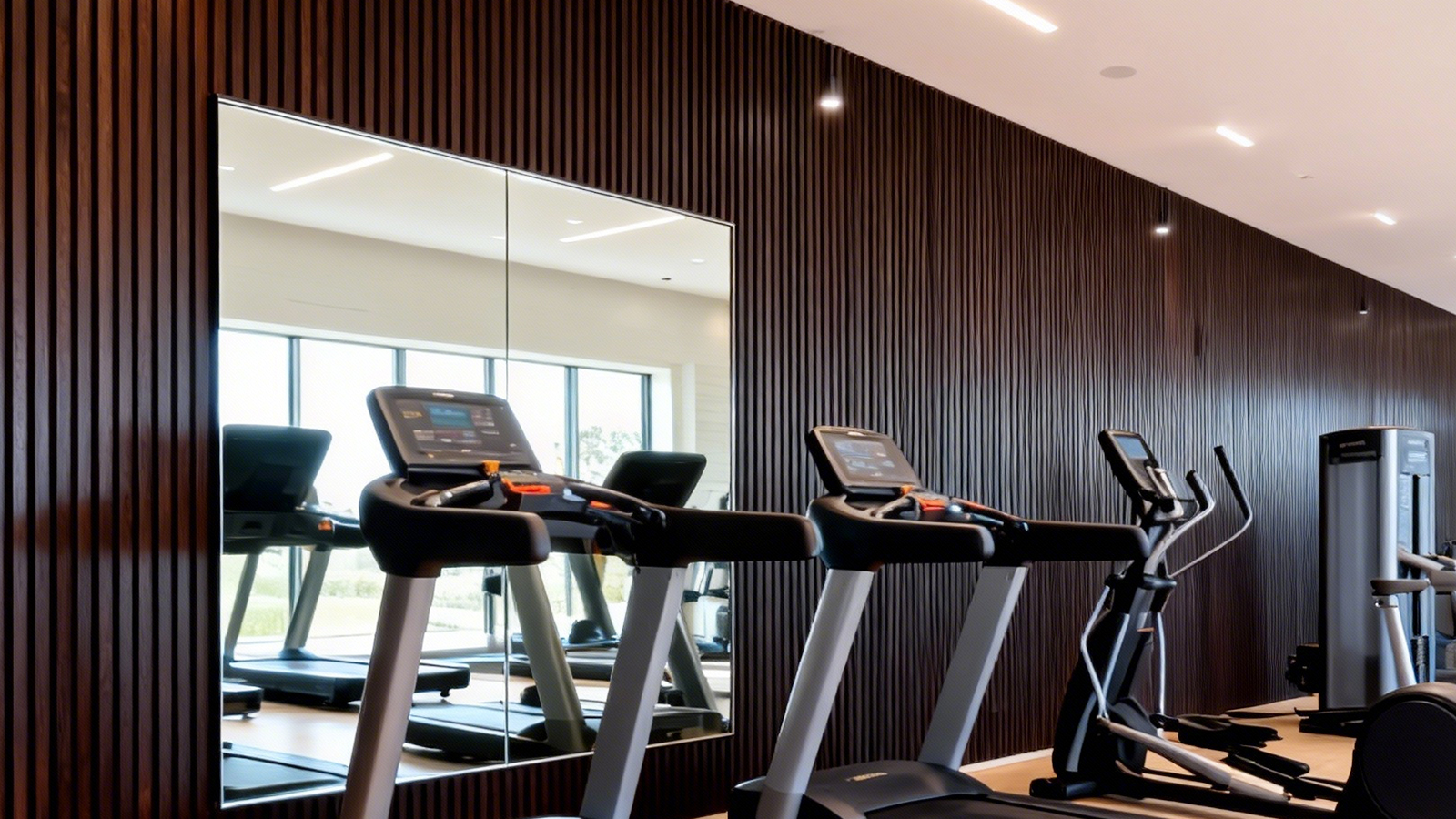
In modern construction and Interior Decoration, the need for materials that balance beauty, functionality, and sustainability has never been more urgent. Architects, builders, and homeowners are increasingly shifting from conventional wood or PVC wall cladding to more advanced and eco-friendly options. Among these,Wood Plastic Composite (WPC) wall panels have gained remarkable popularity across global markets. They are not just another decorative product—they represent a technological and environmental evolution in the building industry.
Understanding WPC Wall Panels
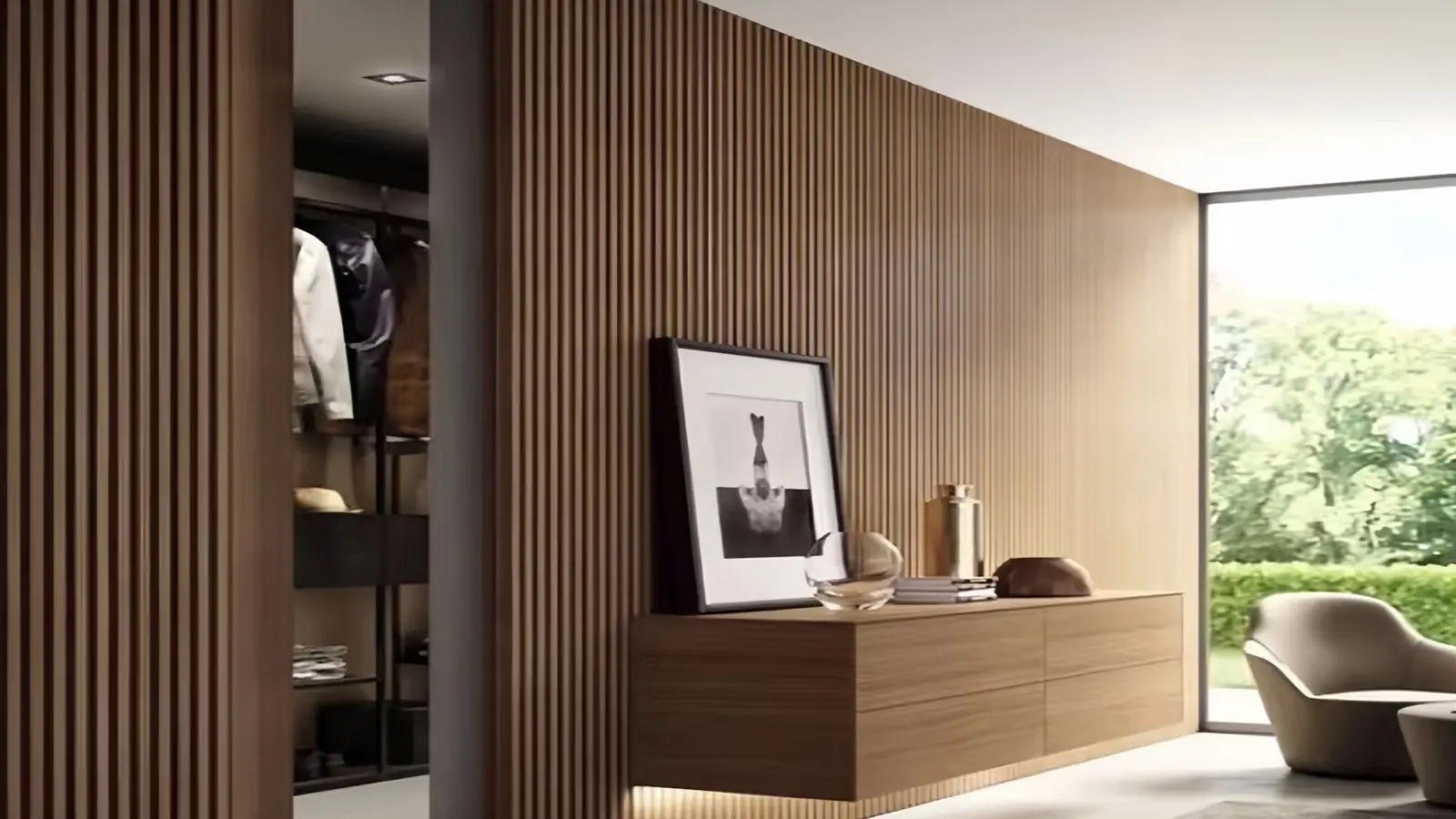
WPC, short for Wood Plastic Composite, is a hybrid material composed of natural wood fibers mixed with thermoplastic polymers, typically polyethylene (PE) or polyvinyl chloride (PVC). Through advanced extrusion processes, these ingredients are fused under high temperature and pressure to create dense, durable panels that mimic the natural beauty of wood while offering exceptional resistance to weather, water, and pests.
What makes WPC special is how it merges the warmth of wood with the toughness of plastic. The result is a material that provides timeless aesthetics without the constant maintenance or environmental downsides associated with traditional timber.
Key Advantages of WPC Wall Panels
- Waterproof and Moisture-Resistant
Unlike real wood that absorbs water and deforms over time, WPC wall panels are completely moisture-resistant. They are ideal for humid environments such as bathrooms, kitchens, laundry rooms, and even outdoor walls exposed to rain and sunlight. Their closed-cell structure prevents water from penetrating the surface, ensuring long-term dimensional stability.
- Durability That Withstands Time and Weather
Wpc Panels are designed to perform under extreme conditions. They resist cracking, fading, and warping caused by UV exposure or temperature changes. This makes them particularly valuable for outdoor façades, balcony claddings, or seaside constructions where salt and humidity can destroy conventional materials.
- Termite and Pest Resistance
Because WPC contains no pure wood fibers or cellulose that attracts insects, it is impervious to termites, ants, and other pests. This not only extends the life span of the panels but also reduces the need for costly chemical treatments or pest-control maintenance.
- Eco-Friendly and Sustainable
Sustainability is one of the defining advantages of WPC products. They are commonly made from recycled plastic and reclaimed wood waste, which minimizes deforestation and plastic pollution. Choosing WPC helps companies and homeowners align with global green-building initiatives like LEED certification and eco-label standards.
- Low Maintenance
Traditional wood surfaces demand constant painting, polishing, or sealing to maintain their appearance. WPC wall panels, on the other hand, are nearly maintenance-free. A simple cleaning with mild detergent and water is enough to keep them looking new for years.
- Design Flexibility and Aesthetic Appeal
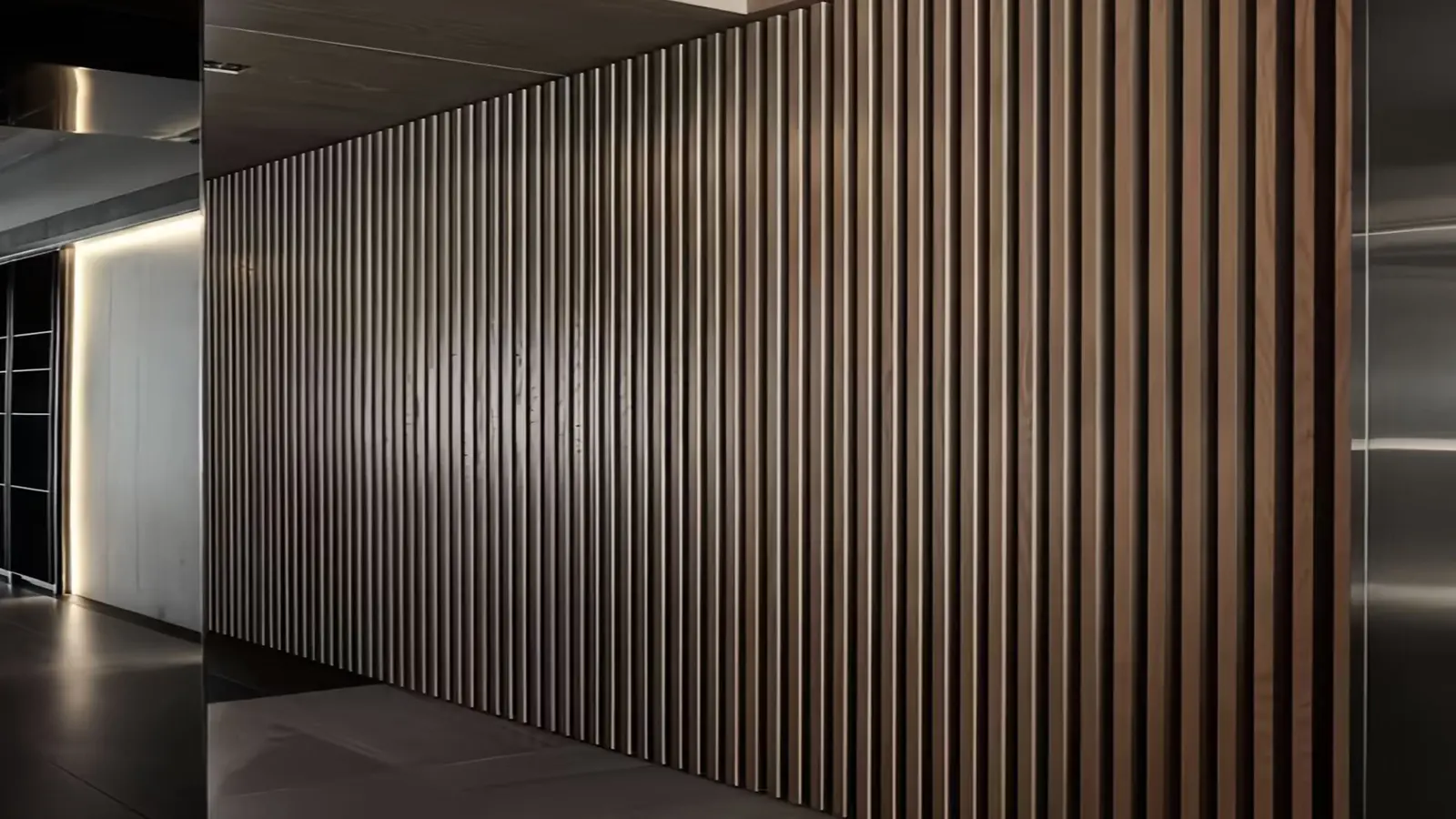
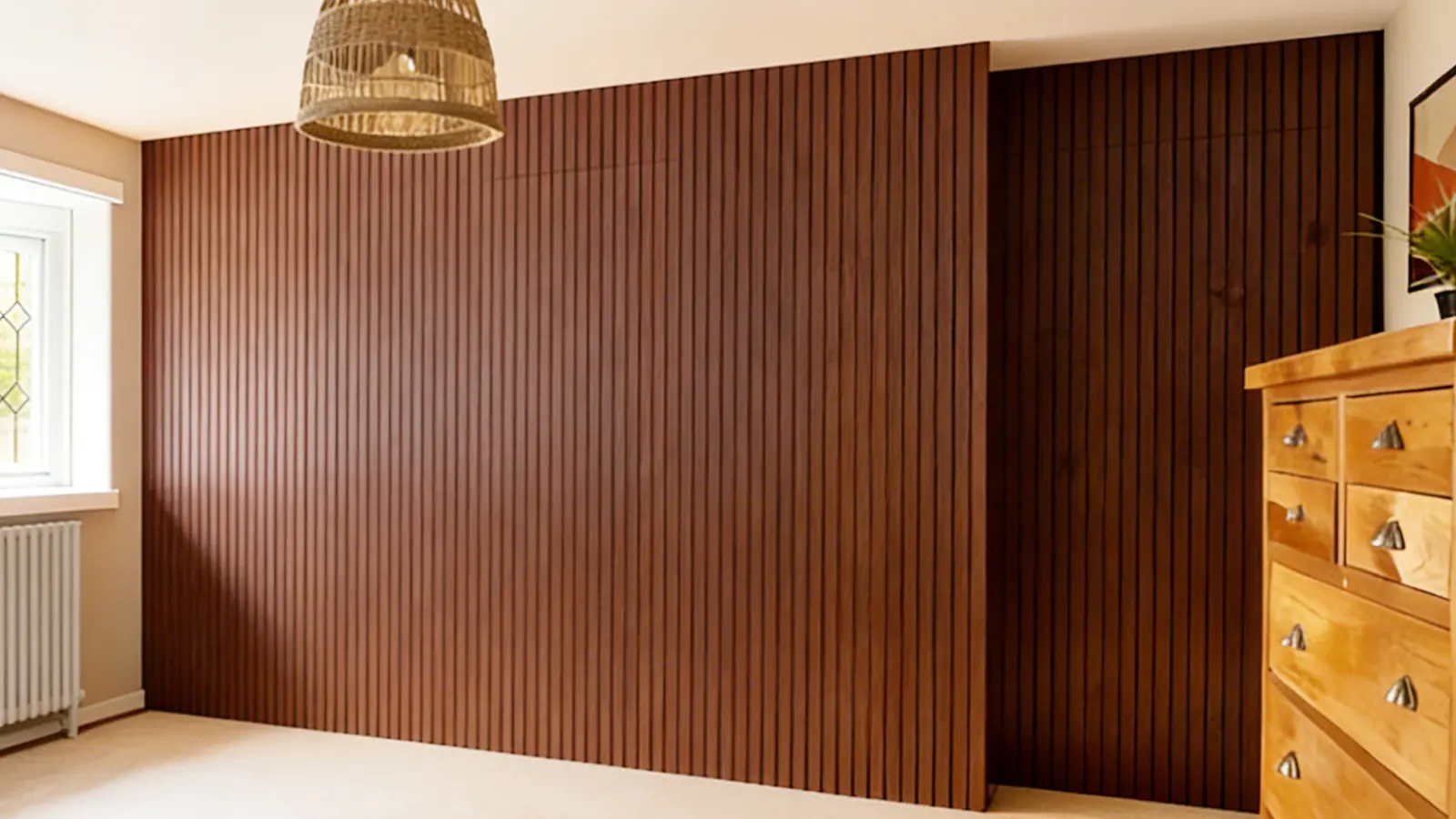
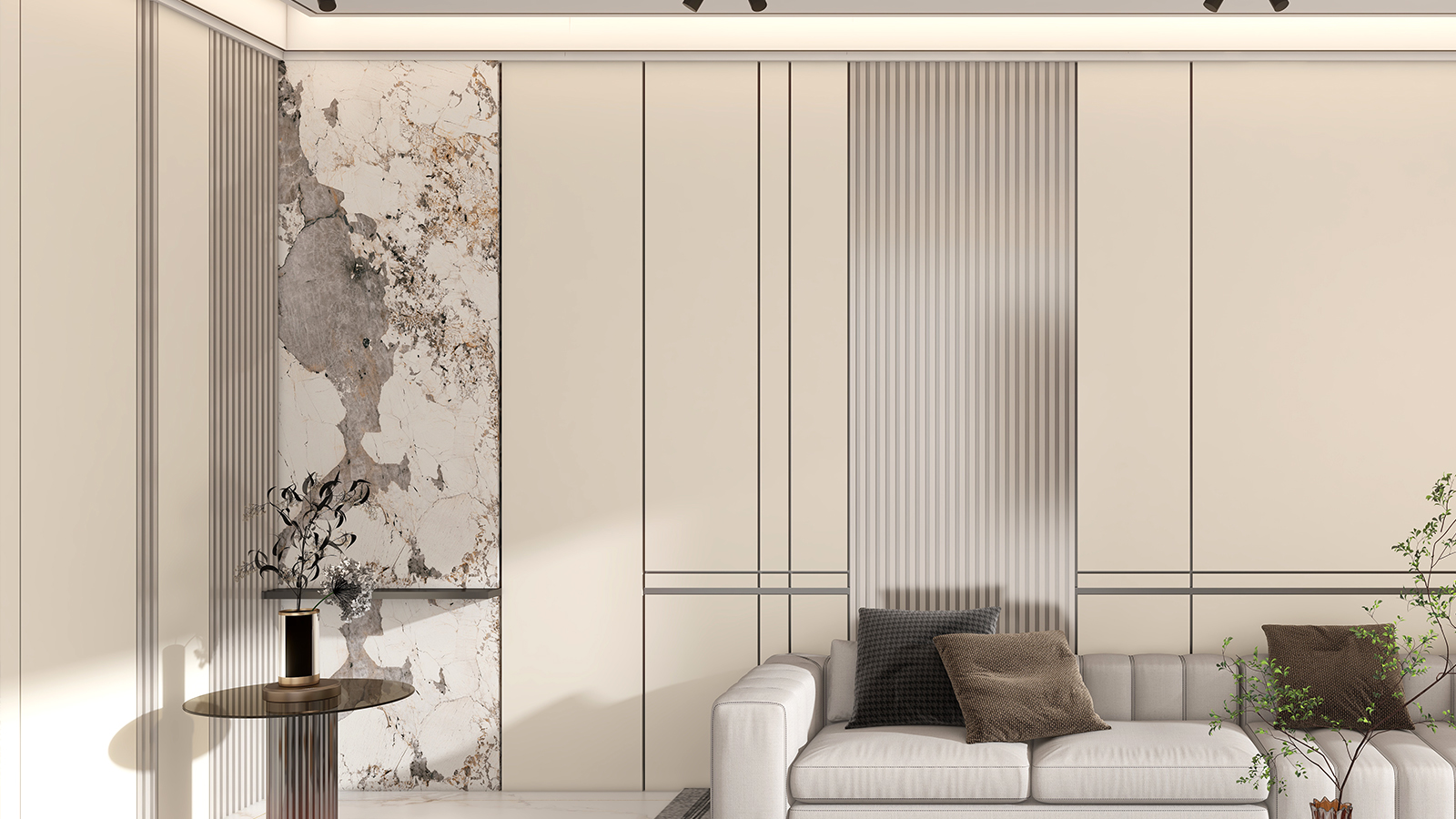
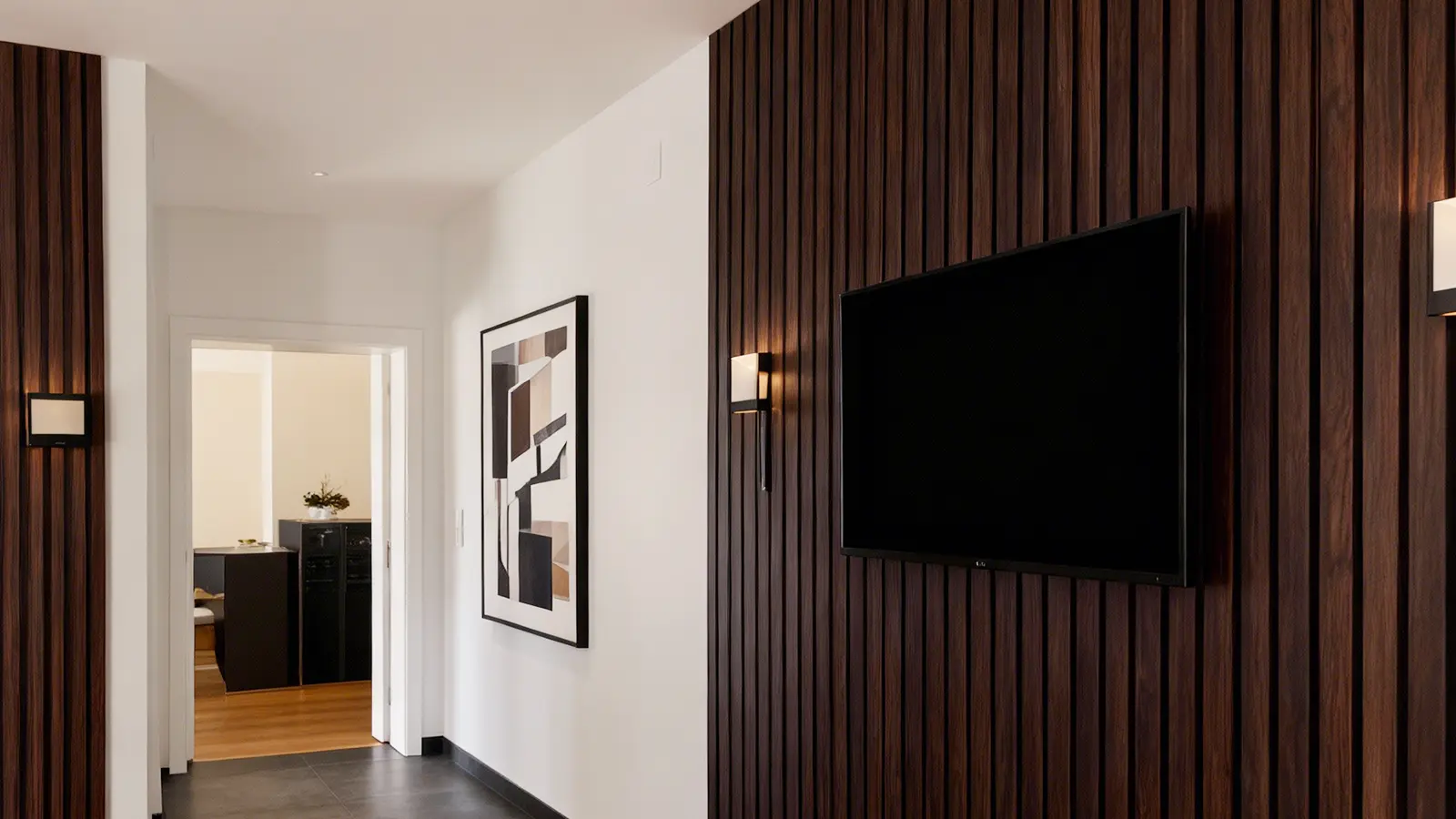
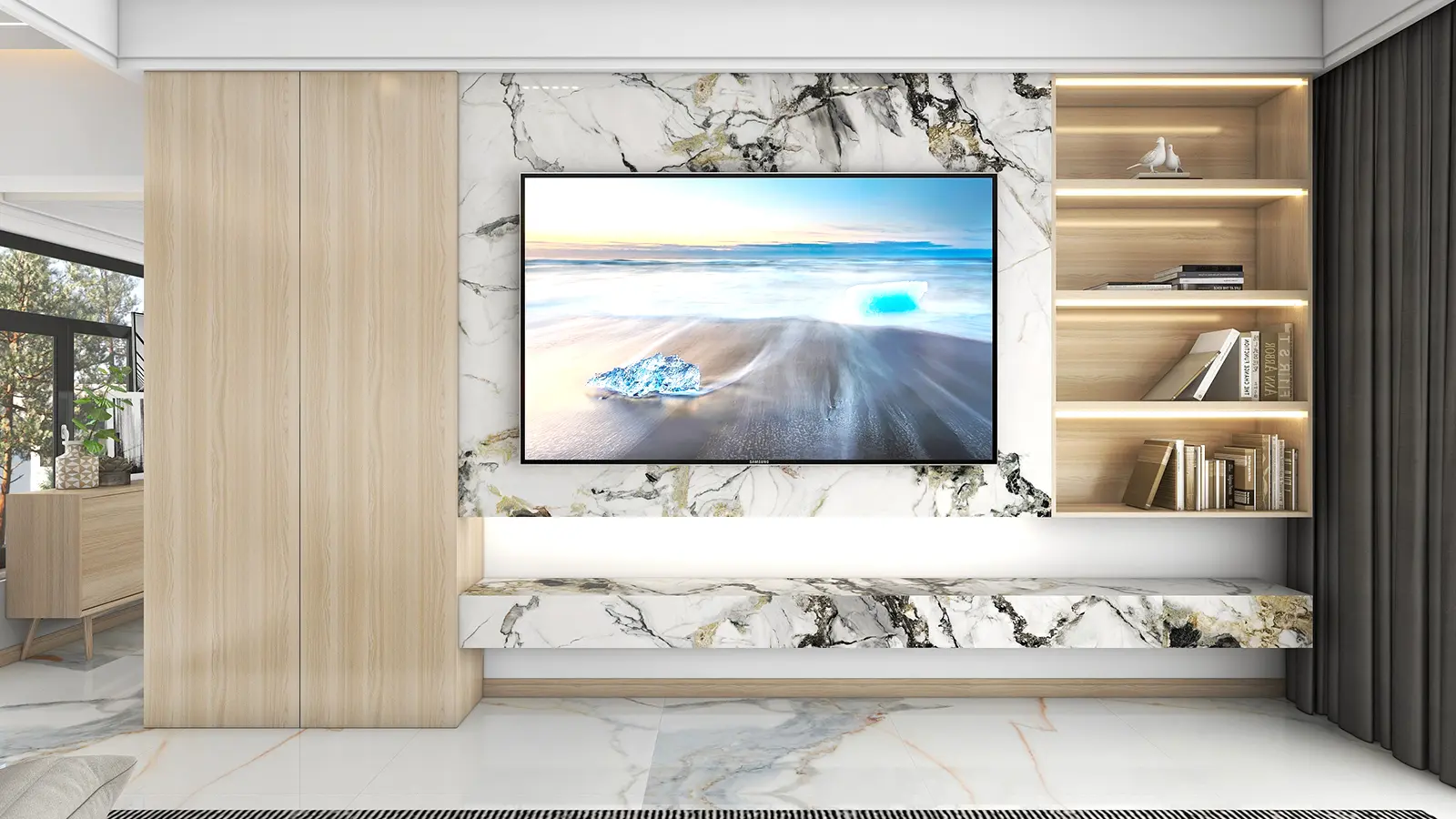
WPC wall panels come in an impressive range of colors, textures, and surface finishes—from natural wood grain patterns to matte or high-gloss modern designs. Some panels even replicate exotic woods like teak, oak, or walnut, offering premium aesthetics without the associated cost or environmental harm. Custom lengths and joint systems (click-lock or tongue-and-groove) allow designers and installers to achieve seamless finishes across any project.
- Fire and UV Resistance
Many WPC panels are rated B1 or higher in fire resistance, meeting international safety codes for commercial and residential projects. Advanced UV stabilizers also protect the material from fading or discoloration under sunlight—an essential property for outdoor installations.
Applications of WPC Wall Panels
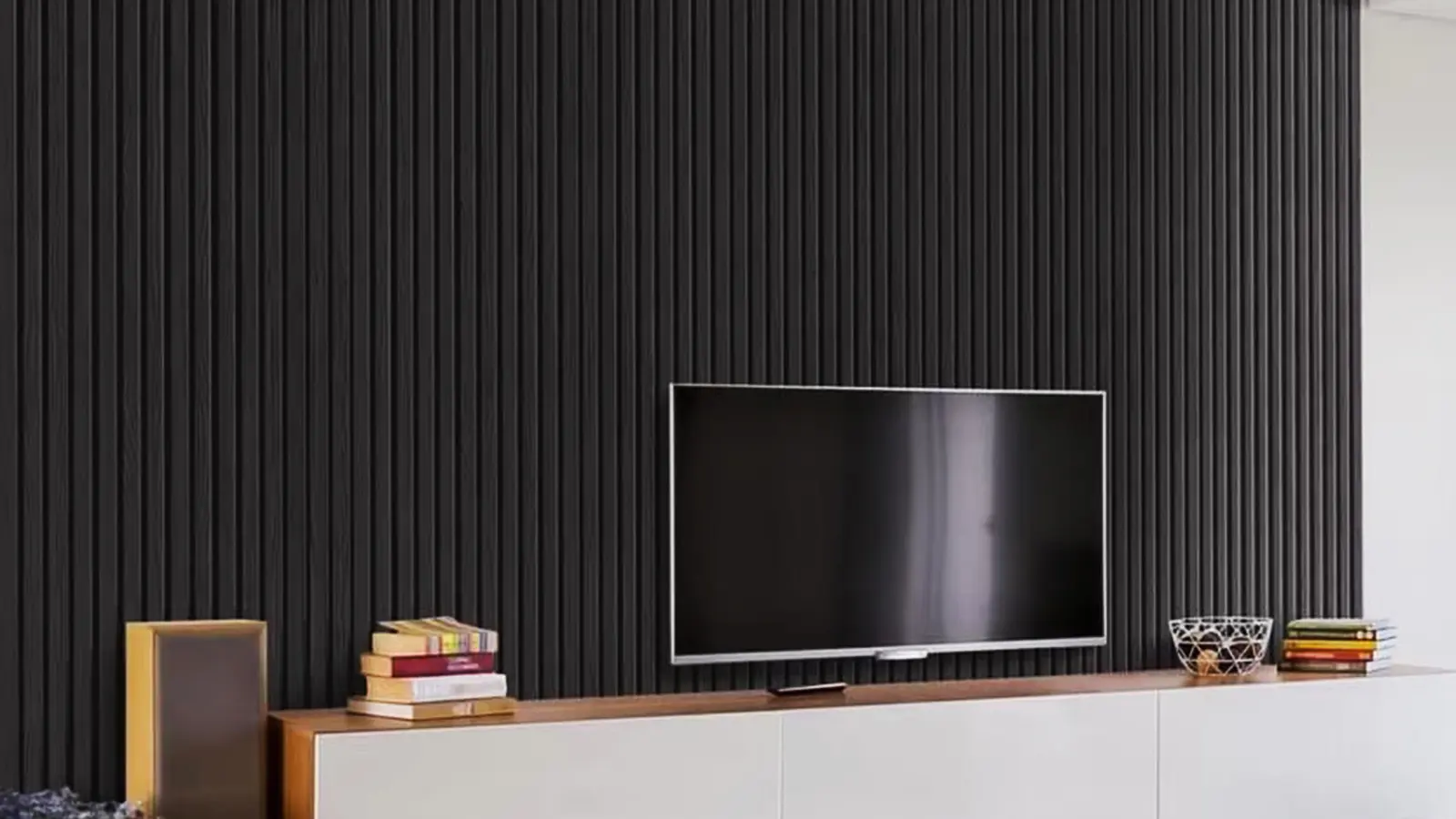
WPC wall panels are now being used across a broad spectrum of applications in both interior and exterior spaces.
Interior Applications
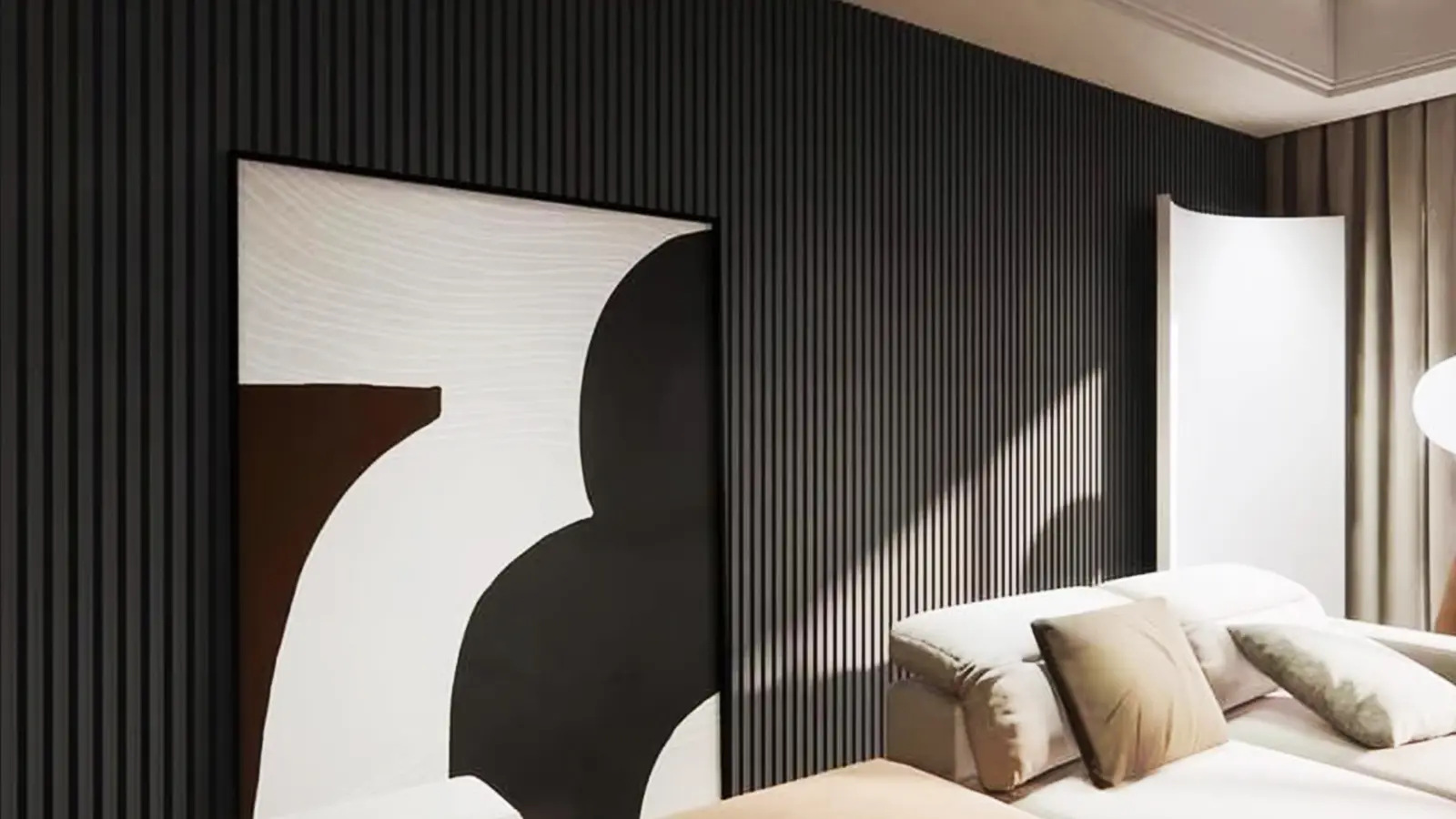
- Living room or bedroom feature walls
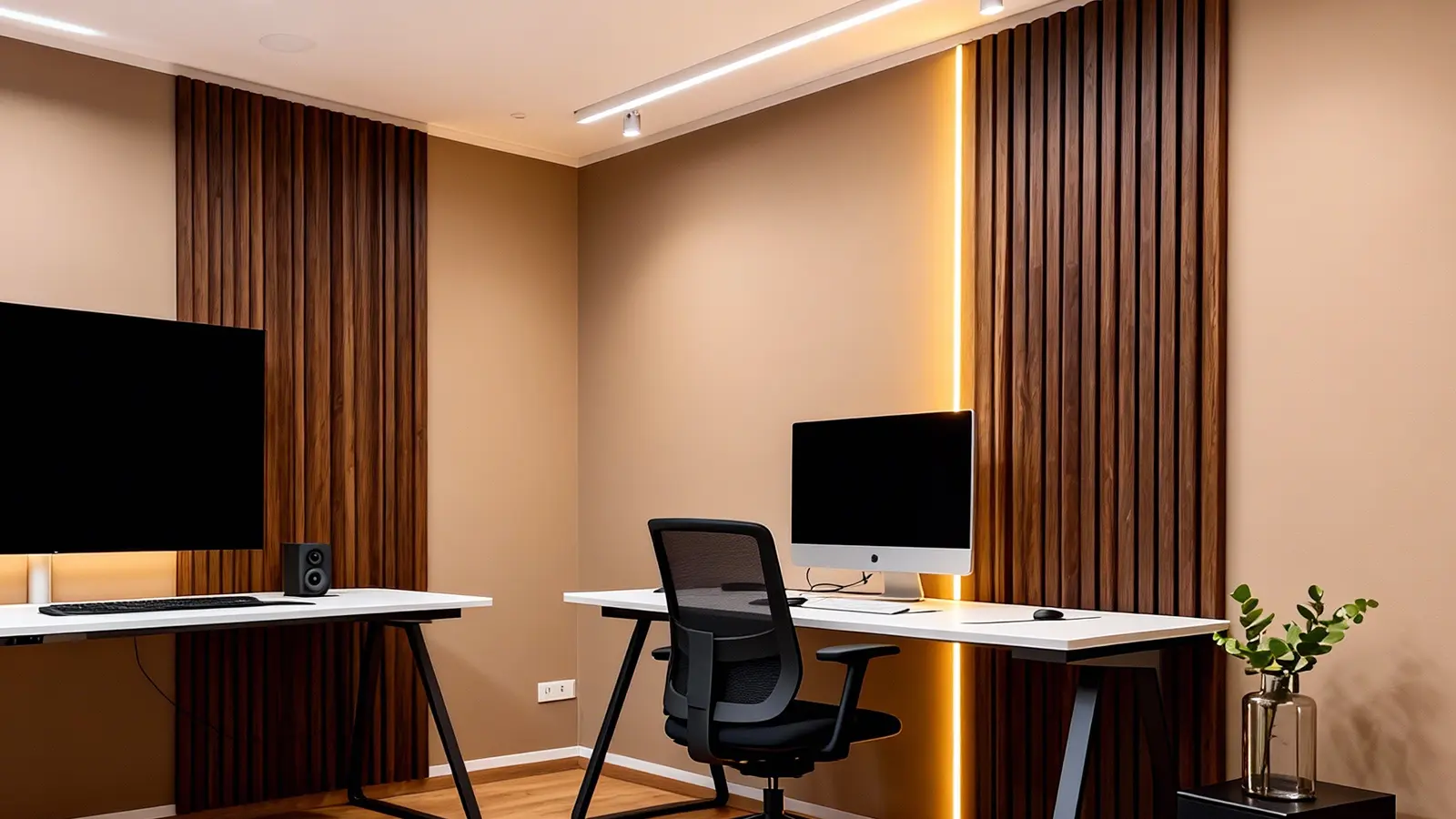
- Corporate offices and meeting spaces
- Hotel receptions, hallways, and suites
- Café and restaurant interiors
- Retail stores and shopping malls
- Bathrooms and utility rooms
Exterior Applications
- Residential and commercial building façades
- Balcony and terrace claddings
- Garden walls, gates, and fencing
- Pergolas and outdoor entertainment spaces
- Educational and public buildings requiring low-maintenance finishes
The adaptability of WPC panels makes them suitable for nearly any architectural style—from minimalist modern designs to rustic or industrial looks.
Why Source WPC Wall Panels from China?
China has established itself as the world’s largest producer of WPC materials, offering unparalleled manufacturing capacity and technological expertise. Businesses across the globe—especially importers, builders, and wholesalers—turn to Chinese factories for several strategic reasons.
- Competitive Pricing: Large-scale production and optimized supply chains significantly reduce unit costs, allowing buyers to enjoy factory-direct pricing without sacrificing quality.
- Advanced Equipment and Production Control: Leading manufacturers utilize automated extrusion lines, precision molds, and advanced testing systems to guarantee consistency in color, density, and surface texture.
- Customizable Options: Chinese suppliers offer OEM/ODM services that can tailor size, color, surface embossing, packaging, and branding according to client specifications.
- Export Expertise: With years of experience serving overseas markets, many factories understand certification requirements (ISO, CE, SGS) and international shipping logistics.

How to Select a Reliable Supplier
When sourcing WPC wall panels abroad, it’s vital to evaluate potential partners carefully:
- Review factory capacity, production lines, and quality control systems.
- Request certification documents and testing reports.
- Ask for product samples to verify texture, finish, and assembly system.
- Check export history and existing client testimonials.
- Evaluate after-sales support, warranty, and technical guidance.
Conclusion
WPC wall panels are more than a passing trend—they represent the future of sustainable and functional wall design. Their blend of durability, low maintenance, and natural aesthetics positions them as the ideal alternative to traditional wood or PVC cladding. Whether used indoors or outdoors, in residential or commercial projects, these panels offer beauty that lasts and performance that saves time and cost.
For contractors, developers, and importers aiming to expand their product line, partnering with a reputable WPC wall panel manufacturer in China provides an unbeatable mix of quality, price, and innovation. As the world moves toward eco-friendly construction materials, WPC will continue to redefine how we think about wall design and sustainability.