
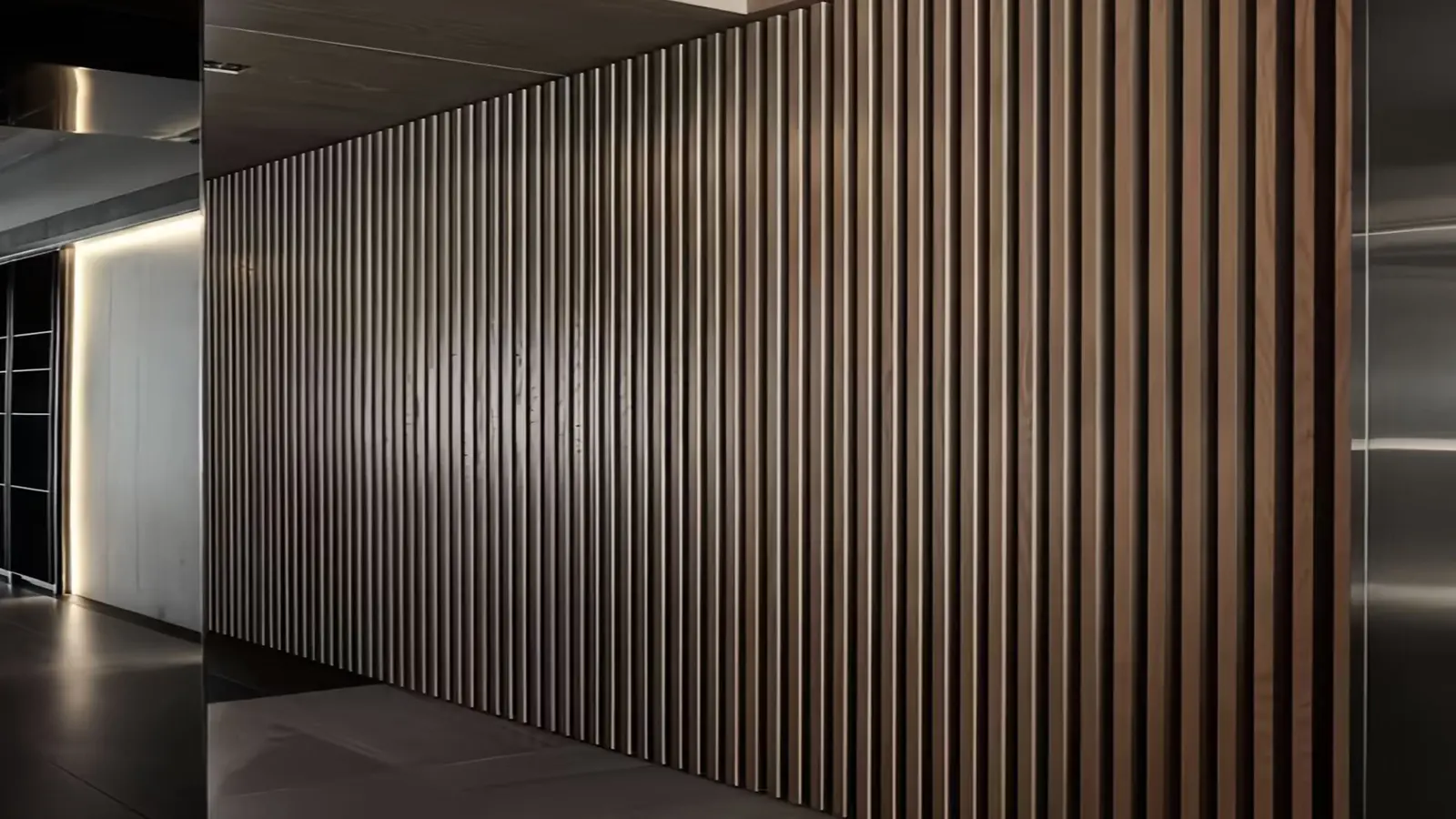
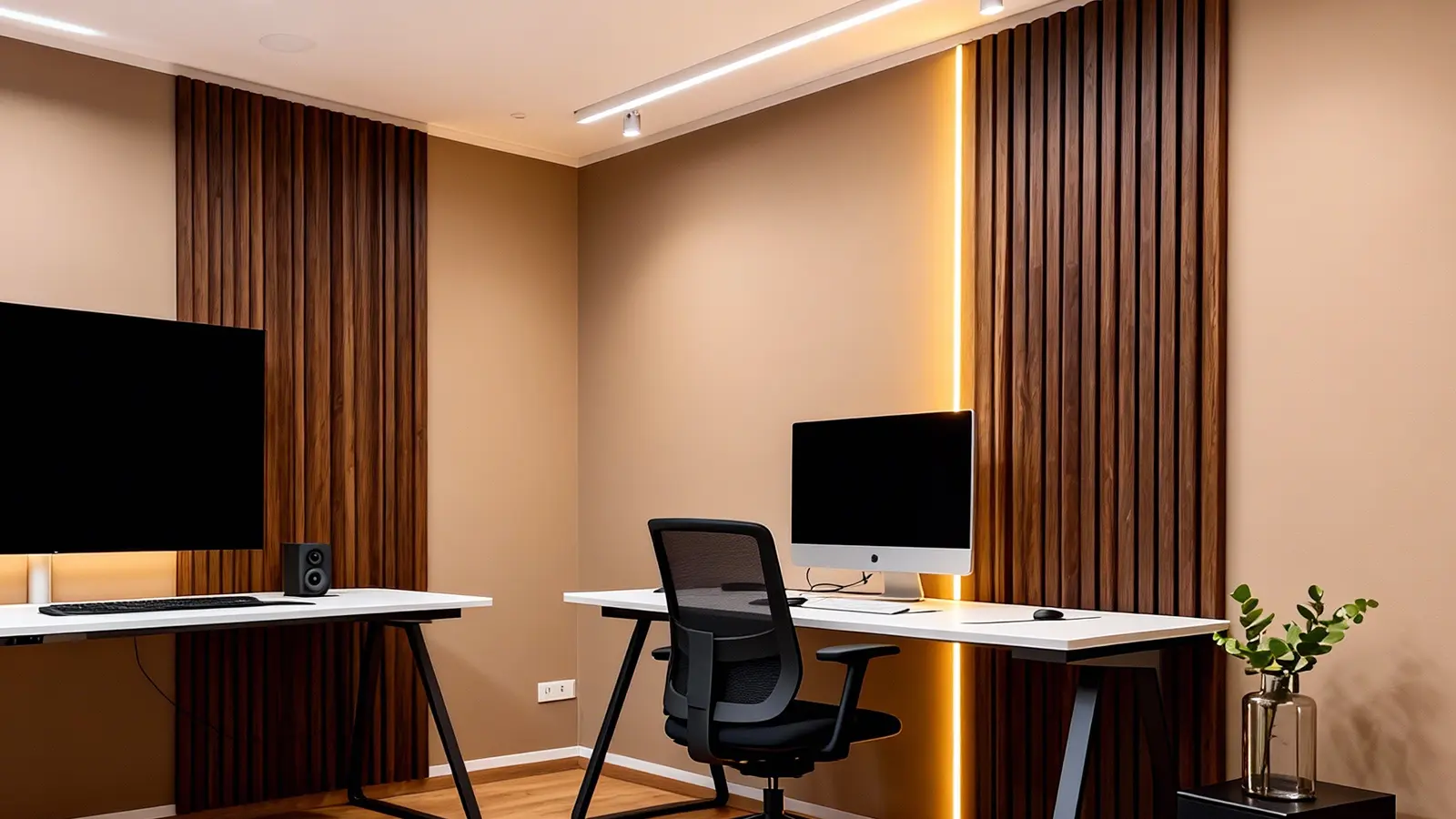
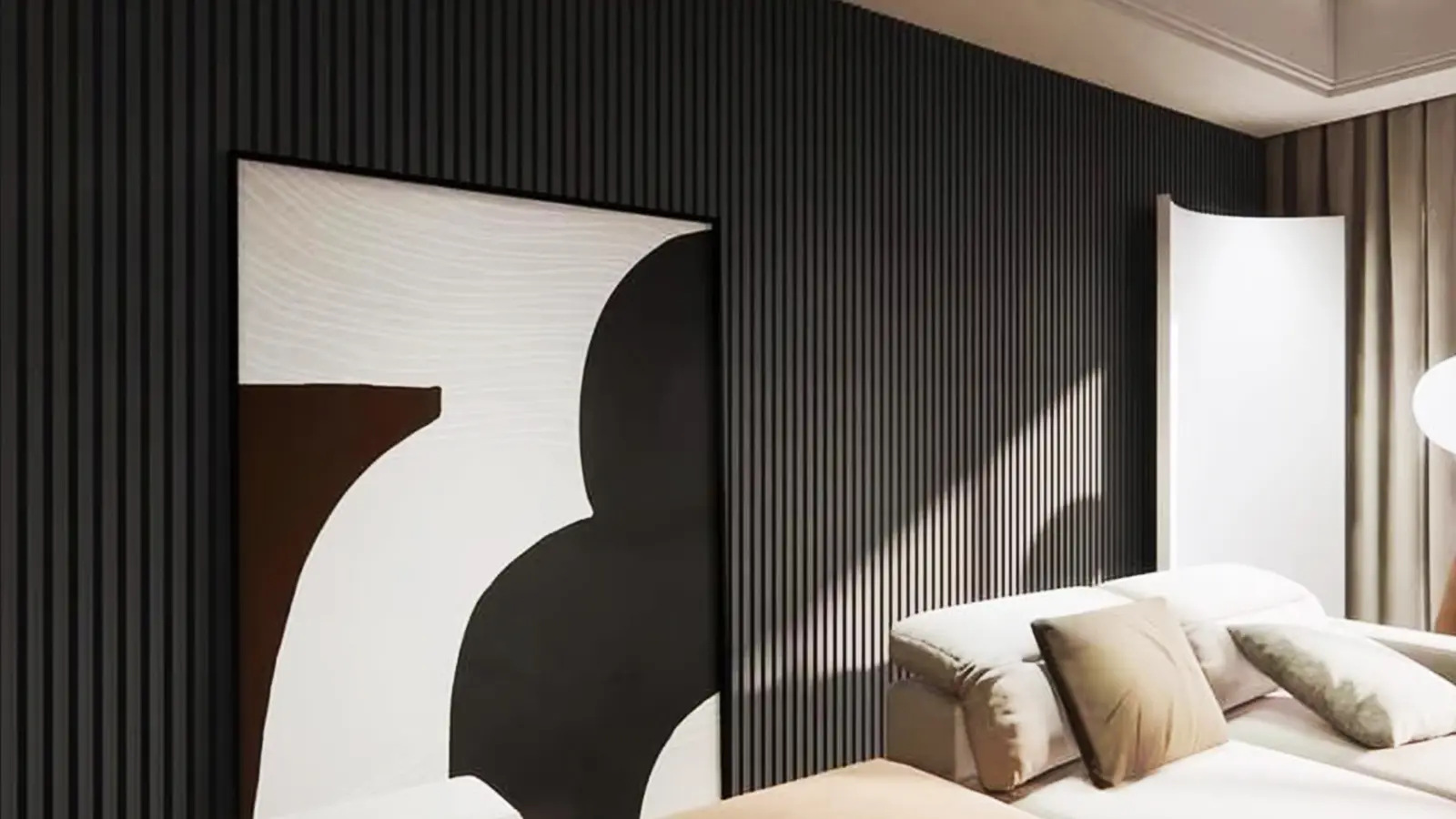
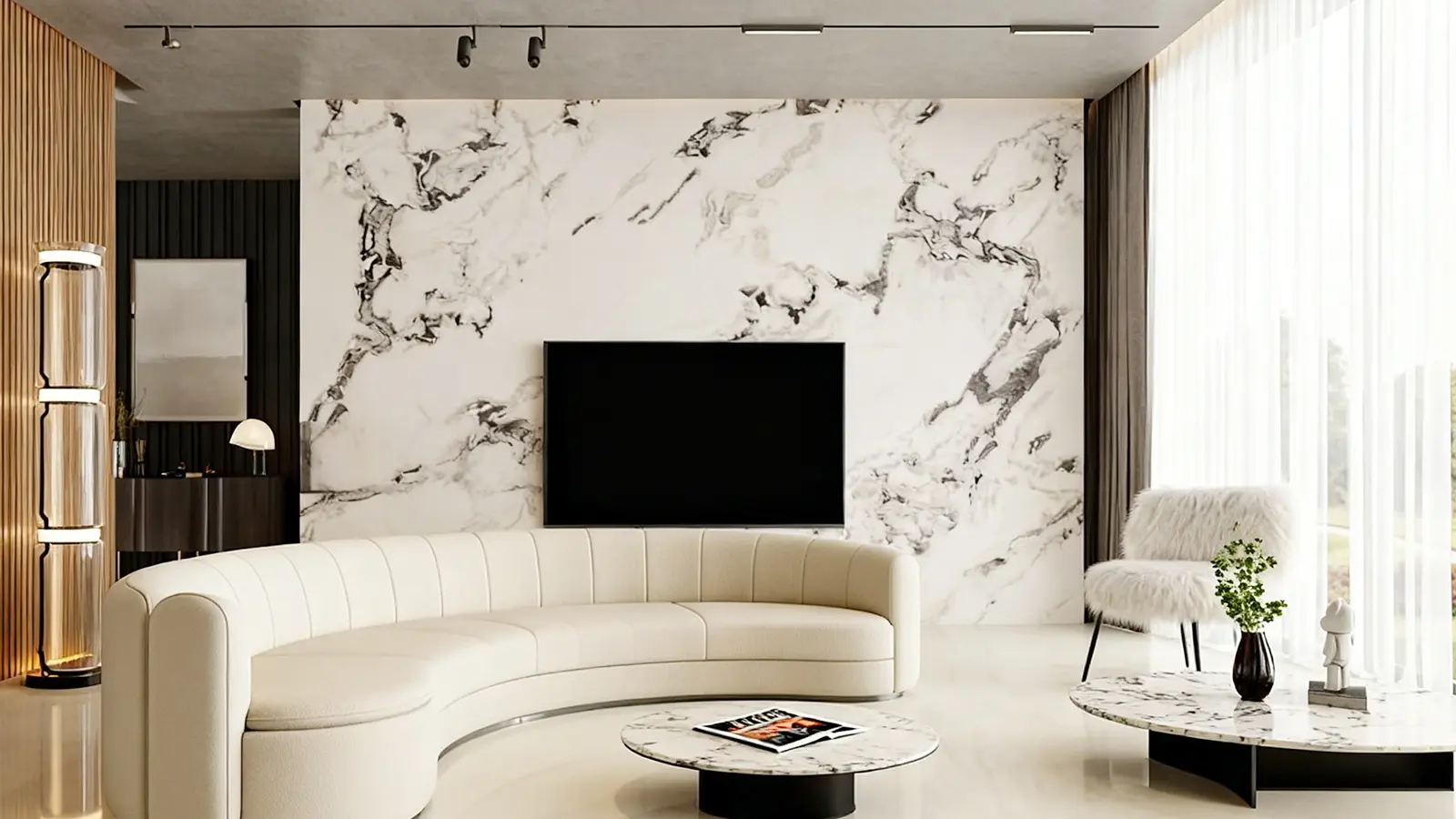
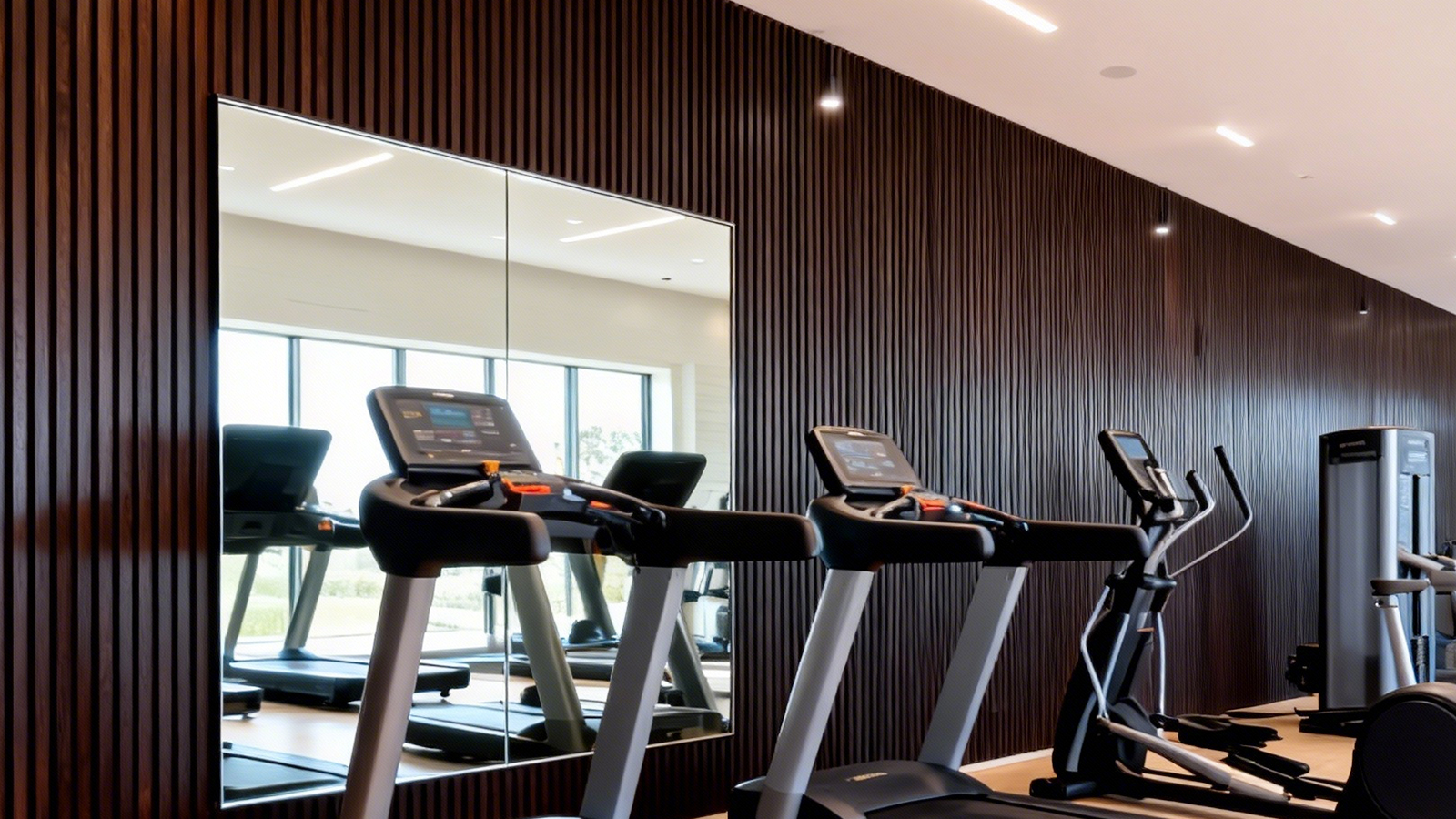
The Rise of WPC Wall Panels: A Modern Solution for High-Performance Architecture
Table of Contents
- What Exactly Are WPC Wall Panels?
- Material Traits That Define WPC
- Varieties of WPC Panels Available Today
- Performance Benefits That Set WPC Panels Apart
- Aesthetic Versatility: Meeting Global Design Trends
- Installation Advantages for Faster, Cleaner Construction
- Economic & Environmental Factors Driving Global Growth
- Final Thoughts: Why WPC Panels Lead the Future of Architectural Surfaces
Across global construction markets, designers and builders are shifting steadily toward materials that deliver faster installation, stronger durability, and greener performance. Among these emerging materials, Wood Plastic Composite (WPC) wall panels have gained remarkable attention—now widely used in residential interiors, commercial renovations, and outdoor facades. Their ability to replace traditional wood, PVC boards, and tiles with a longer-lasting, low-maintenance alternative is what drives this rapid worldwide adoption.
This article provides a comprehensive look at the advantages of Wpc Panels from a professional procurement and architectural viewpoint, highlighting why these composite products have become a cornerstone in modern interior and exterior design.
What Exactly Are WPC Wall Panels?
WPC panelsare engineered from a blend of wood fiber, recycled plastic resin, and performance additives. Through high-temperature extrusion, these ingredients form dense, resilient boards with a natural texture and long operational lifespan. Unlike MDF or solid Wood Panels, WPC products maintain dimensional stability even in extreme humidity or temperature swings.
Material Traits That Define WPC
- Resistant to moisture absorption
- No expansion or deformation
- Resistant to termites and microbial growth
- High tensile and impact strength
- Weatherproof for outdoor use
- Low surface maintenance
- Lifespan reaching 15–30+ years
These characteristics place WPC panels in a unique category between natural wood and traditional plastics—combining the aesthetic warmth of timber with the toughness and longevity of polymer materials.
Varieties of WPC Panels Available Today
To meet diverse architectural requirements, manufacturers offer a wide range of WPC panel types:
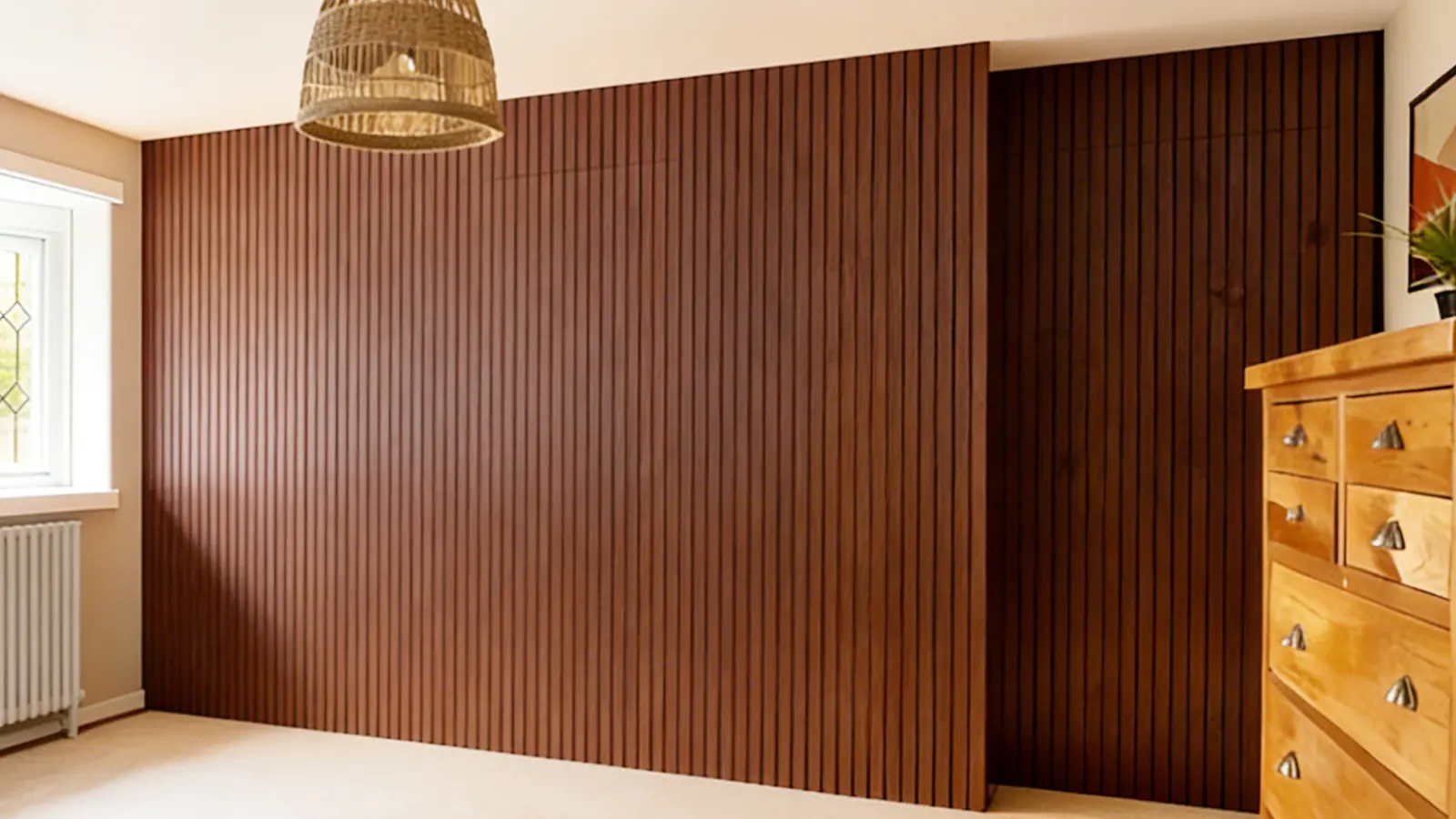
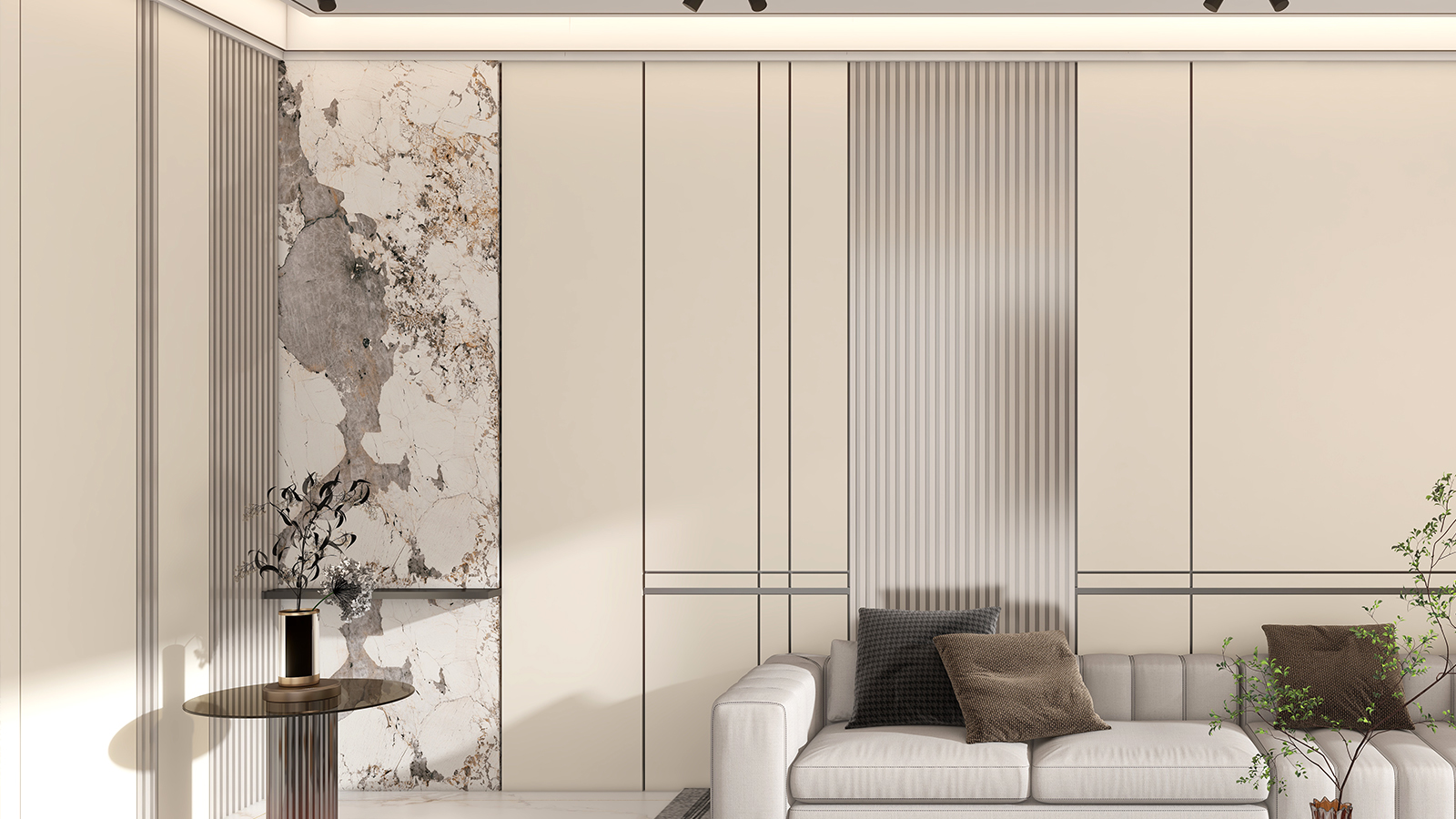
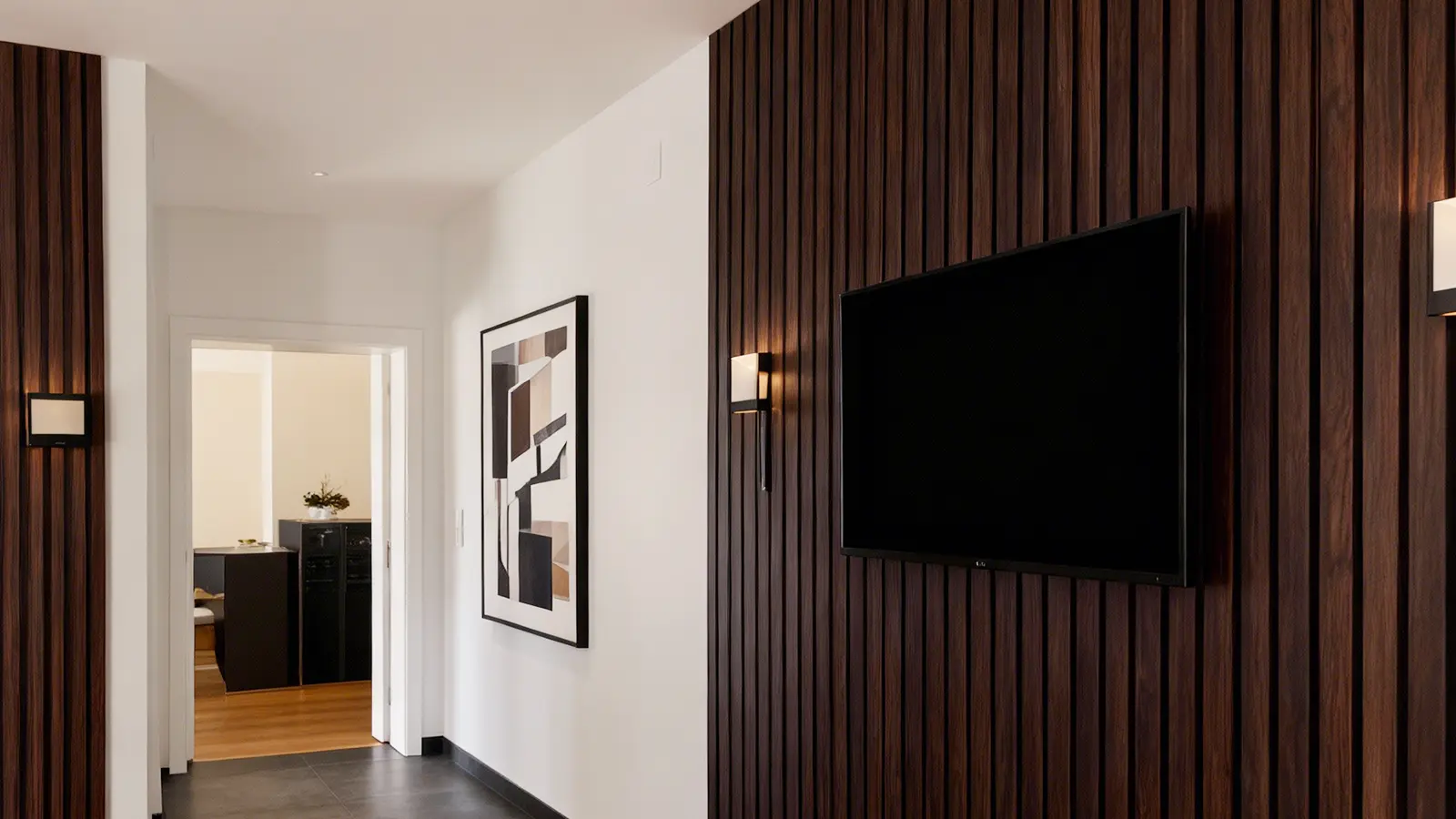
- Interior decorative fluted panels
- Acoustic WPC slat panels
- 3D embossed decorative sheets
- Flat surface WPC wallboards
- Exterior facade cladding boards
- Ceiling-grade WPC planks
- Solid and hollow structural sections
This extensive category range opens opportunities for builders, wholesalers, and designers to match nearly any interior or exterior specification.
Performance Benefits That Set WPC Panels Apart
1. Outstanding Water & Moisture Resistance
Moisture-related issues such as swelling, cracking, or mold formation are common with wood panels. WPC eliminates these problems entirely. Because the polymer matrix prevents water penetration, WPC panels stay stable even in:
- Bathrooms
- Coastal homes
- Spa and sauna areas
- Laundry and utility rooms
- High-humidity commercial spaces
- Ground-floor apartments
This makes WPC a preferred replacement for MDF, plywood, and many interior tile applications.
2. Fire Safety for Public and Commercial Use
High-grade WPC panels often achieve B1 fire rating, meaning they are flame-retardant and do not contribute to rapid flame propagation. Additives incorporated during extrusion reduce smoke generation and surface charring.
Industries that benefit include:
- Schools
- Hospitals
- Hospitality chains
- Government buildings
- Retail stores
- Transportation hubs
The combination of aesthetic value and fire safety is a rare advantage unavailable in typical timber panels.
3. Durability That Reduces Long-Term Costs
For developers handling large-scale projects, longevity matters. WPC has grown popular because it withstands:
- UV exposure
- Termite damage
- Impact from daily activity
- Microcracking or warping
- Color fading
WPC’s resilience ensures fewer repairs and lower lifecycle expenses, appealing to project managers and procurement teams focused on long-term ROI.
4. Minimal Maintenance Requirements
Conventional wooden Wall Panels require repainting, sealing, or re-polishing.WPC wall panels require none of these. Routine cleaning with mild soap is sufficient, making WPC a practical choice for:
- Shopping centers
- Hotels
- Office buildings
- Public spaces
- Rental properties
Reduced maintenance labor directly supports cost-saving targets for commercial operators.
Aesthetic Versatility: Meeting Global Design Trends
While performance matters to construction teams, designers are often drawn to WPC for its aesthetic range.
1. Advanced Surface Finishes
Modern WPC technologies now deliver surfaces that imitate premium materials:
- Natural wood
- Textured stone
- Leather grain
- Brushed cement
- Polished patterns
- Deep fluted slats
- 3D sculpted motifs
These finishes elevate interior ambiance without the cost or maintenance of natural stone or hardwood.
2. Ideal for Both Contemporary and Classic Designs
WPC panels integrate seamlessly into:
- Scandinavian minimalism
- Modern luxury
- Industrial loft themes
- Traditional interiors
- Boutique hotel designs
- High-tech office décor
Architects appreciate the consistency and customizable tones WPC provides.
3. Custom Manufacturing for B2B Clients
Large buyers benefit from OEM/ODM customization, including:
- Variable panel lengths and widths
- Custom-matched color palettes
- Exclusive surface textures
- Eco-compliant formulations
- Private-label packaging
This makes WPC a strategic inventory category for importers and distributors.
Installation Advantages for Faster, Cleaner Construction
1. Quick and Convenient Installation
WPC wall panels significantly reduce manual labor thanks to:
- Lightweight structure
- Tongue-and-groove fastening system
- Compatibility with metal/wood battens
- No painting, sanding, or finishing
- Easy cutting with standard tools
Projects can cut installation time by 40–60%, benefiting tight-schedule renovations and retail fit-outs.
2. Wide Range of Application Scenarios
Interior
- Living room feature walls
- Bed backdrops
- Meeting rooms
- Entrances and lobbies
- Dining and hospitality spaces
- Gym interiors
- Home offices
- Bathroom coverings
Exterior (UV-stabilized WPC cladding)
- Building facades
- Balcony protection
- Bungalow exteriors
- Pergolas and pavilion walls
- Soffits and outdoor ceilings
The cross-application functionality strengthens WPC’s position in global markets.
3. Acoustic Enhancement
WPC slatted panels combined with polyester felt achieve NRC 0.75–0.95. This provides effective sound absorption for:
- Conference rooms
- Media rooms
- Open-plan offices
- Music rehearsal areas
- Premium hotel suites
Their dual purpose—acoustic performance plus aesthetic appeal—makes them highly desirable for commercial interiors.
Economic & Environmental Factors Driving Global Growth
1. Attractive Cost-to-Performance Ratio
Compared with natural wood or stone, WPC provides:
- Lower procurement cost
- No painting or sealing fees
- Reduced installation time
- Fewer maintenance tasks
- Long service lifespan
For large contracts—hospitality, real estate projects, or retail chains—the savings are significant.
2. Growing Market Demand Worldwide
WPC is in high demand across regions such as:
- North America
- Europe
- Middle East
- Southeast Asia
- Australia
- Latin America
Wholesalers enjoy rapid turnover and strong profit margins due to the broad application of WPC products.
3. Environmentally Responsible Choice
WPC aligns with modern sustainability standards:
- Produced using recycled polymer + reclaimed wood fiber
- Free of formaldehyde and VOC emissions
- Fully recyclable
- Compliant with European and American environmental regulations
As architects and governments seek greener building materials, WPC panels are increasingly preferred.
Final Thoughts: Why WPC Panels Lead the Future of Architectural Surfaces
WPC wall panels offer a powerful blend of performance, design flexibility, and eco-friendly construction—making them one of today’s most forward-thinking building materials. They cater to the needs of designers, developers, contractors, wholesalers, and property owners seeking a product that is both visually appealing and technically reliable.
With strong market acceptance, long lifespan, minimal maintenance, and customization opportunities, WPC panels stand as a high-value category poised to dominate the decorative materials industry for years to come.