



The Rise of PU Faux Stone: Design, Durability & Efficiency United
The Rise of PU Faux Stone: Design, Durability & Efficiency United
Table of Contents
- Understanding PU Faux Stone: What It’s Made Of
- Why Architects and Homeowners Are Choosing PU Stone
- How to Install PU Stone — A Step-by-Step Guide
- Real-World Applications — Where PU Stone Excels
- Cost & Value Analysis
- Potential Considerations & Trade-Offs
- Design Tips & Best Practices
- The Bottom Line: Is PU Stone Right for You?
Stone has long symbolized permanence and architectural gravitas. But for all its beauty, natural stone comes with cumbersome weight, fragile handling, and high installation expenses. Thankfully, innovation in materials science has given rise to a breakthrough: PU (polyurethane) faux stone panels — offering the real-stone look without the typical drawbacks. From DIY renovations to large-scale commercial façades, PU stone is reshaping how we think about stone finishes.
1. Understanding PU Faux Stone: What It’s Made Of
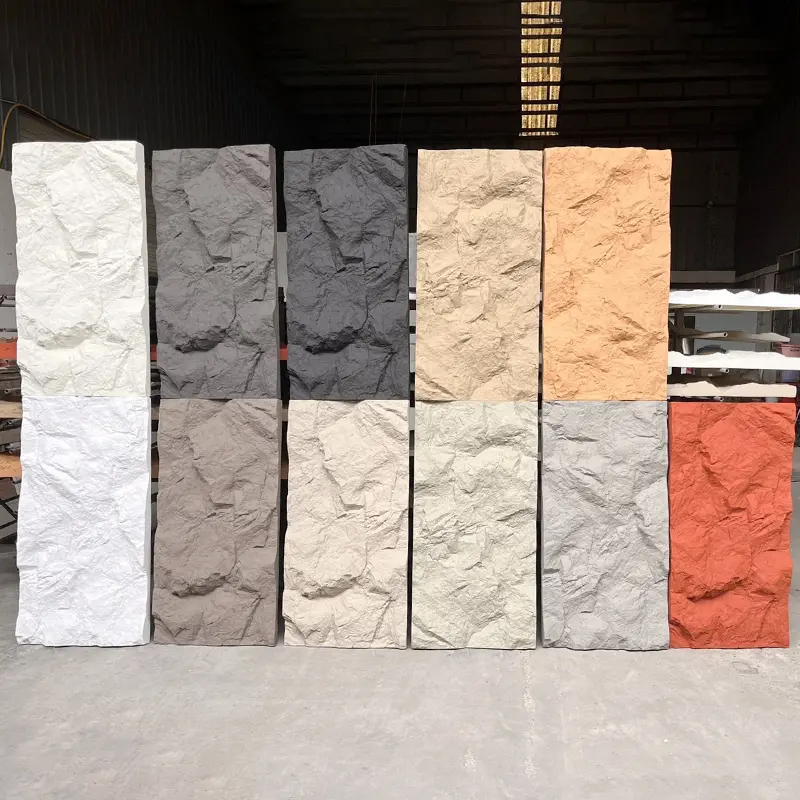
PU stone is fundamentally a polyurethane-based composite. During manufacturing, a mixture - typically polyurethane resin, a foaming agent, pigments, and reinforcing fillers - is poured into molds carved from real stone surfaces. After curing, these panels are removed, trimmed, coated, and color-matched to simulate natural textures.
The core’s cellular structure makes the panels light but surprisingly strong, while the surface finish is engineered to resist weathering, UV exposure, and everyday wear.
2. Why Architects and Homeowners Are Choosing PU Stone
Lightweight Yet Strong
PU stone's lightness is its most transformative feature. Weighing a fraction of natural stone, the panels can be installed without demanding structural modifications. This opens doors for retrofits, ceiling installations, or stone finishes even in weight-sensitive environments.
Fast, Simple Installation
Speed is essential in both residential and commercial projects. PU panels typically use adhesive mounting methods or interlock with mechanical fasteners, allowing a quick install by contractors—or even skilled DIYers. Many users report completing projects in a fraction of the time needed for traditional stone.
Weather-Resilient Performance
From year-round sun exposure to freezing winters, PU stone can withstand a broad range of conditions. Many panels are engineered to resist UV discoloration, water penetration, mildew, and temperature fluctuations. Their performance ensures that both outdoor façades and indoor accent walls retain their visual richness for years.
Safety & Longevity
Modern PU stone panels are built with resilience in mind: they resist impact, compressive forces, and even fire (when treated appropriately). Some PU products achieve recognized fire-resistance classifications, making them suitable for many commercial or residential settings.
Thermal & Acoustic Insulation
Beyond aesthetics, these panels contribute functional benefits. Their cellular PU core works as a natural insulator, helping regulate indoor temperature and reduce noise transmission — making them ideal for residential projects or spaces like lobbies and retail environments.
Eco-Conscious & Low Maintenance
PU stone materials often emit negligible volatile organic compounds (VOCs) and avoid harmful components like formaldehyde. Plus, their manufacturing consumes fewer raw quarried resources, which helps reduce environmental impact compared to extracting and transporting natural stone.
Once installed, maintenance is nearly effortless — periodic wiping or a gentle rinse is often sufficient, avoiding the sealing or constant upkeep that natural stone may demand.
3. How to Install PU Stone — A Step-by-Step Guide
- Prepping the Wall
Ensure the surface is stable, clean, and dry. Use an even substrate — e.g., plywood, fiber-cement board, or other suitable backing.
- Plan the Layout
Carefully map out panel placement, accounting for full panels, trimming areas, and integrated edges. This planning minimizes waste and ensures alignment.
- Apply Adhesive / Fasteners
A structural-grade adhesive is applied to the panel backs, often in a uniform layer (~ 4–8 mm) for optimal bonding. In addition, screws may be used in high-stress zones or in outdoor applications.
- Mount and Align
Press panels into place, lock interlocking edges, and align joints. Because many PU stone systems use tongue-and-groove or interlocking edges, alignment is easier and joints look clean.
- Finish the Seams
Use caulking or pointing as needed. Proper finishing ensures a seamless appearance and improves water resistance where required.
- Clean-Up
Wipe the surface with a dry cloth first, then a damp cloth. Remove any residue, and then rinse if necessary once the adhesive has fully cured.
4. Real-World Applications — Where PU Stone Excels
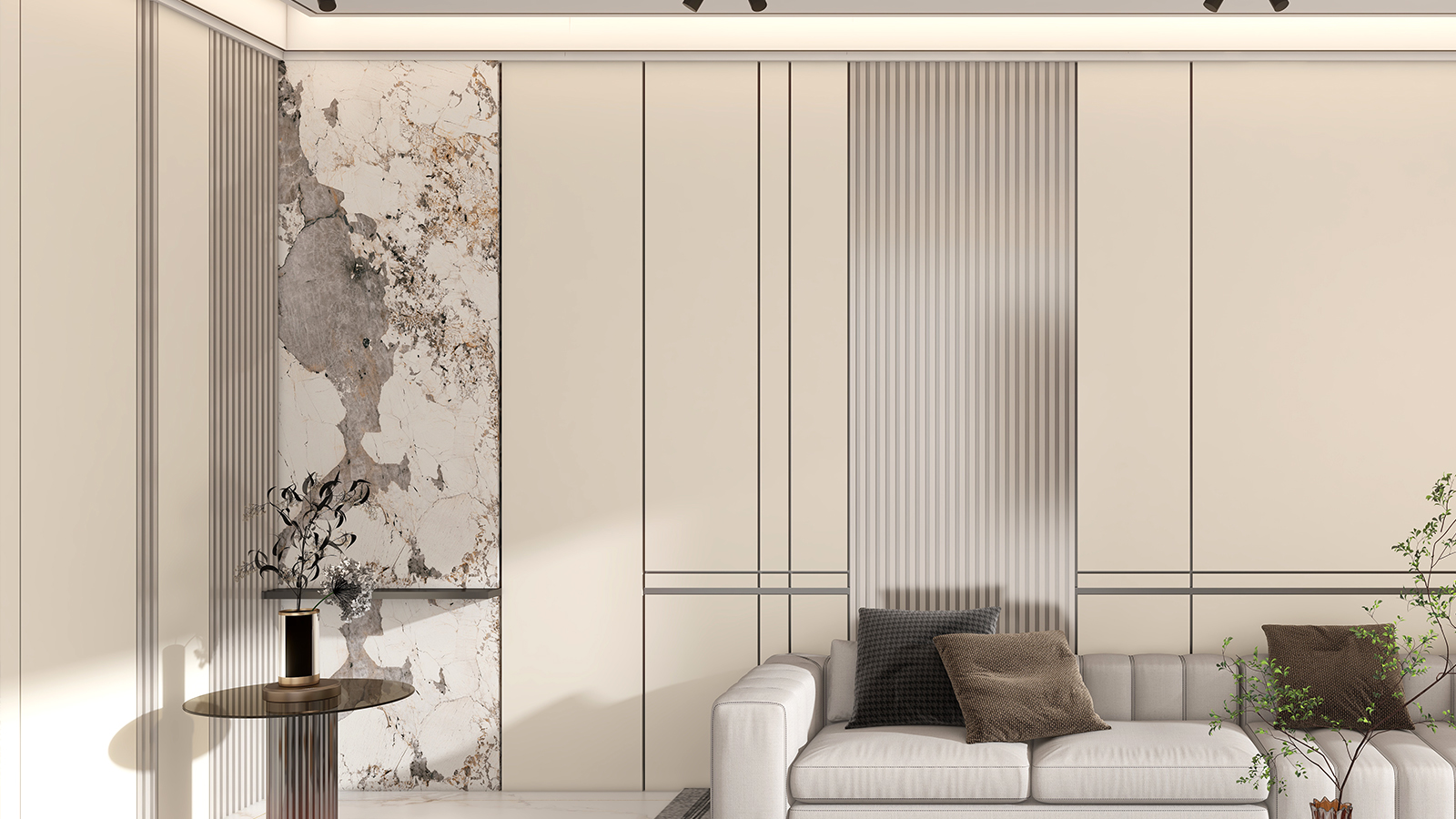
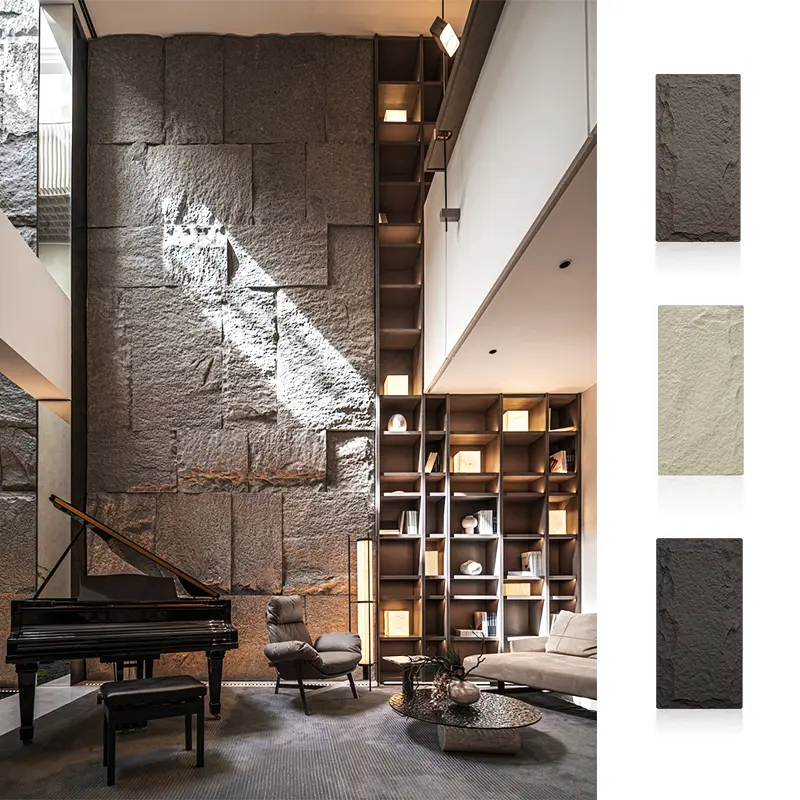
● Accent Walls in Homes: Create dramatic focal points in living rooms or bedrooms without the structural burden of real stone.
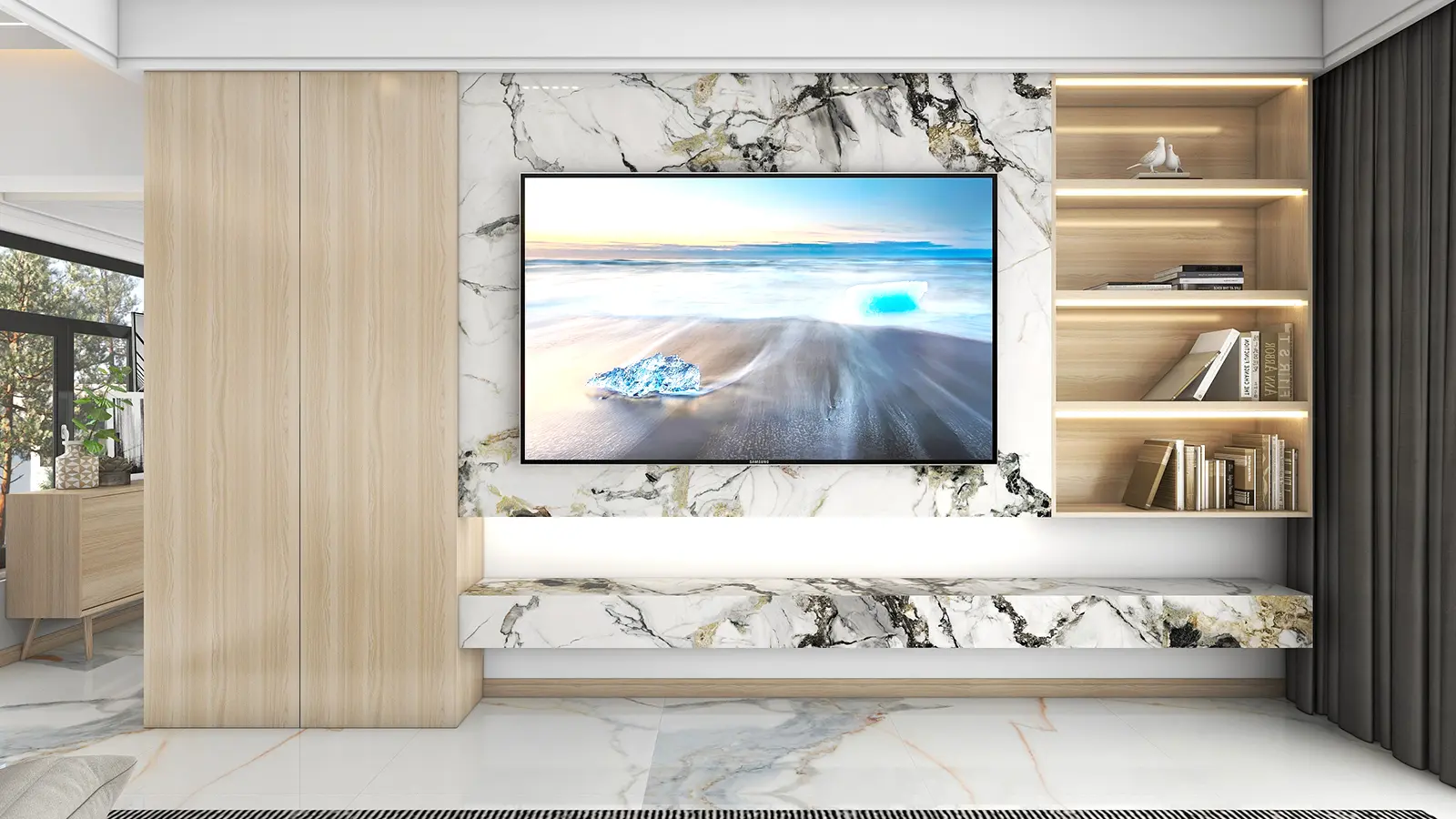
● Fireplaces & Media Walls: PU stone’s realism, combined with ease of installation, makes it a favorite for fireplace surrounds.
● Retail & Commercial Spaces: Stores and restaurants benefit from fast installation, lightweight panels, and consistent stone aesthetics.
● Exterior Cladding: For modern homes, wood-frame structures, or renovation projects, PU stone offers a stone façade without expensive structural upgrades.
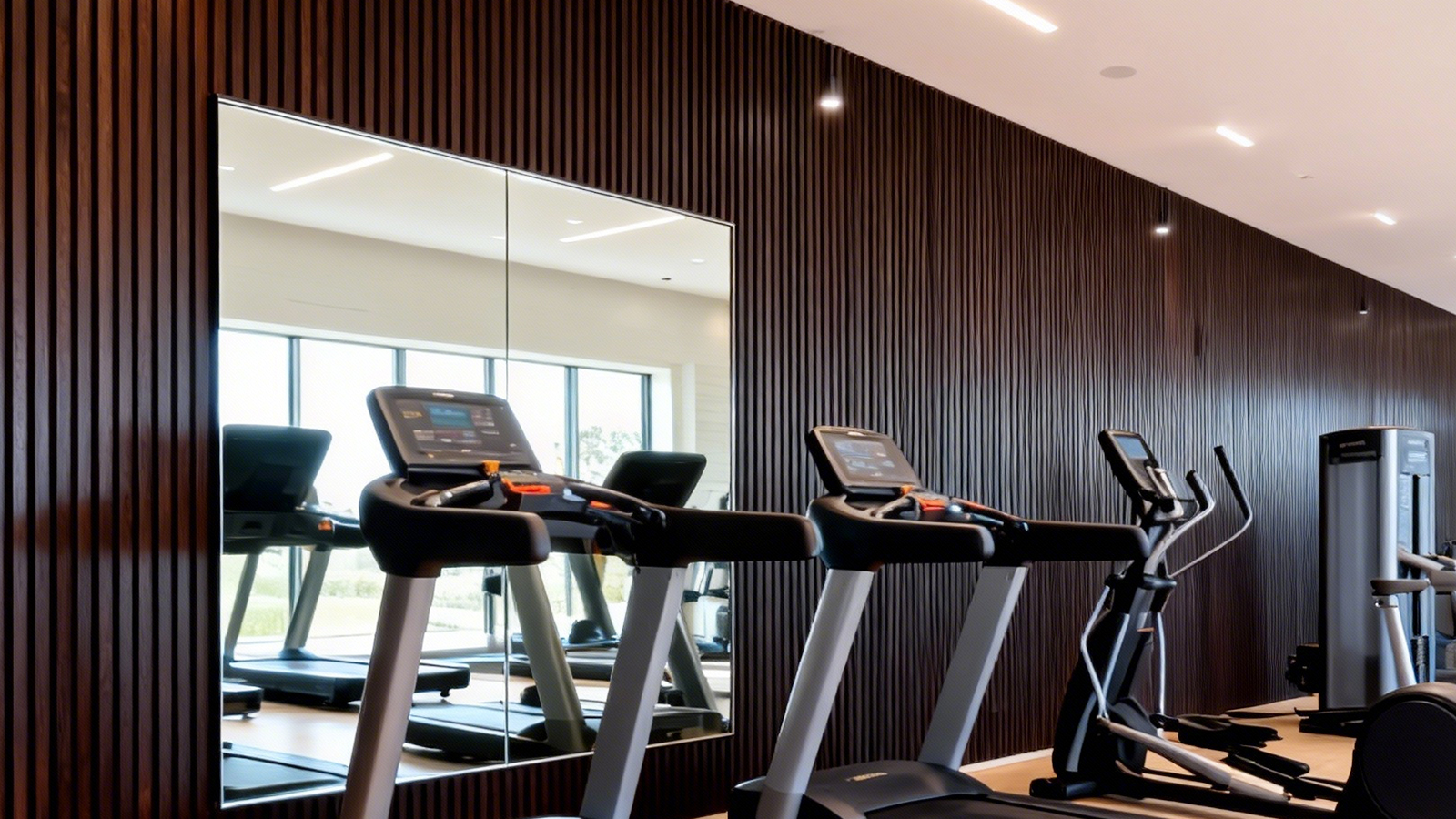
● Hospitality & Office Interiors: Lobbies, lounges, and feature walls can gain the elegance of stone without downtime or heavy maintenance.
5. Cost & Value Analysis
Compared with natural stone, PU stone delivers strong financial advantages:
● Material Costs: PU stone can cost as little as 5–10 per sq ft, while real stone often ranges from 15–30+ per sq ft.
● Labor & Time Savings: Lightweight panels and adhesive installation allow faster work and reduced labor costs.
● Maintenance: Over time, upkeep for PU stone (simple cleaning) is far less intensive than sealing or repairing real stone.
● Total Project Savings: When factoring in installation time, labor, and logistics, many projects realize substantial savings over traditional stone veneer.
6. Potential Considerations & Trade-Offs
● Durability: Though sturdy, PU stone may dent under heavy impact more easily than natural stone.
● Fire Performance: Without fire-retardant treatment, some PU panels may not reach the highest fire-resistance ratings.
● Lifespan in Harsh Environments: In certain climates or exposure conditions, the surface finish might degrade faster than quarried stone.
● Authenticity Preference: Designers or clients seeking the heft, cold touch, and authenticity of real rock might consider PU stone a compromise — though its visual fidelity is very high.
7. Design Tips & Best Practices
● Choose high-density PU panels: For better durability and impact resistance.
● Ask for UV-stable pigment: To ensure color retention, especially for exterior use.
● Pre-plan cuts: Minimize waste and maintain visual consistency by planning where and how panels are trimmed.
● Seal edges where necessary: In outdoor or moisture-exposed areas, use caulk or seam sealers to enhance weather resistance.
● Follow local building code: Especially regarding fire-rating requirements; verify that your chosen product meets relevant standards.
8. The Bottom Line: Is PU Stone Right for You?
PU faux stone panels offer a compelling fusion of aesthetics, practicality, and performance. Whether you're looking to achieve a sophisticated stone look in a tight budget, reduce structural load, or expedite installation, PU stone represents a modern solution to old-world elegance.
For homeowners, designers, and builders alike, embracing PU stone isn’t just a trend: it’s a smart, forward-looking decision. It allows you to bring the beauty of natural stone into your spaces — effortlessly, affordably, and sustainably.
