
The Modern Evolution of WPC Wall Panels: Styles, Benefits, and Application
The Modern Evolution of WPC Wall Panels: Styles, Benefits, and Application
Table of Contents
Why WPC Wall Panels Are Replacing Traditional Wood
The Most Common Types of WPC Wall Panels
Installation & Maintenance Tips
In the ever-evolving world of construction and interior design, one material has quickly risen from obscurity to prominence — WPC wall panels, short for Wood-Plastic Composite. These panels represent a new generation of decorative and functional cladding that merges the timeless appeal of natural wood with the endurance and adaptability of advanced polymer technology.
Whether you are building a new home, designing a luxury hotel, or renovating a commercial space, WPC Wall Panels provide a unique balance of aesthetic value, environmental responsibility, and long-term performance. Let’s take a closer look at what makes them so popular and explore the most common types you’ll find on the market today.
What Are WPC Wall Panels?
WPC stands for Wood-Plastic Composite — a hybrid material composed primarily of wood fibers or wood powder mixed with thermoplastic resins such as polyethylene (PE), polypropylene (PP), or polyvinyl chloride (PVC). The blend is heated, molded, and extruded into durable boards or panels that can mimic natural wood while resisting many of its weaknesses.
During manufacturing, additives such as UV stabilizers, lubricants, and color pigments are added to improve the panel’s resistance to fading, cracking, and moisture damage. The result is a panel that feels warm like wood, yet requires a fraction of the maintenance.
High-quality WPC panels can last for two to three decades without repainting or sealing, making them one of the most sustainable decorative materials available for modern construction.
Why WPC Wall Panels Are Replacing Traditional Wood
Traditional wood is undoubtedly beautiful, but it’s also high-maintenance — requiring regular staining, painting, or anti-termite treatments. Wpc Panels eliminate these issues completely.
Key advantages include:
- Weather resistance: Unaffected by humidity, UV rays, or rain.
- Low maintenance: No repainting, sanding, or varnishing required.
- Eco-friendly design: Made using recycled wood and plastic materials.
- Aesthetic versatility: Available in various colors, textures, and finishes.
- Cost efficiency: Long life span reduces the need for replacement or repair.
From luxury apartments to commercial interiors, WPC wall panels offer an eco-smart alternative that looks like natural wood yet behaves like a modern engineering product.
The Most Common Types of WPC Wall Panels
WPC wall panels are available in numerous forms, each engineered for specific visual or functional purposes. Let’s explore the most popular types:
1. Grille or Slatted Panels
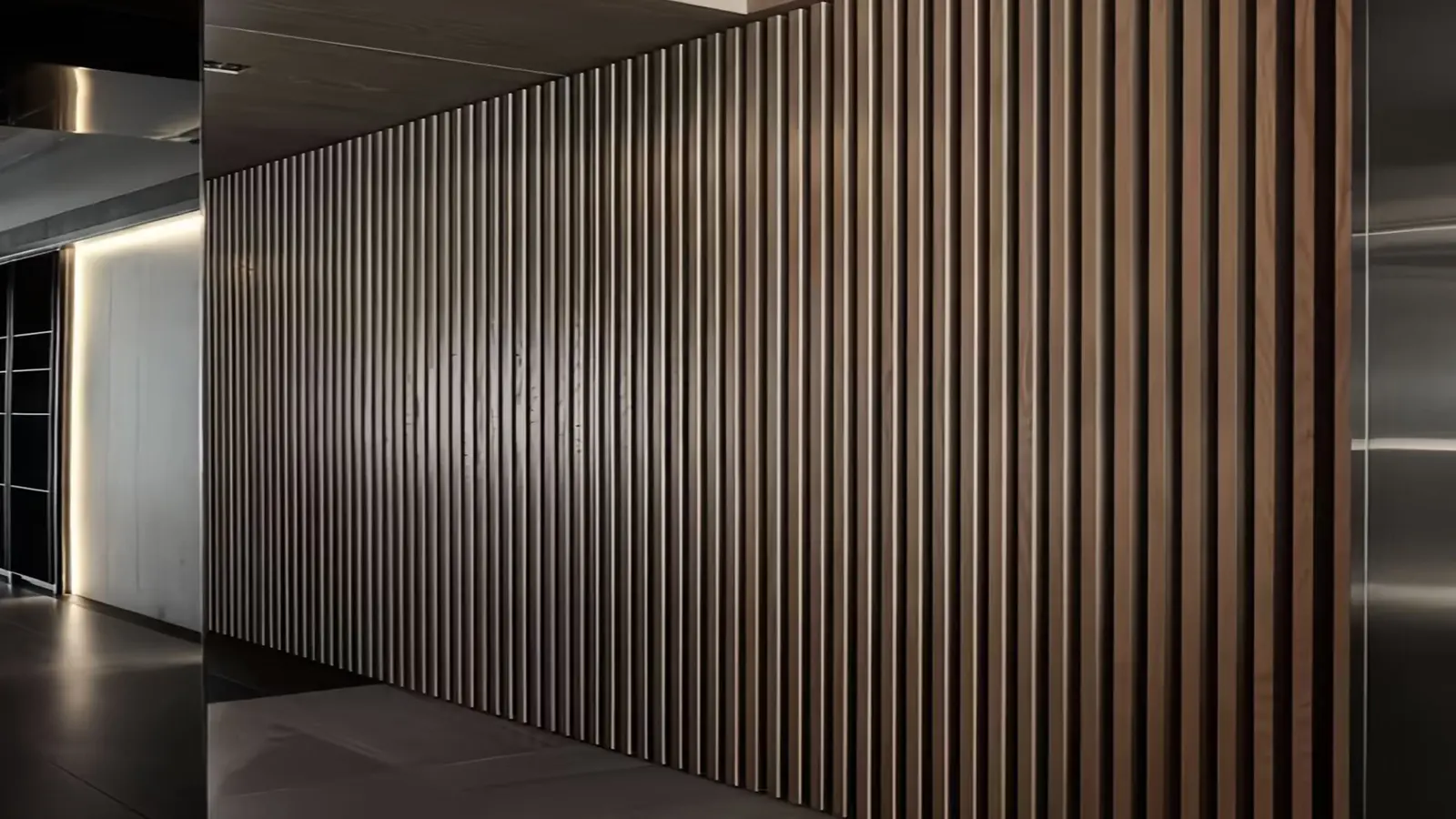
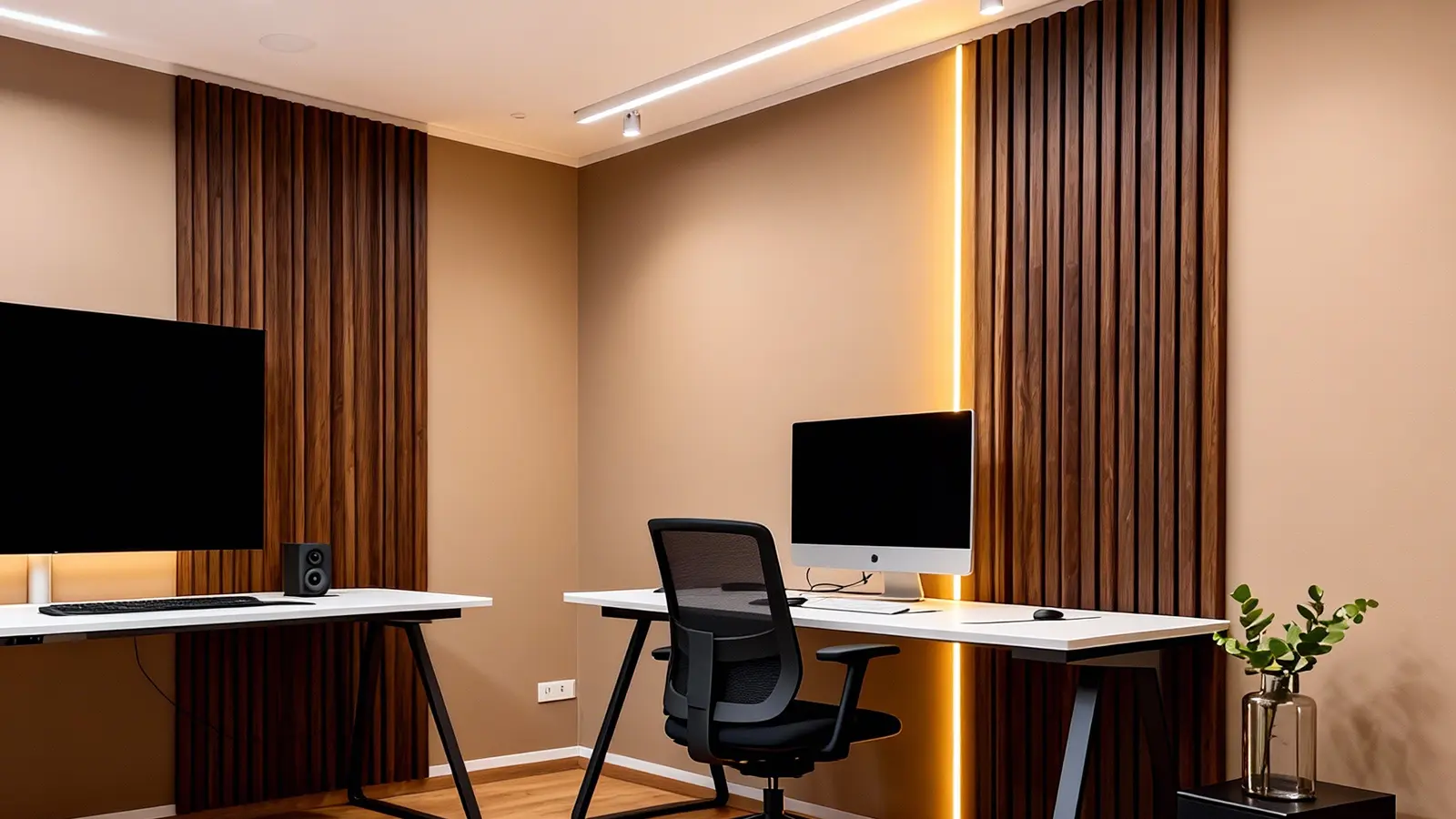
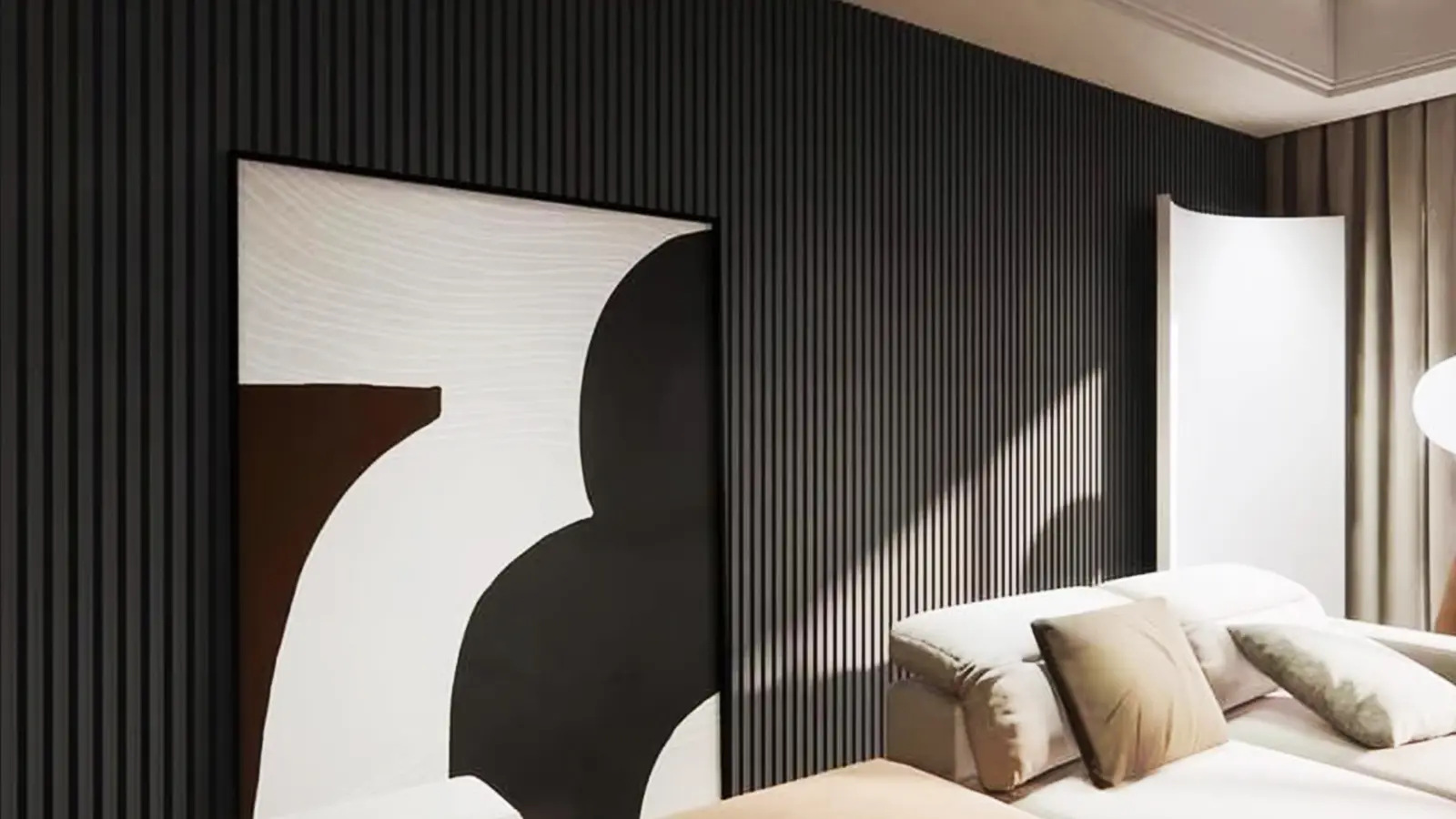
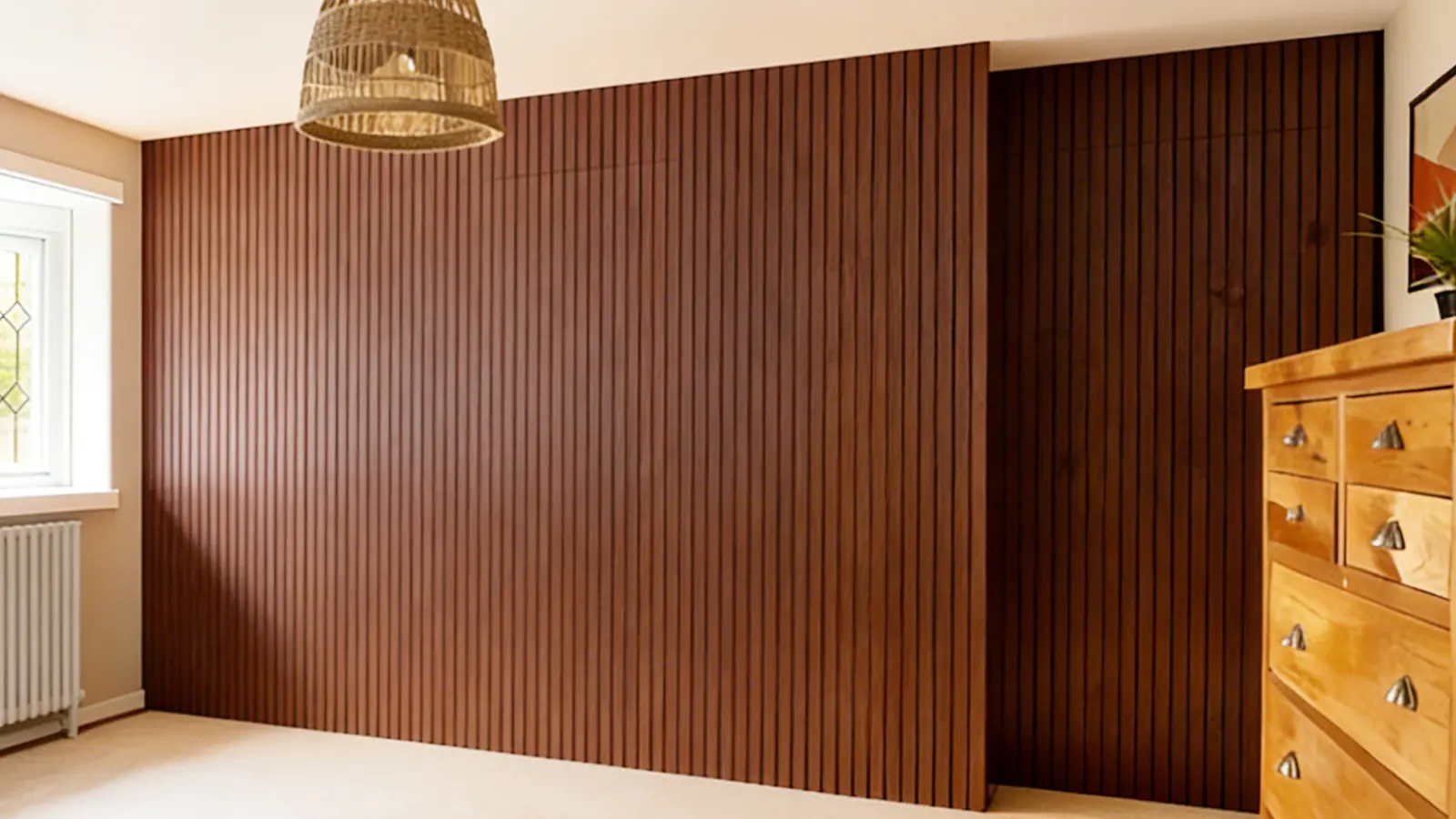
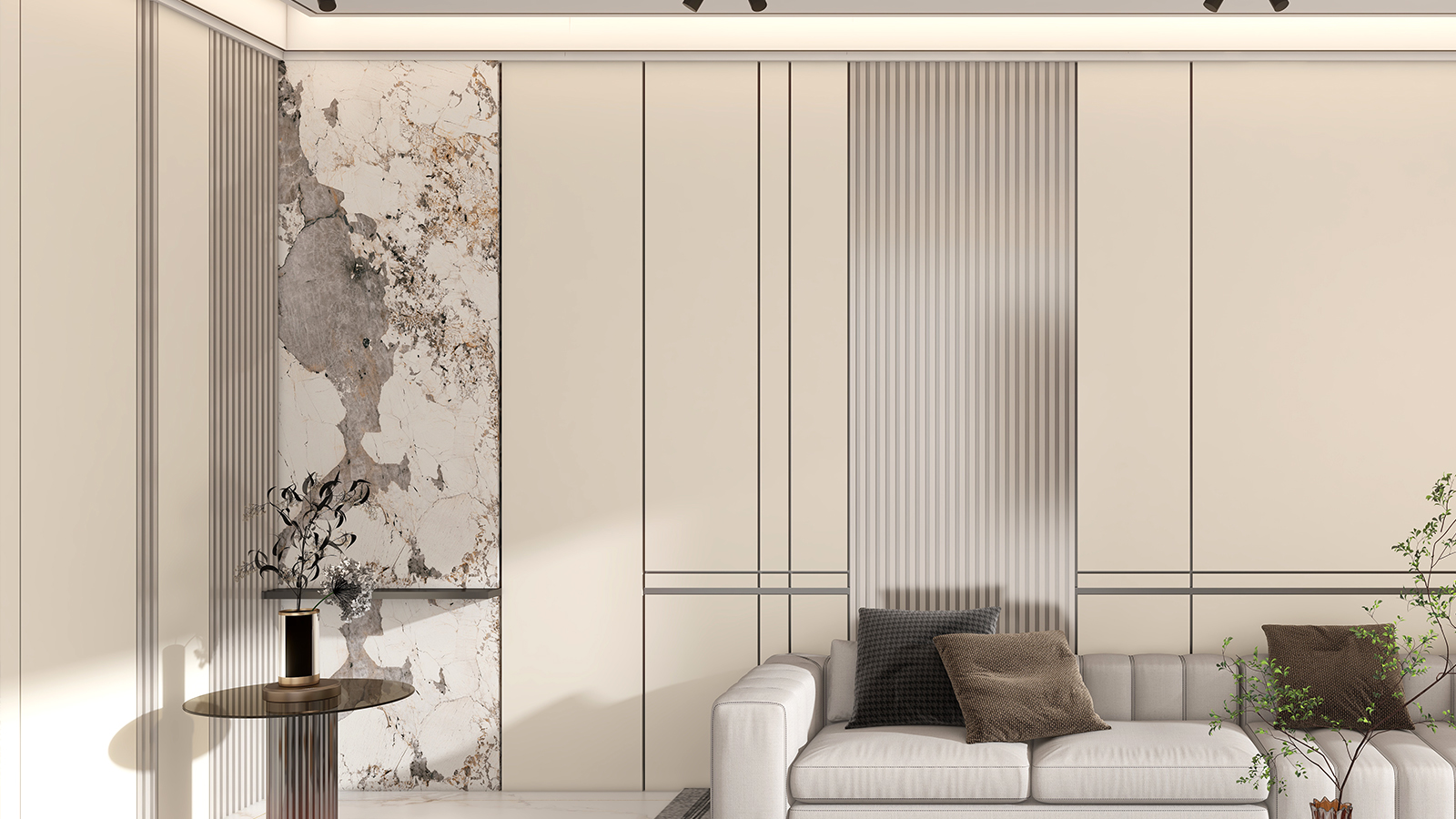
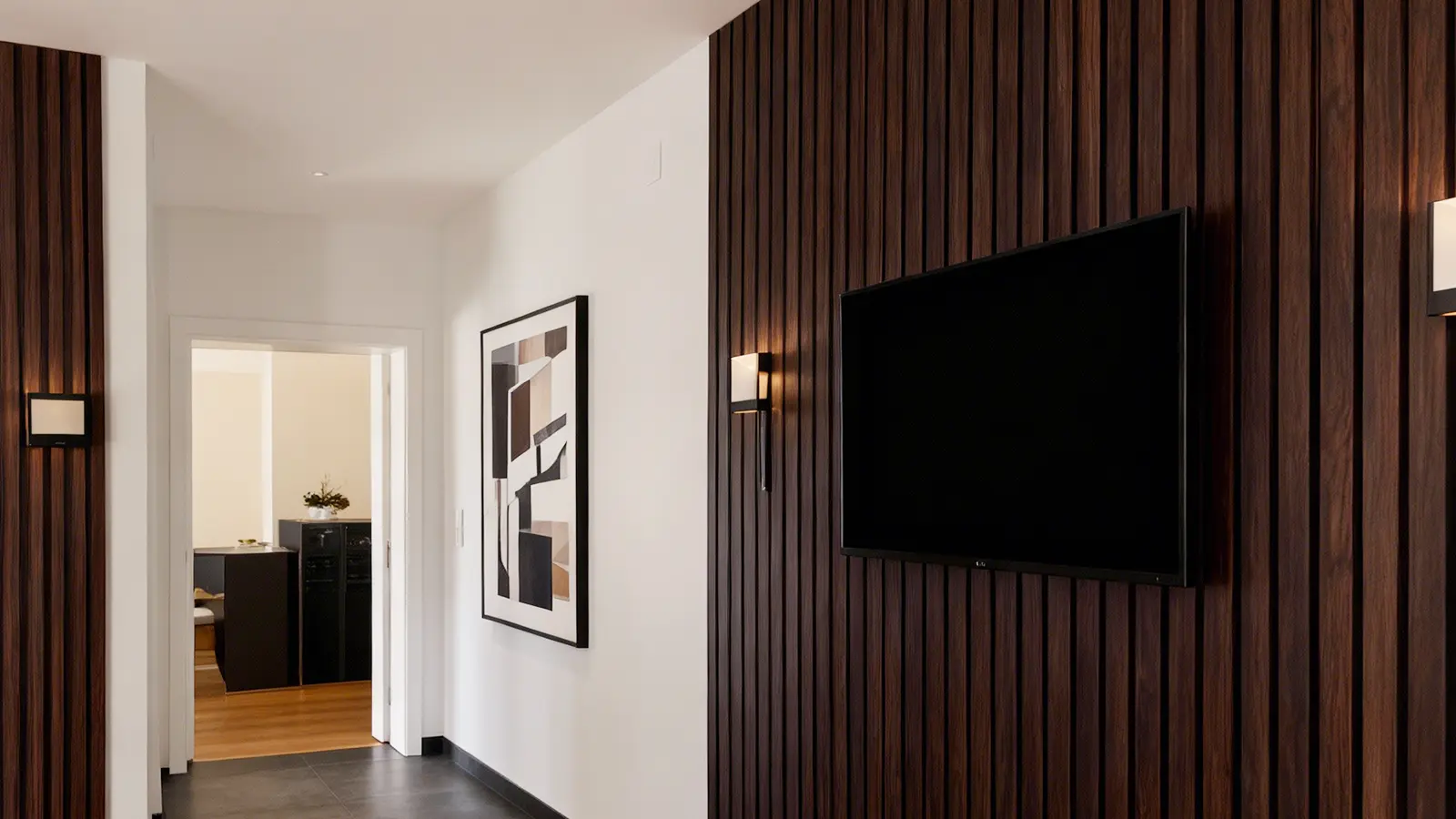
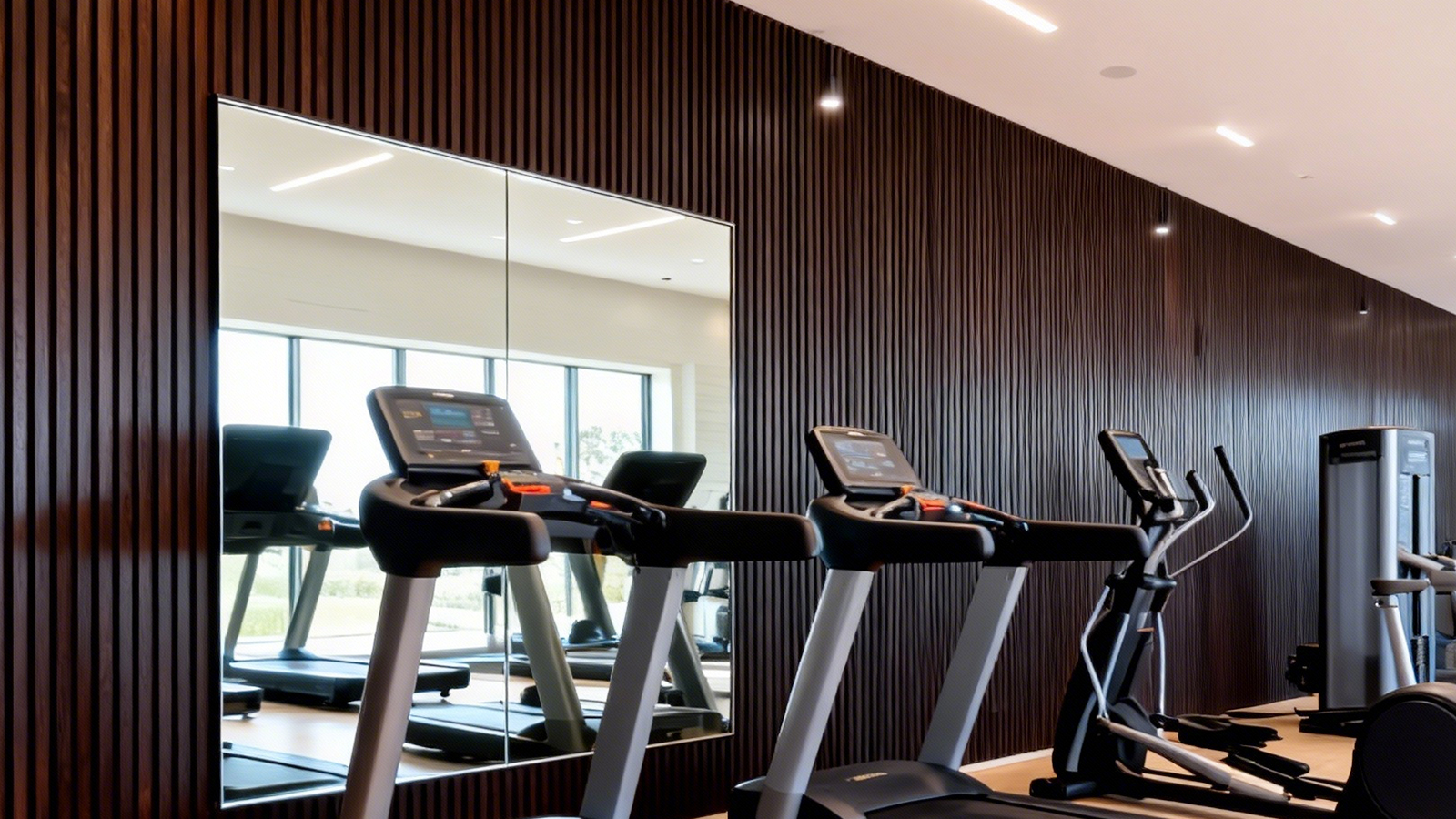
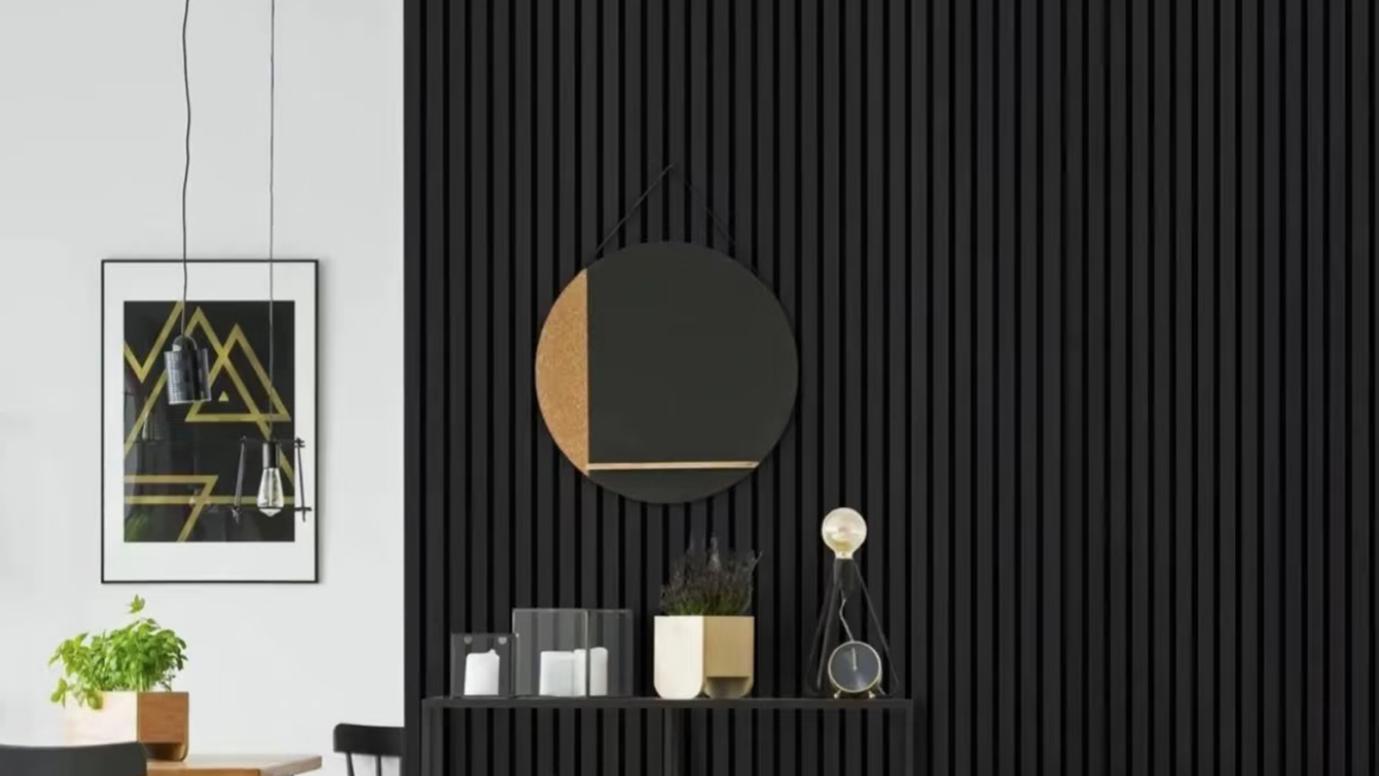
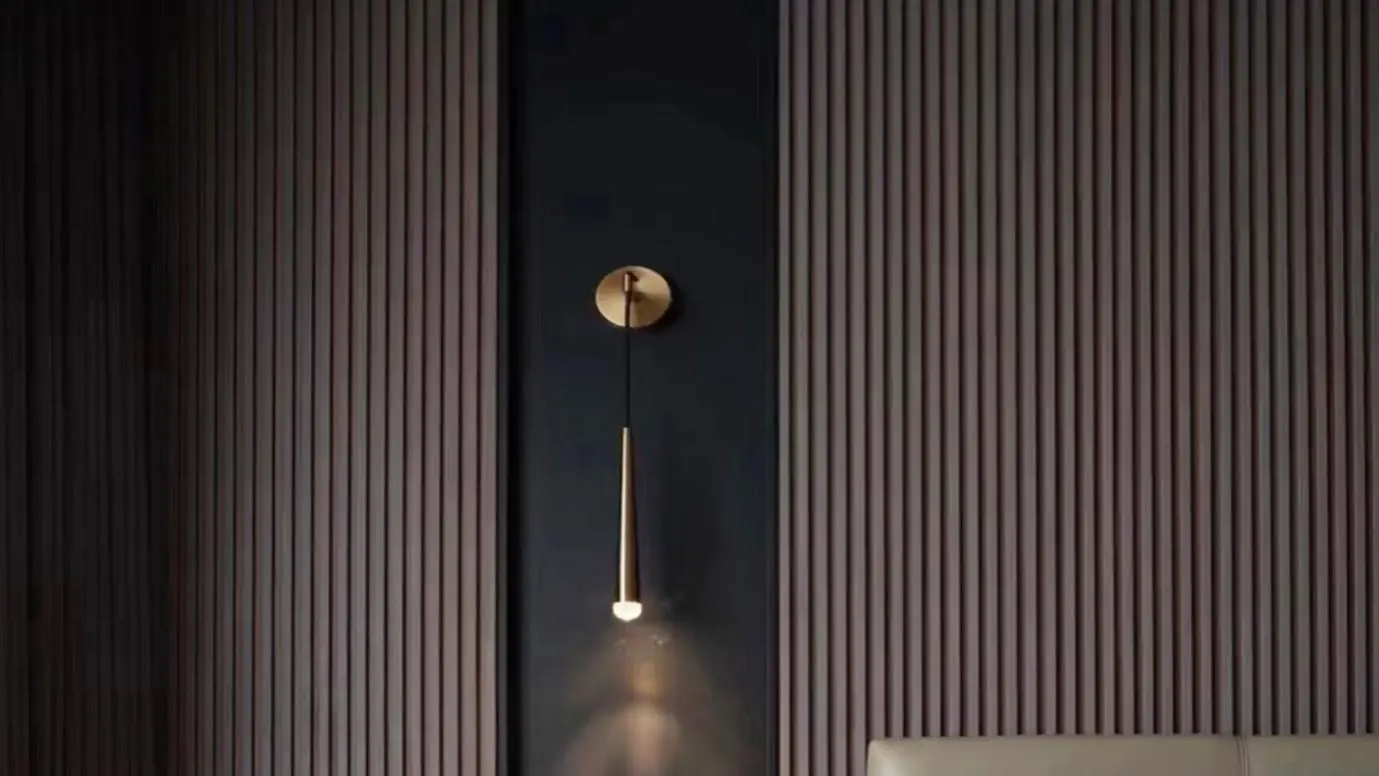
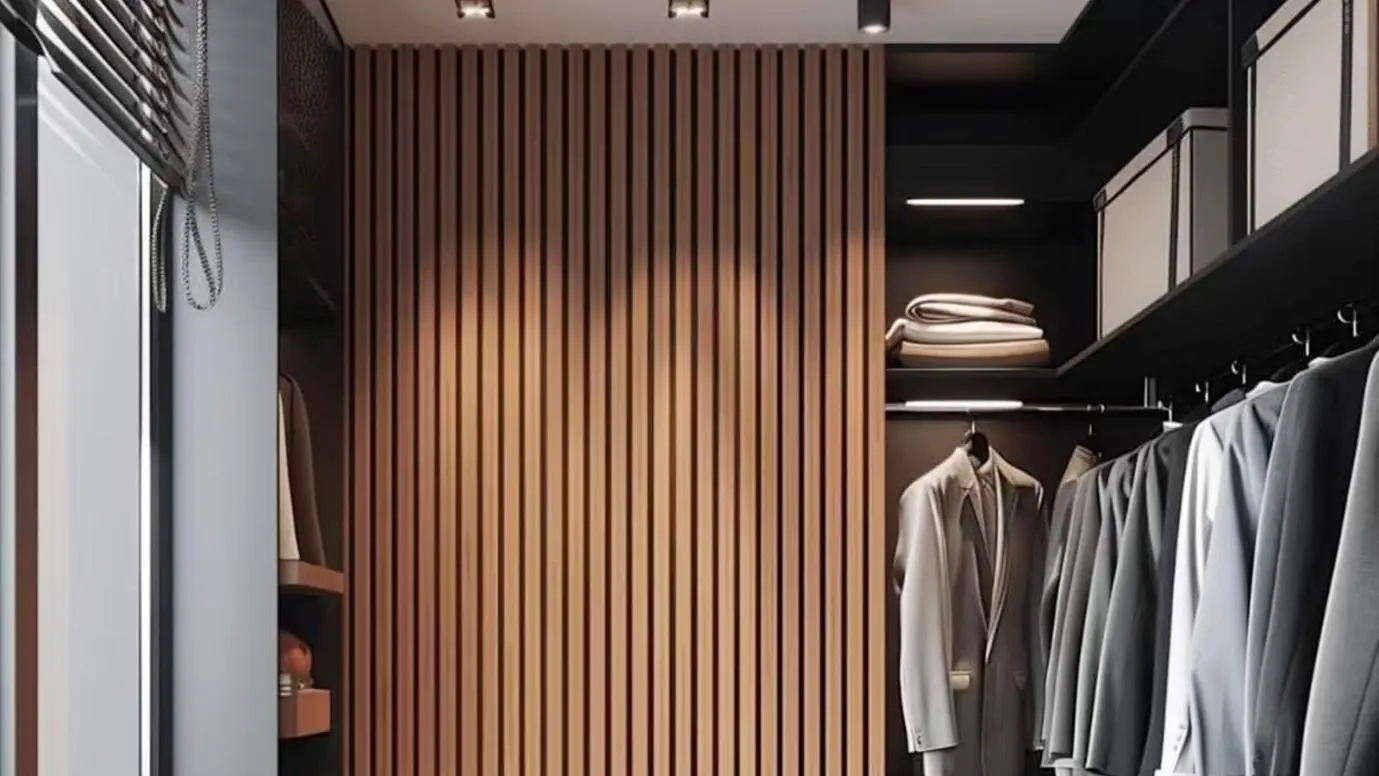
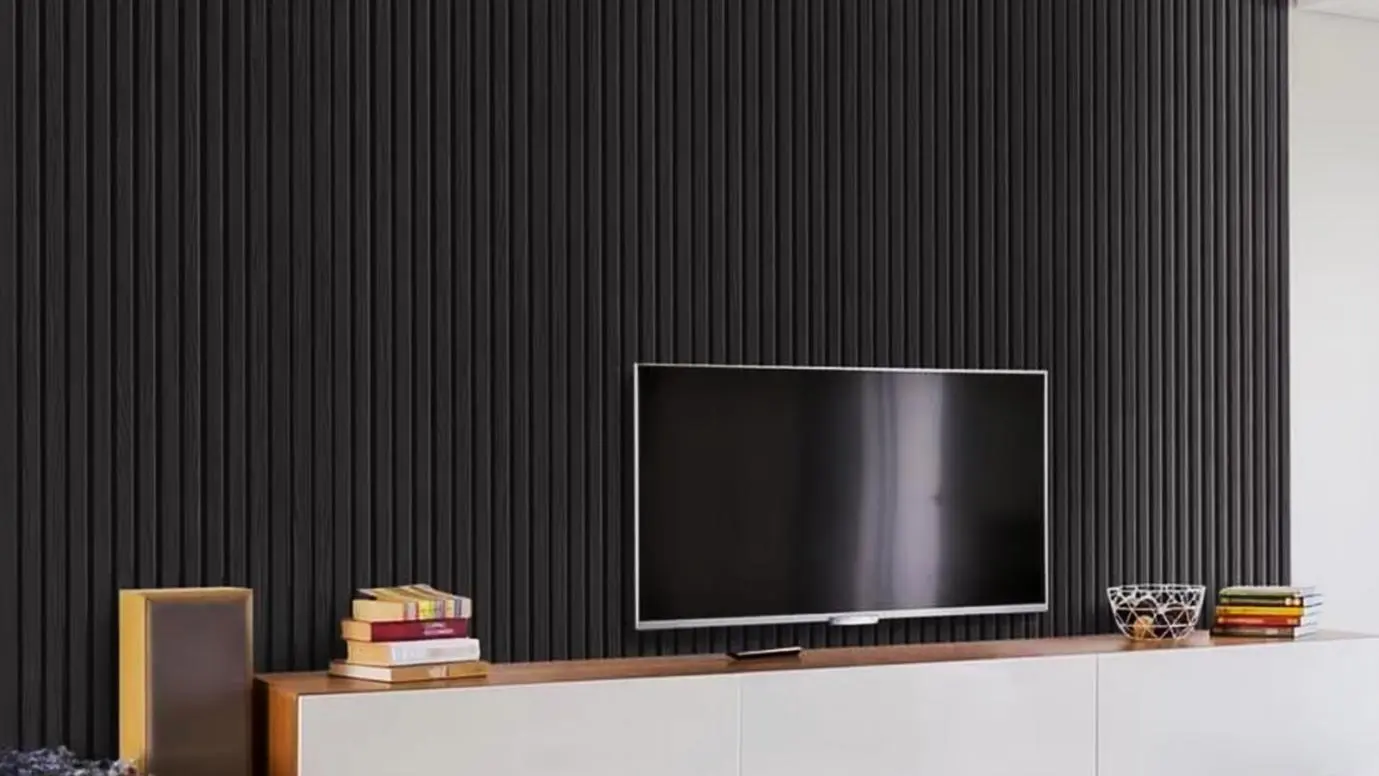
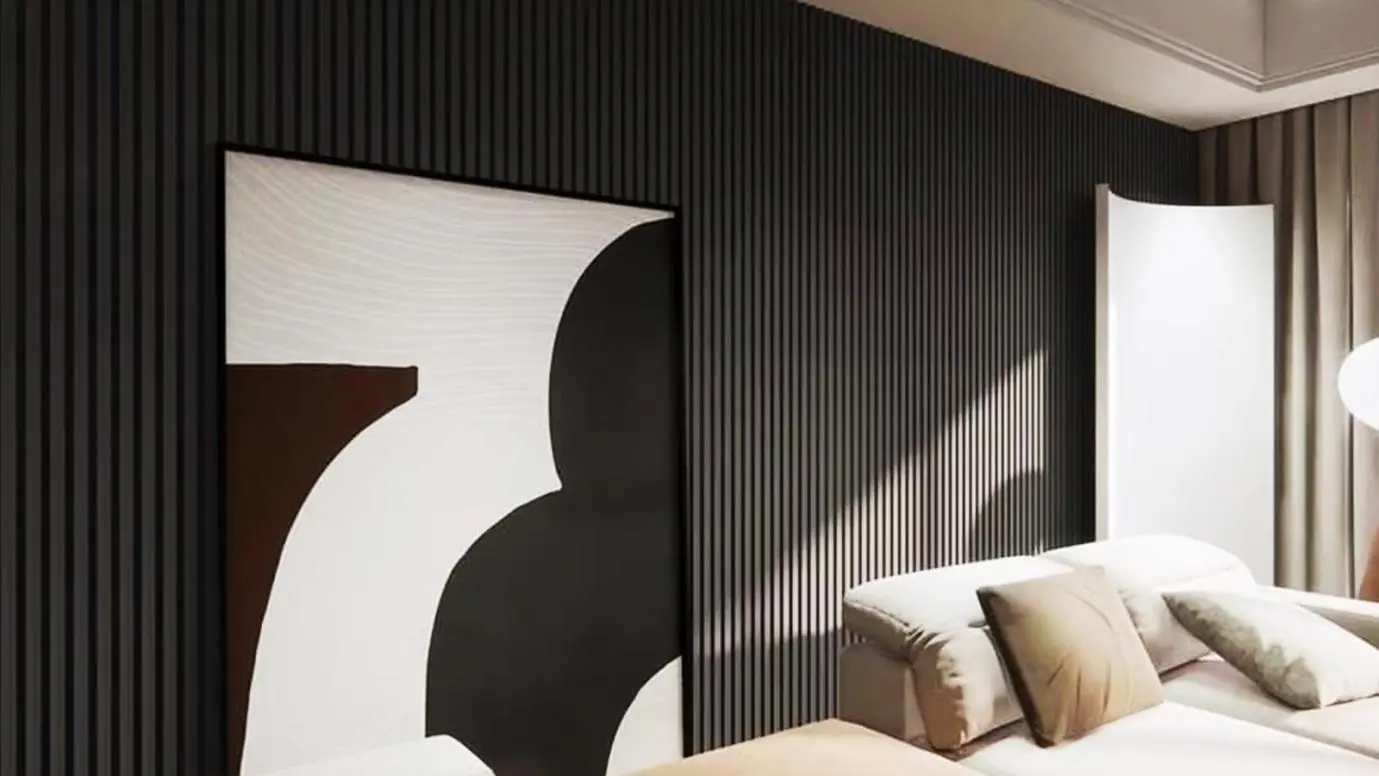
Also called fluted panels, these are characterized by long, narrow slats that run vertically or horizontally. Their sleek design introduces rhythm, depth, and a sense of continuity to interior spaces.
Benefits:
- Adds modern linear aesthetics
- Allows partial sound diffusion
- Simple to install with clips or adhesive
- Ideal for creating visual balance in large rooms
Where to Use: Hotel lobbies, restaurants, feature walls, ceilings, and modern homes.
2. Hollow-Core Panels
These panels are engineered with internal cavities, which make them lighter and more economical to produce. The hollow design reduces overall material consumption and improves thermal insulation.
Benefits:
- Lightweight and easy to transport
- Cost-effective for large projects
- Enhances energy efficiency
- Reduces pressure on wall structures
Applications: Exterior walls, large interior partitions, and suspended ceilings.
3. Solid WPC Panels
Made from dense, compact composite material without internal voids, these panels are known for strength and durability. They are ideal in high-traffic areas where impact resistance is a must.
Advantages:
- Highly durable and impact resistant
- Performs well in extreme weather
- Suitable for structural or load-bearing installations
Best Used In: Malls, offices, exterior façades, and industrial facilities.
4. Decorative and Textured Panels
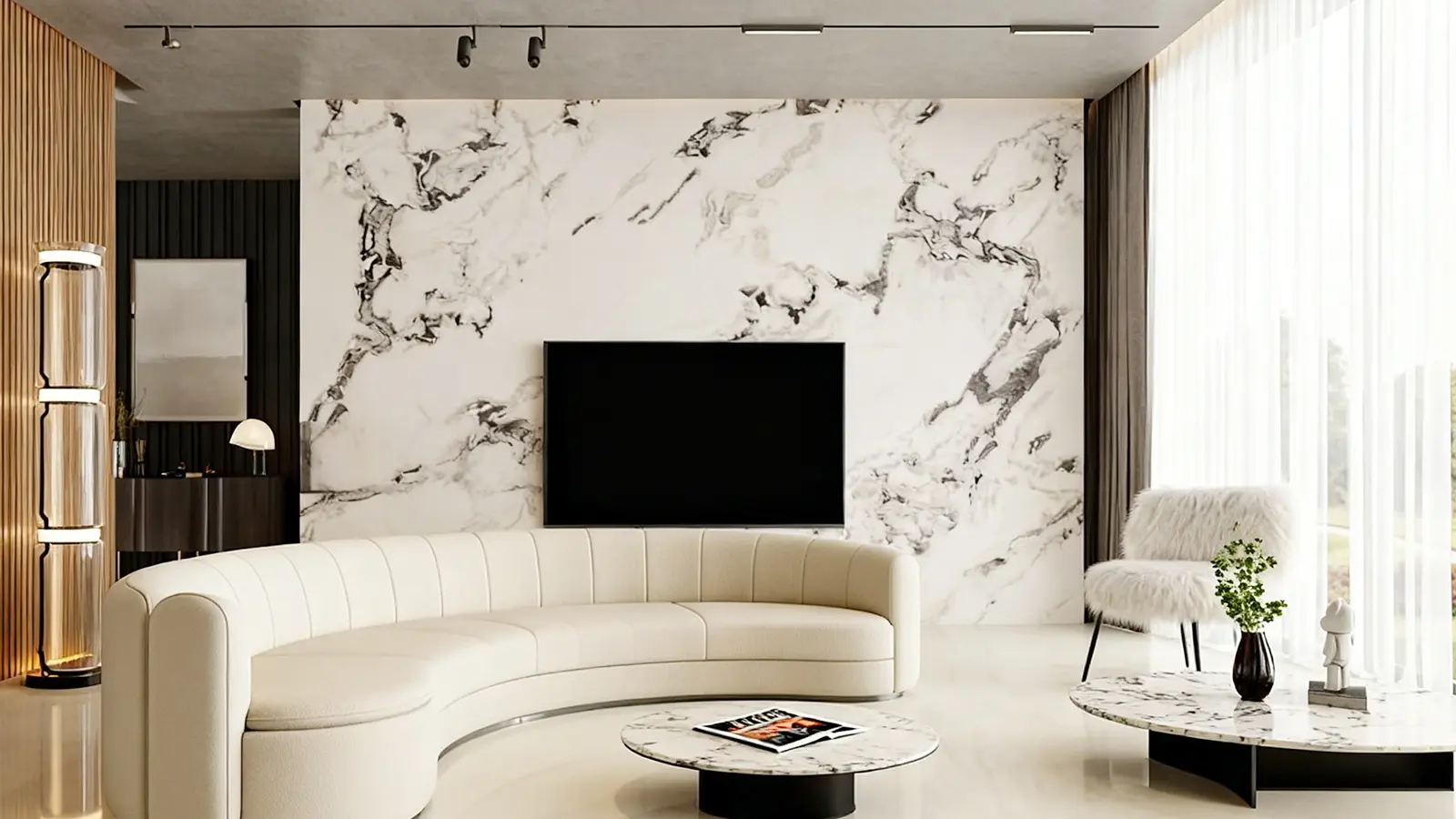
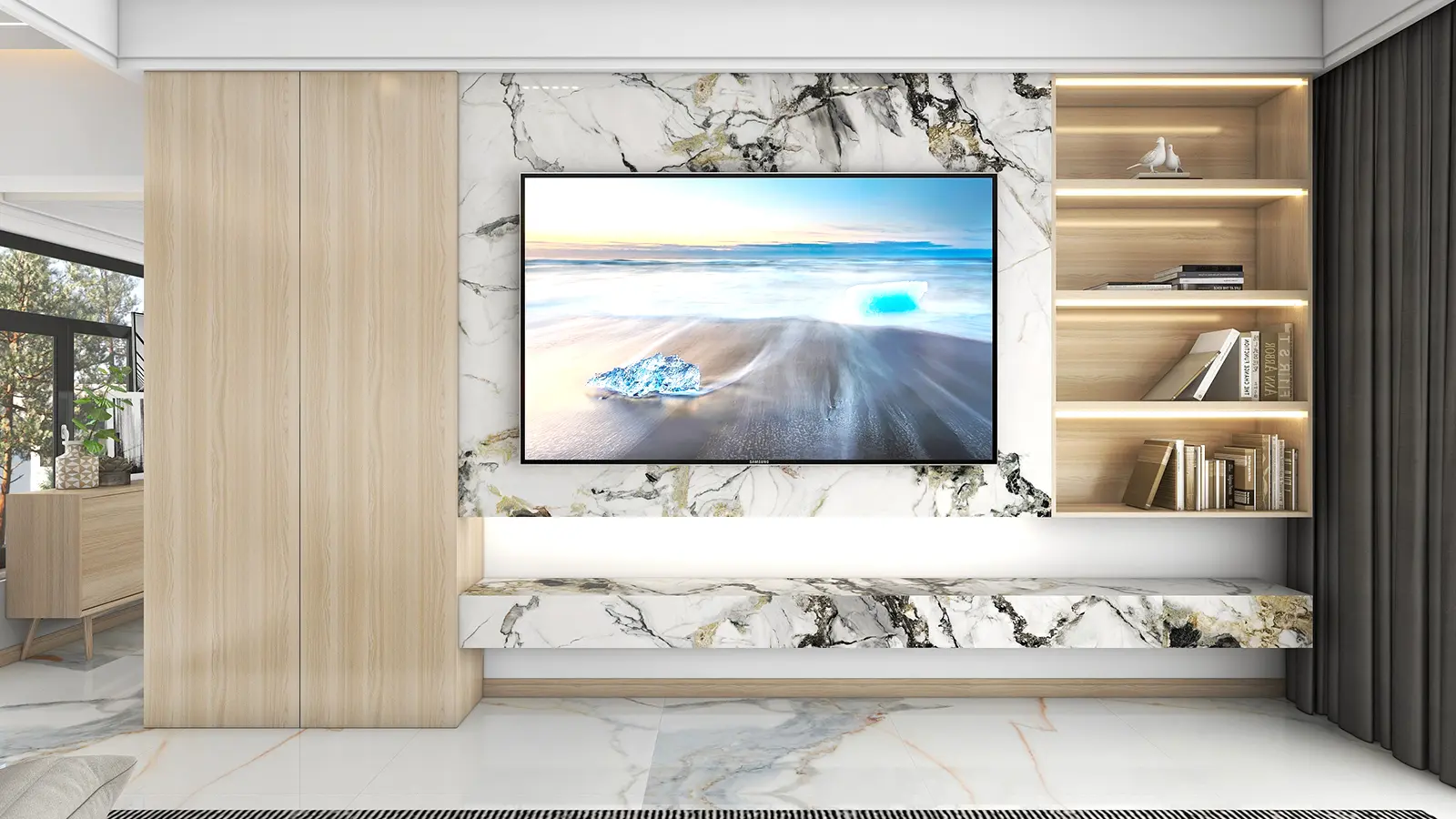
These panels feature advanced surface embossing or lamination to mimic natural wood grains, marble, or stone finishes. They bring warmth and sophistication to interiors while being far easier to maintain.
Highlights:
- Wide range of textures and colors
- Customizable surface patterns
- Adds character to living or commercial spaces
Common Settings: Living rooms, office reception areas, boutiques, and bedrooms.
5. 3D Embossed Panels
3D WPC wall panels are defined by their raised textures and sculptural designs. From geometric patterns to flowing waves, they add visual depth and create strong focal points in any room.
Advantages:
- Unique artistic appeal
- Modern and contemporary aesthetics
- Works with indirect lighting to enhance texture
Applications: Galleries, hotel reception areas, showrooms, or accent walls.
6. Waterproof WPC Panels
These panels have higher plastic content or additional sealing layers, making them fully waterproof. They’re the perfect alternative to tiles in wet or humid spaces.
Key Benefits:
- 100% waterproof and mildew-proof
- Easy to clean and stain resistant
- No swelling or deformation
Ideal Locations: Bathrooms, kitchens, laundry areas, and pool enclosures.
7. Acoustic WPC Panels
Designed with grooves, perforations, or sound-absorbing backings, acoustic panels minimize echo and reverberation while maintaining visual elegance.
Benefits:
- Enhances sound clarity
- Reduces noise transmission
- Blends seamlessly with modern interiors
Applications: Home theaters, conference halls, classrooms, and studios.
8. Fire-Resistant Panels
Fire-rated WPC wall panels comply with international safety standards (often achieving B1 or higher ratings). They are made using flame-retardant materials to slow down ignition and reduce smoke emissions.
Key Features:
- Improved safety performance
- Non-toxic and recyclable
- Ideal for public buildings
Use Cases: Schools, hospitals, airports, and commercial towers.
Choosing the Right Panel Type
Selecting the perfect WPC wall panel depends on three main factors: the installation environment, aesthetic goal, and performance requirements.
For instance:
- Choose waterproof panels for kitchens and bathrooms.
- Pick acoustic panels for meeting rooms or entertainment areas.
- Opt for solid panels in high-traffic zones or outdoor spaces.
- Use decorative or 3D panels when style and visual impact matter most.
Installation & Maintenance Tips
Installing WPC wall panels is straightforward. Panels can be attached using concealed clips, screws, or adhesives depending on the surface type. Always leave expansion gaps (1–2 mm per meter) to accommodate temperature-related movement.
For maintenance, regular cleaning with a damp cloth or mild detergent is enough. Avoid abrasive tools or solvents that may damage the surface coating. When properly installed, WPC wall panels can retain their original look for decades.
Conclusion
WPC wall panels have transformed the way designers and homeowners approach interior and exterior wall finishes. They combine sustainability, aesthetics, and performance in one solution.
Whether it’s solid, hollow, slatted, decorative, 3D, waterproof, acoustic, or fire-resistant, every type serves a unique purpose in modern architecture. Choosing the right WPC wall panel doesn’t just improve the look of your space — it adds long-term value, durability, and environmental integrity.
If you want walls that last a lifetime without compromising beauty, WPC wall panels are the modern answer.
