

The Global Expansion of Acoustic Wood Panels and Why They’ve Become a Top Choice in Modern Interiors
Table of Contents
- Aesthetic Trends Favor Natural, Warm, and Modern Material Choices
- Global Need for Improved Acoustic Comfort
- Sustainability and Eco-Friendly Construction Shape Modern Material Choices
- Widely Used Across Residential, Commercial, and Institutional Settings
- Practical Advantages That Support Their Global Adoption
- Global Supply Chain Growth and Competitive Manufacturing
- Conclusion
In recent years, acoustic wood panels have become one of the most sought-after materials in contemporary interior design. Initially used primarily in specialized architectural projects, they have now entered mainstream residential and commercial markets across the world. Their rise is driven by changing lifestyle patterns, greater demand for acoustic performance, and a global shift toward natural, visually appealing materials.
Today, homeowners, architects, builders, and business owners all recognize the value that acoustic Wood Panels bring—both for improving sound quality and creating warm, modern atmospheres. This article explores the factors behind their worldwide popularity and why the demand continues to grow at a rapid pace.
1. Aesthetic Trends Favor Natural, Warm, and Modern Material Choices
1.1 Contemporary interiors embrace organic textures
Modern global design trends emphasize simplicity, comfort, and a strong connection to natural elements. The preference for warm, calming interiors has led to widespread use of:
- Light wood grains
- Clean vertical or horizontal lines
- Neutral tones
- Soft, understated patterns
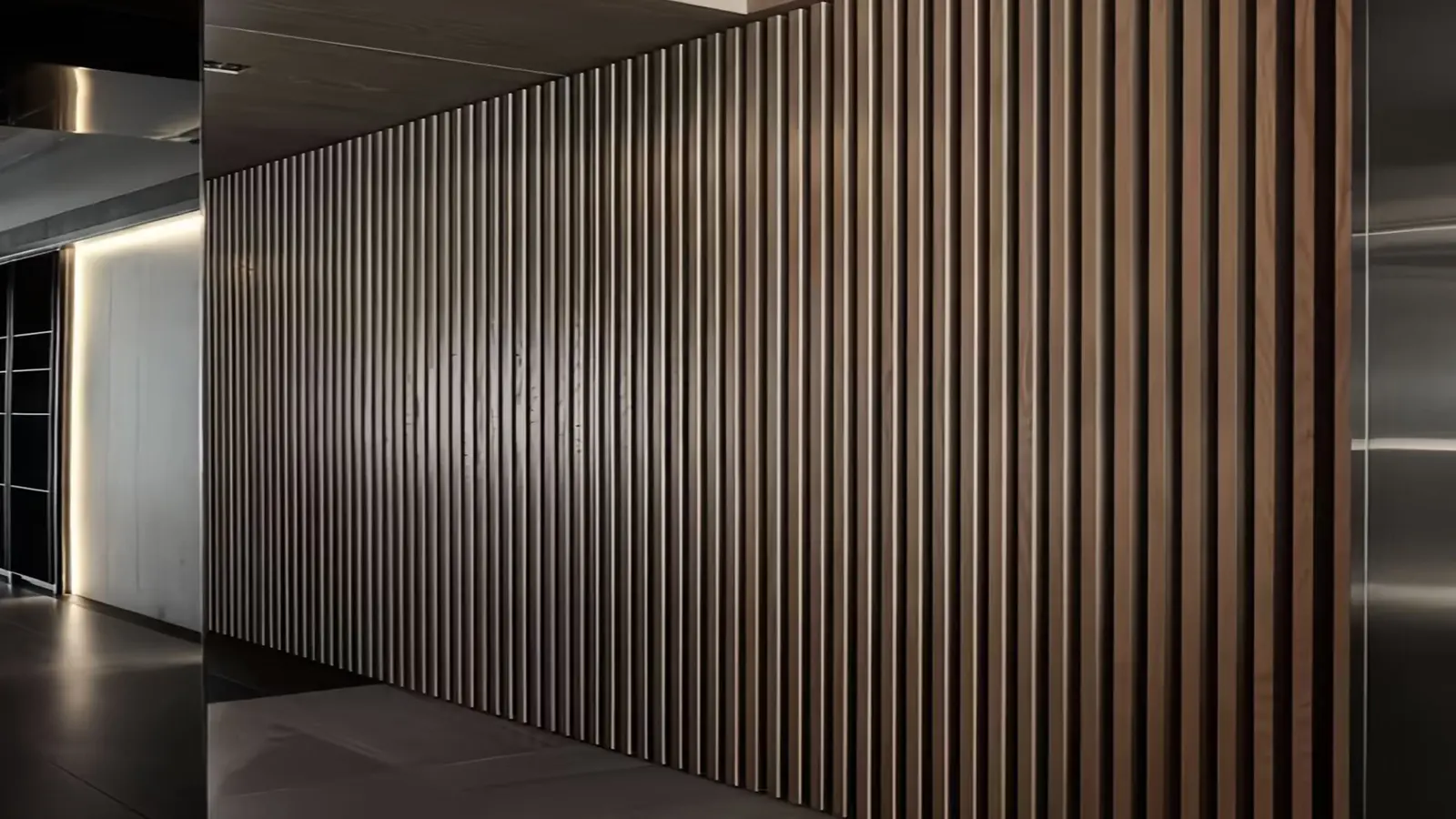
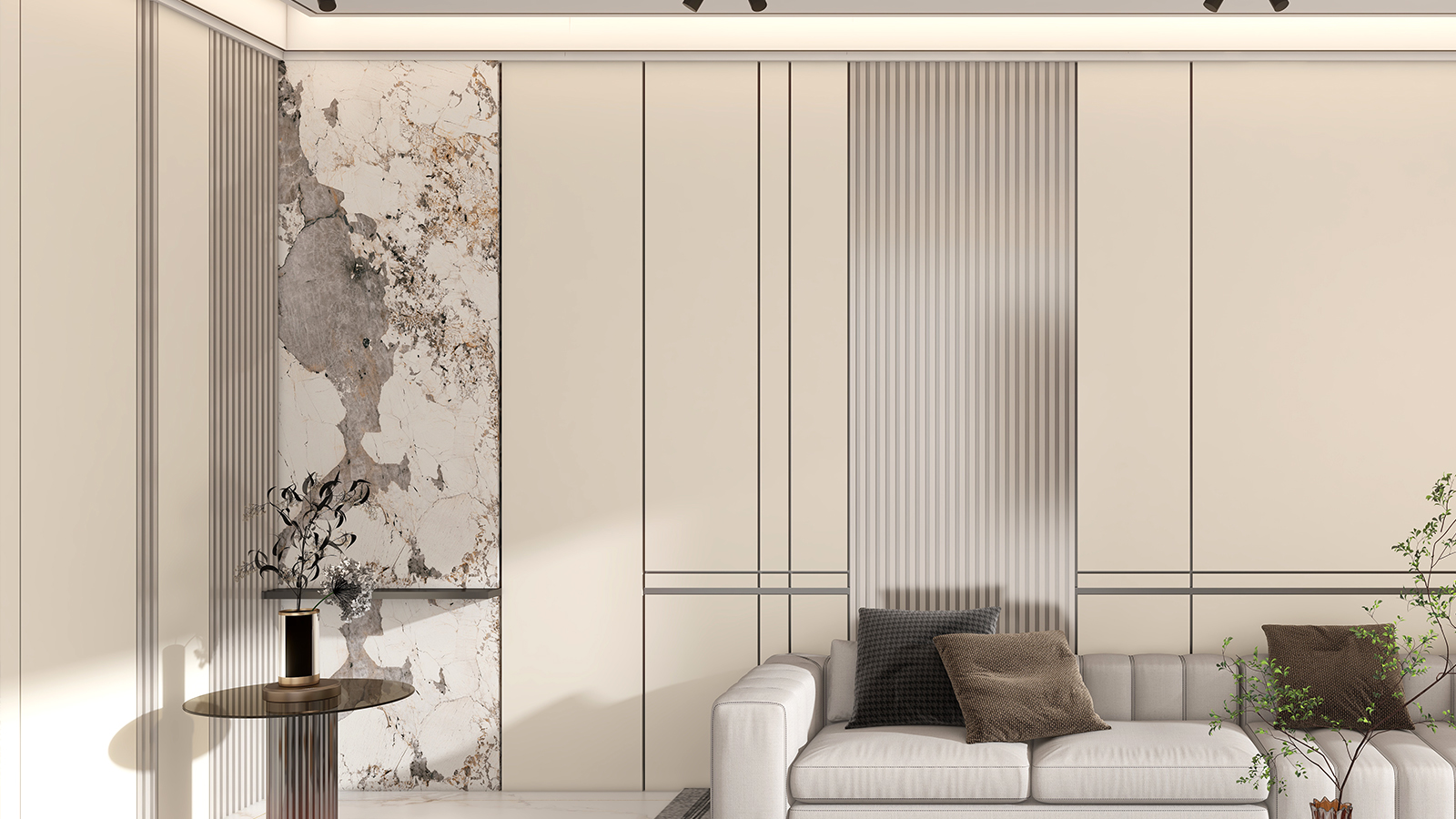
Acoustic wood panels naturally align with these trends, balancing functionality with style. Their slatted patterns bring depth to a wall without overwhelming the room, making them suitable for both minimalist and sophisticated décor schemes.
1.2 Ideal for modern, minimal, and biophilic spaces
Design movements such as Scandinavian minimalism, Japandi, and biophilic design continue to dominate the global market. All of these emphasize:
- Natural textures
- Bright, airy interiors
- Warm wood elements
- Simplicity with purpose
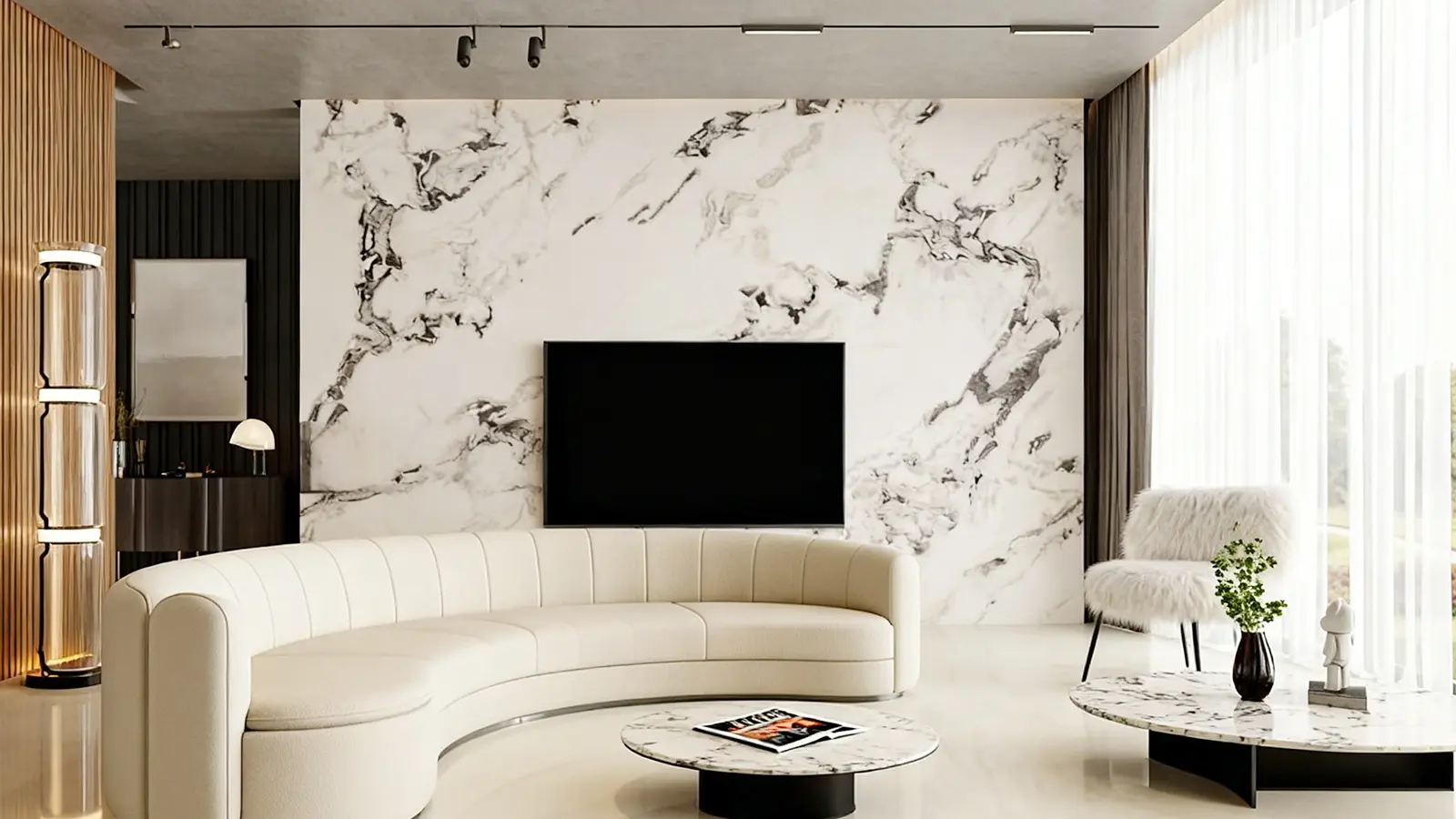
Acoustic wood panels complement these styles perfectly. Their natural appearance softens environments filled with concrete, steel, or glass, creating more harmonious living and working conditions.
1.3 A versatile visual upgrade for any type of building
Because the panels blend well with almost any architectural style, they can be found in:
- Private residences
- Retail environments
- Boutique hotels
- Educational buildings
- Creative workspaces
- Wellness centers
Their visual flexibility is one reason they remain a preferred material for designers worldwide.
2. Global Need for Improved Acoustic Comfort
2.1 Urban living and rising noise challenges
People across many regions now live in denser cities, work in open-plan offices, and spend more time indoors. This creates acoustic issues such as:
- Excessive echo
- Sound reverberation
- Distractions caused by background noise
- Speech clarity problems
Acoustic wood panels offer a practical solution by helping absorb sound waves and improving room acoustics without requiring structural changes.
2.2 Open-plan spaces require better sound management
Open layouts have become standard in new homes, office renovations, and hospitality design. Although visually appealing, open spaces often suffer from:
- Hard reflective surfaces
- Lack of partitions
- High ceilings
- Minimal soft furnishings
These conditions amplify sound problems. Installing acoustic wood panels on feature walls or ceilings is an effective way to restore balance and create more comfortable environments.
2.3 Remote work and digital communication increase acoustic demands
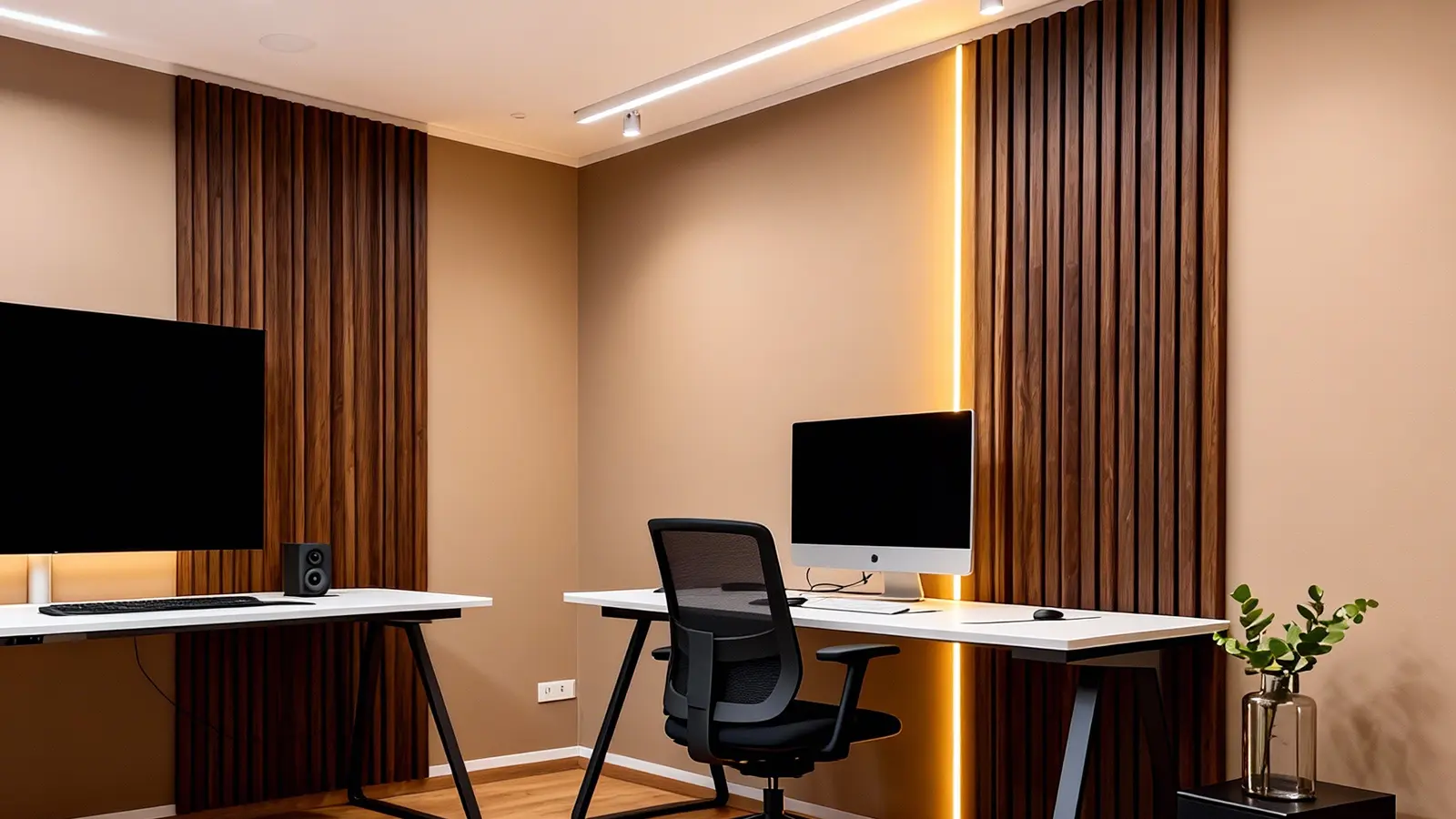
Work-from-home culture has transformed interior priorities worldwide. With daily video calls, online meetings, and home-based workstations, more individuals have become aware of the importance of good acoustics.
Acoustic wood panels help provide:
- Reduced echo for clearer audio
- Professional backgrounds for video calls
- Better focus and concentration
- A visually appealing workspace environment
Because of these benefits, many homeowners incorporate them into home offices, study areas, or media rooms.
3. Sustainability and Eco-Friendly Construction Shape Modern Material Choices
3.1 Market demand for environmentally responsible materials
Consumers and builders around the globe increasingly prefer materials that support sustainability. Acoustic panels often meet these requirements through:
- Recycled PET felt backing
- FSC-certified wood veneers
- Low-formaldehyde boards
- Reduced-impact production processes
This makes them a natural fit for projects aiming for eco-conscious design.
3.2 Compatibility with green building certifications
Projects pursuing certifications like WELL, LEED, BREEAM, or regional sustainability standards often incorporate acoustic materials to meet acoustic comfort and indoor air quality requirements.
Acoustic wood panels contribute by offering:
- Low VOC emissions
- High acoustic performance ratings
- Recycled or recyclable components
- Natural finishes that enhance interior well-being
Their compatibility with sustainable building goals significantly boosts their global demand.
3.3 Long product lifespan reduces material waste
Durability is another factor contributing to sustainable design. Acoustic wood panels are known for their long service life, meaning fewer replacements and less environmental impact over time.
4. Widely Used Across Residential, Commercial, and Institutional Settings
4.1 Growing popularity in residential design
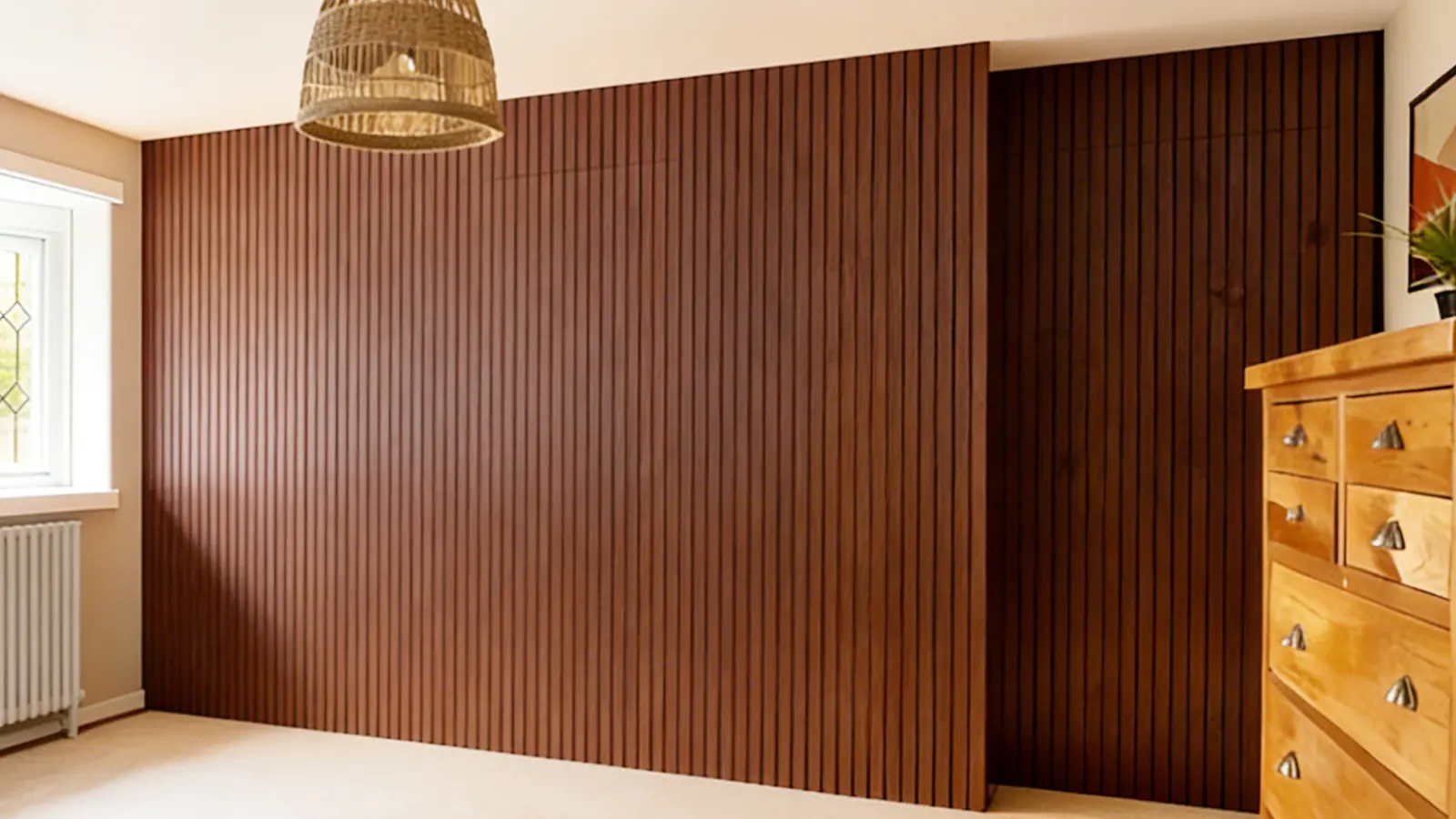
Homeowners are using acoustic wood panels to upgrade both the atmosphere and acoustic performance of their living spaces. Common residential applications include:
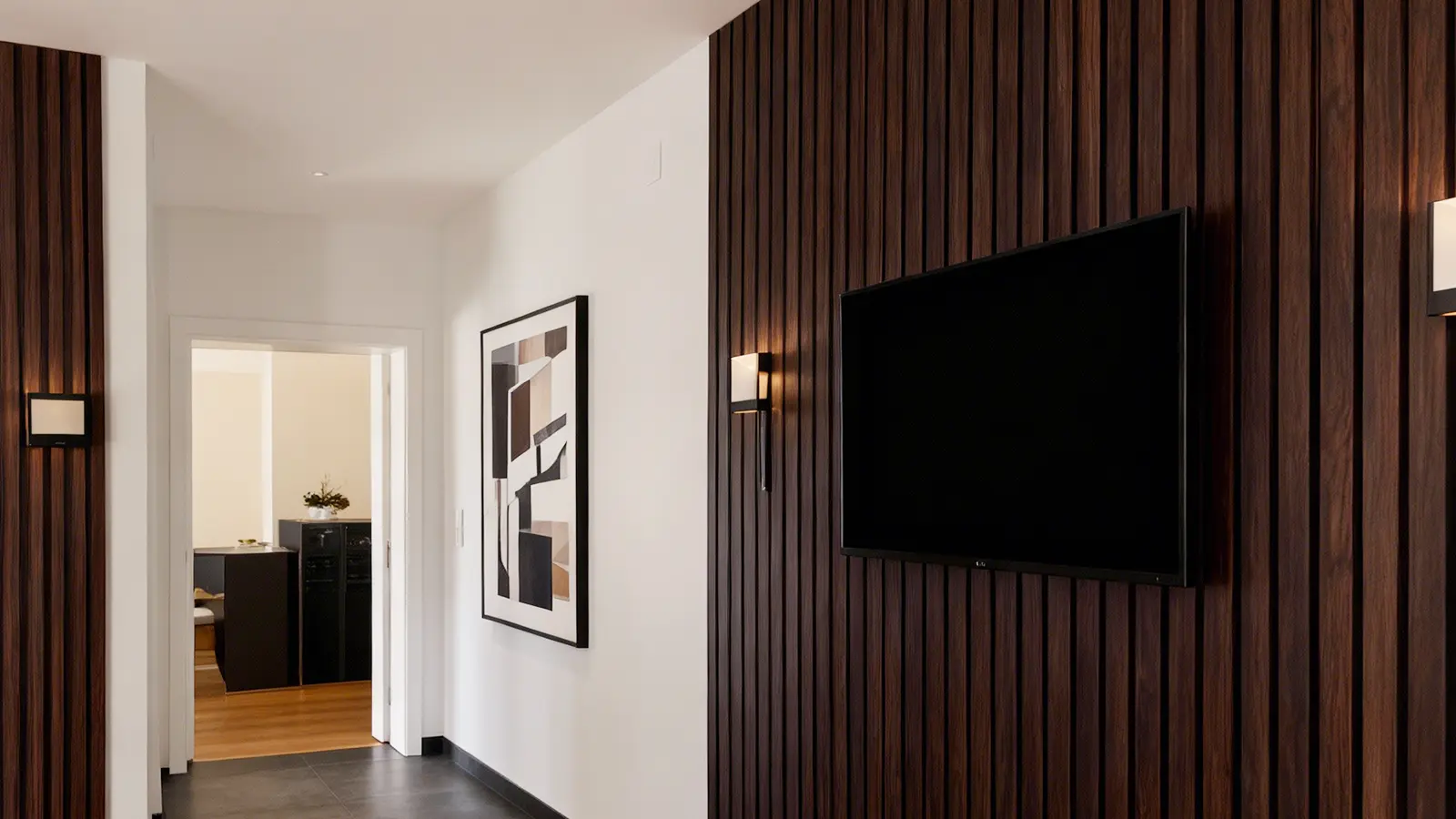
- Living room feature walls
- Bedrooms
- Hallways
- Media rooms
- Kitchen dining areas
- Multi-purpose home offices
The panels help even small spaces feel more comfortable and visually appealing.
5. Practical Advantages That Support Their Global Adoption
5.1 Straightforward installation
Installers and renovation contractors often favor materials that are easy to work with. Acoustic wood panels are:
- Simple to cut using common tools
- Compatible with standard mounting methods
- Suitable for both walls and ceilings
- Lightweight enough for quick installation
This ease of use accelerates project timelines and reduces labor costs.
5.2 Low maintenance and long-term durability
Unlike raw wood, acoustic wood panels typically have protective surfaces that resist:
- Daily wear
- Scratches
- Moisture exposure
- Fading
They remain attractive for years with minimal maintenance, making them ideal for both high-traffic commercial areas and residential spaces.
6. Global Supply Chain Growth and Competitive Manufacturing
6.1 Modern production technology enables better quality
Manufacturers today use advanced machinery for precise cutting, consistent slat alignment, and high-quality veneer application. This ensures panels not only perform well but also meet modern aesthetic expectations.
Conclusion
Acoustic wood panels have evolved from a specialist material into a globally popular design solution that elevates sound performance and enriches interior environments. Their warm appearance, practical benefits, sustainability credentials, and broad versatility make them suitable for virtually any type of space—from homes and offices to hospitality venues and public buildings. As global design trends continue to move toward natural materials, improved acoustics, and environmentally responsible choices, acoustic wood panels are well-positioned to remain one of the most influential interior materials for years to come.
