

The Art of Silence: How Wood Strip Acoustic Panels Reshape the Sound and Aesthetics of Space
The Art of Silence: How Wood Strip Acoustic Panels Reshape the Sound and Aesthetics of Space
In the hustle and bustle of modern life, our pursuit of space has long transcended mere visual beauty, delving deeper into auditory comfort and peace of mind. Whether in a busy office, a bustling school, an elegant concert hall, or even our cozy homes, noise pollution has become a significant issue. It is precisely in this desire for "tranquility" that slat wood acoustic panels, a building material that perfectly combines function and form, are quietly leading a revolution in spatial design.
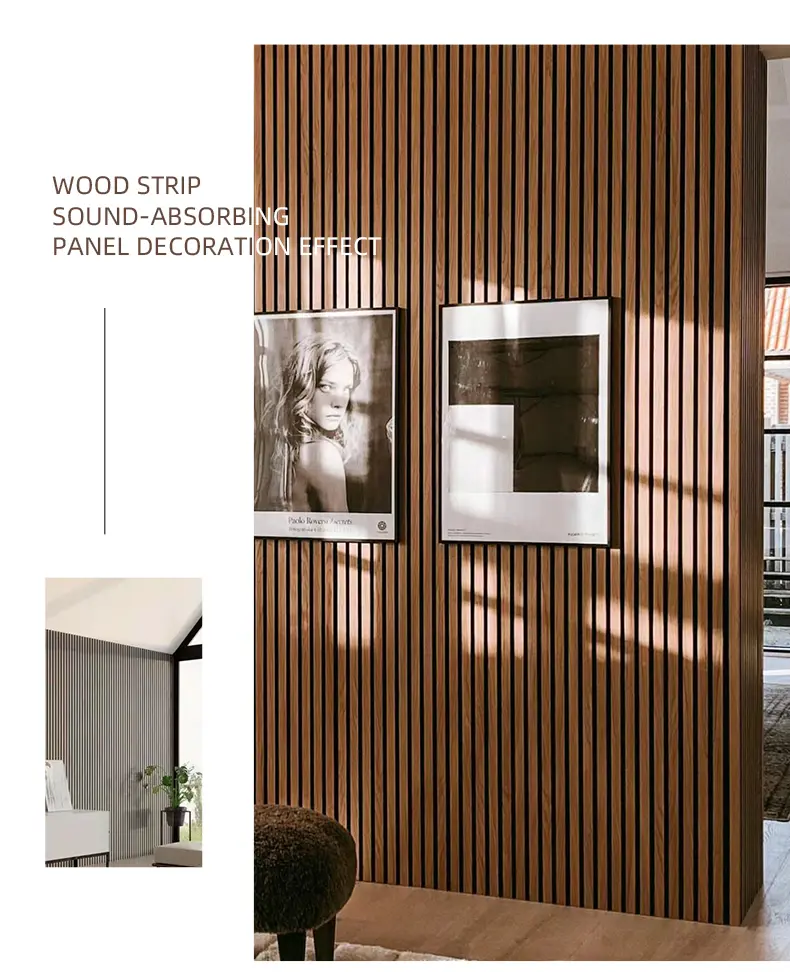
No longer just ordinary sound-absorbing cotton hidden deep within a suspended ceiling, they have become vibrant, vibrant features on the walls, creating a premium environment of "audible tranquility" through natural language and scientific structure.
- More Than Just "Wood": Exploring the Scientific Core of Wood Strip Acoustic Panels
Many people, upon first hearing the term "wood strip acoustic panel," mistakenly believe it's simply a combination of solid wood strips. In reality, it's a sophisticated "sandwich" composite structure, with each layer carrying a vital role.
1. Surface: Decorative Wood Strips
This is the part that comes into direct contact with our senses of sight and touch. It's typically made of natural solid wood veneer (such as oak, walnut, maple, etc.) or high-quality engineered veneer, attached to a high-density base material to create beautiful strips. Its characteristics include:
✅ Precise Gaps: Precisely calculated gaps are left between the strips, creating the "gateway" for sound to enter the sound-absorbing core.
✅ Various Options: A variety of woods, colors, sizes, and finishes (varnish, open lacquer, wood wax, etc.) are available to meet diverse decorating needs.
2. Core: Sound-Absorbing Material Layer
This is the "soul" of the product. Sound passes through the gaps between the strips and directly impacts the sound-absorbing material behind them. Commonly used sound-absorbing materials include:
✅ High-density glass wool: This is the most common and effective choice. Its interior is filled with countless interconnected micropores. When sound waves enter, they cause friction between air molecules and fibers within these pores, converting sound energy into heat and achieving highly effective sound absorption.
✅ Polyester fiber sound-absorbing cotton: An environmentally friendly, recyclable option with a superior feel, particularly suitable for locations with stringent indoor air quality requirements, such as schools and hospitals.
✅ Rockwool: Offers excellent fire resistance and sound absorption properties.
3. Backing: Support and dustproof layer
Behind the sound-absorbing material, there is usually a layer of non-woven fabric or specialized backing paper. This prevents the fibers from falling off while also providing a certain degree of ventilation, ensuring that sound absorption performance is not compromised.
The ingenious combination of these three elements underlies the scientific principle behind the "unsophisticated" design of acoustic slat wood panels: they retain the natural beauty of wood while achieving superior acoustic performance through the high-tech materials behind them.
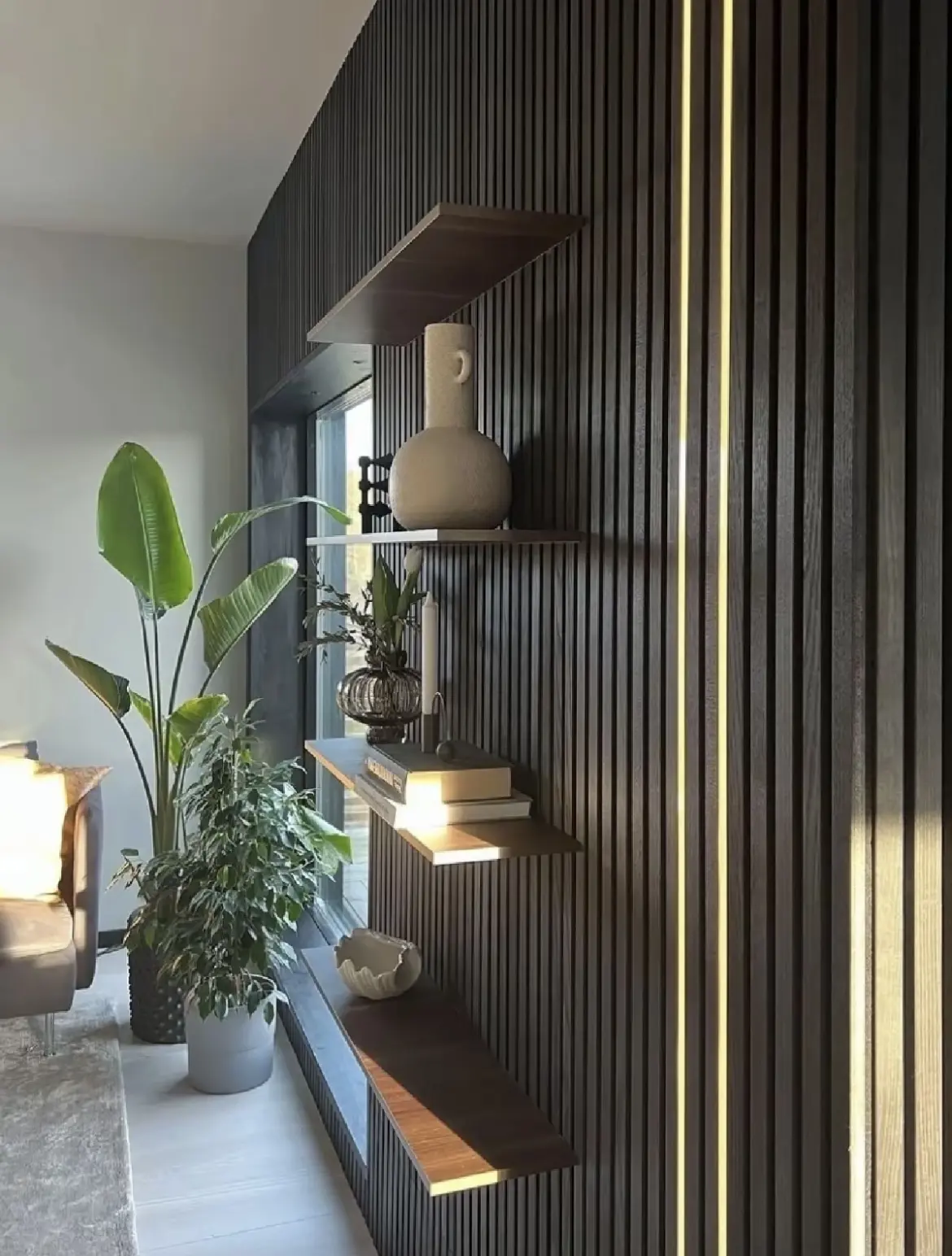
- Functional Decoding: Why is it such a powerful tool for reducing spatial noise?
The core function of premium reclaimed wood acoustic panels is to control reverberation noise and improve speech clarity. Their working principle is primarily based on the "sound absorption principle of porous materials."
✅ Reducing Reverberation Time: In open spaces with many hard surfaces (such as conference rooms and auditoriums), sound reflects repeatedly, creating lingering echoes that can make it difficult to hear. Wood slat acoustic panels absorb much of this reflected sound, significantly shortening reverberation time and ensuring the speaker's voice is clearly intelligible, avoiding awkward situations where the speaker is speaking at cross purposes.
✅ Controlling Ambient Noise: In open offices, the clatter of keyboards, conversations, and phone calls can intermingle and create distracting background noise. Wall- or ceiling-mounted acoustic panels effectively absorb these mid- and high-frequency noises, creating a focused and productive work environment.
✅ Improving Sound Privacy: By absorbing most reflected sound, they reduce the propagation of sound throughout the space, making conversations in adjacent workstations or rooms less easily inaudible and protecting personal privacy.
It's worth noting that melamine acoustic panels primarily absorb mid- and high-frequency sounds (such as human voices and telephone ringing). Low-frequency noise (such as air conditioner unit vibrations) requires specialized low-frequency traps and other structures.
- Aesthetic Empowerment: From Functional Component to Spatial Sculpture

If its superior sound absorption performance is its "hard strength," its powerful decorative aesthetic is its irreplaceable "soft strength."
✅ Natural Warmth: Wood's inherent warmth and rusticity are unmatched by cold materials like metal and glass. It instantly softens a cold space, infusing it with a humanistic and welcoming atmosphere.
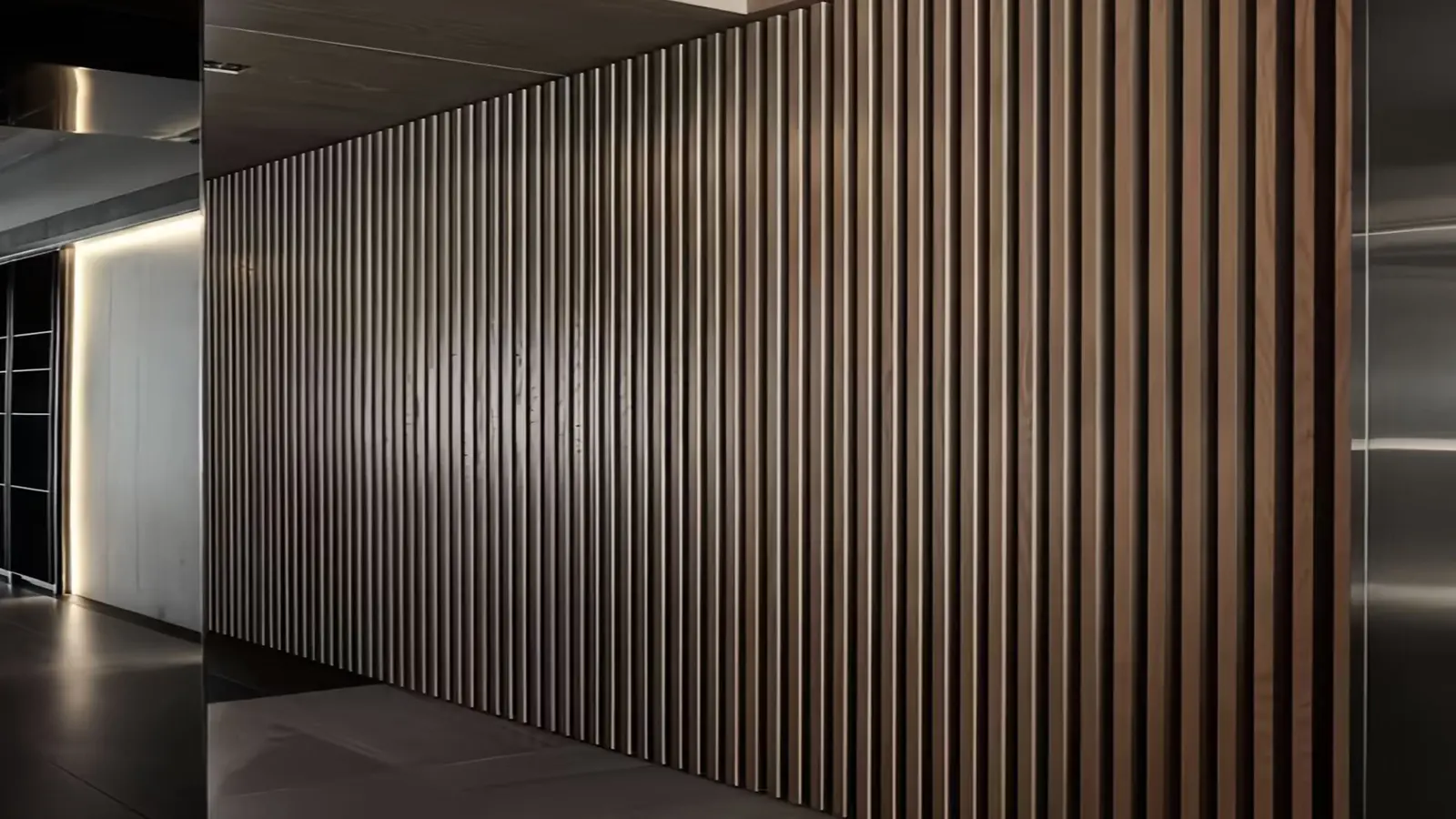
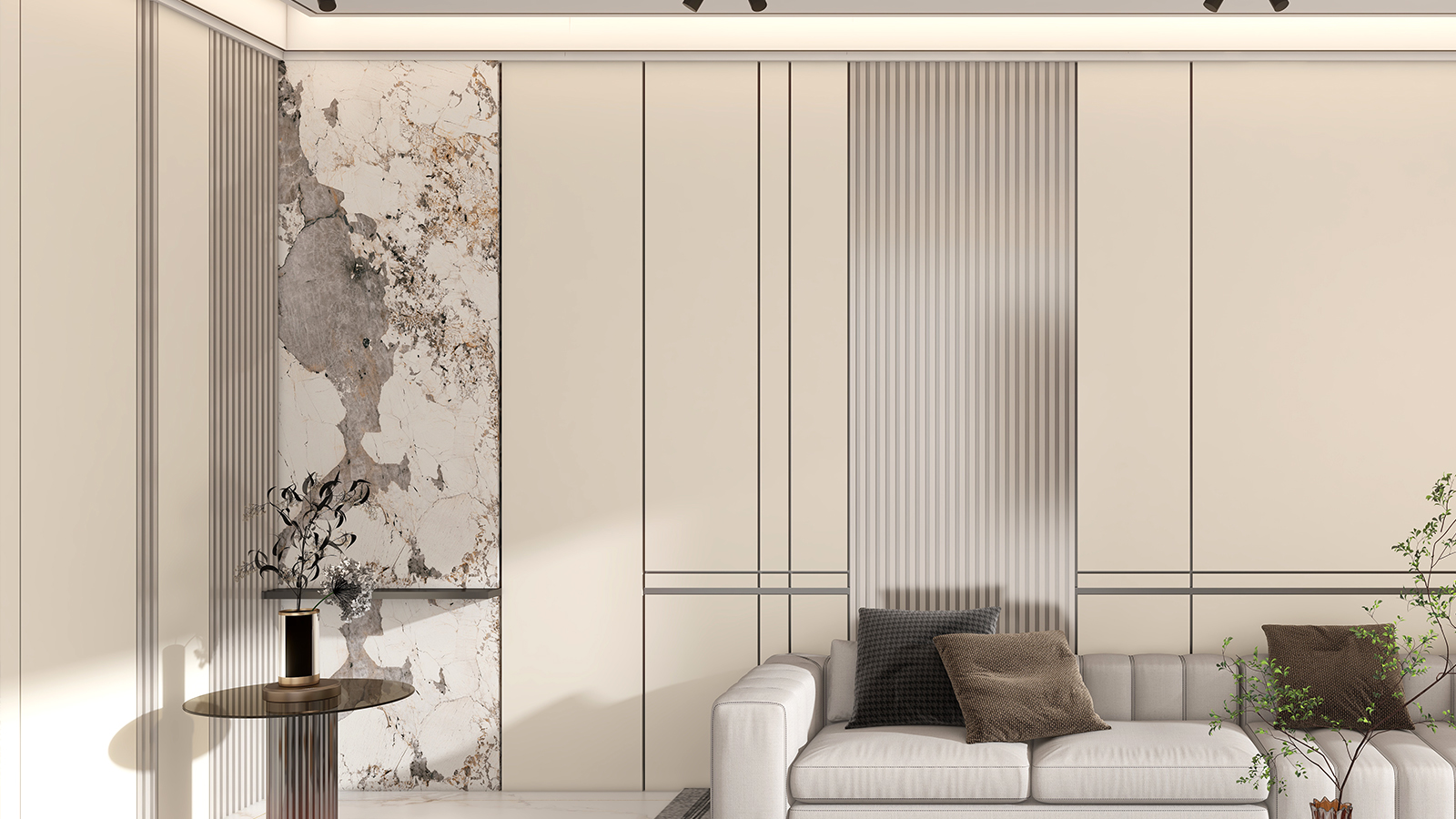
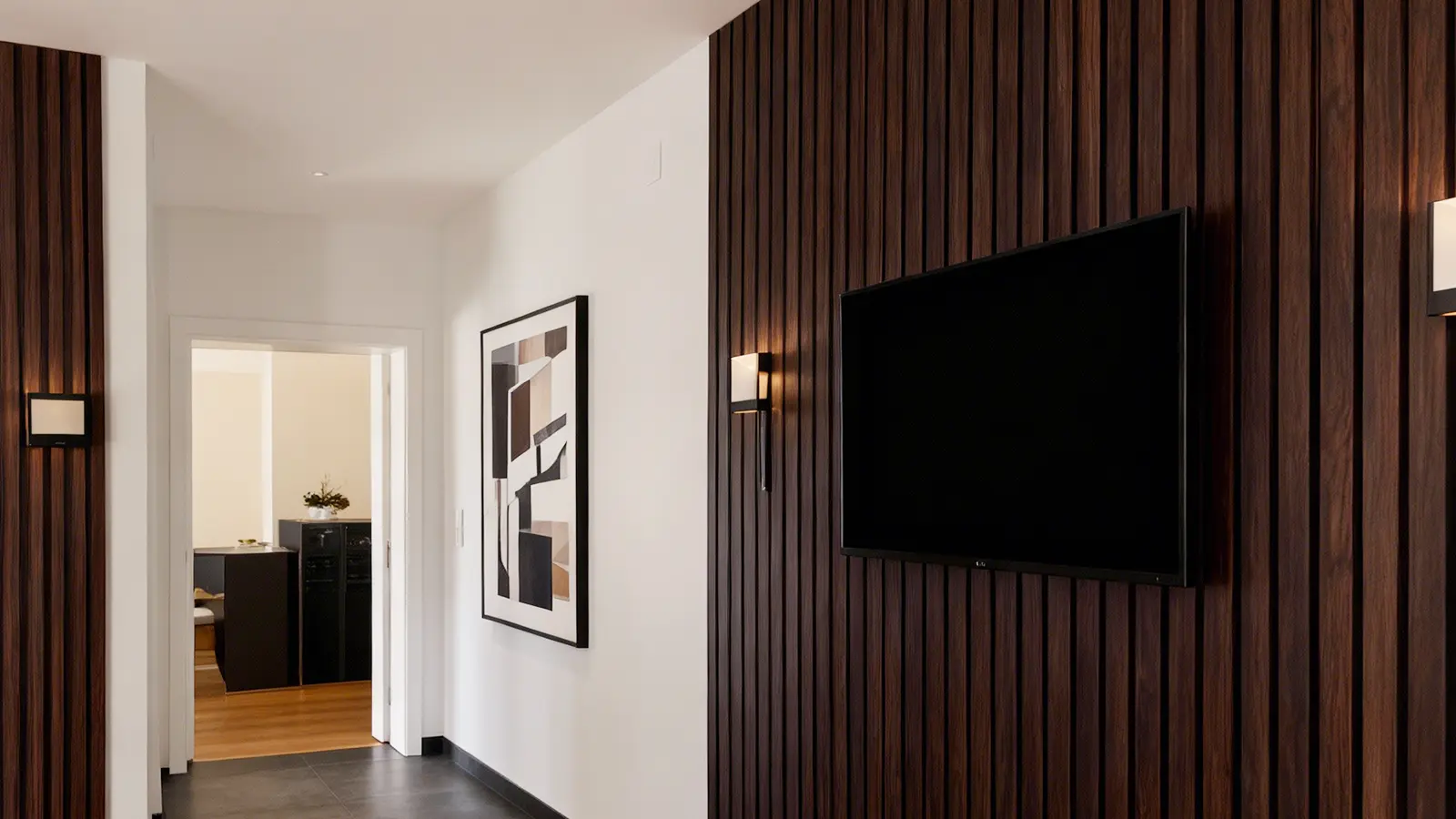
✅ Rhythm of Order: The repetitive arrangement of wood strips creates a strong sense of rhythm and extension on the wall, creating a strikingly modern design. It guides the eye and stretches the spatial dimension. Whether arranged horizontally, vertically, or diagonally, it creates a unique visual tension.
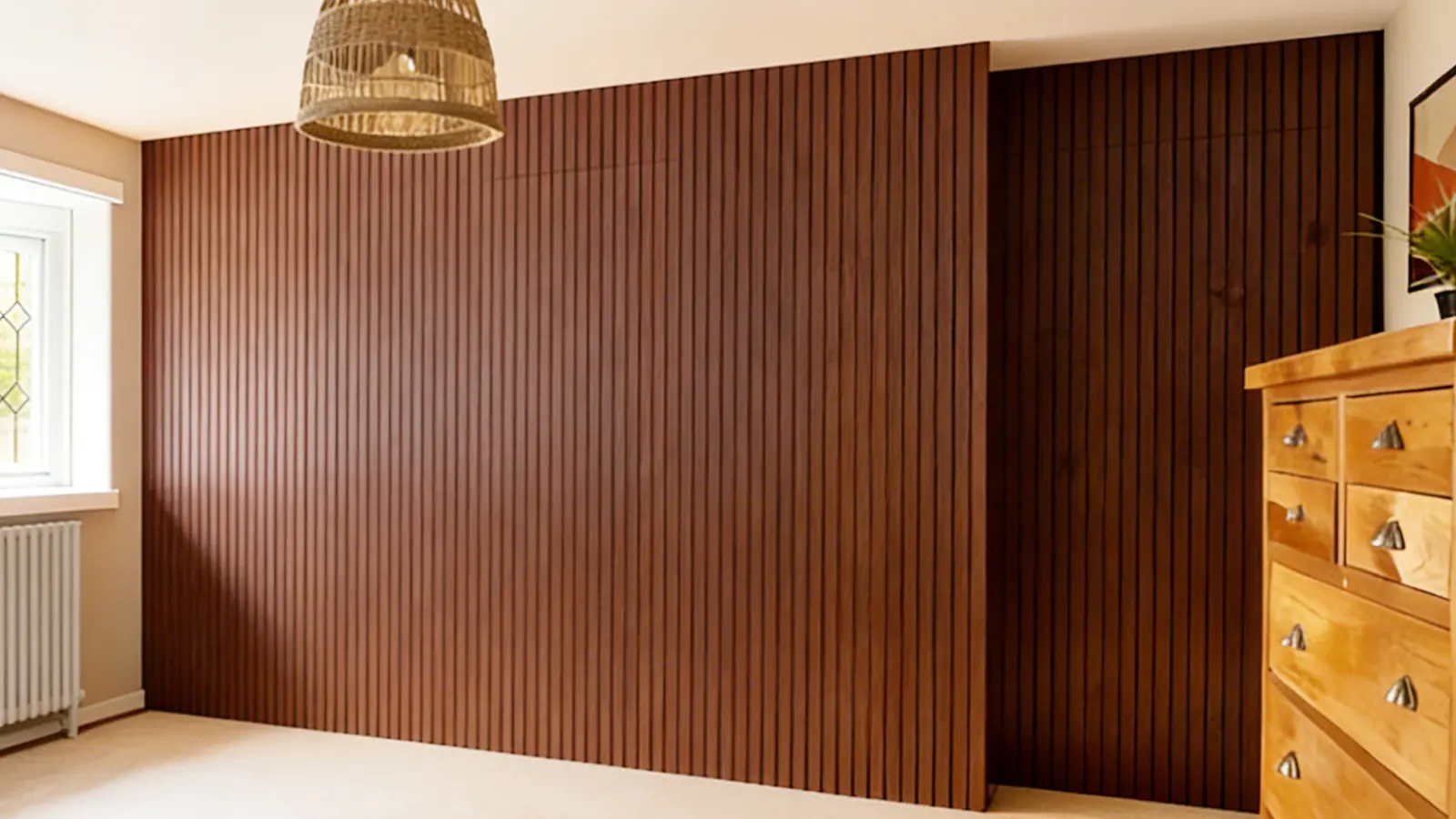
✅ Flexible Customization: The width, thickness, spacing, color, and even the arrangement of the wood strips can be customized to meet design requirements. It can be a complete backdrop, a space divider, or even wrap around columns or create curved surfaces, allowing designers to unleash their creative potential.
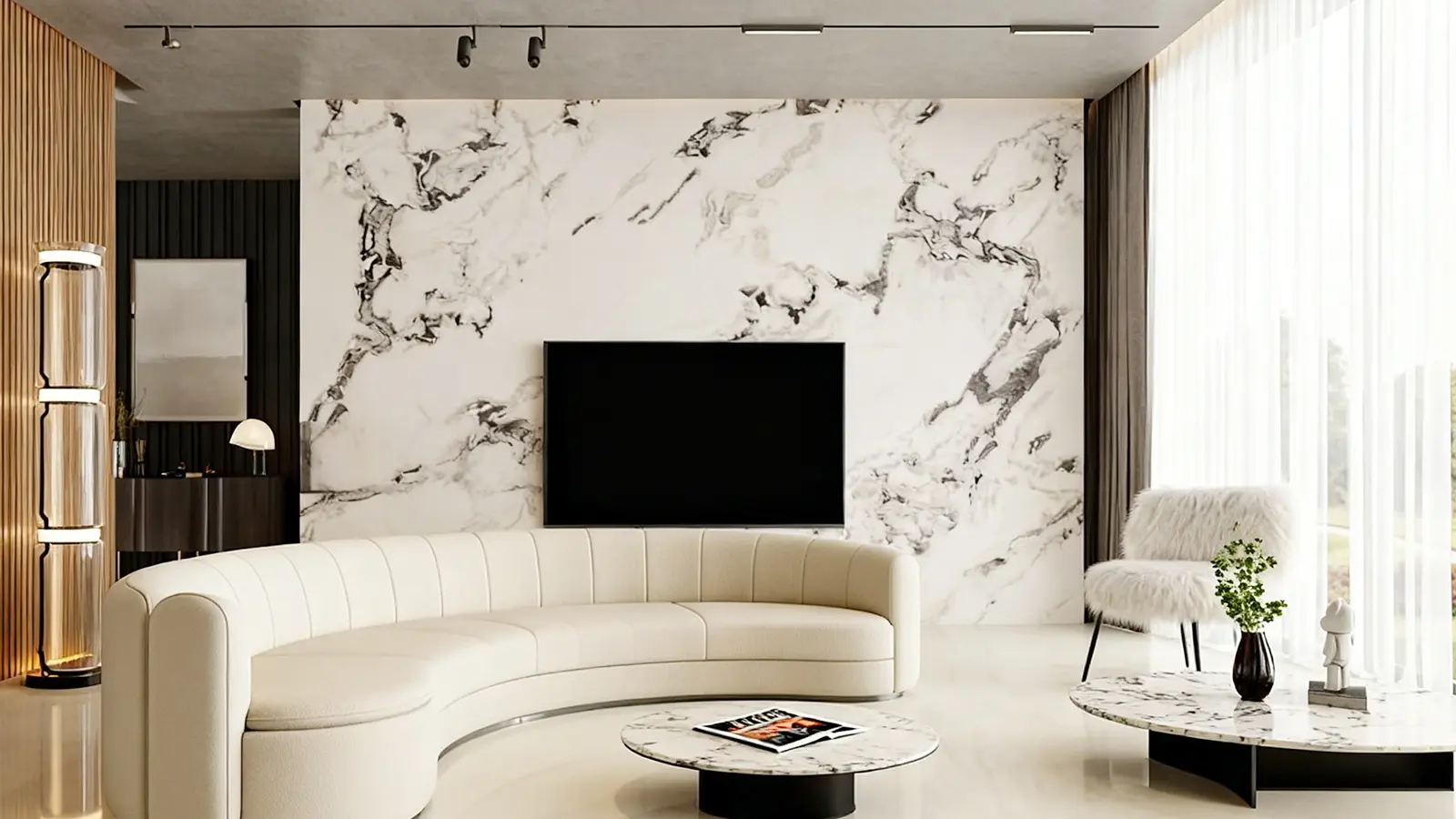
✅ Style Compatibility: Whether it's a B&B or hotel embracing a natural, log-like aesthetic, a modern office emphasizing efficiency and order, or a library or theater requiring a tranquil atmosphere, wooden strip acoustic panels blend seamlessly into any space and become the finishing touch to enhance its style.
- Application Scenarios: Where is this "wall of silence" needed?
The dual acoustic and aesthetic properties of this panel lend themselves to a wide range of applications:
Commercial Office Spaces:
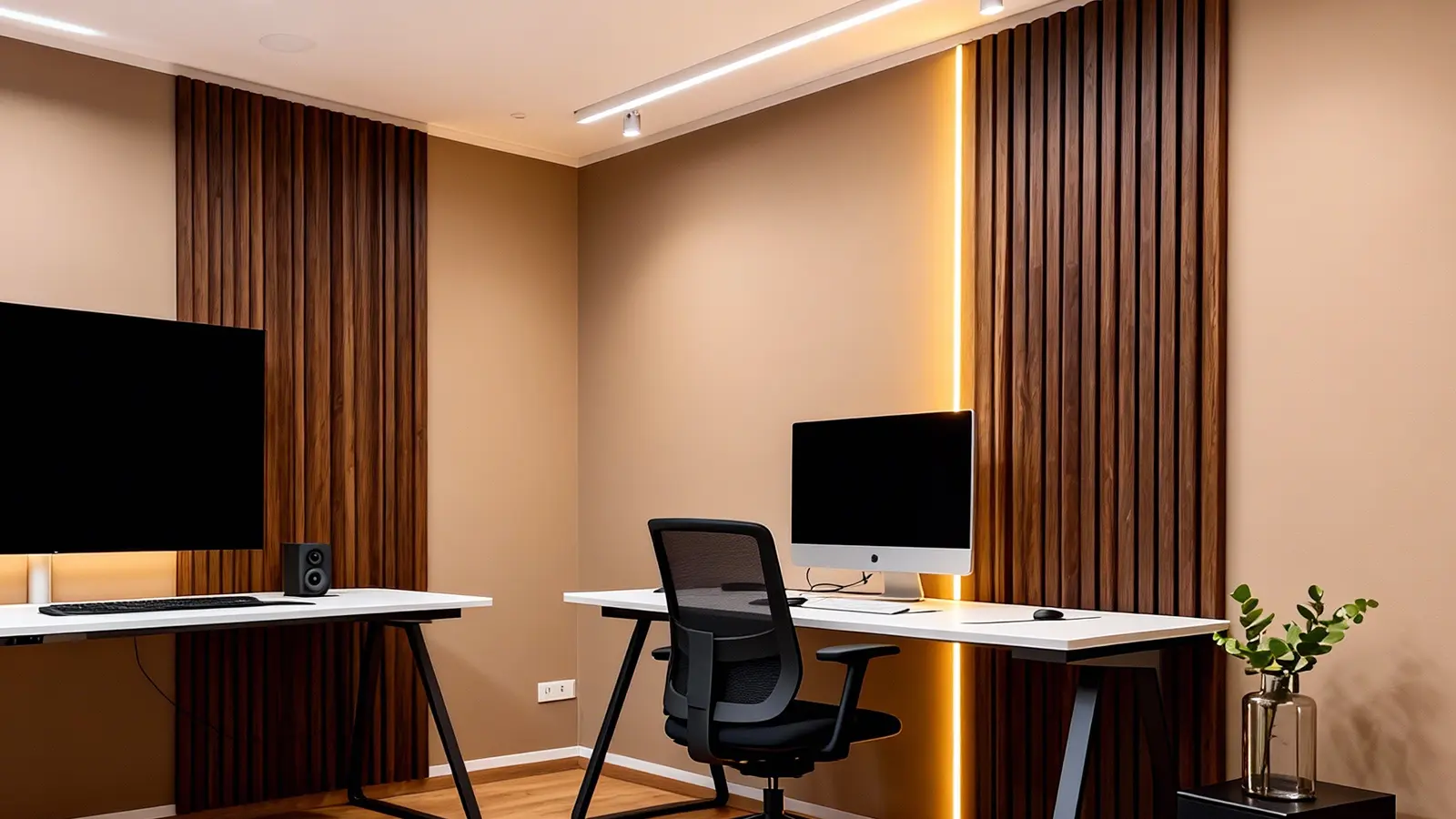
✅ Open Offices: Installed on workstation partitions, core walls, and conference rooms, it effectively suppresses noise and enhances concentration.
✅ Conference Rooms/Lecture Halls: Ensures clear speech, avoids echo interference, and improves communication efficiency.
Educational and Cultural Institutions:
✅ School Classrooms: Reduces room reverberation, protects teachers' voices, and enhances student listening quality.
✅ Libraries/Museums: Creates an absolutely quiet environment for reading and viewing exhibitions.
✅ Concert Halls/Theaters: Used as Wall Decoration, they help adjust the indoor acoustics and ensure pure sound quality.
Commercial and Leisure Spaces:
✅ Restaurants/Cafés: Reduce noise levels and create a comfortable environment for conversation.
✅ Hotels/B&Bs: Used in lobbies, corridors, and guest rooms, they enhance the quality and tranquility of the space.
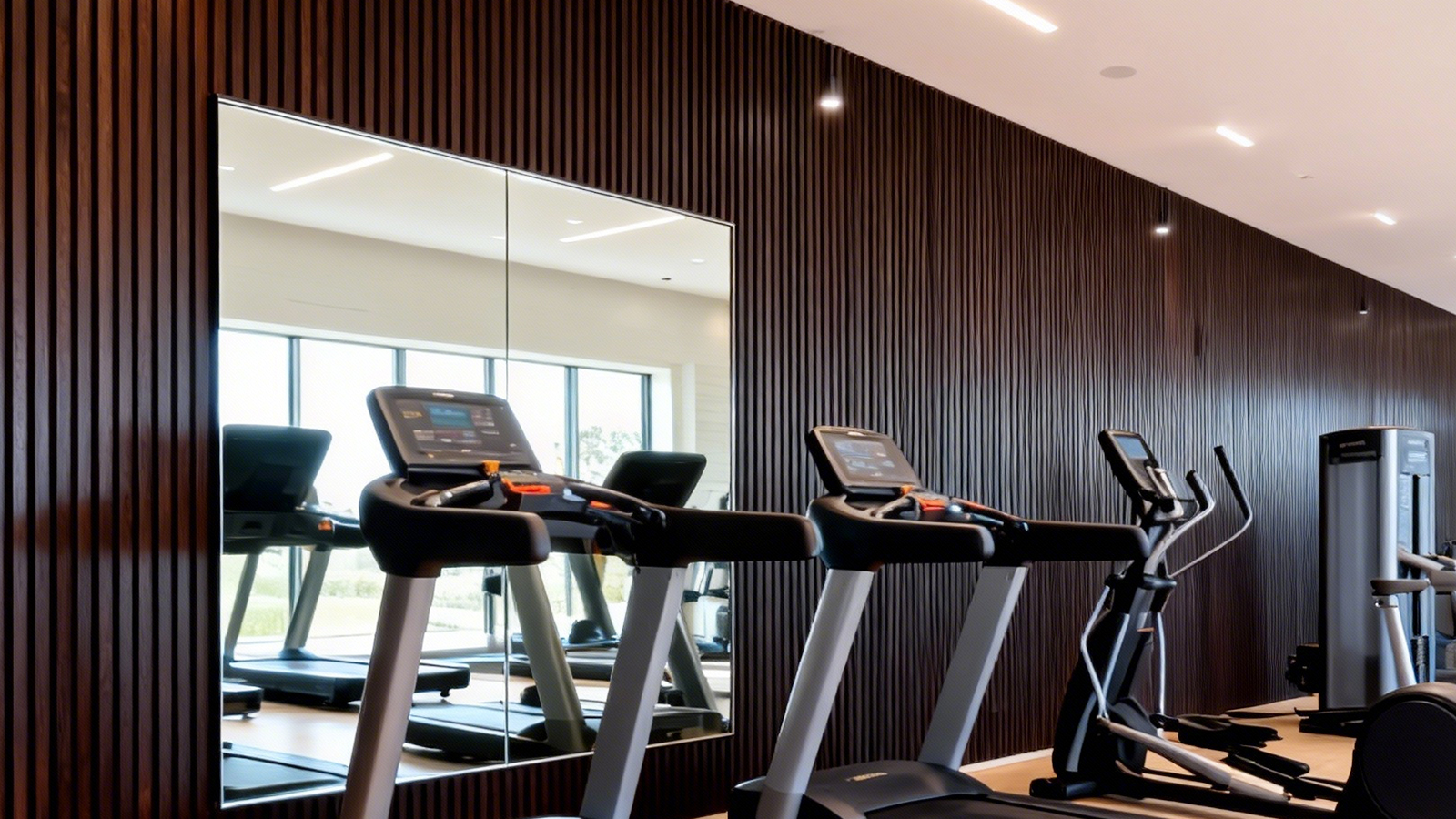
✅ Gyms/Yoga Studios: Absorb noise from equipment, creating a relaxing and focused atmosphere for exercise.
Medical Spaces:
✅ Hospital Lobbies and Clinics: Create a peaceful and soothing environment for patients and medical staff.

- Selection and Installation: Key Steps to a Tranquil Space
Choosing the right acoustic wood panels and installing them correctly are crucial for ensuring the ultimate effect.
How to Choose?
✅ Fire Rating: For public spaces, select products that meet national fire rating standards (e.g., Class B1).
✅ Environmental Performance: Pay attention to the product's formaldehyde emissions (e.g., Class E0) and the safety of the adhesive.
✅ Aesthetic Matching: Choose the wood species, color, and joint pattern based on the overall design style.
Installation Method
✅ Adhesive Method: Suitable for flat base wall surfaces, such as gypsum board or putty walls.
✅ Stud Installation (Recommended): First, construct a light steel or wooden stud on the wall, then secure the sound-absorbing panels to the stud. This method facilitates level adjustment and, more importantly, creates a cavity between the panel and the wall. This cavity effect significantly enhances absorption of mid- and low-frequency sounds, making it the optimal installation method for optimal performance.
- Conclusion: Defining a serene tranquility amidst the clamor
Acoustic wooden wall panels are more than just a building material; they embody a philosophy of life. They teach us that functional solutions don't have to sacrifice aesthetics, and that pursuing tranquility doesn't require isolation from nature.
Utilizing scientific precision, they capture the natural warmth of wood; their clean lines outline the tranquil contours of a space. Amidst the pervasive noise, they create a "sound oasis" where we can breathe freely and focus our thoughts. Choosing wooden strip sound-absorbing panels means choosing a better, healthier and more aesthetic lifestyle, allowing you to listen to tranquility in every corner of the space.