
The Advantages of WPC Wall Panels: A Comprehensive B2B Guide
Table of Contents
- Growing Global Demand for Smarter, Sustainable Wall Materials
- Understanding the Material Science Behind WPC
- Different Types of WPC Wall Panel Systems
- Performance Benefits That Make WPC a Global Favorite
- Aesthetic Flexibility for Designers and Developers
- Installation Benefits that Accelerate Project Timelines
- Economic and Environmental Advantages for Global Buyers
- Conclusion: A Smart Choice for Today’s Construction Market
1. Growing Global Demand for Smarter, Sustainable Wall Materials
Across global construction, renovation, and interior design markets, buyers are increasingly prioritizing solutions that combine sustainability, fast installation, long-term reliability, and attractive aesthetics. Developers and contractors face intense pressure to deliver projects more quickly, maintain consistent quality standards, and minimize lifetime maintenance costs. This shift has pushed Wood Plastic Composite (WPC) wall panels into the spotlight as an advanced wall-cladding material that meets modern project requirements in a way traditional wood, MDF, or gypsum boards simply cannot.
For wholesalers, importers, and engineering firms, WPC Wall Panels represent not just a decorative product but a practical system that integrates performance, environmental responsibility, and market demand. As WPC technology has matured, the panels have evolved into a diverse product family that serves residential interiors, commercial developments, hospitality projects, and outdoor façade installations.
2. Understanding the Material Science Behind WPC
WPC wall panels are produced through an extrusion process that mixes wood fiber, HDPE or PVC resin, and a carefully balanced combination of impact modifiers, UV absorbers, waterproofing agents, and flame-retardant additives. This controlled formulation results in a hybrid material that retains the natural warmth of wood while providing the durability of plastic.
Key Material Advantages
The composition of WPC creates a range of beneficial properties:
- Dimensional stability under temperature fluctuations
- Minimal water absorption, preventing swelling or warping
- Resistance to termites, insects, and microbial growth
- Long service life, generally ranging from 15 to 30 years depending on grade
- Compatibility with a variety of environmental conditions, from humidity to heat
- Wood-like appearance without the weaknesses of natural wood
Compared with MDF, plywood, or timber, WPC requires no surface sealing, does not expand with moisture, and maintains its surface finish far longer. These advantages extend its usability into applications that were once considered high-risk for decorative wall materials.
3. Different Types of WPC Wall Panel Systems
Modern WPC manufacturing has diversified beyond simple flat sheets into numerous profiles and formats, enabling flexible application across multiple design concepts.
Common WPC Categories
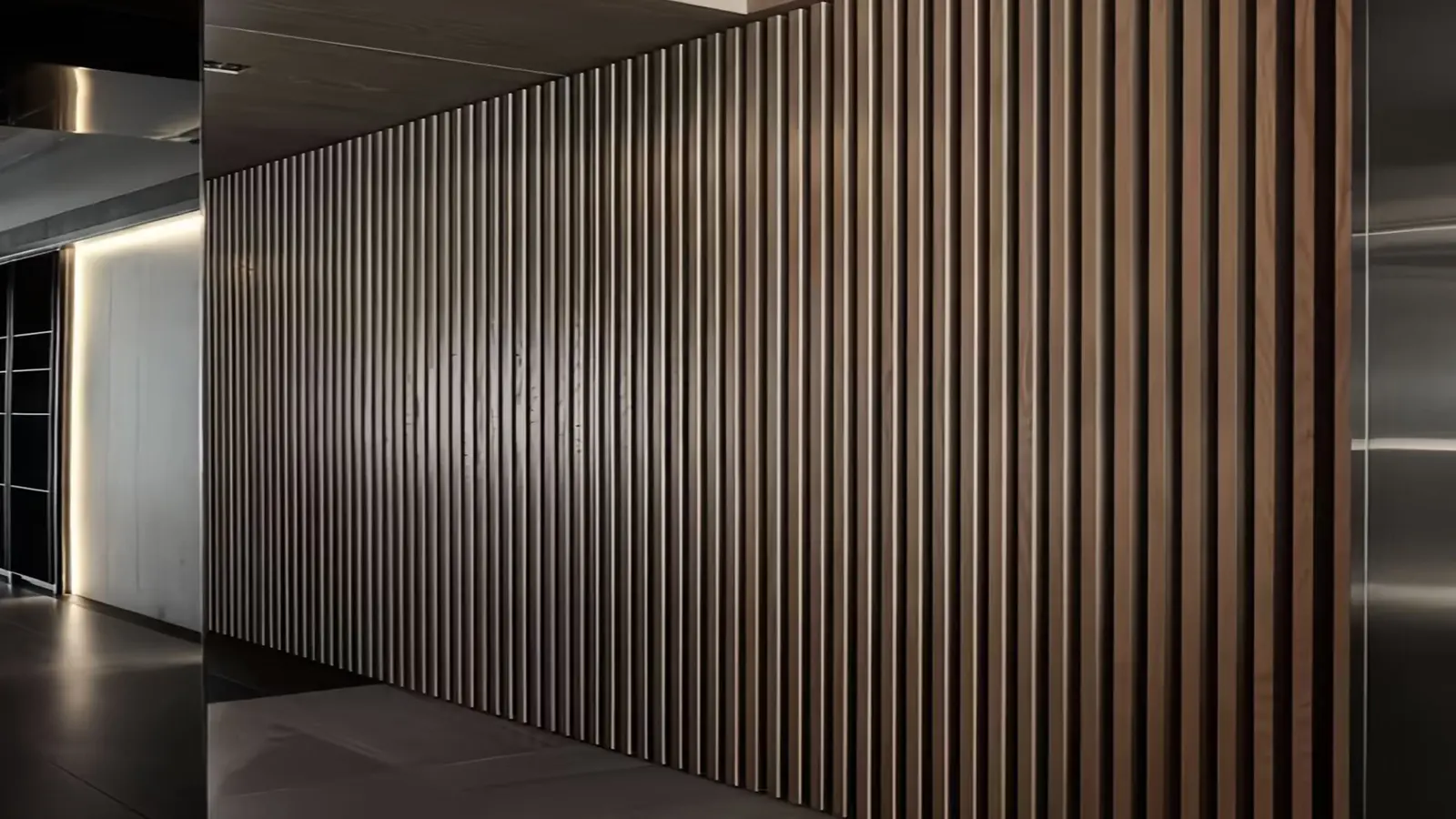
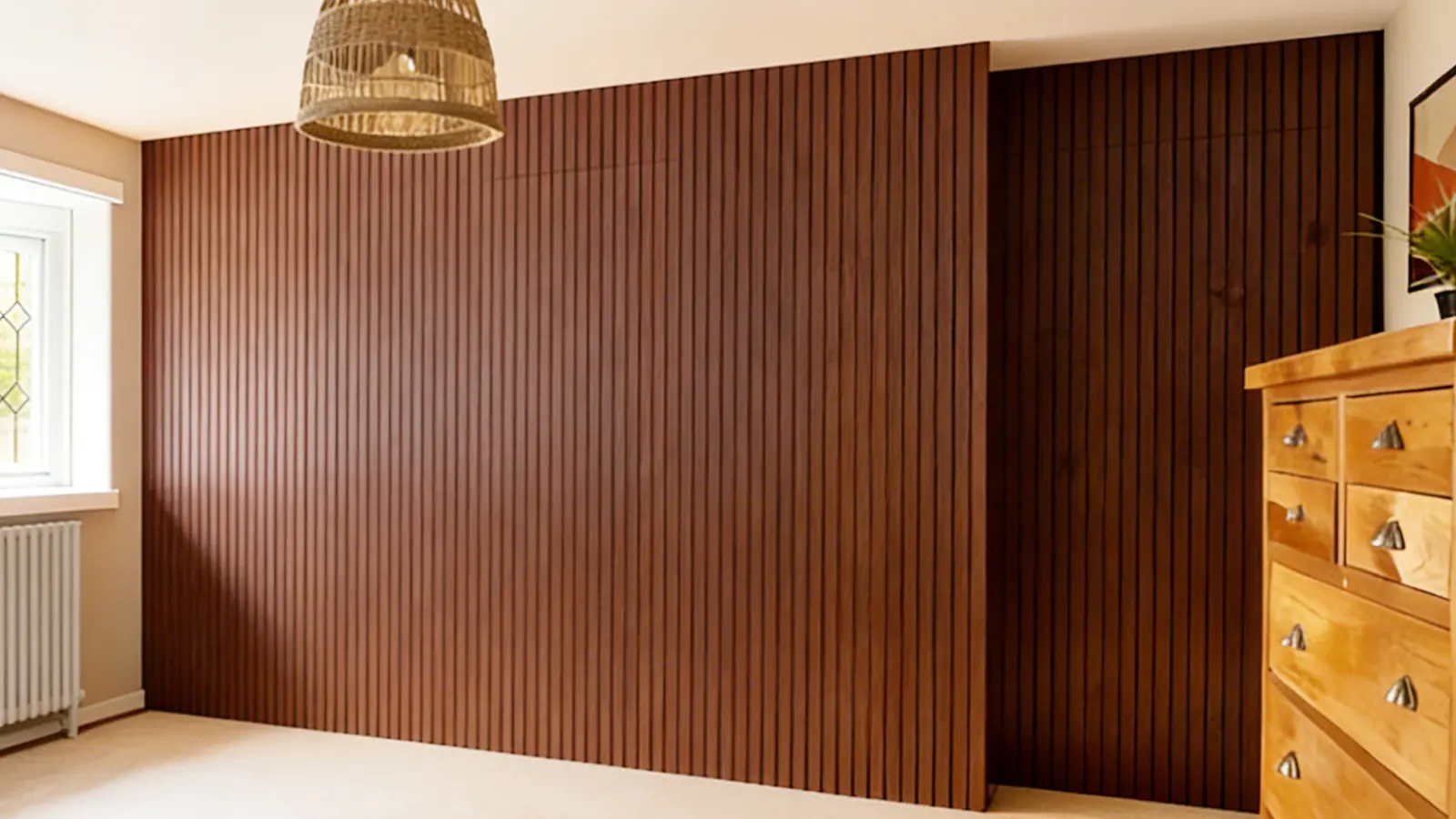
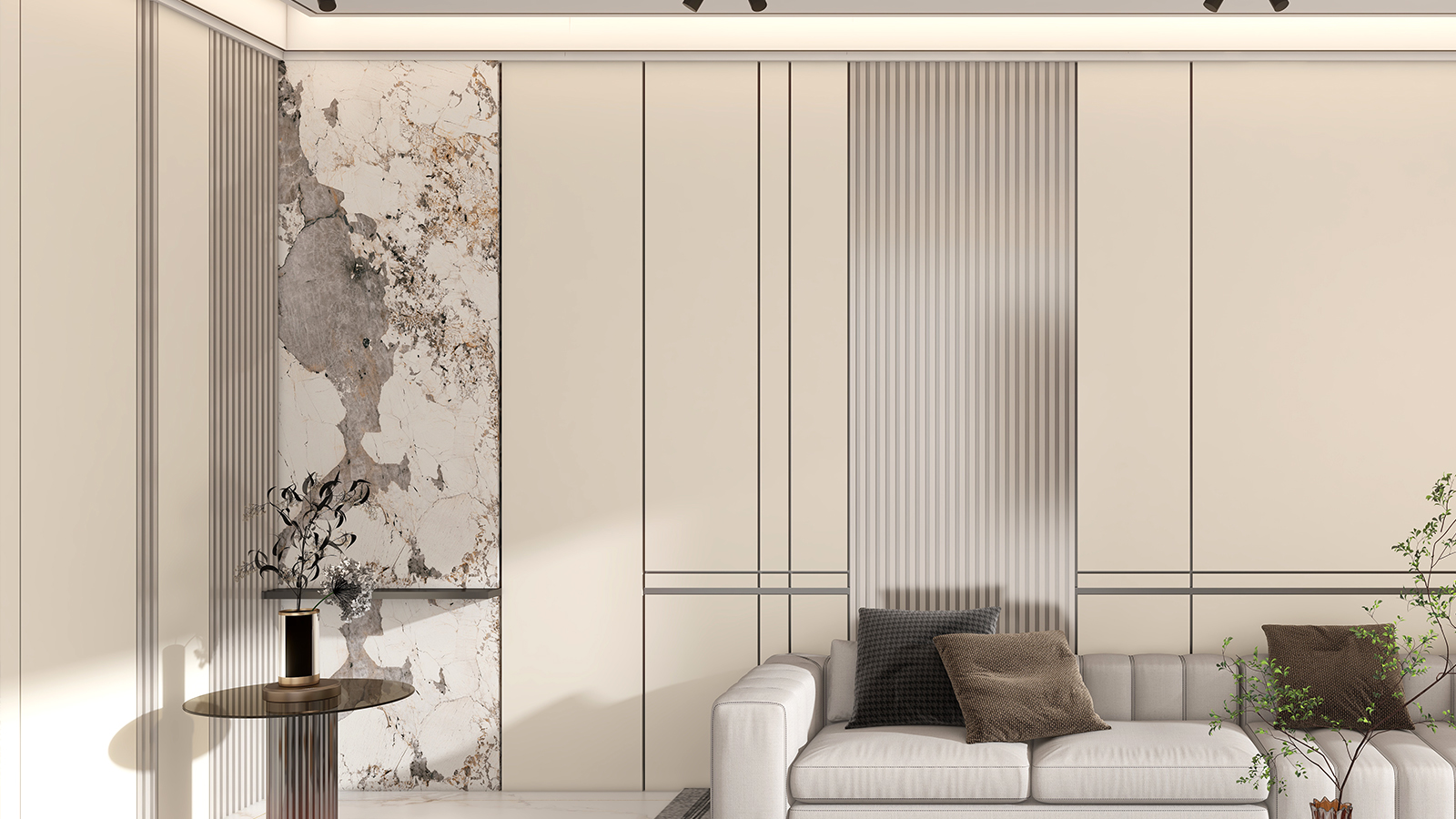
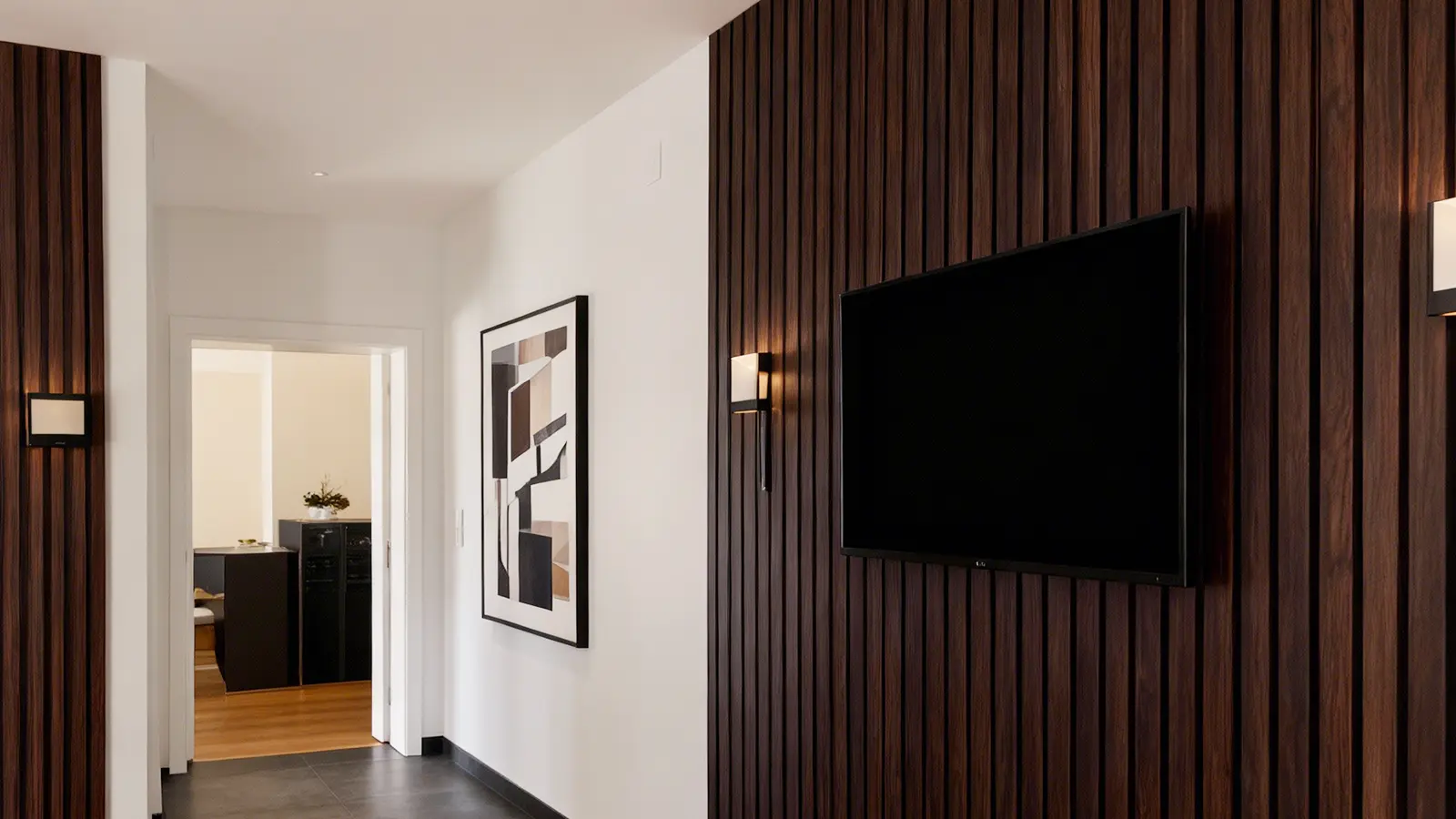
- Interior fluted Decorative Panels for feature walls and design accents
- Acoustic WPC slat panels with felt backing for sound absorption
- Smooth flat wall sheets suitable for full-surface coverage
- Exterior WPC cladding systems for façades and balcony walls
- Ceiling boards for indoor and outdoor environments
- Solid and hollow profiles used in architectural details, trims, and framing
This broad product ecosystem helps distributors and wholesalers target homeowners, builders, designers, and commercial developers with customized offerings.
4. Performance Benefits That Make WPC a Global Favorite
4.1 Outstanding Water and Moisture Resistance
Unlike wood-based materials that swell or deteriorate when exposed to moisture, WPC panels maintain structural stability because of their polymer content. The low-porosity composition prevents water penetration, making WPC panels ideal for:
- Spa and wellness centers
- Residential and hotel bathrooms
- Kitchens and pantry areas
- Gym locker rooms
- High-humidity coastal markets
- Balconies and semi-outdoor spaces
- Basements and underground commercial areas
For contractors, this solves long-standing issues with mold, expansion, peeling paint, and wall maintenance in damp environments.
4.2 Fire-Safety Performance Important for Modern Construction
High-quality WPC systems often meet B1 fire-rating standards, making them a reliable choice in sectors where fire safety compliance is mandatory. Flame-retardant compounds integrated into the material inhibit rapid flame spread and reduce smoke output, ensuring safer building interiors.
These characteristics make WPC suitable for:
- Schools and training complexes
- Hospitals and clinics
- Public offices and government facilities
- Commercial kitchens and restaurants
- Long-term rental apartments and hotels
For developers, this provides a practical balance between design flexibility and safety.
4.3 Long-Term Durability and Weather Resistance
WPC panels are engineered to resist the primary causes of deterioration that affect traditional wall materials, including:
- UV fading from sunlight
- Surface cracks caused by expansion and contraction
- Termite damage
- General surface aging
- Impact damage in high-traffic environments
Exterior WPC cladding panels include enhanced UV stabilizers, making them suitable for outdoor façades exposed to sunlight and varying climates.
5. Aesthetic Flexibility for Designers and Developers
5.1 Broad Selection of Textures and Finishes
WPC technology allows manufacturers to replicate the look of premium materials at a fraction of the cost. Techniques such as hot pressing, embossing, 3D texturing, and color film lamination expand design options significantly.
Common finish categories include:
- Natural-style wood grain
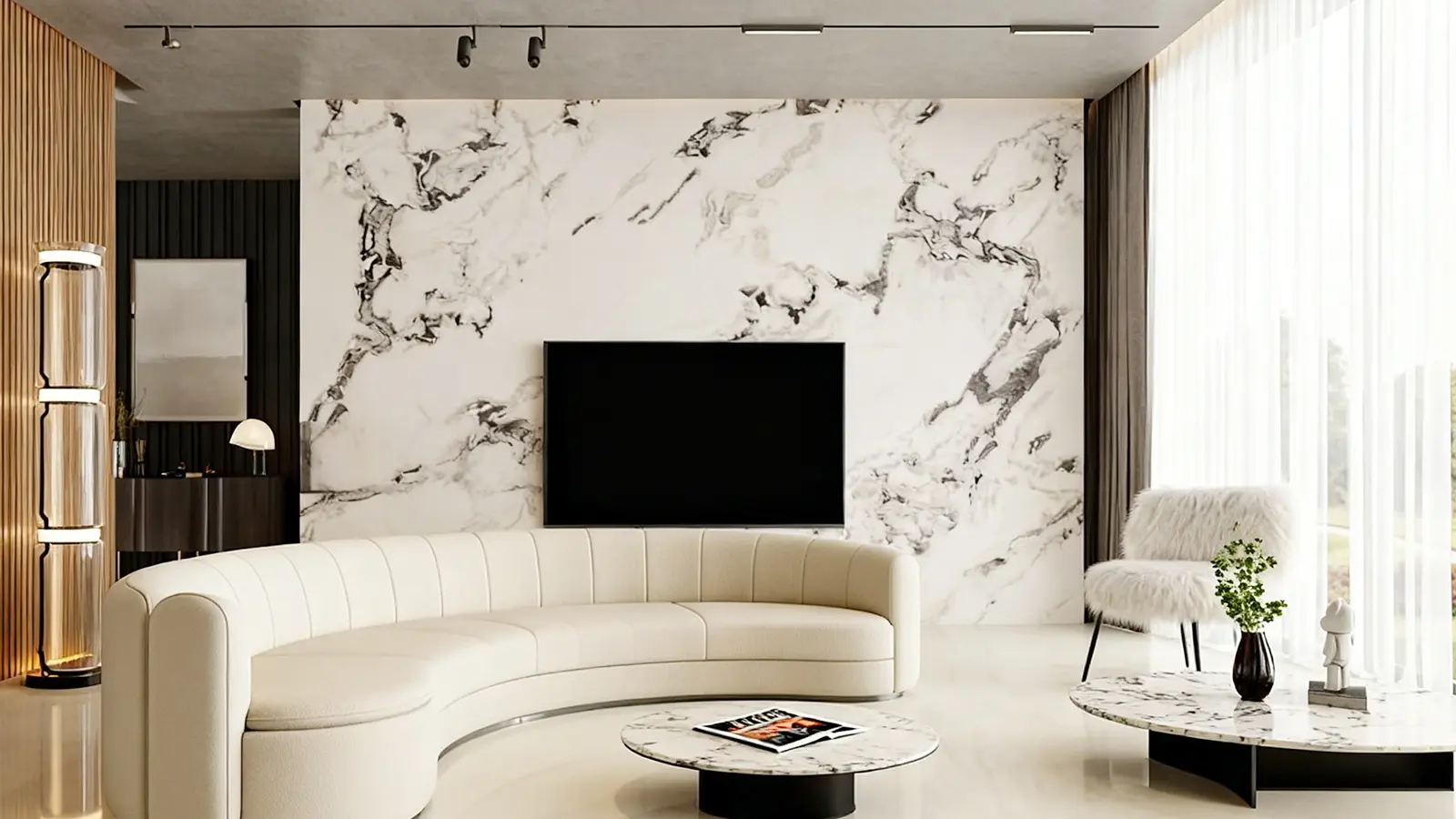
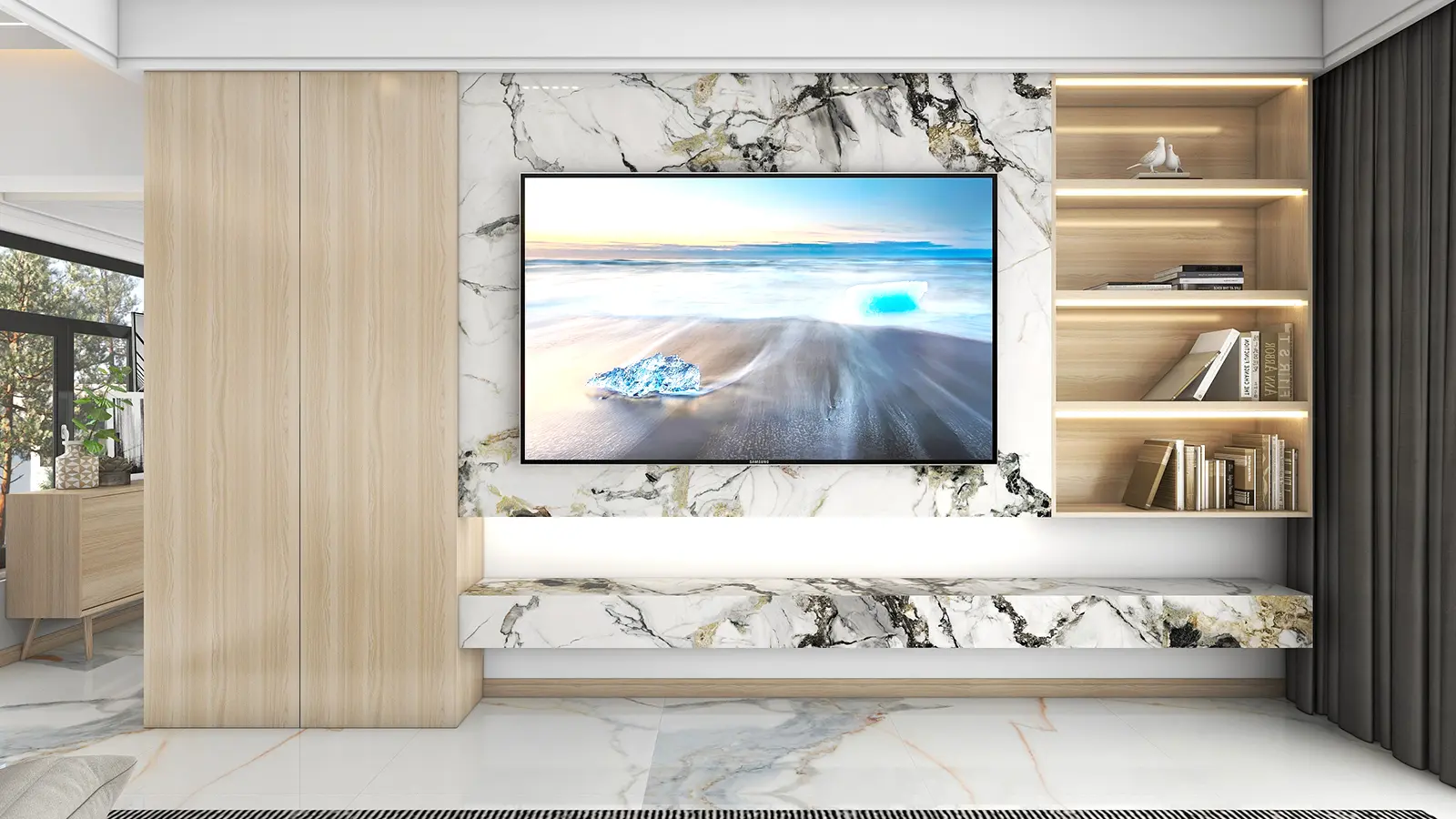
- Marble and stone effects
- Cement and industrial-style textures
- Leather-effect laminations
- Modern fluted and ribbed surfaces
- Matte and satin finishes
- Grooved or layered designs for geometric aesthetics
This variety helps developers deliver high-end visual appeal without raising budgets.
5.2 Compatibility With Global Design Trends
Architects increasingly favor minimalist, clean, and warm interiors—areas where WPC panels excel. Whether the project follows Scandinavian simplicity, luxury hotel aesthetics, Japanese zen, or contemporary loft style, WPC integrates smoothly.
Its consistency also solves a common challenge in large projects: maintaining uniform color and texture across hundreds of square meters without material variation.
6. Installation Benefits that Accelerate Project Timelines
6.1 Fast, Clean & Labor-Efficient Installation
WPC wall panel systems shorten construction timelines by 40–60% compared with traditional wall finishing methods. The panels are lightweight, easy to cut, and use lock-groove or clip-fastening systems to create seamless surfaces without messy adhesives or wet construction processes.
This is especially beneficial for:
- Hotel renovations with fixed deadlines
- Commercial space makeovers
- Modular and prefabricated housing projects
- Retail stores that require minimal downtime
With reduced mess and no need for painting, WPC systems offer predictable project schedules—an advantage valued by contractors worldwide.
6.2 Suitable for a Wide Variety of Interior & Exterior Applications
WPC wall panels are versatile enough to be used across multiple environments:
Interior Spaces
- Living rooms and bedrooms
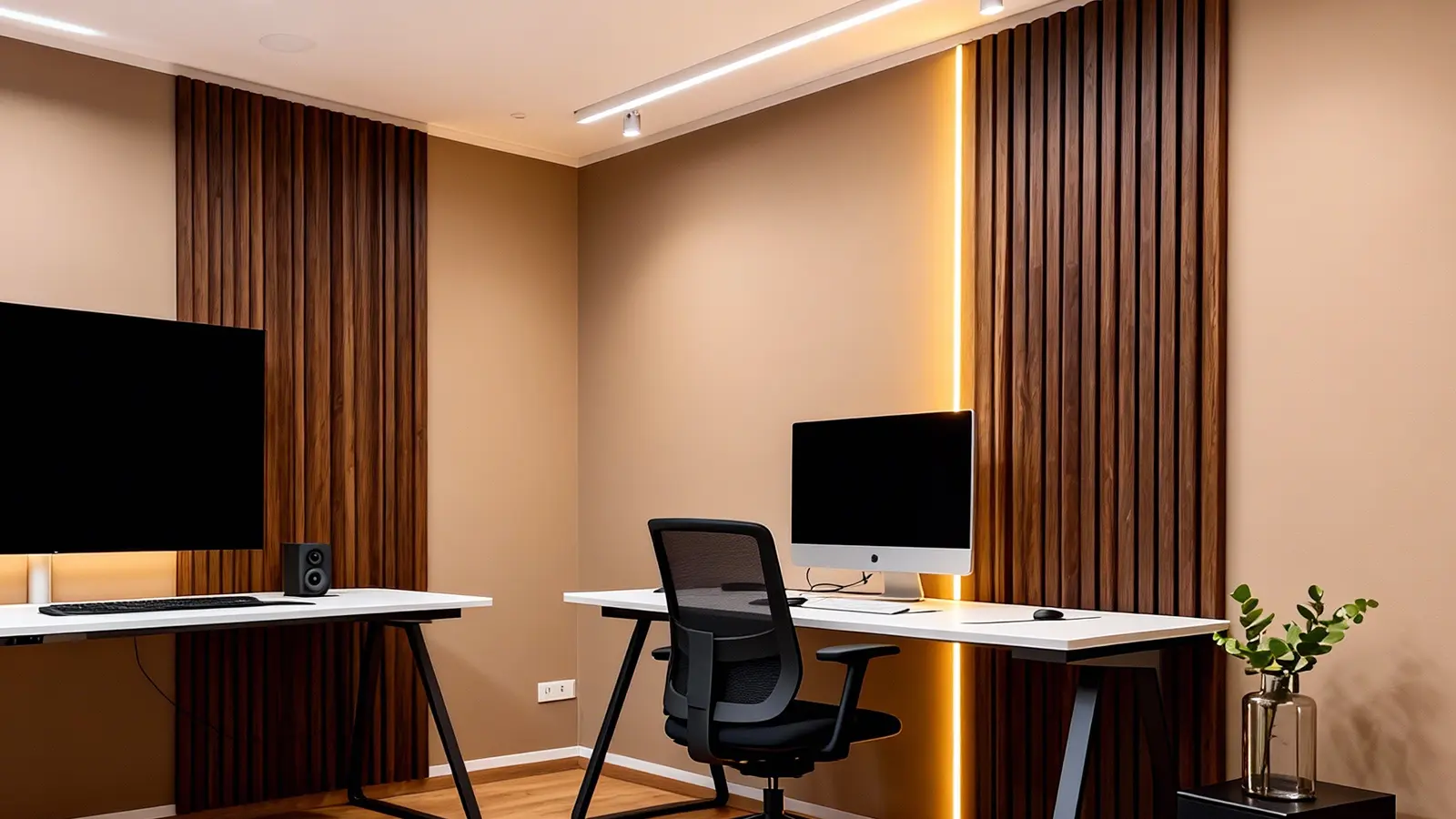
- Office meeting rooms
- Hallways and lobbies
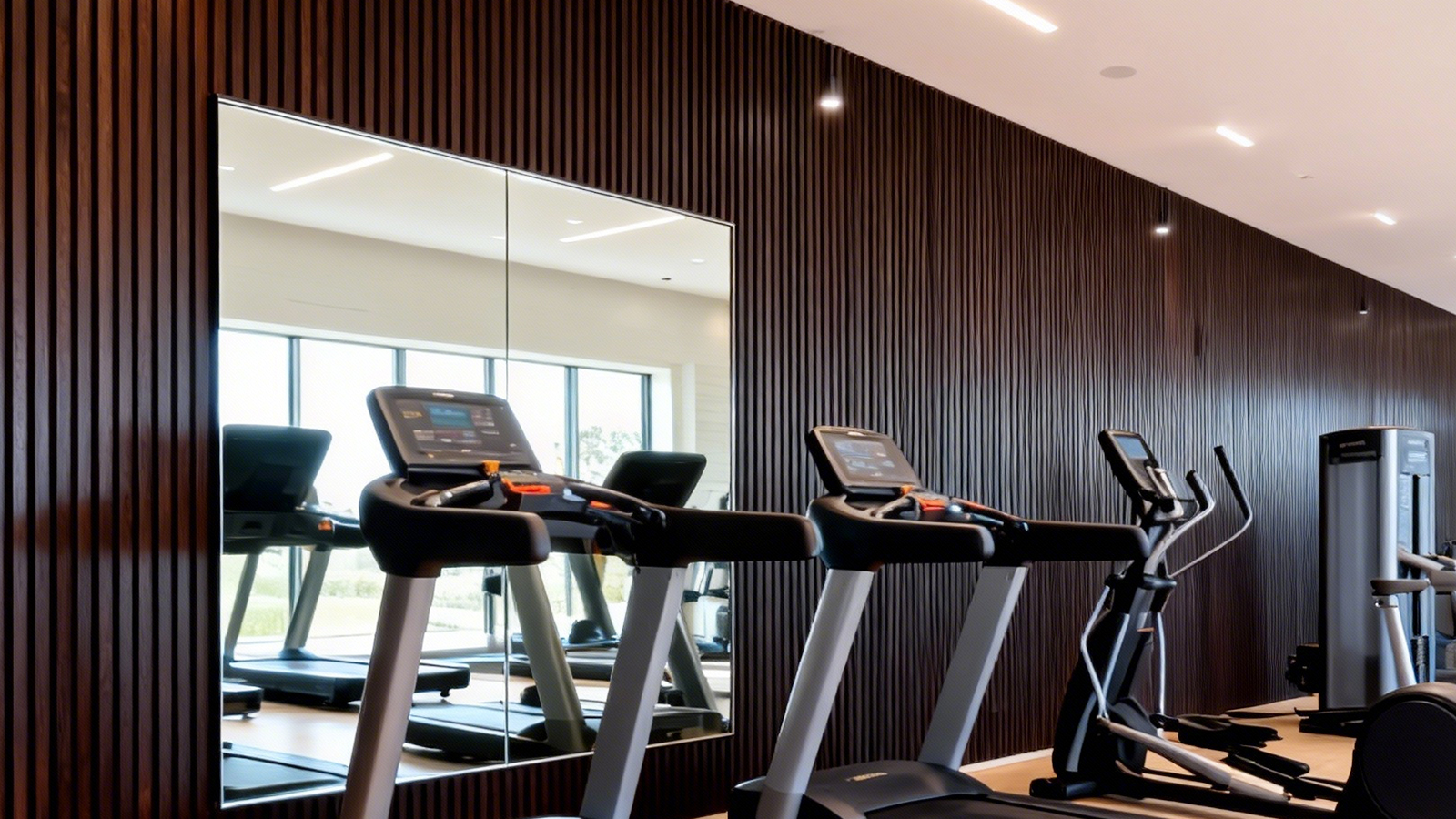
- Gyms and fitness clubs
- Restaurants and cafés
- Retail stores
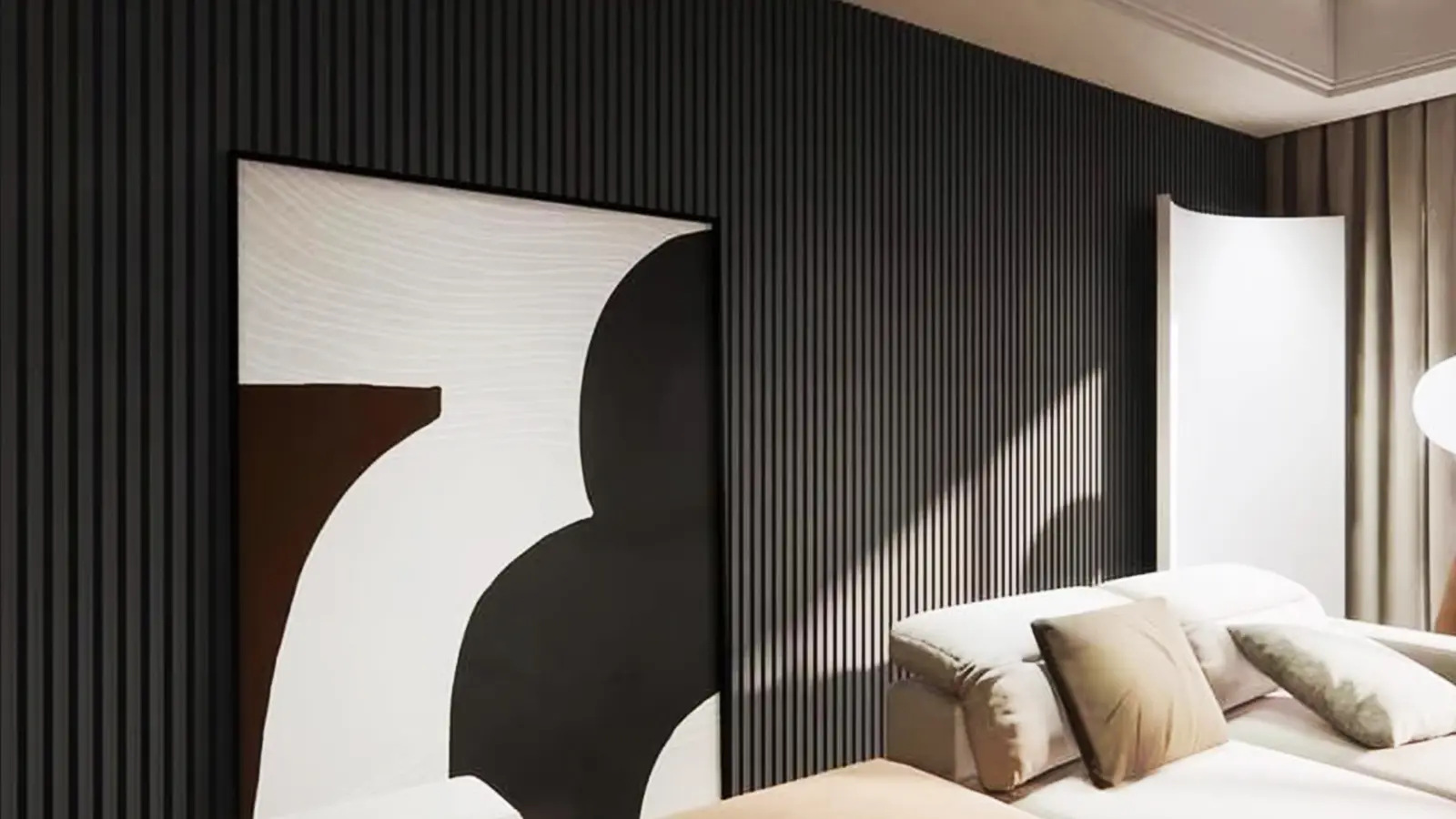
- Home theaters
- Hotel rooms and corridors
This versatility helps wholesalers target multiple customer segments with a single product category.
7. Economic and Environmental Advantages for Global Buyers
7.1 Cost Savings Across the Entire Project Lifecycle
WPC wall panels reduce expenses in several key areas:
- Lower material cost compared with solid wood
- No need for painting, sealing, or polishing
- Reduced maintenance frequency
- Lower risk of damage
- Cheaper and faster installation
For large-scale projects such as hotels, apartment buildings, and commercial developments, these savings can be substantial.
7.2 Expanding International Market Demand
As awareness of sustainable and efficient materials grows, demand for WPC wall panels has surged across:
- Europe
- Middle East
- Southeast Asia
- North America
- Latin America
- Africa
- Oceania
Wholesalers benefit from high sales turnover, strong margins, and wide application markets.
7.3 Eco-Friendly and Fully Recyclable
WPC wall panels are produced from recycled wood fiber and plastic, offering the environmental benefits of reduced waste and circular use. They contain no formaldehyde or harmful emissions, making them safe for indoor air quality and compliant with multiple international green-building standards.
8. Conclusion: A Smart Choice for Today’s Construction Market
WPC wall panels deliver an exceptional balance of durability, aesthetic versatility, installation convenience, environmental responsibility, and cost efficiency. For contractors, developers, and global distributors, WPC offers a dependable product category with strong market demand and minimal after-sales concerns.
As global construction trends continue emphasizing low-maintenance, sustainable, and visually attractive building materials, WPC wall panels are positioned to remain one of the most reliable and profitable choices for modern architectural projects.