
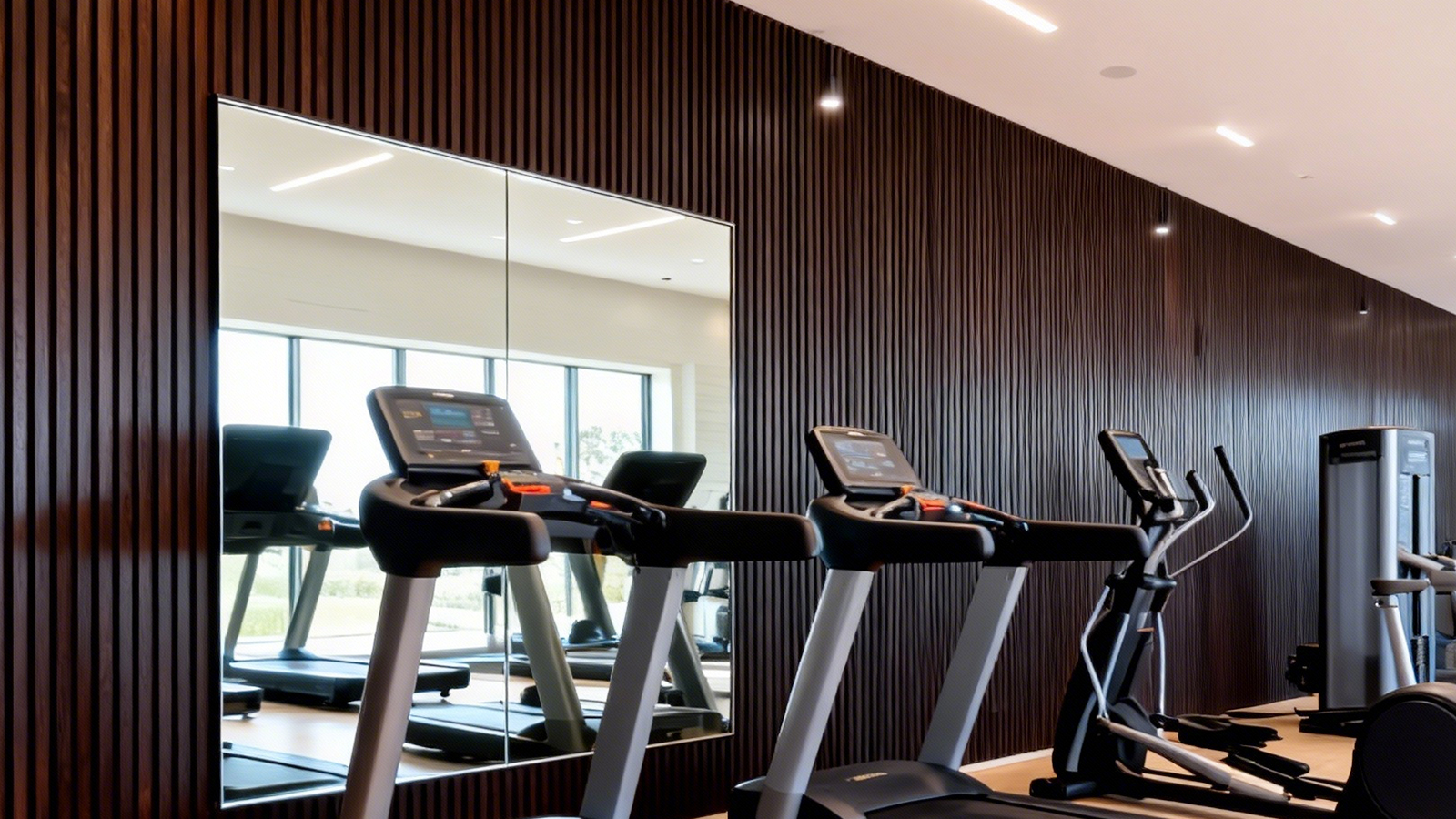
Texture & Dimension: Reimagining Your Interiors with Fluted Wall Panels
Table of Contents
- Anchor a Focal Area with Vertical Drama
- Extend Texture into Everyday Zones
- Layer with Materials to Amplify Sophistication
- Play with Color, Finish & Light
- Putting It All Together: Design Scenarios
- Why Fluted Panels Make Smart Sense
- Conclusion: Transform Every Wall into a Feature
If you’re looking to elevate your space with a refined surface that delivers both aesthetic and practical advantages, here’s a guide to unlocking what these panels can offer—with a special nod to high-quality WPC (wood-plastic composite) options like those from Ruide—so you can design with confidence.
1. Anchor a Focal Area with Vertical Drama
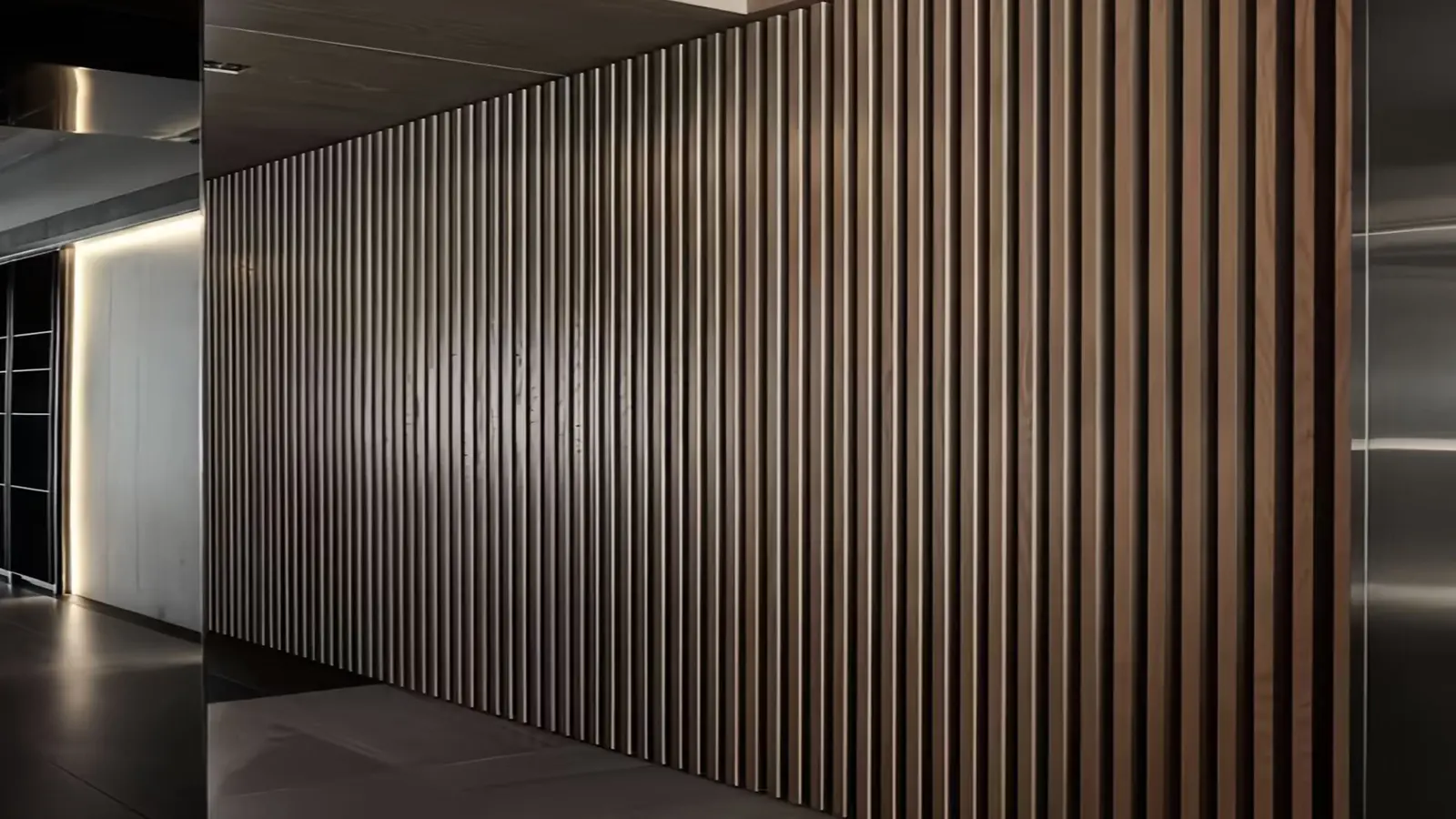
The most impactful use of fluted panels is to identify and transform a key wall in your home. Whether behind a sofa, at the back of a bed, or lining a generous entry hallway, these panels draw the eye upward and imbue the space with depth.
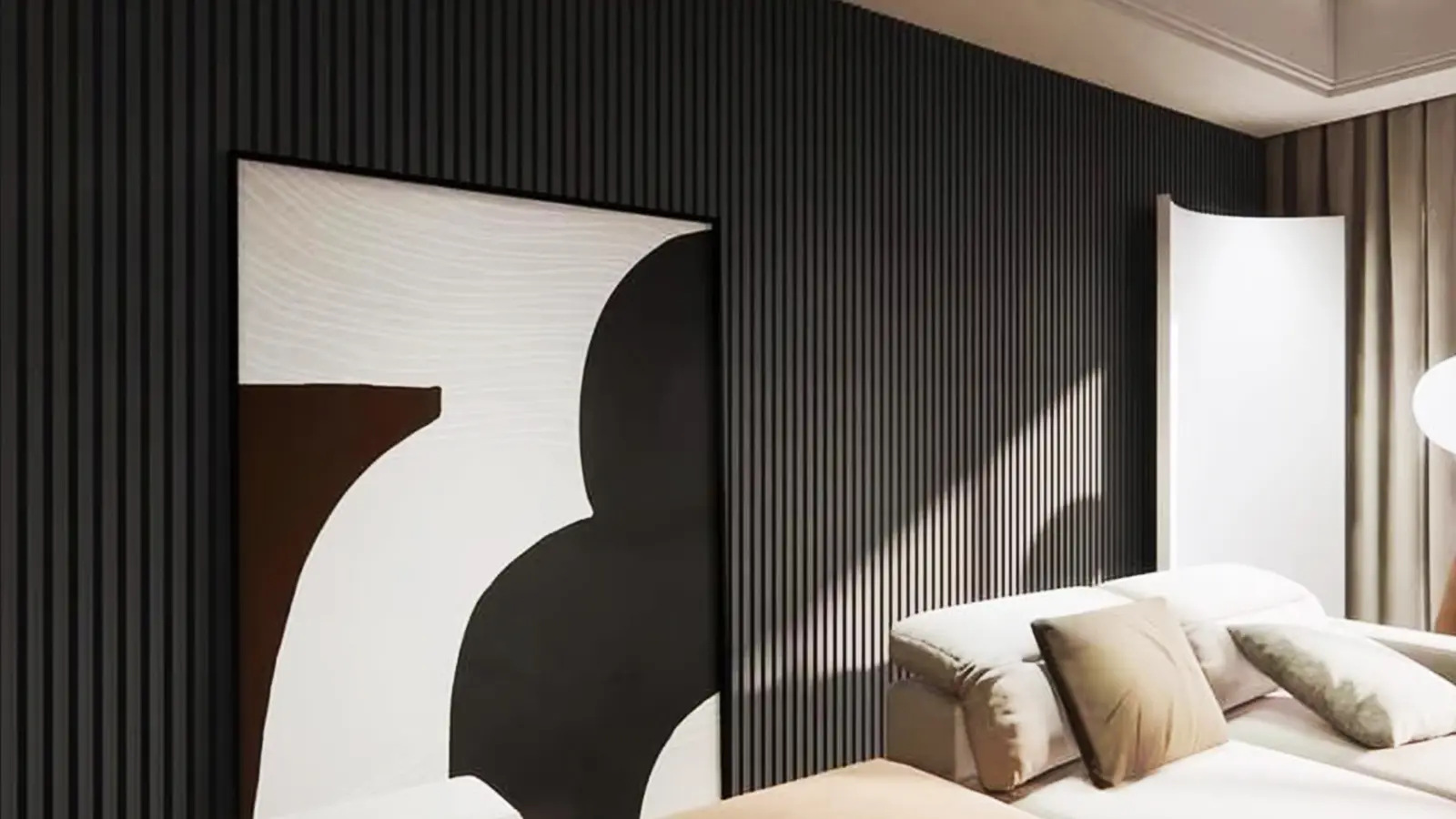
Consider a floor-to-ceiling panel installation behind a lounge area. The vertical grooves subtly elongate the room, adding height and movement to a flat surface. On top of that, pairing a matte-finish panel with metallic accent pieces or a strong piece of art creates tension: the calm geometry of the paneling versus the pop of metal or bold color.
WPC panels from Ruide—available in neutral shades, wood-grain textures and even metal-inspired finishes—blend seamlessly with both contemporary and rustic interiors. By choosing the right tone (such as a warm oak grain or a crisp stone grey) you can keep the look grounded but refined. Designers are increasingly using fluted finishes to echo natural textures while preserving crisp lines.
2. Extend Texture into Everyday Zones
Often, the most neglected walls are in functional areas: kitchens, bathrooms, hallways. These zones are prime candidates for fluted panels because they offer both visual interest and practical benefits.
In kitchens or baths, the textured surface helps to mask minor imperfections (uneven walls, joints) and visual clutter, while materials like WPC resist moisture and staining. For example, use fluted panels as a backsplash behind the countertop or wrap them around the vanity zone for a spa-like finish. According to interior blogs, fluted panels are increasingly used in bathrooms and vanities to heighten luxury.
Hallways and corridor spaces often feel flat and featureless. By alternating between smooth drywall and fluted panels, you can create rhythm and movement—immediately elevating what might have been a bland transitional zone. Vertical panels can also visually “lift” lower ceilings, thanks to their upward lines.
If you decide to continue the paneling around adjacent cabinetry or even up onto the ceiling, you achieve a more cohesive, enveloping effect—a design strategy that helps unify the space and avoids the look of “just a wall treatment”.
3. Layer with Materials to Amplify Sophistication
Texture alone is beautiful—but the magic happens when you pair fluted panels with contrasting surfaces. This combination brings balance, contrast and richness to a room.
Here are some ideas:
- Combine glossy fluted panels with rough concrete or exposed brick for an industrial-chic look. The rigid grooves soften the rawness of masonry.
- Frame or edge your panel installation with metal trims (e.g., brushed nickel or blackened steel) to give a tailored, architectural detail.
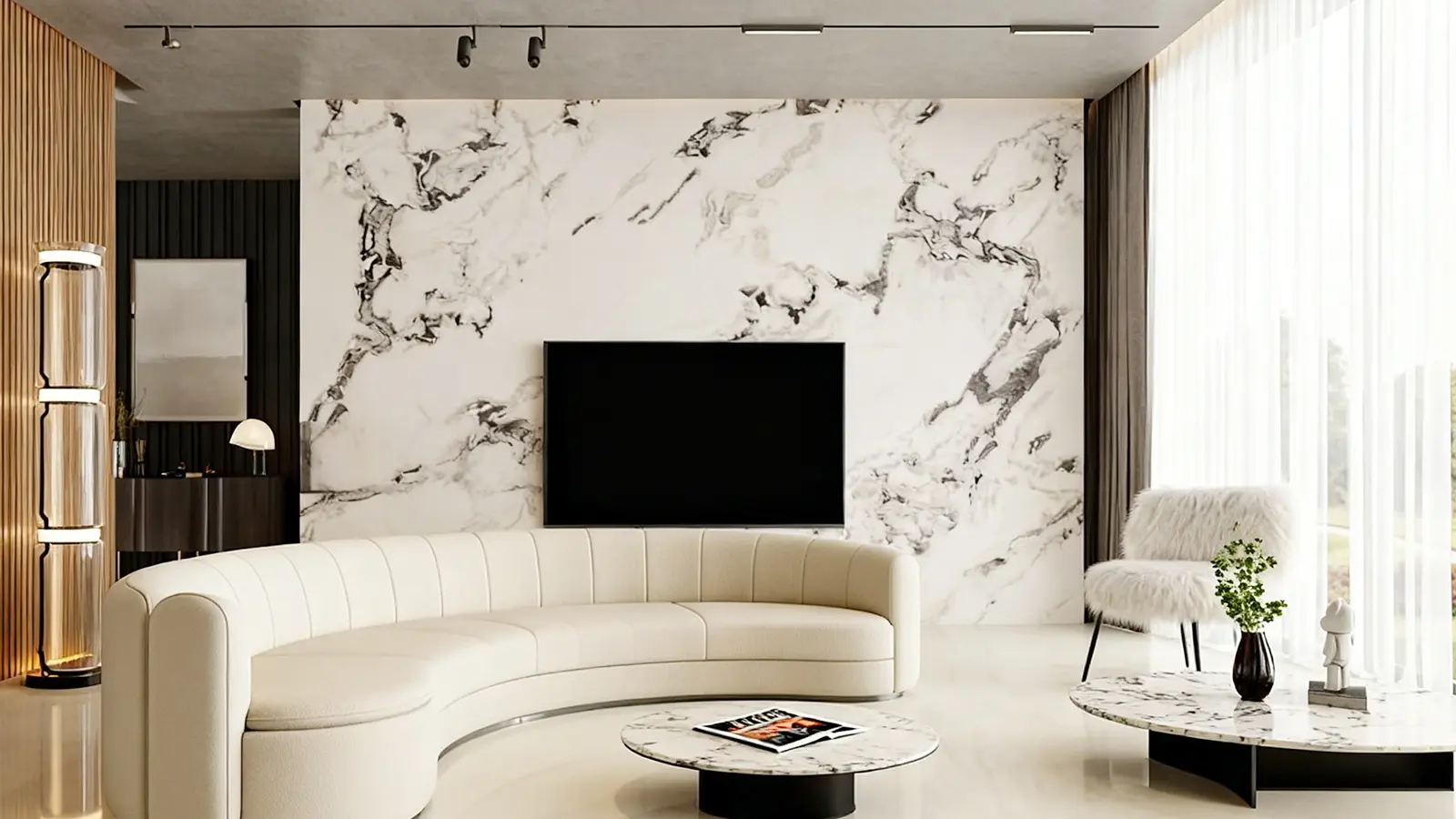
- Pair the matte finished fluted wall with sumptuous textiles—velvet upholstery, linen drapes, plush rugs—to soften the geometry and create tactile interplay.
Design commentary highlights that fluted finishes aren’t just surface decoration—they set the stage for layered materiality, enabling spaces that feel designed rather than decorated.
To bring this into the home: imagine a dining room where the far wall is a charcoal fluted panel, the table is raw walnut and the light fixture in brushed brass. The panel provides structure and rhythm, the wood brings warmth, the brass adds sophistication.
4. Play with Color, Finish & Light
Gone are the days when fluted panels were just in plain wood tones. In 2025 the palette is wider: muted pastels, deep charcoals, metallics, even saturated jewel tones. The key is how finish and lighting interact.
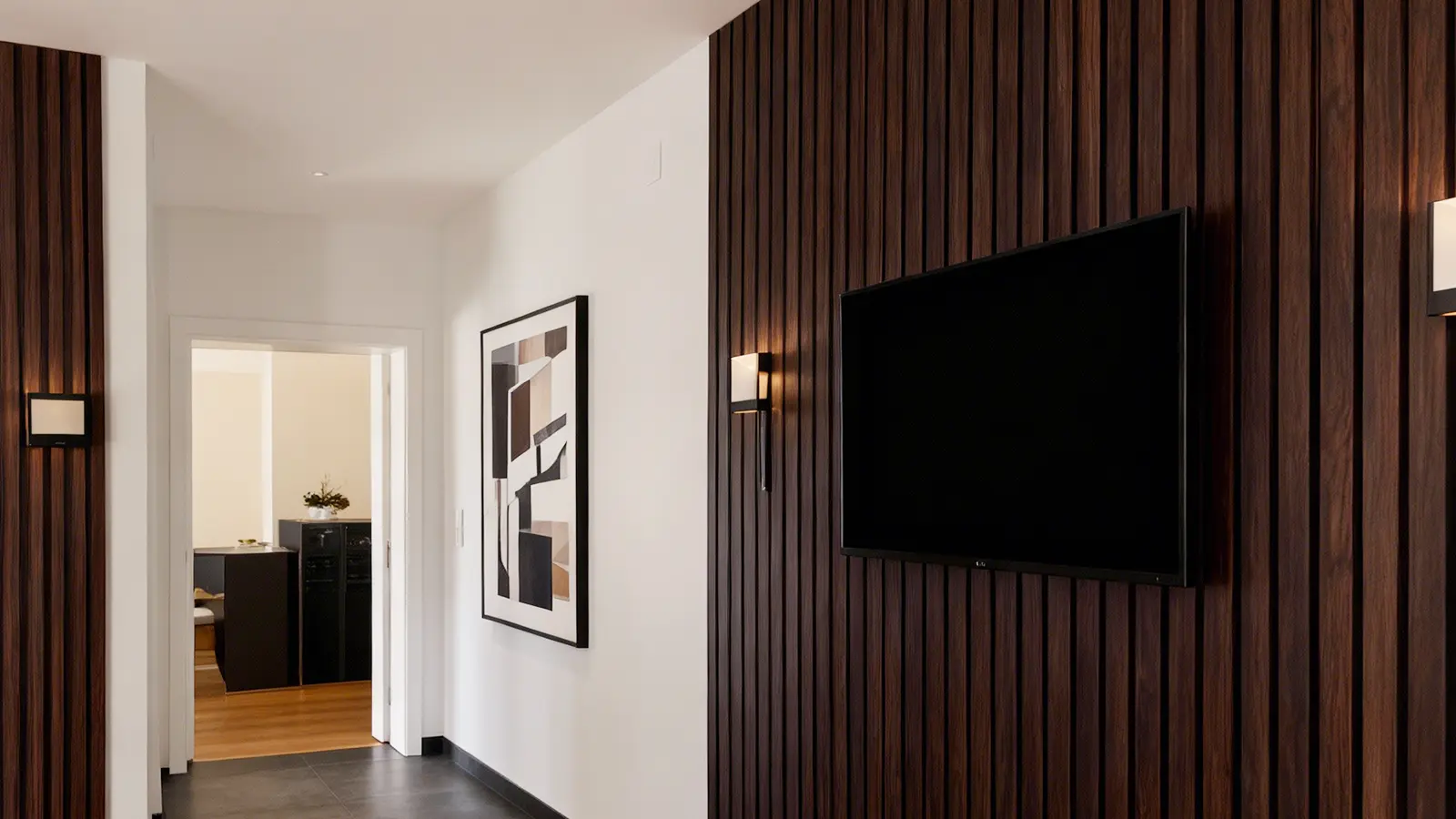
- Dark tones (charcoal, ink blue, forest green) on fluted walls create an intimate, cocooning feel—perfect for dining rooms, studies or media lounges.
- Light or pastel tones allow the texture to exist without dominating the space, suitable for bedrooms or airy living rooms.
- Metallic or reflective finishes transform the grooves into sculptural features, especially when lit.
Lighting is essential. Install LED strip lighting at the top or base of the paneling so the grooves cast shadows down the surface. This shadow play heightens the texture and turns the wall into an art installation after dark.
Experts point out that as fluted panels become more ubiquitous, it’s the color and lighting choices that differentiate a good installation from a great one.
Tip: use a sample board of your chosen panel finish with the lighting you’ll install, and view it both day and night. Textured panels look different under incandescent, LED, and daylight. Be sure the grooves read the way you expect.
5. Putting It All Together: Design Scenarios
Living Room Accent Wall
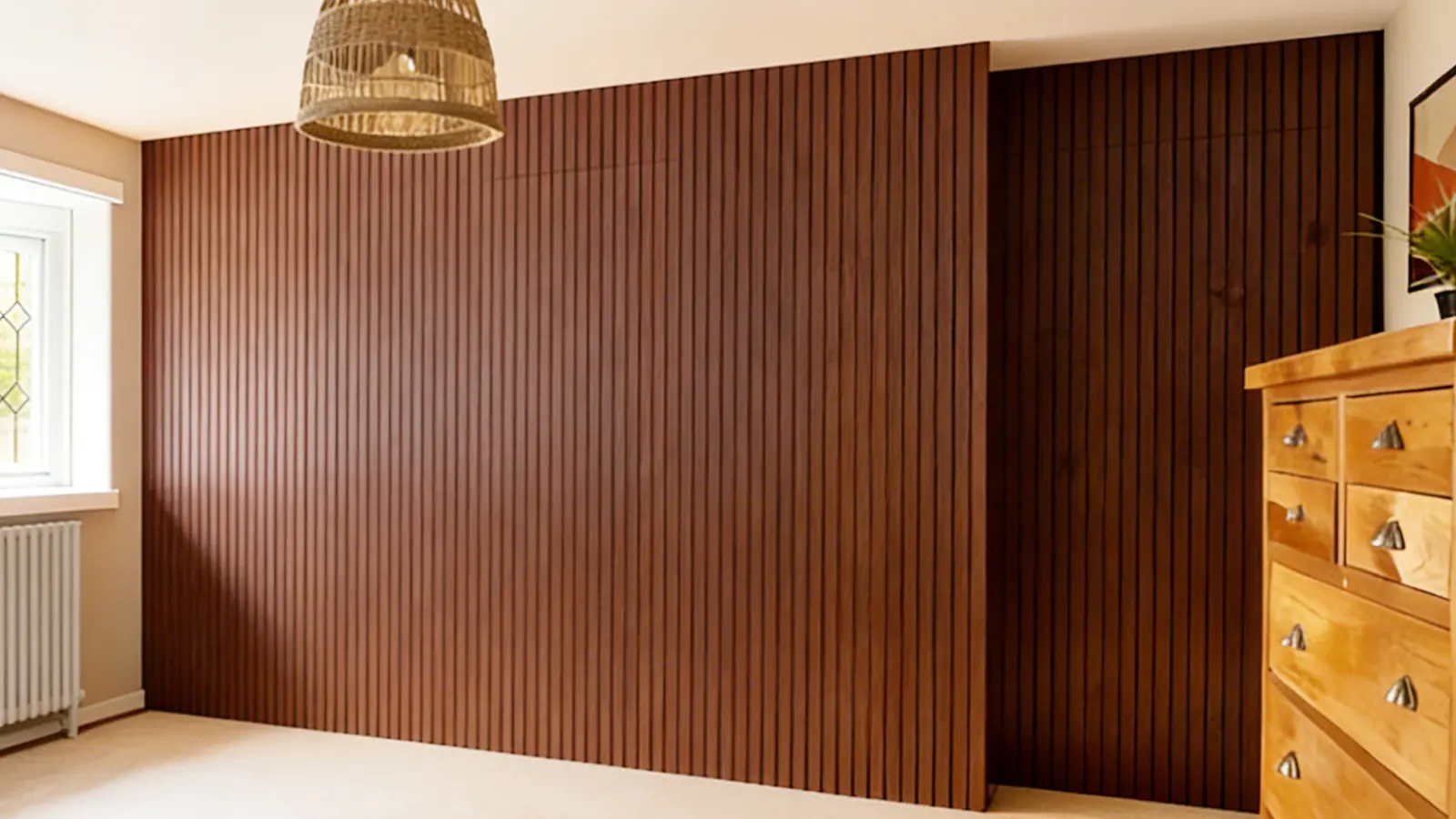
Choose a full-height fluted wall panel wall behind the sofa, in a warm wood-grain finish. Complement with minimalist furniture and metallic accent pieces (lamp, side table). Install LED strip at the ceiling lip to wash the wall and highlight texture.
Kitchen Island & Backsplash Combo
Apply fluted panels to the island’s front elevation (the side facing seating) in a matte pastel tone. Wrap the same finish behind the cooktop as a backsplash (provided the material is moisture-resistant like WPC). Pair with white or light grey cabinetry and brushed steel hardware.
Bathroom Spa Retreat
Use waterproof fluted panels on a wall behind the vanity and mirror. Choose a muted tone, like dove grey or stone. Install mirror with integrated lighting so the grooves throw soft vertical shadows. Use complementary grey stone floor and matte black fixtures for contrast.
Entry Hall / Hallway
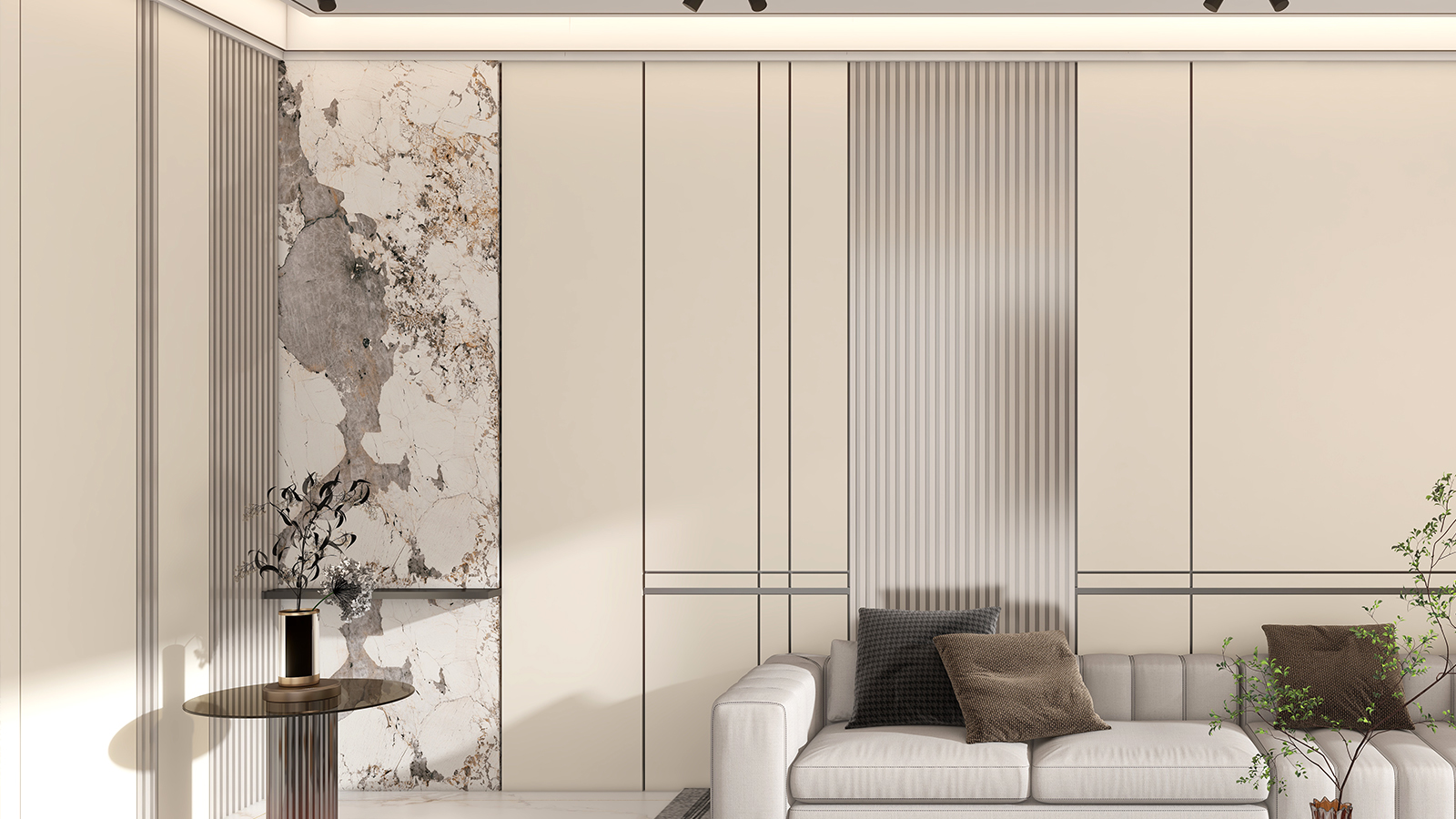
Select a single wall to clad in fluted panels (e.g., the wall visitors face when they enter). Alternate smooth and grooved sections for visual rhythm. Choose a charcoal tone to ground the space and pair with a console table and statement mirror to reflect the texture.
Home Office or Study
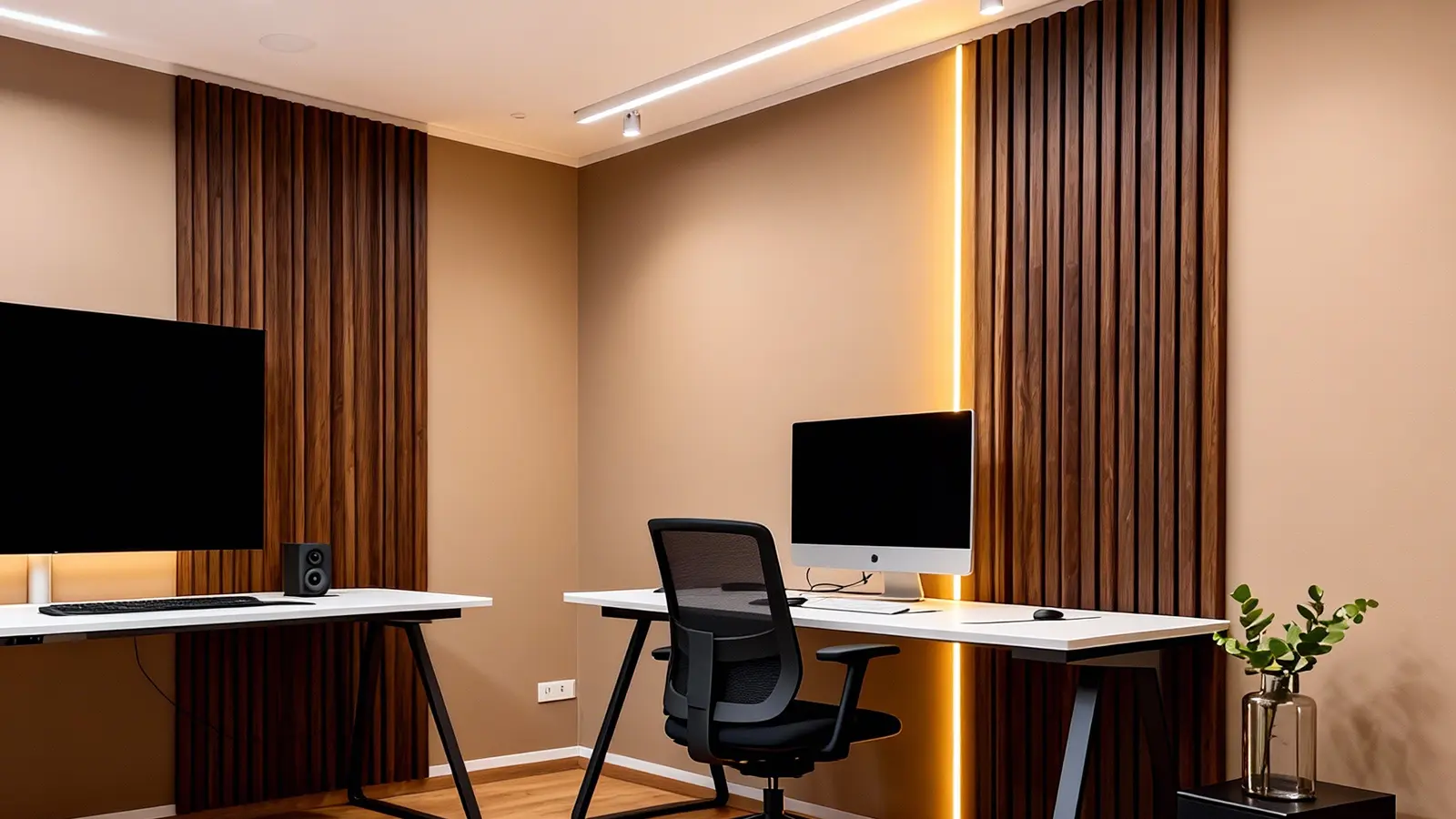
Create a textured backdrop for the desk wall using fluted panels in a subdued wood effect. It not only adds visual interest but helps reduce sound reflections—a bonus for video calls or focused tasks.
6. Why Fluted Panels Make Smart Sense
Beyond aesthetics, several functional benefits make fluted panels a wise choice:
- Visual depth and movement: The vertical ridges break up flat expanses and add sculptural interest.
- Acoustic improvement: The ridged surface helps diffuse sound waves, making a space feel calmer.
- Versatile material offerings: Available in wood, WPC, MDF, metal finishes and more—allowing adaptation to humidity zones, budget levels, and design styles.
- Trend-resilience: Unlike short-lived fads, the fluted look draws from classical architecture (fluting) but reinterprets it in modern materials—offering longevity.
Conclusion: Transform Every Wall into a Feature
Whether you’re refreshing a single wall or rethinking an entire room, fluted wall panels offer a rare combo of sophistication, texture, and practicality. When you place them thoughtfully—choose high-traffic zones, pair with complementary materials, select smart colours, and install carefully—you can elevate your home from “decorated” to “designed.”
With Ruide’s 2025 collection of WPC-based fluted panels, you get durable, moisture-resistant, design-forward material that aligns with modern interiors. So, pick your focal wall, choose your palette, layer in complementary textures, and watch your space transform.
In short: don’t just hang another piece of wall art—give your walls movement, depth and character. The fluted groove may run vertical, but the impact runs horizontal across your entire space.