
Sound Meets Design: Transform Your Space with Acoustic Panels
Table of Contents
- Why Acoustic Panels Matter
- Key Benefits You Should Know
- Where These Panels Shine
- Picking the Right Panel: Materials and Performance
- Trends for 2025 – What’s New
- Practical Considerations Before You Buy
- Conclusion: Merge Sound and Style
Whether you’re in an open-plan office, a trendy café, or a dedicated home theatre, the quality of sound in your environment often goes unnoticed—until it doesn’t work. Hard surfaces bounce sound, loud background chatter distracts, and clarity of speech vanishes. The good news: you don’t need a major structural overhaul to reclaim acoustic comfort. Modern acoustic wall and ceiling panels give you both performance and style.
1. Why Acoustic Panels Matter
Sound-absorbing panels are more than decorative add-ons. At their core, they reduce reflected sound waves and tame reverberation, helping to turn noisy, echo-filled rooms into calmer, clearer spaces. As one manufacturer explains: “An acoustic panel is a sound-absorbing panel used to mitigate background noise and reduce the reverberation and echo in a space.”
By tackling reflections rather than blocking external noise, Acoustic Panels support better communication, concentration, and ambience. In offices and classrooms, clear speech and fewer distractions translate into real productivity and wellness benefits.
2. Key Benefits You Should Know
- Suppress Reverberation and Echoes
When sound waves bounce around a room, they muddy clarity. Acoustic panels absorb those reflections and shorten reverberation time, making spaces feel quieter and more focused.
- Improve Speech Intelligibility
Whether it’s a phone call in an open-office or dialogue in a classroom, clarity matters. When excess reflections are removed, people hear and are heard more easily.
- Elevate Appearance
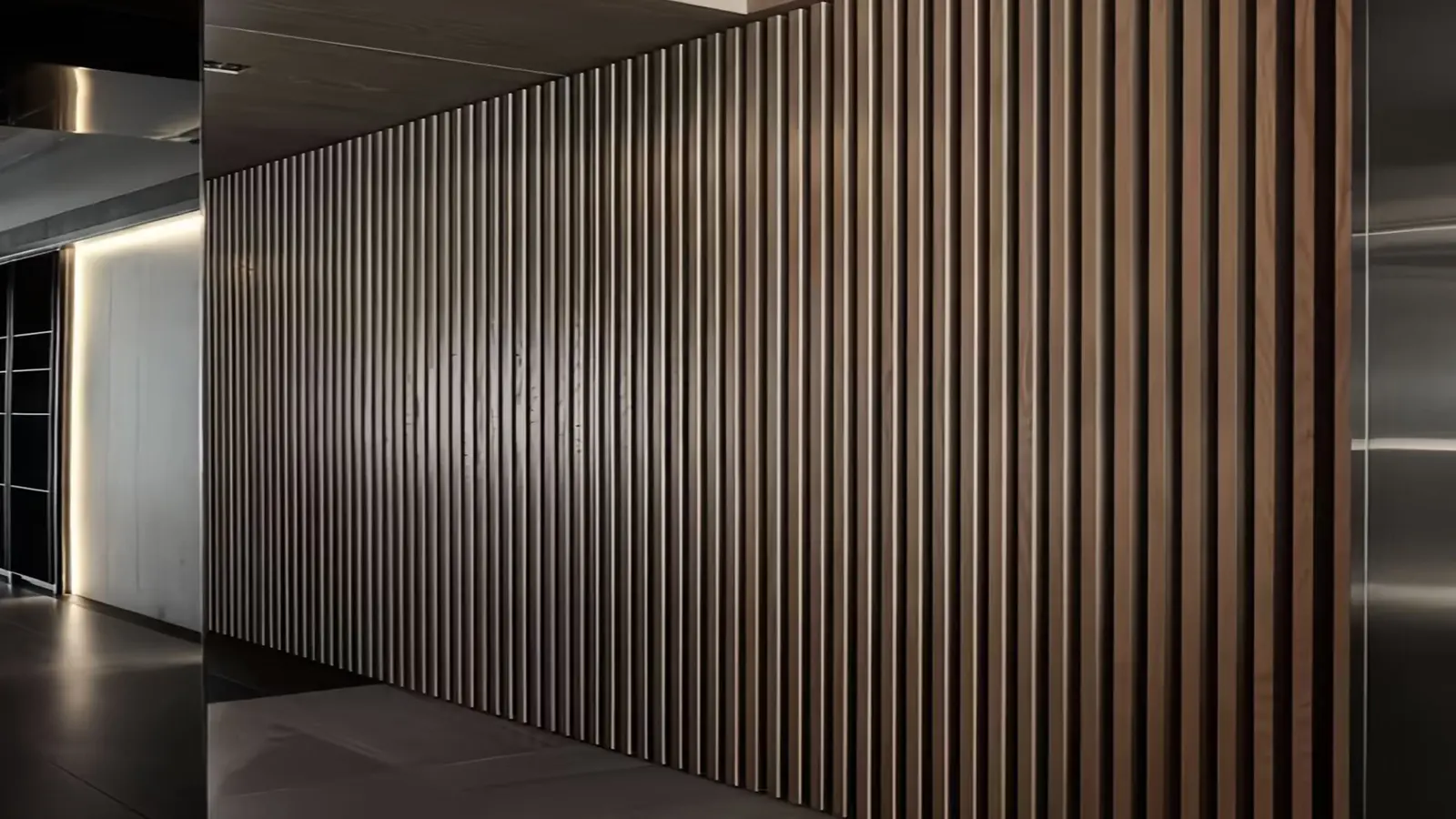
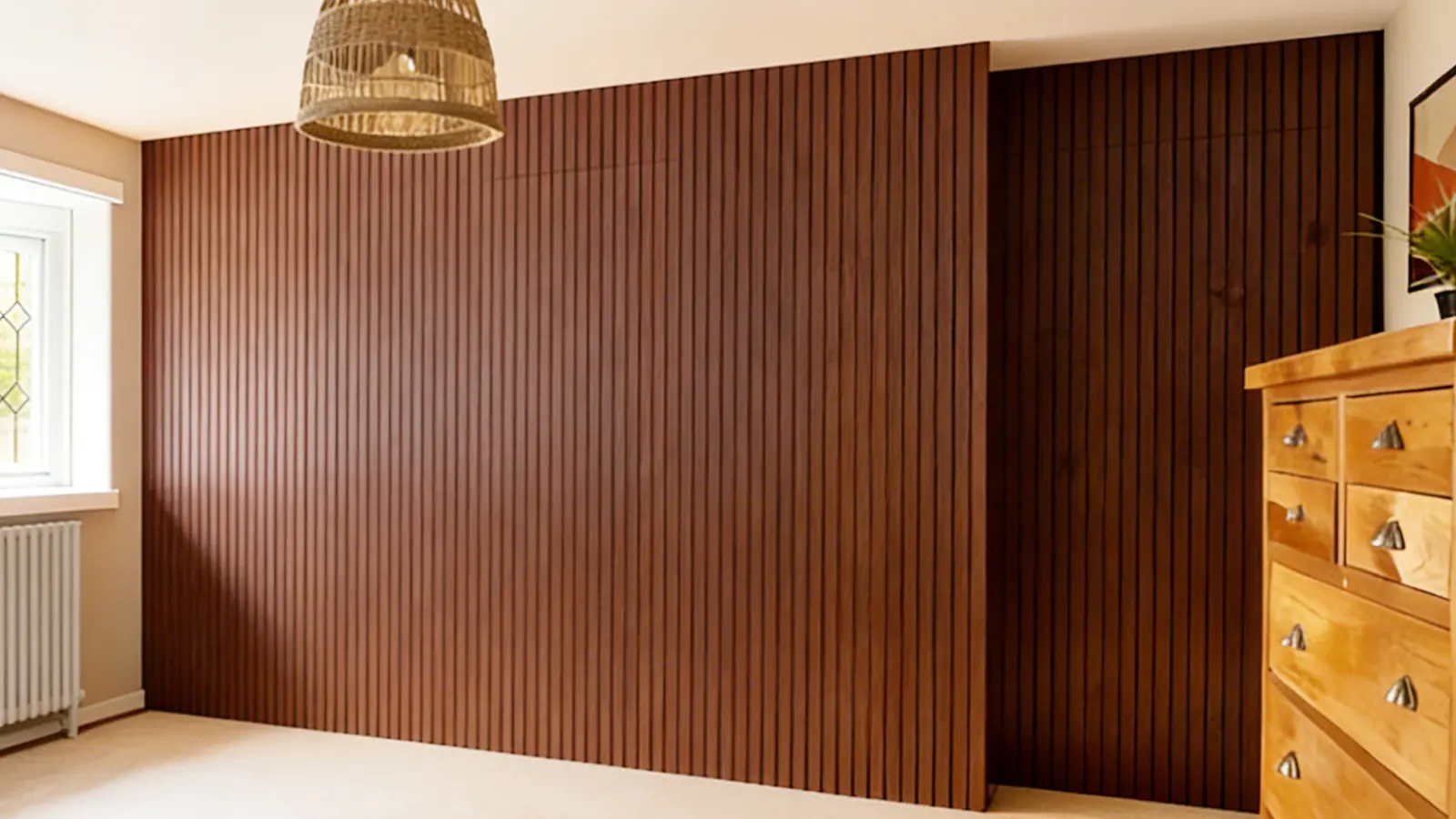
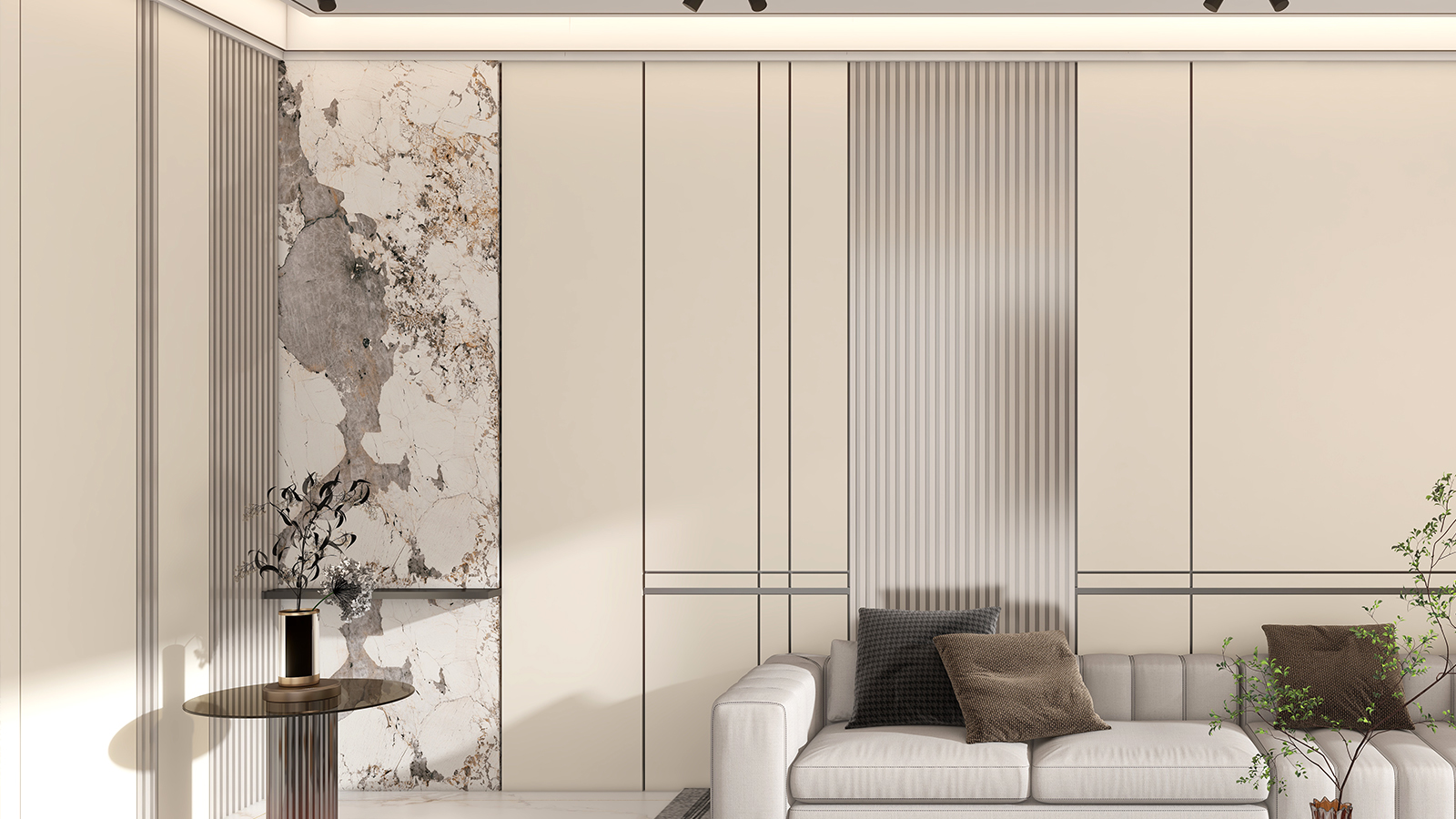
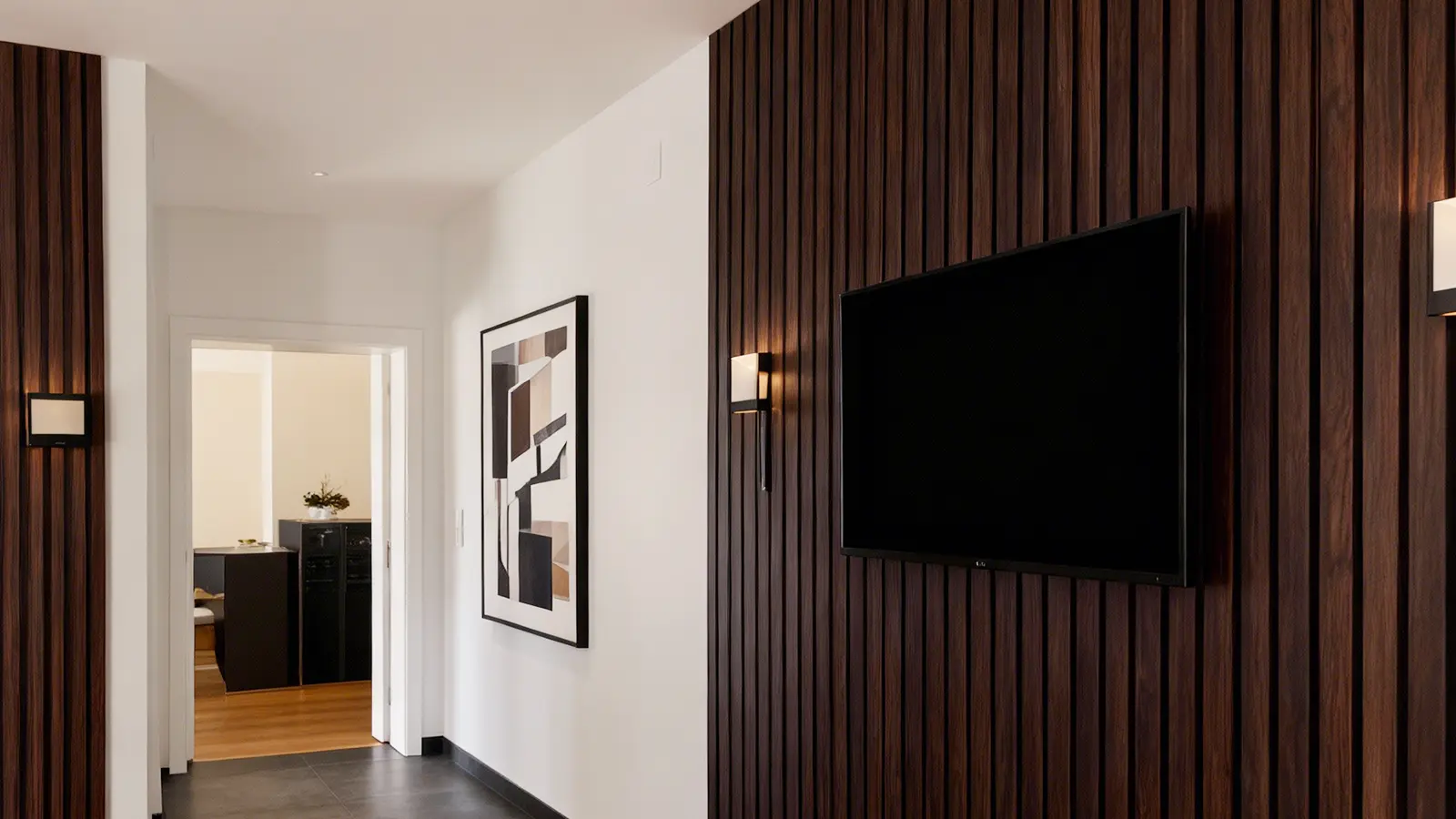
Today’s panels aren’t one-size grey-box solutions. From colourful felt tiles to wood-slat diffusers and printed fabric panels, acoustic treatments double as design features.
- Cost-Effective Acoustic Improvement
Instead of tearing out walls or installing heavy sound-barriers, acoustic panels provide a simpler retrofit solution. They address the internal sound quality rather than full isolation—which means lower cost and less disruption.
- Promote Well-being & Productivity
High ambient noise interferes with focus, raises stress, and lowers satisfaction. By reducing background sound, acoustic panels help create environments where people feel calmer and can concentrate.
- Comply with Acoustic and Building Standards
In many commercial and educational spaces, achieving acceptable reverberation times and speech clarity is a regulatory requirement. Acoustic panels can help you meet those acoustic benchmarks without full structural rebuilds.
3. Where These Panels Shine
Here are some of the most compelling use-cases for acoustic panels:
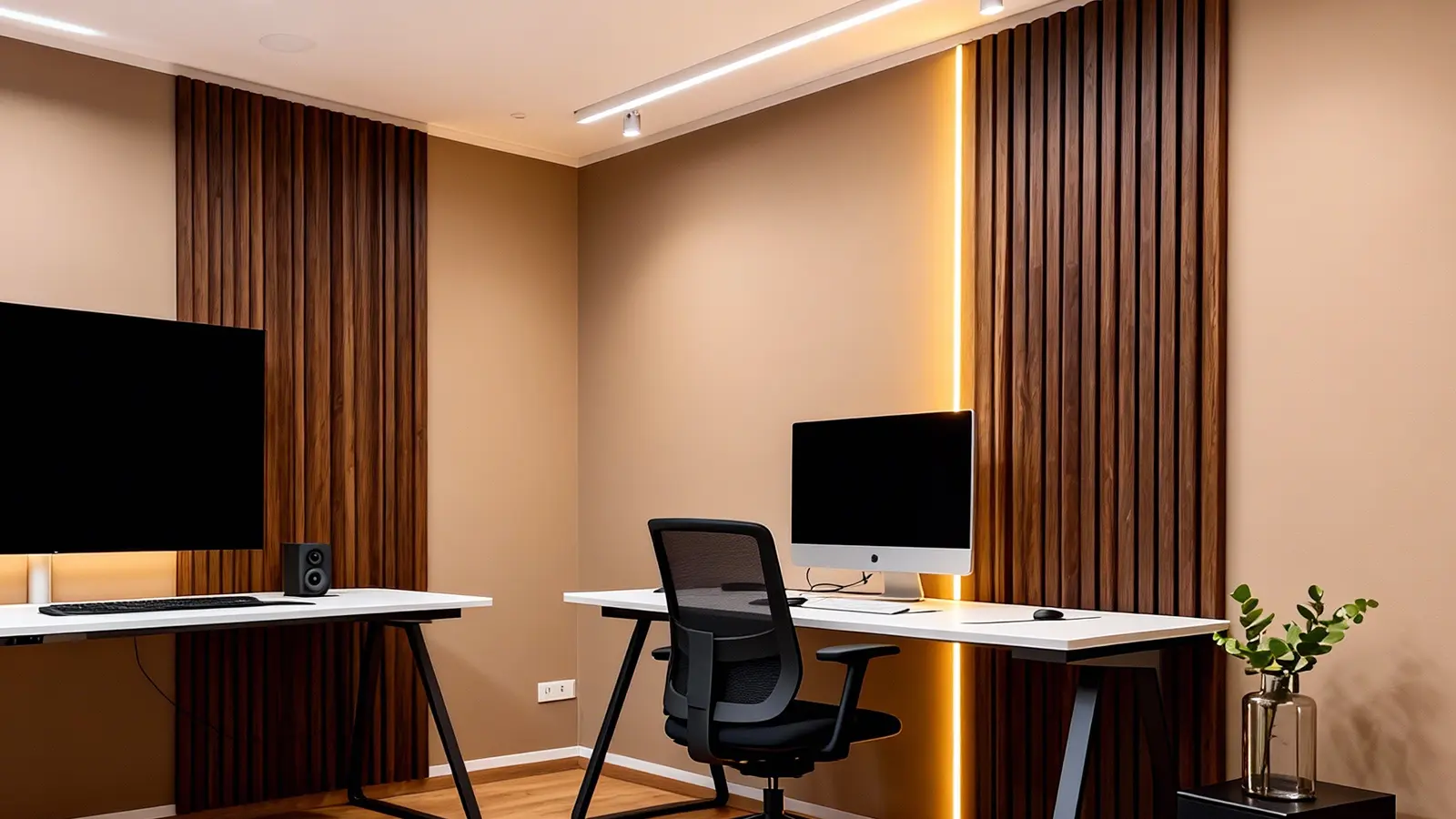
- Open-Plan Offices – These spaces often suffer from overlapping conversations, phone calls, and hard surfaces. Installing fabric-wrapped panels or ceiling clouds helps lower ambient noise and sharpen focus.
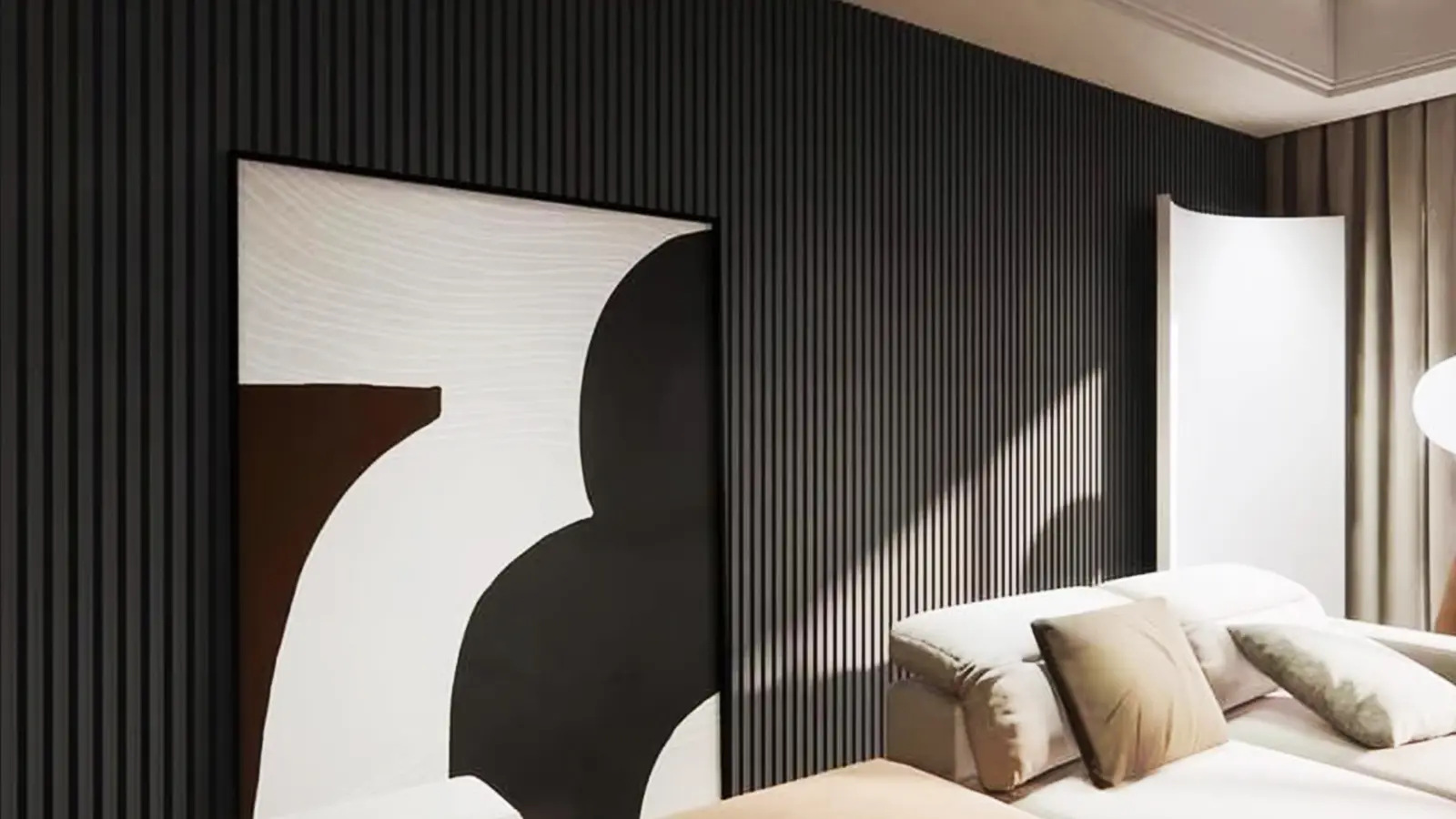
- Home Theatres & Media Rooms – For clear dialogue, balanced music and immersive experiences, covering a portion of wall and ceiling area with absorptive panels (plus bass traps, if needed) significantly enhances sound quality.
- Classrooms & Education Spaces – Students learn best when speech is clear and distraction is minimal. Wall/ceiling panels reduce reverberation times and support better engagement and comprehension.
- Cafés, Restaurants & Hospitality – When dining rooms get noisy, conversations become a struggle. Felt or wood-slat acoustic panels absorb half or more of the excess sound and add to the ambience.
- Recording Studios & AV Suites – Here, full-wall acoustic treatment (absorption + diffusion) is standard. Panels are positioned strategically (first-reflection points, ceiling) and paired with bass traps to create a controlled sound environment.
- Healthcare / Waiting Rooms – Reduced noise levels contribute to patient comfort, staff concentration, and overall wellbeing—especially in larger corridors or open waiting lounges.
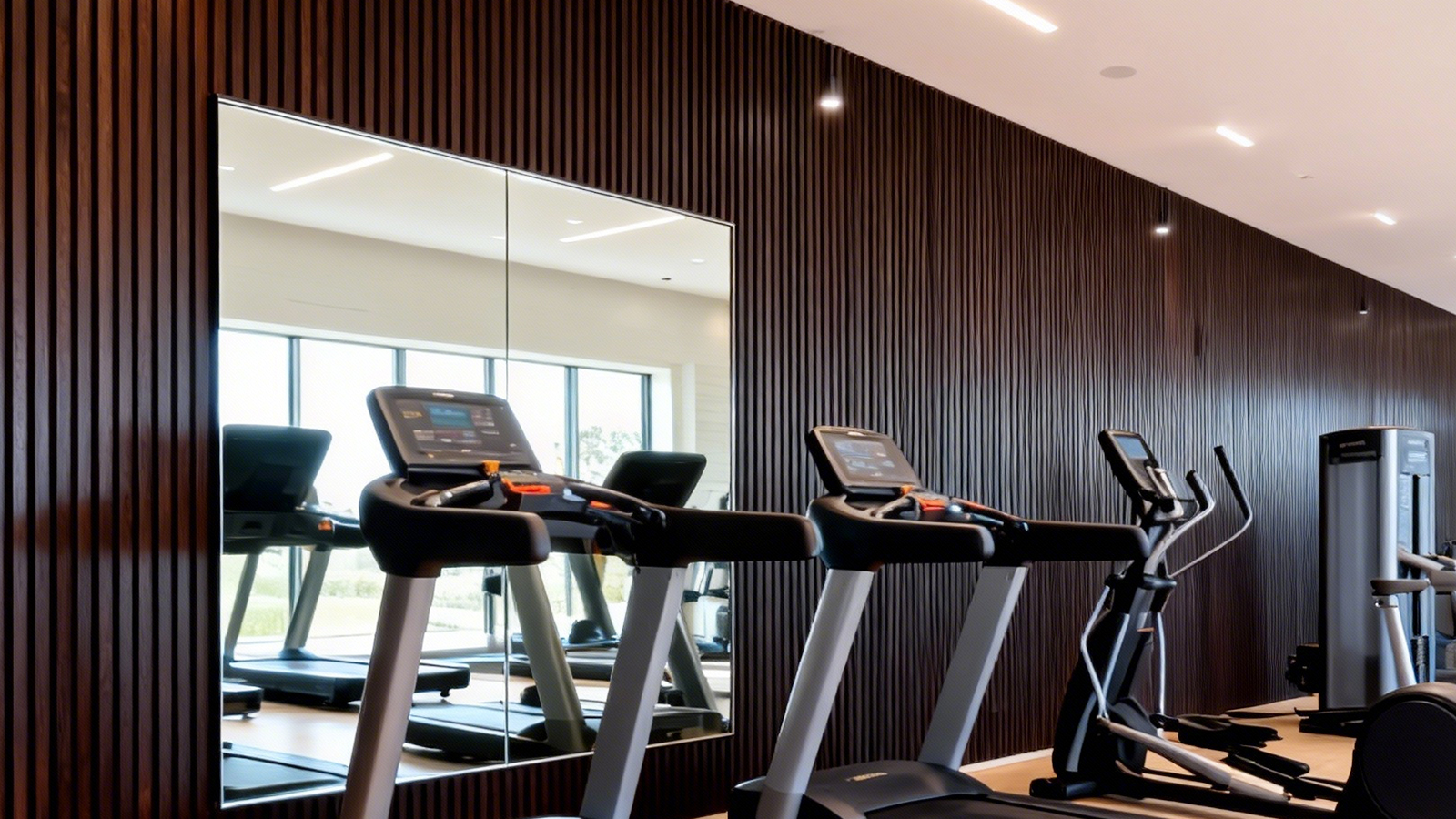
- Home Gyms / Multi-use Rooms – From bouncing weights to loud music, these spaces benefit from waterproof or impact-resistant acoustic panels that tame the echo without sacrificing aesthetics.
4. Picking the Right Panel: Materials and Performance
Your choice of panel should reflect your space’s purpose, budget, and design aesthetic. Here’s a simplified comparison of materials, absorption performance, and typical uses:
| Material type | Approx. Absorption (NRC) | Typical cost (per sq. ft) | Ideal applications |
| Acoustic foam or budget sheets | ~0.5-0.7 | Low to moderate | Home studios, bedrooms |
| Fabric-wrapped fiberglass panels | ~0.8-1.0 | Mid range | Offices, home theatres |
| PET-felt Decorative Panels | ~0.7-0.9 | Mid range | Restaurants, lobbies, creative spaces |
| Wood‐slat diffusers with absorption | ~0.4-0.6 | Higher range | Hotels, boardrooms, premium spaces |
_Note: NRC = Noise Reduction Coefficient, indicating fraction of incident sound energy absorbed. Materials only absorb; they do not block sound transmission between rooms.
There are also eco-friendly and special-purpose options—such as panels made from recycled plastic bottles, bonded cotton, or PET felt, and fire-rated panels suitable for institutional settings.
5. Trends for 2025 – What’s New
- Sustainable materials: Expect more panels built from recycled fibres, agricultural by-products or mineral wool with low-VOC finishes.
- Modular & reconfigurable systems: Interlocking acoustic tiles or hanging clouds that let renters or multi-use spaces adapt without full re-installation.
- Smart acoustic solutions: Panels integrated with sensors or controls that adapt absorption based on occupancy or noise levels.
- Art and branding integration: Custom-printed acoustic panels (maps, timelines, company logos, graphic art) that serve both acoustic and visual design goals.
6. Practical Considerations Before You Buy
- Coverage & placement matter: For best effect, treat walls/ceilings where sound reflects first. Simply tacking a few panels won’t always solve the problem. One DIY audio-forum user puts it well: “Yes, it’ll make a significant difference… The best, most noticeable improvement absorption will make on the sound field is when you place it in the path of sound’s first reflection.”
- Panels aren’t soundproofing: Be clear on goals. If you’re trying to block noise from entering/leaving a room, you’ll need sound-proofing (mass, isolation, sealing) rather than absorption alone.
- Material ratings: Look for NRC ratings, fire-safety classification (e.g., Class A), low chemical emissions (for indoor air quality), and durability especially in high-traffic spaces.
- Aesthetic alignment: Since the panels will be visible, align fabric colours, textures or wood finishes with your interior design. Some suppliers offer custom fabric or print options.
- Installation & maintenance: Panels can be wall-mounted, suspended, adhered with magnets or hook systems. Ensure the substrate is clean and mounting hardware rated for your panel weight. For heavy or ceiling installations, use professional installers.
7. Conclusion: Merge Sound and Style
In our fast-moving world, ambient noise is often an invisible drag on productivity, comfort and experience. With the right acoustic panel strategy, you can turn that problem into a feature: one that enhances speech clarity, reduces stress, supports brand identity—and looks good doing it.
Whether you’re creating a calmer corporate space, a dynamic restaurant atmosphere, or a home entertainment sanctuary, acoustic wall and ceiling panels give you an elegant, effective tool. Keep your needs, materials and design aligned—and you’ll quickly see how sound meets style in the best possible way.
