
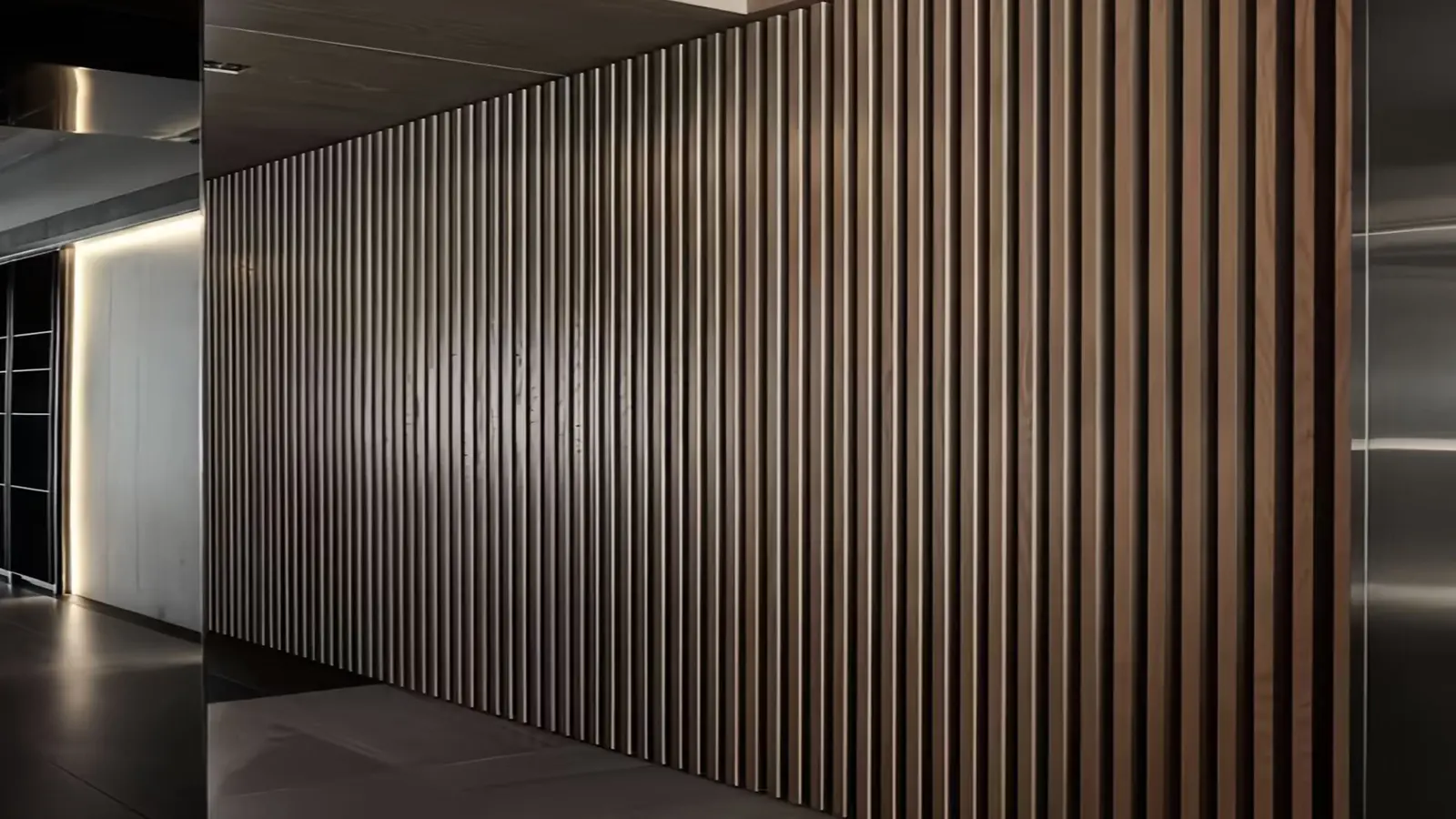
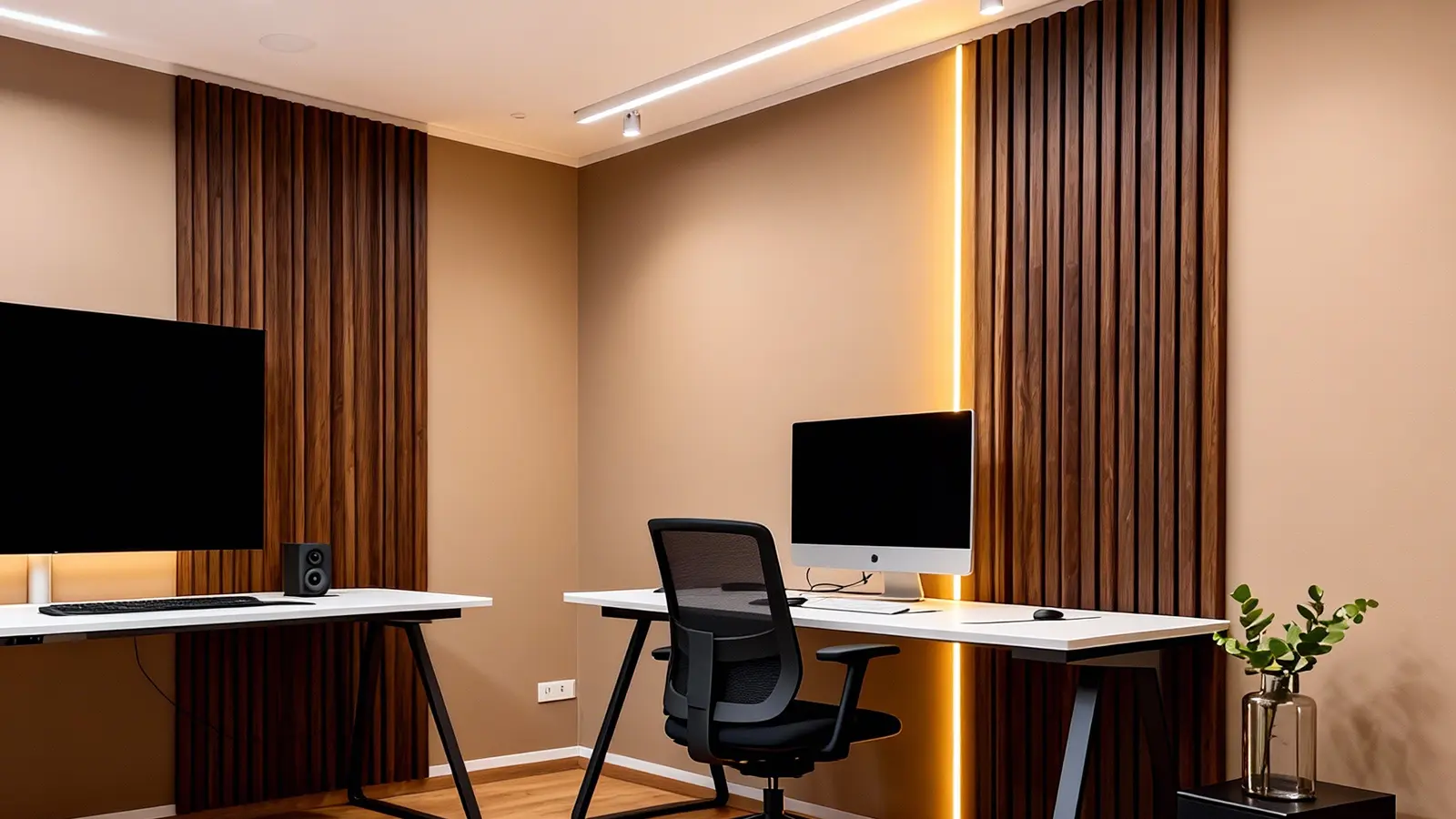
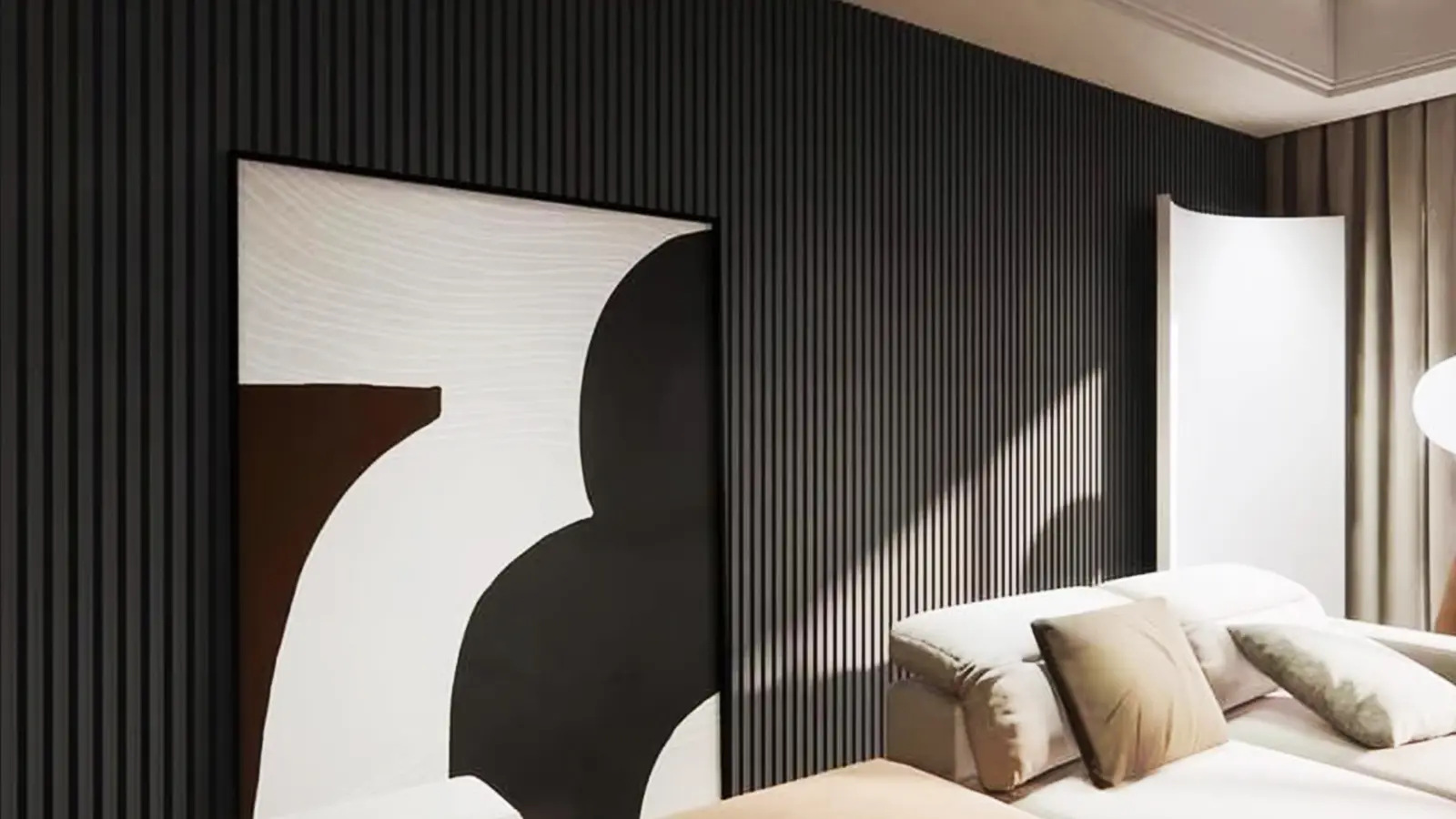
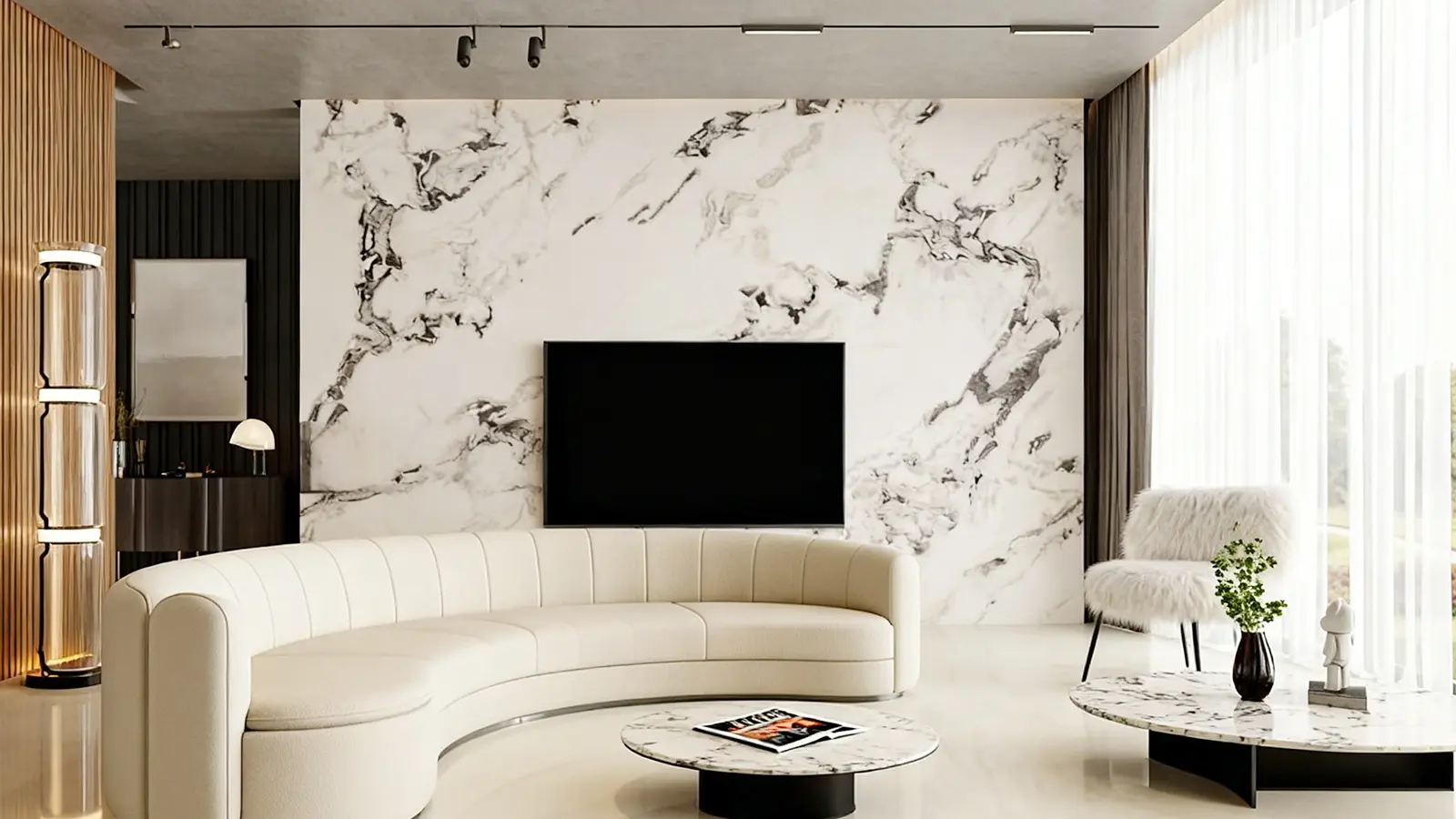
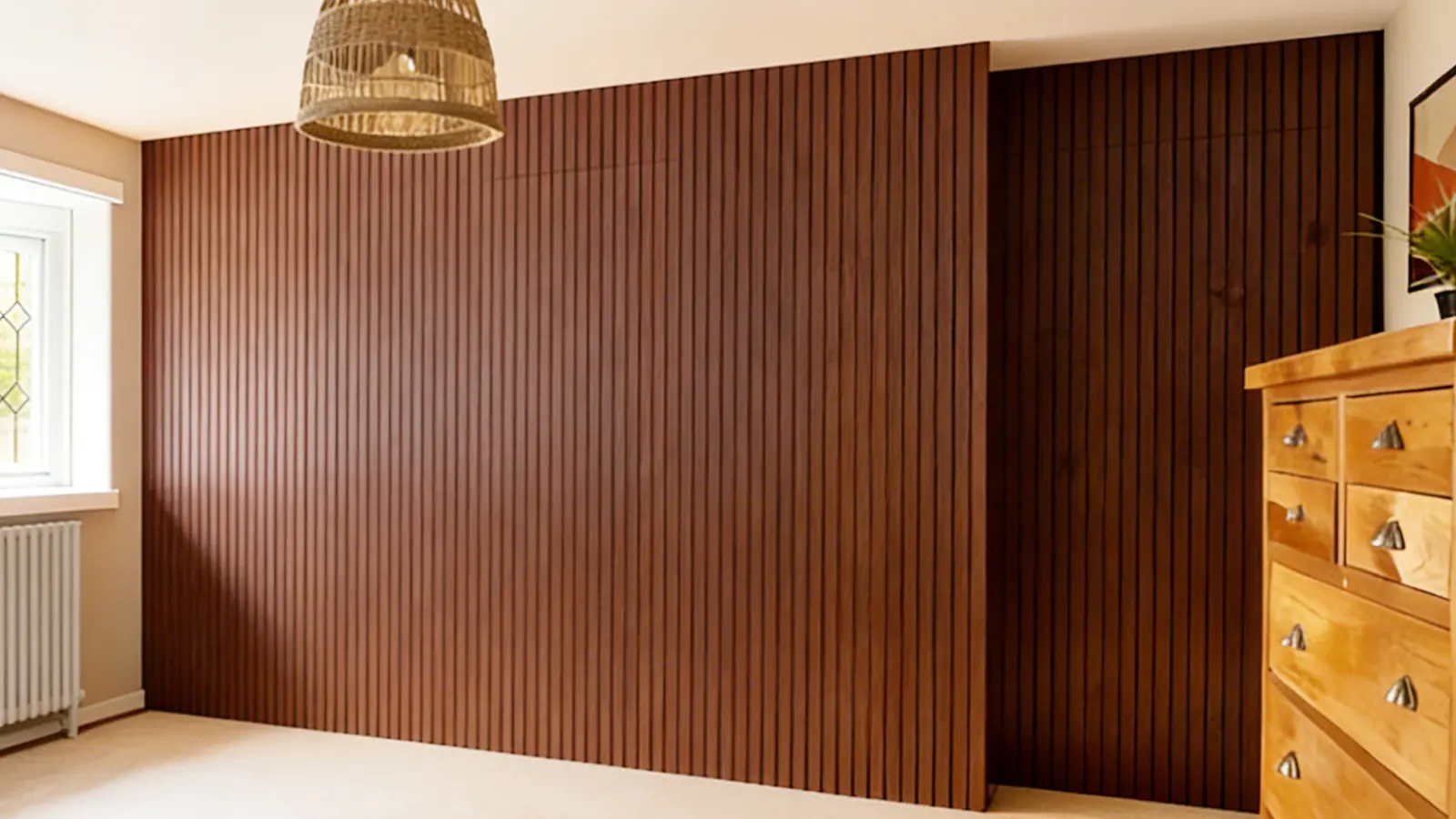
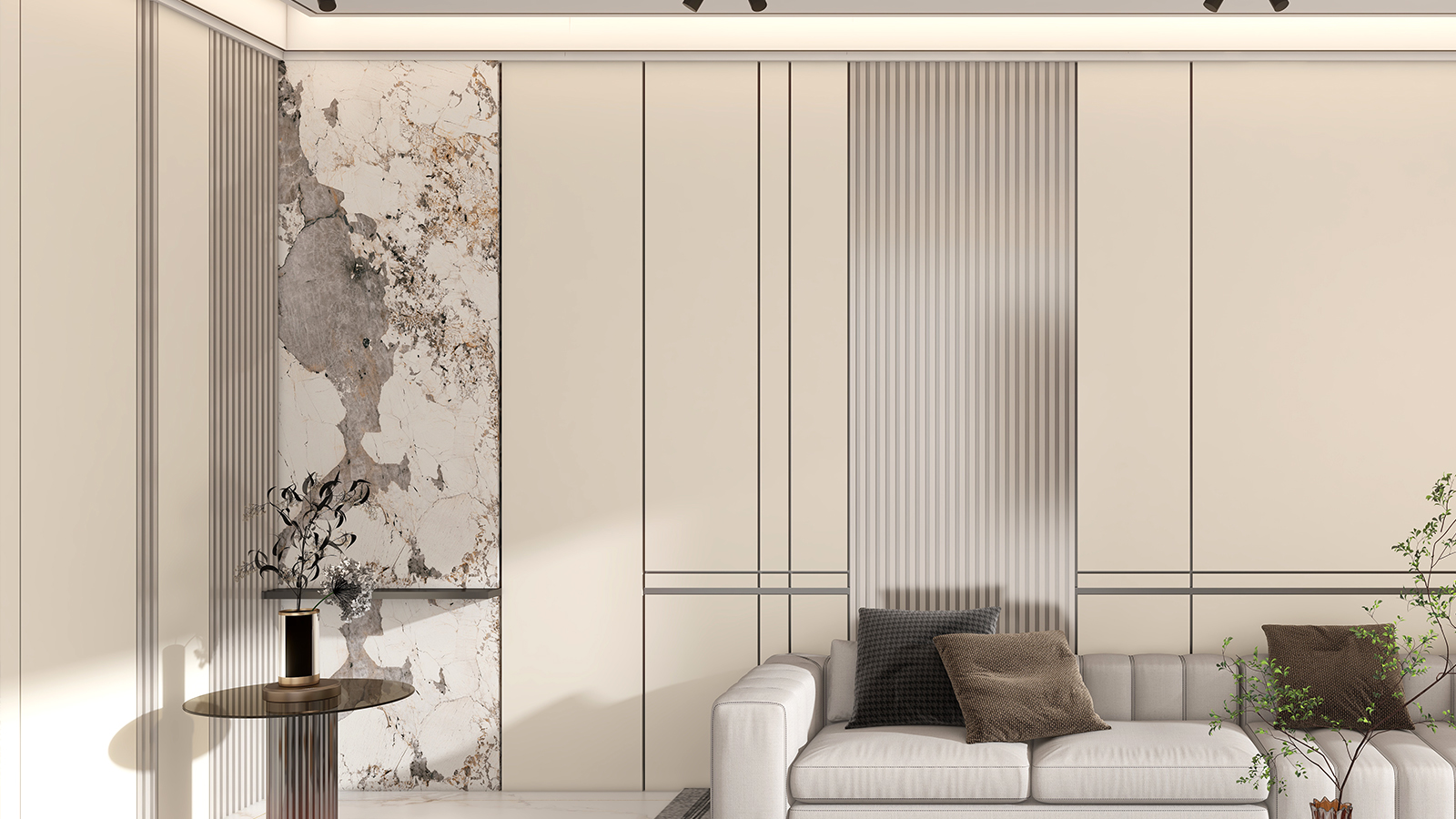
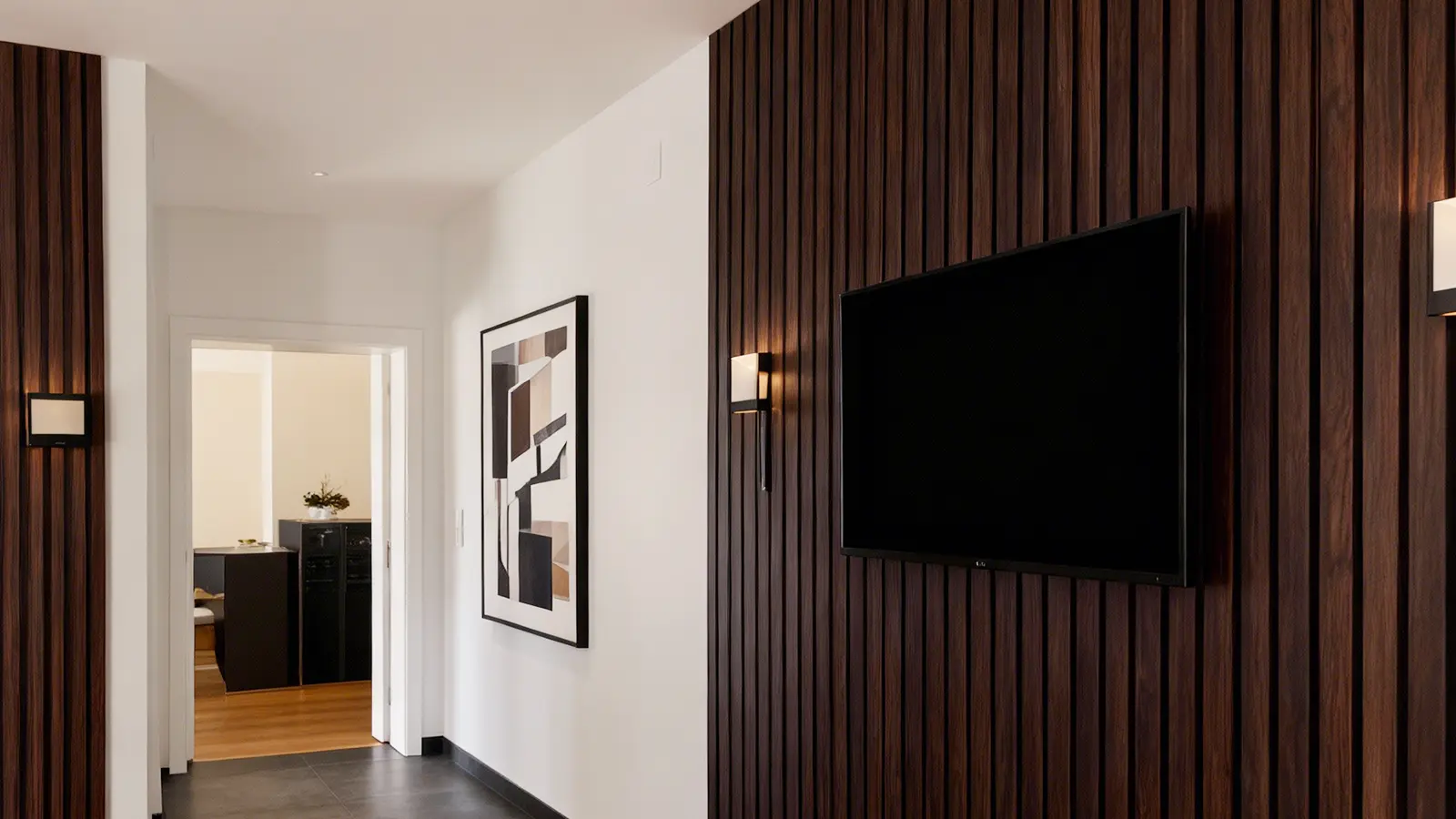
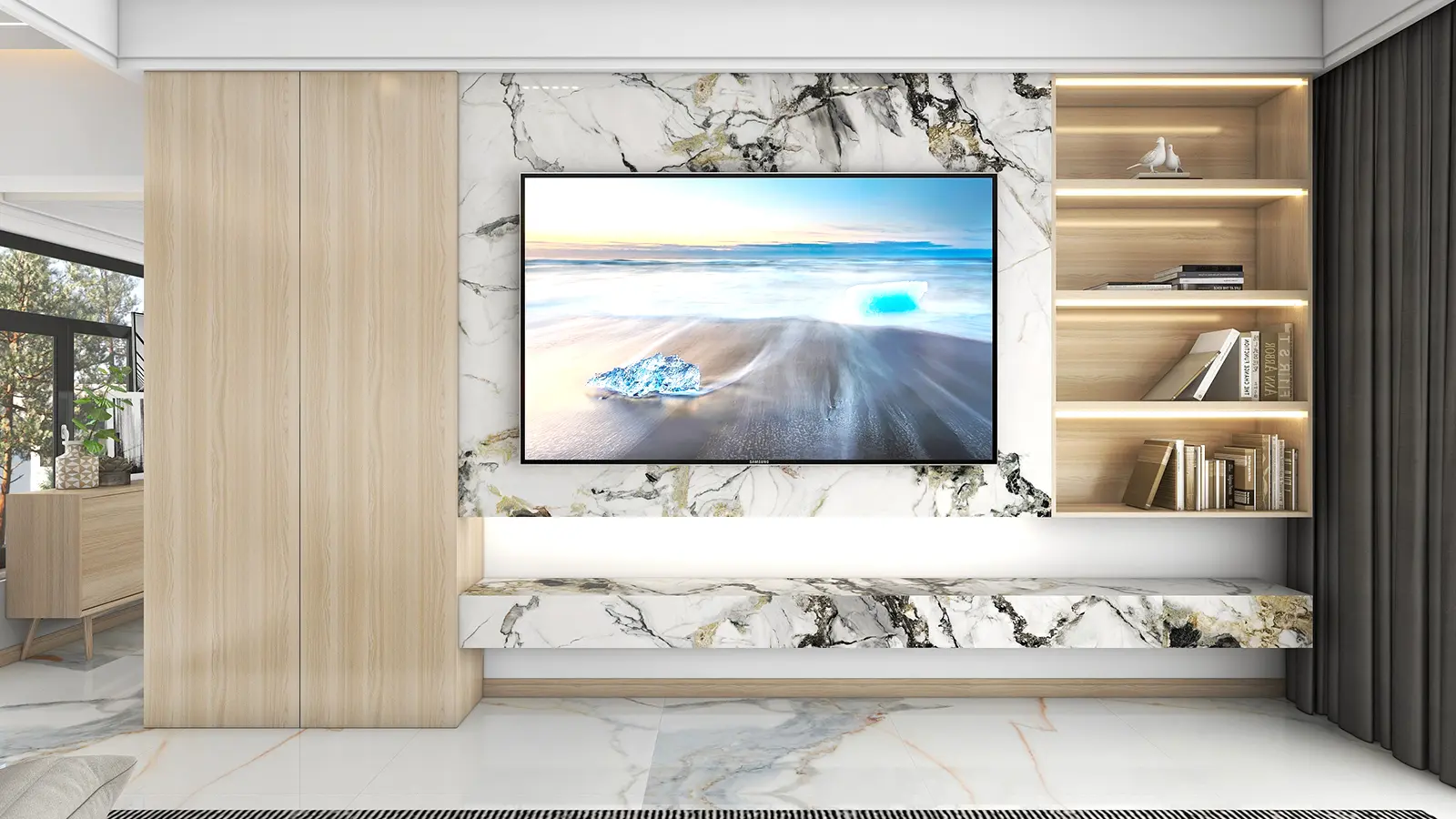
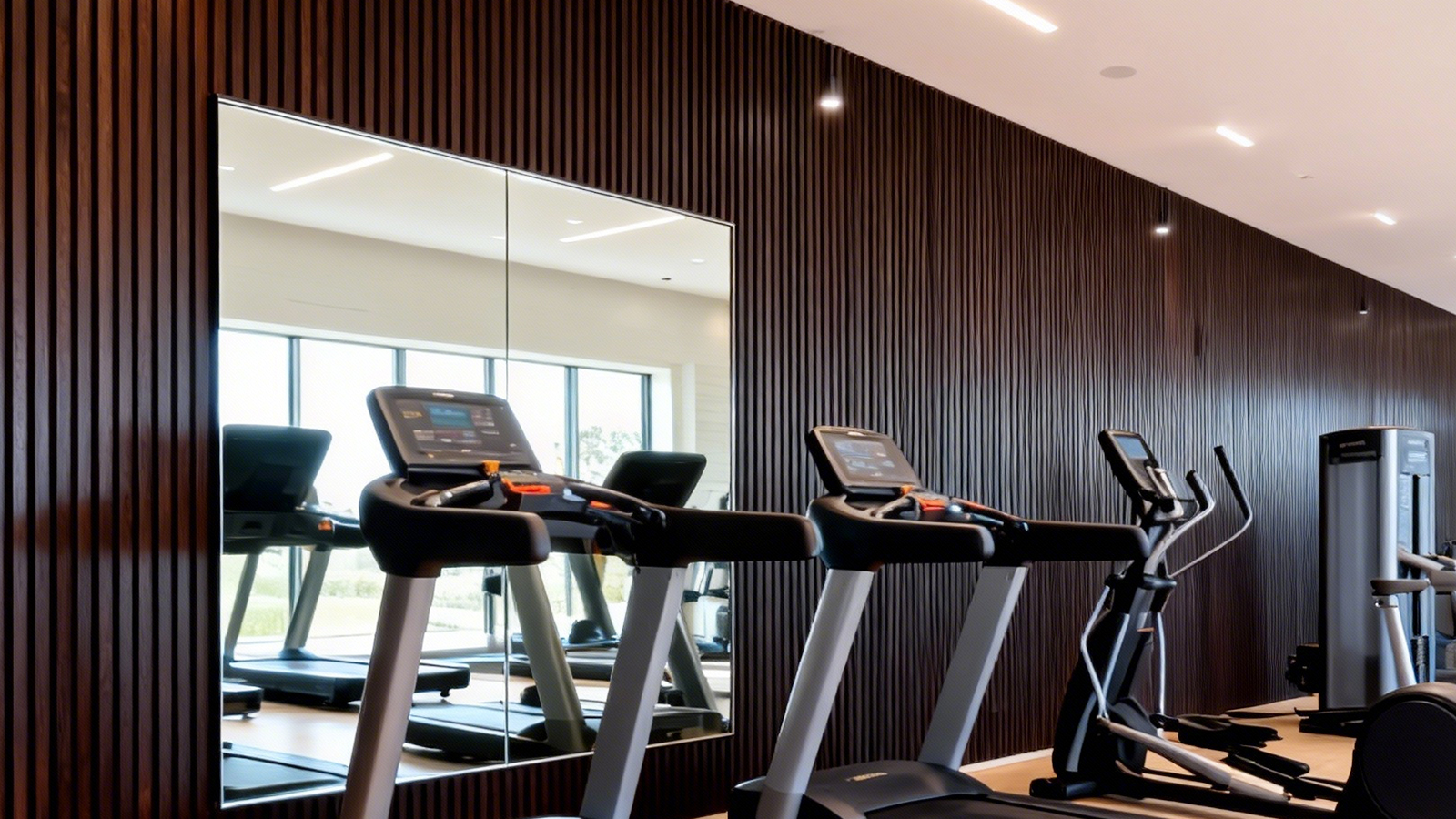
RUIDE WPC Wall Panels — A Smart Investment for Longevity & Design
Table of Contents
What Exactly Are WPC Wall Panels?
How Long Do RUIDE WPC Wall Panels Last?
What Gives RUIDE WPC Wall Panels Their Longevity?
Common Factors That Shorten Panel Lifespan
Maintenance Tips to Extend Service Life
RUIDE’s Technology & Sustainability
Cost Efficiency and Value Over Time
Introduction
In today’s world, homeowners and architects are no longer satisfied with materials that look good but deteriorate quickly. They want surfaces that can endure the test of time, resist environmental challenges, and maintain their beauty with minimal maintenance. One material that perfectly fits these requirements is WPC (Wood Plastic Composite).
Blending natural wood fibers with high-performance plastics, WPC offers the warmth of wood and the resilience of synthetic materials. Among the many brands available, RUIDE WPC wall panels stand out for their exceptional durability, elegant aesthetics, and eco-friendly design.
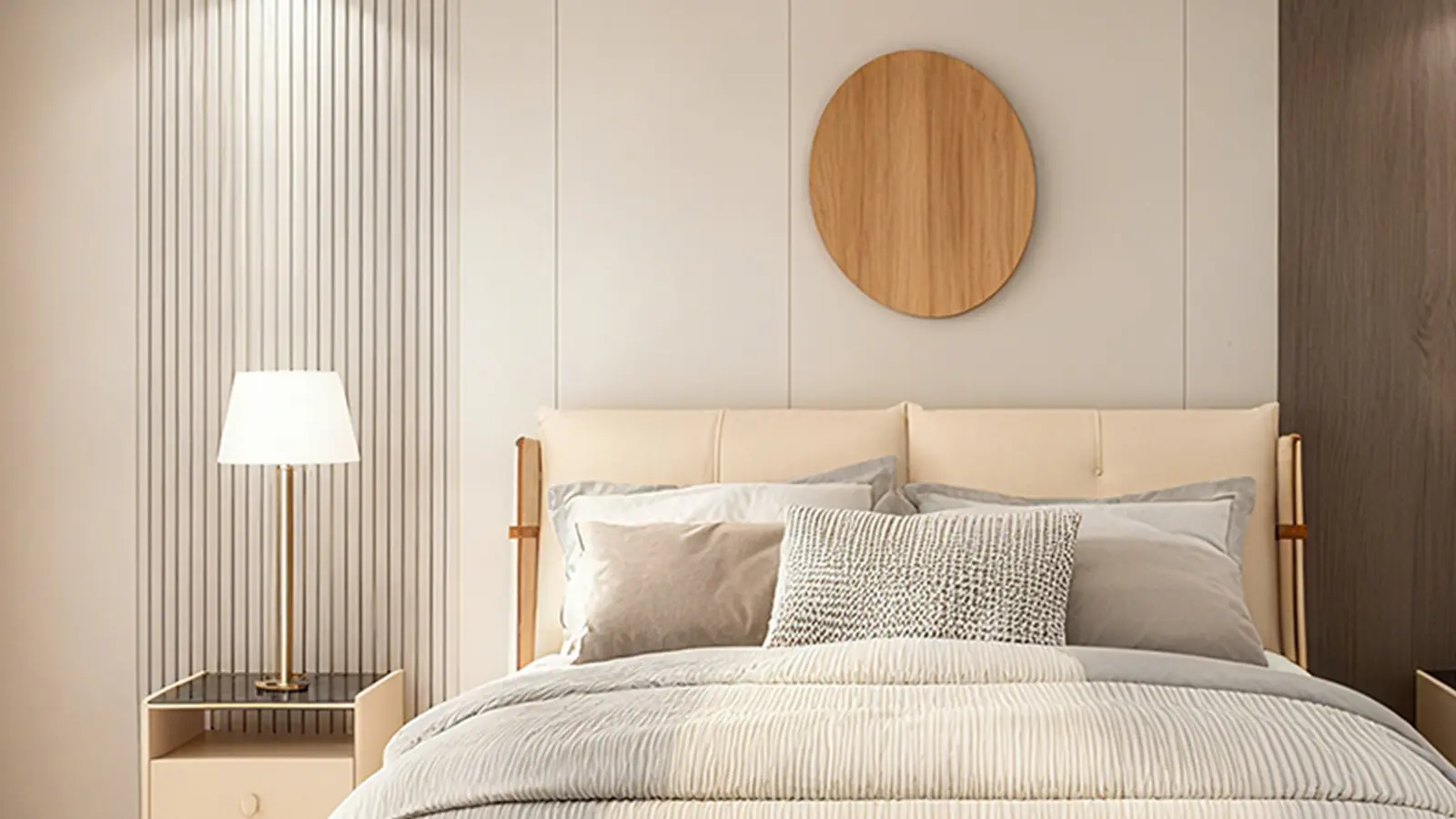
If you’re considering long-term, cost-effective wall solutions, this article explores the lifespan, structure, advantages, and care tips for RUIDE’s WPC Wall Panels—revealing why they’re one of the smartest investments in modern construction and interior design.
1. What Exactly Are WPC Wall Panels?
WPC stands for Wood Plastic Composite, a hybrid material created by combining:
- Natural fibers such as wood flour, bamboo powder, or agricultural by-products; and
- Thermoplastics like polyethylene (PE), polypropylene (PP), or polyvinyl chloride (PVC).
During production, these components are blended with stabilizers, colorants, UV inhibitors, and anti-mold agents. The mixture is then extruded into rigid, durable panels that can be used for indoor walls, ceilings, and exterior façades.
The result is a surface that retains the organic look of timber but provides far better resistance to moisture, insects, corrosion, and fading. For modern builders, WPC is quickly replacing traditional wood and PVC as the material of choice.
2. How Long Do RUIDE WPC Wall Panels Last?
Durability is the defining trait of any premium wall panel. RUIDE’s WPC panels typically have a service life of 20 to 30 years, but their actual lifespan depends on environment, installation, and care.
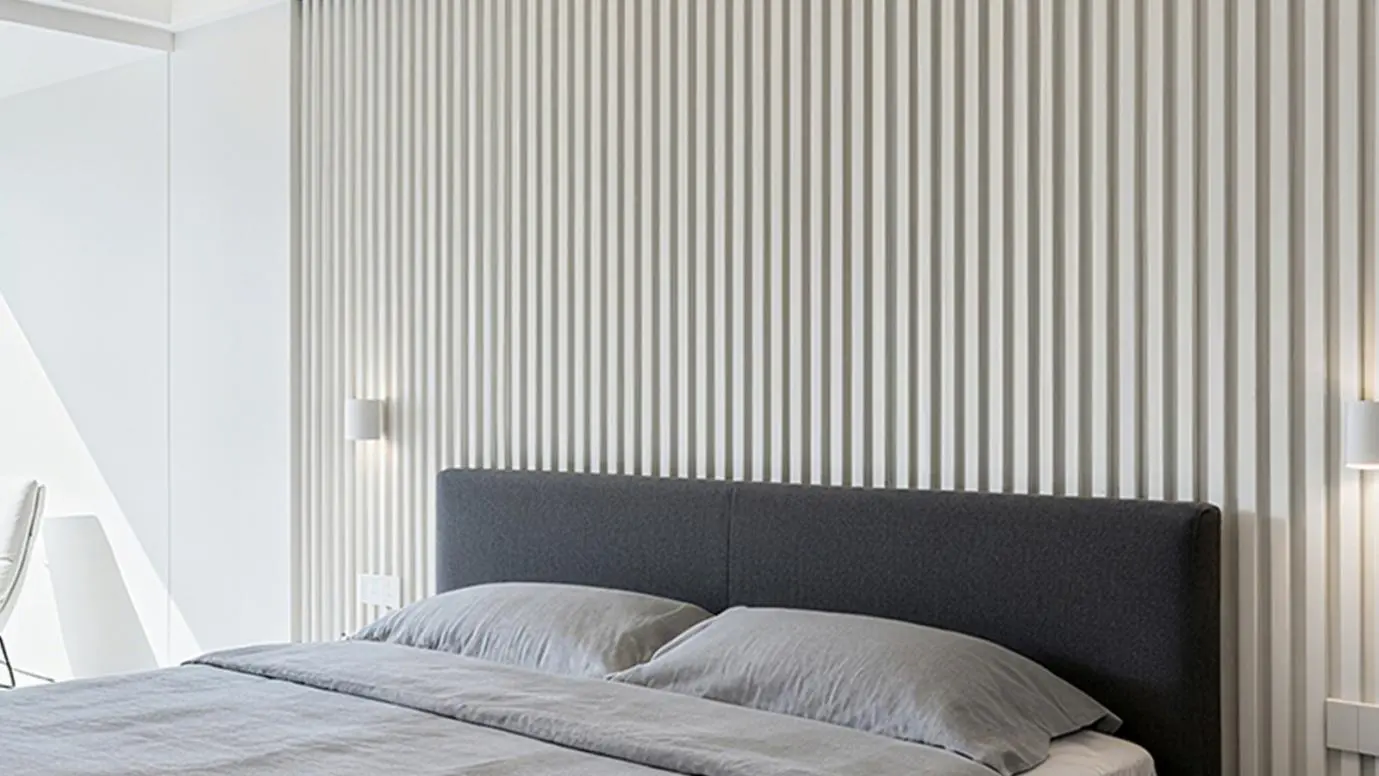
Indoor Applications
In climate-controlled interiors—like living rooms, offices, or hallways—Wpc Panels can easily last 25–35 years. They’re unaffected by humidity, insects, or temperature fluctuations, which often cause traditional wood to warp or crack.
3. What Gives RUIDE WPC Wall Panels Their Longevity?
Several built-in features contribute to the remarkable endurance of RUIDE WPC wall panels:
a. Moisture and Water Resistance
Unlike traditional wood that absorbs water and swells, RUIDE panels have a non-porous plastic matrix. This structure prevents water infiltration, making them ideal for bathrooms, kitchens, and coastal regions. They resist rot, mold, and mildew—even in humid conditions.
b. UV Resistance
Continuous exposure to sunlight can cause fading or chalking. RUIDE incorporates UV-absorbing agents and color stabilizers, reducing color degradation and keeping the panels vibrant and fresh-looking for many years.
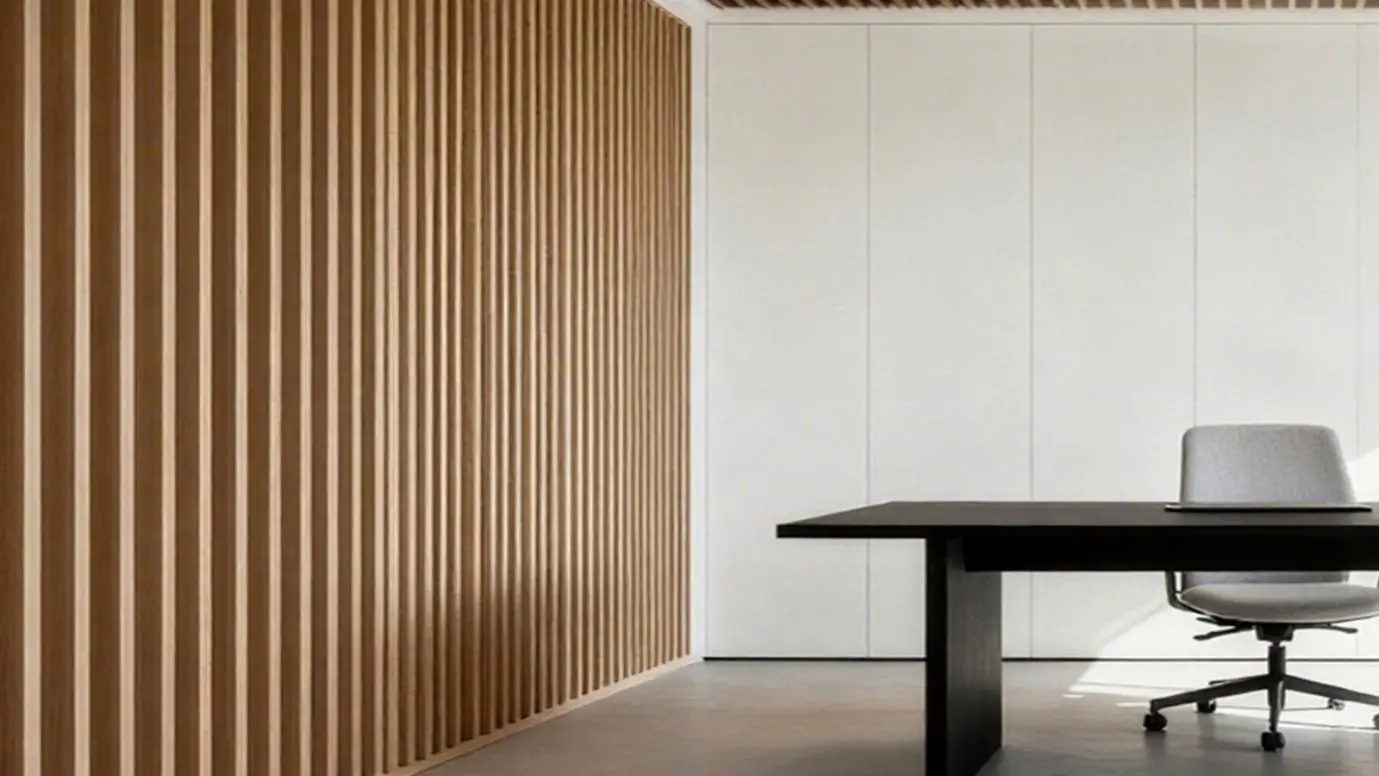
c. Impact and Scratch Resistance
The composite core provides strong impact resistance. Whether in high-traffic commercial areas or busy households, RUIDE WPC panels withstand accidental knocks, furniture movement, and scratches better than most wall finishes.
d. Pest and Termite Protection
Because there’s no cellulose fiber exposed to the environment, termites and insects cannot feed on WPC. This protection is particularly valuable in tropical climates where pest infestation is common.
e. Fire and Corrosion Resistance
Many RUIDE WPC panels are treated with flame-retardant additives, making them safer for interior use. They also resist corrosion from air pollutants or salt exposure—beneficial in coastal cities.
f. Dimensional Stability
Wood expands and contracts with temperature changes, causing cracks over time. WPC’s low thermal expansion coefficient prevents warping, buckling, and joint separation, even in regions with extreme climate shifts.
4. Common Factors That Shorten Panel Lifespan
Even the best materials can suffer premature wear if misused or installed incorrectly. To maintain longevity, avoid these pitfalls:
- Poor installation: Missing expansion gaps, weak fasteners, or inadequate ventilation can trap moisture and cause distortion.
- Low-grade material: Cheap composites without UV or moisture stabilizers deteriorate faster.
- Chemical exposure: Harsh cleaners (bleach, ammonia, strong acids) degrade protective coatings.
- Constant direct sunlight: Without a UV layer, panels may fade or chalk after prolonged exposure.
- Neglected maintenance: Dust, debris, or mold buildup on outdoor surfaces can accelerate discoloration.
Proper installation and regular inspection eliminate most of these issues.
5. Maintenance Tips to Extend Service Life
RUIDE’s WPC wall panels are low-maintenance, but not “maintenance-free.” Following a few simple steps can help extend their life by several years:
- Clean regularly. Use a soft cloth or sponge with mild detergent and warm water. Rinse and dry thoroughly. Avoid metal brushes or sandpaper that could scratch the surface.
- Avoid chemical cleaners. Strong acids or bleach can strip away UV coatings or gloss layers.
- Seal exposed edges. When panels are cut during installation, seal the exposed ends to prevent moisture entry.
- Leave expansion gaps. WPC expands slightly in heat—leaving a small gap between panels prevents warping or buckling.
- Protect against impacts. Use furniture pads or bumpers to prevent dents in areas where chairs or objects contact the wall.
- Inspect annually. Check for cracks, fading, or loose fasteners. Address issues early to prevent further damage.
These easy practices ensure your RUIDE panels maintain their original strength and beauty for decades.
6. RUIDE’s Technology & Sustainability
RUIDE emphasizes not just performance, but also sustainability and eco-responsibility.
- Eco-Friendly Manufacturing: RUIDE panels are often produced from recycled plastics and reclaimed wood fibers, minimizing waste and deforestation.
- Low Emission Production: Modern extrusion techniques reduce harmful emissions, making WPC panels safer for indoor air quality.
- Recyclable Material: After their long life, WPC panels can be repurposed or recycled, aligning with circular economy principles.
- Energy Efficiency: Because RUIDE panels are thermally stable, they help maintain indoor temperature, potentially lowering energy bills.
For builders and homeowners pursuing green certifications or eco-friendly design goals, RUIDE WPC panels contribute positively to sustainability metrics.
7. Cost Efficiency and Value Over Time
While WPC wall panels generally have a higher upfront cost compared to standard wood or drywall, the total cost of ownership is substantially lower.
- No repainting or resealing required
- Minimal maintenance costs
- Longer replacement cycle (20–30 years)
- Resistant to common repair issues like cracking or rotting
When you add up labor, paint, replacement, and maintenance savings, RUIDE WPC panels deliver one of the best long-term ROI values among modern wall materials.
Conclusion
RUIDE WPC wall panels combine the elegance of wood, the endurance of plastic, and the innovation of modern engineering. With a potential lifespan exceeding three decades, they deliver unmatched reliability in both residential and commercial environments.
Whether you’re designing a cozy home interior or an outdoor architectural façade, these panels promise a perfect balance of strength, sustainability, and style.
By choosing RUIDE WPC wall panels, you’re not only investing in a surface that stands the test of time—you’re also investing in peace of mind, long-term savings, and sustainable design excellence.
