
Reimagining Surfaces: Why WPC Wall Panels Are Becoming the New Benchmark in Modern Architecture
Table of Contents
- A Material Engineered for Contemporary Architectural Expression
- The Design Psychology Behind Texture, Shadow, and Perception
- Strength and Stability That Redefine Performance Standards
- Real-World Applications That Showcase WPC’s Versatility
- Understanding WPC Types to Maximize Design Results
- Why WPC Outperforms Traditional Building Materials
- Conclusion: The New Foundation for Future-Oriented Architecture
Architecture is evolving faster today than at any other moment in recent decades. As city skylines expand upward and interiors become more thoughtful, the materials used to construct, decorate, and protect spaces are undergoing a transformation as well. Among the new generation of Building Materials,Wood–Plastic Composite (WPC) wall panels have emerged as one of the most impactful innovations—not just as a substitute for wood, but as a leading choice for designers who seek to balance aesthetics, sustainability, and long-term performance.
Once viewed merely as a practical exterior cladding option, WPC wall panels have now become a defining architectural element. From boutique hotels and executive offices to apartments, garden structures, and retail interiors, they offer designers the freedom to craft visually compelling spaces that maintain their beauty despite heavy use or environmental exposure.
A Material Engineered for Contemporary Architectural Expression
Today’s architectural language is defined by clarity, contrast, geometry, and emotion. Designers want surfaces that look natural but remain technically reliable for years. WPC Wall Panels align perfectly with these expectations.
Traditional timber is undeniably beautiful, yet naturally inconsistent—it expands and contracts with moisture, fades under the sun, and requires regular treatment. In contrast, WPC combines organic wood fibers with stable polymer compounds, producing a material that mimics the warmth and richness of natural wood grain while eliminating its weaknesses. This engineered stability is a major reason for WPC’s rapid adoption in both interior and exterior applications.
Modern co-extrusion processes have improved WPC surfaces further. With multi-layer UV protection, deeper color infusion, and more realistic embossing, today’s WPC wall panels are nearly indistinguishable from real hardwood—yet far more resilient. Whether you want airy Scandinavian brightness or bold industrial contrast, WPC provides consistent color tones that stay true over time.
The Design Psychology Behind Texture, Shadow, and Perception
Flat walls can feel cold, empty, and uninspiring. Textured WPC wall panels, however, introduce a sense of tactility and dimension. Designers increasingly rely on this material not only for its practicality but for the emotional effect it creates in a space.
The Role of Shadow
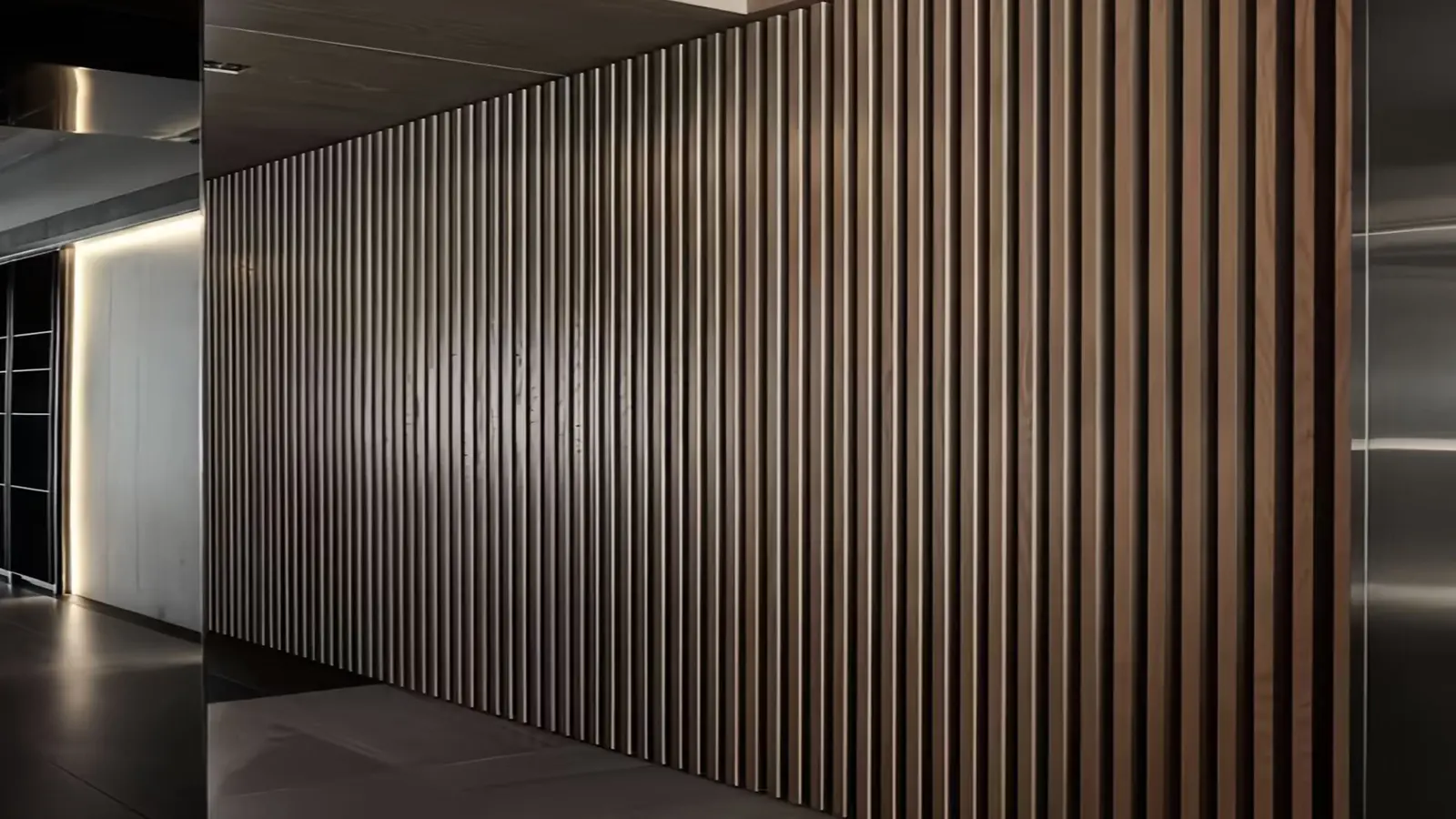
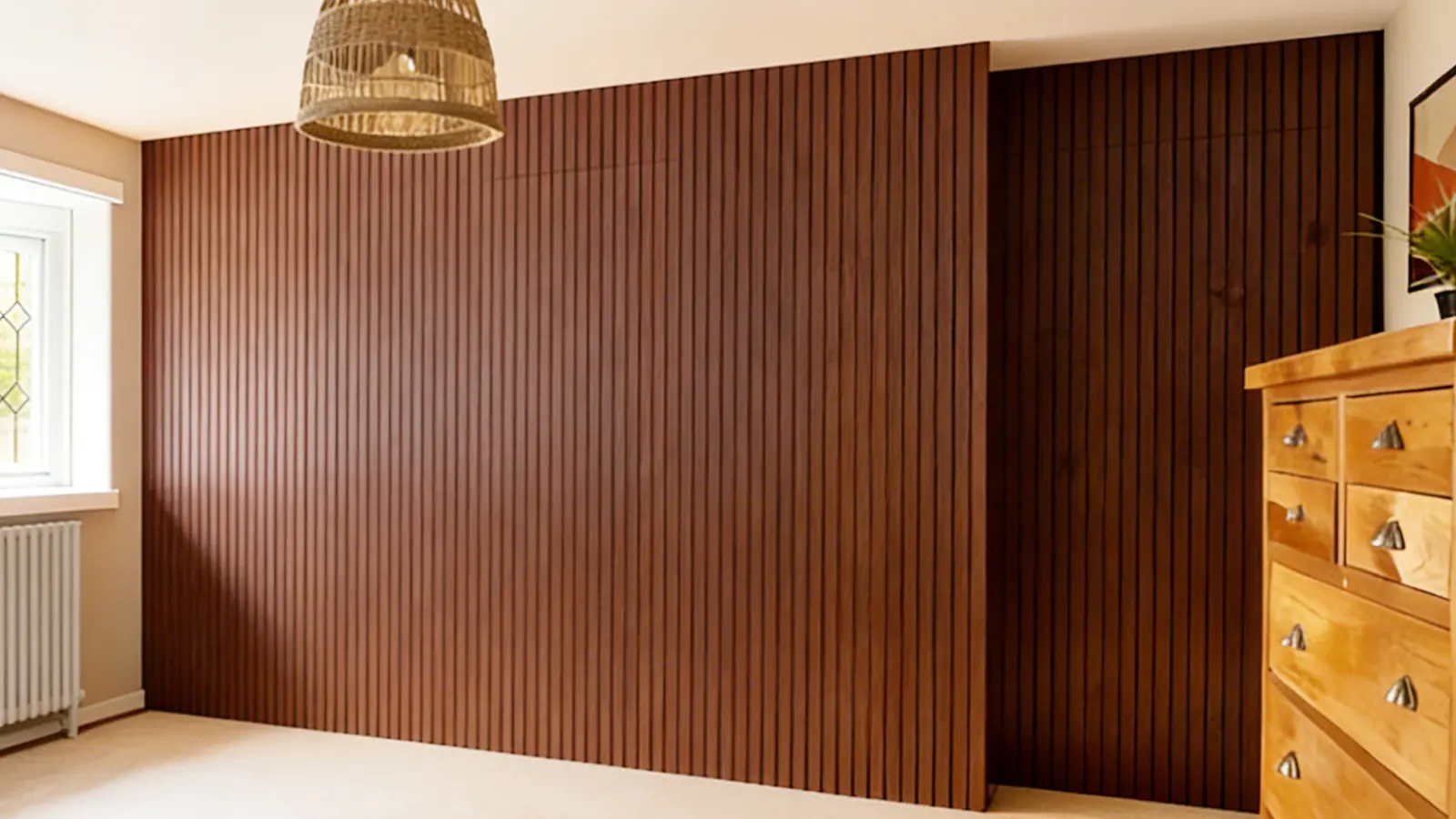
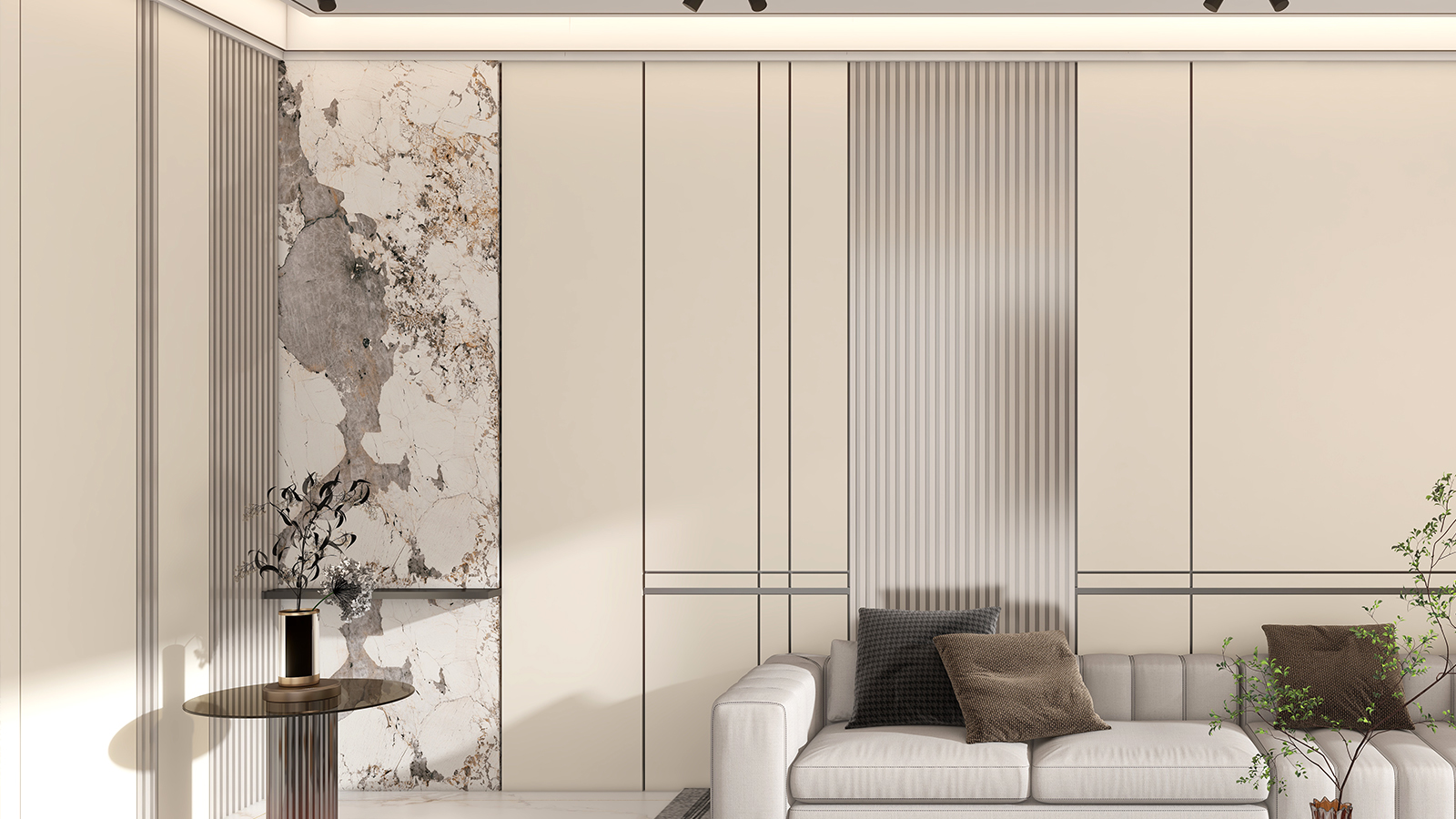
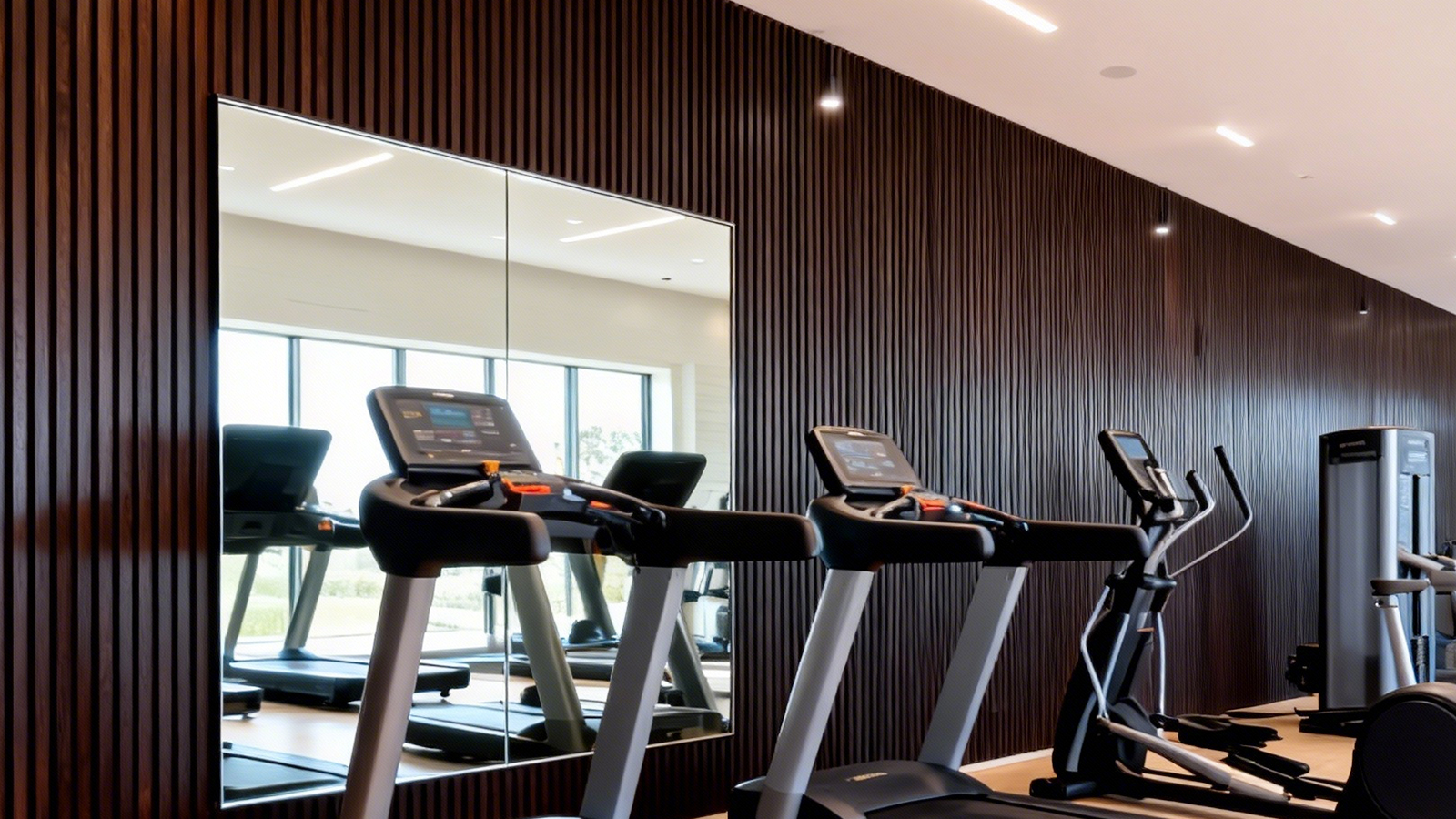
Slatted or ribbed WPC wall panels produce rhythmic shadows that shift throughout the day. These patterns bring a natural, almost sculptural quality to walls, allowing light to become an active design element.
Vertical vs. Horizontal Orientation
- Vertical installation elongates a room, evoking elegance and making ceilings appear higher.
- Horizontal installation gives interiors a calm, grounded feel that enhances modern, minimalist spaces.
Color Psychology
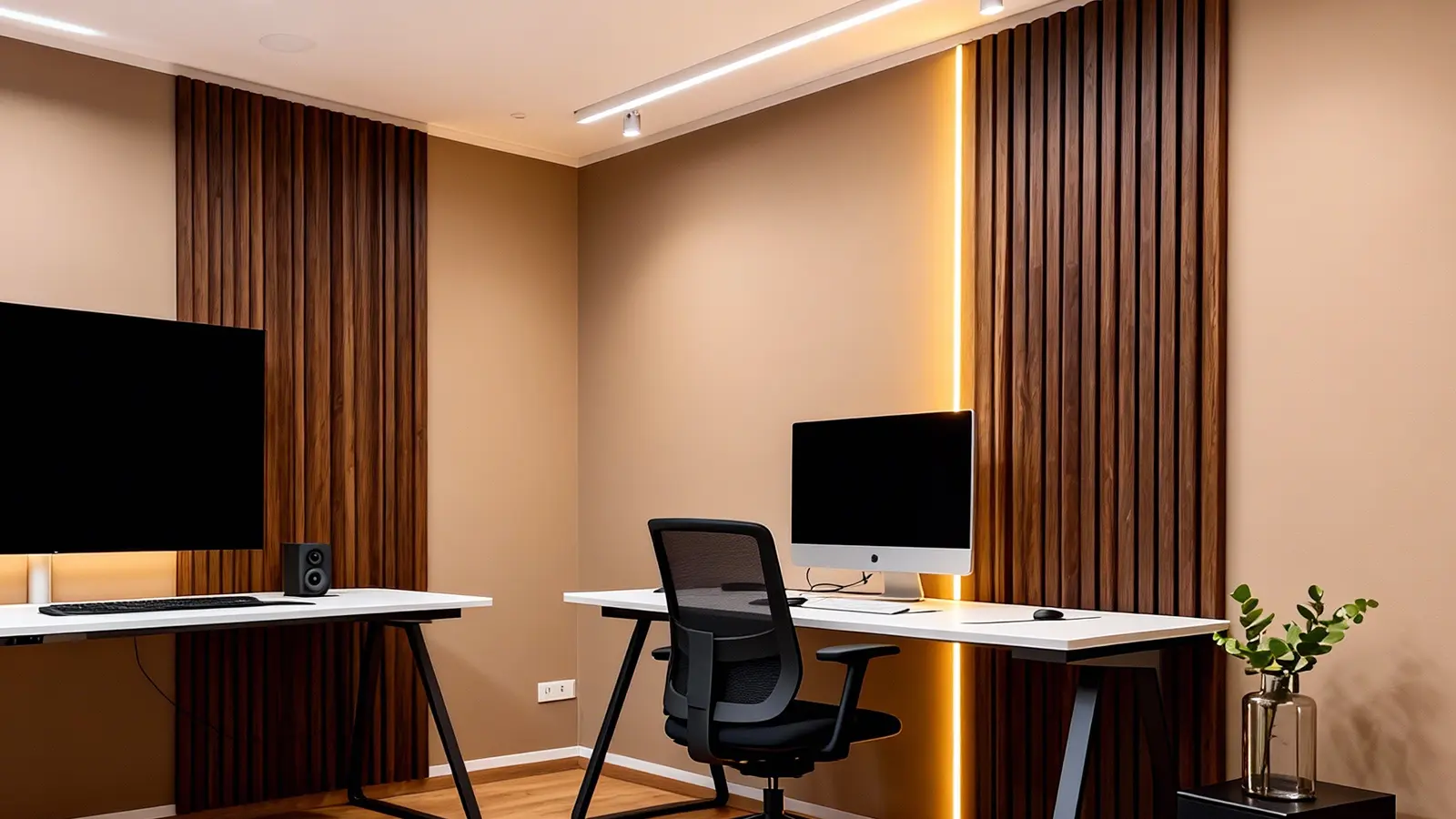
- Warm walnut or teak tones create comfort, perfect for hospitality and residential environments.
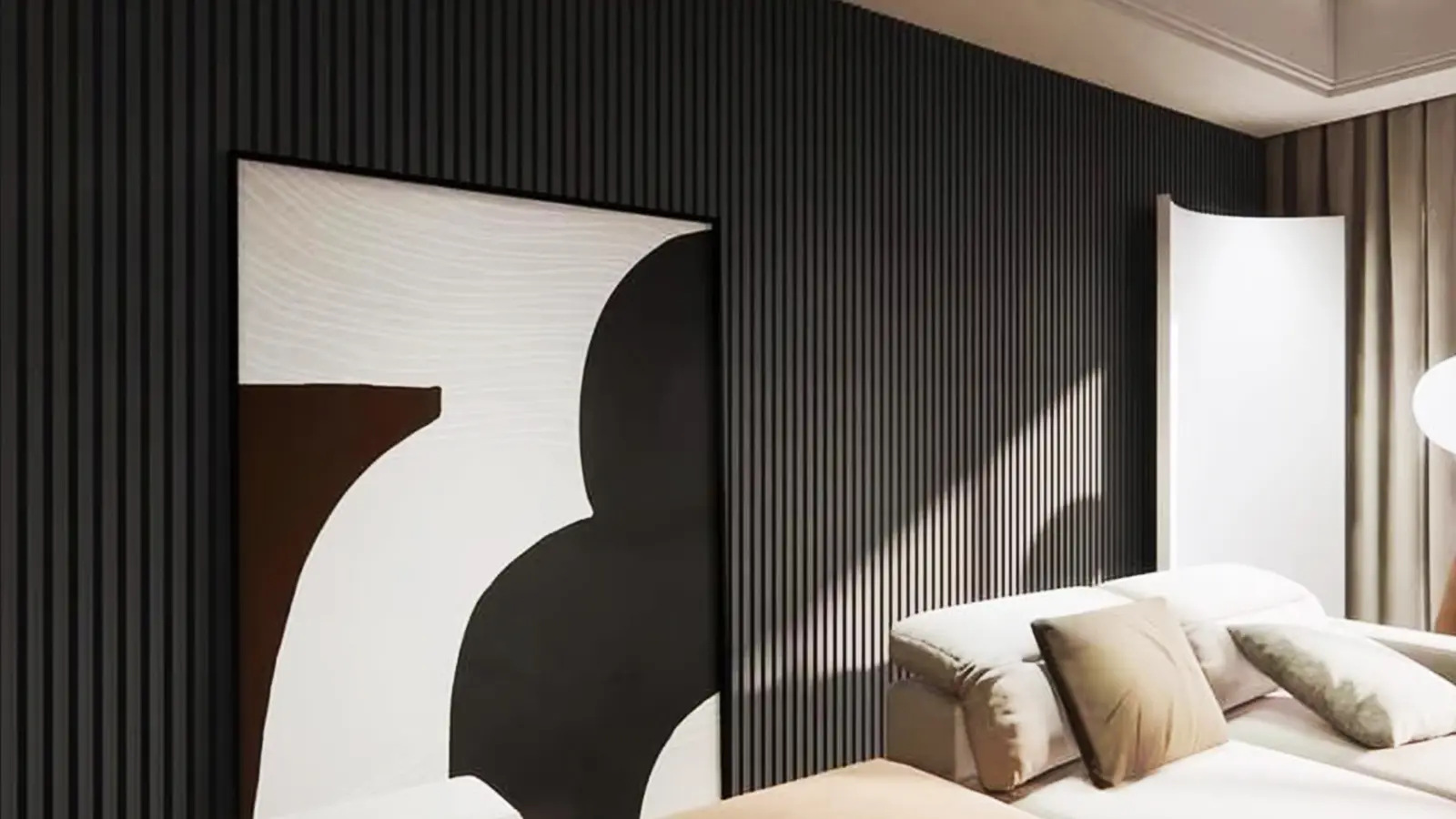
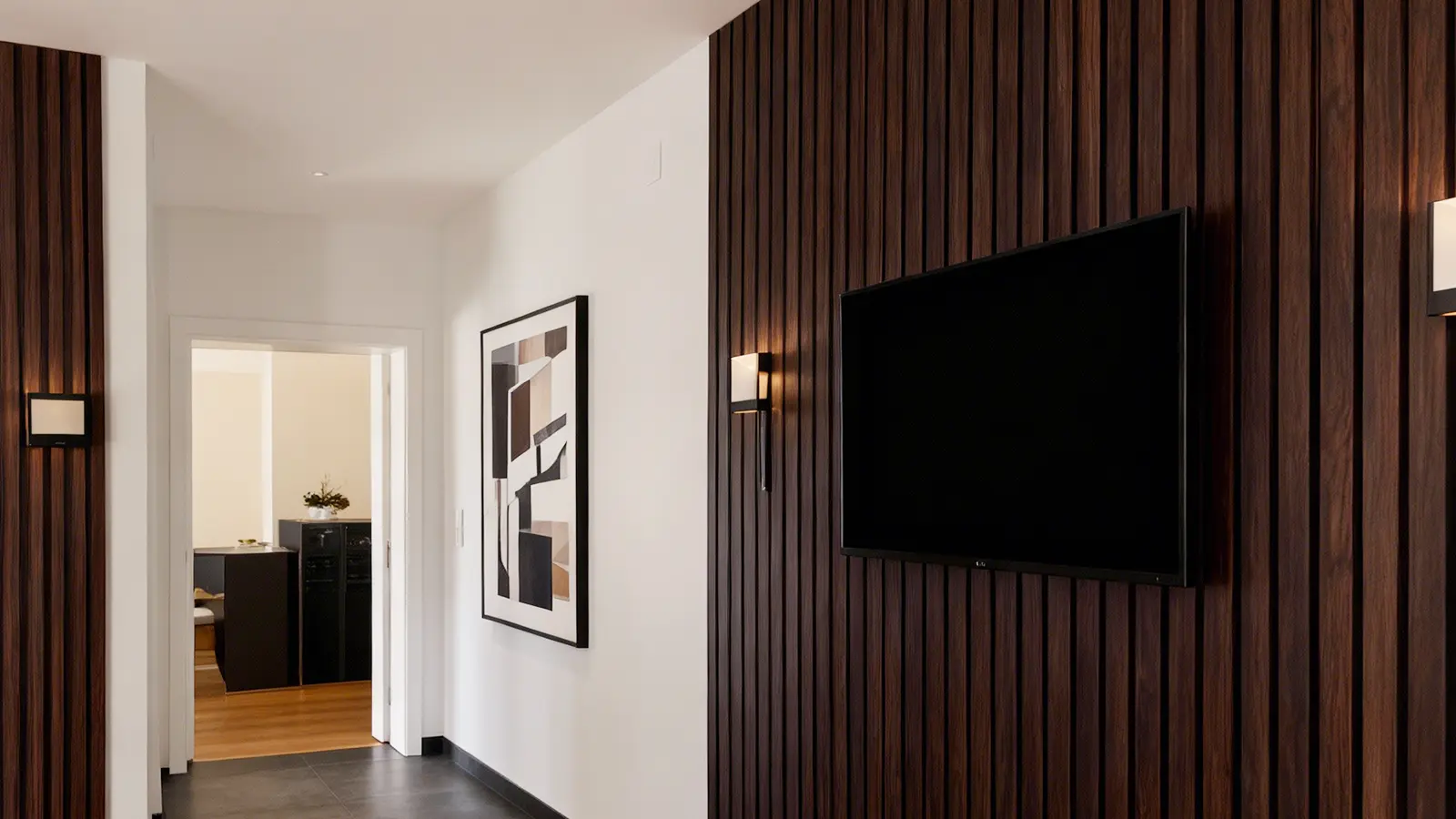
- Darker charcoal and ash hues convey sophistication, often used in corporate and retail spaces.
- Neutral mid-tones blend seamlessly into contemporary open-plan layouts.
This interplay of tone and texture helps shape the identity of a space without relying on excessive decoration.
Strength and Stability That Redefine Performance Standards
One of the strongest arguments for adopting WPC wall panels lies in their ability to overcome the weaknesses of traditional cladding materials. Unlike timber—which can warp, rot, or attract insects—or PVC—which feels plasticky and fades quickly—WPC offers a unique combination of beauty and resilience.
Defining Advantages
- Moisture-proof: Does not swell, crack, or mold when exposed to humidity.
- UV-resistant: Colors stay vibrant even under strong sunlight.
- Impact-resistant: Suitable for high-traffic commercial interiors.
- Low maintenance: Requires no painting, staining, or sealing.
- Eco-friendly: Many products use recycled wood fibers and plastics.
For hotels, restaurants, malls, and public spaces, this reliability reduces long-term renovation costs and ensures consistent brand appearance.
Real-World Applications That Showcase WPC’s Versatility
Exterior Architecture
Exterior WPC panels have transformed the look of residential and commercial buildings by offering weatherproof beauty that timber cannot maintain. They’re commonly used for:
- Cladding full façades
- Balcony partitions
- Screening walls
- Outdoor dining spaces and pergolas
- Sunshade louvers
Their resistance to temperature swings makes them ideal for coastal regions, tropical climates, and urban environments with harsh weather.
Commercial Interior Design
In retail stores, hotels, and office buildings, WPC wall panels add warmth while absorbing light reflections and softening acoustics. They help:
- Create branded feature walls
- Improve sound comfort in open-plan offices
- Add texture without overwhelming modern décor
- Provide a professional atmosphere in reception and meeting spaces
Because they require minimal upkeep, businesses benefit from uninterrupted operation and reduced maintenance budgets.
Residential Interiors
Homeowners increasingly favor WPC panels for:
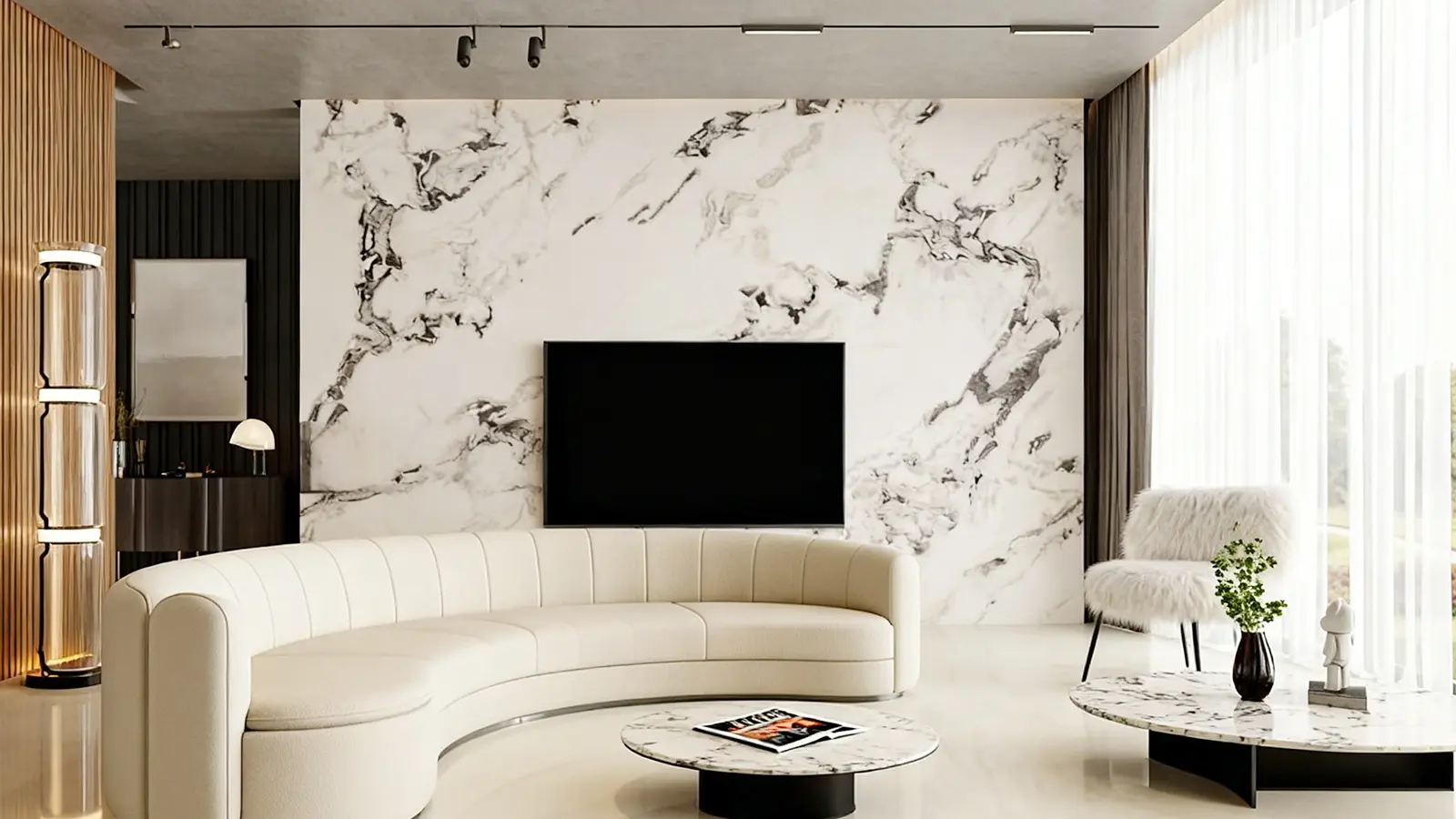
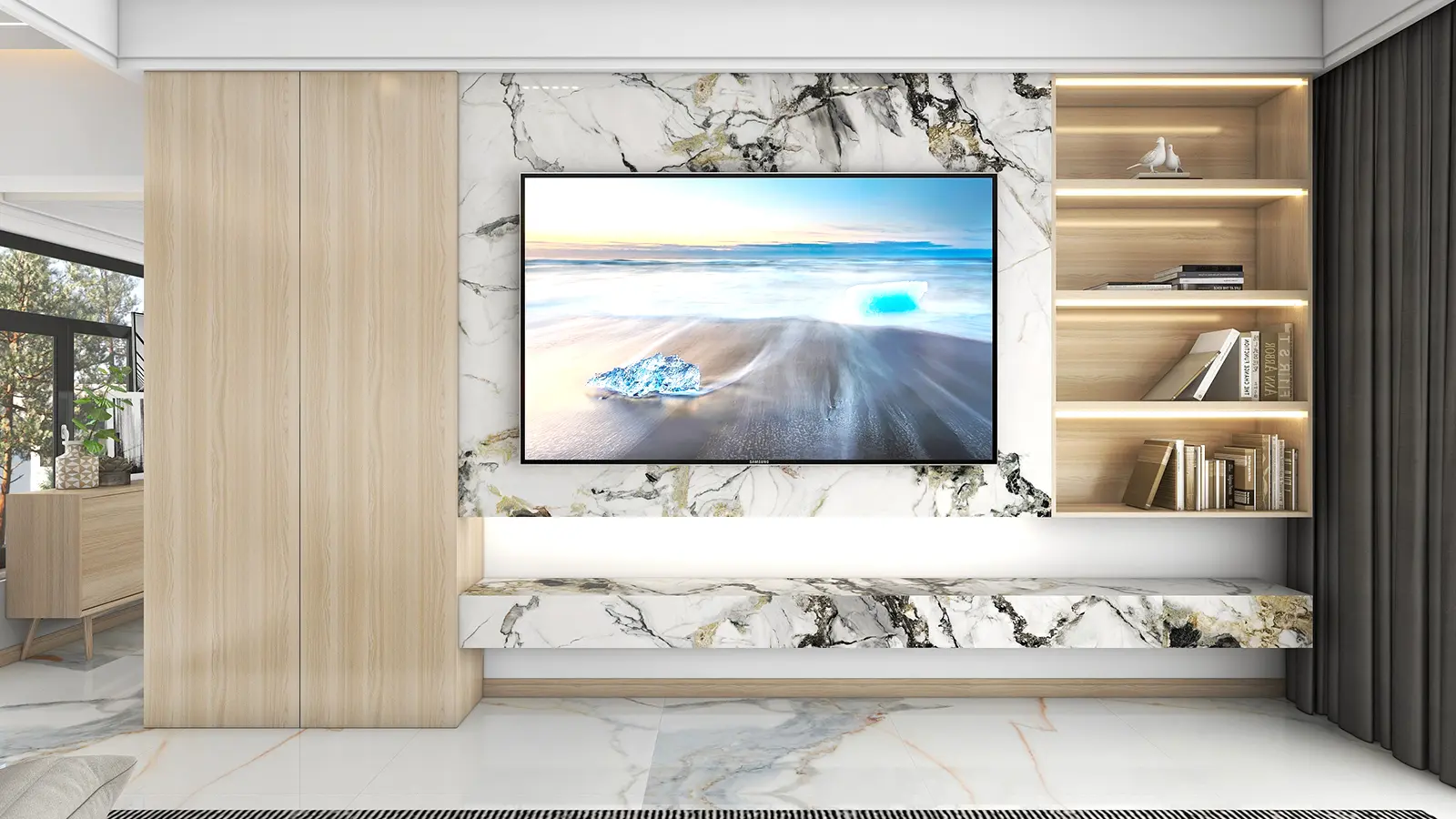
- TV background walls
- Bedroom accent features
- Dining room statement walls
- Hallway enhancements
- Ceiling treatments
Their neutral elegance fits seamlessly into modern, rustic, and contemporary homes alike.
Understanding WPC Types to Maximize Design Results
Selecting the right type of WPC wall panel is essential for performance and longevity.
- Interior-Grade WPC Panels: Lightweight, finely textured, and suited for climate-controlled environments.
- Exterior-Grade Co-Extruded Panels: With enhanced UV resistance and hardwearing surfaces.
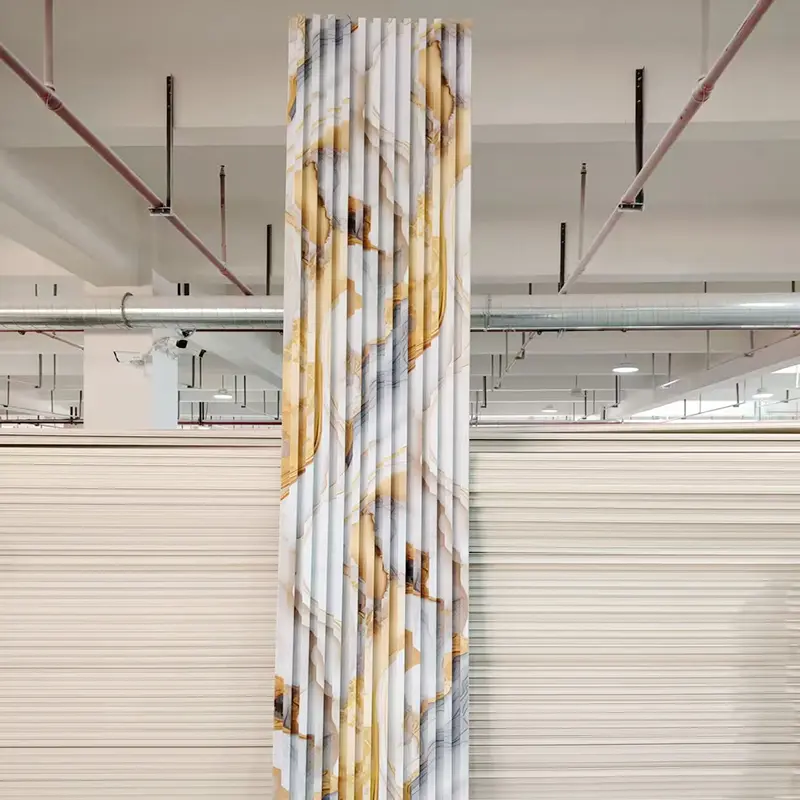
- Decorative 3D or Sculpted Panels: Ideal for luxury interiors, lobbies, and high-impact visual installations.
- Acoustic WPC Panels: Engineered with perforations and backing materials for sound absorption.
Whether the goal is a subtle touch or a dramatic transformation, each type fulfills a distinct role.
Why WPC Outperforms Traditional Building Materials
Compared to Wood
Natural wood ages quickly outdoors and requires yearly maintenance. WPC maintains the same warm aesthetic while eliminating rot, termites, and cracking.
Compared to PVC
PVC has low cost but lacks natural warmth and long-term stability. WPC is stronger, more authentic-looking, and more environmentally friendly.
Compared to Metal
Metal offers a sleek modern look but can feel cold and industrial. WPC brings visual warmth while retaining durability.
Conclusion: The New Foundation for Future-Oriented Architecture
WPC wall panels have moved beyond being an alternative material—today, they are one of the defining elements of high-quality contemporary architecture. By merging natural beauty with technological stability, they deliver the perfect blend of elegance, endurance, and sustainability. Whether the setting is a luxury villa, an urban hotel, or a creative office, WPC wall panels lay the foundation for spaces that feel timeless, expressive, and built for real-life longevity.